

Pittsburgh Marathon Hotels: Best Locations for Runners and Spectators
Race weekend in Pittsburgh moves fast, and your hotel can make the difference between a calm morning and a stressful scramble. Pittsburgh Marathon hotels near the start, finish, or transit lines fill up quickly, so where you stay matters as much as the room itself.
If you’re running, cheering, or traveling with family, you want a stay that cuts down on early-morning logistics and keeps race day simple. The best option depends on your budget, your preferred location, and how much walking or transit you want to deal with before the gun goes off.
A smart booking can save time, money, and energy, while a rushed one can leave you farther from the action than you planned. Next, you’ll see where to stay, what to look for, how to compare price and location, and the booking mistakes that trip people up.
Why your hotel choice can make or break marathon weekend
Race weekend puts every minute under pressure. A good hotel keeps the morning calm, while a poor one adds extra miles before you ever reach the course. For Pittsburgh Marathon hotels, location often matters more than plush bedding, because runners care about saved steps, saved time, and a steadier head.
The right stay can lower stress in simple ways. You sleep better when you are not worrying about a long ride, a packed shuttle, or a last-minute detour. You also spend less energy on race morning, which matters when your legs already have a big job ahead of them.
A hotel within walking distance of the start or finish trims away the parts of race morning that wear you down. You can leave later, avoid the crush of early traffic, and keep your body warm without sitting in a car or shuttle for too long. That matters more than most people think, because the first energy you spend is often the hardest to get back.
Close hotels also make packet pickup and pre-race errands easier. If you need to grab your bib, check a bag, or meet a friend for a quick breakfast, a nearby room turns those tasks into a short, easy loop instead of a production.
A nearby stay also helps with warm-up plans. You can jog a few blocks, stretch, then head out at a steady pace without rushing. If you want a practical reference point, local runners often talk about staying near the race core for exactly that reason, which you can see reflected in this Pittsburgh Marathon hotel discussion.
What runners, spectators, and families each need from a stay
Not everyone on marathon weekend wants the same hotel. Runners usually want the quietest room, the easiest route to the start, and breakfast that opens early enough to matter. Many would trade a bigger suite or fancy lobby for five extra minutes of sleep and a shorter walk.
Spectators need a different setup. They may want a room close to transit, restaurants, and viewing spots, so they can move around the city without guessing at parking or rides. Families often care even more about space, because extra beds, parking, and a simple dinner plan can save the day when everyone is tired.
A single hotel can work well for one group and feel awkward for another. A compact downtown room may be ideal for a solo runner, but cramped for parents with kids and gear. A suburban hotel may offer easier parking, yet it can add stress for anyone trying to reach the start on time.
The best neighborhoods for Pittsburgh Marathon hotels
The best neighborhood depends on your race-day priorities. If you want the shortest walk and the least friction, downtown is the clear favorite. If you care more about food, atmosphere, or a quieter night, the Strip District, North Shore, Shadyside, and Oakland each bring something different to the table.
Race weekend rewards simple decisions. A hotel close to the start, finish, or expo can save time and energy, but a slightly farther neighborhood may give you better rates or a calmer place to sleep. The key is matching the area to your schedule, your budget, and how much walking you want before the race begins.
Downtown Pittsburgh for the easiest race weekend logistics
Downtown is usually the most popular choice for a reason. It puts you close to the race core, the expo, restaurants, and many of the hotel options that runners want most. For a marathon weekend, that kind of access feels like walking through an open door instead of climbing a hill.
Many official host hotels sit within walking distance of the start and finish areas, which takes a lot of pressure off race morning. You can leave later, keep your legs fresh, and avoid the scramble of parking or long rides before the gun goes off.
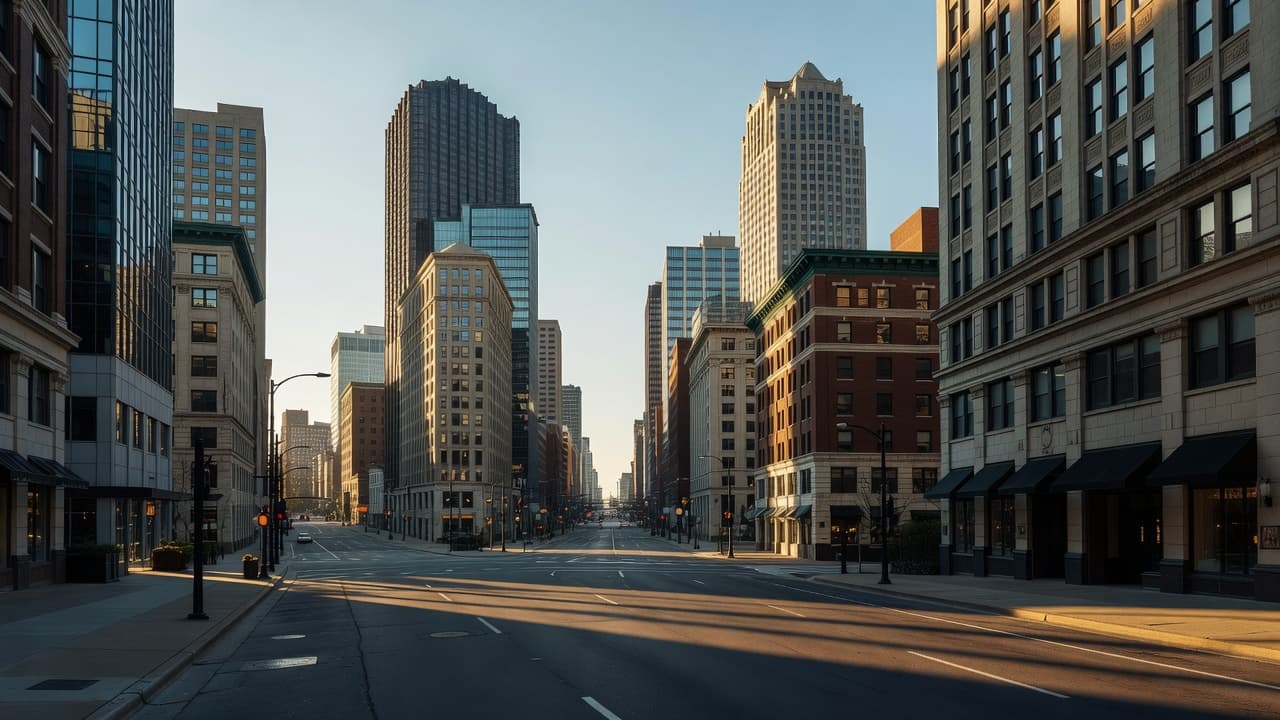 Downtown also makes meals easier. You can grab an early dinner, find breakfast nearby, and return to your room without making a big plan out of every stop. The tradeoff is price, because downtown Pittsburgh marathon hotels tend to book early and cost more than rooms farther out.
If you want the smoothest race-weekend setup, downtown is usually the safest bet, even if it costs a little more.
The Strip District for food, walking, and a lively atmosphere
The Strip District works well for travelers who want more than a place to sleep. It has a busy, energetic feel, with markets, coffee shops, bakeries, and casual dining all close together. That mix makes it appealing for runners who want an easy breakfast run and for spectators who plan to spend the day moving around the city.
This area also gives you decent walkability to parts of the race area, depending on your hotel location. You may not have the same straight-line convenience as downtown, but you still stay close enough to avoid a complicated race-morning commute.
The Strip fits especially well if you like starting the day with coffee and a quick pastry, then easing into the rest of the weekend. It feels a little less formal than downtown, and that can be a plus if you want the marathon trip to feel relaxed instead of tightly scheduled.
North Shore and nearby areas for fans who want to be close to the action
The North Shore is a strong choice if you care more about being near the course and the crowd than being in the middle of the hotel district. Staying near the stadiums, the river, and major race routes keeps you close to the action, which is helpful for spectators following runners or meeting friends at different points along the course.
For fans, this location can feel especially convenient. You can watch the race, walk to the waterfront, and get back to your hotel without crossing the city. That saves time and makes it easier to move between cheering spots.
The downside is traffic, because event weekend brings busier streets and more road closures. If you are a light sleeper or want a calmer evening, the energy here may feel like a drumline outside your window.
Shadyside, Oakland, and other backup options if downtown sells out
When downtown fills up, look at Shadyside, Oakland, and nearby neighborhoods next. These areas usually give you more hotel inventory and can sometimes offer better rates than the race core. They also work well if you want a more neighborhood feel after a long day in the city.
Shadyside is a good pick if you want quieter streets, walkable dining, and a polished residential feel. Oakland can work well for travelers who want transit access and a broader range of hotels, although race morning may take a little more planning.
A short drive or rideshare can still get you where you need to go, but it adds another moving piece. That matters most on marathon morning, when every extra minute feels longer than it should. If you book in one of these backup areas, give yourself more buffer time and check your route before race day.
For a broader look at how nearby neighborhoods compare, a quick scan of local discussions like where runners stay in Pittsburgh can help you spot common choices and avoid last-minute surprises.
The best area comes down to your own weekend plan. Choose downtown if you want the easiest race logistics, the Strip District if food and atmosphere matter most, North Shore if being close to the course matters most, and Shadyside or Oakland if you need a backup that still keeps you within reach of the action.
More Pittsburgh Marathon Hotel & Accommodation Guides
Choosing where to stay for the Pittsburgh Marathon can make race weekend much easier, especially when road closures, crowded streets, and an early race start can complicate transportation. Whether you want to stay near the start or finish, in downtown Pittsburgh, close to the expo, or at a hotel that fits your budget and family needs, use the guides below to find the best Pittsburgh Marathon hotel for your race-weekend plans.
Start & Finish Line Hotels
- Best Hotels Near the Pittsburgh Marathon Start Line
- Best Hotels Near the Pittsburgh Marathon Finish Line
Expo & Downtown Hotels
Where to Stay
Budget, Luxury & Family Hotels
- Cheapest Hotels for the Pittsburgh Marathon
- Best Luxury Hotels for the Pittsburgh Marathon
- Best Family Hotels for the Pittsburgh Marathon
- Best Last Minute Hotels for the Pittsburgh Marathon
Race Guides
What to look for in Pittsburgh Marathon hotels before you book
The right hotel does more than give you a bed for the night. It protects your morning, your legs, and your headspace. Before you book, focus on the details that matter on marathon weekend, because the smallest inconvenience can feel huge when you are waking up before dawn.
A good Pittsburgh Marathon hotel should work for your race plan, not against it. That means checking the clock, the parking lot, the room setup, and the cancellation policy with the same care you give your training schedule.
An early breakfast can feel like a lifeline on race morning. You want food ready before your nerves turn into a clock, and you want simple options that sit well before miles of running. Hotels that open breakfast early give you more control over the morning and less reason to rush.
Look for basic foods that runners can actually use:
- Oatmeal
- Bagels or toast
- Peanut butter
- Bananas
- Yogurt
- Coffee and tea
- Water or juice
Late-opening dining creates a problem fast. If breakfast starts after your alarm, you may end up skipping it, hunting for food nearby, or eating in a hurry. That can leave you under-fueled, distracted, or both.
If breakfast begins too late, the hotel stops feeling like a convenience and starts acting like one more obstacle.
When you compare Pittsburgh Marathon hotels, ask about breakfast hours, coffee access, and whether anything is available before the main buffet opens. A simple grab-and-go setup can be just as useful as a full spread if it gets food in your hands early.
Parking, shuttles, and getting around without extra stress
Parking can change the real price of a hotel in a hurry. A nightly rate may look reasonable until valet, garage fees, or event-day surcharges get added on. In other words, the cheapest room on paper can become the most expensive stay by checkout.
Check these details before you book:
- Parking fees and whether they are charged per night or per exit
- Valet options, especially if you want to avoid parking garages after a long race
- Shuttle service to the start, finish, expo, or nearby transit
- Rideshare access, since some hotels are easier to reach than others once roads close
The total cost matters more than the room rate alone. A hotel with a higher nightly price may still be the better buy if it includes parking or makes race-day transportation simple. If you want a broader sense of hotel location planning, the official Pittsburgh Marathon hotel information is a useful place to compare options.
Quiet rooms, late checkout, and recovery after the race
After 26.2 miles, runners usually want stillness. A quiet room, blackout curtains, and a bed that lets you fully shut out the city can make recovery feel less messy. The hotel should help you rest, not keep you alert with hallway noise, elevator traffic, or thin walls.
Late checkout matters too. If you can stay a few extra hours, you have time for the things that marathon legs demand:
- Ice
- Food
- A shower
- A change of clothes
- A little lying down before the drive home
That extra time can make the difference between a hard, rushed exit and a calmer finish to the weekend. After a race, even a small delay helps. You may want to sit still, refuel, and let your body settle before you pack the car.
Book with recovery in mind, not just race start time. Ask whether the room is quiet, whether the curtains block morning light, and whether the front desk can approve a late checkout request. If a hotel gives you space to breathe after the finish, it earns its place on your shortlist.
How much Pittsburgh Marathon hotels usually cost
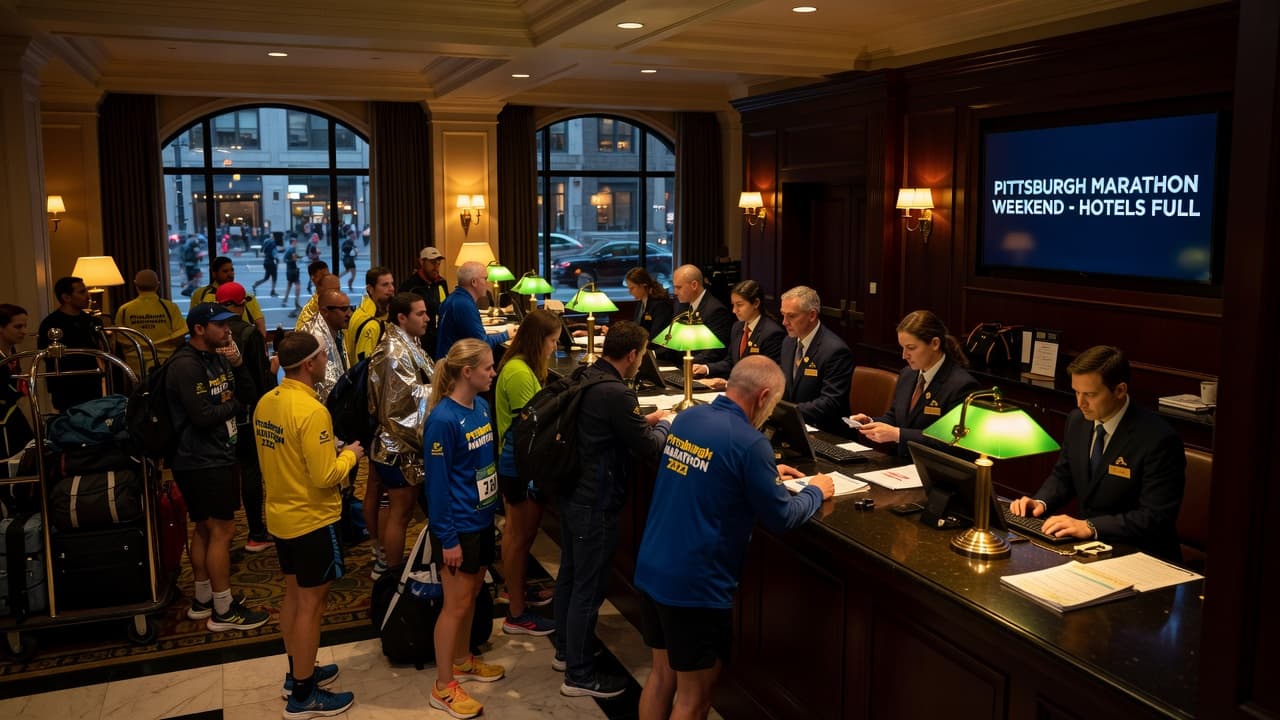
Pittsburgh Marathon hotel prices usually move in layers, not in a single fixed number. A basic room can look reasonable far from race week, then climb fast as downtown fills, the expo gets closer, and runners start locking in their plans. The safest way to think about it is simple, closer to the course and later to race day usually means higher rates.
Why race week prices rise fast
Hotels near downtown and the race corridor sell out first because everyone wants the same convenience at the same time. That is plain supply and demand, more people want those rooms than the hotel has to sell.
Once the first wave of reservations is gone, the remaining rooms often get more expensive. Prices can jump again as race day gets closer, especially for properties near the course, the expo, and major transit lines. Road closures also make central locations more attractive, and the city posts marathon weekend closures here, which is one reason people book early.
The best rates usually disappear before the marathon crowd fully arrives.
Room type matters too. A standard king room costs less than a suite, and a room with extra space for family or gear usually carries a higher price. If you wait until the final stretch, you often pay for convenience, not comfort.
Smart ways to save without ending up too far away
A few practical moves can keep the bill under control without turning race morning into a commute nightmare. The biggest one is booking early, because that is when you still have choices. Flexible cancellation rates help too, since they let you reserve a room now and adjust later if your plans change.
It also pays to look one step outside the busiest zones. Neighborhoods near downtown often cost less than the core, yet still keep you close enough for an easy rideshare or a manageable walk. If you are traveling with family or friends, splitting a larger room or suite can bring the per-person cost down fast.
A simple price comparison helps set expectations:
| Hotel type | What you usually get | Best fit |
|---|---|---|
| Budget | Smaller room, fewer extras, farther from the race core | Travelers who want the lowest price |
| Mid-range | Better location, more comfort, sometimes breakfast or parking perks | Most runners and spectators |
| Upscale | Prime location, larger rooms, stronger amenities | Guests who want the easiest weekend |
Mid-range hotels usually hit the sweet spot for many runners. Budget rooms save money, but they may add transit time. Upscale options cost more, yet they can remove enough stress to feel worth it if you value location and sleep.
The best booking strategy for marathon weekend
The smartest booking plan is simple: start early, stay flexible, and compare a few good options before the race crowd locks everything down. For Pittsburgh Marathon hotels, the best rooms often disappear months ahead, especially downtown and near the course, so waiting can narrow your choices fast.
You want a room that fits your race plan without forcing extra stress into the weekend. That means thinking about location, cancellation terms, breakfast timing, parking, and how much walking you want on race morning.
Book as soon as your race plans are set. That usually gives you the widest mix of room types, better rates, and a better shot at downtown or race-adjacent hotels before they fill up.
A good rule of thumb is this, if you already know you are running or attending, reserve your hotel months ahead instead of waiting for the final few weeks. The closer you get to marathon weekend, the more you are competing for leftovers.
That matters most for the rooms runners want first:
- Downtown hotels near the start and finish
- Properties with early breakfast
- Rooms with flexible cancellation policies
- Hotels that include parking or easy transit access
If you are still undecided, book a refundable option now and keep watching rates. That gives you a place in line while you compare other Pittsburgh Marathon hotels without the pressure of a sold-out city.
What to ask before you click reserve
Before you book, slow down and read the fine print. A room can look perfect until you see a late check-in time, a steep parking fee, or breakfast that starts after your wave time.
Ask these questions before you confirm:
- What is the cancellation policy, and how late can you cancel without a fee?
- What time does breakfast begin, and does it work for an early race start?
- How much is parking, and is it valet, self-park, or both?
- What time is check-in, and can the hotel store bags before that?
- Can you request a quiet room away from elevators or street noise?
These details matter because marathon weekend runs on a tight schedule. A few extra minutes at the front desk or a surprise fee can throw off a calm plan.
If a hotel cannot answer these questions clearly, keep looking.
Also ask whether the hotel will note a quiet-room request in your reservation. It does not guarantee a silent floor, but it helps. For one useful reference point, Booking.com’s cancellation policy guide explains why the rules behind a reservation matter just as much as the rate itself.
Why flexible rates can be worth it
Flexible rates often cost a little more, but that extra amount can save you money later if plans shift. Travel dates change, races get rescheduled, teammates drop out, or family members decide not to come. If any of that happens, a nonrefundable room can turn into a headache.
Flexibility is especially useful when you are booking early. You get the best shot at a strong location now, then you can adjust later if you find a better fit. That is much easier than waiting until hotels near the marathon sell out and then settling for whatever is left.
Flexible bookings also make sense if you are comparing Pittsburgh Marathon hotels across neighborhoods. You can reserve a downtown room, keep shopping, and cancel only if another option clearly beats it on price or location. That approach keeps pressure low and gives you room to make a better choice.
If you want a simple decision rule, use this: pay a little more for flexibility when your travel plan is not locked in. It is a small premium for a lot more control, and that control matters when race weekend starts filling the city months in advance.
A simple hotel game plan for runners and supporters
The easiest hotel choice is the one that matches your role on race weekend. A runner needs calm, early breakfast, and short travel. A supporter needs access, movement, and a plan for where to wait, cheer, and eat between stops.
Use your trip style as the filter. That keeps the decision simple and helps you avoid paying for the wrong kind of convenience. The best Pittsburgh Marathon hotels are the ones that reduce friction, not just the ones with the lowest rate.
Best fit if you want the smoothest race morning
Look for a room that lets you stay in your own rhythm. Quiet hallways, blackout curtains, and easy bag storage matter more than fancy extras when you are getting dressed in the dark. If you can leave the hotel on foot, eat on your own schedule, and reach the course without guessing about traffic, you’ve already won part of the day.
A simple runner checklist helps:
- Walkable or very short transit access to the start or finish
- Early breakfast or reliable coffee access
- Quiet room request
- Easy bag drop or storage
- Flexible checkout for after the race
The best runner hotel is the one that makes the first hour of the day feel boring in a good way.
Best fit if you are traveling with a group
Groups need room to spread out. A suite, double-room setup, or larger hotel room often works better than squeezing everyone into a small downtown space. You may give up a little convenience, but you gain breathing room, which helps when multiple people are packing, changing, and trying to leave at different times.
Parking also matters more when you travel with family or friends. Easy self-parking, nearby garages, and simple rideshare pickup can save you from circle-after-circle frustration. If the group plans to eat together, stay near restaurants that can handle a pre-race dinner and a post-race meal without a long wait.
This is the point where Pittsburgh Marathon hotels outside the absolute center can make sense. A nearby neighborhood hotel may give you more space, a better rate, and less noise, while still keeping you close enough to the action. That tradeoff often feels right for families and larger groups, because everyone gets a little more comfort.
A group-friendly plan usually includes:
- A room or suite with extra space
- Parking that does not turn into a puzzle
- Restaurants within walking distance
- A clear meetup point for race day
- Enough flexibility if plans shift
If you’re traveling with kids, gear, or non-runners, the cheapest room can become the most tiring one fast. Space and simple logistics usually matter more than a lower nightly rate.
Best fit if you are watching from the sidelines
Supporters should think about movement first. Transit access, easy walking routes, and a hotel near the finish-area crowd can make the day much smoother. You do not need the exact same setup as the runner, but you do need a place that helps you get to viewing spots without a long parking hunt or a stressful cross-town ride.
If you want to cheer in more than one place, stay near transit or a neighborhood with flexible access to the race corridor. That gives you room to move between spots, grab food, and head back to your hotel without losing half the day to logistics. The Pittsburgh Marathon getting around guide is a helpful reference when you’re mapping that out.
A good spectator hotel also keeps food close. Look for breakfast before cheering, lunch near your viewing area, and a post-race dinner option that won’t leave you standing in a long line while your runner is trying to recover. A room near the finish can be especially useful if you want to celebrate, meet up quickly, and avoid the heaviest traffic.
For spectators, these priorities usually matter most:
- Transit or walkable access to the course
- Easy access to finish-area viewing
- Nearby coffee, lunch, and dinner spots
- A simple way to reunite with runners after the race
- Parking that doesn’t add extra stress
If you want a calm weekend, book based on your role, not just the hotel rate. A runner, a supporter, and a family traveling together all need different things. The best stay is the one that matches the race plan, because that’s what keeps the whole weekend moving in the right direction.
Conclusion
The best Pittsburgh Marathon hotels do more than give you a bed for the night. They save energy, cut stress, and keep race weekend moving at a pace that feels calm from check-in to the final mile.
Location should lead the decision, then price, breakfast, parking, and flexibility. Downtown usually gives runners the cleanest race-day setup, while other neighborhoods can work well if they better fit your budget or group needs.
Book early, because the right room goes fast. When your hotel matches your marathon plans, the whole weekend feels smoother, and that matters more than any extra amenity.


