

Philadelphia Marathon Finish Line: Location, Spectator Areas & What to Expect
Runners turn onto Benjamin Franklin Parkway with the finish line ahead, the broad avenue filling with cheers, cowbells, and the final surge of effort. For marathoners, the Philadelphia Marathon finish line is where months of training, pacing decisions, and difficult miles come together.
Families and spectators need a clear plan, too. Crowds, closed roads, limited crossing points, and a tired runner without a working phone can make an emotional reunion harder than expected, so choosing a viewing spot and meeting location in advance matters.
This guide covers the finish area, transportation, spectator viewing spots, runner services, meeting plans, and race-day strategy. Exact layouts, road closures, start times, and available services can change each year, so confirm final details on the official Philadelphia Marathon website before race weekend. Start by getting familiar with the finish-line area and the best ways to reach it. Remember, book early for your Philadelphia Marathon hotels and save.
Key Takeaways
- Plan your viewing spot and runner meeting location before race morning, since crowds and road closures can separate families.
- Runners should follow the official finish-area route, collect recovery supplies, and keep identification and emergency contacts accessible.
- Spectators should arrive early, use public transportation when practical, and check the Philadelphia Marathon weekend FAQ for current details.
- Choose a meeting point beyond the finish area, where phone service and pedestrian movement are easier.
- Confirm race times, street closures, transportation changes, and spectator rules before leaving for Philadelphia.
Philadelphia Marathon Finish Line: Location, Layout, and What to Expect
The Philadelphia Marathon finish line is usually located along Benjamin Franklin Parkway near the Philadelphia Museum of Art, around 22nd Street and the Eakins Oval area. The exact intersection, chute design, spectator zones, and restricted areas can change, so check the official marathon race information and current course map before race weekend.
The final stretch is controlled for safety. Crowd barriers, timing equipment, race officials, announcers, medical teams, and volunteers can narrow the available space. Spectators may need to remain behind designated fencing, while runners must stay inside the marked course and finish chute.
How the Final Mile Feels for Runners
The final mile often changes your mindset before it changes your pace. Fatigue remains in your legs, but the finish becomes easier to picture as you pass familiar Parkway landmarks and see the road opening toward the museum.
Crowd noise builds around you. Spectators call out names, music fills the avenue, volunteers point runners through each turn, and homemade signs rise above the barriers. Cameras appear near the final approach, while other runners search for their own last reserve of energy. Some runners talk, some smile, and others focus on reaching the next cone.
That excitement can make you move before your body is ready. Stay alert, especially when runners slow suddenly or cross toward family members after finishing. Follow every cone, arrow, and volunteer instruction, and keep your eyes ahead rather than turning toward the crowd for too long.
The finish line is close, but a controlled final mile is safer than an emotional sprint that strains a calf or causes a collision.
If your legs feel good, increase effort gradually over the final stretch. Avoid an abrupt surge, weaving between runners, or stopping immediately after the timing mats. You still need room for the runners behind you and the volunteers managing the chute.
What Happens After You Cross the Finish Line
After you cross the Philadelphia Marathon finish line, continue walking through the chute at an easy pace. Staff members typically direct finishers toward medal distribution, fluids, food, and recovery services rather than allowing runners to gather beside the timing line.
The post-race flow may include:
- A volunteer places your finisher medal around your neck.
- Staff direct you toward water, sports drinks, and available food.
- Medical personnel assist runners who feel faint, injured, excessively cold, or overheated.
- Signs or volunteers guide you toward gear pickup, changing areas, transportation, or family meeting zones.
Access rules can differ between the full marathon, half marathon, wheelchair divisions, and volunteer areas. A family member may not be able to enter the runner-only chute, and finishers may need to follow a longer walking route before reaching spectators.
Keep moving gently, even if you want to stop and relive the moment. Put on a jacket or dry layer as soon as possible, since sweat can become uncomfortable while you stand outside. Most importantly, follow staff directions and check the Philadelphia Marathon FAQ for current finish-area access rules, services, and race-day changes.
How to Get to the Philadelphia Marathon Finish Line on Race Day
Reaching the Philadelphia Marathon finish line takes more planning than finding the Philadelphia Museum of Art on a normal Sunday. Race barriers, traffic restrictions, transit detours, and dense crowds can change your route before you reach the Parkway. Public transportation and walking are usually more practical than driving directly to the finish area.
Road Closures, Transit Delays, and the Best Arrival Window
Race-day closures can affect taxis, rideshare vehicles, SEPTA buses, and private cars. A driver may drop you several blocks away, while a bus may follow a temporary route or skip a familiar stop. Parking near the finish line can also become difficult or unavailable as restrictions take effect.
For most spectators, SEPTA is the simplest option. Regional Rail can bring visitors into Center City, where they can continue by subway, trolley, bus, or on foot. If you stay in Center City, walking may be faster than waiting in traffic. Leave your hotel early, follow the race perimeter, and expect pedestrian detours near the finish area.
Families traveling from outside Philadelphia should build in extra time for the trip, the walk from transit, and restroom stops. Arriving before major closures take effect gives you more choices and reduces the chance of getting stranded on the wrong side of the course. The Philadelphia Marathon road-closure announcement explains why traffic delays and parking restrictions can affect much of the city.
Before race morning, save two routes:
- Use SEPTA or Regional Rail as your primary plan, then walk the final distance.
- Choose a backup station or drop-off point outside the restricted area.
If you use a taxi or rideshare vehicle, request a drop-off away from the finish zone. Confirm the exact location with your driver before entering the car, because the closest legal drop-off may still require a substantial walk. Review the current transportation guide, closure map, and race updates from the organizers and the City of Philadelphia before leaving.
Accessibility and Family-Friendly Travel Planning
People with mobility needs should contact race staff before race day. Ask about accessible entrances, curb cuts, restrooms, seating areas, crossing points, and the least crowded route to the viewing zone. Conditions can change, so a confirmed plan is safer than relying on a familiar entrance.
Spectators who cannot stand for long periods should identify seating or a nearby indoor option before arriving. Young children and older adults may also need frequent breaks, warm layers, snacks, and easy restroom access. A finish-line crowd can feel tight, especially when runners and families move in different directions.
Set a meeting plan before leaving home or the hotel. Choose a location beyond the runner-only finish area, write down the plan, and give each person a printed copy or saved note. Cell service may slow under heavy use, and a tired runner may miss calls. A clear meeting point keeps the reunion simple when the crowd starts moving.
Choose Your Distance, Duration and Goal Time
Make three quick selections and open the exact plan built for your race target.
Looking for a Fully Personalized Training Plan?
The training plans above are an excellent choice if they match your goal. However, if you’d rather train with a plan built specifically around your current fitness, goal race, preferred training days, weekly mileage, and target finish time, our RDA Custom Training Plans provide a personalized solution. We also have running courses available for runners seeking to run faster from the mile to the marathon.
Why Choose a Custom Training Plan?
| Standard Training Plan | RDA Custom Training Plan |
|---|---|
| Follows a fixed schedule | Built around your schedule |
| Standard weekly mileage | Peak mileage customized for you |
| Fixed workout days | Train on the days you choose |
| Same structure for everyone | Designed around your current fitness |
| Static plan | Updated as your fitness improves |
| One-time purchase | Ongoing personalized coaching and support |
What You’ll Receive
- A training plan built specifically for your goal
- Personalized training paces
- Long runs, tempo runs, threshold workouts, interval sessions, recovery runs, and easy runs
- Peak weekly mileage matched to your experience level
- Flexible training schedule that fits your life
- Ongoing plan adjustments as your fitness improves
Ready to Train Smarter?
Stop guessing and start following a plan built specifically for you, your schedule, and your racing goals.
The Best Places to Watch and Meet a Runner Near the Finish Area
The best spectator location depends on your priority. You can stand near the final stretch for a close view, move farther back for easier walking, or skip the finish-line crowd and reunite at an official meeting area. The right choice is the one your group can reach, recognize, and use without crossing barriers or guessing where the runner went.
The official Philadelphia Marathon FAQ lists recommended spectator viewing areas and race-weekend access details. Check it before race morning because the course layout, security zones, and meeting arrangements can change.
How to See Your Runner Without Missing the Moment
Watching near the final stretch gives you the strongest view of the Philadelphia Marathon finish line, but those areas can fill early. Arrive well before your runner’s projected finish, choose a legal position behind the barriers, and stay there. Trying to cross the course or move through the crowd at the last minute can make you miss the runner entirely.
Before race day, confirm these details with your runner:
- Their bib number and expected finish time.
- Their likely pace range, especially if weather or fatigue could affect the prediction.
- The color and type of clothing they will wear.
- Whether they’ll run on the left or right side of the course.
- The name, phrase, or sign they will look for.
Course tracking can narrow the waiting window when the official race system or app provides it. The Philadelphia Marathon home page directs spectators to the event’s official app, which may provide current race information. Still, tracking can lag or lose service, so treat it as an aid rather than your only plan.
Keep your phone fully charged, carry a portable battery if you have one, and save the runner’s number before the crowds arrive. After several hours on the course, a runner may look pale, bundled up, or unlike the person you saw at the start. Bright clothing, a familiar name, and a large simple sign make recognition much easier.
A viewing spot farther from the timing mats may offer a better balance. You will see the runner approach while keeping more room to move toward transportation or your reunion point.
Where to Reunite After the Race
The finish line itself is usually a poor meeting point. Runners enter a controlled chute after crossing, then continue toward medals, fluids, food, medical support, and other post-race services. Spectators cannot always reach that route, and runners may walk several minutes before exiting the restricted area.
Choose a clear landmark outside the busiest flow. Use a museum entrance, a named plaza, or another fixed public reference point listed in the race instructions. Avoid vague plans such as “near the finish” or “by the barriers.”
Share a backup location before the race begins. Also agree on what happens if the runner’s phone is off, the battery dies, or the group cannot connect.
A simple family plan could look like this:
- The family watches from the assigned spectator area.
- The runner follows the official chute and collects their medal and recovery supplies.
- Everyone meets at the agreed landmark outside the finish zone.
- If the runner cannot reach that point, everyone moves to the backup location after 30 minutes.
- No one crosses barriers or leaves the area early without telling the group.
That plan turns a crowded finish into a sequence of easy decisions.
Finish-Line Strategy for Runners Chasing a Strong Philadelphia Marathon Result
The final miles of the Philadelphia Marathon reward discipline more than excitement. The finish line may appear close, but your result still depends on how well you manage pace, fatigue, fueling, and form through the closing stretch.
A strong finish begins with decisions made earlier in the race. Use the final miles to apply your plan, not abandon it.
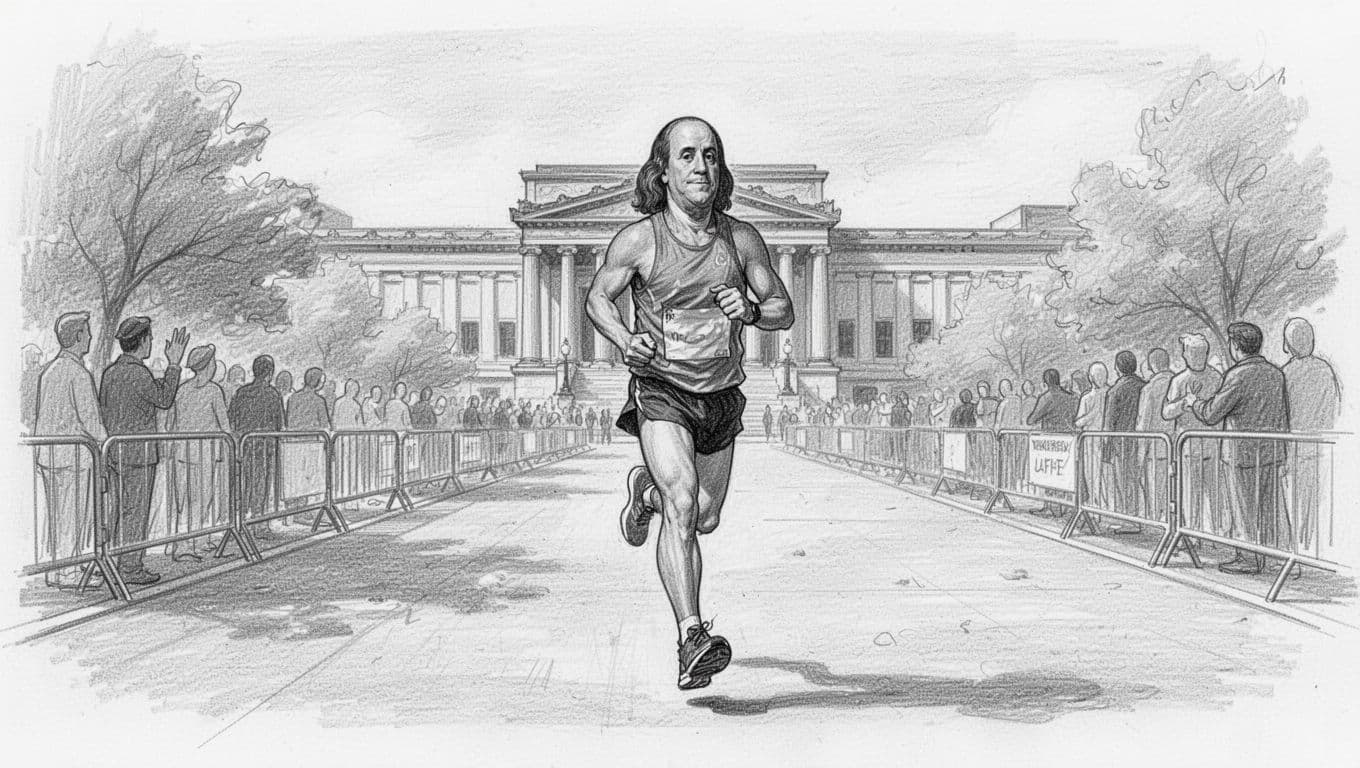
Use the Final Miles Without Racing Too Early
Break the closing miles into smaller tasks. Focus on reaching the next mile marker, aid station, turn, or visible landmark instead of treating the entire finish stretch as one long effort. This approach gives your mind a clear job and helps you respond to fatigue without making an emotional pacing decision.
If you’re near your goal time, protect your current pace before trying to gain seconds. Check your breathing, posture, cadence, and footing. When those remain controlled, increase effort gradually by lifting your rhythm slightly or shortening your ground contact. Avoid a sudden sprint that forces your legs into a pace they can no longer support.
Fueling still matters before the final stretch. If your race plan includes a gel or carbohydrate source late in the marathon, take it with enough water and time for it to help. Don’t experiment with an unfamiliar product or swallow nutrition while weaving through runners. Follow the plan that your stomach and training have already tested.
Your form can reveal trouble before your pace does. Relax your hands, drop your shoulders, keep your eyes forward, and maintain a stable trunk. If your stride becomes uneven or a cramp starts to build, reduce the effort briefly and regain control.
The finish-line surge should come from strength you still possess, not panic about the clock.
Only accelerate when you can hold the change without losing form. The official TIAA Philadelphia Marathon race information can help you review current course details before race day, but your best closing pace will come from honest assessment in the moment.
The Finish-Line Details That Keep You Safe
As you approach the Philadelphia Marathon finish line, follow every cone, arrow, barrier, and volunteer instruction. Watch for runners slowing ahead of you, especially near the timing mats, and hold your line instead of cutting across the course.
Once you cross, keep walking through the chute. Don’t stop immediately for photos, hugs, or a watch check because runners behind you still need room. Move toward the designated recovery area, collect fluids, and signal a volunteer if you feel dizzy, confused, injured, or unable to walk steadily.
Cold air can feel sharper after you stop running. Wind, rain, and sweat can chill you quickly, while cramps may worsen when tired muscles cool down. Pack warm, dry post-race clothing that you can put on without delay, including a jacket, hat, socks, and comfortable pants. Check the Philadelphia Marathon FAQ for current finish-area procedures and runner services.
How to Prepare Mentally for the Last Half Mile
Use a short routine when the final half mile begins. First, relax your jaw and shoulders. Next, check that your posture stays tall and your arms swing without crossing your body. Then choose one runner ahead and hold a steady rhythm toward them.
Repeat a calm cue such as, “Smooth and strong,” or, “Stay tall, keep moving.” Let the crowd support you, but don’t chase every shout or surge around you. Acknowledge the noise with a smile or quick glance, then return your attention to breathing and foot placement.
When the finish line comes into view, trust the work behind you. Months of training, long runs, recovery days, and difficult workouts have already prepared your body for this moment. Cross with control, knowing you gave yourself the best chance to finish the Philadelphia Marathon strong.
What to Pack and Plan for a Comfortable Finish-Line Experience
A comfortable Philadelphia Marathon finish-line experience depends on what happens after the race, not only the final miles. Runners need a light, race-tested setup, while spectators need supplies for several hours outside and a reliable reunion plan.
Weather, Clothing, and Recovery Gear
Philadelphia’s late-fall weather can shift quickly. A mild morning may turn cold, wet, or windy by the time the last runners finish, so flexible layers matter more than one heavy outfit.
Runners should separate race essentials from post-race comfort items. During the marathon, pack only what supports your plan:
- Identification, your bib, and any required race confirmation details.
- A phone, portable charger, and emergency contact information.
- Tested nutrition, such as gels or chews, plus water if your plan requires it.
- Weather-appropriate layers that won’t rub, overheat, or restrict your stride.
After crossing the Philadelphia Marathon finish line, your needs change. A dry shirt, warm pants, spare socks, and a jacket can make the difference between a pleasant recovery and a miserable walk. Add a hat or gloves when temperatures, wind, or rain call for them.
Give extra clothing to a family member before the start, or place it in the official gear-check bag according to current race rules. The Philadelphia Marathon FAQ explains current bag tags, storage options, and finish-area procedures. Don’t leave valuables in a checked bag unless the organizers clearly permit them.
Spectators should prepare for long periods outdoors. Wear shoes that handle pavement, crowds, and walking between viewing areas. Bring warm layers, rain protection, water, a small snack, and a phone charger. Carry only what you can manage in a crowd, and plan for cashless payment if food, drinks, or transportation services don’t accept cash.
A Simple Race-Day Timeline
Use this schedule as a framework, then adjust it when official instructions change.
- The night before: Check race updates, weather, transportation notices, wave times, bag rules, and finish-area access. Lay out clothing, identification, bib supplies, phone, charger, nutrition, water, and payment method.
- Before leaving: Eat the planned breakfast, use the restroom, and confirm how you’ll reach the Parkway. Spectators should pack snacks and identify restrooms along their route.
- Race morning: Arrive early enough to handle security, gear check, transportation delays, and the walk to the start or viewing area. Runners should avoid rushing into the corrals.
- During the race: Spectators should stay in their assigned viewing area. Runners should follow their pacing and fueling plans rather than reacting to crowd energy.
- After the finish: Runners should keep walking through the chute, collect their medal and recovery supplies, then add dry layers and water. Spectators should avoid entering restricted areas.
- Reunion: Meet at a landmark outside the finish flow. Keep a backup location in case phones fail, service slows, or the runner needs medical attention.
Confirm the latest TIAA Philadelphia Marathon race information before race day, since wave times, bag procedures, road closures, and family access can change.
Frequently Asked Questions
The Philadelphia Marathon finish line can feel simple when you watch from home, but race-day details still matter. These answers cover practical questions about tracking, access, restrooms, photos, results, and what to do when plans change.
Can spectators enter the Philadelphia Marathon finish-line chute?
No. The finish area is a secured zone, and spectators generally must remain outside the barriers. Only runners, event staff, vendors, and emergency personnel can enter restricted start and finish areas, according to the official Philadelphia Marathon FAQ.
Plan to watch from the approved spectator area, then let the runner complete the chute before meeting elsewhere. Trying to approach the timing mats can block runners and may lead staff to move your group.
How can I track a runner during the Philadelphia Marathon?
Use the official Philadelphia Marathon Weekend app when race organizers provide live participant tracking. The TIAA Philadelphia Marathon race page identifies the app as a resource for runners and spectators.
Tracking estimates can lag, especially when thousands of people use the same network. Combine the app with your runner’s bib number, expected pace range, clothing description, and a fixed meeting plan. That way, a delayed update won’t leave you guessing.
Are restrooms available near the finish line?
Portable restrooms and public facilities may be available near the race area, but locations and access can change with the event layout. Don’t wait until your runner is close to the finish before looking for one, since leaving a crowded viewing position may take time.
Spectators should use a restroom before reaching the Parkway and identify another option along the walking route. Runners should use facilities at the start or designated aid stations when possible, rather than stopping near the finish chute.
Can I take a finish-line photo with my runner?
You can photograph your runner from behind the spectator barriers, but you may not be able to stand beside the timing mats. Afterward, wait until the runner exits the controlled finish route and reaches your agreed meeting point.
A tired marathoner may need fluids, warmth, medical attention, or a quiet minute before posing. Keep the first reunion brief and practical, then find a less crowded location for photos.
Where do runners check official Philadelphia Marathon results?
Official results are usually posted through the race’s online results system or linked through the event website after timing data becomes available. Your runner should save their bib number and note their watch time, but the official result takes priority for recorded finish time and placement.
Results can take time to update when officials review timing records. If a result looks incorrect, follow the race organizer’s instructions for reporting a timing issue instead of relying only on a social media post.
What should I do if I can’t find my runner?
Stay at the planned meeting point for the agreed waiting period, then move to the backup location. Avoid changing locations repeatedly because a runner may arrive just after you leave.
If the runner feels ill or injured, they should contact medical staff or an event volunteer rather than walking alone through the crowd. Keep emergency contacts, hotel details, and the official race information saved offline before race morning.


