

Pace for a 30 Minute 5K: Mile and Kilometer Splits
Are you seeking a more strategic way of sustaining pace for 30 min 5k longer and more effectively? If so, then welcome to RunDreamAchieve. It is awesome that you have arrived here to my site.
My hope is that these running tips in this post and the fitness resources located here will be what you were looking for.
Be sure to subscribe to the RunDreamAchieve YouTube channel. My focus there is on making new videos there weekly to help runners like you surpass your training and racing goals.
Running a 5K in under 30 minutes is a goal many runners aim for. It’s not just about speed; it’s about strategy and preparation. Whether you’re new to running or looking to improve your time, understanding pacing can make all the difference. This guide will walk you through the essentials of pacing, training tips, race day prep, and common pitfalls to avoid. Let’s get started on your journey to a sub-30 minute 5K!
Build Your Running Performance System
Move from research to action with training, recovery, nutrition, pacing, and performance tools built for runners.
More Guides for This Runner Goal
Pace for 30 Min 5K Post Takeaways
- Consistent pacing is key to achieving a 30-minute 5K. Aim for a steady pace throughout your run.
- Building a strong running base is essential. Get comfortable running 5Ks before focusing on speed.
- Incorporate speed workouts and rest days into your training to improve performance and prevent injury.
- Proper race day preparation, including gear and nutrition, can significantly impact your performance.
- Avoid common mistakes like starting too fast or overtraining, which can hinder your progress.
Understanding the Basics of 5K Pacing
Importance of Consistent Pacing
Running a 5K isn’t just about speed; it’s about maintaining a steady pace that you can hold throughout the race. Consistent pacing helps prevent burnout and ensures you have enough energy to finish strong. Many runners make the mistake of starting too fast, which can lead to fatigue and a slower overall time. To avoid this, it’s crucial to practice pacing during your training runs.
Average Pace for a 30-Minute 5K
If you’re aiming to complete a 5K in 30 minutes, you’re looking at an average pace of about 9:39 per mile or 6:00 per kilometer. This pace requires practice and discipline, especially if you’re new to running. Breaking your race into segments can help you manage your energy better. Start with a comfortable pace, maintain it through the middle, and push harder towards the end.
Using GPS Watches for Monitoring
A GPS watch can be an invaluable tool for tracking your pace and ensuring you stay on target. These devices provide real-time data on your speed, distance, and time, helping you adjust your effort as needed. While running, keep an eye on your watch to make sure you’re not starting too fast or falling behind your desired pace. Remember, technology is there to assist, but listening to your body is equally important.
Training Strategies for a Sub-30 Minute 5K
Building a Solid Running Base
Before you even think about speed, you need a strong running base. Get comfortable running the full 5K distance without stopping. This means running regularly and gradually increasing your distance until 5K feels like a breeze. Once you’re there, you can focus on pace. Consistency is key, so keep at it until running 5K becomes second nature.
“Building a solid running base is like laying the groundwork for a house. Without it, everything else might crumble.”
Incorporating Speed Workouts
Speed workouts are essential for shaving time off your 5K. Consider adding interval training to your weekly routine. For example, warm up with 10 minutes of easy jogging, then push yourself to near-sprint for a minute, followed by two minutes of gentle jogging. Repeat this cycle 3-5 times. These sessions improve your running efficiency, making it easier to maintain a faster pace over longer distances.
Importance of Rest and Recovery
Don’t underestimate the power of rest. Rest days are when your body repairs and strengthens itself, making you faster and more resilient. It’s tempting to push hard every day, but this can lead to burnout or injury. Balance your training with rest days and listen to your body. If you’re feeling worn out, take it easy or skip a session. Remember, rest is part of the training process.
Effective Race Day Preparation
Choosing the Right Running Gear
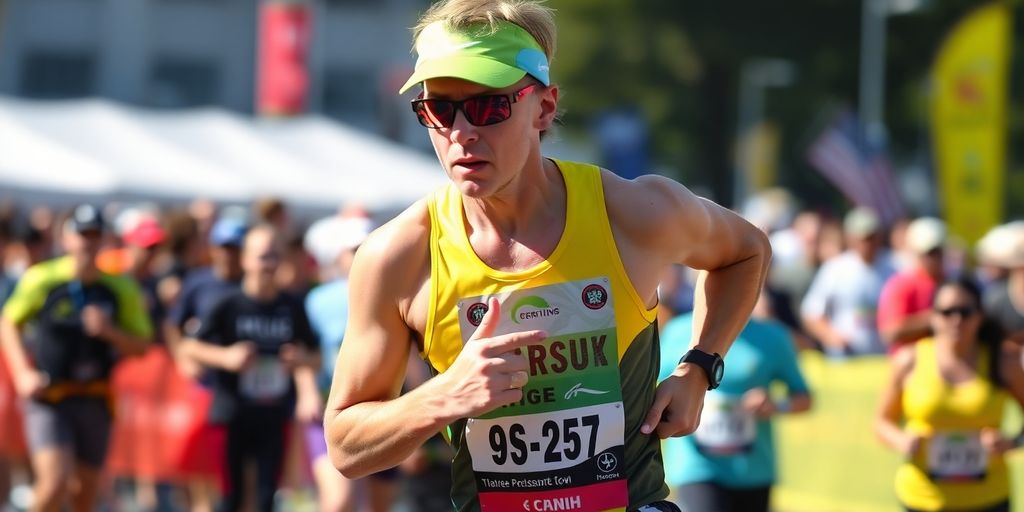
Picking the right gear on race day can make a world of difference. Comfort is key, so opt for clothes that are breathable and moisture-wicking. A well-fitted pair of running shoes is crucial. It’s not just about style; your shoes need to support your feet well. Consider the weather too; lightweight layers might be necessary if it’s chilly. Don’t forget to test all your gear during training runs to avoid surprises.
Pre-Race Nutrition and Hydration
Fueling your body right before the race is as important as the training itself. Start your day with a light breakfast rich in carbohydrates. Think oatmeal or a banana with peanut butter. Avoid anything too heavy or greasy. Hydration is equally important—sip water consistently before the race but don’t overdo it. An energy gel or a small snack about 20 minutes before the start can give you a little boost.
Mental Preparation Techniques
Getting your mind ready is just as important as preparing your body. Visualize the course and imagine yourself running strong. Positive self-talk can be a game-changer. Remind yourself of all the hard work you’ve put in. If nerves start creeping in, practice deep breathing to calm yourself. Remember, it’s not just about the finish line but enjoying the journey.
A calm mind and a well-prepared body are your best allies on race day. Embrace the challenge and trust in your preparation.
Common Pacing Mistakes to Avoid
Starting Too Fast
It’s tempting to dash off the line when the race starts. The adrenaline is pumping, and you feel invincible. But starting a 5K too fast can lead to disaster. Most runners make the mistake of going out too hard, only to hit a wall halfway through. When you start too fast, you exceed your lactate threshold, which means your body can’t clear lactate as quickly as it’s produced. The result? Burning muscles, labored breathing, and a pace that slows dramatically. To avoid this, break your race into segments:
- Start to Mile 1 (or Kilometer 2): Hold back slightly, finding a controlled rhythm.
- Mile 1 to 2.5 (or Kilometer 2-4): Settle into your race pace, maintaining a steady effort.
- Mile 2.5 to Finish: Push hard, giving it your all until the end.
Ignoring Rest Days
Rest is as crucial as the runs themselves. Many runners think more miles equal better performance, but without rest, your body doesn’t have time to recover and strengthen. Skipping rest days can lead to fatigue, burnout, and even injuries. Incorporate at least one rest day per week into your schedule, allowing your body to repair and your mind to reset.
Overtraining Risks
Overtraining is a common pitfall for those eager to improve. It’s easy to fall into the trap of thinking that more is better, but overdoing it can have the opposite effect. Symptoms of overtraining include persistent fatigue, decreased performance, and increased risk of injury. Listen to your body, and if you’re feeling constantly worn out, it might be time to dial back.
Pacing a 5K is about balance. It’s not just about speed, but knowing when to hold back and when to push forward. Trust in your training, and remember that a well-paced race feels challenging but manageable.
Avoiding common 5K training mistakes like neglecting long runs or failing to pace properly can significantly improve your race experience. Stay disciplined with your pacing strategy, and you’ll cross the finish line feeling strong and accomplished.
Advanced Techniques for Experienced Runners
Negative Splitting Strategy
Negative splitting is all about running the second half of your race faster than the first. This technique requires discipline and patience, but it can lead to some of your best race times. Start moderately, saving energy for a strong finish. This method can significantly improve your overall time.
Steps to Master Negative Splitting:
- Begin with a pace slightly slower than your goal.
- Gradually increase your speed halfway through the race.
- Finish with your fastest pace, pushing through fatigue.
Cross-Training Benefits
Incorporating cross-training into your routine can make you a more robust runner. Activities like cycling, swimming, or yoga work different muscle groups, reducing the risk of injury and improving overall fitness.
- Cycling enhances leg strength without the impact of running.
- Swimming boosts cardiovascular health and strengthens the upper body.
- Yoga increases flexibility and mental focus.
Mixing up your workouts keeps training fresh and helps prevent burnout.
Strength Training for Power
Adding strength workouts to your routine is essential for building power and preventing injuries. Focus on core exercises and leg strength to enhance your running efficiency.
- Include squats and lunges to target major leg muscles.
- Perform planks and bridges for core stability.
- Aim for two strength sessions per week for optimal results.
Monitoring Your Progress and Adjusting Goals

Tracking Your Runs
Keeping tabs on your runs is like having a diary for your feet. It’s not just about jotting down the miles; it’s about understanding your journey. Use a GPS watch or a running app to track distance, pace, and even heart rate. Recording these details helps you see patterns and areas for improvement.
- Log every run, no matter how short or slow.
- Note the weather and how you felt during the run.
- Review your data weekly to identify trends.
Setting Realistic Milestones
Setting goals is vital, but they need to be realistic. If you’re aiming for a 30-minute 5K, break it down:
- Aim to cut 10 seconds off your pace each week.
- Incorporate speed workouts to help reach these mini-goals.
- Celebrate each milestone to maintain motivation.
Remember, running is about progress, not perfection. Every step forward is a step closer to your goal.
Adjusting Training Plans
Life happens, and sometimes training plans need tweaking. Be flexible and adapt as needed:
- If you’re feeling fatigued, swap a run day for a rest day.
- Add cross-training like cycling or swimming to keep things fresh.
- Regularly assess your progress and adjust your plan to keep challenging yourself.
Don’t hesitate to explore goal-setting tips from expert coaches to refine your approach. They can offer insights on how to set effective goals and keep you motivated throughout the year.
Conclusion
. Running a 5K in under 30 minutes is totally doable with the right approach. It’s all about building a solid base, getting comfy with the distance, and then focusing on your pace. Remember, consistency is key. Stick to your plan, keep an eye on your pace, and don’t forget to rest up. With some dedication and a bit of patience, you’ll be crossing that finish line in no time.
Frequently Asked Questions
How can I start training for a 30-minute 5K?
Begin by running 5K without stopping. Once you feel comfortable with the distance, focus on maintaining a steady pace. Gradually work on increasing your speed.
What is the average pace needed to run a 5K in 30 minutes?
To run a 5K in 30 minutes, aim for a pace of about 9 minutes and 39 seconds per mile or 6 minutes per kilometer.
Why is rest important in a 5K training plan?
Rest is crucial because it helps your body recover and get stronger. Skipping rest days can lead to injuries and burnout.
How can I avoid common pacing mistakes during a 5K race?
Avoid starting too fast and try to keep a consistent pace. Listen to your body and make sure you are not overtraining.
What should I eat before a 5K race?
Have a light, nutritious meal before the race. Avoid heavy foods and make sure to stay hydrated.
How do GPS watches help in 5K training?
GPS watches help you track your pace and distance, which is essential for maintaining a consistent pace during training and races.


