Ottawa Marathon Elevation: How Flat Is the Course?
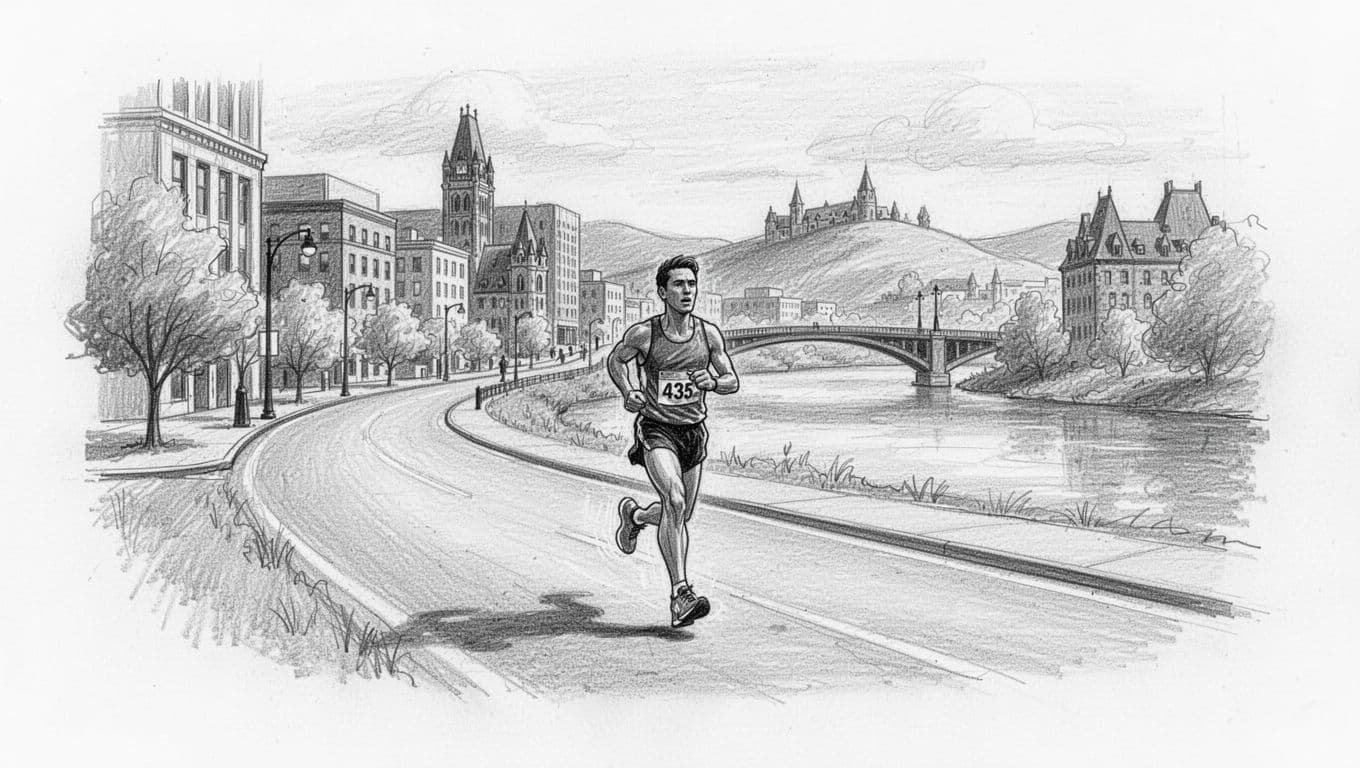
Picture race morning at Tamarack Ottawa Race Weekend: you run past Ottawa’s historic streets, cross the Ottawa River, and continue through Gatineau with thousands of runners around you. The scenery changes, but your legs notice every rise, descent, and stretch of pavement, especially during the final miles of the full marathon.
When runners search for Ottawa marathon elevation, they usually want three practical answers: Is the course flat, how much climbing does it include, and how should they adjust training and pacing? The answer depends on more than one elevation figure. Total elevation gain can hide the impact of individual hills, while rolling terrain may feel harder than its profile suggests because fatigue increases perceived effort late in the race.
Course maps, GPS watches, and mapping tools may show different elevation totals because they measure and smooth the route in different ways. Rather than present one unverified number as definitive, this guide focuses on what the course profile means for your workouts, race pace, and effort on race day. Next, I will examine the route’s terrain and the training choices that can help you handle it with control. Be sure to book your Ottawa Marathon hotels early to save on costs.
Key Takeaways
- The Ottawa Marathon is generally manageable, but runners should expect rolling terrain rather than a perfectly flat course.
- Published elevation data estimates roughly 660 feet (201 meters) of total gain, with elevations ranging from about 175 to 264 feet. See the Ottawa Marathon elevation profile for course details.
- Small rises can feel demanding late in the race, especially when fatigue affects your stride and pacing.
- Use the official Ottawa Race Weekend course maps to study hills, turns, bridges, and key landmarks before race day.
- Train by effort on inclines, control your early pace, and save your strongest push for the final miles.
Ottawa Marathon Elevation: Is the Course Really Flat?
The Ottawa Marathon is generally considered a relatively flat road marathon with gently rolling sections. However, “flat” doesn’t mean every mile follows a perfectly level line. Over 26.2 miles, small rises, bridge approaches, underpasses, and descents can create measurable climbing and extra muscular fatigue.
What “Elevation Gain” Actually Means for Marathon Runners
Elevation gain is the sum of every uphill change along the route. It isn’t the difference between the starting elevation and finishing elevation. If you begin at 200 feet and finish at 220 feet, you may have climbed far more than 20 feet during the race.
For example, a course with ten short rises of 20 feet each produces 200 feet of total climbing. No single hill feels dramatic, yet your legs still absorb the combined workload. That is why a course can look flat on a map while producing a meaningful elevation total.
The height of the biggest hill tells you how steep or intimidating one feature may feel. Total gain tells you how much climbing the entire marathon includes. Both numbers matter, but they describe different demands.
Downhills also affect your race. Descending increases eccentric loading, which means your quadriceps work hard while lengthening. That damage may not hurt immediately, but it can make the final miles feel heavier. Rolling terrain adds another problem because your stride and effort keep changing.
A modest elevation total can still challenge your pacing when small rises appear after 20 miles.
Why Elevation Numbers Differ Across Maps and GPS Watches
Conflicting Ottawa Marathon elevation estimates are normal. A GPS watch may use satellite-based elevation, while another device may combine GPS data with a barometric sensor. Each method handles small changes differently.
Tree cover, tall buildings, and signal reflections can create GPS drift. Bridge crossings and underpasses can also confuse elevation readings because the route changes height quickly. Meanwhile, Garmin Connect, Strava, Google Earth, and other platforms apply their own smoothing and filtering settings.
One app may remove tiny fluctuations as recording noise. Another may count them as repeated climbs. A watch can also record a slightly different line than the certified race route because runners weave around other participants or miss the exact course center.
Use the official Ottawa Race Weekend course information for current route details, turns, and elevation profiles. Treat watch totals as useful training data, not a final measurement of the course. Third-party references such as Ottawa Marathon course details can provide context, but course changes and measurement methods may affect their totals.
Where the Ottawa Marathon Course Gains and Loses Elevation
The Ottawa Marathon is generally manageable for runners who prepare for rolling terrain. Its Ottawa and Gatineau sections include long straight roads, downtown pavement, and Ottawa River crossings, but bridge approaches and short rises still interrupt your rhythm. Check the official Ottawa Race Weekend course information for the map and profile for your race year, since road closures and route updates can change the route.
How Bridges and Short Rises Affect Your Legs
A bridge isn’t a mountain, but it still has three stages: the approach, the crest, and the descent. Each stage changes your stride and effort. The approach may raise your breathing slightly, while the crest can tempt you to surge before the road falls away.
Short climbs increase effort even when they add little elevation. Keep your shoulders relaxed, maintain steady arm movement, and shorten your stride slightly as the road rises. Avoid forcing your usual pace uphill. A small slowdown is often cheaper than burning energy to defend every second.
The descent requires control, too. Downhill running can load the quadriceps and calves because they absorb impact while lengthening. Let the slope carry you, but don’t brake with an overextended stride. Stay tall, keep your steps light, and avoid a hard surge at the top of the bridge.
The height of a bridge matters less than where it appears in the race and how aggressively you attack it.
The Late-Race Sections That Deserve Extra Respect
After 20 miles, even a minor rise can feel surprisingly long. Glycogen stores are lower, concentration fades, and your form becomes less stable. A road that looked harmless during a training run may demand extra effort when you return toward the finish.
Judge the terrain by effort and fatigue, not by appearance. Hold your marathon effort on the climb, then settle back into rhythm after the crest. Long straight sections can make poor pacing hard to hide because you have fewer turns or hills to break the pressure.
A mostly flat course can still produce a difficult final 10K. If you run the opening miles too fast, the late Ottawa and Gatineau sections will expose that mistake. Save enough strength to respond calmly when small rises appear, especially near the return toward the finish.
How Ottawa Marathon Elevation Compares With Other Road Marathons
Ottawa sits between a pancake-flat road marathon and a genuinely hilly race. Published estimates place the course between roughly 175 and 264 feet, with about 660 feet of total climbing, although measurement methods can produce different results. You can review the Ottawa Marathon elevation profile alongside other races measured on the same scale.
Ottawa Compared With a Truly Flat Marathon
A genuinely flat marathon may include less climbing than Ottawa, but that doesn’t make it automatically easier. Flat roads place the same muscles under repeated load for hours, with fewer changes in grade to alter your stride. Wind can also become a major opponent, especially on exposed roads, bridges, and long straightaways.
Ottawa’s gentle rises give you brief chances to adjust your mechanics. Shorten your stride slightly, keep your effort steady, and let your pace slow by a few seconds if needed. After the crest, settle back into rhythm rather than sprinting to recover lost time.
For beginners, this rolling profile can feel more forgiving than a perfectly flat course because it breaks up the visual and muscular repetition. Experienced runners should still respect the small climbs late in the race. A modest rise at mile 22 can cost more than a larger hill during a fresh training run.
Weather, turns, road surface, crowd support, and pacing may influence your result as much as the elevation profile. If you’re choosing a personal-best race, compare the full race environment instead of looking only for the lowest climbing number.
A flat course removes hills, but it cannot remove wind, fatigue, or poor pacing.
Ottawa Compared With a Hilly Marathon
Ottawa is far more approachable than a marathon with long sustained climbs, major descents, or repeated steep hills. Runners who train in a hilly area may find the course comfortable because their legs already know how to change effort and absorb downhill impact.
The adjustment works in reverse for runners from completely flat areas. You don’t need mountain training, but you should practice controlled uphill and downhill running before race day. Include short inclines during easy runs, then run over the crest without surging. On descents, maintain quick, light steps instead of braking with a long stride.
That preparation helps you protect your quads and preserve marathon pace. Ottawa may offer a strong personal-best setting for some runners, yet no course guarantees a fast result. A calm weather day, efficient pacing, smooth turns, and a steady surface can matter just as much as Ottawa marathon elevation.
How to Train for the Ottawa Marathon Course Profile
The Ottawa Marathon does not require mountain training. However, its mostly flat course still rewards runners who prepare for bridges, short rises, gentle descents, and repeated changes in rhythm. Your plan should match your goal, experience, and injury history rather than copy someone else’s workload.
Build Strength for Small Climbs and Downhills
Add one or two strength sessions each week during your building phase. Focus on exercises that help your hips, calves, hamstrings, and core control your stride when the road rises or falls:
- Split squats and step-ups build single-leg strength for bridge approaches and short climbs.
- Calf raises help your lower legs handle repeated push-offs and downhill loading.
- Hamstring curls, Romanian deadlifts, or similar movements support control behind the knee.
- Planks, dead bugs, and side planks help you keep your pelvis and trunk steady when fatigue changes your form.
Stronger hips can reduce unwanted side-to-side movement, while stronger calves help maintain a stable, springy stride. You can review this running strength exercise guide for practical movement options. Reduce the number of sets as race day approaches, and avoid heavy lifting that leaves your legs sore before key runs.
Practice Marathon Pace on Flat and Rolling Roads
Most marathon-pace work should feel controlled on flat pavement, but include short rises often enough to practice managing effort. On an incline, hold the same effort instead of forcing an exact pace. Your watch may show a slower split, yet you can return to pace naturally after the crest.
For example, place a sustained marathon-pace block inside a long run on mostly flat roads. On another week, choose a rolling route and run several moderate sections at marathon effort. Keep the rises controlled, then settle into rhythm on the flatter sections. Long runs should build endurance gradually, with recovery adjusted when your injury history or training age demands it.
Use Hill Work Without Overtraining
Different hill sessions create different stress. Short hill sprints develop power, longer hill repeats build strength, and easy rolling runs provide race-specific practice without turning every outing into a workout.
Avoid adding hard hills on top of speedwork and a rapidly increasing long-run load. Reduce intensity if soreness persists, your stride changes, or ordinary runs bring unusual fatigue. A strong Ottawa marathon elevation strategy depends on arriving healthy, not proving fitness in every session. Lower-limb resistance training can also support running economy, as outlined in this NIH research review.
Pacing and Race-Day Strategy for Ottawa’s Gentle Rolling Terrain
Ottawa’s course profile should shape your race plan, but it shouldn’t control every split. The best approach is to keep effort steady, accept small pace changes on rises, and use flatter sections to settle back into rhythm. Check the official Ottawa Race Weekend course information during race week so your plan matches the current route.
Do Not Chase Your Goal Pace Up Every Rise
Forcing your goal pace uphill creates an early oxygen cost and loads your calves, glutes, and quadriceps before you need them most. That effort may feel manageable near the start, but it can surface as heavy legs and fading pace after 20 miles.
Allow your pace to slow slightly and naturally as the road rises. Keep your breathing controlled, maintain relaxed arms, and focus on consistent effort rather than defending every second on your watch. Once the road levels, return smoothly to goal pace without surging.
This approach works for every race goal. Boston qualifiers and personal-best seekers should protect their average effort, while first-time marathoners should prioritize steady movement and a strong finish. Runners planning a negative split need even more patience early.
The goal is consistent output across 26.2 miles, not identical splits on every incline.
Use Downhills to Recover Without Braking
A gentle descent can help you settle your breathing, take fluids, and regain rhythm. Relax your shoulders, keep your cadence comfortable, and stay tall without leaning too far back. Let gravity assist your stride instead of trying to create speed with overlong steps.
Heavy braking wastes energy and increases quad stress. Landing far ahead of your hips turns the downhill into repeated resistance, which can leave your legs sore before the final 10K. Keep your steps light, then return to normal effort when the road flattens.
Adjust for Wind, Heat, and Crowded Early Miles
Ottawa’s bridges and open river sections may feel easy or exposed depending on the wind. Warm, humid weather can affect your pace more than the course’s small elevation changes, so review the forecast during race week. Historical conditions and race-day climate details are available in these Ottawa Marathon weather records.
Start patiently, drink regularly, and pace by effort when conditions change. Stay alert around turns, bridges, aid stations, and crowded early miles. Your elevation chart is useful, but your breathing, body temperature, and fitness should guide the final race plan.
How to Read the Official Ottawa Marathon Course Map Before Race Day
A course map is more than a line showing where you will run. It helps you connect elevation changes with bridges, turns, aid stations, and the sections where pacing decisions matter most. Use the official Ottawa Marathon course information as your starting point, then compare it with the athlete guide released for your race year.
Check the Current Route Instead of an Old Elevation Chart
Race organizers can change a course because of construction, permits, public safety, road access, or event logistics. A route that appeared in last year’s blog post may not match the road you will run this year. The same applies to a social media graphic, a runner’s watch screenshot, or an outdated GPS file.
Before race day, review the current information in this order:
- Confirm that you’re studying the full marathon, not the half marathon or another Tamarack Ottawa Race Weekend event.
- Open the current interactive map and download the latest course PDF if one is available.
- Locate the start and finish, then trace the route in race order rather than scanning it randomly.
- Mark bridges, turns, out-and-back sections, and any elevation features shown on the map.
- Note aid stations, water points, and listed fuel locations beside those terrain changes.
- Read the athlete guide for road restrictions, course updates, timing details, and race-day instructions.
An old elevation chart can still offer general context, but it shouldn’t dictate your Ottawa marathon elevation strategy. The current race organizer’s map and athlete guide are the source of truth for the upcoming event.
Mark the Terrain Alongside Aid Stations and Fuel Points
When you study the route, place each climb and descent beside the nearest fueling opportunity. You want to know whether a bridge appears before a station, after it, or several miles away. That detail helps you make nutrition decisions while your breathing and stride remain controlled.
Don’t wait until you’re halfway up a hill to decide whether to take fuel. Plan early fueling, regular fluids, and effort checks at recognizable landmarks. A simple note might read, “Take fuel before the bridge, settle effort on the approach, then resume rhythm after the descent.”
You can use a GPS file or mapping app to measure distances between landmarks and create watch alerts. Treat those tools as planning aids, however, because their elevation readings may differ from the certified route. During race week, compare your plan with the latest Tamarack Ottawa Race Weekend information before locking in your pacing and fueling schedule.
Common Mistakes Runners Make When Planning Around Elevation
A low Ottawa marathon elevation total can create two bad reactions: overtraining for hills or assuming the course requires no preparation. The profile is only one part of the workload. Your pacing, turns, descents, shoes, and fueling plan still shape how the final 10K feels.
Training for a Giant Hill That Is Not on the Course
Extreme hill sessions are often unnecessary for a course with gentle rolling terrain. Copying another runner’s GPS file can make the mistake worse because GPS elevation totals vary with devices, smoothing, and route lines.
Keep most of your training specific to Ottawa. Run marathon-pace workouts on flat or mildly rolling roads, then add moderate hills to strengthen your legs and improve control. Short inclines during easy runs, steady rolling long runs, and controlled downhill sections provide enough variety for most runners.
Excessive uphill work can reduce the quality of key marathon workouts. It also adds stress to your calves, Achilles tendons, knees, and hips. If hill repeats leave you sore for several days, they are taking more from your plan than they are giving back. The goal is to arrive healthy and prepared, not to win a training session on a hill the race never uses.
Treating a Flat Profile as Permission to Start Fast
A flat course makes an overly quick opening easier to maintain and harder to notice. Without a clear climb forcing you to slow down, a pace that feels comfortable at mile one can quietly become expensive by mile 20.
Use the first 5K as a controlled setup. Check your breathing, keep your effort below the point of strain, and let crowded early miles pass without weaving or surging. Once your body is warm and the course has opened up, settle into your planned marathon effort.
A flat opening can hide poor pacing because nothing forces you to recognize the mistake early.
Ignoring the Cost of Repeated Descents and Turns
Elevation numbers don’t capture downhill braking, sharp turns, curbs, or constant lane changes. Each one can interrupt your rhythm and make your legs absorb extra force. Research on marathon injury prevention also supports building recovery and strength into your preparation.
Practice smooth cornering on training runs. Keep your form compact, shorten your stride slightly, and avoid abrupt acceleration after every turn. Finally, race in familiar shoes and follow the fueling plan you tested during long runs. A low elevation total is no reason to change equipment or nutrition on race morning.
Choose Your Distance, Duration and Goal Time
Make three quick selections and open the exact plan built for your race target.
Looking for a Fully Personalized Training Plan?
The training plans above are an excellent choice if they match your goal. However, if you’d rather train with a plan built specifically around your current fitness, goal race, preferred training days, weekly mileage, and target finish time, our RDA Custom Training Plans provide a personalized solution. We also have running courses available for runners seeking to run faster from the mile to the marathon.
Why Choose a Custom Training Plan?
| Standard Training Plan | RDA Custom Training Plan |
|---|---|
| Follows a fixed schedule | Built around your schedule |
| Standard weekly mileage | Peak mileage customized for you |
| Fixed workout days | Train on the days you choose |
| Same structure for everyone | Designed around your current fitness |
| Static plan | Updated as your fitness improves |
| One-time purchase | Ongoing personalized coaching and support |
What You’ll Receive
- A training plan built specifically for your goal
- Personalized training paces
- Long runs, tempo runs, threshold workouts, interval sessions, recovery runs, and easy runs
- Peak weekly mileage matched to your experience level
- Flexible training schedule that fits your life
- Ongoing plan adjustments as your fitness improves
Ready to Train Smarter?
Stop guessing and start following a plan built specifically for you, your schedule, and your racing goals.
Frequently Asked Questions
Ottawa’s elevation profile raises practical questions beyond whether the course is flat. These answers focus on race selection, goal setting, and decisions you may still need to make before race weekend.
Is the Ottawa Marathon suitable for first-time marathoners?
Yes, the course is a reasonable choice for many first-time marathoners because it avoids long, steep climbs. However, beginners should still prepare for rolling pavement, bridge approaches, and the fatigue that makes small rises feel harder late in the race.
Choose a conservative opening pace and practice fueling during long runs. A manageable course helps, but it cannot compensate for starting too fast or undertraining your endurance.
Can the elevation affect my Boston qualifying attempt?
It can influence your result, although elevation is only one part of the race-day equation. Ottawa’s moderate rolling terrain is less demanding than a mountain-style course, but wind, heat, turns, crowding, and pacing may have a larger effect on your finishing time.
If you’re chasing a qualifying standard, build your plan around effort rather than expecting identical splits. Review the current Ottawa marathon elevation map and identify where small pace changes may occur.
Does the half marathon use the same elevation profile?
No. The half marathon and full marathon follow different distances and may include different sections of Ottawa and Gatineau. You should study the course map for your exact event instead of assuming the half marathon’s profile predicts the full marathon’s demands.
This distinction matters when you compare race reports, GPS files, or elevation charts. Always confirm the event name and race year before using someone else’s data.
Should I use elevation alerts on my GPS watch?
Elevation alerts are optional, and most runners don’t need them for Ottawa. GPS elevation can fluctuate because of buildings, bridges, tree cover, and the device’s smoothing settings, so reacting to every small change may distract you.
Use lap pace, breathing, and perceived effort as your primary guides. If you do load a course file, check it against the current Run Ottawa race information before race morning.
Do I need to change my shoes because of the course elevation?
Usually, no. Select shoes based on comfort, fit, stability, and the distance you have already tested in training. Ottawa’s gentle rises and descents don’t require a special trail shoe or an unusually aggressive racing model.
A familiar pair is often the safer choice. New shoes can create blisters, hot spots, or calf soreness that cause more trouble than the course’s elevation.
How should I describe Ottawa’s elevation to another runner?
Call it a mostly flat, gently rolling road marathon. That description is more useful than labeling it completely flat or genuinely hilly because it prepares runners for manageable climbs without overstating the course.
Expect a few changes in grade, especially around bridges and exposed sections. The profile rewards steady effort, patience early, and enough leg strength to maintain form after 20 miles.
Conclusion
Ottawa is best understood as a mostly flat, gently rolling marathon, not a completely effortless one. The course does not demand mountain-style preparation, but bridges, short rises, descents, and long paved sections can affect your legs and rhythm, especially during the final 10K. That is the central lesson behind the Ottawa marathon elevation profile: modest climbing still matters when fatigue is high.
Before race day, verify the current official course map and confirm that you are studying the full marathon route for your race year. Prepare with controlled hill work, rolling long runs, and marathon-pace sessions that teach you to adjust effort without forcing every split. On race morning, let your pace respond to the road. Protect your energy on climbs, stay relaxed on descents, and account for wind, weather, fatigue, and fueling rather than relying on elevation numbers alone.
The historic streets, river crossings, and changing scenery can make Ottawa an appealing course for a strong performance. Arrive with a patient plan, healthy legs, and enough endurance to handle the final rises. Smart preparation turns Ottawa’s rolling profile into an advantage, allowing you to hold your form and race with confidence when other runners begin to fade.