

On Cloudswift Pros and Cons: The Good and the Bad
The On Cloudswift pros and cons matter more than a shiny first impression, because a shoe that feels great for one runner can feel off for another. For city runners, the Cloudswift often gets attention for its smooth ride and clean look, but the real question is how it holds up when your routes mix sidewalks, stoplights, and the kind of daily miles that test your legs.
If you run to clear your head before work, squeeze in lunch-hour miles, or stack up steady training runs on pavement, you need more than a stylish upper and a familiar brand name. You need a shoe that matches your stride, your foot shape, and the way your body handles impact.
That’s where a closer look matters. A pair like this can feel perfect for one runner and frustrating for another, especially if you care about fit, cushioning, and how your feet feel after repeat use. For runners comparing options, it also helps to look at other dependable choices, like the best running shoes under $150, before deciding what belongs in your rotation.
The right shoe should support your routine, not work against it. Let’s look at what the Cloudswift does well, where it falls short, and whether it makes sense for your running style and foot health.
Build Your Complete Race-Day Setup
The right shoe helps, but faster racing comes from better training, pacing, recovery, fueling, and execution.
More Guides for This Shoe
What Makes the Cloudswift Stand Out
The Cloudswift gets attention because it tries to do two jobs well at once. It gives runners a cushioned ride for pavement, then keeps the overall feel light and lively enough for regular training runs.
That balance matters in the On Cloudswift pros and cons discussion. A shoe can look sharp, but the real test is how it behaves when your feet keep hitting concrete, brick, and crosswalk edges mile after mile.
Comfort and Cushioning Benefits
The Cloudswift feels responsive on short to mid-distance runs, which is part of its appeal for everyday training. The ride has enough bounce to keep things moving without feeling mushy, so you get a smooth transition when you pick up the pace.
Its Helion superfoam plays a big role here. On hard surfaces, that cushioning helps soften impact and takes some of the sting out of repeated foot strikes. If your routes are packed with sidewalks and city streets, that extra protection can make a long week of running feel more manageable.
On’s Helion foam description points to the foam’s lightweight, resilient design, and that matches what many runners want in a daily trainer. You want comfort, but you also want the shoe to wake up under you instead of going flat.
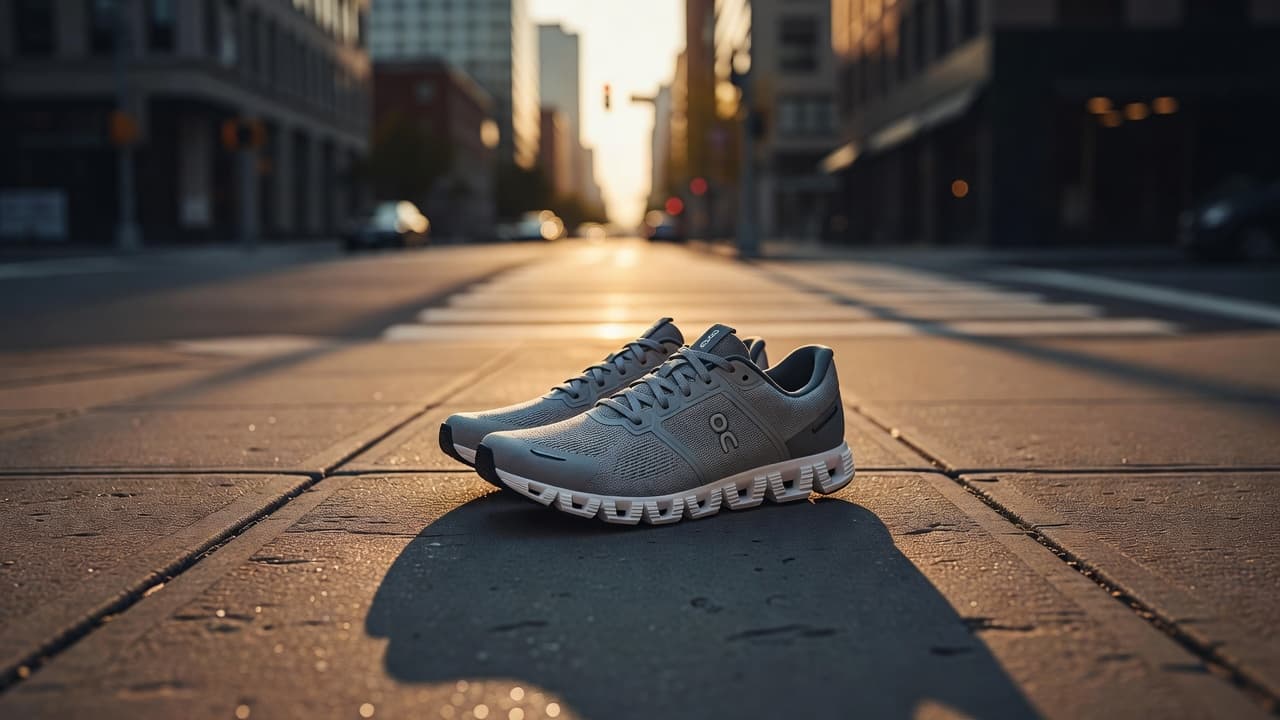 For runners who train on pavement often, cushioning is not a luxury, it is part of staying consistent.
That is why the Cloudswift works well as a daily trainer for many people. It gives enough support for repeat runs, especially when you want comfort without feeling like the shoe is dragging you down.
Design and Style for Everyday Wear
The Cloudswift also stands out because it looks as good off the run as it does on it. The sleek shape and modern profile make it easy to wear with running gear, jeans, or a casual coffee stop after your session.
That style matters more than many runners admit. If a shoe looks good, you may reach for it more often, and consistency starts with what you actually enjoy wearing. Still, comfort should lead the decision, especially when you are building a steady running routine.
For runners who like a shoe that fits into both training and daily life, the Cloudswift checks that box cleanly. It looks polished, feels ready for movement, and fits the rhythm of city running without much fuss.
Potential Drawbacks to Consider
Every runner approaches the pavement with different needs, and while the Cloudswift offers a clean, energetic ride, it is not a perfect match for every foot. Understanding the On Cloudswift pros and cons requires an honest look at where the shoe might fall short depending on your specific training volume and foot shape.
The Cloudswift thrives on short to mid-range city routes, but it may struggle once you push into deep marathon training territory. Some runners find the platform lacks the deep, plush recovery feel needed for back-to-back long efforts on unforgiving concrete. While it manages daily miles well, your feet might crave more substantial impact protection as your weekly mileage climbs toward peak training levels.
If you are training for a marathon or ultra, you should avoid relying on a single pair of shoes for every session. Diversifying your footwear helps manage load on different muscle groups, which is a key part of developing marathon endurance. If you find your feet fatiguing prematurely in the Cloudswift, consider rotating in a dedicated high-cushion model for your longer sessions. This strategy keeps your legs fresh and lets you focus on how to safely increase long run distance without feeling held back by your gear.
The Feeling of the Rocker Sole
On is known for the distinctive ride of its soles, and the Cloudswift is no exception. It uses a rocker-style geometry that encourages a quick transition from landing to toe-off. While many runners love the snappy, energetic pop this provides during tempo work, others find the shape distracting or even unstable during slow, recovery jogs.
Personal preference dictates whether this rocker sensation feels like a helpful push or an unnatural interference. If you are accustomed to a flat, traditional racing flat or a classic trainer, the movement can feel significant at first. It often takes a few weeks of consistent use to adjust to the way the shoe forces your foot through its range of motion.
For runners who value ground feel and a stable, wide base, this aggressive transition may feel less secure on uneven terrain or slick city sidewalks. Testing the shoe on varied surfaces will help you decide if the rocker design aligns with your natural gait.
Who Should Choose This Shoe
Identifying whether the Cloudswift earns a spot in your closet depends heavily on your specific environment and the intensity of your movement. This shoe is primarily a city companion, built for those who navigate hard surfaces daily and need a reliable partner that handles everything from sudden stops at intersections to rhythm-focused tempo work.
The Ideal Runner Profile
You likely benefit from the Cloudswift if you identify as an active urban dweller. This runner prefers a shoe that transitions naturally from a brisk morning session on asphalt to the rest of the day. If you find yourself dodging traffic or running on concrete, the protective cushioning helps manage the repetitive impact that eventually wears down your joints.
The design appeals to fitness enthusiasts who value a responsive ride. If you are currently working on a weight loss strategy that involves consistent, moderate-intensity cardio, the Cloudswift provides the stability needed for those repeated miles. It isn’t a dedicated recovery shoe for those nursing injuries, but it offers enough energy return to keep your pace steady when you want to push a little harder during your lunch break.
Scenarios Where It Excels
The shoe performs best when your routine keeps you on consistent, flat terrain. Because the geometry focuses on a quick transition, you will notice the greatest benefit during runs where you maintain a steady, forward-moving cadence.
- City Commuters: Those who run to work or incorporate movement into their daily commute will appreciate the low profile and modern aesthetic.
- Mid-Distance Training: It works well for runners logging three to seven miles at a time.
- Pavement Specialists: Because the outsole design prioritizes grip on smooth surfaces, it holds up far better on street asphalt than it would on loose trail paths.
If your training involves significant elevation changes or highly technical paths, you might find the platform lacking in specialized traction. However, for the runner who stays within city limits, the combination of responsiveness and style remains a standout feature. Balancing the On Cloudswift pros and cons comes down to your honesty regarding where you actually log your miles. If your heart stays on the pavement, this shoe is a strong contender for your primary trainer.
Comparing Performance to Everyday Needs
Technical specifications often promise a revolution on the track, yet your daily routine demands something far more grounded. When analyzing the On Cloudswift pros and cons, the gap between lab-tested performance and the reality of a busy commute becomes apparent. You likely need a shoe that survives the chaos of urban life, from weaving through crowded intersections to standing on transit platforms.
Real-World Durability Versus Track Metrics
Engineers design performance foam to maximize energy return over a specific number of miles, but city streets impose a different set of stresses.
Asphalt is abrasive, and constant stop-and-go movement puts lateral pressure on your footwear that a straight track never does. While the Helion foam keeps your legs feeling fresh during speed work, the outsole pattern occasionally collects small pebbles or debris during daily wear.
You should consider how much time you actually spend at peak intensity versus steady-state movement. If your runs are purely about performance, these minor annoyances rarely register. However, if your shoes pull double duty for work and casual errands, you might find the material traps dirt more easily than a traditional flat-soled trainer.
Finding Value in Your Routine
Investing in a shoe is a personal calculation that balances cost against how often you use the product. If you rotate through several pairs for specific workouts, the Cloudswift fits neatly as your dedicated pavement-pounding partner. It provides a distinct, snappy feel that breaks up the monotony of training in the same model every day.
| Feature | Performance Expectation | Everyday Reality |
|---|---|---|
| Energy Return | High bounce for speed | Lively feel for steady pace |
| Outsole Grip | Ideal for dry asphalt | Struggles on wet tiles |
| Upper Fit | Sock-like support | Comfortable for long wear |
| Weight | Lightweight for racing | Minimal fatigue on long days |
The table above illustrates that what functions as a performance advantage during a tempo session remains an asset during a long day on your feet. For those who prioritize a lightweight, breathable build, the comfort holds up well past the end of your run. If your lifestyle requires a single pair to handle both training and the rest of your commitments, the durability of the upper material justifies the price point.
You can ensure your gear remains in top condition by following a proper running shoe care guide, which helps extend the life of your investment. Balancing the On Cloudswift pros and cons is ultimately about your willingness to trade specialized technical precision for a versatile, everyday trainer that handles city life with ease. If your feet feel good at the end of a long, active day, the choice is likely the right one for your specific needs.
Conclusion
No single running shoe is perfect for every person or every road. Your ideal choice depends on how your feet strike the pavement and how much support you need during your daily training sessions. The On Cloudswift pros and cons highlight a specific balance of style and responsiveness that works well for many city runners, but it is not a universal solution.
You should trust your own comfort above any marketing description. If a shoe feels right and helps you maintain your training schedule, then it is the correct tool for your personal progress.
Consistency is the most important part of your fitness journey. Keep showing up for your runs, listen to what your body tells you, and enjoy the rhythm of the road.


