

Oklahoma City Marathon Race Review
Before sunrise, Oklahoma City feels still, cool air settling over downtown as runners pin on bibs and gather near the start line. Then the streets fill with footsteps, volunteer instructions, and the nervous energy that comes with several hours of racing ahead.
This review looks at the Oklahoma City Memorial Marathon from a runner’s point of view, with attention to the details that shape the experience beyond the finish line. The race weekend includes more than the full marathon, so your choice of race affects the course, pacing demands, and overall value. Keep in mind that entry fees, start times, course details, and event policies can change each year, so confirm current information before registering.
The review covers the course design, organization, crowd support, typical weather considerations, and race-day logistics. It also offers practical race tips for pacing and explains what you get for your entry fee. We consider which runners may enjoy this event most, whether you’re chasing a personal best, running your first marathon, or looking for a well-supported spring race. First, we’ll examine how the course is laid out and what that means for pacing.
Make sure to book your Oklahoma City Memorial Marathon hotels early to save on higher costs later.
Build Your Complete Race-Day Setup
The right shoe helps, but faster racing comes from better training, pacing, recovery, fueling, and execution.
More Guides for This Shoe
Key Takeaways
- The event offers a well-supported spring race with a meaningful downtown setting and strong community presence.
- Expect a mostly manageable course, but review the elevation profile and plan pacing before race morning.
- Weather can shift quickly, so prepare for cool starts, rising temperatures, wind, or humidity.
- Race tips: arrive early for parking, shuttles, gear checks, and corral placement. Use the official race-day information to confirm current details.
- First-time marathoners should respect the final miles, while experienced runners can target a personal best with disciplined pacing.
The Memorial Marathon Experience at a Glance
The Oklahoma City Memorial Marathon is a spring race with a serious purpose and a welcoming race-day atmosphere. It honors the victims, survivors, and families connected to the 1995 bombing while supporting the mission of the Oklahoma City National Memorial and Museum.
That connection gives the event a different emotional tone from a standard city marathon. The memorial shapes the weekend’s identity, but the race still feels accessible to runners focused on a first marathon, a personal record, or a strong long-run experience.
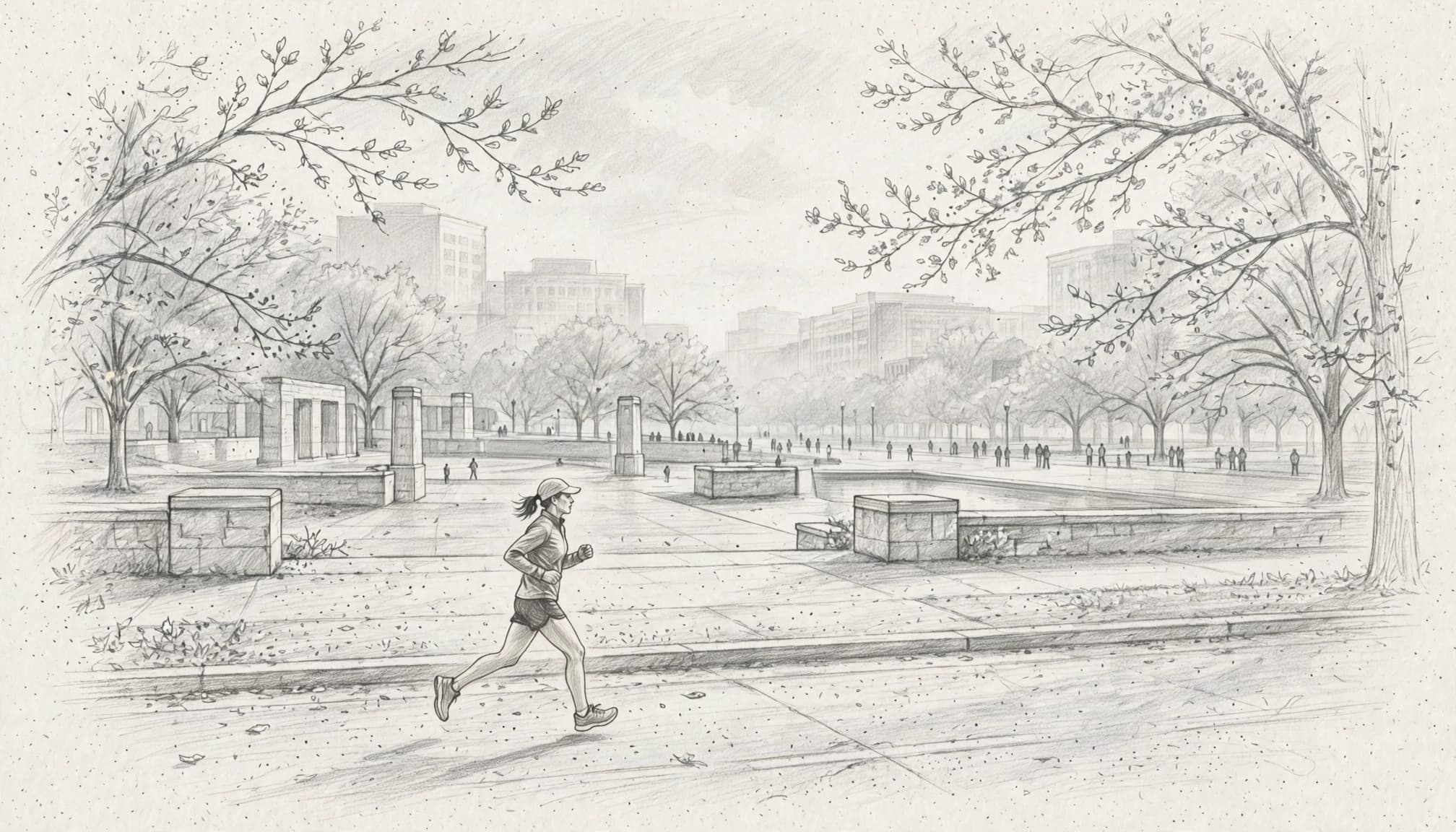
What happens during the weekend?
The event includes several ways to participate. The current lineup includes the full marathon, half marathon, 5K, five-person relay, kids marathon, and Senior Marathon. That range makes the weekend suitable for individual racers, families, charity groups, and runners seeking a shorter challenge.
Age requirements differ by event. For example, the official event information page lists a minimum age of 16 for the marathon and 12 for shorter events. Since race offerings, policies, and registration details can change, review the current official information before making travel plans.
Quick review of the race experience
The atmosphere is the event’s strongest feature. Downtown Oklahoma City provides a meaningful setting, while volunteer support and spectators keep the course from feeling isolated. That support matters most in the later miles, when fatigue turns familiar streets into a test of patience.
Course difficulty falls in the manageable range for most trained runners, although a comfortable profile doesn’t guarantee an easy race. Wind, rising temperatures, and an overly ambitious opening pace can make the final miles feel much harder than the first half.
| Race factor | Review snapshot |
|---|---|
| Atmosphere | Purposeful, community-focused, and emotionally significant |
| Course difficulty | Generally manageable, with pacing and weather affecting the challenge |
| Organization | Strong race infrastructure, but runners should study current logistics |
| crowd support | Helpful in key areas, especially through populated sections |
| Weather risk | Cool starts, wind, humidity, or warming conditions can all matter |
| Best fit | First-time marathoners, goal-oriented runners, and community-minded racers |
For logistics, arrive earlier than you think you need to. Parking, shuttles, gear check, security, and corrals can consume time before the gun. One of the most useful race tips is to review the official race weekend planning guide for current details on parking, transportation, accommodations, and schedules.
The race suits runners who prepare for changing spring conditions and respect the final 10K. Check the current year’s guide before race week, then build your plan around the confirmed start time, course map, aid stations, and event policies.
How the Marathon Course Feels From Start to Finish
The marathon course changes character as the race unfolds. Downtown energy and crowd support give way to longer road sections, quieter neighborhoods, open stretches, and growing fatigue after halfway. The route can feel manageable early, but smart pacing matters more than chasing speed in the opening miles.
Where the Route Helps You Chase a Personal Best
Broad roads and clear sightlines can make it easier to settle into a steady rhythm. When you can see the road ahead, you face fewer surprises and have more control over your effort. The downtown setting also gives the early miles a strong sense of purpose, especially near the Oklahoma City National Memorial and other meaningful landmarks connected to race weekend.
The course may feel fast when the road opens and runners spread out. However, modest elevation gain doesn’t remove the usual marathon risks. Wind, pavement, turns, weather, and fatigue can add up across 26.2 miles. The route and elevation profile can also change, so review the current official race information before building a precise plan.
Run the first few miles by effort rather than excitement. A pace that feels almost too easy early on gives you room to handle the middle miles and compete after mile 20. This opening-mile approach is one of the most important race tips. Half marathon runners can press sooner once the race settles, but marathoners should protect their effort until at least halfway.
A fast opening mile only matters if you can support the same effort when the course becomes less crowded and your legs become heavier.
The Course Sections That Can Test Your Patience
Every marathon includes stretches that look ordinary on a map but feel long on tired legs. Exposed roads can bring a headwind, while repetitive neighborhood sections may offer fewer spectators than the downtown start. Turns can interrupt your rhythm, and congestion may affect the first miles if runners enter a narrow section together.
Use simple mental cues when the scenery becomes less exciting. Relax your shoulders, shorten your stride slightly, and focus on reaching the next water stops instead of counting every remaining mile. If the wind rises, keep your effort steady instead of forcing your goal pace into the resistance.
Late in the race, patience becomes a pacing skill. Marathoners should accept small pace changes on hills, turns, or exposed stretches, then return to their planned effort when conditions improve. Shorter-distance runners have less time for fatigue to build, but they still benefit from avoiding a reckless start.
Study the current course map before race morning, including bridges, turns, aid stations, and marked elevation changes. That preparation turns unfamiliar sections into expected landmarks, which can make the final miles feel more orderly even when support thins and the finish still seems far away.
Choose Your Distance, Duration and Goal Time
Make three quick selections and open the exact plan built for your race target.
Looking for a Fully Personalized Training Plan?
The training plans above are an excellent choice if they match your goal. However, if you’d rather train with a plan built specifically around your current fitness, goal race, preferred training days, weekly mileage, and target finish time, our RDA Custom Training Plans provide a personalized solution. We also have running courses available for runners seeking to run faster from the mile to the marathon.
Why Choose a Custom Training Plan?
| Standard Training Plan | RDA Custom Training Plan |
|---|---|
| Follows a fixed schedule | Built around your schedule |
| Standard weekly mileage | Peak mileage customized for you |
| Fixed workout days | Train on the days you choose |
| Same structure for everyone | Designed around your current fitness |
| Static plan | Updated as your fitness improves |
| One-time purchase | Ongoing personalized coaching and support |
What You’ll Receive
- A training plan built specifically for your goal
- Personalized training paces
- Long runs, tempo runs, threshold workouts, interval sessions, recovery runs, and easy runs
- Peak weekly mileage matched to your experience level
- Flexible training schedule that fits your life
- Ongoing plan adjustments as your fitness improves
Ready to Train Smarter?
Stop guessing and start following a plan built specifically for you, your schedule, and your racing goals.
Race-Day Logistics, Aid Stations, and Crowd Support
A smooth Oklahoma City Marathon experience begins before the starting gun. Confirm the current packet pickup, parking, shuttle, road closure, gear-check, and corral instructions during race week. Those details can change, and downtown traffic or security may add more time than expected.
What to Expect From Oklahoma City Weather in Race Season
Late April can give Oklahoma City marathon runners excellent racing weather, but weather conditions vary sharply by year. A cool morning may warm into a comfortable afternoon, while wind, humidity, strong sun, or thunderstorms can change the race within hours.
Temperature affects clothing and pacing first. Wear familiar layers that you can remove before the start, and avoid overdressing for a chilly sunrise if the forecast predicts rising temperatures. Wind can make a mild day feel much colder, especially on exposed sections, while direct sun can increase fluid loss even when the air feels pleasant.
Humidity also matters. When sweat evaporates slowly, your body works harder to cool itself. Start by effort instead of forcing goal pace, and approach water stops with planned hydration. Follow the event’s current course information for station locations, then carry a familiar gel or drink if you need nutrition at a precise time.
Check the forecast several times during race week, including the morning before the event. Prepare a backup plan for rain, storms, heat, or strong wind. That may mean different layers, a slower opening pace, extra fluids, or a decision to skip an aggressive personal-best target.
How to Spend the Weekend Without Adding Stress
Visitors should choose lodging with a simple route to the start, while local runners should still plan for road closures and downtown congestion. Use these race tips when checking parking, transportation, and packet pickup details. Review the official race weekend information for current parking, shuttle system, schedule, and transportation details instead of relying on last year’s routine.
Packet pickup takes place at the health fitness expo, and the official race FAQ says runners shouldn’t expect race-day packet pickup. Bring the required identification, collect your bib early, and confirm your corral, gear-check instructions, timing information, and start-line access before leaving the expo.
Choose a familiar restaurant that can serve your normal pre-race meal. Make reservations if needed, but avoid turning dinner into a late event. The day before the Oklahoma City Marathon should include easy movement, not a long sightseeing schedule that leaves your feet tired.
The memorial deserves time and respect, but you don’t need to visit it while rushing between errands. Go when you can be present, then return to your room or home early enough to protect sleep. A calm evening, laid-out clothing, and a clear morning plan will help more than squeezing in one more activity.
Training and Race Strategy for a Strong Marathon
A strong performance starts with preparation that matches your experience, goal, and likely race conditions. These practical race tips begin with consistent easy mileage, weekly long runs, occasional marathon-pace work, and strength training for your hips, calves, and core.
Your strategy should leave room for wind, warming temperatures, turns, congestion, and small pacing errors. Even a flat or gently rolling route can punish runners who mistake an easy opening for permission to race early.
A Pacing Plan for First-Time Marathoners
First-time marathoners should begin slightly slower than goal pace for the opening miles. Keep the effort controlled enough that you can speak in short phrases, even if the crowd and fresh legs make the pace feel unusually easy.
Use your watch as a guide, not a command. Check your pace around miles 3, 6, 10, and 13, then compare it with your breathing, posture, and leg tension. If your breathing feels strained before halfway, slow down before fatigue forces the decision.
A simple race plan looks like this:
- Run miles 1 through 6 at an easy, controlled marathon effort.
- Settle into goal effort through the middle miles, taking fuel before hunger or weakness appears.
- Treat the final 10K as a separate race, increasing effort only if your legs and breathing remain under control.
Practice this pacing during long runs. Include short blocks at marathon pace, but keep most long-run mileage comfortable. Easy days should feel easy enough to support the next workout, while two short weekly strength sessions can improve durability. Taper during the final two to three weeks by reducing volume while keeping a small amount of race-pace work.
Fuel consistently with the products you have tested. Take gels according to your practiced schedule, use water stops based on thirst and conditions, and eat a familiar breakfast with enough time to settle. The ACSM position stand resources provide broader guidance on exercise hydration, while marathon nutrition research can help you understand why fueling should begin before fatigue appears.
Slow down or walk briefly if you feel dizzy, confused, chilled despite warm weather, or unable to control your breathing. Stop and seek medical help for chest pain, fainting, severe confusion, sudden weakness, or symptoms that worsen after you rest and drink.
How Experienced Runners Can Use the Course Wisely
Experienced runners chasing a boston marathon qualifying goal or personal best should treat goal pace as a framework, not a guarantee. Account for tangents, turns, early congestion, aid stations, wind, and the possibility that the course feels faster than expected at the start.
Run the first half with even effort. If a headwind appears, hold effort rather than forcing pace, then use sheltered sections or a tailwind without sprinting. Drafting can help, but stay behind another runner only when the gap is safe and predictable. Avoid abrupt moves around crowded groups, especially near the start and aid stations.
Fuel before fatigue arrives, keep your stride compact through turns, and check your total distance against the official course map and measurement. A few extra minutes lost to congestion or wide corners can matter, so build patience into the plan. The best strategy preserves enough energy to race the final 10K instead of merely surviving it.
The Biggest Pros, Cons, and Value Questions
The event earns its strongest marks through purpose, community, and a meaningful experience that stays manageable. Its drawbacks are practical: spring weather can shift, downtown logistics require planning, and total costs rise quickly for travelers.
Who Will Love This Race Most?
First-time marathoners often find the race appealing because the setting gives the miles emotional weight. The memorial mission offers a reason to keep moving when training and fatigue stop feeling abstract. New marathoners should prioritize a conservative pace, clear logistics, and enough time to absorb the atmosphere without rushing.
Runners who value community will likely enjoy the volunteers, spectators, and range of distances. Families and training partners can participate in different events while sharing the same weekend. The Memorial Marathon’s community history also helps explain why the event feels more personal than a standard road race.
Travelers get a manageable city marathon rather than an oversized destination production. Oklahoma City offers enough restaurants, hotel options, and attractions for a full visit, but runners can keep the schedule simple. Practical race tips include booking early, choosing transportation before race morning, and budgeting for meals, parking, fuel, and optional merchandise.
Experienced athletes may view the race as a useful spring goal. A steady marathon course, committed preparation, and disciplined pacing can create a good personal-best opportunity when weather cooperates. Those runners should review the current course map, wind forecast, aid-station plan, and a realistic goal based on conditions.
Who May Want a Different Marathon?
A runner seeking mountain climbs, dramatic elevation changes, or technical terrain may find this course too restrained. Likewise, athletes who prefer a tightly controlled elite-style field may want a larger race with deeper professional competition and more pace groups.
Weather-sensitive runners should also think carefully. Oklahoma spring conditions can bring a cool start, rising temperatures, wind, humidity, or storms. No race can guarantee a comfortable morning, so runners who need predictable cool weather may prefer an event in a more stable climate.
The value depends on your expectations. Compared with a small local marathon, the event offers a stronger mission, larger crowds, more distance choices, and a fuller experience. Local runners may appreciate that it provides a major-event atmosphere without requiring destination travel.
Compared with a major destination marathon, it may offer less spectacle and fewer elite-field advantages, but the trip can feel more focused and manageable. Registration, lodging, meals, transportation, parking, and optional race purchases determine the real price.
Before calling the event a bargain, add the entire weekend budget. For runners who want community and meaning, that total may feel justified. Those seeking the cheapest race or the least weather uncertainty may get better value elsewhere.
Our Final Memorial Marathon Verdict
The race is a strong choice for runners who want more than a finish time. Its memorial setting gives the event emotional weight, while the supportive atmosphere helps carry runners through the long middle and final miles. The course is generally approachable, but weather, pacing, and race-day logistics can change how it feels from one year to the next.
What Makes the Race Memorable?
The race connects every mile to the Oklahoma City National Memorial and the people remembered there. That purpose gives the event a sense of place that stays with you after the finish. Volunteers, spectators, and crowd support add warmth without making the weekend feel overwhelming.
For many runners, the course difficulty will feel moderate when training is consistent. The route doesn’t demand major climbs, yet wind, warming temperatures, exposed roads, and an aggressive opening pace can make the final 10K demanding. A runner who protects the first half has a much better chance of finishing with strength.
Race conditions can shift significantly between editions. Spring weather may bring a cool start, strong wind, humidity, rain, or rising afternoon temperatures. These weather conditions can affect pacing and fueling decisions. Logistics can also change, so review current race details and transportation guidance through Visit OKC’s marathon information before booking travel.
Should You Sign Up?
Sign up if you value:
- A meaningful mission that gives the race emotional purpose.
- A supportive community atmosphere with several race distances.
- A manageable road course that can reward disciplined pacing.
- A spring goal race with enough structure for first-timers and experienced runners.
Think twice if unpredictable weather, downtown traffic, or travel expenses could create more stress than excitement. Runners seeking steep climbs, technical terrain, or a major elite field may find another marathon more satisfying. Also, account for lodging, meals, parking, and transportation instead of judging value by the entry fee alone.
The race receives positive marks for organization and pre-race communication, while MarathonGuide’s race information also highlights reasonable packet pickup and logistics. Still, confirm every important detail in the current race guide.
Before registering, use these final race tips:
- You have built enough long-run fitness for your chosen distance.
- You have reviewed the current route details, aid stations, and start procedures.
- You have checked race-week weather and prepared clothing for likely conditions.
- You have planned parking, shuttles, lodging, and arrival time.
- You have practiced your fueling and hydration strategy.
- You have chosen a realistic pace that leaves energy for the final 10K.
For prepared runners, the race offers a memorable, well-supported experience that rewards patience more than bravado through the finish line.
Frequently Asked Questions
A few practical questions remain before you commit to this event. These answers can help you decide whether it fits your goals and prepare for details that are easy to overlook.
Is this race good for first-time marathoners?
Yes, provided you respect the distance and arrive with consistent long-run training. The course and support are approachable, but the final 10K still demands patience, fueling, and controlled pacing.
First-time runners should set a completion goal before a time goal. Focus on reaching the finish line comfortably. Practice your breakfast, clothing, hydration, and gel schedule during training so race morning contains as few surprises as possible.
Is the course flat?
The course is generally manageable rather than mountain-like, but runners shouldn’t assume it feels completely flat. Modest elevation gain, small rises, turns, exposed roads, wind, and accumulated fatigue can affect pace.
Study the current course map and elevation details before race day. Run by effort on any incline or into a headwind, then return to your planned pace when the road opens.
When is the Memorial Marathon held?
The event is traditionally held in late April as part of the Memorial Marathon weekend. The exact date, start times, race lineup, and registration deadlines can change, so confirm the current schedule on the official event website before booking travel.
That timing usually brings spring conditions, but Oklahoma weather can shift quickly. Pack clothing for both a cool start and a warmer finish.
What should runners do if the weather is hot or windy?
Adjust your goal before the race forces you to adjust it. In warm conditions, slow the opening pace, drink according to thirst at the water stops, and begin fueling early. When wind rises, maintain steady effort instead of trying to hold the same pace in every exposed section.
Wear familiar clothing and avoid testing new gear on race morning. If heat, storms, or severe wind create unsafe conditions, follow instructions from race officials and medical volunteers.
Where should visitors stay for the event?
Downtown lodging offers the simplest access to the start area, packet pickup, restaurants, and memorial sites. Hotels farther away may cost less, but transportation, parking, and race-morning road closures can erase that savings.
Book early if you want to stay within walking distance. Otherwise, choose lodging near a reliable route to downtown and confirm parking or shuttle plans before the event.
How early should runners arrive on race morning?
Plan to arrive early enough to park or use the shuttle, pass through security, check gear, find your corral, and reach the start without rushing. Your exact arrival time depends on the current race guide and transportation plan, but arriving shortly before the gun creates unnecessary stress.
Lay out your bib, shoes, clothing, nutrition, and identification the night before. A calm final hour protects energy that you will need much more after mile 20.
Conclusion
The Oklahoma City Marathon is a strong choice for runners who want a well-supported spring race with purpose behind every mile. Its memorial setting, welcoming community, and manageable course create an experience that feels like more than a time trial. Personal-best chasers still have plenty to work with when they arrive prepared, pace patiently, and respond well to wind, warming temperatures, and late-race fatigue.
The main tradeoffs are clear. Weather can change quickly, downtown logistics require planning, and travel costs may add up beyond the entry fee. Before registering, confirm the current course, race schedule, weather outlook, transportation details, and event policies through official sources. Then weigh those details against your goals, training, budget, and comfort with changing conditions.
Whether you run for a Boston qualifying attempt, a first marathon finish, or the meaning carried through this memorial marathon, preparation will shape your experience. The race rewards runners who respect the distance while leaving room to appreciate why it matters.


