

Nike Winflo 12 Sizing: Does It Run True to Size?
The Nike Winflo 12 sizing runs close to true to size for many runners, but the right fit still depends on your foot shape and how you like your shoes to feel. If you have a wider forefoot, wear thicker socks, or want extra toe room for longer runs, the best size may shift a little.
A good fit matters because it affects comfort, stability, and how your feet feel after a few miles. If you want a broader look at fit basics, this running shoe size guide can help you compare what to look for.
Keep reading to see how the Winflo 12 fits in the toe box, midfoot, and heel, so you can decide whether to stay true to size or adjust.
Does the Nike Winflo 12 fit true to size?
For most runners, Nike Winflo 12 sizing feels true to size. Start with your usual running shoe size if you want a fit that feels close to what you’d expect from a standard daily trainer. The shoe should feel secure, with a locked-in heel and a midfoot that hugs without squeezing.
Build Your Complete Race-Day Setup
The right shoe helps, but faster racing comes from better training, pacing, recovery, fueling, and execution.
More Guides for This Shoe
That said, fit can shift a little depending on foot shape. The forefoot and midfoot are the spots most likely to feel different from runner to runner, so a size that works perfectly for one person may feel a touch snug or slightly roomy for another.
What most runners should expect from the first try-on
On the first try-on, the Winflo 12 should feel more snug than sloppy. Your heel should sit firmly in place, and your foot should feel centered instead of sliding around. That kind of hold is what you want in a daily trainer.
The midfoot usually feels secure right away. It should wrap the arch and sides of the foot without pinching or creating pressure spots. If you feel a sharp squeeze across the middle of your foot, the shoe may be too tight or your foot may simply need a wider option.
Up front, expect moderate toe room rather than a loose, open feel. You should be able to wiggle your toes, and your longest toe should not press into the front of the shoe. A little snugness is normal at first, but it should not feel tight or painful.
Compared with many daily trainers, the Winflo 12 gives you a balanced fit that feels more structured than roomy. It is the kind of shoe most people can lace up and trust on day one, without needing a long break-in period.
When going up or down half a size makes sense
A half-size change can solve a lot of fit issues fast. If your toes run long, if you want extra room for swelling on longer runs, or if you like a little more space in the forefoot, going up half a size often makes sense.
You may also want to size up if your feet tend to expand during runs or if you wear thicker socks. That extra space can keep the shoe comfortable when the miles add up.
Sizing down is less common, but it can help if the shoe feels too long and your heel still stays secure. Some runners also end up between sizes in different brands, so their normal size in one model can feel off in another. If you often land between sizes, half a size can make the shoe feel much more natural.
A quick fit check helps here:
- Toe room feels right when you can move your toes without hitting the front.
- Heel hold stays firm when you walk or jog.
- Midfoot pressure stays mild instead of feeling like a clamp.
If you want another point of reference, REI’s running shoe fit advice matches the same basic rule, snug in the heel and midfoot, with room up front. That simple balance is usually the best sign you picked the right size.
For runners who still feel unsure, a broader look at running shoe buying guides can help compare fit across models and make the next size decision easier.
How the Nike Winflo 12 measures up in key fit areas
The Nike Winflo 12 sizing story gets clearer once you break the shoe into parts. It fits like a balanced daily trainer, but each area has its own feel. The toe box gives you moderate room, the midfoot feels more secure, and the heel aims for a locked-in ride.
That balance works well for many runners. Still, if your feet are wide up front, sensitive through the arch, or prone to heel slip, the fit details matter. A shoe can feel fine standing still and still miss the mark once you start moving.
Toe box space and toe splay
The forefoot in the Winflo 12 gives you enough room for everyday running, but it does not feel generous. Your toes should have space to move and settle naturally, yet the front end still keeps a fairly shaped, controlled fit. That works well if you want a stable feel without a sloppy front.
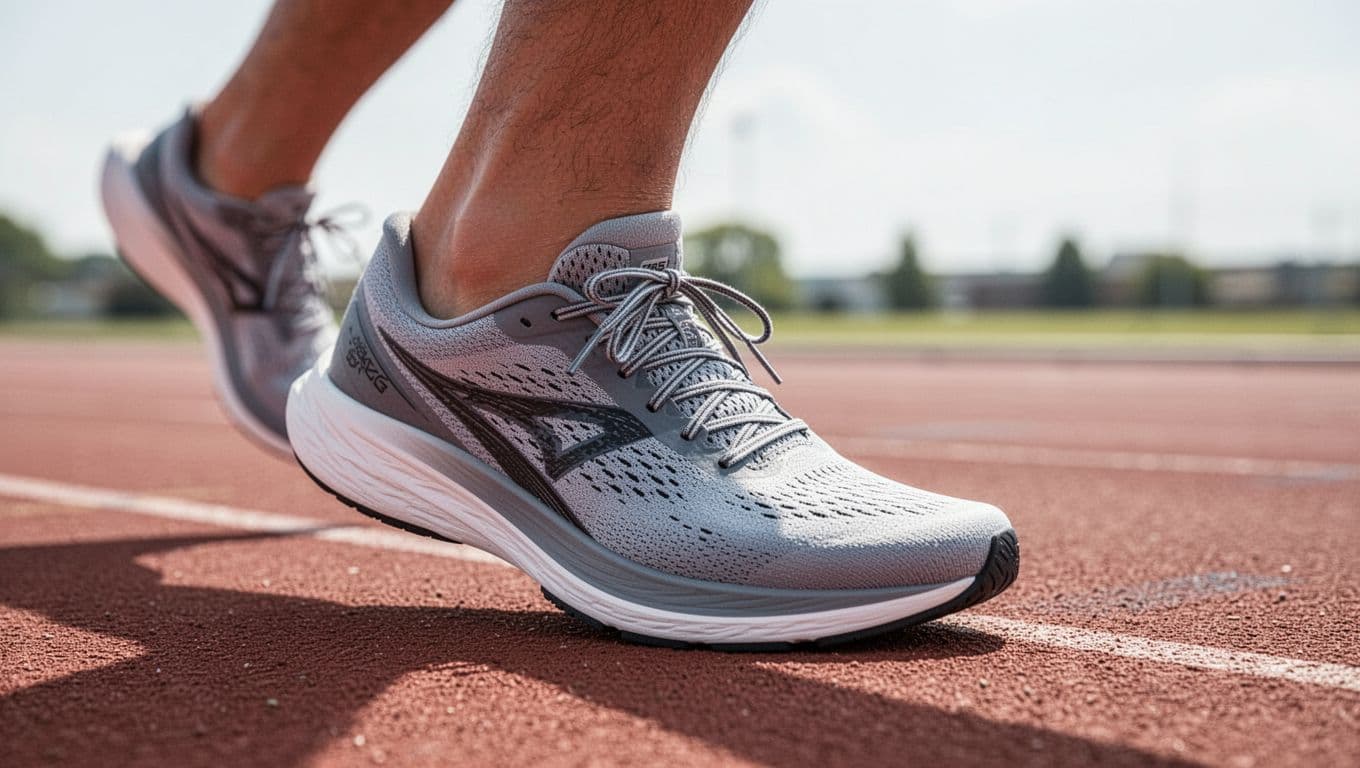 For runners who like their toes to spread on landing, the front of the shoe may feel more standard than roomy. You can still get natural toe splay, but it won’t feel open like a wide-fit or max-volume trainer. If you dislike a close front fit, this is the first area to test carefully.
A little extra space can help in a few common cases:
- Wider forefeet need more room so the sides do not press in.
- Longer runs can make feet swell, which changes how the forefoot feels.
- Toe-sensitive runners often want a softer buffer at the front.
For more detail on what to look for, this running shoe fit guide covers the same basic rule: secure everywhere else, with enough space up front. That simple check matters here.
Midfoot lockdown and arch feel
The midfoot is one of the strongest parts of the fit. The Winflo 12 should feel snug through the center without creating pressure across the arch. That close hold helps the shoe feel stable during easy miles and steady efforts.
If the midfoot feels too loose, the shoe can start to slide when you turn corners or pick up pace. If it feels too tight, the pressure usually shows up across the top of the foot or along the arch. Neither feeling is ideal, so the middle should feel supportive, not squeezed.
Lacing can fine-tune this area more than many runners expect. A firmer lace pattern can tighten the wrap, while a slight release near the top eyelets can ease pressure if the shoe feels harsh across the instep.
A good midfoot fit usually feels like this:
- snug enough to hold the foot in place
- soft enough to avoid hot spots
- stable enough to keep the shoe centered
If the rest of the fit is close, small lace changes may be all you need. That makes the Winflo 12 easier to adapt than shoes with a looser, less structured upper.
Heel fit and slip control
The heel fit is another strong point for most runners. It should sit securely without major movement, which helps the shoe feel planted during walking and running. A stable heel also reduces the chance of blisters when your miles start to add up.
During a walk test, the heel collar should feel firm and padded, but not stiff or sharp. When you run, it should hold the back of your foot in place without lifting with each step. A little natural movement is normal, but visible slipping is not.
Watch for these signs of a poor heel fit:
- rubbing at the back of the ankle
- heel lift during short jogs
- slipping that gets worse as you speed up
If the collar digs in, the shoe may be too small or shaped wrong for your heel. If the heel feels loose right away, you may need a different size or a better match for your foot shape. A secure heel should feel like a firm handshake, not a loose grip.
Overall volume and foot shape match
Overall, the Winflo 12 feels medium in volume. It works best for runners with average-width feet who want a dependable fit that stays close without feeling tight everywhere. The shoe has enough structure to feel stable, but it does not leave a lot of extra space for very high-volume feet.
That makes the shoe a good match if you want a classic daily-trainer fit with clear hold in the heel and midfoot. On the other hand, if you have a broad forefoot or a high instep, you may want to pay closer attention during try-on.
A quick way to judge the match is simple:
- Check toe room while standing.
- Walk a few steps to feel heel security.
- Jog briefly to see whether the midfoot stays comfortable.
If all three feel balanced, the fit is probably right for you. If one area feels off, that usually points to the size or foot shape mismatch, not the shoe as a whole.
Nike Winflo 12 sizing for wide feet, narrow feet, and half sizes
Foot shape changes how the Winflo 12 feels right away. Some runners get a clean, secure fit in their normal size, while others need a small adjustment to avoid pressure or extra movement.
The safest way to approach Nike Winflo 12 sizing is to match the shoe to your foot volume, not just your usual number. That matters most in the forefoot, where a few millimeters can decide whether the shoe feels smooth or cramped.
If you want a broader baseline for fit checks, matching running shoes to your arch and stride can help you compare what a secure fit should feel like before you make a size call.
Best fit for wide feet
Wide-foot runners should pay close attention to the forefoot first. If the sides of your foot feel pressed, or if you notice pressure at the base of the toes, the standard width may feel restrictive after a few minutes of walking or running.
The Winflo 12 can feel manageable at first, but forefoot pressure often shows up once your feet warm up and swell. That tight, pinched feeling usually means the shoe is too narrow for your foot shape, even if the length is fine.
- Forefoot pressure when standing or pushing off
- Toe splay space so your toes can spread naturally
- Upper stretch across the sides of the foot instead of a tight wrap
If Nike offers a wide version in your size, that is usually the cleaner choice. A wide width keeps the right length while giving the front of the shoe more room. If a wide version is not available, going up half a size can help, but it may also add length you do not need.
If the fit feels tight across the widest part of your foot, size length alone will not always fix it.
A half size up works best when you need a bit more forefoot space but still want the heel to stay stable. If the shoe feels cramped all around, though, a different width is the better answer.
Best fit for narrow feet
Narrow feet usually do better when the shoe feels close and controlled, not loose. The Winflo 12 can work well here because it already has a fairly secure shape, especially through the midfoot and heel.
The main goal is to avoid a sloppy fit at the back of the shoe. If your heel lifts or slides side to side, the shoe will feel less stable than it should, even if the toe box feels fine.
Lacing matters a lot for narrow feet. A firmer lace setup can pull the upper in and give you better lockdown, while still leaving the front of the shoe comfortable. If the heel feels loose, using the top eyelets more snugly can help the shoe hold your foot better.
To keep the fit secure, focus on these checks:
- Heel hold should feel steady during walking and light jogging
- Midfoot wrap should feel firm without creating hot spots
- Forefoot room should stay enough for natural toe movement, not excess space
If you already wear thin running socks and the shoe still feels roomy, try a tighter lace pattern before sizing down. Narrow-foot runners often get the best result from better lockdown, not a smaller shoe.
If you are between sizes, what to choose
If you sit between sizes, the decision usually comes down to toe room and how you plan to use the shoe. For short easy runs or casual wear, the closer fit can work if your toes still have breathing room. For longer mileage, the safer choice is often the size with a little more space.
A simple rule helps here:
- Choose the smaller size if your heel already feels secure and you only need a touch of extra room.
- Choose the larger size if your toes brush the front, especially when standing.
- Go up if you wear thicker socks or run long enough for swelling to matter.
- Stay closer to your normal size if you want a snug, responsive feel for shorter runs.
Sock thickness changes the fit more than many runners expect. A thin sock can make the Winflo 12 feel dialed in, while a thicker sock can take up just enough space to turn a good fit into a tight one.
For runners who use the shoe on longer mileage days, the extra half size is often the safer pick. For short, easy runs, a snugger fit can feel better as long as your toes are not pressed. If you are still comparing options, this shoe size measurement guide gives a useful reminder: fit starts with length, but comfort depends on room where your foot actually needs it.
How Nike Winflo 12 sizing compares with other running shoes
The Nike Winflo 12 sizing feels familiar if you already wear a standard daily trainer, but it does have a more shaped, held-in fit than some shoes people know well. That means your usual size is often a good starting point, yet the feel can still change depending on the model you are coming from.
If you switch from a roomier shoe, the Winflo 12 may feel more structured. If you switch from a tight, performance-focused trainer, it may feel more forgiving. The key is to compare the shoe’s width, toe room, and overall hold, not just the number on the box.
Compared with past Winflo versions, the Winflo 12 usually feels closer to a controlled, stable fit than a loose one. Returning wearers may notice a similar overall shape, but small changes in upper feel and midfoot hold can still affect comfort.
That is why the same size is a smart place to start, but not a guarantee. Even when the length feels familiar, the upper can sit a little differently across the instep or forefoot. A shoe that worked before may now feel slightly more snug or slightly more open, depending on your foot shape.
If you liked earlier Winflo models, try the Winflo 12 on again before assuming the fit will match exactly. Your old size may still be right, yet the best fit often comes down to how the new version wraps your foot. A short walk and jog test will tell you more than the label ever will.
Compared with other Nike road running shoes
Against other Nike road shoes, the Winflo 12 sits in a middle ground. It usually feels more secure than softer, roomier trainers, but less narrow and race-like than models built for a sharper, more performance-driven fit.
If you have worn shoes like the Pegasus, the Winflo 12 may feel somewhat similar in length, but a bit more direct in its hold. If you are used to a more relaxed Nike fit, the forefoot may feel a little less open. If you prefer a snug Nike upper, the Winflo 12 should feel easy to settle into.
That makes it a good pick for runners who want comfort without too much looseness. Still, the best way to compare it is by feel:
- Width: the Winflo 12 is usually average rather than wide.
- Toe room: it gives enough space for normal runs, but not a lot of extra volume.
- Lockdown: the heel and midfoot tend to feel secure right away.
For runners who want a broader sizing reference, this running shoe size guide shows how fit can vary even when the number stays the same. That same idea applies here, because two Nike shoes can share a size and still feel different on foot.
Compared with popular daily trainers from other brands
If you are coming from other daily trainers, the Winflo 12 often feels like a shoe that stays closer to the foot. Runners moving from brands known for softer, more spacious uppers may notice less wiggle room, especially in the forefoot.
Compared with many neutral trainers from Brooks, ASICS, New Balance, or Saucony, the Winflo 12 usually feels more structured through the upper and more direct underfoot. That does not mean it runs small. It means the fit has a cleaner shape, so your usual size may feel right if you like a secure ride.
A simple rule helps when you switch brands:
- Stay in your usual size if your current shoe already feels snug but comfortable.
- Go up half a size if your toes sit close to the front in other trainers.
- Consider a wider version or different model if you often feel side pressure.
In short, most runners can start with their normal size, then adjust only if they know they need extra toe room or a wider forefoot. That approach keeps the guesswork low and makes the comparison much easier when you are moving across brands.
Try-on tips that help you get the right Winflo 12 size
The best Nike Winflo 12 sizing decision usually comes from a quick try-on, not a guess. A shoe can look right on paper and still feel off once you stand, walk, and jog in it.
Focus on small details. Toe room, heel hold, and pressure points tell you far more than the number on the box. If you want a simple fit benchmark, running shoe fit tips are a useful reference point for what a good try-on should feel like.
A standing fit check only tells part of the story. Once you walk or jog, the shoe starts to show its true shape, and that is where small problems become obvious.
Start by checking your toes. You want space at the front, no toe jam, and no hard contact with the toe bumper. Your heel should stay planted, with no slip at the back, and the upper should feel smooth instead of rubbing in one spot.
Then take a short walk and a brief jog. The first minute can feel fine, but the next few minutes often reveal hot spots, arch pressure, or a loose heel. That is why a quick indoor test matters so much.
Look for these signs of a good fit:
- Toes have room to move without hitting the front.
- Heel stays secure without lifting as you step.
- Midfoot feels calm with no sharp pressure or rubbing.
- No hot spots build up on the arch, sides, or top of the foot.
A short jog around the room or hallway can expose fit issues that standing still hides. If the shoe feels good only when you are still, it probably needs a different size or width.
How socks, insoles, and lacing can change the fit
What you wear with the shoe changes the fit more than many runners expect. Thick socks take up space, thin socks free up space, and aftermarket insoles can make the inside feel tighter right away.
If the Winflo 12 feels close in your normal sock, try the exact socks you plan to run in. A thicker cushioned sock may make the shoe feel snug across the forefoot or instep. On the other hand, a thin sock can make the shoe feel a little roomier and more relaxed.
Insoles matter too. A replacement insole can raise your foot slightly and reduce top-to-bottom space. If the shoe already feels close, that extra bulk can turn a good fit into a tight one.
Lacing can fine-tune the feel without changing size. Try a firmer lace if your heel slips, or ease off the top rows if the instep feels pressed. Small changes often solve the problem better than sizing up or down.
A quick fit check works best when you test the full setup you plan to use on runs:
- Wear the same socks you normally run in.
- Keep your regular insoles in place unless you plan to swap them.
- Walk first, then jog, and notice where pressure builds.
If the shoe only feels right after major adjustments, the size may not be the best match. For most runners, the cleanest fit comes from a shoe that feels good before you start making changes.
Signs the size is wrong and should be exchanged
Some fit problems are easy to ignore for a minute, but they usually get worse with time. Numb toes, rubbing, pressure on the arch, or foot movement inside the shoe are clear red flags.
If your toes go numb or feel squeezed, the shoe is likely too small or too narrow. That is a strong sign to size up or try a wider option. If your heel slides around or your foot shifts side to side, the shoe may be too long or too roomy.
Pressure across the arch usually points to a shape mismatch. Sometimes a different lacing pattern helps, but if the pressure stays sharp, the size or width is probably wrong. Rubbing at the heel collar or little toe area is another sign the fit is off.
Use this simple guide:
- Size up if your toes press the front or go numb.
- Size down if your heel slips and the shoe feels too long.
- Try a wider width if the sides of your foot feel squeezed.
- Try a different model if the pressure is in the same spot every time.
If the shoe feels wrong during a short indoor test, it usually feels worse on a run.
A good fit should feel steady, quiet, and comfortable from the first few steps. If you feel movement, pinching, or rubbing right away, don’t talk yourself into it. Exchange it and get the size that matches your foot shape better.
The best Nike Winflo 12 size for your running goals
The best Nike Winflo 12 size depends on how you plan to use the shoe. A pair that feels perfect for quick daily miles can feel a little too tight for longer runs, while a fit that feels relaxed for walking may feel too loose for steady training.
Start with your normal running size, then adjust for purpose. Comfort, toe room, and lockdown matter in different ways depending on the session, so the right choice is not always the same for every use case.
Sizing for short runs and daily training
For short runs and regular training, a secure, close fit usually works best. You want the shoe to hold your heel and midfoot in place so it feels steady when you pick up the pace or change direction.
A slightly snug fit can be fine here, as long as it does not feel restrictive. If your toes still have room to move and the upper does not pinch across the foot, that close feel can actually help the shoe feel more responsive and controlled.
Sizing for long runs and all-day comfort
Longer runs often call for a little more room. Feet swell as the miles build, so a size that feels perfect at the start can feel tight later, especially in the forefoot.
That is why some runners choose a half size up for longer outings. Extra toe space helps prevent the front of the shoe from pressing against your longest toe, and it can reduce pressure points that show up after repeated miles.
If you expect swelling, leave enough room in front of your toes before the run starts.
For long runs, check for a thumb’s width of space at the front and make sure the upper does not press across the toes. A fit that feels fine for five miles should still feel calm at mile ten. For a second reference point, Fleet Feet’s fit guide gives the same basic advice about heel hold and toe room.
Sizing for walking, gym use, and casual wear
Lifestyle use changes the fit conversation a bit. When you are standing, walking, or wearing the shoe for errands, comfort often matters more than a race-like hold.
In those cases, a half size up can feel better for some people, especially if they spend a lot of time on their feet. The extra room can make the shoe feel less tight across the top of the foot and more forgiving during all-day wear.
For gym use, the best fit depends on the workout. If you are doing treadmill runs or light cardio, a closer fit still makes sense. If you are wearing the Winflo 12 more like a day shoe, a touch more space can make the shoe feel easier to live in. The goal is simple, choose the size that matches how often you will move, stand, and wear them beyond running.
Conclusion
Most runners find that Nike Winflo 12 sizing is true to size. You should start with your standard number if you prefer a secure, performance-focused fit that locks your midfoot and heel in place.
However, consider your specific foot shape and how you plan to use the shoes. If you have a wider forefoot or need extra space for long-run foot swelling, moving up half a size is often the smartest move. This simple adjustment prevents toe pressure and keeps your ride comfortable over higher mileage.
Trust your own feel during the first walk around your home. If the shoes hug your feet without pinching or creating hot spots, you have found the right fit.


