

Nike Vomero 19 vs On Cloudmonster 3: Which Should You Buy?
Choosing between the Nike Vomero 19 vs On Cloudmonster 3 can shape how your legs feel after long miles and how confidently you approach race day. Both are premium daily trainers, but they deliver different rides for marathon training, steady mileage, and faster sessions.
The Vomero 19 focuses on cushioned comfort and a smooth, protective feel, while the Cloudmonster 3 brings a more pronounced rocker and a lively, responsive stride. Your ideal choice depends on your pace, running style, and how much protection you want underfoot.
The comparison starts with each shoe’s cushioning, ride, fit, durability, and performance across real training demands.
Understanding the Ride: How These Shoes Feel Underfoot
The character of a daily trainer defines how your legs recover and how you handle the demands of your weekly schedule. When you weigh the Nike Vomero 19 vs On Cloudmonster 3, you are really choosing between two distinct philosophies of impact protection and energy return. One shoe seeks to disappear beneath you through fluid, predictable cushioning, while the other aims to actively influence your gait cycle through geometry and mechanical engineering.
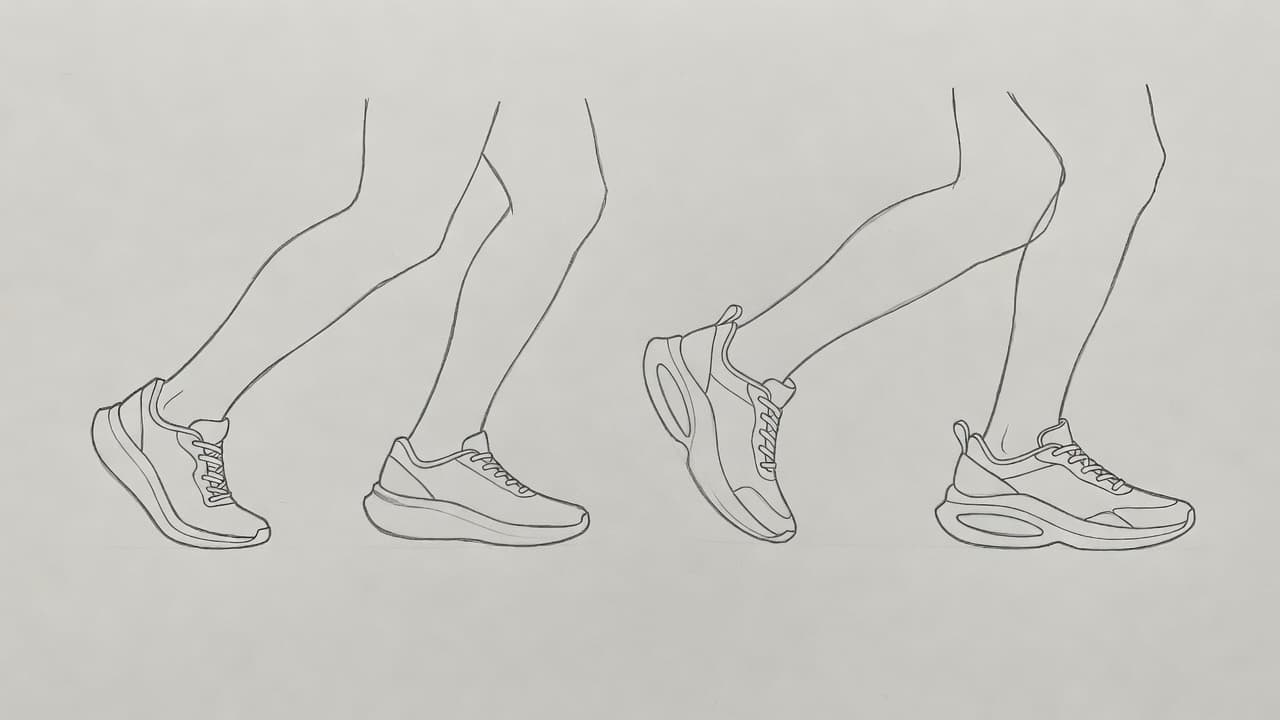
The Smooth Transition of the Nike Vomero 19
The Nike Vomero 19 maintains a legacy of dependable comfort. It excels during long efforts where your primary goal is to minimize fatigue and protect your joints from the repetitive stress of the road. Nike uses a high-density, responsive foam that feels plush upon initial step-in but firms up just enough to keep you stable as you push through the miles. You won’t find any gimmicks here; the ride remains consistent regardless of your pace or how tired your legs feel in the final stages of a long run.
This shoe creates a balanced sensation of softness that never feels mushy or uncontrolled. It provides a secure, traditional base that rewards a rhythmic, heel-to-toe transition.
For runners who value predictability and a reliable platform, the Vomero is a benchmark for comfort. It handles daily mileage with ease, acting as an extension of your own foot rather than a piece of equipment that forces your legs into a specific movement pattern. You can learn more about how this Nike Vomero benchmark shoe compares to other options in the current market.
The Distinctive Bounce of the On Cloudmonster 3
In contrast, the On Cloudmonster 3 delivers a high-energy experience defined by its unique CloudTec pods and aggressive rocker geometry. When your foot strikes the ground, the pods compress to absorb the force of impact, then spring back to provide a snappy, energetic toe-off. This design feels much more active than a traditional foam block. It pulls you forward with every stride, making it a natural choice for faster training days or tempo sessions where you want to maintain a quicker cadence.
The rocker shape acts as a lever for your foot, encouraging a swift roll from impact to propulsion. This sensation feels slightly firmer than the Vomero, prioritizing responsiveness over pure plushness. While some runners prefer a more muted feel for recovery, others find that the Cloudmonster 3 keeps them engaged and ready to pick up the pace when they might otherwise feel sluggish. The following list highlights why this construction often feels different on the road:
- Mechanical energy return: The pod-based system creates a distinct, bouncing sensation that changes how you perceive effort.
- Aggressive rocker: The curvature of the sole forces a faster transition, which helps when you need to keep your turnover high.
- Ground feedback: Despite the stack height, the design allows for more awareness of the surface compared to traditional, slab-cushioned shoes.
Ultimately, the Cloudmonster 3 is a tool for performance, while the Vomero acts as a protective shield for your daily miles. Choosing between them often comes down to whether you prefer a ride that helps you run fast or one that helps you run long without the extra feedback of a mechanical system.
Which Trainer Wins for Your Specific Training Goals?
Selecting the right footwear for your training cycle determines more than just comfort. It shapes your recovery timeline and your ability to hit specific performance markers during high-intensity sessions.
When you weigh the Nike Vomero 19 vs On Cloudmonster 3, you are choosing between two distinct paths for your feet. One focuses on long-term fatigue reduction, while the other prioritizes a mechanical advantage. Knowing how these models behave across varied weekly demands helps you match your gear to the reality of your current training plan.
Choosing for Marathon Training and High Volume
High-volume training requires shoes that offer consistent protection. During 50 or 60-mile weeks, your joints and soft tissues absorb significant cumulative impact.
The Vomero 19 provides this protection through its balanced foam density. It acts as a shock absorber that remains predictable across every mile of a long Sunday run. The foam resists packing out, so it feels as supportive at mile eighteen as it did during your warmup. This durability makes it a reliable partner for runners who prioritize joint health and steady, low-stress miles.
On the other hand, the Cloudmonster 3 uses mechanical engineering to handle high volume. Its thick platform of pods compresses and rebounds with every step. This design encourages a fluid, rolling motion that helps move you through the transition phase of your gait.
The shoe feels lighter underfoot than the Vomero, which can be an advantage when your legs feel heavy toward the end of a long training block. However, the unique pod structure requires a specific footstrike pattern to feel its best. If you land with a heavy heel strike, the pods provide a distinct, bouncy sensation that keeps your legs feeling fresh even on high-mileage days.
The choice between these two for marathon training rests on your preference for static versus dynamic support. If you want a shoe that disappears beneath you, the Vomero is a consistent choice. If you prefer a shoe that actively encourages turnover and provides a springy sensation throughout your long efforts, the Cloudmonster 3 is likely the better fit. Both models offer enough stack height to ensure your feet remain protected, though they achieve this protection through different engineering principles.
Speed and Responsiveness on Race Prep Days
When you transition from easy miles to speed work, the demands on your gear change. You need a shoe that converts your effort into forward momentum without wasting energy through excessive sink. The Cloudmonster 3 excels here due to its aggressive rocker geometry. This design creates a lever effect, pushing you onto your toes and allowing for a rapid, snappy toe-off. During tempo runs or interval sessions, the shoe feels inherently fast. It rewards a quicker cadence and helps you maintain your target paces when you start to fatigue.
The Vomero 19 offers a different type of performance. While it is not a racing flat, it provides a stable platform that allows you to put power into the ground effectively.
It does not force your foot through a rocker, which some runners prefer for a more natural, controlled feel during steady-state threshold work. If you prefer a traditional ride that feels predictable at varied paces, you might find the Vomero more capable for sustained efforts where mechanical assistance is less important than ground connection.
- Cloudmonster 3 advantage: The rocker geometry makes it easy to maintain high turnover during speed intervals.
- Vomero 19 advantage: The stable, consistent foam provides a secure base for runners who prefer to dictate their own cadence without shoe-induced assistance.
If you struggle to hit your pace goals during speed sessions, the rocker-driven responsiveness of the Cloudmonster 3 may offer the help you need. For those who prioritize a smooth, rhythmic transition during tempo efforts, the stability of the Vomero 19 remains a standout feature.
Balancing these factors against your specific goal for the day ensures you always have the right tool for the job. You can look at specific performance reviews to see how these models stack up against other popular daily trainers during high-intensity track workouts.
Design, Durability, and Longevity Considerations
The structural integrity of a running shoe determines whether it remains a reliable tool or becomes a liability after a few hundred miles. When comparing the Nike Vomero 19 vs On Cloudmonster 3, you are looking at two distinct engineering approaches to material science and wear patterns. Understanding how these shoes are built helps you predict not only their initial comfort but also how they will hold up through the rigors of a full training block.
Upper Materials and Breathability
Nike constructs the Vomero 19 with a multi-layered engineered mesh that prioritizes structural lockdown. The material feels substantial, offering a secure, glove-like fit that holds your midfoot firmly through cornering and uneven terrain. This thickness adds a degree of durability, as the upper resists tearing even when exposed to debris or rough trail sections. However, this level of reinforcement sacrifices some ventilation. On humid, summer training days, your feet may run slightly warmer compared to lighter, more stripped-down trainers.
The On Cloudmonster 3 utilizes a more porous, open-weave mesh across the toe box and side panels. This material choices favors airflow, allowing heat to escape quickly during intense efforts. While the fit is breathable, the material feels thinner to the touch than the Nike counterpart. It offers enough support for daily mileage, but runners who prefer a rigid, high-security feel around the heel and midfoot might find the On construction slightly more relaxed.
Outsole Grip and Wet Weather Performance
A shoe’s traction dictates your confidence when road conditions turn wet or slick. The Nike Vomero 19 features a generous layer of high-abrasion rubber covering almost the entire outsole. This design provides consistent grip on damp pavement and painted road markings. The rubber compound is relatively firm, which helps it resist shaving down over time, maintaining a predictable connection to the ground even after 300 miles of consistent wear.
The On Cloudmonster 3 uses a different approach, with high-wear rubber placed strategically on the outer edges of the pods. The gap between these pods remains exposed, which is where you might encounter issues during heavy rain. While the rubber pads offer excellent grip on dry asphalt, smaller pebbles or debris can sometimes lodge themselves in the crevices of the outsole. If you frequently run on varied surfaces, this design requires occasional clearing to ensure the pods retain their full range of motion.
Real-World Lifespan and Mile Expectations
How long can you realistically expect these shoes to last? While individual mechanics and surface types vary, most runners see a clear difference in the retirement point of these two trainers.
- Nike Vomero 19: You can typically expect 400 to 500 miles from this pair. The density of the foam and the full-coverage rubber outsole allow it to resist compression and tread wear effectively.
- On Cloudmonster 3: These generally hold their peak performance for 350 to 450 miles. The CloudTec pods provide a distinct bounce, but once the structural integrity of these pods begins to fade, the “snappy” feeling of the shoe will gradually flatten out.
Regardless of the model, you should monitor the foam for signs of permanent creasing. If the midsole stops bouncing back before your daily run concludes, the cushioning has reached its limit. Choosing between these models often involves deciding whether you value the extra miles provided by Nike’s rubber-heavy outsole or the performance-driven, albeit slightly shorter-lived, mechanical cushioning of the On platform.
Final Verdict: Making the Right Choice for Your Feet
Choosing between the Nike Vomero 19 vs On Cloudmonster 3 often boils down to how your body handles impact and what sensation you crave during a run.
The Vomero is the classic, reliable choice for those who value a plush, protective barrier between their feet and the pavement. Conversely, the Cloudmonster 3 acts as a performance-oriented machine that uses geometry to propel you forward. Neither shoe is objectively better than the other, but one will align far more effectively with your personal biomechanics and training goals.
Matching Your Personal Athlete Profile
Your foot shape, preferred pace, and history with injury influence which of these trainers will serve you best over the coming months. If you have a wider forefoot or require a shoe that feels secure without being aggressive, the Vomero is your go-to. It offers a forgiving fit that accommodates swelling during long efforts. It is the steady partner for high-mileage blocks where consistency is the primary objective.
If you find yourself gravitating toward faster workouts or if you struggle with a sluggish turnover, the Cloudmonster 3 is a better selection. Its rocker shape forces a transition that feels snappy and efficient. It is an excellent choice for runners who want to feel lighter on their feet or those who find traditional foams too muted for their liking.
Consider these profiles to help simplify your decision:
- The Consistency Seeker: You prefer a shoe that remains predictable from mile one to mile twenty. You want maximum cushioning that protects your joints without altering your natural gait. Choose the Nike Vomero 19.
- The Speed-Focused Athlete: You enjoy tempo sessions and intervals. You appreciate a shoe that encourages a faster cadence and provides a noticeable bounce with every toe-off. Choose the On Cloudmonster 3.
- The Recovery Specialist: You have high weekly mileage and prioritize keeping your legs fresh for the next day. The shock absorption of the Vomero remains an industry gold standard for this need.
Quick Comparison for Your Next Purchase
When you look at the major differences between the two, the decision becomes a matter of physical priorities. The following table summarizes the core differences to help you decide which trainer fits your current rotation.
| Feature | Nike Vomero 19 | On Cloudmonster 3 |
|---|---|---|
| Primary Feel | Plush and protective | Bouncy and propulsive |
| Gait Influence | Neutral and smooth | Rocker-assisted roll |
| Best Surface | Roads and light paths | Paved roads and tracks |
| Ideal Pace | Easy to moderate | Moderate to fast |
| Durability | High-mileage rubber | Performance-tuned pods |
The final choice rests on what you need most from your footwear right now. If you are training for your first marathon and fear the impact of long runs, the Vomero offers the stability you need to reach the finish line. If you are a veteran runner looking to inject some life into your weekly tempo sessions, the Cloudmonster 3 provides the mechanical edge to keep you engaged.
Check out current pricing and availability for both models to see which one fits your budget and training requirements. You can also consult with a professional at a local running store to test the fit, as the unique pod construction of the On model feels different for every runner. Your feet are your most important tool, so choose the model that makes you feel confident, protected, and ready to tackle your next mile.
Conclusion
Your choice between the Nike Vomero 19 vs On Cloudmonster 3 depends on the specific demands of your training cycle. If you need a reliable, plush platform for high-volume base building, the Vomero provides the consistent impact protection your joints require. The Cloudmonster offers a more mechanical, propulsive feel for runners who want to sharpen their turnover during speed-focused sessions.
Always remember that footwear acts as a secondary tool in your development. The true engine of your performance is the discipline you bring to your daily training and the mindset you cultivate during your hardest efforts. Gear can help you manage fatigue or refine your mechanics, but your commitment to the process produces the results. Choose the pair that allows you to train with confidence, then focus your energy on the miles ahead.


