

Nike Vomero 19 vs Nike Pegasus 42: Which Should You Buy?
You lace up your shoes every morning, chasing a new personal record or simply looking for miles that feel comfortable on your joints. Finding the right pair of trainers is the primary hurdle between a good run and a great one. Whether you want the plush protection of the Nike Vomero 19 or the snappy versatility of the Nike Pegasus 42, your choice dictates how your legs feel during those final, taxing strides.
Both shoes are legendary staples in the Nike lineup, yet they cater to different mechanical needs and training styles. While the Pegasus is a jack-of-all-trades that handles speed work and recovery equally well, the Vomero focuses on long-distance comfort and heavy-duty impact absorption. Understanding these subtle differences is the most reliable way to match your footwear to your specific goals.
Let’s look at how these two heavyweights stack up so you can decide which one earns a spot in your rotation.
Understanding the Legacy of These Two Running Icons
The history of Nike running footwear reflects a clear split in philosophy. Some runners want a shoe that disappears underfoot during fast sessions, while others require maximum protection to endure high-volume training blocks. The Pegasus and Vomero lines represent these two distinct needs. When you analyze the Nike Vomero 19 vs Nike Pegasus 42, you are essentially choosing between a sharp tool for daily versatility and a shock-absorbing shield for your legs.
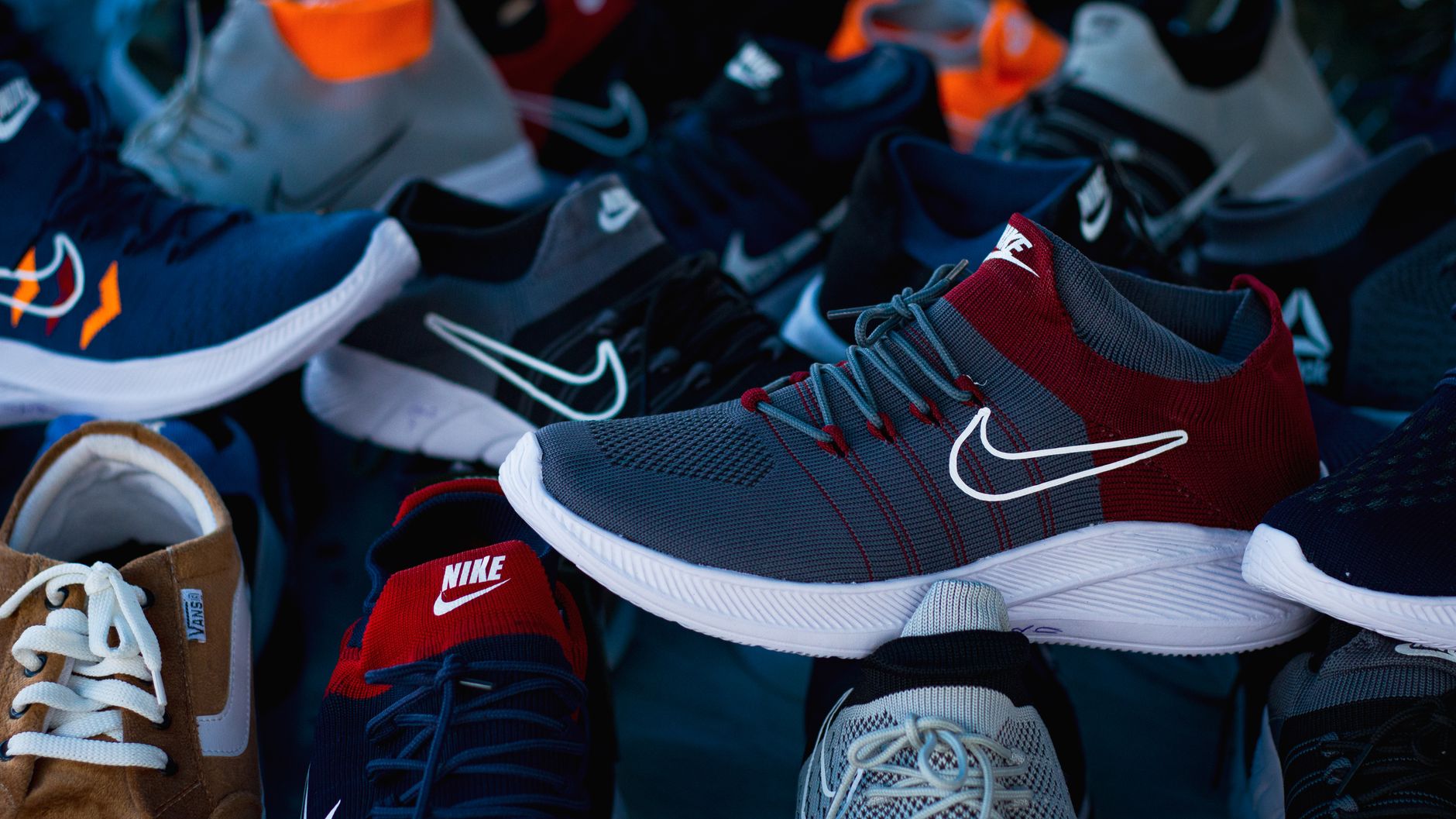
Photo by Sanket Mishra
Why Runners Rely on the Pegasus for Daily Miles
The Pegasus is arguably the most recognizable running shoe in history. It maintains its status as the quintessential workhorse because it performs well across almost every training scenario. You can take a pair of Pegasus 42s out for a recovery jog, push them through a tempo session, or use them for a long weekend run without feeling like the shoe is holding you back.
This versatility stems from its balanced geometry. Nike designers prioritize a moderate stack height that offers enough foam for comfort but maintains enough ground feel for agility. You get a snappy sensation from the midsole that rewards your effort during faster strides.
Because the foam is durable, the shoe survives the repetitive impact of daily training cycles without flattening out early in its lifespan. It is a reliable partner for runners who want to simplify their gear rotation and keep things straightforward. For an overview of how this model evolved, read this history of the Nike Pegasus to see why it remains a standard in the industry.
The Premium Comfort Approach of the Vomero Series
If the Pegasus is your daily grinder, the Vomero is your dedicated recovery companion. This series targets the runner who views comfort as the primary metric for a successful workout. The Vomero 19 utilizes a higher volume of premium foam to create a protective barrier between your feet and the pavement. This approach serves athletes who struggle with joint fatigue or those accumulating significant mileage during marathon training.
When your legs feel heavy, the Vomero offers a forgiving ride that makes every mile feel slightly shorter. The upper usually features more plush materials than the Pegasus, which ensures a secure, pressure-free fit over long durations. While it lacks the nimble, lightweight feel of a speed-oriented trainer, it makes up for that with stability and impact absorption.
You should consider the Vomero if you focus on steady-state miles where protecting your body from the repetitive stress of running is your main priority. Most distance runners include a maximalist shoe like this to keep their muscles fresh for the harder workouts later in the week. By understanding how cushioned running shoes function, you can determine if the soft ride of the Vomero aligns with your recovery needs.
Key Differences in Feel and Performance
Choosing between the Nike Vomero 19 vs Nike Pegasus 42 often comes down to how your body responds to ground impact during high-mileage weeks. While both trainers utilize top-tier manufacturing, their underfoot personalities differ. The Pegasus focuses on a balanced, connected ride, while the Vomero acts as a protective buffer. Matching the right foam and structure to your specific mechanics prevents mid-run fatigue and ensures you maintain form when the miles get long.
Cushioning Systems and Impact Protection
The primary distinction between these trainers resides in their foam density and geometry. The Pegasus 42 uses a responsive foam setup designed for versatility across various paces. It delivers a snappy sensation that helps you turn over your legs quickly during tempo runs or interval sessions. Because the stack height is moderate, you maintain a strong sense of ground feedback, which is essential for athletes who prefer stability over pure softness.
Conversely, the Vomero 19 utilizes a higher volume of premium cushioning that prioritizes impact protection. This foam is significantly softer, absorbing the shock of repetitive foot strikes that occur during long road runs.
If your legs feel battered after sessions on hard surfaces, the Vomero provides a protective barrier that keeps your joints feeling fresh. While you lose a bit of that snappy, ground-connected feel found in the Pegasus, you gain substantial comfort that makes high-volume weeks more manageable. You can learn more about how cushioning affects joint health to see if you need that extra layer of protection.
Weight, Breathability, and Upper Construction
The upper design also dictates how these shoes perform during different types of runs. The Pegasus 42 features an engineered mesh that provides a secure, lockdown fit. This construction is lightweight and breathable, making it a reliable choice for faster efforts where excess material feels like a hindrance. The heel counter on the Pegasus is firm, offering the structural support needed to keep your foot stable when you corner or push your pace on uneven terrain.
The Vomero 19 takes a different approach by focusing on plush, long-distance comfort. The interior often features extra padding around the ankle collar and tongue, which eliminates pressure points during extended efforts. This added material increases the overall weight compared to the lighter Pegasus, which is why it excels during steady-state recovery runs rather than race-day sprints.
If you struggle with sweaty feet or overheating during long sessions, the ventilation in the Pegasus upper is superior. However, for runners prioritizing a locked-in, cushioned feel over speed, the luxurious upper of the Vomero is a welcome feature. Understanding your specific training needs—whether you require a shoe that disappears underfoot or one that cradles your foot during long grinds—is the best way to determine your perfect daily trainer.
Making the Right Call for Your Training
Choosing between the Nike Vomero 19 vs Nike Pegasus 42 often hinges on your specific training goals. Your ideal shoe depends on whether you value daily versatility or high-volume impact protection. By identifying which runner type matches your routine, you gain clarity on which pair belongs in your closet.
When to Choose the Pegasus for Your Training
The Pegasus is the choice for runners who favor a lighter, more agile feel during their workouts. If you find yourself transitioning from easy mid-week jogs to faster tempo efforts on the track, this model provides the necessary response. You get a reliable, snappy sensation underfoot that encourages a quicker turnover. Because of its balanced geometry, it performs well across varied surfaces like pavement, track, and groomed dirt paths.
This shoe fits the needs of athletes who prefer a do-it-all trainer. You avoid the clutter of a large rotation because one pair handles the bulk of your weekly volume. Its design keeps your feet feeling connected to the ground, which helps with foot strike precision during speed work. If you are a 5K or 10K specialist who enjoys workouts that vary in intensity, the Pegasus offers the nimble performance you need to hit your paces.
When the Vomero is the Better Choice for Longevity
The Vomero becomes the smarter pick when your primary focus is high mileage or extra joint protection. Marathon trainees often log long hours on unforgiving concrete, where every bit of cushioning matters. This shoe uses a more substantial midsole setup to dampen the repetitive impact of each stride. You notice the difference during those double-digit long runs when leg fatigue usually starts to compromise your form.
If you struggle with lingering aches in your knees or ankles, the extra padding in the Vomero provides a buffer. It is an excellent recovery-focused tool because it allows your legs to bounce back faster for the next session. You trade a bit of ground feel for a protective ride that prioritizes your long-term health.
Choosing this model is a strategic move for any runner who wants to stay consistent throughout a heavy training block by minimizing the wear and tear on their body. By focusing on your running recovery strategies, you can better appreciate why a high-cushion trainer is a staple for endurance athletes. You gain more peace of mind knowing your gear is built to absorb the stress of your toughest miles.
Training Strategies to Maximize Your Shoe Rotation
Dr. Nathan Pennington emphasizes that your feet are the point of contact between your body and the road, so they dictate how much force your joints absorb over time. Rotating shoes prevents your feet from adapting to the exact same stimulus every single day.
When you switch between the Nike Vomero 19 vs Nike Pegasus 42, you change the mechanical stress placed on your muscles and tendons. This variety keeps your movement patterns fresh and helps reduce the chance of repetitive strain injuries.
Building a Strategic Rotation
A well-structured rotation uses different shoe profiles to match the intensity of your scheduled workout. You should use a firmer, more responsive shoe like the Pegasus 42 for days when your pace is faster or your effort level climbs. These sessions demand a shoe that doesn’t get in your way during toe-off. Conversely, you should reserve the plush cushioning of the Vomero 19 for recovery runs or long, slow distance days.
The goal is to provide your legs with enough protection to handle cumulative volume without losing your ability to run with good form. If you wear the same shoe for every run, your feet rely on the same foam density and arch support constantly. Using different models forces your foot stabilizers to activate in slightly different ways. This keeps your lower-leg musculature stronger and more adaptable.
Managing Recovery Through Footwear
Recovery is not just about sleep and protein intake. It includes how you treat your legs during your lower-intensity training days. The protective foam in the Vomero 19 acts as a shock absorber. It takes the load off your calves and ankles when you are trying to let your body heal from a tough track workout or a long race. By wearing a maximalist trainer on easy days, you extend the lifespan of your legs and reduce the localized soreness that often builds up during peak training cycles.
You can organize your weekly schedule by pairing your run type with the best tool for that specific effort:
- Daily steady-state runs or recovery jogs: Opt for the Vomero 19 to maximize cushion and minimize impact.
- Tempo runs or fartlek sessions: Switch to the Pegasus 42 to benefit from its responsive energy return.
- Long weekend mileage: Choose the Vomero 19 if you prioritize freshness for the following week.
- Track or speed intervals: Select the Pegasus 42 for a tighter fit and faster turnover.
This rotation ensures that you have the right mechanical advantage for every run. It also stops your shoes from wearing down too quickly because the foam has time to decompress between uses. Having two reliable pairs in your closet gives you the flexibility to choose the best option based on how your legs feel when you wake up. You can refine your marathon training approach by matching your gear to the specific physiological demand of each workout on your calendar. Consistency is the secret to performance, and a smart rotation keeps you on the road and out of the physical therapist’s office.
Final Thoughts on Finding Your Perfect Match
Selecting the right footwear is a personal journey that happens on the road, not just inside a store. Whether you lean toward the responsive nature of the Pegasus 42 or the plush, protective ride of the Vomero 19, your choice should prioritize your body’s feedback above all else. Training plans are maps, but your shoes are the vehicle; you need one that handles the terrain of your specific season without breaking down.
Prioritizing Consistency Over Trends
You might be tempted to chase the newest model or the flashiest colorway, but the best trainer is the one you lace up consistently. If a shoe keeps your legs feeling fresh enough to hit your next planned workout, it is doing its job.
Evaluating the Nike Vomero 19 vs Nike Pegasus 42 reveals that both are elite tools, yet they solve different problems. If you have been struggling with mid-run fatigue, a shift to the maximal cushioning of the Vomero might be exactly what your training needs. Conversely, if you feel heavy or slow in your current rotation, the lighter, more agile Pegasus 42 could help you regain that snappy turnover.
Consistency is the bedrock of performance. When your gear aligns with your physical state, you show up to your training blocks with more confidence and less apprehension about potential injury. If you are interested in exploring how other gear selections might influence your progress, take a look at essential running gear for beginners to see how your entire kit impacts your daily routine.
Your Path to a Personal Best
As you head into your next training cycle or race season, remember that your needs change as your fitness develops. A pair of shoes that feels perfect during a base-building phase might not provide the responsiveness you crave during a peak intensity week. Keeping a rotation allows you to pivot between these two models based on your specific daily goals. Use the Vomero 19 to soak up the impact during your long, slow miles and the Pegasus 42 to sharpen your legs during speed work.
Your goal is to reach the starting line healthy, prepared, and ready to execute your race strategy. Don’t let a mismatch in equipment stand in the way of your progress. Trust the process, listen to how your joints respond to each surface, and make adjustments as you go. You have the tools to succeed; now, it is just a matter of putting in the miles. Stay disciplined, keep your eyes on your objectives, and remember that every stride you take in the right pair of shoes brings you closer to your next performance milestone.
Conclusion
Your choice between the Nike Vomero 19 vs Nike Pegasus 42 rests on your specific daily training demands. If you require a protective, high-cushion ride for recovery or long-distance runs, the Vomero is your match. If you prefer the responsive, agile feel needed for faster tempo work, the Pegasus remains the standard.
Equipment is only one piece of your performance. True progress comes from the combination of consistent training, intentional nutrition, and a disciplined mindset. Reflect on your current goals and how your gear serves those objectives.
If you find yourself stuck or hitting a plateau, seek out a personalized training plan or professional coaching. Expert guidance ensures that your effort leads to measurable results on race day.


