

Nike Vaporfly 4 Review: Fastest Marathon Racing Shoe Yet?
The Nike Vaporfly 4 Review starts with one simple question, is this the fastest marathon racing shoe yet, and who will feel the difference most?
If you care about race-day speed, you probably also care about comfort after mile 20, how the fit holds up when your feet swell, and whether the shoe feels stable when your form starts to fade. Those details matter because a super shoe can look fast on paper and still miss the mark for your stride or your marathon goal.
This review breaks down how the Vaporfly 4 handles speed, comfort, fit, and stability, so you can decide whether it belongs on your feet for your next big race. If you want the full breakdown first, start with the full Nike Vaporfly 4 review.
What changed in the Vaporfly 4 and why it matters for race day
The Vaporfly line has always been about speed, but the fourth version tightens the formula. Nike trims weight, refines the foam, and adjusts the upper so the shoe feels more race-ready over the full marathon, not just in the first few miles.
Build Your Complete Race-Day Setup
The right shoe helps, but faster racing comes from better training, pacing, recovery, fueling, and execution.
More Guides for This Shoe
That matters because marathon shoes live or die by small details. A few grams saved here, a firmer hold there, or a cleaner transition underfoot can change how fresh you feel when fatigue starts stacking up. Nike also says the Vaporfly 4 is lighter across the midsole, outsole, and upper than the Vaporfly 3, which lines up with the overall race-day focus on its official Vaporfly 4 details.
A lighter build that aims to save energy late in the race
Lower shoe weight does not sound dramatic on paper, but marathon runners feel it over time. At mile 20, your legs are already carrying a long day, so a lighter shoe can help each step feel a little less costly. That can mean less drag, less heft to swing through the stride, and a bit more pop when you need it most.
Even tiny weight drops can matter in a race shoe. When you are chasing a personal best, small gains add up fast. The key is that the shoe still needs to feel stable and controlled, especially when form starts to fade.
A lighter shoe helps most when it disappears under you, not when it feels unstable.
Midsole and plate changes that shape the ride
The Vaporfly 4 keeps the fast, springy character runners expect, but the ride appears tuned to feel smoother through the stride. ZoomX foam is still the star, giving that soft, energetic compression that rebounds quickly. The carbon plate works with the foam to create the shoe’s snap, so each toe-off feels efficient rather than mushy.
Compared with earlier versions, the ride seems less clunky and more direct. That can make the shoe feel snappier at race pace, while still staying controlled enough for long efforts. If you like a shoe that feels aggressive without becoming harsh, this version fits that lane well.
For runners comparing racing options, the difference comes down to feel as much as speed. A direct comparison like the Vaporfly 4 vs Adidas Adizero Adios Pro 4 breakdown helps show how small design shifts can change the ride on race day.
Upper and fit updates for a more secure lockdown
Fit matters more in a marathon than in a short race. Your feet swell, your stride gets less precise, and any hot spot turns into a bigger problem after hours on course. The Vaporfly 4’s updated upper aims for a more secure lockdown, with lighter materials, a more dialed-in tongue, and better heel hold.
That tighter feel can help the shoe stay planted when you’re cornering or pushing late. A snugger midfoot and heel also reduce wasted movement, which matters when every step should feel efficient.
The toe box may feel better for runners who want a close race fit, but less forgiving for wider feet. If you have a broader forefoot, the shape may feel a touch narrow. Still, for runners who want a locked-in, race-day feel, these updates make the Vaporfly 4 easier to trust when the pace gets serious.
How the Vaporfly 4 feels when you actually run in it
The Nike Vaporfly 4 feels like a shoe with one clear job: keep your stride light, quick, and efficient when the pace matters. It can handle easier miles, but it really starts to make sense once you press on the gas and settle into work.
Across different paces, the feel changes in a way that racers will notice fast. At steady pace, it feels smooth and fairly manageable. At tempo pace, it starts to reward quicker turnover. At marathon pace and beyond, it feels most at home, with the kind of pop that makes hard running feel a little more controlled.
Easy marathon pace: does it still feel comfortable enough?
At easy marathon pace, the Vaporfly 4 does feel usable, but it doesn’t fully show off. The cushioning is still soft enough to protect the legs, and the foam gives you a gentle landing that keeps the shoe from feeling harsh. Even so, the shoe feels more alive when you ask more of it.
For long-run comfort, the ride is good rather than plush. Your feet don’t get beaten up, and the shoe doesn’t feel dead under you, but it also doesn’t have the relaxed, cruiser-like feel of a daily trainer. If you keep the pace controlled, it stays manageable for a long time, though the geometry always reminds you that it wants to run faster.
That matters over the course of a marathon build. On a steady long run, the Vaporfly 4 feels efficient enough for race prep, but most runners will notice the shoe feels better when turnover rises. If you are easy on the pace and want a soft, forgiving ride, there are better options. If you want a race shoe that still feels smooth while you settle in, this one holds up well.
Foot fatigue is mixed here. The light build helps, but the narrow, performance-first shape can feel demanding over time, especially if your stride gets sloppy.
The shoe feels natural once you lock into a rhythm, yet it never fully disappears the way a more relaxed shoe might. For more context on that race-day balance, this Vaporfly 4 review points out that the shoe stays fast, but can feel less stable than some runners want.
Threshold and tempo pace: where the shoe starts to shine
Once you move into threshold or tempo pace, the Vaporfly 4 wakes up. The shoe feels more responsive, and the transition from landing to toe-off gets noticeably quicker. You don’t have to force speed out of it, because the shoe starts to encourage it on its own.
That is where the ride becomes more fun. The foam compresses and rebounds with a lively snap, while the plate helps guide your foot forward. As a result, turnover feels smoother, and faster cadence feels easier to hold without working against the shoe. You get the sense that the Vaporfly 4 wants to keep your feet moving efficiently.
A few things stand out here:
- Turnover feels natural: You don’t have to reach or muscle the pace.
- Energy return feels obvious: Each step gives back more when you run with intent.
- Effort feels cleaner: The shoe helps your stride stay compact and quick.
The best part is how little it feels like a workout just to maintain tempo pace. Some racing shoes make fast running feel forced, almost like they are pulling you into a rigid motion. The Vaporfly 4 feels more fluid than that. If your form is decent, the shoe rewards it right away.
The faster you run in the Vaporfly 4, the more the shoe feels like it is working with you instead of under you.
That said, tempo pace is also where any fit issue becomes easier to notice. A sloppy lockdown can turn a lively ride into a distracted one, so the secure upper matters here. For runners comparing how different super shoes feel at this effort, the Vaporfly 4 versus Adios Pro 4 comparison is useful because it shows how small changes in ride and geometry can change the whole experience.
Marathon pace and beyond: the shoe’s true race-day personality
At marathon pace, the Vaporfly 4 feels the most complete. This is where the shoe’s mix of foam, plate, and low weight really comes together. The ride feels efficient, the toe-off feels sharp, and the shoe helps hard miles feel more controlled than chaotic.
What stands out most is consistency. Over long stretches at race pace, the shoe does not need you to adjust much. You settle in, keep the cadence up, and let the shoe do its part. That kind of reliability matters when you are deep into a marathon and every mile starts to feel expensive.
The Vaporfly 4 also feels better when you are slightly on the attack, not just hanging on. If you press pace on hills, surges, or pace changes, it responds quickly. The shoe doesn’t feel soft in a way that wastes energy, and it doesn’t feel rigid in a way that beats up your legs. Instead, it lands in a sweet spot that suits hard, sustained effort.
For runners chasing a marathon PR, that is the real appeal. The shoe feels efficient without being flat, and fast without feeling sloppy. When you get into a rhythm, it has a race-day personality that feels lean and serious. It wants you to stay on your toes, keep your stride tidy, and trust the spring underfoot.
Cornering, road feel, and stability at faster speeds
The Vaporfly 4 is more secure than older versions in some ways, but it still asks you to stay honest with your form. On straight roads at race pace, it feels smooth and quick. On tight corners or uneven pavement, you need a little more attention.
The geometry helps when you are moving fast in a straight line. It guides the foot well and keeps transitions efficient. Still, the tall, cushioned setup can feel a little lively if you cut a sharp turn or step on broken road surface. That is common for this class of shoe, but you will notice it more if you land a bit off-center.
Aid stations are another place where race shoes show their limits. The Vaporfly 4 can feel secure enough if you stay relaxed and deliberate, but quick zigzags and sudden braking are not its favorite tasks. If your form starts to fade late in the race, the shoe can feel a little less settled, especially when your feet get tired and your steps get wider.
A few strengths and limits show up most clearly here:
- Straight-line speed feels best: The shoe rewards smooth, forward motion.
- Cornering needs care: Quick turns can feel less planted.
- Late-race stability depends on your form: Good mechanics make the shoe feel much better.
That is where the Nike Vaporfly 4 Review comes full circle. This shoe is built for runners who can stay efficient when the pace rises and the miles stack up. It feels exciting, smooth, and fast when the road is open and the rhythm is right. If you want a more stable feel at the end of a marathon, you may want something calmer. If you want a shoe that comes alive when the pace gets serious, the Vaporfly 4 delivers exactly that.
Who will get the most out of the Vaporfly 4
The Vaporfly 4 is built for runners who care about pace first. It feels best when you show up with a goal, a plan, and a race number pinned on your kit. If you want a shoe that helps you hold speed with less wasted effort, this one makes a lot of sense.
That also means it is not the best fit for everyone. Some runners want a softer, broader, more relaxed shoe for long miles or casual training. The Vaporfly 4 asks for a bit more from your form, but it gives a lot back when the effort is there.
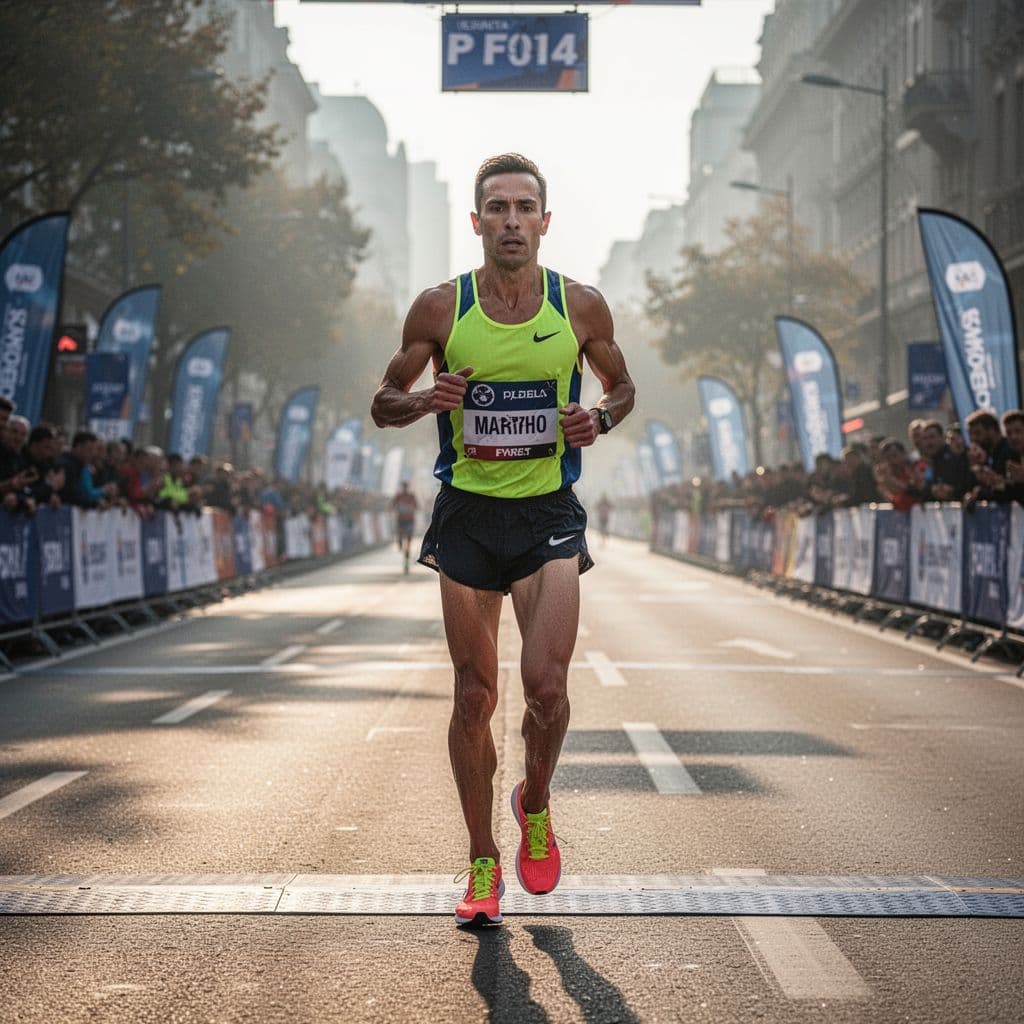
Best for runners chasing a fast marathon PR
If your main goal is a marathon personal best, the Vaporfly 4 belongs on your shortlist. It is especially appealing for competitive runners, sub-elite athletes, and anyone who already knows how to hold pace when fatigue builds. The shoe feels most useful when you are trying to shave seconds, or even minutes, off your result.
The reason is simple. It is light, efficient, and built to help you keep turnover high without feeling flat. In a marathon, that matters because the late miles punish every extra bit of effort. A shoe that helps your stride stay smooth can make a real difference when the race gets hard.
Runners who already train with purpose will probably get the most out of it. If you have done long tempo runs, pace work, and race-pace sessions, the Vaporfly 4 will feel familiar on race day. It rewards runners who can stay composed under pressure, and that is exactly why serious marathoners tend to love shoes like this. For runners comparing top-end options, the best marathon race day shoes guide can help narrow the field.
If you want a shoe that helps you race, not just a shoe that looks fast, the Vaporfly 4 is in the right lane.
Less ideal for runners who want plush comfort first
The tradeoff is comfort. The Vaporfly 4 has cushioning, but it does not try to feel like a soft daily trainer or a max-cushion cruiser. It keeps the ride tuned and energetic, which is great for speed, but less appealing if you want a shoe that feels roomy, easygoing, and relaxed for the whole run.
Runners who like a wide platform may also feel limited here. The shoe has a performance-first shape, so it can feel more focused than forgiving. If you prefer lots of underfoot stability or a very cushioned landing, this may not be the shoe that puts a smile on your face during long, calm miles.
That does not make it uncomfortable in a bad way. It just means the Vaporfly 4 is built with a job in mind, and that job is racing fast. If your priority is daily comfort, recovery runs, or a softer feel for marathon training, you may be happier in a different model. The Nike Alphafly 4 vs Vaporfly 4 comparison is useful if you are deciding whether you want more protection or more agility.
Fit considerations for narrow, average, and wider feet
Fit can make or break a race shoe, and that is especially true with the Vaporfly 4. Runners with narrow feet often like the secure, close feel because it keeps the shoe from shifting during hard efforts. If you want locked-in lockdown, this model can feel confidence-building.
Average-width feet should do fine if the sizing is right and the upper matches your shape. Still, this is a shoe you should try on before race day if possible. Racing shoes often feel different once you start moving fast, and a fit that seems fine in the store can change after a few miles.
Wider feet may need extra care. The forefoot can feel a bit narrow, so if you like a generous toe box or have a foot that spreads a lot when you run, make sure there is enough room for marathon swelling. That swelling is real, and it can turn a good fit into a problem late in the race.
A simple fitting checklist helps:
- Narrow feet often benefit from the secure hold.
- Average feet should test fit under race-like pressure.
- Wider feet need extra attention around the forefoot and toes.
Trying the shoe on during a workout is better than guessing on race day. A marathon changes how every shoe feels by mile 18.
Best race and workout uses beyond the marathon
The Vaporfly 4 is not only a marathon shoe. It also makes sense for half marathon racing, especially if you like a fast, snappy feel and want to stay efficient at a hard but sustainable pace. For many runners, that distance may be where the shoe feels easiest to control, because the pace is high without the same late-race damage as 26.2 miles.
It can also work well for interval workouts and time trials. Shorter, faster sessions are where the light build and strong rebound feel obvious. If you are doing track-style intervals, though, a less expensive and more durable trainer may be smarter. You do not need to burn through a premium racer on every hard workout.
Key tune-up races are another good use. A 5K, 10K, or half marathon tune-up can be a smart place to test race-day pacing and shoe feel before your main goal race. For broader context on how carbon racers fit into the bigger picture, Runner’s World carbon-plated shoe roundup shows how racers use these shoes across distances.
Where should you save it for race day? If the session is mostly about mileage, general fitness, or easy aerobic work, the Vaporfly 4 is probably overkill. If the session is about pace, rhythm, and confidence, it earns its place.
How it compares with other top racing shoes
The Vaporfly 4 sits in the same race-day crowd as the Adidas Adios Pro 4, ASICS Metaspeed Sky, Saucony Endorphin Elite, and Nike’s own Alphafly line. That means the question is less about which shoe is “best” and more about which one fits your stride, your pace, and your marathon goal.
In the Nike Vaporfly 4 Review, the shoe comes across as one of the lightest, quickest-feeling options in the super shoe class. It is built for runners who want a sharp, efficient ride without a lot of extra bulk underfoot.
Versus the previous Vaporfly model
Compared with the Vaporfly 3, the Vaporfly 4 feels like a cleaner, more focused race shoe. The biggest change most runners will notice is the overall sense of trimness. It feels a little lighter on the foot, a little more direct at toe-off, and a bit less busy under pressure.
The ride still has that familiar Vaporfly feel, soft ZoomX foam up front, a carbon plate that pushes you forward, and a fast transition that rewards quick turnover. So if you already own an older Vaporfly, the core experience will feel familiar. The difference is in the details. The shoe feels more dialed in, especially when you are running at marathon pace and beyond.
That matters most if you race often or use your Vaporfly for key workouts. You will probably notice:
- A cleaner lockdown, which helps when your feet swell late in long runs.
- A snappier toe-off, which makes pace changes feel easier.
- A slightly more refined fit, which may help reduce foot movement inside the shoe.
Runners who loved the Vaporfly 3 for its lively ride will still feel at home here. Runners who wanted a touch more race-day precision may notice the upgrade right away. For a deeper look at the older version, the Nike ZoomX Vaporfly Next 4 review gives more context on how Nike keeps sharpening the formula.
Versus other carbon plated marathon shoes
Against other top carbon plated marathon shoes, the Vaporfly 4 feels best suited to runners who want speed first and a lighter, more agile feel second. Some rivals chase maximum cushioning and a bouncier platform. Others aim for a wider, more planted base. The Vaporfly 4 stays more focused on quick turnover and race-day sharpness.
The Adidas Adizero Adios Pro 4 often feels a bit more substantial underfoot, which can help runners who like a smoother, more cushioned marathon ride. The ASICS Metaspeed Sky tends to appeal to runners who want a strong, rolling sensation and a little more guidance through fast miles. Saucony’s top racers often bring a firmer, more grounded feel that some runners trust when the pace gets messy.
The Vaporfly 4 is the one for runners who want:
- More quickness than bulk
- A softer, more energetic ride than a firm racer
- A shoe that feels fast at marathon pace without much learning curve
By contrast, runners who like a more stable or protective platform may prefer a rival with a broader base and a calmer landing. The Vaporfly 4 can still feel secure, but it is not the most planted option in this category. It rewards efficient runners, especially those who stay smooth late in the race.
If you like a shoe that disappears beneath you and lets you stay on pace, the Vaporfly 4 has a strong case.
The comparison gets even more useful when you look at different runner types. A lighter, efficient runner who races half marathons and marathons may love the Vaporfly 4’s snap. A heavier runner, or someone who wants more support late in the marathon, may feel better in a shoe with a wider platform or more built-in stability.
For broader context on the category, Runner’s World’s carbon-plated shoe roundup is a good way to see how the main marathon racers stack up across brands and fit styles.
Where it stands on value for serious racers
The Vaporfly 4 is expensive, so value depends on how much race-day performance matters to you. If you race marathons often, chase PRs, or care a lot about confidence on the start line, the price is easier to justify. A shoe that feels right can calm your nerves and help you commit to pace when the race gets hard.
For competitive runners, that confidence can be worth a lot. If the shoe helps you hold form a little longer, settle into pace faster, or trust your mechanics on tired legs, then the investment starts to make sense. That is especially true if you only pull it out for goal races and key tune-up efforts.
The value case is weaker if you race rarely or just want a fast shoe for occasional use. In that case, a runner might get more out of a slightly less expensive racer or a model that doubles better as a workout shoe. The Vaporfly 4 is built for big efforts, not everyday miles, so you need to think about how often it will actually leave the box.
A simple way to judge it is this:
- Frequent racers can get more value because the shoe pays off more often.
- Highly competitive marathoners may see the price as part of the race plan.
- Casual racers may prefer a cheaper shoe that still feels quick.
If the Vaporfly 4 gives you real confidence on race day, it can feel worth every dollar. If it just looks fast on paper, the value drops fast. That is why the shoe makes the most sense for runners who know exactly what they want out of a marathon racer, and who will use that extra performance when it counts.
Conclusion
The Nike Vaporfly 4 Review points to one clear answer, yes, this is one of the fastest marathon racing shoes you can buy, and for the right runner, it may be the best choice yet. It feels light, sharp, and efficient at marathon pace, which is exactly what serious racers want when the race starts to bite.
Its biggest strength is how well it turns speed into control. The ZoomX foam, carbon plate, and tighter fit work together to keep turnover quick without making the ride feel harsh. The tradeoff is just as clear, it asks for a confident stride and a fit that matches your foot shape.
If you want a shoe for fast marathons, half marathons, and key pace workouts, the Vaporfly 4 makes a strong case. Runners chasing a PR and looking for a race-day edge should also pair it with a smart plan, like the proven marathon training roadmap, so the shoe works with your fitness instead of trying to carry it.
For runners who want the most stable, plush, or forgiving ride, there are better options. For runners who want a pure race shoe that feels built for speed, the Vaporfly 4 is a serious contender and a smart pick for the start line.


