

Nike Vaporfly 4 Racing Review: Fast Enough for PRs?
Is the Nike Vaporfly 4 racing shoe fast enough for a PR attempt? For a lot of runners, yes, because this shoe is built for race-day speed, not easy miles. If you’re deciding whether it belongs on your feet for a 5K, half marathon, or marathon, this review focuses on how it actually feels when the pace gets serious, not on hype.
We’ll look at the parts that matter most on race day, including fit, ride, and how much speed you can expect when the gun goes off. If you want the fuller breakdown first, start with the detailed Nike Vaporfly 4 review, then use this review to see whether it makes sense for your next PR attempt.
What the Nike Vaporfly 4 is built to do on race day
The Nike Vaporfly 4 racing shoe is built for one job: help you run faster when the clock matters. It is a lightweight, race-first shoe made for runners who want a sharp, efficient feel on 5K through marathon efforts.
That means the Vaporfly 4 is not meant to feel soft, casual, or forgiving in the way a daily trainer does. It is built to reward pace, quick turnover, and a strong forward roll. If you show up to race hard, this shoe is designed to keep the effort focused on speed rather than wasted energy.
Build Your Complete Race-Day Setup
The right shoe helps, but faster racing comes from better training, pacing, recovery, fueling, and execution.
More Guides for This Shoe
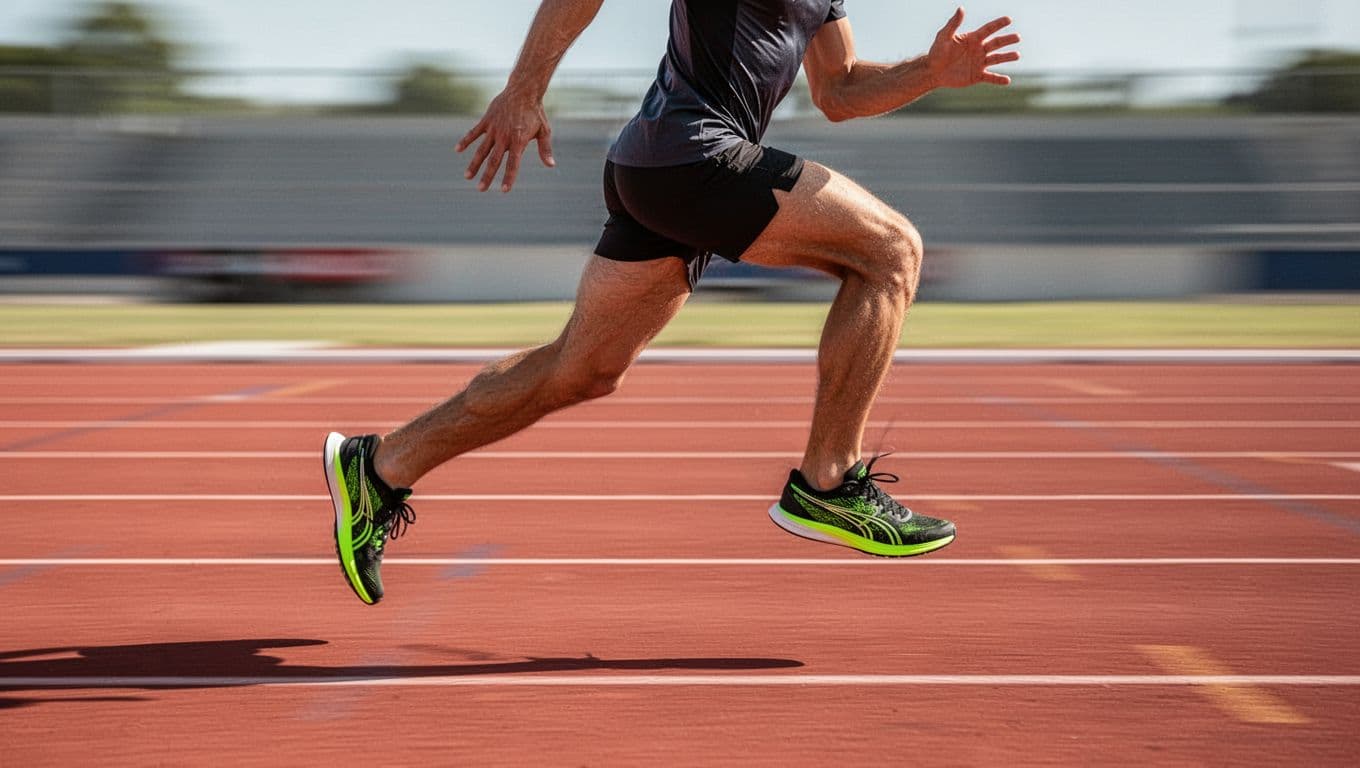
How it fits into Nike’s racing lineup
Nike keeps its racing shoes in clear lanes, and the Vaporfly 4 sits near the middle of that serious race-day range. It is part of the brand’s super shoe family, but it is not the most extreme option in the lineup. The goal is simple, make a shoe that feels fast, stays light, and works across a wide set of race distances.
Compared with older Vaporfly models, the spirit stays the same. You still get a shoe that feels made for PR attempts, not training jogs. The ride is aimed at efficiency and smooth speed, with enough bounce to help you keep form when the pace climbs.
Nike’s own product language describes the Vaporfly 4 as a lighter, more propulsive racing shoe trusted from the mile to the marathon, which lines up with that middle-ground role in the lineup. For a quick look at the model itself, Nike lists the Vaporfly 4 road racing shoe as a full-speed race option.
Where does it sit next to more aggressive racers? Below the most extreme, high-stack marathon-first shoes, it feels a little more direct and less bulky. That can help runners who want speed without feeling like the shoe is doing all the work. In plain terms, it looks and acts like a real PR shoe, not just a fast workout shoe.
If you want a race shoe that feels focused but still usable across more than one distance, this is the lane the Vaporfly 4 occupies.
What kind of runner it is meant for
The Vaporfly 4 makes the most sense for runners who already race with intent. If you like a responsive feel underfoot and don’t mind a firmer, more aggressive ride, this shoe is built for you. It suits runners who want a strong toe-off, quick transitions, and a shoe that encourages you to stay on rhythm.
Fit matters a lot here. A race shoe that feels great on one runner can feel unstable or awkward on another, especially when the pace slows or the stride changes. Foot shape, lock-in, and how you land all affect the experience, so the same shoe can feel powerful for one runner and too much for another.
Distance matters too. The Vaporfly 4 can work for 5Ks, 10Ks, half marathons, and marathons, but your goal pace changes how much sense it makes. Faster runners usually get more out of the shoe because the geometry, foam, and plate feel more natural at race speed. Slower pace efforts may feel less smooth, especially if you want a softer, more relaxed ride.
That is why the shoe is best treated as a race tool. It is made for the runner who wants to push, hold form, and squeeze out a better result on a specific day. If you want more cushioning for long, easy miles, this is the wrong job for the shoe. If you want a sharp, efficient racer for a PR attempt, it fits the brief well.
For runners comparing race options, it also helps to look at distance-specific shoes like the Nike Dragonfly 3 for elite track racing. That kind of comparison makes the Vaporfly 4’s job clearer, because road racers and track spikes solve different problems.
How the Vaporfly 4 feels once you start pushing pace
The Nike Vaporfly 4 racing shoe feels more alive as the speed rises. At easy pace, it can feel a little restrained and almost too direct, but once you start working, the shoe wakes up fast. The underfoot feel is built for effort, so the faster you run, the more sense it makes.
That matters because race shoes live or die on feel, not just specs. You want something that helps you move quicker without making every stride feel forced. In the Vaporfly 4, that balance shows up most clearly once the tempo shifts from controlled to committed.
The midsole feel and return you notice first
The first thing most runners notice is the mix of softness and snap. The Vaporfly 4 does not feel mushy, and it does not feel harsh either. Instead, it lands in that sweet spot where the foam gives enough to feel cushioned, then snaps back fast enough to keep your legs moving.
At steady pace, the ride can feel slightly muted. Once you press harder, the foam becomes more responsive and the shoe starts to feel like it is loading and releasing energy with each step. That change is what makes the shoe feel much better at race pace than at warm-up pace.
The best way to describe it is this: the shoe feels light on landing and eager on takeoff. You do not sink into it. You bounce off it. That gives the Vaporfly 4 a quick, efficient feel that works well when you are trying to hold pace through the middle of a race.
The Vaporfly 4 feels best when you are running with purpose, not cruising. The faster your cadence, the better the midsole seems to respond.
That also means your stride affects the ride. Runners with a smooth, quick turnover usually get the best return. If your stride is more relaxed or heavy, the shoe may feel less lively until the pace gets high enough to wake up the foam. For more on how this model fits into the bigger racing picture, the Vaporfly 4 vs Endorphin Pro 5 comparison is a useful side-by-side read.
What the carbon plate changes during a hard effort
The carbon plate is a big part of why the shoe feels so purposeful at speed. It does not make you faster by itself, but it helps the shoe feel more structured and helps each toe-off feel cleaner. When you drive forward, the plate gives the ride a firmer, more guided push.
That shows up most in the transition from landing to toe-off. Instead of feeling soft and slow, the shoe encourages a quick roll through the front of the foot. You land, load the foam, then get pushed forward in a way that feels smoother than a standard racing flat.
For runners with a quicker stride, that rhythm can feel excellent. The shoe seems to reward people who already run with a good cadence and a natural forward lean. It helps that motion feel more efficient, especially in the later stages of a 5K, 10K, or half marathon.
Runners with a slower, more powerful stride may feel the plate differently. The shoe can still work, but it may feel more demanding. If you are not turning over quickly, the ride may seem less fluid and a little more rigid. That is part of the tradeoff with a serious racer like the Vaporfly 4, it likes race rhythm, not hesitation.
Think of the plate as a guide rail. It keeps the shoe moving in the right direction and helps reduce wasted motion. For racers who care about split times more than shoe jargon, that means less drift and more direct forward motion when the effort climbs.
Does it stay stable when fatigue sets in
As your legs get tired, the Vaporfly 4 asks for better form. That is normal for a super shoe, but it still needs to feel safe. A fast shoe that feels wild late in a race is hard to trust, even if it feels great for the first few miles.
The Vaporfly 4 does a decent job of staying composed when fatigue builds. It feels nimble, and that helps keep the shoe quick, but it also means you need some control from your own legs. If your stride gets sloppy, you may notice the shoe more. That is especially true when cornering, changing pace, or fighting through the final stretch of a workout.
On the plus side, the ride does not collapse into a dead, flat feel when you start to tire. It still has enough rebound to keep things moving. That gives you confidence when the race gets hard and you need the shoe to stay consistent, not just flashy at the start.
If you want a race shoe that stays useful deep into a hard effort, this is a good sign. It feels fast, but it also feels manageable. The best super shoes give you speed without making you feel like you are balancing on a knife edge. The Vaporfly 4 gets close to that balance for many runners.
The main question is how much stability you need. If you run with a clean stride and like a nimble racing feel, the shoe should feel secure enough late in the race. If you want a broader, more planted platform, you may prefer something with a calmer ride. That is why comparing it with other racers, like the Nike Vaporfly 4 vs Adidas Adizero Adios Pro 4 matchup, can help before race day.
The Vaporfly 4 feels best when the pace is high, the effort is sharp, and your form is still under control. When all three line up, the shoe feels light, springy, and eager to help. That is the kind of ride that can support a real PR attempt.
Who will get the biggest PR boost from this shoe?
The Nike Vaporfly 4 racing shoe gives the biggest lift to runners who already race with intent and can hold a strong pace. It rewards clean mechanics, quick turnover, and a firm commitment to the effort. If your goal is to shave seconds or even minutes off a road race time, this is the type of shoe that can help.
That said, the boost is not identical for every runner. Some athletes will feel the biggest payoff in a 5K, where the shoe feels lively and direct. Others may get more value in a half marathon or marathon, where the efficiency starts to add up over longer stretches. The best distance is the one where your pace, stride, and comfort line up with the shoe.
Runners chasing road race PRs from 5K to marathon
This shoe makes sense across a wide range because race effort changes the whole experience. In a 5K, the Vaporfly 4 feels sharp and energetic, which helps runners who want a snappy feel and fast ground contact. In longer races, the value comes from economy, since saving a little energy every mile can matter a lot late in the race.
The real question is not just distance, it’s pace. Faster runners often feel the benefit sooner because the shoe’s shape and plate work best when the rhythm is already strong. Slower runners can still race in it, but the return may feel smaller if the pace never gets high enough to make the ride feel natural.
Body efficiency matters too. A runner with a smooth stride and good hip control may get more out of the shoe than someone who overstrides or fights late-race form changes. That is why the Vaporfly 4 can be a great 10K shoe for one athlete and a better marathon shoe for another.
For runners comparing race-day options, choosing the right carbon plated race shoe can help frame where this model fits. The Vaporfly 4 is strongest when you already have a race pace in mind and want a shoe that helps you protect it.
The biggest PR boost usually goes to runners who can hold pace without forcing the shoe to do all the work.
When the Vaporfly 4 may not be the best choice
There are clear cases where another shoe makes more sense. If you want more cushioning, a broader base, or a calmer ride, the Vaporfly 4 may feel too direct. Some runners prefer a little more protection under tired legs, especially for long training blocks or races where comfort matters as much as speed.
It can also be the wrong pick if your legs are already heavy. Recovery needs change how a shoe feels, and a race shoe that asks for crisp mechanics can feel demanding on a day when you’re flat. In that case, a more forgiving super shoe or even a less aggressive racer may let you run with less fight.
Course layout matters too. Tight turns, sharp downhills, and uneven roads can expose any lack of stability. If you need extra control on a hilly course or in wet conditions, a more planted option may feel safer and more useful. A race shoe should help you stay smooth, not make you think about balance every mile.
How fit and stride style affect the result
Race shoes are never one-size-fits-all, and this one makes that obvious. Foot shape changes the feel right away, especially in the heel and midfoot. If the fit locks in well, the shoe can feel fast and clean; if it doesn’t, the speed benefit gets lost in discomfort.
Stride style matters just as much. Heel strikers may still like the Vaporfly 4, but they can notice the ride differently than midfoot runners. A runner who lands softly and rolls forward naturally may get a smoother experience, while a runner with a heavier landing may feel the shoe working harder underfoot.
Personal biomechanics decide a lot here. Some runners need a bit more stability from the midsole shape, while others want a narrow, fast feel that disappears once the race starts. The safest way to judge it is simple, try it at race pace, not just while standing still. If the shoe feels quick, secure, and easy to control, it’s a strong sign you’ll get a real PR boost from it.
How it stacks up against other race-day shoes
The Nike Vaporfly 4 racing shoe sits in a crowded field, so the real test is how it feels next to the shoes runners already trust on race day. Some rivals feel softer. Some feel more aggressive. A few feel more planted and confidence-first. The Vaporfly 4 aims for the middle, and that balance is a big part of its appeal.
That balance matters because race-day shoes are not just about speed on paper. You need a shoe that feels right when the pace gets ugly, your breathing gets loud, and your form starts to fray. A good super shoe gives you a clear job and stays out of your way.
Vs. other Nike racing shoes
Within Nike’s own lineup, the Vaporfly 4 feels more balanced than extreme. It is faster and more race-focused than a lot of trainers, but it does not push the ride as hard as Nike’s most aggressive marathon-style options. That gives it a broad appeal, especially if you want one shoe that can handle more than one race distance.
Compared with the Alphafly, the Vaporfly 4 usually feels lighter and more direct. The Alphafly leans harder into max cushioning and a bigger, more dramatic underfoot feel. If you want a smoother, more cushioned marathon day experience, that can be a plus. If you want a cleaner, simpler ride that feels easier to turn over, the Vaporfly 4 makes more sense.
It also feels less demanding than some of Nike’s more specialized fast shoes. That means it is still racey, but not overly twitchy. The shoe lands in a sweet spot for runners who want speed without too much drama. You feel the plate and foam, but the ride does not shout at you on every step.
For runners comparing Nike’s racing options side by side, the question often comes down to purpose. The Vaporfly 4 is the better choice if you want a more balanced race shoe. The Alphafly is the pick if you want maximum cushion and a more marathon-first feel. If you’re trying to match the shoe to your goal, that difference matters more than brand loyalty.
Vs. top marathon super shoes from other brands
Against the broader super shoe field, the Vaporfly 4 holds its own because it feels predictable at race pace. That word matters. Plenty of carbon shoes can feel fast for a mile or two, but confidence over the full race is what really counts. The Vaporfly 4 gives many runners enough stability and rhythm to trust it when the effort gets hard.
Compared with shoes like the ASICS Metaspeed series, adidas Adizero Adios Pro models, or Saucony’s top racers, the Vaporfly 4 sits in the more balanced part of the market. Some rivals feel softer and more rolling. Others feel firmer and more propulsive. The Vaporfly 4 usually lands in the middle, which helps it stay accessible to a wider range of runners.
If you want a fast shoe that feels calm enough to take into a big race, that middle ground is a real advantage. It does not need much adaptation. You can lace it up, hit pace, and know pretty quickly whether it suits your stride. For many runners, that simplicity is the selling point.
External race-shoe roundups back up how crowded this category is, with models like the Nike Alphafly 3 and Adidas Adizero Adios Pro 4 often near the top of carbon plate running shoe lists. The Vaporfly 4 does not need to be the softest or flashiest shoe there. It just needs to feel fast enough and trustworthy enough on race day, and it does.
The Vaporfly 4 is strongest when you want race-day speed that feels controlled, not chaotic.
For a closer look at how other top racers compare, the ASICS Metaspeed Sky Paris review is a useful reference point. That shoe gives a different kind of forward feel, so it helps clarify whether you prefer a more aggressive push or a more even ride.
Which shoe would be better for different race goals
The best shoe depends on what you’re chasing. A 5K PR calls for a different feel than a marathon breakthrough, and the Vaporfly 4 can fit some goals better than others.
Here is the short version:
| Race goal | Vaporfly 4 fit | Better if you want |
|---|---|---|
| 5K PR | Very strong | A light, sharp, fast-feeling shoe |
| 10K PR | Strong | Quick turnover and a direct ride |
| Half marathon breakthrough | Very strong | Balance between speed and comfort |
| Marathon PR | Strong, but not always the softest option | Efficient pacing and a ride that stays consistent |
| Maximum cushioning on race day | Good, but not the top pick | More underfoot protection |
For shorter races, the Vaporfly 4 feels lively and efficient. If you race 5Ks or 10Ks, the quick turnover and reduced weight can help you stay on pace without feeling overbuilt. It is a shoe that wants you to move.
For a half marathon, the Vaporfly 4 may be at its best. You get enough cushioning to stay comfortable, but the shoe still feels nimble. That mix can help when you want to run hard without dragging extra foam with you.
For the marathon, the answer depends on your style. If you like a more controlled, balanced ride, the Vaporfly 4 is a strong option. If you want a softer, more protective shoe for the last 10K, you may prefer something with a bigger platform or more cushioning.
The simple test is this, match the shoe to your race plan. If you want a fast, balanced racer that feels ready for a serious PR attempt, the Vaporfly 4 fits that job well. If you want maximum softness or a more dramatic marathon-specific ride, another shoe may suit you better.
Conclusion
The Nike Vaporfly 4 racing shoe is fast enough for PR attempts when your stride is ready for it. It feels light, sharp, and most effective at race pace, which is exactly what most runners want on a big day.
Runners chasing 5K, 10K, half marathon, or marathon PRs should seriously consider it, especially if they like a direct, efficient ride. Runners who want more softness, more stability, or a calmer feel should keep looking, because this shoe asks for clean form and commitment.
If you want to compare it against another serious marathon option, the Nike Vaporfly 4 vs PUMA Fast-R Nitro Elite 3 comparison is a smart next step. The short answer is simple, the Vaporfly 4 feels like a real PR-day tool when race-day confidence and speed matter most.


