

Nike Vaporfly 4 Marathon Training and Long Runs: Is It Worth It?
Yes, the Nike Vaporfly 4 marathon can work for training and long runs, but it’s best for the right kind of runner and the right kind of workout. It’s built for speed, so you’ll want to know how it handles comfort, durability, and those long miles that test your legs.
If you’re looking for one shoe to do more than race day, that’s where the decision gets tricky. A fast shoe can feel great early on and still fall short when your weekly mileage climbs, so the real question is whether it can handle the job better than other best running shoes for marathon training. The breakdown below will help you judge fit, ride, durability, long-run use, and whether it makes sense for your training plan.
What the Nike Vaporfly 4 is built to do
The Nike Vaporfly 4 is built for one job first, racing fast with as little wasted effort as possible. That purpose shapes everything about the shoe, from the carbon plate underfoot to the light, stripped-back upper and the soft foam in the midsole.
For a Nike Vaporfly 4 marathon runner, that means a shoe made to help you hold pace when you want every step to feel efficient. It is not designed to be your everyday workhorse. It is designed to feel quick when the pace picks up and to stay smooth when fatigue starts to show.
Build Your Complete Race-Day Setup
The right shoe helps, but faster racing comes from better training, pacing, recovery, fueling, and execution.
More Guides for This Shoe
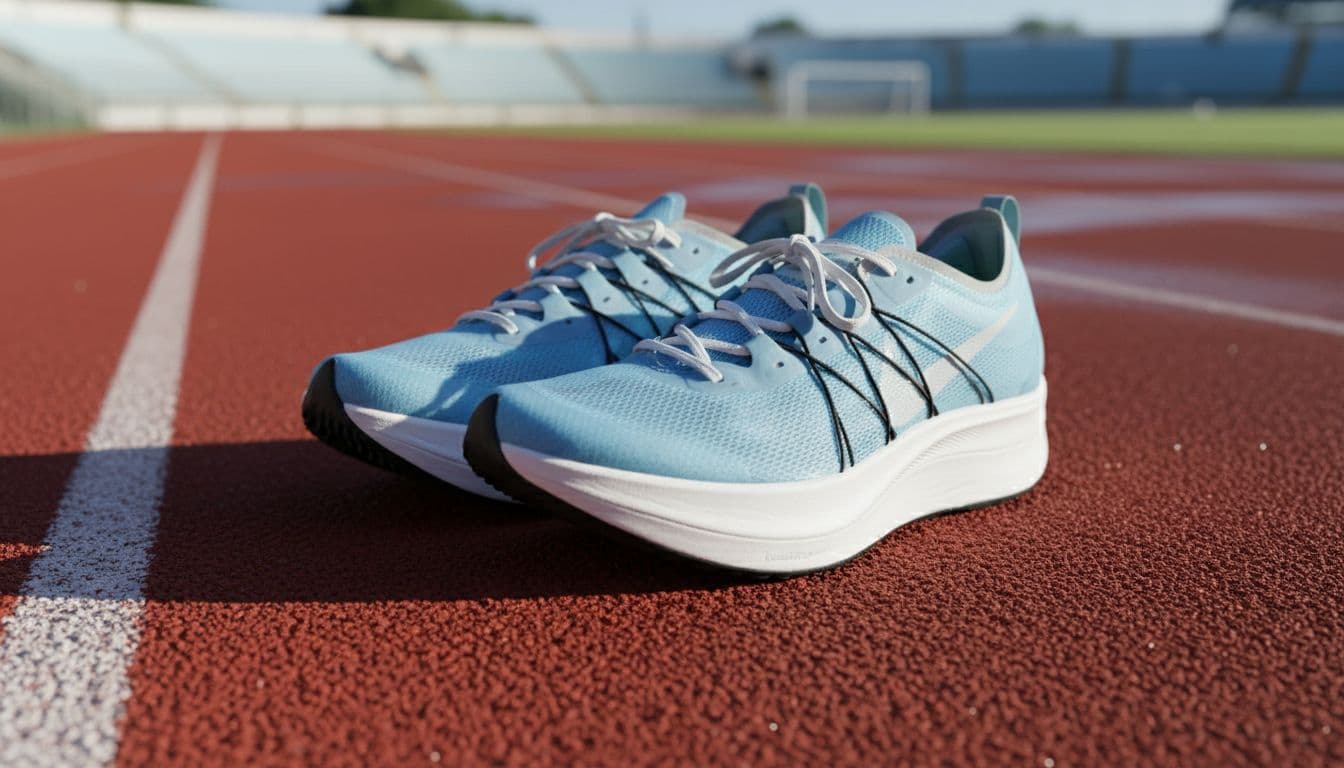
Why the Vaporfly feel is so fast
The fast feel comes from a mix of bounce, stiffness, and low weight. The foam gives you a soft landing, then springs back quickly, so the shoe feels eager instead of dull. The carbon plate helps guide each stride forward, which is why many runners describe the ride as smooth and rolling.
At marathon pace, that matters. The shoe feels like it wants to keep you moving instead of asking for extra effort with each step. That can make steady running feel easier, especially when you are locked into a rhythm and trying to stay relaxed.
The Vaporfly works best when you run with purpose, not when you want an easy cruise.
It also helps that the shoe stays light on the foot. Less weight means less bulk to move over 26.2 miles, and that can add up late in a race. For a simple look at how carbon plates fit into racing shoes, Runner’s World’s carbon-plated shoe guide gives useful background.
How it differs from a daily trainer
A daily trainer is built for repeat miles, easy runs, and long weeks. It usually gives you more stability, more padding in the upper, and a broader platform that feels calm and predictable. The Vaporfly takes a different path, because it favors speed and race-day efficiency over all-day comfort.
That difference shows up fast on long training blocks. A normal cushioned trainer is usually better when you want a shoe that can handle high mileage, recovery runs, and general wear. The Vaporfly can do long runs, but it asks for more care and works best when you use it for key workouts or specific marathon-pace efforts.
A simple comparison makes the split clear:
| Feature | Vaporfly 4 | Daily trainer |
|---|---|---|
| Ride feel | Fast, springy, and propulsive | Softer, calmer, more stable |
| Stability | Less forgiving | Usually more secure |
| Durability | Built for performance first | Built for regular mileage |
| Long-run comfort | Good for targeted sessions | Better for high-mileage weeks |
If you want a shoe that can take the abuse of everyday training, a model like the Saucony Triumph 24 review is a better fit. If you want a shoe that feels ready for pace work and race day, the Vaporfly belongs in that lane.
A similar question comes up with other plated trainers too, including the Adidas Boston 13 marathon training review and the New Balance Balos super trainer review, but the Vaporfly is still more race-first than training-first.
That is the key point. The Nike Vaporfly 4 marathon shoe is built to help you run fast, not to be the pair you forget about on tired Tuesday miles.
Can you use the Vaporfly 4 for marathon training?
Yes, but only for the right parts of marathon prep. The Nike Vaporfly 4 marathon shoe can make quality sessions feel sharp and controlled, yet it should stay in a supporting role for most runners. Use it when pace and efficiency matter most, then save your daily trainer for the miles that build fitness week after week.
That approach gives you the best mix of speed, comfort, and value. Carbon racers feel exciting early on, but they can wear out fast if you use them for every run. More importantly, your easy miles do not need that much shoe.
Best workouts for this shoe
The Vaporfly 4 shines in sessions where you want to run fast but stay economical. Intervals are a strong fit because the shoe feels light and responsive when you keep turning over quickly. It helps your legs stay snappy during reps, especially when fatigue starts to creep in.
Marathon pace blocks are another smart use. If your workout includes steady stretches at goal pace, the shoe matches that rhythm well and gives you a race-like feel without needing a full race. Tempo runs work too, since the shoe can smooth out the effort when you settle into a hard but controlled pace.
Tune-up races are probably the best training use of all. A 5K, 10K, or half marathon prep race lets you test the shoe under pressure and learn how it feels late in a hard effort. That kind of feedback is hard to get from an easy run.
A few workouts where it fits well:
- Intervals, because the shoe feels quick and efficient on repeat efforts
- Marathon pace blocks, because it helps you lock into goal rhythm
- Progression runs, because the ride gets better as pace builds
- Tune-up races, because race day effort shows its real strengths
Use the Vaporfly 4 when the workout has a clear purpose and a hard pace target.
When it is not the right choice
Easy runs and recovery runs usually do not need a carbon racer. Those sessions are about relaxed form, low stress, and saving your legs for the next hard workout. A softer daily trainer does that job better, and it costs less to put miles on it.
High-volume weeks are another poor match. If you use the Vaporfly 4 for every run, you will burn through a more expensive shoe faster than you need to. The foam and plate can also feel more delicate than a standard trainer, which makes it a bad candidate for rough roads, sloppy form days, and tired shuffle miles.
The simplest rule is this, if the workout does not need speed, the Vaporfly does not need to come out.
Who can get the most out of it in training
Experienced runners get the most from the Vaporfly 4 because they already know when to press and when to back off. Competitive marathoners also benefit, since they often use one shoe for race-specific work and another for the rest of their plan. Runners with a strong rotation can slot it in for key sessions without forcing it into every day.
Newer runners often do better with a stable trainer first, such as the ASICS GT 2000 13 review. That kind of shoe gives you more support, more protection, and fewer demands on your form. Once your base is solid, a racing shoe can play a useful role, but it should not be the starting point.
For runners who want a smart training split, the Vaporfly 4 works best as a tool, not a default. Use it for the sessions that ask for speed, keep your daily miles in a more durable shoe, and you get more out of both pairs.
Is it a good shoe for long runs?
Yes, the Nike Vaporfly 4 marathon can be a strong long-run shoe, but only when the long run has a clear purpose. If you want to practice race rhythm, hold marathon pace, or finish fast on tired legs, it makes sense. If you want a slow, low-stress endurance day, it can feel like more shoe than you need.
That split matters. The Vaporfly 4 is at its best when the run asks for efficiency and turnover, not when you are just stacking relaxed miles. For long runs, the question is not just comfort. It is whether the shoe helps you run the way you plan to race.
Long runs with marathon pace work
This is one of the best uses for the Vaporfly 4. When your long run includes marathon pace blocks, the shoe helps you settle into a smooth rhythm and stay efficient when fatigue builds. That matters a lot in final marathon prep, where the goal is to make race pace feel familiar, not forced.
The shoe also helps you conserve energy. The light build and propulsive feel can take a little bite out of the effort, so you spend less mental energy fighting the pace. For marathoners, that is valuable because the last thing you want is to burn matches too early in training.
A well-placed pace block turns the long run into race practice. You learn how your breathing changes, how your stride feels, and how well you can hold form when the miles get long. For pacing structure ideas, these long run pace guidelines line up well with this kind of workout.
Easy long runs at comfortable pace
For relaxed long runs, the Vaporfly 4 is much less appealing. Some runners enjoy the bounce no matter the pace, but others find it less stable and less natural when they are just cruising. When the shoe is not being used as intended, the comfort can change fast.
Easy long runs are about calm effort and low stress. A carbon racer can feel a little too stiff or too aggressive for that job, especially if you are running by feel and keeping the pace honest. In those cases, a daily trainer often feels better underfoot and gives you more value.
If you are comparing carbon shoes with everyday trainers, Runner’s World’s carbon plate shoe guide gives a useful snapshot of why race shoes feel so different. The short version is simple, the Vaporfly 4 works best when the run has purpose and pace.
How many long runs should you do in it?
Use it sparingly during a marathon block. One or two key long runs is usually enough for most runners, especially if those sessions include marathon pace work or a fast finish. You do not need to wear it for every long run to get the benefit.
A practical approach looks like this:
- Key marathon-pace long runs when you want to rehearse race rhythm
- Long progression runs when the pace gets faster late
- Race-specific tune-up workouts when you want to test fitness under pressure
That keeps the shoe fresh for race day and protects it for the sessions that matter most. If you want more structure around long-run workouts, marathon training long run variations can help you choose the right session type.
For most runners, the best plan is simple. Use the Vaporfly 4 for the long runs that teach race skills, then save your more durable trainer for everything else. That way, the shoe feels special when it counts, and race day gets the freshest version of it.
Comfort, fit, and stability over marathon miles
The Nike Vaporfly 4 marathon shoe can feel excellent early on, but long miles reveal the real story. Fit, toe room, heel hold, and side-to-side stability matter more after your legs start to fade, because a shoe that feels lively at mile 3 can feel much less friendly at mile 18.
How the fit affects long-run comfort
A snug racing fit can feel fast and secure when the pace picks up. The upper wraps the foot closely, which helps the shoe feel precise instead of sloppy. That locked-in feel is part of the appeal, especially if you like a responsive shoe that moves with you.
Still, a racing fit can turn restrictive if the shoe is too narrow or too short. Your feet swell during long runs, and that tiny extra pressure becomes hard to ignore after a couple of hours. If the toe box feels tight at the start, it usually feels worse later.
The best long-run fit gives you room to land naturally without swimming inside the shoe. You want a secure midfoot, a stable heel, and enough toe space to avoid bruising on descents or late-race swelling. A great race shoe should feel sharp, but it should never pinch.
If your current pair feels close but slightly cramped, testing a size change before race day is smart. A few easy runs and one steady long run can tell you more than a quick walk around the store. For runners who want a broader fit check before buying, finding the perfect running shoe fit is a useful place to start.
Stability when your form breaks down
Early in a long run, your stride is cleaner and your hips stay more controlled. Later, after 16 to 20 miles, fatigue changes everything. Your knees may drift inward, your feet may land a little sloppier, and the shoe has to do more work to keep you centered.
That is where a racing shoe can feel less forgiving. The Vaporfly 4 is built for speed, so it gives you less built-in support than a traditional trainer. If your form gets messy when you tire, you may start wanting a wider base or a more stable platform underfoot.
A great racing shoe still has to work for tired legs, not just fresh ones.
Some runners barely notice the change. Others feel every wobble when their cadence drops and their stride gets heavy. If you already know your form falls apart late, a more stable shoe may be the better long-run choice, even if it feels a little less exciting at first.
Who should test it carefully before race day
Certain runners should give the shoe extra time before committing to it in a marathon. Wider feet often need more room than a slim racing fit allows, and past foot issues can show up fast in a tight upper. An unstable ankle can also make a narrow racing shoe feel nervous when the miles pile up.
Take extra care if you fall into any of these groups:
- Wide-footed runners, because forefoot pressure can build over time
- Runners with bunions or toe irritation, because narrow uppers can rub late in the run
- Athletes with ankle instability, because a high-speed shoe may feel less steady when fatigue sets in
- Runners who swell a lot, because extra volume matters after long mileage
The safest move is to test the shoe in real conditions, not just on a short jog. Run in it during marathon-pace work, then use it again on a longer day when your legs are already a little tired. If the fit stays comfortable and the heel stays locked, you have a much better sign that it belongs on race day.
Durability and value for runners who train a lot
If you log a lot of miles, the Nike Vaporfly 4 marathon has to earn its place in your rotation. It feels quick and smooth, but it is also a premium shoe with a limited job. That matters because a fast shoe can lose value fast when you treat it like an everyday trainer.
Why the shoe should not be your only trainer
Putting all your miles into the Vaporfly 4 sounds simple, but it gets expensive fast. Racing shoes cost more up front, and they also wear differently. The foam is tuned for speed, not long-term abuse, and the outsole is not built to take constant pounding on rough pavement.
For runners who train hard each week, that creates a bad tradeoff. You pay race-shoe money for easy runs, recovery miles, and casual long runs that don’t need that kind of tech. A durable trainer handles that work better, and it lets the Vaporfly stay fresh for the sessions that matter.
A racing shoe also has less versatility. It feels best at tempo effort, marathon pace, and race day. On slow runs, it can feel overbuilt, a little unstable, and not worth the cost per mile. For general mileage, a more durable shoe is usually the smarter buy. If you want a rough sense of shoe life, these running shoe replacement guidelines are a useful reference point.
How to stretch the value of the purchase
The best way to get more out of the Vaporfly 4 is to use it with intention. Save it for workouts that need pace, then let a tougher trainer handle the rest. That keeps the carbon shoe feeling lively longer and helps you avoid wasting it on miles that won’t benefit much from it.
A smart rotation usually looks like this:
- Key workouts, such as intervals and marathon-pace repeats
- Race simulation runs, where you want the closest feel to race day
- Tune-up races, especially shorter events that sharpen fitness
- Race day, when you want the shoe at its freshest
This approach also makes wear easier to manage. Carbon foam and lightweight outsoles can last well enough for training, but they usually don’t love high-volume weekly abuse. Some runners see the best performance drop after a few hundred miles, especially if they use the shoe often on rough roads. That is why value comes from selective use, not constant use.
A good rotation gives you the best of both worlds. Your daily trainer takes the beating, and the Vaporfly 4 stays ready for the miles that count most. That is where the shoe makes sense, both for performance and for your wallet.
How it compares with other shoes for marathon prep
The Nike Vaporfly 4 marathon shoe sits in a narrow lane. It is faster and more race-focused than most training shoes, but it also asks more from your legs and your wallet. That makes the comparison useful, because the right shoe for marathon prep depends on how often you run hard, how much mileage you stack, and how much comfort you want on tired days.
A strong shoe rotation usually has different jobs. One pair handles easy miles, one handles higher-mileage workouts, and one is saved for race-specific sessions or race day itself. The Vaporfly 4 makes the most sense in the last category.
Versus a super trainer
A super trainer is usually the better pick if you want one shoe to do more training miles. It still feels lively, but it adds more cushioning, more protection, and often a more forgiving ride than a pure racer. That makes it easier to use across a full marathon block, especially when your weeks get busy.
The Vaporfly 4 feels sharper and more focused. It rewards pace and clean mechanics, while a super trainer gives you more room for mistakes and more comfort on longer training days. In other words, the Vaporfly is the better race-day weapon, but the super trainer is often the better workhorse.
That difference shows up in real training. A super trainer is more likely to handle long runs, steady progression work, and a bigger share of your weekly mileage. The Vaporfly 4 should come out when the workout has a clear marathon-specific purpose, not when you just want a cushioned pair for another medium-long run.
If you want a deeper look at how these categories fit into a rotation, this guide to marathon training shoes helps frame the choice well. A good super trainer can bridge the gap between daily comfort and race-day pop, while the Vaporfly 4 stays closer to the finish line.
Versus a daily trainer
A daily trainer is usually the safer, smarter choice for easy miles, recovery runs, and most long runs. It is built to feel steady and dependable, which matters when the goal is to protect your legs instead of chase pace. The ride is often less exciting, but it is far easier to live with across a full training cycle.
The Vaporfly 4 does not replace that role. It feels better when the pace rises, and it can feel a little too aggressive when you are jogging, warming up, or just trying to get miles in. A daily trainer is also more forgiving if your form slips late in the run, which is common during marathon prep.
That is why most runners are better off keeping the Vaporfly 4 for key sessions. Use it for marathon-pace work, tune-up races, or long runs with fast finish segments. Let a normal trainer handle the steady grind of marathon buildup.
For runners who want a more complete road map, best shoes for long-distance running is a helpful reference point. The short version is simple, your daily trainer builds the base, while the Vaporfly 4 sharpens the edge.
Versus other marathon racers
Compared with other carbon-plated marathon racers, the Vaporfly 4 lands in the fast, light, race-first group. Still, not every racer feels the same. Some shoes are softer and more forgiving, while others feel firmer, lower, or more stable underfoot. That is why the best choice depends on your stride, your pace, and how your body reacts after miles 18 to 20.
If you like a softer landing and a more cushioned feel, another racer may suit you better. If you prefer a firmer ride that feels direct and stable, a different model may make more sense. The Vaporfly 4 tends to appeal to runners who want a quick turnover and a light, snappy sensation without extra bulk.
The best marathon racer is the one that feels smooth when you are fresh and still behaves when you are tired.
This is where personal mechanics matter. A runner with a stable stride may love a more aggressive shoe, while someone who needs a little more guidance late in the race may prefer a model that feels wider or more planted. For a solid overview of how super shoes and racers differ in training and racing, Doctors of Running’s super trainer guide gives useful context without overcomplicating the picture.
For marathon prep, that means the Vaporfly 4 is not the only good option, just one of the most race-focused ones. If you want the quickest, lightest feel for key workouts and race day, it fits well. If you want more comfort, more stability, or more forgiveness, another racer may suit you better.
Who should buy the Nike Vaporfly 4, and who should skip it
The Nike Vaporfly 4 is a smart buy for runners who already know they want a fast racing shoe with a clear job. It fits best when your goal is speed, your form stays solid under fatigue, and your training plan includes workouts that deserve a race-day feel. If you want one shoe to handle everything, though, this is probably not it.
A good fit for competitive marathoners
Competitive marathoners are the clearest match for the Vaporfly 4. If you are chasing a PR, trying to negative split a marathon, or building around marathon-pace workouts, the shoe gives you the right kind of feedback. It feels light, quick, and ready to roll when the pace gets serious.
It also makes sense for runners who already know they respond well to plated shoes. Those runners usually understand how to use the shoe without depending on it every day. They save it for tempo blocks, tune-up races, and long runs that include goal pace, which is where the Vaporfly 4 can shine.
If your marathon plan is workout-heavy, the shoe fits even better. A runner who does intervals, marathon-pace repeats, and race simulations can get a lot out of it. For broader training structure, how to run a marathon successfully is a useful place to compare your plan against your shoe choice.
The Vaporfly 4 works best for runners who want a sharp tool, not a comfort-first cushion. If that sounds like you, it belongs in your rotation.
Better options for casual or high-mileage runners
Casual runners usually do better with a more durable shoe. If your main goal is comfort, injury prevention, or steady weekly mileage, a daily trainer makes more sense. It gives you more stability, more cushion for easy days, and less pressure to run a certain way.
High-mileage runners also need shoes that can take a beating. The Vaporfly 4 is built for performance first, so using it for every run wastes its strengths and burns through it faster. A sturdier trainer gives you better value across the week, especially if most of your miles are easy or moderate.
Runners who are still building marathon fitness should usually start elsewhere. A more affordable, stable model gives you a better base and less stress on tired legs. If you want a practical training path, building fitness for your first marathon is a better match than a pure racing shoe.
If your week is full of easy runs, recovery miles, and long runs that are not race-specific, choose the shoe that supports that work best. The Vaporfly 4 is faster, but a daily trainer is often smarter.
Signs the shoe may not suit your stride
Some runners will feel the mismatch right away. If unstable shoes make you tense, wobble, or overthink each landing, the Vaporfly 4 may not feel right for long runs or late-race miles. The same goes for runners who dislike aggressive rocker geometry, because this shoe pushes you forward with a very specific ride.
Fit matters just as much. A narrow racing shape can bother runners with wide feet, bunions, or swelling over long distances. If the shoe feels snug in the store, it may feel worse after 18 or 20 miles.
Pay attention to these clues before you commit:
- You dislike unstable shoes, because the Vaporfly 4 is less forgiving than a standard trainer
- You hate a strong rocker, because the ride feels more guided than natural
- Your feet need space, because a narrow racing fit can get cramped late in the run
- Your form breaks down easily, because a less stable platform can feel harsher when fatigue hits
If a shoe feels exciting for one mile but annoying for ten, it probably is not the right marathon pick.
Runners who notice any of these issues should test the Vaporfly 4 carefully, then compare it with a more stable or more cushioned option. A smart marathon shoe should help your stride, not fight it.
Conclusion
The Nike Vaporfly 4 marathon shoe is very good for the right runner, and for the right kind of work. It shines on marathon-pace long runs, tempo sessions, intervals, and race day, where its light feel and fast ride matter most.
For easy miles and high-volume training, a more durable shoe is still the better choice. The smartest setup is a rotation that keeps the Vaporfly 4 fresh for key workouts and saves the heavy lifting for a daily trainer.
If you want a shoe that helps you rehearse race pace and feel sharp late in a marathon block, it belongs in your plan. If you want one pair to handle everything, it’s better saved mostly for race day.


