

Nike Structure Plus Review: Is This Nike’s Best Stability Trainer?
The Nike Structure Plus is a stability running shoe made for runners who want extra support without giving up comfort. It has stayed part of the conversation because it speaks to a real need, a shoe that feels steady on easy miles, recovery days, and everyday training.
If you overpronate, want a more secure platform, or prefer a shoe that feels dependable late in a run, this model is worth a close look. It also matters how it fits into your rotation, since the right daily trainer should handle regular work without feeling harsh or overly soft. For a closer look at how it performs in real use, the Nike Structure Plus review helps set the stage.
Nike Structure Plus at a glance: what makes it different
The Nike Structure Plus is built for runners who want a stable, guided ride without moving into a heavy, blocky shoe. It sits in the stability category, so its job is to help keep your stride centered when your foot rolls inward more than you want. That makes it a strong option for mild overpronators, but also for runners who simply like a calmer, more secure feel underfoot.
A stability shoe built for support
The support comes from a mix of structure in the midfoot, a stable base, and a ride that helps keep your foot from drifting too far side to side. Instead of feeling loose or overly soft, the shoe feels organized and steady. That matters on easy runs, recovery days, and longer outings when your form starts to fade.
Build Your Complete Race-Day Setup
The right shoe helps, but faster racing comes from better training, pacing, recovery, fueling, and execution.
More Guides for This Shoe
Runners with mild overpronation often look for a shoe like this because it adds guidance without forcing a correction that feels harsh. If you want a more planted landing and a smoother transition through toe-off, the Structure Plus gives you that extra control.
How it compares with neutral trainers
A neutral shoe gives your foot more freedom. It usually feels lighter, flexes more easily, and works well if you already run with a stable stride. The Nike Structure Plus, by contrast, brings more structure and a more controlled feel.
For many runners, the difference shows up late in the run. A neutral trainer may feel a little quicker and more open, while the Structure Plus feels steadier and more protective. Fleet Feet’s neutral vs. stability shoe guide explains that neutral shoes usually allow more natural foot motion, which is exactly why some runners prefer them.
Who the shoe is best for
This shoe makes the most sense for runners who want support in a daily trainer. It fits well for:
- Daily mileage runners who want a dependable shoe for regular training
- Long-distance runners who need guidance as fatigue builds
- Runners who prefer a firmer ride and don’t want a soft, mushy feel
- Mild overpronators looking for steady support without a lot of bulk
If you want a broader look at how Nike’s stability options fit into a rotation, the ASICS GT 3000 14 stability features and New Balance 860 v15 stability analysis offer useful comparison points on support, ride feel, and daily training use.
Fit and feel: what runners notice on the first run
The first run in the Nike Structure Plus gives you a clear sense of what this shoe is trying to do. It feels secure right away, with a fit that holds the foot in place and a ride that stays calm instead of flashy.
That matters because a stability shoe should disappear after a few minutes, not keep reminding you it is there. The Structure Plus does that well for runners who want support, comfort, and a predictable feel on the road.
The upper feels soft enough for daily wear, but it still holds shape when you start moving. It wraps the foot with a snug, guided feel through the midfoot, which helps the shoe stay composed when your stride gets sloppy late in a run.
Breathability is good enough for regular training, too. It doesn’t feel heavy or hot in the way some support shoes do, so you can wear it on longer runs without that trapped, overbuilt sensation. The upper also helps the shoe feel secure without turning stiff, which gives it a more natural fit than many runners expect from a stability model.
Heel hold is part of that comfort story. The back of the shoe sits in place without a lot of slippage, so you don’t waste energy adjusting your footstrike every mile. If you like a locked-in upper that still feels easy on the foot, this is one of the shoe’s better traits.
The best first impression is simple, the shoe feels controlled before it feels cushioned.
Midsole feel and cushioning underfoot
Underfoot, the Nike Structure Plus feels balanced rather than soft and sinky. The cushioning gives enough give to smooth out daily miles, but it still keeps a firmer edge that supports the stability package.
That firmer feel can actually help on steady runs. You get a platform that feels dependable on flat roads and long, easy efforts, so the shoe doesn’t collapse when fatigue builds. For runners who prefer a more plush ride, it may feel a little restrained at first, but that same restraint helps the shoe stay stable and efficient.
True-to-size fit and sizing notes
Most runners should start with their normal size in the Nike Structure Plus. The fit leans secure, especially through the midfoot and heel, so there is little need to size down for a tighter hold.
The toe box gives enough room for standard training socks and natural toe splay, but it doesn’t feel overly wide. Runners with wider feet may want to pay close attention to forefoot space, since the shoe favors a more guided fit. Narrow-footed runners, on the other hand, will probably like how planted it feels right out of the box.
For a quick sizing check, these points matter most:
- True-to-size feel works for most runners who want a normal training fit
- Snug midfoot hold helps the shoe feel secure on longer efforts
- Moderate toe room keeps the front of the shoe comfortable without feeling sloppy
- Wider feet may want to test the fit carefully, especially in the forefoot
Runners who want a second opinion on the model’s fit often point to the Nike Structure Plus review, which also notes the shoe’s true-to-size fit and comfortable upper.
Nike Structure Plus performance on different types of runs
The Nike Structure Plus feels most at home when the pace is controlled and the goal is steady mileage. It brings a stable base, a calm ride, and enough cushion to take the edge off everyday training without making the shoe feel sloppy. That mix works best when you want support more than speed.
On easy runs, the Nike Structure Plus feels smooth and reassuring. The support helps keep your stride centered, so you can relax into the run without feeling like the shoe is fighting your foot. That is useful on recovery days, when tired legs need a stable platform more than extra pop.
The ride stays low-stress at slower paces. It does not ask for a lot of effort from your calves or ankles, and it gives you a planted landing that can feel welcome after harder workouts. For runners who like a shoe that keeps things simple, that steady feel makes easy miles feel even easier.
A Nike Structure Plus review for daily training also lines up with that use case, since the shoe makes the most sense when comfort and support matter more than pace changes.
Long runs and steady mileage
As the miles build, the Nike Structure Plus keeps its shape well. The cushioning stays consistent enough to handle long efforts, and the structured feel can help late in the run when your form starts to drift. That matters because a tiring stride often needs guidance more than softness.
For steady mileage, the shoe feels dependable. It does not disappear underfoot, but it also does not turn distracting, which is a good balance for long training days. If you want a shoe that keeps your legs from feeling beaten up while still giving you a firm base, this one does that job well.
The real strength here is consistency. The shoe feels about the same at mile 2 and mile 12.
Runners who want a deeper look at distance use can also compare it with the Nike Structure Plus for long distance running, where the late-run stability gets even more attention.
What it is not built for
The Nike Structure Plus is not the shoe you reach for when you want a fast, springy day. Speed workouts need quicker turnover and a livelier toe-off, and this model feels more controlled than explosive. That makes it a better daily trainer than a tempo companion.
It is also not the best fit for race day if you want a sharp, energetic ride. Runners who prefer a very bouncy feel will probably find it too grounded, especially if they like shoes that snap forward with little effort. In other words, this is a dependable support shoe, not a speed shoe.
For runners who want a lighter, more responsive option for workouts, a neutral trainer or plated race shoe will make more sense. The Nike Structure Plus gives you steadiness, and that is where it earns its keep.
The design details that shape the ride
The Nike Structure Plus gets its feel from the way the parts work together, not from one dramatic feature. The midsole brings the cushion, the outsole keeps the shoe steady on the ground, and the support pieces help guide your foot in a straight line. That mix gives the shoe its calm, dependable personality.
The midsole feels more protective than lively, and that is the right tradeoff for this shoe. It softens impact well enough for daily miles, but it does not add a lot of bounce or spring.
That firmer, more guided feel can be a plus on easy runs and longer training days. Your legs get a calm landing, and the shoe stays composed when your pace settles into a groove. If you want a daily trainer that feels plush and energetic, this will seem restrained. If you want comfort that holds its shape, it works.
Outsole grip and durability
Traction is solid on roads and sidewalks, which is what most runners need from a training shoe. The rubber keeps contact with the ground without feeling sticky, so the ride stays predictable on dry pavement and most everyday surfaces.
Durability also looks promising for regular use. The outsole coverage should handle repeat miles well, especially if you rotate shoes and avoid wearing the same pair for every run. As stability shoe guides often point out, the midsole tends to break down before the outsole gives out, so the shoe may feel less supportive before it looks worn.
Stability elements that guide the stride
The support structure is easy to understand. The shoe uses a stable base and shaped sidewalls to help keep the foot centered, especially when your stride gets tired or starts to roll inward.
That guidance feels gentle, not forceful. You notice it most when landing and rolling forward, because the platform helps the foot stay lined up instead of drifting off course. For runners who want more context on support patterns, best shoes for stability is a useful place to compare design choices.
How the Nike Structure Plus stacks up against other running shoes
The Nike Structure Plus makes the most sense when you want support first and speed second. Compared with other shoes in the stability category, it feels more controlled than soft, and more comfortable than stiff, which gives it a clear place in a daily training rotation. If you’re choosing between support, cushion, and pace, this is where the shoe’s character becomes easier to judge.
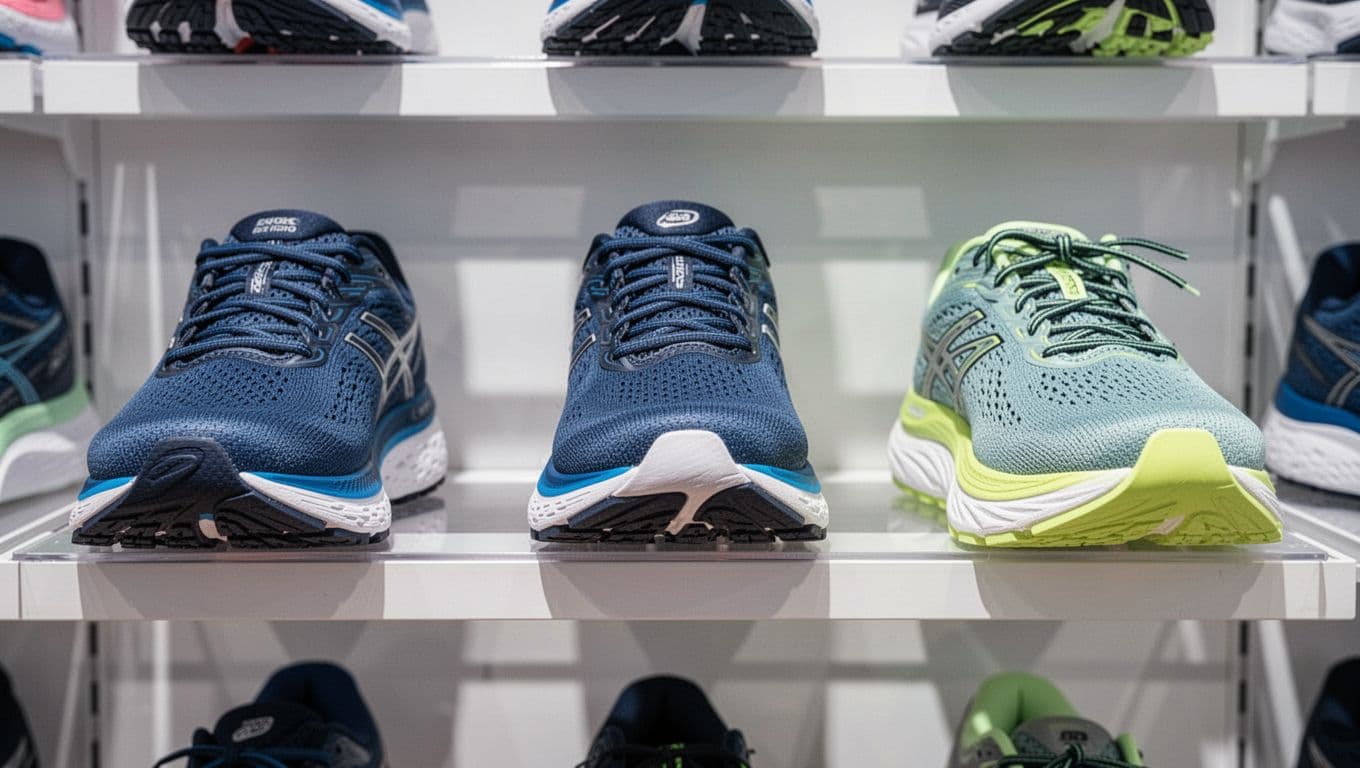
Nike Structure Plus versus other stability shoes
Compared with other stability trainers, the Nike Structure Plus lands in a familiar but useful middle ground. It gives you support without feeling overly corrective, so the ride stays smooth instead of rigid. That makes it appealing if you want guidance but don’t want a shoe that pushes your foot into a heavy-handed motion path.
Some stability shoes feel firm and clinical. Others add cushion but lose a bit of control. The Structure Plus keeps a more balanced feel, with enough structure to help mild overpronators and enough comfort to work for daily miles. If you cross-shop shoes like the top running shoes for overpronation, the key difference is how gently Nike delivers the support.
| Shoe type | Support level | Ride feel | Best use |
|---|---|---|---|
| Nike Structure Plus | Moderate, guided | Smooth and controlled | Daily runs, steady mileage |
| Firm stability trainer | Higher, more corrective | Stiffer and more planted | Runners who want strong guidance |
| Lighter stability shoe | Moderate, less intrusive | Quicker and more flexible | Mixed training and moderate support |
That balance is the appeal. You get stability that stays in the background, so the shoe feels usable on easy days and long runs alike.
Nike Structure Plus versus max-cushion trainers
Max-cushion trainers go after softness first. They often feel plush right away, which is great if you want a gentle landing, but that softness can also let the foot move around more. The Nike Structure Plus takes the opposite approach, because it gives you guided stability and a firmer sense of direction underfoot.
That difference matters if you want support over sink. A max-cushion shoe can feel like a soft mattress, while the Structure Plus feels more like a well-padded bench, comfortable but steady. For runners who need a little help keeping their stride centered, that firmer platform can feel more trustworthy after a few miles.
If your main goal is protection, a max-cushion trainer may still win on pure softness. If your goal is control with enough comfort for daily use, the Structure Plus fits better. The 7 Best Stability Running Shoes in 2026 guide makes a similar point, since many stability models try to balance support with cushion in different ways.
Choose plush if softness matters most. Choose the Structure Plus if you want the shoe to guide your stride.
Nike Structure Plus versus speed-focused shoes
Speed shoes play a different role entirely. They are built for tempo runs, fartleks, and race-day efforts, so they usually feel lighter, snappier, and more aggressive than a stability trainer. The Nike Structure Plus can handle steady running well, but it does not have the quick, spring-loaded feel that fast workouts demand.
That difference shows up in the transition from heel strike to toe-off. Speed shoes often give you a more obvious pop, which helps when you want pace changes and sharper turnover. The Structure Plus stays more measured, which is better for control but less exciting when you’re chasing fast splits.
A runner looking for tempo pace or race-day pop will probably want a different model, such as a lighter neutral trainer or a plated racer. For everyday support, though, the Structure Plus makes more sense, because it keeps the stride stable instead of trying to boost speed. If you want a broader look at pace-friendly options, the best stability running shoes roundup shows how most stability shoes are still built around steady training, not racing.
Should you buy the Nike Structure Plus?
The Nike Structure Plus is a smart buy if you want a daily trainer that feels steady, comfortable, and predictable. It works best for runners who value support over speed and prefer a shoe that keeps its shape as the miles add up.
If your training week includes easy runs, recovery miles, and longer steady efforts, this shoe fits that job well. If you want a softer, lighter, or more aggressive ride, there are better matches.
The biggest reason to buy the Nike Structure Plus is support you can feel without a harsh correction. It gives mild overpronators a more guided stride, while still feeling smooth enough for everyday training.
It also does a nice job with comfort. The upper holds the foot well, the cushioning feels dependable, and the ride stays stable when your legs start to tire. That makes it a strong option for runners who want one shoe for repeat use, not a rotation full of special cases.
A few clear strengths stand out:
- Stable daily training that feels calm on easy miles
- Secure fit through the heel and midfoot
- Reliable comfort for longer runs and steady mileage
- Balanced cushioning that supports without feeling mushy
If you want a supportive shoe that feels more consistent than exciting, this is where the Nike Structure Plus earns its place. For runners who also want support on marathon training days, the Nike Structure Plus marathon review is a useful next stop.
When another shoe may be the better fit
The Nike Structure Plus is not the best choice for every runner. If you want a lighter shoe for faster workouts, this one will likely feel too grounded. Speed days need quicker turnover, and this model is built for control.
It may also miss the mark if you prefer a softer or wider fit. Some runners want more forefoot space or a more cushioned underfoot feel, and the Structure Plus stays on the more structured side of that line. In that case, a max-cushion trainer or a roomier neutral shoe may feel better over time.
Runners who already have a very stable stride may also skip it. If you don’t need support, the shoe can feel like more shoe than you want. A neutral trainer will give you more freedom and often a lighter ride.
For a wider look at support categories, Runner’s World’s stability shoe guide is helpful when you want to compare how different stability models feel.
How to decide based on your running goals
Your weekly mileage and training style should drive the decision. If most of your runs are easy, moderate, or long, and you want your shoes to help keep your stride centered, the Nike Structure Plus makes sense. It is especially appealing if your form breaks down late in runs or you feel better in a more guided platform.
Foot shape matters too. Narrow and standard-width runners will usually like the locked-in feel, while wider-footed runners should test the forefoot carefully before buying. If you know you prefer a roomy toe box, this may not be the most comfortable choice.
Your best match becomes clearer when you look at these needs together:
- Choose the Nike Structure Plus if you want support, regular mileage comfort, and a stable ride.
- Choose a lighter shoe if your main focus is tempo work or fast daily training.
- Choose a softer shoe if cushioning matters more than guidance.
- Choose a wider fit if your feet need more room in the forefoot.
If your goal is a dependable stability shoe for everyday miles, the Nike Structure Plus is a solid pick. If your goal is speed, softness, or extra space, keep looking.
Conclusion
The Nike Structure Plus is a dependable choice for runners who need consistent support during daily miles. It succeeds by balancing a firm, guided platform with enough comfort to handle long training efforts without feeling intrusive.
Your ideal running experience depends on your specific needs for stability and underfoot feel. If you want a shoe that keeps your stride aligned while providing a steady, reliable ride, this model is a strong contender.
Take a moment to evaluate your current training goals before your next purchase. If you prioritize support and consistency, this shoe is likely a great fit for your rotation.


