

Nike Structure Plus Sizing: Does It Run True to Size?
If you’re wondering whether the Nike Structure Plus sizing runs true to size, the short answer is yes for many runners, but some people may still want a half-size change. Because this is a stability-focused daily trainer, fit matters a lot more than with a loose casual shoe, especially if you have a wider foot, wear thicker socks, or like extra room in the toe box.
A shoe like this should feel secure through the heel and midfoot without squeezing the forefoot. If the fit is off, you can end up with rubbing, pressure on the toes, or a cramped feel that gets worse after a few miles. For a quick sizing check, it helps to compare your usual pair with a running shoe size fitting guide before you buy.
The best fit feels snug in the back, comfortable in the middle, and roomy enough in front for your toes to move.
In the sections below, you’ll see how the Nike Structure Plus fits in the heel, midfoot, width, and toe box, plus who should stay in their usual size and who may want to size up or down.
Build Your Complete Race-Day Setup
The right shoe helps, but faster racing comes from better training, pacing, recovery, fueling, and execution.
More Guides for This Shoe
How the Nike Structure Plus fits overall
The Nike Structure Plus sizing feels closest to a stable daily trainer with a snug, guided fit. In most cases, the shoe gives you enough room to settle in without feeling sloppy, but it still holds the foot with purpose. That balance matters because a shoe like this should support your stride, not fight it.
The overall fit makes the most sense if you want a secure ride for easy runs, steady mileage, and walking. If you prefer a very roomy shoe, though, the Structure Plus may feel a bit more structured than expected. For a better sense of what size range usually works best, finding the right shoe size for new runners can help you compare fit signals before you buy.
Toe box room and forefoot feel
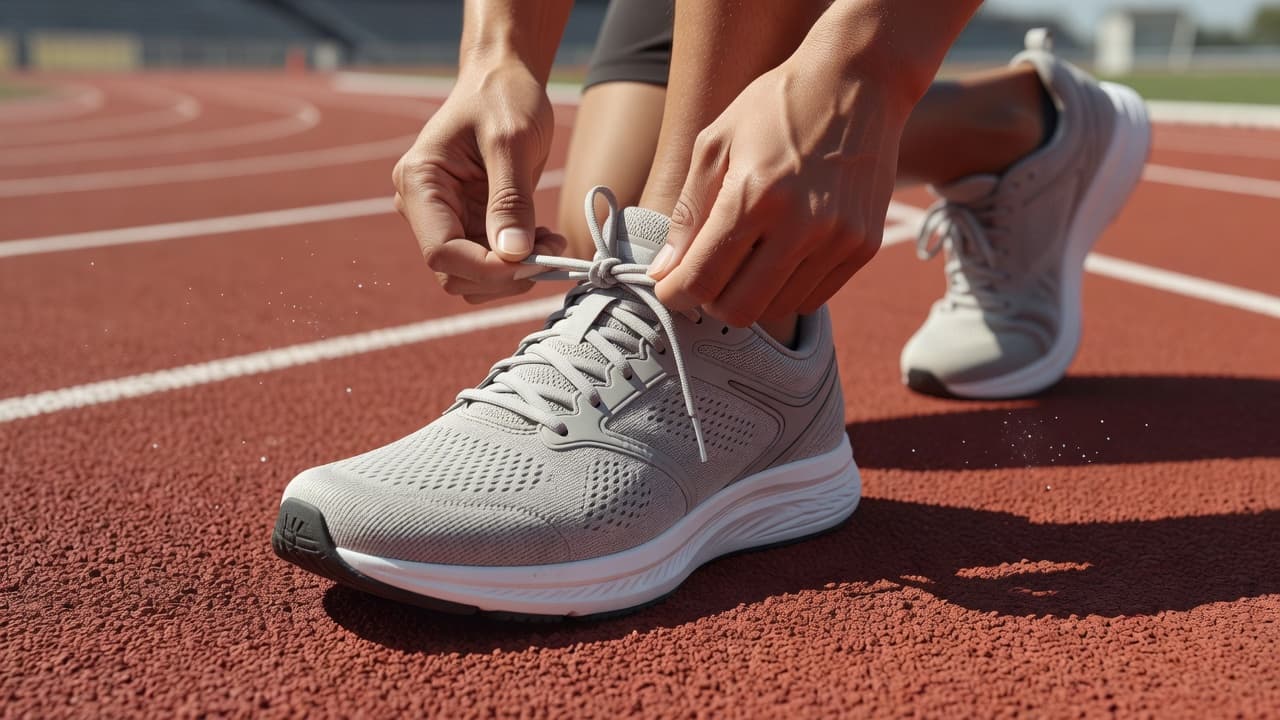 The forefoot usually gives you enough space for normal toe spread, but it does not feel oversized. You should be able to press your toes down without rubbing the front of the shoe, and that extra bit of space matters on longer runs when your feet swell. It also helps on walks, where a cramped toe box starts to show up fast.
A good fit here feels calm, not tight. Your toes should move a little when you stand still, and the front of the shoe should not press on the tips or the sides. If you can feel the outline of every toe against the upper, the fit may be too close for comfort.
For some runners, the forefoot will feel just right. For others, it may feel narrow, especially if you have a wider foot, a bunion, or a forefoot that spreads under load. In those cases, the shoe can feel fine in the store but start to pinch after a few miles.
A quick fit check helps:
- Your toes should have room to splay a bit.
- The top of the forefoot should not press down hard.
- Side pressure near the big toe means the shoe may run narrow for you.
- Any rubbing at the bunion area is a warning sign.
If the forefoot feels good while standing but tight during a short walk, it usually gets worse on a run.
Heel lock and midfoot security
The heel and midfoot should feel snug, stable, and controlled when the size is right. Your heel should stay in place with little movement, and the midfoot should feel wrapped in a supportive way without feeling pinched. That locked-in feel is part of what makes the Structure Plus feel more secure than a neutral trainer.
Heel slip is the clearest sign that the fit is off. If your heel lifts with each step or you have to over-tighten the laces to hold the back of the shoe down, the size may be too big. On the other hand, if the midfoot feels squeezed or the upper creates pressure across the arch, the shoe may be too narrow or too small.
The first try-on usually tells you a lot. A well-sized pair feels steady as soon as you stand up, with no side-to-side wobble. Walk a few steps, bend your knee, and test a short jog in place if you can. If the shoe feels planted, secure, and easy to settle into, you’re in the right range.
A few signs the fit is on point:
- The heel stays down without extra effort.
- The midfoot feels held, not compressed.
- The forefoot has room, but the shoe still feels controlled.
- You don’t need to keep adjusting the laces.
That blend of room in front and security in the back is what makes the Structure Plus work for many runners.
Does the Nike Structure Plus run true to size?
For most runners, Nike Structure Plus sizing feels true to size. The shoe has a secure, guided fit that works well when your usual Nike size already fits other daily trainers. If you like a shoe that holds the heel and midfoot without feeling sloppy, your normal size is usually the right place to start.
That said, fit depends on foot shape as much as size. Nike often gives a consistent length, but the upper can feel more snug than some runners expect. If you want a quick second opinion before ordering, a running shoe fit guide can help you check length, width, and toe room before you commit.
If your current Nike shoes already feel right, the Structure Plus will likely feel familiar in the same size.
When your usual size should work
Your normal size should work best if you have average-width feet and prefer a snug, secure fit. The Structure Plus gives the foot a locked-in feel, so runners who dislike extra movement often find it comfortable right away. That kind of fit helps on daily miles, because the shoe stays steady instead of shifting around.
Runners who wear Nike often also tend to do well in their usual size. Nike sizing is often predictable across road shoes, so if another Nike trainer fits you well, the Structure Plus is likely to land in the same range. The fit usually feels most consistent for runners who want a shoe that wraps the foot without crowding it.
Usual sizing also makes sense if you run in standard socks and do not need a lot of toe space. For these runners, the shoe feels balanced, with enough room in the forefoot and enough hold through the middle. In short, the fit feels like a glove, not a loose slipper.
A few runner profiles usually stay with their normal size:
- Average-width feet: The shoe tends to feel secure without pinching.
- Nike regulars: The sizing often matches what they already know.
- Runners who like a firm hold: The upper gives a stable, close fit.
- People using normal running socks: The extra bulk does not push the fit too tight.
When to size up or try a wider option
You may want to size up if your feet need more room than average. Wide feet, high-volume feet, and runners who wear thicker socks often feel the Structure Plus press a little too close in the forefoot or midfoot. If you prefer extra toe room, a half-size up can make the shoe feel much easier to live with.
Watch for pressure on the sides, especially near the big toe or little toe. If your toes brush the front when you walk downhill or jog in place, the shoe is probably too short. Long runs can make that problem worse, because feet swell and the front edge starts to feel tighter.
A wider option makes sense if you usually need roomier shoes in other Nike models. The Structure Plus can feel structured in a good way, but that same structure can become cramped if your foot spreads a lot while running. One easy sign to trust is how the shoe feels after 10 or 15 minutes, not just when you first put it on.
Common signs you should size up include:
- your toes hit the front on downhills
- the sides feel squeezed during the first try-on
- the upper presses across the forefoot
- longer runs leave you with hot spots or numb toes
If you also care about fueling those longer runs well, simple runner nutrition tips can help you stay comfortable when mileage goes up, but the shoe fit still has to come first. A shoe that feels tight from the start rarely gets better later.
Sizing for wide feet, narrow feet, and high arches
What wide-footed runners should expect
Wide feet may feel a little crowded in the forefoot or midfoot, especially if you like a softer, more open fit. The Structure Plus has a guided feel, and that can make the upper seem narrow even when the length is right. If your toes feel squeezed or the sides of your forefoot press against the upper, the shoe may be too close for your foot shape.
That matters most during longer runs. A shoe that feels okay for a few minutes can turn into a pressure point later, especially once your feet swell. If you usually need extra room, check whether Nike offers a wide size in the model you’re buying. A true wide option is usually the better fix when the shoe feels snug across the entire forefoot.
A half size up can help when the main issue is length or toe room, not width. For example, if your toes brush the front but the midfoot still feels fine, going up half a size may solve it. If the sides still feel tight after sizing up, though, width is the real problem.
For runners comparing support shoes across brands, top-rated running shoes for wide feet can give you a useful benchmark.
How narrow feet and high arches change the fit
Narrow feet often like the Structure Plus because the shoe holds the foot in place. The locked-in feel can reduce sliding, which helps if you dislike extra movement in the heel or midfoot. If your foot is slim, the fit may feel stable right away, almost like the shoe was made to stay close to the foot.
High arches need a little more caution. A snug upper can press across the top of the foot and create a hot spot fast. That pressure usually shows up near the laces or through the arch area, and it can make the shoe feel restrictive even if the length is right.
Pay attention to these fit cues:
- no pinching in the forefoot
- no pressure on the top of the foot
- stable arch support without pain
- no need to loosen the laces constantly
If you feel secure but not squeezed, the fit is working. If the top of the shoe feels like a band across your foot, the size or width is probably off. For runners who care about long-run comfort too, runner fueling basics matter, but a smooth fit still comes first.
Nike Structure Plus sizing compared with other running shoes
The easiest way to judge Nike Structure Plus sizing is to compare it with shoes you already know. Relative to many Nike road shoes, it feels more held in, especially through the midfoot and heel. Compared with other stability trainers, it also aims for a secure, guided fit that can change how much size room you want.
If you already wear Nike road shoes, your usual size is a strong starting point. In many cases, the length feels familiar, but the Structure Plus can feel more secure and less forgiving than softer neutral models. That means the same size may fit, but the overall feel can change from roomy and relaxed to more contained.
Models like the Pegasus or other neutral trainers often give the foot a little more freedom. The Structure Plus, by contrast, sits closer to the foot and keeps the midfoot more controlled. If you like that locked-in feel, your standard Nike size probably works well. If you usually prefer a looser Nike upper, you may notice the Structure Plus feels snugger right away.
That difference matters most if you switch between Nike models often. One shoe may feel easy and open, while another feels like it grips the foot more firmly. In other words, the length can stay the same even when the fit sensation changes a lot.
Same size does not always mean same feel. Nike road shoes can vary more in hold than in length.
Compared with other stability trainers
Against other stability shoes, the Structure Plus fits into the same general category, but it may feel a bit more athletic and close-fitting than some traditional support shoes. Stability trainers usually create a more guided ride and a more secure midfoot, so many runners expect less wiggle room than they get in neutral shoes. The Structure Plus follows that pattern.
That support can affect your sizing choice. If you are used to stability shoes with a roomy toe box, the Structure Plus may feel tighter across the forefoot. If you prefer a snug, planted platform, the same size may feel ideal. The key is how much space you want once your foot settles during a run.
A helpful comparison is how the shoe feels after a few minutes, not just at first try-on. Some stability shoes feel fine standing still, then start to press once you move. If that happens, a half-size up may make sense, especially for longer runs or thicker socks. For runners comparing support shoes more broadly, this guide to neutral and stability running shoes is a useful fit reference.
How to get the right fit at home before you run
A shoe can look right in the box and still fail on the first mile. That is why a home fit check matters so much with Nike Structure Plus sizing. You want a shoe that feels secure, but not cramped, before you ever head outside.
Start with a few simple checks while you are standing up. Then walk around your house for a minute or two. Small problems show up fast when you stop sitting still.
The best way to test length, width, and lockdown
Next, do the wiggle test. Your toes should move a little, not stay frozen in place. If you cannot spread them at all, the shoe is too tight in front.
Then check the heel. Walk across a hard floor and pay attention to lift. A small amount of movement is normal, but if your heel slides up and down, the fit is too loose. For extra confidence, bend your knees a few times and jog in place. The shoe should feel planted, like it is following your foot instead of chasing it.
A simple order helps:
- Check thumb space at the front.
- Wiggle your toes and feel for side pressure.
- Walk and watch the heel.
- Jog in place and notice any slip or pinch.
If the shoe feels wrong while you are standing still, it usually feels worse once you run.
Fit mistakes to avoid before the first run
One common mistake is choosing a size because the shoe looks sleek. Style should never win over comfort, because a sharp-looking fit can still pinch your toes or crowd your forefoot. The right size is the one that lets your foot settle naturally.
Sock choice matters too. Thick running socks take up more room, so a shoe that feels fine barefoot can feel tight once you add your usual pair. Always test the shoe with the socks you plan to run in.
Another mistake is assuming every Nike model fits the same. Some feel roomier, while others hold the foot more closely. That means your size in one shoe does not guarantee the same result in another.
A short indoor test is useful, but it has limits. If the shoe already feels tight, unstable, or awkward after a few minutes, do not hope it will improve outside. Running adds pressure, heat, and foot swelling. Those issues usually get louder, not quieter.
If you want a quick companion check before your next run, runner fueling basics can help you prepare for longer mileage, but a solid shoe fit still comes first. A bad fit drains comfort faster than a hard workout.
Conclusion
The Nike Structure Plus sizing is generally true to size, especially if you like a secure, guided fit. If your feet are average width and you want a close feel through the heel and midfoot, your normal size is the best starting point.
A half size up makes more sense if you need extra toe room, wear thicker socks, or feel pressure in the forefoot. Wide-footed runners should look for a wider option first, since more length does not always fix width issues.
If you want a quick comparison point, the Nike Structure 27 sizing guide can help you judge how this fit compares with another Structure model. For longer runs, comfort matters even more, so pairing the right size with good runner fuel basics can also help keep your miles steady.
If the shoe feels snug but controlled, stick with your usual size. If it feels tight across the front, size up or go wider.


