

Nike Revolution 9 vs Brooks Trace 4: Best Budget Daily Trainer?
If you’re choosing between the Nike Revolution 9 vs Brooks Trace 4, you’re looking at two affordable daily trainers that aim at the same buyer, but they don’t feel the same on foot. One may suit you better if you want a softer, lighter ride, while the other can feel a bit steadier and more structured.
That makes this comparison useful for new runners, walkers, gym users, and anyone who wants an easy shoe for short daily miles. The details matter here, because comfort, fit, cushioning, durability, stability, and value can change how often you reach for the shoe.
For a deeper look at one side of the matchup, see the Brooks Trace 4 performance review. Next, let’s break down where each shoe fits best and which one gives you more for your money.
What these two budget trainers are built to do
At a glance, both shoes fit into the same budget-friendly lane, but they do different jobs. The Nike Revolution 9 vs Brooks Trace 4 comparison makes more sense when you look at how each shoe behaves in a weekly routine.
Build Your Complete Race-Day Setup
The right shoe helps, but faster racing comes from better training, pacing, recovery, fueling, and execution.
More Guides for This Shoe
A daily trainer is the pair you reach for most often. It should handle short runs, easy miles, walks, errands, and general wear without asking much from you. At this price point, you should expect comfort and reliability first, then a few trade-offs in bounce, premium foam, and high-end protection.
Nike Revolution 9: simple, easygoing, and versatile
The Revolution 9 is built for runners who want an uncomplicated shoe they can wear often. It feels lightweight and relaxed, which makes it a good match for short runs, walking, and casual daily use.
The ride has a soft, forgiving feel that works well for easy miles. If you want a shoe that does a little bit of everything without much fuss, this one fits that brief. It also pairs well with the kind of low-pressure runs that fill out a weekly routine, when you just want to get out the door and move.
What it does not do is chase speed or heavy protection. You will not get the firm, energetic pop of a more performance-driven trainer, and that is fine. For runners who need a simple shoe for light use, the Revolution 9 keeps things straightforward.
Brooks Trace 4: a more traditional trainer feel
The Trace 4 is aimed at runners who like a familiar, stable ride with a touch more structure. It feels more like a classic daily trainer, which helps if you want something dependable for repeat use.
That makes it a solid option for regular running, light workouts, and steady mileage. The shoe is not flashy, but it is built to show up day after day, which matters more than style for many runners.
If you want a little more guidance underfoot, the Trace 4 has that calmer, more anchored feel. For a broader look at how Brooks handles this part of the market, the Brooks vs Nike running shoes overview gives useful context. Meanwhile, runners who want a deeper look at this model can also check the Brooks Trace 4 daily trainer review.
The Revolution 9 is the easiergoing choice, while the Trace 4 feels more like a true everyday running shoe.
That difference matters most if you want your budget trainer to match your routine, not fight it.
Cushioning and ride feel in Nike Revolution 9 vs Brooks Trace 4
Cushioning changes how a shoe feels the moment you step in, but ride feel comes from more than softness alone. The Nike Revolution 9 vs Brooks Trace 4 comparison gets interesting here, because both shoes protect your feet, yet they do it in different ways.
One leans more relaxed and flexible. The other feels a bit more guided and structured underfoot. That split shows up on easy runs, long walks, and short recovery miles, where comfort matters more than pace.
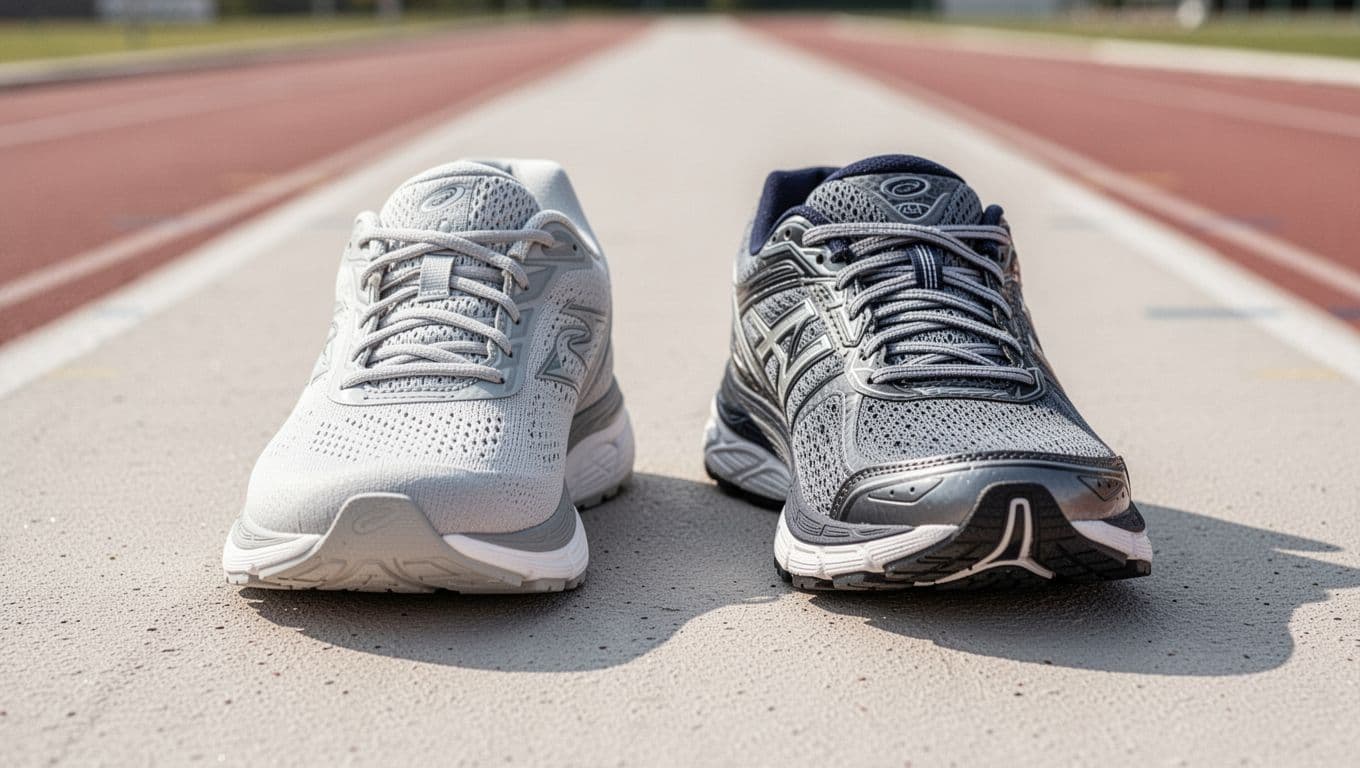
Which shoe feels softer on easy runs?
On first step, the Revolution 9 usually feels softer and less rigid. It gives a more relaxed landing, and that can feel better right away if you want a shoe that disappears under you on short, casual runs. The midsole flexes more naturally, so the shoe bends with your stride instead of pushing back at it.
The Trace 4 feels a little firmer and more organized. That does not mean it feels harsh, but it does feel more built-up and stable. If you like a cushioned shoe with a clearer sense of support, that firmer feel can be reassuring on easy miles.
For long walks, the softer first-step comfort of the Revolution 9 can be easier on tired legs. For a closer look at how Brooks handles this kind of trainer feel, see the Brooks Trace 4 versus Nike Pegasus 42 comparison.
Which one feels smoother from heel to toe?
Smoothness matters once you start moving. The shoe should roll forward without feeling like it fights your stride, especially at slower paces.
The Revolution 9 feels more flexible through the transition, so heel-to-toe movement comes across as easy and casual. It suits slower runs and walks well because it lets your foot work naturally.
The Trace 4 has a steadier transition that feels more traditional. It rolls forward in a controlled way, which can feel reliable on recovery runs, but it may feel a little less fluid if you want a very soft, easygoing ride.
Cushioning helps, but platform shape and flexibility shape the real ride feel.
If you want a broader brand-level look at how these two companies tune their daily trainers, the Nike vs Brooks running shoe comparison adds helpful context.
Fit, sizing, and upper comfort you should know before buying
Upper fit can make or break a budget trainer. If the shoe feels off in the toe box, squeezes the midfoot, or slips at the heel, you will notice it on the first run. The Nike Revolution 9 vs Brooks Trace 4 fit story is pretty clear, because one shoe feels more relaxed while the other feels more secure and shaped.
That matters for comfort, but also for how the shoe moves with you. A good upper should hold the foot without pinching, leave enough room for toe spread, and keep the heel from sliding when you pick up the pace. If you want a broader fit checklist, how to choose running shoe size is a helpful place to start.
The Nike Revolution 9 has a more relaxed upper shape. It feels easier to step into, and the forefoot usually gives a little more forgiving space for casual movement. That softer wrap can feel nice if you want a shoe that does not clamp down too hard across the top of the foot.
The Brooks Trace 4 feels more dialed in. Its upper tends to hold the midfoot and heel with more purpose, so the shoe feels steadier once it is laced up. That extra structure is useful if you like a more secure fit, especially on runs where your foot shifts a little inside softer shoes.
Heel Support
Around the heel, Brooks usually feels more anchored. Around the midfoot, Nike feels a bit more open and easygoing. If you prefer a shoe that disappears on foot, Nike may feel better. If you want a shoe that hugs the foot and stays put, Brooks has the edge.
A relaxed fit can feel great at the start, but a locked-in heel often wins once you start moving.
For fit basics from a neutral retail source, REI’s running shoe fit advice gives a simple standard: room in the toe box, snug midfoot, and a heel that does not slip.
Who may need to size up or look for width options?
If you have wide feet, the Trace 4 may feel safer in a wider option if one is available in your size. The Revolution 9 can work too, but you should pay close attention to forefoot pressure and toe splay. A shoe that feels fine standing still can feel tight after 20 minutes.
Runners with high-volume feet should also watch the upper height. If the top of your foot feels pressed down by the laces, the shoe is probably too shallow for your shape. In that case, a half-size up can help more than loosening the laces alone.
If you wear thicker socks, give yourself extra room. That matters most in the toe box and across the instep, where fabric builds up fast. Use these quick checks before you buy:
- Wide feet: Look for a roomier forefoot and compare width options first.
- High-volume feet: Watch for pressure over the instep and around the lace row.
- Thicker socks: Try the shoes on with the socks you plan to run in.
- Snug-lockdown fans: Favor the Brooks Trace 4 if heel hold matters most.
- Extra toe space seekers: The Nike Revolution 9 may feel easier right away.
If you sit between sizes, the safer move is usually the half-size up, as long as the heel still locks in. The right fit should feel secure without squeezing, because comfort fades fast once the upper starts fighting your foot.
Stability, support, and how each shoe handles daily use
Both shoes are neutral trainers, so neither one is built to correct overpronation or act like a true stability shoe. Still, they do not feel the same in daily use. The Nike Revolution 9 feels lighter and more relaxed, while the Brooks Trace 4 feels a bit more planted and confidence-friendly.
That difference matters when you are walking around all day, standing at work, or easing back into running. A shoe does not need a stability label to feel steady. Shape, base width, upper hold, and firmness all play a role, and that is where these two separate.
Yes, the Brooks Trace 4 often feels more secure for new runners. Its platform feels more traditional and a little more guided, which can make the shoe feel calmer underfoot. If you are still building a running habit, that steady feel can be reassuring on short runs and easy recovery days.
New runners usually want less drama from a shoe. They want a platform that sits flat, holds the heel in place, and keeps the foot from feeling loose. The Trace 4 does that well, so it can feel easier to trust when your form is still changing from run to run.
It can also help heavier runners who want a firmer, more grounded base for daily use. If you prefer a shoe that feels stable without being bulky, the Trace 4 is the better fit. For readers who want more background on this category, Fleet Feet’s neutral vs. stability guide explains the core difference in plain terms.
A neutral shoe can still feel secure if the platform and upper keep your foot centered.
The Trace 4 is not a correction shoe, but it gives you a steadier starting point. For many beginners, that is enough.
When the Nike Revolution 9 feels better for casual wear
The Nike Revolution 9 makes more sense when you want a shoe for walking, errands, and easy everyday use. It feels lighter on foot, and that lower-key feel makes it less tiring when you are on your feet for long stretches without actually running.
Because the shoe is more flexible, it moves well with a natural walking stride. That makes it a good fit for people who do not want a stiff or heavily shaped trainer for daily wear. You slip it on, go about your day, and it stays out of the way.
It also works well when you want a softer, less structured feel after a run. The shoe does not ask for much, and that is a strength for casual use. If the Trace 4 feels like a dependable work shoe, the Revolution 9 feels more like an easygoing daily pair you can wear almost anywhere.
A few traits make it especially useful for low-stress days:
- Light feel: Easier to wear for long errands or all-day walking.
- Flexible forefoot: Better for casual movement and relaxed strides.
- Less structured upper: Feels less restrictive when you just want comfort.
- Simple ride: Fine for short, easy runs and general use.
For a deeper breakdown of shoe types, the best shoes for stability guide is helpful if you want to compare neutral comfort against more guided support. In short, the Revolution 9 is the easier shoe to live in, while the Trace 4 feels better when you want more assurance underfoot.
Which shoe handles daily use better?
Daily use depends on what your day looks like. If you want more structure, better heel hold, and a steadier ride on tired legs, the Trace 4 has the edge. If you want a lighter, softer, more flexible shoe for mixed walking and casual wear, the Revolution 9 is easier to like.
That split shows up most after a long day. The Trace 4 keeps its shape better when your legs feel flat, while the Revolution 9 feels more relaxed and less forceful. Neither one is built for hard stability support, but the Brooks model gives you more of that planted feeling many runners want in a budget trainer.
If you are a beginner, a heavier runner, or someone who just likes a more secure platform, the Trace 4 is the safer choice. If your main goal is comfort for errands, walking, and short outings, the Revolution 9 may be the better everyday shoe.
Durability and traction for real-world miles
A budget daily trainer needs to hold up where most people actually run, walk, and stand. That means outsole wear, wet-road grip, and how the shoe handles rough pavement matter just as much as cushion.
In the Nike Revolution 9 vs Brooks Trace 4 matchup, both shoes are built for everyday use, but they may age a little differently. One feels a bit simpler and lighter underfoot, while the other looks more like a classic trainer with a tougher road-ready setup.
The Brooks Trace 4 looks like the safer bet for long-term value if you run often on pavement. Its outsole typically gives off a more durable, traditional trainer feel, with a setup that should handle repeat road use with less drama. For steady runners, that usually means the wear pattern stays more even across the heel and forefoot.
The Nike Revolution 9 is still fine for daily use, but it feels more like a lighter, simpler shoe that may show wear sooner if you rack up miles every week. Budget shoes often trade a little durability for lower weight and cost, so that is not a surprise. The outsole may hold up well enough for casual mileage, but consistent runners will probably notice smoothing and thinning earlier in high-contact zones.
If you run a few times a week on clean pavement, both can last well. If you hammer sidewalks every day, the Brooks is the safer pick.
For a broader look at shoe lifespan, running shoe lifespan guidelines can help you judge when wear starts to matter. In short, the Trace 4 feels like the better long-haul value, while the Revolution 9 is the more basic option for lighter use.
Best surfaces for each shoe
Surface choice changes everything. A shoe that feels fine on a treadmill can feel slick on wet concrete, and a soft road trainer can wear down fast on coarse sidewalks.
The Brooks Trace 4 is best on roads, sidewalks, treadmills, and light indoor use. It feels most at home on predictable surfaces where the rubber can do its job without fighting loose gravel or sharp debris. If you want one pair for easy runs and regular walking, this is the more dependable all-around option.
The Nike Revolution 9 does well on treadmills, casual road runs, walking, and all-day wear. It feels especially good when the pace stays relaxed and the surface stays smooth. For errands, gym warmups, and short runs, it gives you a simple, flexible ride that never feels overbuilt.
Both shoes are fine on dry pavement, but traction matters more than many shoppers think, especially in rain. On wet sidewalks or painted crosswalks, a budget outsole can lose some bite faster than you expect. That is why smooth, paved routes are the sweet spot for both models, and rough, gritty roads will shorten the life of either one.
If you run mostly on clean asphalt, either shoe can work. If your routes include slick corners, rough patches, or lots of stop-and-go walking, the Trace 4 has the edge for grip and confidence. For extra context on surface wear, extending shoe lifespan on different surfaces is a useful next read.
Which runner should buy Nike Revolution 9 vs Brooks Trace 4?
The best pick depends on how you actually plan to use the shoe. The Nike Revolution 9 vs Brooks Trace 4 debate gets easier once you match each model to a real routine, not just a spec sheet.
If you want a shoe for casual miles, errands, and light cross-use, the Revolution 9 fits that lane well. If you want a more dependable trainer for regular short runs, the Trace 4 is the smarter buy for most people. For a broad starting point, how to begin a running routine can help you match a shoe to your first few weeks.
Best choice for beginners and first-time runners
For brand-new runners, the Brooks Trace 4 is easier to recommend. It feels more planted, holds the foot a little better, and gives you a steadier ride when your stride is still developing. That matters because beginners usually want less distraction and more confidence.
The Revolution 9 is comfortable, but it feels more relaxed and less guided. That can work well for walking or casual wear, yet first-time runners often benefit from the Trace 4’s more traditional trainer feel. It makes short runs feel more controlled, which can be reassuring when everything else about running still feels new.
If you are buying your first pair, start with comfort, then look for a shoe that stays stable when you land. A good beginner shoe should feel simple, secure, and easy to trust.
Best choice for walking, errands, and all-day wear
For walking-heavy days, the Nike Revolution 9 is the easier choice. It feels lighter, more flexible, and less structured, so it works well when you are on your feet for hours. That softer, casual feel makes it a strong option for errands, commuting, and everyday wear.
The Trace 4 can still work for walking, but it feels more like a running shoe first. The Revolution 9 blends into daily life more naturally, especially if you want one pair that moves easily between the gym, the store, and short walks.
If your day includes a lot of standing and casual movement, the Revolution 9 feels simpler and less tiring. For more beginner-friendly gear ideas, essential running gear for beginners is a useful companion guide.
Best choice if you want a more dependable daily trainer
If your plan is regular short runs, easy miles, and a basic training routine, the Brooks Trace 4 is the better daily trainer. It has the more trustworthy ride, the firmer sense of structure, and the kind of feel that makes repeat use easier.
That does not mean the Revolution 9 is a bad shoe. It just fits lighter use better. The Trace 4 gives you more confidence when you want to run several times a week, especially on pavement or treadmill sessions.
For budget shoppers, the rule is simple: choose the Revolution 9 for comfort-first casual wear, and choose the Trace 4 for a more reliable running shoe. If you want a simple answer, the Brooks is the better all-around trainer, while Nike is the better everyday comfort pick.
How to choose the right shoe for your budget and goals
The best choice between the Nike Revolution 9 vs Brooks Trace 4 comes down to how you run, walk, and live in the shoe. Price matters, but it should not be the only filter. A cheap shoe that fits poorly or feels wrong on your foot costs more in the long run.
Start with your main use case. If you want casual comfort, light wear, and a softer feel, one shoe fits that job better. If you want a steadier daily trainer for repeat runs, the other makes more sense. For a wider look at lower-cost options, budget running shoes under $100 can help you compare what you get at this price point.
Pick the Nike Revolution 9 if you care most about an easygoing feel. It makes sense for walkers, casual runners, and anyone who wants one shoe for short runs, errands, and all-day comfort. The lighter feel and softer ride make it less demanding on your feet.
This is the better choice if you prefer a shoe that feels relaxed right away. You do not need a heavy, structured trainer if most of your movement is low stress. The Revolution 9 also works well if you want a simple pair that disappears in the background and does not feel stiff or overbuilt.
It is a smart buy for:
- Casual runners who want comfort first
- Walkers who spend hours on their feet
- Gym users who need a light, flexible shoe
- Budget shoppers who value comfort over structure
Choose Trace 4 if you want a steadier daily running shoe
Pick the Brooks Trace 4 if your goal is a more dependable training shoe. It fits better for runners who want structure, a stable base, and a more traditional ride. That makes it a stronger choice for regular short runs and steady weekly mileage.
The Trace 4 also helps if you like a shoe that feels secure when your form gets sloppy late in a run. It is the better fit for new runners, heavier runners, and anyone who wants a more planted feel underfoot. For a shoe that feels consistent every time you lace it up, this is the safer bet.
If you are comparing budget-friendly daily trainers across brands, Outdoor Gear Lab’s running shoe roundup offers a useful look at how different models stack up on comfort and durability.
The simplest way to decide is to match the shoe to your foot and your routine. Choose the Revolution 9 if you want soft comfort, lighter wear, and casual versatility. Choose the Trace 4 if you want more structure, a steadier ride, and a better match for repeat running. The best shoe is the one that fits your foot shape and your intended use, not just the one with the lower price tag.
Conclusion
The Nike Revolution 9 vs Brooks Trace 4 matchup highlights a choice between two distinct footwear personalities. The Revolution 9 offers a soft, easygoing feel that suits casual wear and light movement. The Trace 4 provides a more traditional, structured ride that helps during regular runs.
If you want a versatile, lightweight pair for daily errands or short walks, the Nike Revolution 9 is the better fit. Runners who need a more dependable platform for consistent training will find the Brooks Trace 4 a more reliable companion.
Visit your local running shop to try on both models. Personal comfort is the final word, so trust your feet to decide which build supports your specific movement style best.


