

Nike Pegasus Plus vs ASICS Novablast 6: Which Is Better?
Choosing between the Nike Pegasus Plus vs ASICS Novablast 6 comes down to feel, not just specs. Both shoes can handle easy miles, tempo days, and everyday training, but they do it with a different personality, and that difference matters once you start logging real runs.
If you want a clearer, more springy ride, one of these will fit better than the other. If you care more about cushioning, fit, weight, and how stable the shoe feels late in a run, the details will point you in the right direction, especially when you compare them with other options in this running shoe reviews hub.
The best pick depends on how you run, what kind of training you do most, and which shoe feels better from the first mile. Let’s break down the parts that separate them.
What matters most when choosing between these two shoes
The choice between the Nike Pegasus Plus vs ASICS Novablast 6 comes down to how the shoe feels when the miles start to add up. Specs tell part of the story, but your feet notice the ride, the fit, and the way each shoe behaves at different paces.
Build Your Complete Race-Day Setup
The right shoe helps, but faster racing comes from better training, pacing, recovery, fueling, and execution.
More Guides for This Shoe
A good way to judge them is to ask a simple question: do you want a shoe that feels smooth and controlled, or one that feels soft, lively, and a little more playful? That difference affects comfort, pace, and how often you reach for the shoe during the week. For a broader look at how other daily trainers compare, the Nike Pegasus 43 daily trainer review offers a useful frame for comparing fit and everyday comfort.
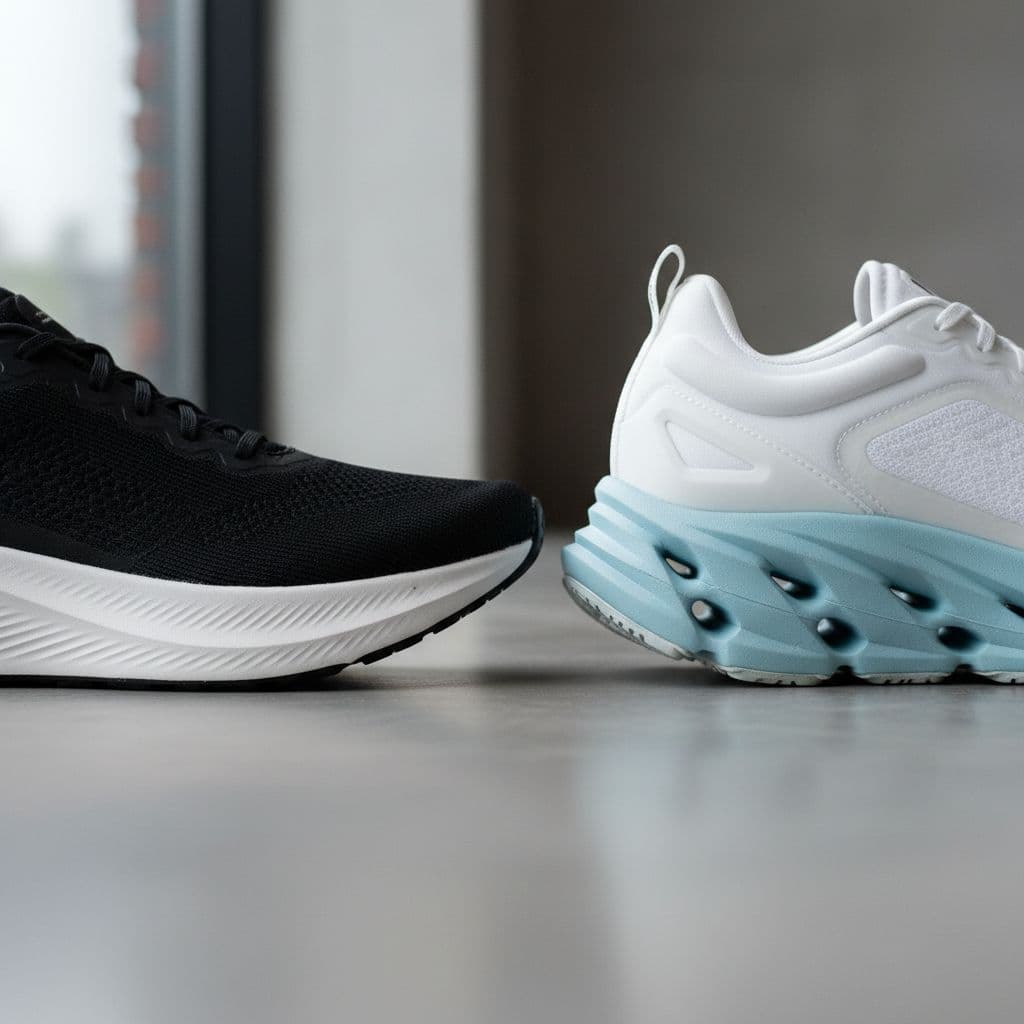
Cushioning feel, soft and smooth or lively and springy?
Cushioning is the first thing most runners notice, and it often decides the winner. The Pegasus Plus should feel smooth, firm-to-soft, and efficient, with cushioning that disappears underfoot rather than steals attention. That works well if you want a shoe that feels steady over easy miles and still holds its shape when the run gets longer.
The Novablast 6 is more likely to feel plusher and bouncier, with a midsole that gives back more of what you put in. That kind of foam can make daily runs feel more fun, especially if you like a shoe that feels energetic instead of muted. If you want a deeper look at max-cushion options, iRunFar’s cushioned shoe roundup is a solid reference point.
Over longer miles, the difference matters even more. A smoother midsole can feel calmer and less tiring, while a springier one can feel easier to keep moving in when your legs start to fade. Newer runners often like the shoe that feels soft right away, but the better shoe is the one that still feels good after the warm-up wears off.
Ride and turnover, which shoe feels easier to run faster in?
Ride is about how the shoe moves with you. A good ride feels natural from landing to toe-off, without any dead spots or awkward pauses. In this matchup, the Pegasus Plus should feel more direct and controlled, which can help if you like a clean transition and a steady rhythm.
The Novablast 6 should feel a bit more energetic, so it may encourage a quicker turnover at steady paces. That makes it appealing for runners who want one shoe that can handle easy miles, but also pick up the pace without feeling flat. If you care about how a shoe handles support and speed together, the Saucony Tempus 3 performance breakdown gives a helpful comparison point.
The best shoe here is the one that matches your most common pace, not just your fastest one.
For cruising easy days, a stable and predictable ride often wins. For steady runs and light workouts, a more energetic feel usually makes the shoe more fun and easier to keep rolling.
Fit, lockdown, and comfort on real runs
Fit can change everything, especially once you start turning corners or speeding up. The forefoot should give your toes enough room to spread, while the midfoot should hold your foot securely without feeling tight. In the heel, you want a locked-in feel that keeps your foot from sliding when the pace changes.
The Pegasus Plus will likely appeal to runners who want a closer, more precise fit. That can feel great if you like a shoe that moves with you, but it may feel less forgiving if you prefer extra room. The Novablast 6 is more likely to favor comfort and a more relaxed upper, which can help on longer runs when your feet swell a bit.
A secure fit also matters for durability and versatility. A shoe that locks down well tends to feel better on mixed routes, longer runs, and faster efforts. If the upper feels sloppy, the foam underneath has to work harder to make up for it, and that usually shows up late in the run.
Nike Pegasus Plus, what kind of runner will like it most?
The Nike Pegasus Plus occupies a specific space in the current running market. It prioritizes a lightweight, energetic feel without relying on the bulky foam stacks found in many modern trainers.
If you value a direct connection to the ground and a shoe that feels nimble during transitions, this model is a top contender. It is not designed to be the softest or the widest shoe on the shelf; rather, it aims for a balance of responsiveness and weight efficiency that many daily trainers lack.
Where the Pegasus Plus stands out on daily training
This shoe shines when you want a ride that feels quick and unencumbered. During easy runs, the midsole foam provides enough protection for daily mileage without feeling mushy or unstable. It is thin enough that you feel the road, which helps with proprioception and balance on uneven surfaces.
When you move into steady-state miles, the shoe really begins to perform. Its construction allows for a fast turnover that feels natural rather than forced. If you incorporate moderate tempo work into your weekly routine, you will appreciate how the shoe doesn’t get in your own way. It stays quiet on the foot, letting you focus on your stride and cadence.
Because it lacks the exaggerated geometry of maximalist shoes, it feels more agile when navigating sharp turns or changing directions on a track. It is a reliable partner for runners who prefer a traditional, responsive feel over a highly cushioned, rocker-based ride.
How the upper and fit affect long-run comfort
A secure fit is essential for any shoe intended to carry you through high mileage. The upper on the Pegasus Plus is designed to hug the foot closely, which minimizes internal movement. This lockdown is a major benefit during long outings where minor friction can quickly turn into hot spots.
The heel counter offers a firm hold that keeps your foot centered over the midsole. This stability helps prevent fatigue late in a long run, especially if your form starts to break down. While some runners might find the fit slightly snug, this precision prevents the shoe from feeling sloppy or disconnected.
Keep in mind that the upper material is thin to save weight. It breathes well, which is a major advantage during summer training sessions or high-intensity efforts. If you have wide feet, you might find the midfoot wrap a bit restrictive, but for those with average to narrow foot shapes, it provides a locked-in experience that builds confidence on the road.
Who should choose the Pegasus Plus over the Novablast 6?
Comparing the Nike Pegasus Plus vs ASICS Novablast 6 reveals two distinct philosophies. You should lean toward the Nike if you find traditional maximalist shoes too cumbersome or unstable. It is the better pick if you prioritize a lightweight trainer that feels fast and nimble on the road.
The ASICS model tends to offer a much higher stack of foam, which creates a bouncy, trampoline-like sensation. If your primary goal is maximum cushioning for recovery days, the Novablast 6 will likely be the more comfortable choice. However, if you want a shoe that feels more like a direct extension of your foot, the Pegasus Plus is the superior option.
- Weight matters: Choose the Pegasus Plus if you want a lighter shoe that feels less bulky during speedier sessions.
- Ground feel: Opt for the Nike if you prefer to sense the road surface rather than being isolated from it by thick, soft foam.
- Response over softness: If you prefer a snappy transition over a plush landing, the Pegasus Plus aligns better with your preferences.
Ultimately, the choice comes down to whether you want a playful, bouncy experience or a focused, efficient ride. The Pegasus Plus is a tool for those who want their trainer to work as hard as they do, while the Novablast 6 acts more like a soft cushion for the miles ahead.
ASICS Novablast 6, why so many runners look at it first
The ASICS Novablast 6 holds a distinct spot in the world of daily trainers. Many runners start their search here because the shoe manages to pack significant comfort into a frame that doesn’t feel heavy or sluggish.
While the Nike Pegasus Plus vs ASICS Novablast 6 debate often highlights different preferences for ground feel and stack height, the Novablast remains the go-to for those wanting an undeniably fun experience underfoot. It isn’t just about soft foam; it is about how that foam works with the shoe’s geometry to keep you moving forward with minimal effort.
The bounce and softness that make Novablast popular
At its core, the Novablast 6 relies on a geometry that feels inherently springy. The foam is soft enough to provide a plush landing, yet it has enough snap to keep you from sinking too deep into the midsole. Many runners find this creates a sensation of constant forward momentum, which makes daily training feel less like a chore.
When you compare this to the slightly more grounded feel of the Nike Pegasus Plus, the Novablast 6 feels like a trampoline for your feet. The softness isn’t the mushy kind that drains your energy during long runs. Instead, the foam compresses and returns energy, giving you a playful ride that stays consistent from the first mile to the last. This lively character is exactly why so many people choose this model as their primary high-mileage shoe.
How stable does the Novablast 6 feel when the miles stack up?
A common concern with shoes that offer high levels of cushioning is whether they feel secure on the road. The Novablast 6 uses a wider platform base to ground that soft foam, which provides a more stable foundation than earlier versions. When your legs start to tire late in a long run, this width helps keep your foot centered.
You will notice the trade-off here if you are used to lower-profile trainers. While the shoe feels stable for a neutral runner, it doesn’t offer the rigid control found in stability-focused models.
It prioritizes landing comfort and smooth transitions over correction. If you find your feet moving inward as you fatigue, you might notice the foam’s softness allows for a bit more natural movement. Most runners find it perfectly adequate for daily miles, but it is a softer, more relaxed sensation compared to the firmer lockdown provided by the Pegasus Plus.
Who gets the most from the Novablast 6?
The Novablast 6 is an ideal match for runners who prioritize comfort above all else during their daily routine. If you want a shoe that protects your joints on recovery runs while still feeling energetic enough to pick up the pace during a moderate workout, this is a strong pick. It handles a wide range of efforts well, making it a reliable workhorse for those who don’t want to switch between different pairs for every run.
Runners who enjoy a bit of character in their trainers will likely prefer this model over more muted or firm options. It rewards a consistent cadence with a smooth, bouncy transition that keeps the run feeling fresh.
If you are debating between the Nike Pegasus Plus vs ASICS Novablast 6, ask yourself whether you want a lean, nimble trainer or a plush, energetic cruiser.
The Novablast 6 is built for the latter, giving you a comfortable, fun, and highly versatile experience that makes it hard to leave on the shelf. For those interested in how these features stack up against specialized options, check out this running shoe reviews hub for more detailed comparisons.
Nike Pegasus Plus vs ASICS Novablast 6 side by side
Choosing between the Nike Pegasus Plus and the ASICS Novablast 6 forces you to decide what you value most in a daily trainer. One shoe prioritizes a streamlined, energetic connection to the road, while the other leans into maximalist comfort and bounce. Both models work well for high-mileage training, but they offer different experiences that can change how your legs feel after a long run.
Comfort and cushioning, which feels better underfoot?
Cushioning is the primary differentiator when you compare these two trainers. The Nike Pegasus Plus features a foam setup that feels firm and responsive.
It absorbs impact well, but it doesn’t give you the squishy, sinking feeling that some runners crave for recovery efforts. Instead, the cushion stays consistent, providing a stable platform that helps you maintain good form as you hit your stride. It is an efficient ride that focuses on returning energy rather than just soaking up force.
On the other hand, the ASICS Novablast 6 offers a plush, high-stack experience. The foam is noticeably softer, creating a bouncy sensation that helps keep your legs feeling fresh during longer outings. If you enjoy a shoe that feels forgiving on the joints, this is a top-tier choice.
The added depth of the midsole creates a trampoline-like effect, which keeps the run feeling fun and lively. If you prefer deep cushioning, ASICS running shoe reviews can help you see how this model compares to the rest of the brand lineup.
The impact protection you choose depends on your training goals. If you want a shoe that keeps you locked in and stable during faster efforts, the Nike approach works best. If you find your feet getting tired toward the end of long runs, the extra material under the ASICS model provides the support you need to keep moving comfortably.
Speed and responsiveness, which shoe has more pop?
When it comes to picking up the pace, the Pegasus Plus feels more natural for uptempo work.
Because it sits closer to the ground and uses a leaner midsole geometry, it has a snappy transition that makes speed feel intentional. You won’t find the same level of sink-in here, which means your energy goes directly into moving forward. It is a great pick if you like to transition between easy runs and tempo sessions without needing to swap shoes.
The Novablast 6 is surprisingly capable at speed, but it feels different. The bounce comes from the foam’s geometry, which creates a rolling sensation from heel to toe. While it feels energetic, it can sometimes feel a bit disconnected when you are trying to hold a very fast pace on a track or sharp corners. It excels at steady-state cruising, where the rocker-like shape helps you maintain a rhythmic, bouncy turnover without much extra effort.
For runners who prioritize “pop,” the Pegasus Plus delivers a sharper, more immediate response. Meanwhile, the Novablast 6 offers a continuous flow of energy that rewards a consistent, rhythmic cadence.
Durability and outsole grip, what should runners expect?
Durability varies based on how you use your gear. The Pegasus Plus features a robust outsole design that holds up well against repeated contact with asphalt. It provides reliable traction on dry surfaces, even when you are taking turns at a decent clip. If you are a high-mileage runner who tracks your gear, you can expect a solid life span from the outsole rubber.
The Novablast 6 also uses durable rubber, but the coverage is spread across a wider, softer base. This design is excellent for grip on slick pavement, providing a sense of security that is helpful during rainy runs. Because the platform is wider, the wear patterns tend to be more balanced, which can extend the life of the midsole over time.
Neither shoe will fail you early if you stick to road running. However, the Pegasus Plus handles slight trail debris or rougher pavement with a bit more precision due to its lower profile. The Novablast 6 is built primarily for the road and performs best when the surface is smooth and predictable.
Weight and daily versatility, which one does more jobs?
Weight is a significant factor in how a shoe feels after ten miles. The Pegasus Plus remains on the lighter side, which keeps your legs from feeling heavy during the final stretches of a workout.
Its versatility comes from this weight savings; it is light enough for interval work but sturdy enough for your weekly long run. It is a genuine do-it-all trainer for those who dislike bulky, heavy foam.
The Novablast 6 carries a bit more mass due to the extensive cushioning, but it uses that weight to provide a more forgiving ride. While it isn’t a racing flat, it handles daily miles and recovery runs with ease. It is a versatile choice for runners who do most of their training at a steady, moderate pace and want a shoe that keeps things interesting.
Ultimately, the best shoe depends on your personal preferences for bulk and ground feel.
| Feature | Nike Pegasus Plus | ASICS Novablast 6 |
|---|---|---|
| Cushioning | Firm and responsive | Soft and bouncy |
| Ground Feel | High | Moderate |
| Best Pace | Tempo to easy | Easy to steady |
| Stability | Precise | Natural |
The table above shows that while both shoes can handle daily miles, the Nike Pegasus Plus is better for speed-oriented days, whereas the ASICS Novablast 6 is built for maximum comfort.
Price and value, which one gives more for the money?
Value is often subjective, but you should look at how much use you get from the shoe before it loses its spring. The Pegasus Plus offers a premium feel that justifies its price for runners who value technical performance and a responsive ride. It acts as a primary trainer that can take the place of two or three specialized pairs.
The Novablast 6 is a high-value option if you prioritize comfort and long-run freshness. By saving your legs from the impact of daily mileage, it allows for more consistent training weeks. When you consider the longevity of the foam and the utility it provides for every run type, it stands as a smart investment for most everyday athletes.
Choose the Pegasus Plus if you want a faster, more controlled experience. Choose the Novablast 6 if you want to prioritize comfort and energy return above all else. Your daily training is what defines your progress, and both shoes are capable tools to get the job done.


