

Nike Alphafly 4 Review: Is This Super Shoe Worth It?
Alright, let’s talk about the Nike Alphafly 4. I know, I know, another super shoe review. But this one’s a big deal, right? Nike’s been dropping these top-tier racers for a while, and each version gets people talking. I’ve been putting some miles in the Alphafly 4 to see if it lives up to the hype, or if it’s just another shoe in a very crowded market. So, grab your coffee, and let’s get into what makes this shoe tick.
Key Takeaways
- The Nike Alphafly 4 offers a really good feel underfoot, even if the looks aren’t its strongest point.
- Compared to previous versions, the Alphafly 4 provides a smoother ride thanks to its continuous bottom and a wider midfoot.
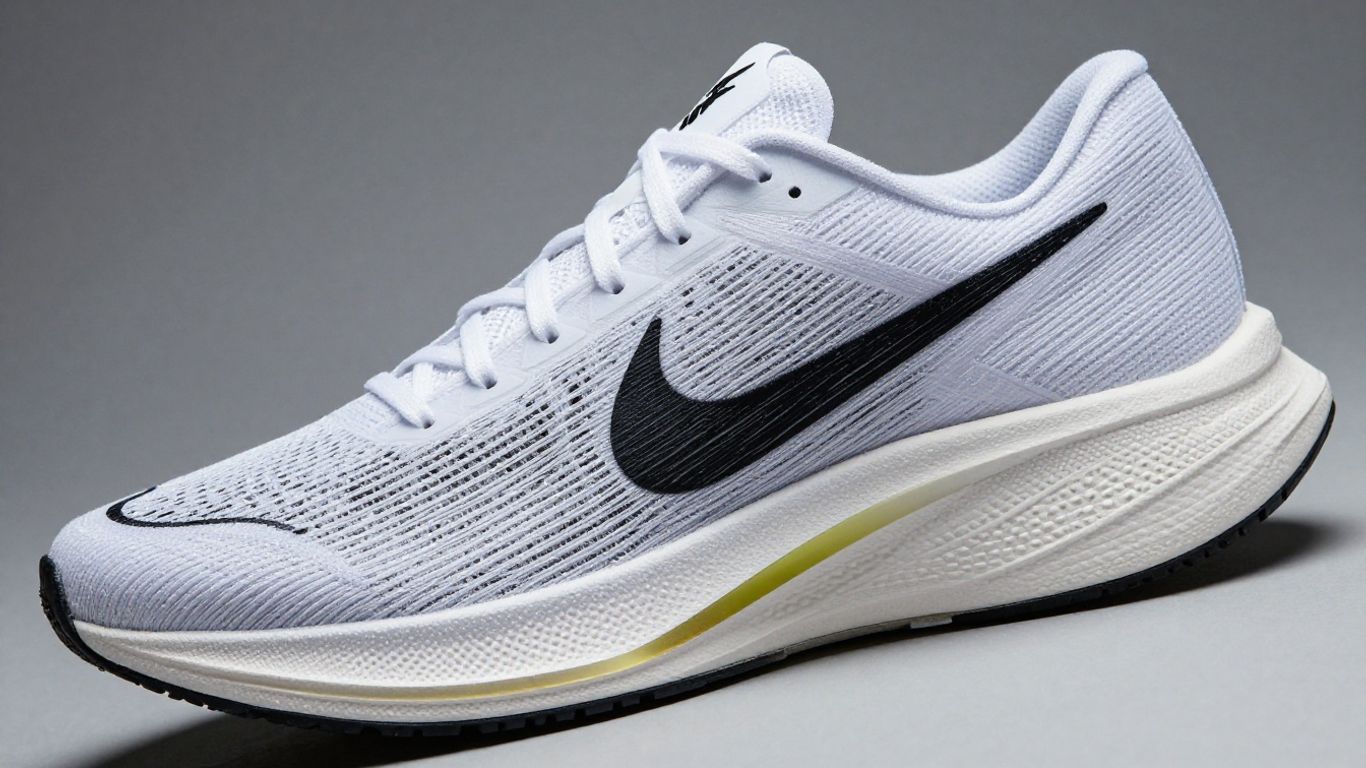
- The upper is made of Atomknit 3.0, which is super breathable, but the shoe generally runs a half size small, so consider sizing up.
- While it offers great traction, the softer rubber on the outsole might mean lower durability compared to some other racers.
- The Alphafly 4 is best suited for longer distances like marathons and ultramarathons due to its cushioning and stability, distinguishing it from the Vaporfly 4 which leans towards shorter races.
Nike Alphafly 4 First Impressions
Underfoot Feel and Comfort
Alright, let’s talk about what’s going on under your feet with the Alphafly 4. Right out of the box, the cushioning feels different. It’s not quite as pillowy as some might expect from the Alphafly line, but that’s not necessarily a bad thing. It feels a bit firmer, more grounded, which actually helps with stability, especially when you’re picking up the pace. The ZoomX foam is still there, of course, and it does its job of absorbing impact, but there’s a noticeable refinement. It feels like Nike has dialed it in to give you that bounce without feeling like you’re sinking into a marshmallow. For longer runs, this firmer feel can be a real plus, preventing that fatigued, mushy sensation you sometimes get. It’s a good balance, really. You get the protection you need, but with a bit more responsiveness.
Aesthetic Considerations
Let’s be honest, the Alphafly 4 isn’t going to win any beauty contests. The design is functional, no doubt about it, but it’s not exactly a head-turner. The colorways can be a bit loud, and the overall silhouette is pretty standard for a super shoe. It’s got that aggressive, race-day look, but it lacks a certain flair. If you’re someone who cares a lot about how your shoes look on the shelf or in photos, this might not be your top pick. However, when you’re out there running, especially at speed, the looks tend to fade into the background. The focus shifts to performance, and in that regard, the shoe does its job without needing to be flashy.
Comparison to Previous Versions
Compared to its predecessors, the Alphafly 4 feels like a step in a more refined direction. While the Alphafly 3 was already a solid shoe, the 4 seems to have ironed out some of the kinks. The ride feels a bit smoother, and there’s a subtle improvement in how the shoe transitions from heel to toe. It’s not a radical departure, but the tweaks are noticeable. Some runners might miss the extreme softness of earlier versions, but the slightly firmer, more stable feel of the 4 is a welcome change for many, offering a better blend of cushioning and responsiveness. It feels like Nike listened to feedback and made adjustments that matter for actual running performance, rather than just chasing a softer feel.
Performance and Ride Characteristics
Midsole Technology and Responsiveness
The Alphafly 4 really tries to give you that bouncy, propulsive feeling. Nike’s ZoomX foam is still the star here, and it feels pretty energetic underfoot. It’s not overly soft, which is good because you don’t want to feel like you’re sinking into the shoe. Instead, it strikes a balance, giving you some cushion but also pushing you forward. The combination of the foam and the carbon fiber plate is what really makes this shoe feel fast. It’s designed to return energy with each step, making those longer runs feel a bit less taxing. You can feel it working, especially when you pick up the pace.
Carbon Plate Integration
This is where the magic happens, or at least, where Nike hopes it does. The full-length carbon fiber plate is curved, and in the Alphafly 4, it’s set at a slightly higher angle than before. This change is meant to give you a more aggressive, forward-leaning sensation. It works with the foam to create a sort of lever effect, helping to propel you through your stride. It’s not a subtle feeling; you can definitely tell the plate is there, doing its job to make your foot roll forward more efficiently. It’s a key part of why these shoes feel so different from traditional trainers.
Transition Smoothness
Getting from your heel strike to your toe-off should feel pretty smooth in the Alphafly 4. The rocker shape of the shoe, combined with the carbon plate, guides your foot forward. It’s designed to minimize the work your foot has to do. For most runners, this transition feels natural and quick. It helps you maintain momentum without feeling like you’re fighting the shoe. However, some people might find the transition a bit too aggressive if they aren’t used to this type of shoe geometry. It’s definitely a performance-oriented design that prioritizes forward motion.
The ride is noticeably snappier compared to some previous versions, likely due to a slight reduction in foam thickness and a revised plate angle. This makes the shoe feel more agile and responsive, rather than just soft and mushy. It’s a good change for those who want a more direct feel from their super shoes.
Upper and Fit Analysis
Breathability and Material
The upper of the Alphafly 4 uses a material that feels pretty light and airy. It’s designed to let air flow through, which is a big deal when you’re out there for a long time. I didn’t notice any major hot spots or sweaty feet, even on a warmer day. It seems like Nike put some thought into keeping things comfortable.
Lockdown and Sizing
When it comes to fit, the Alphafly 4 generally runs true to size. Most people seem to find their usual running shoe size works well here. The width in the forefoot is pretty generous, which is good news for those who don’t like their toes feeling squished. However, if you found the previous version a bit too snug, you might want to try these on first or consider a half-size up, just in case. The lockdown feels secure without being overly restrictive.
Here’s a quick look at some measurements:
| Measurement | Alphafly 4 | Average Running Shoe |
|---|---|---|
| Forefoot Width | 91.7 mm | 95.2 mm |
| Toebox Width | 73.2 mm | 73.3 mm |
| Toebox Height | 66.7 mm | 82.6 mm |
Tongue Construction
The tongue is integrated pretty well into the upper. It stays put for the most part, which means you won’t be constantly adjusting it mid-run. It’s not overly padded, but it provides just enough cushioning to prevent any lace pressure. It feels like a simple, effective design that just works.
Outsole and Durability
Traction on Various Surfaces
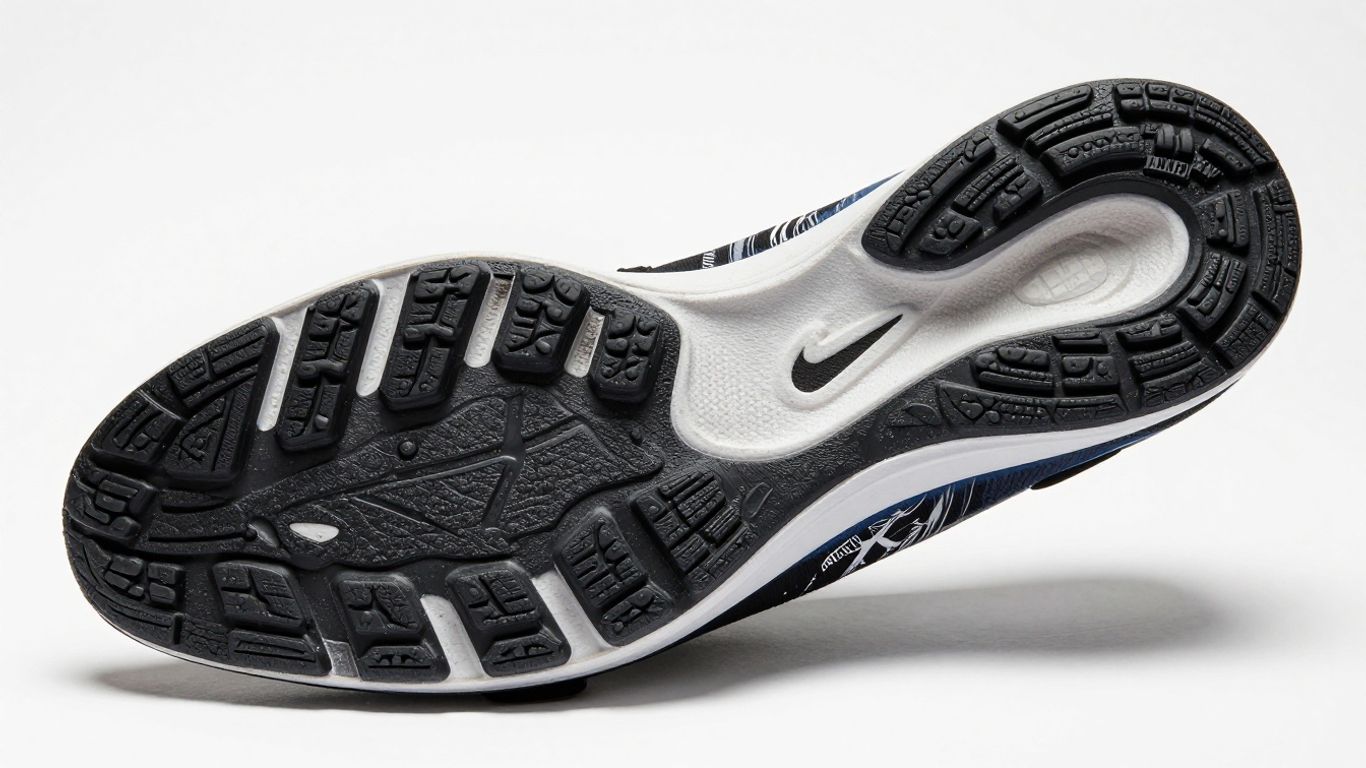
The outsole on the Alphafly 4 is designed with a focus on grip, especially in the forefoot where you need it most during toe-off. It uses a rubber compound that aims to provide good traction across different road conditions, whether you’re running on dry pavement or slightly damp surfaces. While it’s not meant for technical trails, for road racing, it generally holds up well. You’ll find a good amount of rubber coverage up front, which is key for consistent push-offs. The rear half of the shoe has less rubber, with exposed ZoomX foam and some landing pads on the heel. This design choice helps keep the weight down, but it means the heel area might show wear faster if you’re a heavy heel striker. The groove down the middle of the sole exposes the carbon plate, which is neat to see but can sometimes pick up small stones on rougher paths.
Rubber Compound and Wear
When it comes to durability, the Alphafly 4’s outsole is a bit of a mixed bag, which is pretty typical for super shoes. The rubber compound used is fairly standard for this category of shoe, prioritizing grip and lightness over extreme longevity. In testing, the forefoot showed some wear, around 4.6 mm of damage, which isn’t ideal for those who tend to be hard on their outsoles. The heel area, with its exposed foam and thinner rubber, is even more susceptible. While some tests might show significant wear here (like 8.6 mm depth), in real-world running over hundreds of miles, it’s usually not as dramatic. Still, it’s something to keep an eye on, especially if you’re planning on logging a ton of miles in these or if you have a tendency to drag your feet. The focus here is clearly on race-day performance, not everyday training mileage.
Here’s a quick look at how the outsole holds up compared to some other Nike models:
| Area | Alphafly 4 (Approx. Wear) | Vaporfly 4 (Approx. Wear) | Average (Approx. Wear) |
|---|---|---|---|
| Forefoot Wear | 4.6 mm | N/A | N/A |
| Heel Wear | 8.6 mm | N/A | N/A |
| Outsole Thickness | 2.3 mm (Heel) | N/A | N/A |
It’s important to remember that these shoes are built for speed. The materials and design choices reflect that, often meaning a trade-off in how long they’ll last compared to a standard daily trainer. For the best experience and to prolong their life, consider using them primarily for your key workouts and races. You might want to check out other Nike running shoes if you’re looking for something more robust for daily mileage.
Nike Alphafly 4 vs. Competitors
Comparison with Nike Vaporfly 4
So, the big question: Alphafly 4 or Vaporfly 4? It’s like choosing between two really fast cars from the same manufacturer. Both are built for speed, but they have slightly different personalities. The Vaporfly 4, now in its fourth go-around, has really hit a sweet spot for a lot of runners. It’s got that full-length ZoomX foam and a carbon plate, giving you a nice blend of bounce and a feeling of being pushed forward. It’s generally a bit lighter and comes in at a lower price point, making it a popular choice for everything from 10Ks to marathons.
The Alphafly 4, on the other hand, is Nike’s premium speed machine. It also uses ZoomX and a carbon plate, but it adds those two big Zoom Air pods in the forefoot. This gives it a bit more pop and, for some, a more cushioned feel, especially for those longer efforts like marathons and even ultras. It’s usually a bit heavier and definitely costs more. Think of the Vaporfly as a sharp, agile racer, and the Alphafly as a plush, powerful speed cruiser.
Here’s a quick look at how they stack up:
| Feature | Nike Vaporfly 4 | Nike Alphafly 4 |
|---|---|---|
| Midsole | ZoomX | ZoomX + Air Pods |
| Carbon Plate | Full-length | Full-length |
| Weight (Men’s 10) | ~6.0 oz | ~7.7 oz |
| Heel Drop | 8 mm | 8 mm |
| Price (MSRP) | $260 | $285 |
| Best For | Shorter races, tempo runs | Marathons, ultras |
| Upper Material | Breathable Mesh | Atomknit 3.0 |
| Sizing Recommendation | True to size | Half size up |
The Vaporfly 4 feels a bit more direct and responsive for shorter, faster efforts, while the Alphafly 4 offers that extra bit of protection and bounce that can be a lifesaver in the later miles of a marathon.
Positioning in the Super Shoe Market
Nike has been a dominant force in the super shoe game, and the Alphafly 4 continues that legacy. It sits at the very top of their racing lineup, aimed squarely at runners chasing personal bests, especially over longer distances. Compared to other brands, the Alphafly 4 is definitely in the conversation with other top-tier marathon shoes that feature advanced foams and carbon plates. It’s a shoe that demands a certain level of performance from the runner, and in return, it aims to give back a significant performance boost. It’s not really a shoe for casual jogs; this is for race day, plain and simple. The higher price tag reflects its position as a cutting-edge piece of running technology.
Suitability for Different Distances
So, where does the Alphafly 4 really shine when it comes to race day? It’s built for speed, no doubt, but its sweet spot seems to be the longer stuff. Think marathon and beyond. The generous cushioning and the bouncy ZoomX foam, combined with those air pods, really work together to keep your legs feeling fresher for longer. It’s like having a little bit of extra help with every stride when you’re deep into a race and starting to feel the fatigue.
Marathon and Ultramarathon Performance
For the marathon, the Alphafly 4 is a top contender. The stack height and the energy return are designed to help you maintain pace without absolutely destroying your legs. It feels protective enough for those grueling 26.2 miles, and even for longer ultramarathon distances, it offers a consistent and responsive ride. The wider forefoot also adds a bit more stability, which can be a lifesaver on tired legs or during uneven terrain.
- Extended Comfort: The combination of ZoomX and air pods provides a plush yet responsive feel that holds up over many miles.
- Energy Return: The shoe is engineered to give you a boost with each step, helping to conserve energy.
- Stability: A slightly wider base offers more confidence, especially when fatigue sets in.
The Alphafly 4 is definitely geared towards longer distances where its cushioning and propulsion system can truly make a difference in performance and comfort.
Half Marathon and Shorter Races
Now, for shorter races like a half marathon or even a 10k, the Alphafly 4 can still perform. However, it might feel a bit more shoe than you strictly need. Some runners might find it a tad heavy or overly cushioned compared to lighter, more minimalist racers designed specifically for these distances. If you’re a runner who prefers a lower stack height or a more direct feel for shorter races, you might lean towards something like the Vaporfly 4, which is lighter and feels a bit more nimble. But if you’re looking to set a personal best and want that extra bit of bounce, the Alphafly 4 won’t let you down, even for a half marathon. For even shorter distances, like a 5k, it’s probably overkill, but hey, if you want to feel fast, it certainly does the trick.
Here’s a quick look at how it stacks up:
| Distance | Suitability |
|---|---|
| Marathon | Excellent, designed for this distance |
| Ultramarathon | Very Good, offers sustained comfort and bounce |
| Half Marathon | Good, but might feel a bit much for some |
| 5K / 10K | Overkill for most, but can be used for PBs |
Ultimately, the Alphafly 4 is a marathoner’s dream shoe, but it’s versatile enough to handle shorter races if you prefer its ride characteristics. If you’re looking for shoes specifically for shorter races, check out these best running shoes for half marathons.
So, What’s the Verdict?
Alright, so after all that, where do we land with the Alphafly 4? Honestly, it’s still a beast. While it might not be the only shoe you need anymore, Nike’s definitely kept a strong contender in the game. It feels good underfoot, even if the looks aren’t going to win any awards. The competition is fierce these days, with a lot of great shoes out there, but Nike still has two heavy hitters. If you’re deciding between the Alphafly and the Vaporfly, you’re still looking at top-tier options. It’s a good time to be a runner with all these choices.
Frequently Asked Questions
What’s new with the Nike Alphafly 4?
The Alphafly 4 is an updated version of Nike’s top racing shoe. It has a smoother ride than older models, feels more stable, and is designed to help you run efficiently. It’s a great choice for long races like marathons.
How does the Alphafly 4 feel when I run?
It feels bouncy and supportive under your feet. The special foam and carbon plate work together to give you a spring in your step, making running feel easier, especially when you’re going fast.
Is the Alphafly 4 good for beginners?
While it’s a fantastic shoe for experienced runners aiming for personal bests, it might be a bit much for someone just starting out. It’s designed for speed and competition, and there are other Nike shoes that might be more comfortable for everyday training.
How does the Alphafly 4 compare to the Vaporfly 4?
The Alphafly 4 is generally more cushioned and offers more bounce, making it better for longer distances like marathons. The Vaporfly 4 is lighter and a bit firmer, often preferred for shorter races like half marathons or even 10Ks.
Is the Alphafly 4 worth the price?
The Alphafly 4 is a premium racing shoe with a high price tag. For serious runners looking to gain an edge in races, the advanced technology and performance benefits can make it a worthwhile investment. However, for casual runners, the cost might be hard to justify.
What kind of races is the Alphafly 4 best for?
This shoe is built for race day! It shines in longer distances like marathons and even ultramarathons because of its excellent cushioning and energy return. It can also be used for half marathons if you want maximum support and speed.


