

Nike Alphafly 4 vs New Balance SC Elite v5: Which Should You Buy?
Race day can come down to how well your shoes match your stride, pace, and goals. The Nike Alphafly 4 vs New Balance SC Elite v5 comparison puts two top-tier racing shoes under the spotlight, but the fastest option for you depends on more than headline speed.
You’ll want to weigh each shoe’s ride, stability, comfort, and race-day feel before chasing a personal best. Next, we’ll compare their key differences and identify which super shoe fits your running style.
A Closer Look at the Nike Alphafly 4
The Nike Alphafly 4 follows a clear design philosophy: put more usable energy beneath the runner and make each stride feel faster than the last. Its identity comes from the combination of ZoomX foam, dual Air Zoom units, and a full-length carbon-fiber plate. Together, these parts create a racing shoe for athletes who want a forceful, spring-loaded ride rather than a quiet, traditional feel.
The Alphafly 4 also arrives after several major changes within the series. Nike has refined the upper, adjusted the midsole shape, and worked to make the shoe easier to control at race pace. The result still feels aggressive, but the platform is designed to channel energy forward with less wasted movement.
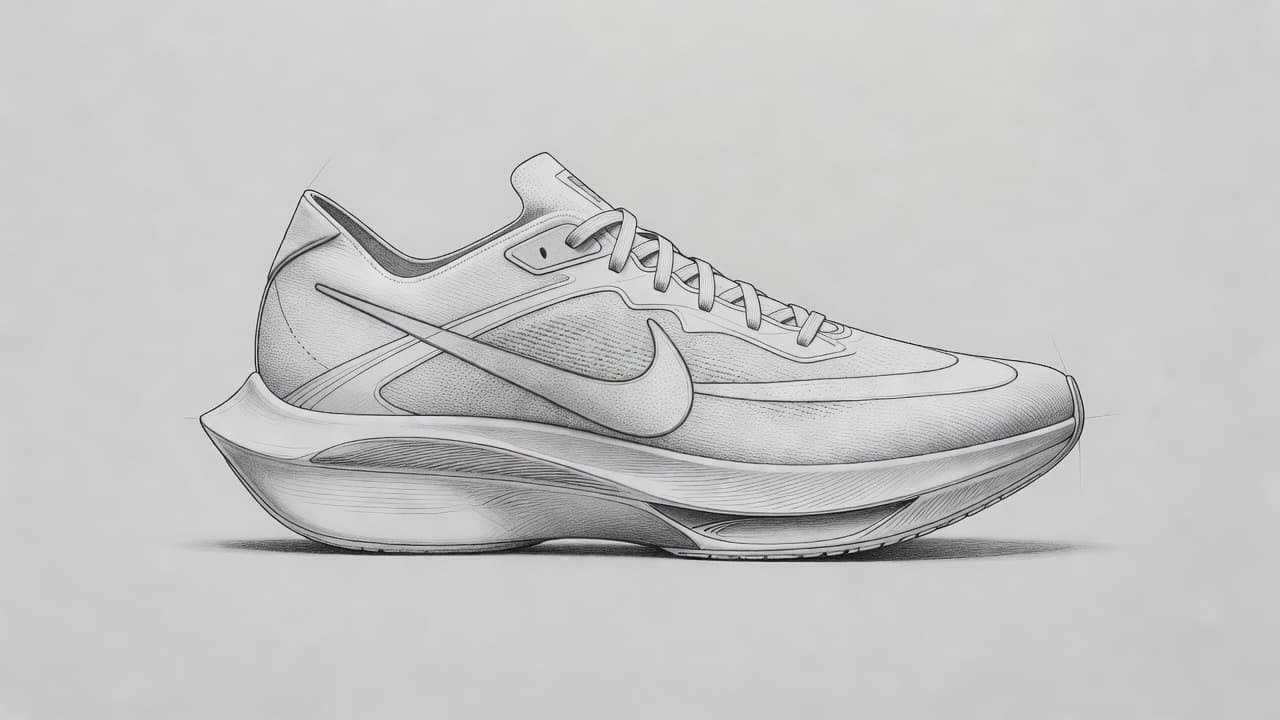
How the Alphafly series has evolved
The original Alphafly made headlines with its unusual forefoot Air Zoom units and towering foam platform. Nike then refined that concept in later versions, improving the upper fit and reducing some of the instability that runners felt in the earliest model.
With the Alphafly 4, the focus remains on high energy return, but the shoe’s geometry is just as important as its materials. The thick midsole gives the foot a larger cushion of ZoomX foam, while the curved carbon plate helps guide the runner through the transition from landing to toe-off. Rather than bending naturally under the foot, the platform creates a rolling motion that encourages forward progress.
That setup favors runners who land near the midfoot or forefoot and maintain a quick, efficient cadence. Heel strikers can still use the shoe, but the tall platform may feel less natural if their stride depends on a soft, gradual heel-to-toe transition.
What the Air Zoom units add
The two forefoot Air Zoom units are the Alphafly’s defining feature. They sit beneath the ball of the foot and compress during loading, then rebound as the runner pushes off. The sensation is more pronounced than the spring from foam alone. You feel a distinct pop under the forefoot as the shoe releases energy into the next step.
That response becomes most useful when you run fast enough to load the platform properly. At marathon pace, the Air Zoom units can make the forefoot feel lively and active. During an easy jog, however, the shoe may seem stiff, tall, and demanding. It isn’t built to disappear beneath your feet. The Alphafly wants your stride to stay committed.
The air units also work with the carbon plate rather than acting alone. The plate spreads pressure across the platform, while the foam absorbs impact and the Air Zoom units add extra snap. This layered response explains why the shoe can feel powerful without relying on a harsh, flat ride.
The Alphafly 4 is built for runners who want their shoes to contribute noticeable propulsion, especially when fatigue starts to affect their stride.
Midsole geometry and race-day feel
Nike’s midsole geometry gives the Alphafly 4 its rolling character. The forefoot sits high, the plate creates stiffness through the transition, and the rocker encourages the foot to move forward once it reaches the front half of the shoe. Each component shapes the stride before you have time to overthink it.
As a result, the ride feels bouncy at first, then increasingly efficient once you settle into race pace. The shoe rewards a runner who keeps pressure over the forefoot and holds steady form late in a race. Still, the height and aggressive rocker can challenge runners who need strong ground feedback or frequent changes in direction.
Choose the Alphafly 4 if you want:
- Maximum energy return for marathon and long-distance racing.
- A pronounced forefoot pop instead of a muted cushioned feel.
- A stiff, rolling transition that supports fast, steady pacing.
- A high-stack platform that protects your legs over extended distances.
For runners who prefer a smoother, more flexible sensation, the New Balance SC Elite v5 may feel easier to manage. The Nike Alphafly 4 vs New Balance SC Elite v5 decision will often come down to whether you want maximum propulsion or a more relaxed connection with the road.
Exploring the New Balance SC Elite v5 Experience
New Balance approaches the super shoe category with a focus on ride quality and anatomical harmony. While many competitors prioritize a rigid, singular sensation of speed, the SC Elite v5 emphasizes a more forgiving experience. It balances the high-energy return demanded by modern marathoners with a softer foam density that feels less taxing on the legs over 26.2 miles.
The shoe represents a refined engineering philosophy where comfort becomes a performance tool. By reducing the physical strain on your muscles and tendons during the latter stages of a race, this model allows you to maintain your turnover when others begin to fade. It is a calculated choice for the athlete who finds extremely stiff platforms fatiguing or harsh on their joints.
Engineering a softer, more stable ride
The core of the SC Elite v5 is the PEBA-based foam, which New Balance tunes to be noticeably softer underfoot than the foam found in the Alphafly series. This isn’t just about feeling like you are running on clouds, as the softness serves a functional purpose. The foam absorbs more impact force at the landing phase, which preserves your leg strength for the closing miles of a marathon.
Stability is the other primary pillar of its design. The wider base under the midfoot keeps your gait cycle consistent, even as you tire and your form begins to drift. You experience less lateral wobble compared to more aggressively stacked models. This stability builds confidence when cornering or dealing with uneven road surfaces, allowing you to focus entirely on your cadence rather than correcting your foot strike.
Why marathoners choose this path
Many runners prefer the SC Elite v5 because it feels more intuitive and less demanding on the calves and feet. The transition from landing to toe-off feels natural rather than forced by an aggressive rocker. If you are a runner who relies on a reliable, smooth turnover, this shoe works with your natural mechanics instead of trying to override them.
The internal carbon plate provides necessary snap and propulsion, but it works in partnership with the foam rather than competing with it. This creates a ride that feels springy but remains comfortable during the grueling hours of a long-distance event. You might find that your recovery time improves simply because your feet endured less punishment during the race itself.
Versatility beyond the race course
While this model shines during a marathon, its design makes it a capable partner for high-intensity training sessions as well. Because it doesn’t require a perfect, high-cadence strike to feel effective, you can use it for tempo runs or longer interval work with confidence. It is a versatile choice for runners who want one high-performing tool for multiple types of fast work.
Choosing between the Nike Alphafly 4 vs New Balance SC Elite v5 often comes down to your personal sensitivity to ride firmness. If you want the sensation of being launched forward by a mechanical system, you might lean toward the Alphafly. If you want a supportive, snappy, and forgiving ride that feels like a natural extension of your foot, the SC Elite v5 is likely the better fit for your specific race-day needs.
Comparing the Nike Alphafly 4 vs New Balance SC Elite v5 on the Road
Selecting the right racing shoe often hinges on the direct, physical feedback you receive from the ground during a long effort. Both the Nike Alphafly 4 and the New Balance SC Elite v5 exist at the pinnacle of marathon technology, yet they deliver that speed through fundamentally different mechanical paths. While the Alphafly relies on a high-energy, aggressive geometry to push your pace, the SC Elite v5 aims for a fluid, natural transition that keeps your legs fresh.
Analyzing Midsole Technology and Energy Return
The heart of the Nike Alphafly 4 beats with a singular mission, which is maximum energy return through structural rigidity. Its full-length carbon-fiber plate works in tandem with two bulky, forefoot-mounted Air Zoom units. These components compress under pressure and snap back with significant force, effectively launching you into your next stride.
If you possess a high-cadence, forefoot-dominant gait, this system provides a distinct, mechanical advantage. The ZoomX foam acts as the foundation, but it is the combination of the air pods and the stiff plate that dictates the ride. Late in a race, when fatigue threatens to collapse your form, this shoe refuses to go soft. It maintains its structural integrity and pushes you forward, provided you have the strength to manage its firm, demanding platform.
In contrast, the New Balance SC Elite v5 prioritizes a more harmonious relationship between foam and plate. The PEBA-based foam is tuned for high rebound but feels considerably more compliant and forgiving than the setup found in the Nike.
The carbon plate inside the New Balance shoe is shaped to assist with transition rather than acting as a rigid lever. As you tire, the shoe provides a smoother, more rolling sensation that requires less effort to maintain your turnover. It manages to deliver a snappy, responsive feel without the harshness often associated with maximalist racers. You will find that the SC Elite v5 excels at protecting your legs from the pounding of 26.2 miles, making it an ideal choice if you prioritize long-term comfort alongside speed.
Fit, Lockdown, and Upper Construction
The upper of the Nike Alphafly 4 is a masterclass in minimalism, utilizing a thin, engineered knit that secures the midfoot with surprising intensity. It is designed to be an extension of your foot, meaning there is almost zero stretch or lateral movement inside the shoe.
This creates a very precise lockdown that is perfect for sharp turns or holding high paces. However, the fit is narrow and aggressive. If you have a wider foot, you may find the internal cage restrictive during the final stages of a marathon when your feet typically swell. Breathability is excellent due to the light mesh, but the trade-off is a high-pressure fit that leaves little room for adjustment.
New Balance SC Elite v5 Features
The New Balance SC Elite v5 features a more accommodating upper construction that balances security with a slightly more generous volume. It locks the heel down firmly while allowing the midfoot and forefoot to expand naturally. During testing, the lockdown feels secure enough for race pace, though it lacks the iron-clad grip of the Nike model.
For many runners, this translates to a better experience, as it prevents hotspots and blistering during the latter half of the race. The material is soft and pliable, which allows it to wrap around various foot shapes without creating excessive pressure points. If your priority is a fit that disappears under you while offering a bit of breathing room, the New Balance approach will likely win you over.
Ultimately, your choice in the Nike Alphafly 4 vs New Balance SC Elite v5 battle depends on whether you view your shoe as a mechanical aid or an ergonomic partner. The Alphafly is an aggressive tool for the runner who wants to attack the pavement, while the SC Elite v5 is a refined, supportive companion for the athlete who values sustained comfort and a natural gait cycle. Regardless of your preference, both shoes provide the high-octane performance required to chase a new personal best.
Which Super Shoe Best Suits Your Racing Goals?
Selecting the right footwear is a commitment to your specific training history and race-day needs. You must weigh the mechanical benefits of each model against your own biomechanics and tolerance for various sensations underfoot. A shoe that offers incredible speed for one runner might become a hindrance for another if it forces a stride pattern they cannot sustain for miles.
The choice between the Nike Alphafly 4 vs New Balance SC Elite v5 highlights the divide between two distinct philosophies of speed. Understanding these differences allows you to choose the tool that actually aligns with your performance objectives rather than just the one currently topping the charts.
Match your pace and stride style
Speed is often the primary goal, yet the method to achieve it varies. If you maintain a high-cadence stride and land predominantly on your forefoot, you likely seek a shoe that provides an active, snappy return.
The Alphafly series caters to this high-intensity approach. It demands a forward-leaning posture to fully engage the Air Zoom units, effectively turning your stride into a continuous cycle of propulsion. This design thrives when you keep your turnover high, making it a stellar choice for runners who want a firm, rigid lever to push off the pavement.
Conversely, if you prefer a shoe that manages fatigue through a more forgiving ride, the SC Elite v5 is a refined option. It offers a softer, more fluid experience that doesn’t require constant, high-level aggression to feel effective. If your stride naturally tends toward a more measured transition or if you find that stiff, plate-heavy shoes eventually cause calf strain, this model provides the necessary stability to keep you moving efficiently through the final 10 kilometers of a race.
Evaluate your tolerance for ride firmness
A marathon is a long duration for your feet to endure impact. You should consider whether you want a platform that feels like an extension of your own mechanics or one that adds a distinct, mechanical layer to your output.
Consider the following factors when deciding:
- Surface and distance: If your race involves many sharp turns or uneven surfaces, the wider base of the SC Elite v5 offers a slight stability edge.
- Physical durability: Runners prone to arch or calf fatigue often find that the softer PEBA foam in the New Balance model preserves their leg strength longer than the firmer, high-rebound setup of the Nike.
- Aggressive vs. natural propulsion: If you want to feel the shoe actively snapping you forward, the Alphafly is built to provide that sensation. If you want a smooth transition that feels fast but unobtrusive, the New Balance offering is designed to get out of your way.
Make your race-day decision
Your decision should ultimately reflect your confidence. You gain the most benefit from a shoe that makes you feel ready to perform the moment you lace it up. If you are training for a PR, take both options through a series of long, marathon-paced workouts. Pay attention to how your feet feel at mile 18, not just how fast they feel during the first mile of a warm-up.
For deeper insights into refining your strategy, you can explore RunDreamAchieve training resources to match your shoe choice with specific speed-work phases. The best super shoe is the one that disappears beneath you, allowing your fitness and mental preparation to dictate the pace rather than forcing you to adapt your form to a rigid platform. Choose the model that feels like a natural partner for the specific distance and intensity of your upcoming event.
Making the Final Decision for Race Day
Choosing between the Nike Alphafly 4 and the New Balance SC Elite v5 is a high-stakes decision. You have already put in the training miles, and now the gear must support your ambition. Your choice centers on how your body responds to mechanical propulsion versus anatomical support.
Key differences at a glance
Understanding the primary mechanical differences between these two models helps you visualize which one aligns with your race-day needs.
| Feature | Nike Alphafly 4 | New Balance SC Elite v5 |
|---|---|---|
| Primary Feel | Aggressive propulsion | Balanced, fluid transition |
| Key Tech | Air Zoom units & carbon plate | PEBA foam & carbon plate |
| Ideal Gait | High-cadence, forefoot striker | Natural, smooth turnover |
| Fit Profile | Narrow, precise lockdown | Accommodating, secure |
The Nike Alphafly 4 acts as a springboard, demanding a strong, efficient stride to unlock its full potential. The New Balance SC Elite v5 functions as a partner for your natural mechanics, providing a softer landing and a more predictable transition that feels stable during the late stages of a race.
Testing for ultimate confidence
Never wear a new pair of shoes for the first time on race day. The margin for error at high speeds is too small to risk blisters or unexpected pressure points. Instead, use these steps to evaluate your choice:
- Conduct a long, marathon-paced workout: Wear your chosen shoe for a run that reaches at least 60 to 75 percent of your race distance. Pay close attention to your feet and calves around the 15-mile mark.
- Test on race-specific terrain: If your course includes sharp turns, cambered roads, or significant elevation changes, replicate those conditions during a quality session. You need to know how the platform handles corners at intensity.
- Check your recovery response: Notice how your legs feel the day after a long run in each pair. If one model leaves your arches sore or your calves tight compared to the other, that physical feedback is a strong indicator of how it will perform over a full marathon.
Trust your preparation
The gear you select for the starting line is a tool to express the fitness you have built. If the Alphafly 4 makes you feel like you are chasing a new PR with every stride, wear it with confidence. If the SC Elite v5 offers the stability and comfort required to keep your turnover consistent until the finish line, trust that performance.
You have done the hard work of building speed, endurance, and mental toughness. The right shoe merely completes the equation by honoring your biomechanics. Choose the pair that allows you to stop thinking about your feet and start focusing on the road ahead. Lace up, settle into your rhythm, and let your training carry you across the line.
Final Thoughts
The Nike Alphafly 4 vs New Balance SC Elite v5 debate reveals that both shoes are world-class tools for the marathon distance. Your best choice relies on how your body handles the trade-off between mechanical propulsion and anatomical comfort.
One shoe favors the high-cadence runner who demands a rigid, snappy ride. The other provides a softer, more stable platform that prioritizes consistency over the final miles.
True speed comes from the work you put in before race day. Focus your energy on smart training, proper recovery, and consistent nutrition. These habits will carry you further than any piece of footwear ever could.


