

Nike Alphafly 4 vs ASICS Metaspeed Sky Tokyo: Which Should You Buy?
Choosing the right carbon-plated super shoe can shape how your legs feel when the race gets hard and the finish line draws closer. In the Nike Alphafly 4 vs ASICS Metaspeed Sky Tokyo matchup, two of the biggest names in running bring different ideas about speed, cushioning, and race-day efficiency.
Nike and ASICS have built a strong rivalry in the marathon shoe market, but the best option depends on your stride, distance, and personal preferences. This comparison will help you identify the pair that gives you the best chance of reaching a new personal best.
Deep Dive into the Nike Alphafly 4 Technology
The Alphafly 4 stands out because of its commitment to aggressive energy return and mechanical efficiency. Runners often describe the experience as wearing a spring-loaded system that transforms each foot strike into a forward launch. While comparing the Nike Alphafly 4 vs ASICS Metaspeed Sky Tokyo, you quickly notice how Nike leans into a more complex, multi-component geometry to manage force and propulsion. This shoe is built specifically for athletes who want to maximize their speed over the full marathon distance.
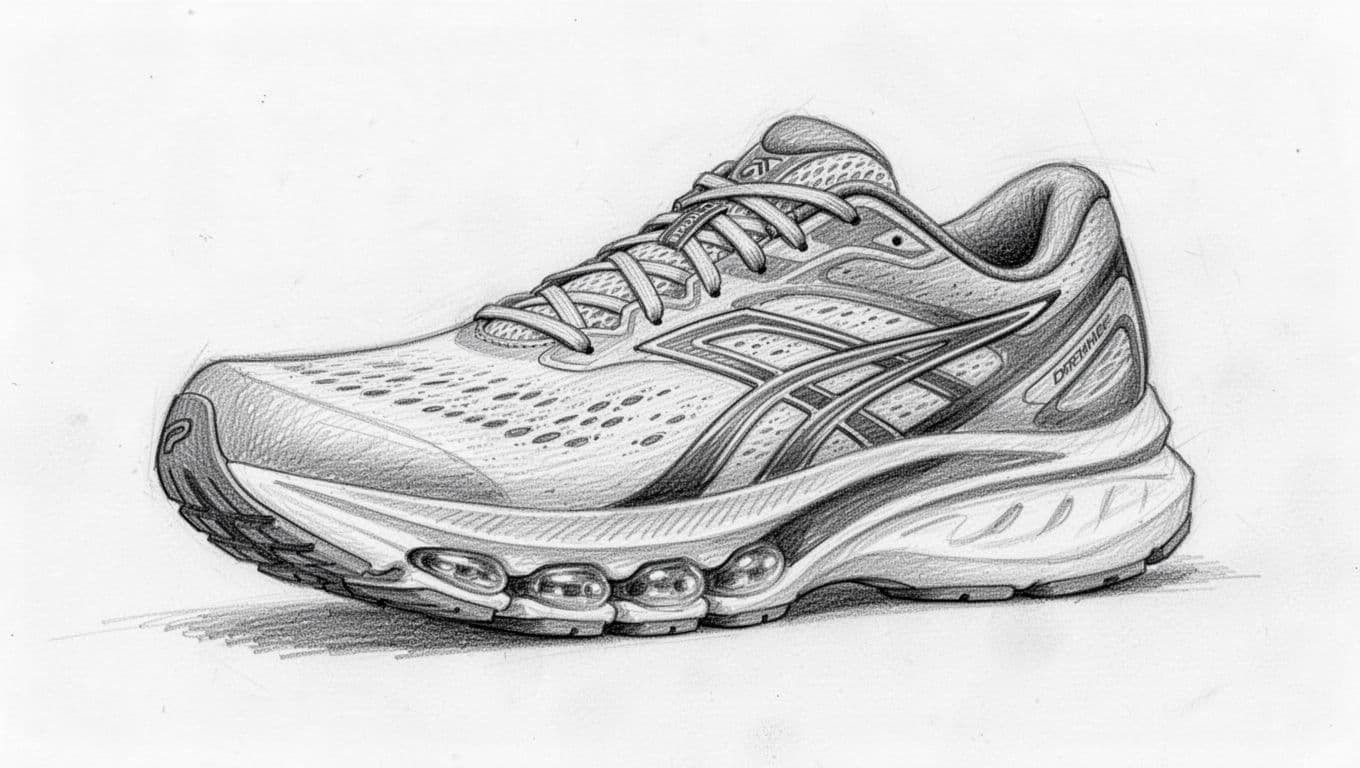
How the Air Zoom Units Change Your Stride
The heart of the Alphafly 4 lies in the dual forefoot Air Zoom units. These aren’t just for soft landings; they act as a high-performance energy bridge. When you hit the ground, these pressurized air pockets compress instantly. They then snap back to their original shape, providing a distinctive, bouncy sensation that propels you into the next step.
This mechanism significantly alters your gait cycle. It encourages a more efficient transition from landing to toe-off. Because the energy return is so immediate, you might feel less muscle fatigue in your calves and feet during the later miles of a race. This science behind the fastest marathon shoes shows how the placement of these chambers helps distribute ground forces more effectively than traditional midsole materials alone. You are essentially working with the shoe to maintain a high cadence with less effort.
The Role of ZoomX Foam in Comfort and Speed
Supporting the air units is the lightweight and highly responsive ZoomX foam. This material is famous for its ability to deliver maximum cushioning without adding significant bulk. It creates a plush foundation that shields your legs from the repetitive impact of road running. Marathon endurance depends on this balance, as staying comfortable for 26.2 miles is just as important as the initial speed the shoe provides.
Beyond simple comfort, the foam works in harmony with the carbon plate and air pods to stabilize the ride. It manages the rapid compression cycles without feeling unstable or mushy underfoot.
This consistent energy management is why many athletes prefer the Alphafly 4 when they need a reliable, high-speed partner for long efforts. While the shoe maintains a bold presence with its stack height, the technology behind Nike’s cushioning ensures that the foam remains durable enough for race-day performance. It doesn’t just absorb energy; it cycles it back, helping you keep your pace steady even when your form begins to waver.
Understanding the ASICS Metaspeed Sky Tokyo Design
ASICS built the Metaspeed series with a specific athlete in mind. While many carbon-plated shoes prioritize a uniform bounce, the Metaspeed Sky focuses on a stride-based approach. The design philosophy centers on the idea that certain runners increase their pace by extending their stride length rather than simply increasing their cadence. By tailoring the shoe to this specific biomechanical preference, ASICS offers a distinct alternative in the ongoing Nike Alphafly 4 vs ASICS Metaspeed Sky Tokyo debate.
Optimizing Your Stride Length for Efficiency
The Metaspeed Sky uses a unique rocker geometry that functions as a lever. This curve starts further back in the midfoot, which helps guide your foot through a faster, more natural rotation. When you push off, the plate works in tandem with this shape to create a smooth transition from heel or midfoot to toe. This design reduces the amount of energy wasted during the transition, allowing you to maintain that longer stride without needing extra muscular effort.
This geometry is particularly helpful for runners who naturally take longer steps as they accelerate. Because the shoe promotes an efficient forward roll, you can rely on the propulsion from the foam and plate rather than forcing your legs to do the heavy lifting.
If your running style relies on a powerful stride, this geometry acts as an extension of your own mechanics. Understanding these biomechanical running shoe differences helps clarify why some athletes gravitate toward this specific platform when they want to unlock more speed in the later stages of a race.
Why FF Blast Turbo Feels Different Than Other Foams
The midsole material, FF Blast Turbo, defines the ride of the Metaspeed Sky. Many modern super shoes favor an incredibly soft, almost sink-in feeling. ASICS chose a different path here. While the foam is highly energetic, it retains a firmer, more controlled sensation underfoot. This feedback is intentional, as it provides a stable platform that helps you feel connected to the road.
- Stability: The firmer nature of FF Blast Turbo reduces the instability often found in softer, high-stack foams.
- Energy Return: You receive a crisp, immediate response every time your foot strikes the ground.
- Precision: Because the foam doesn’t compress as drastically as some competitors, it provides a consistent platform for your foot strike.
Compared to the plush, airy rebound of the Nike Alphafly 4, the Metaspeed Sky feels more like a precision tool. It doesn’t mute the ground contact as much, which many runners prefer when they need to stay agile through sharp turns or varied road surfaces.
This firmer foam ensures that your energy goes directly into the pavement rather than being absorbed by the midsole. If you prefer a ride that prioritizes responsiveness and control over pure, cloud-like cushioning, this foam profile is likely to match your preferences. Choosing between these options often comes down to whether you want that deep, bouncy crash pad or a firm, snappy platform that feels ready to engage the moment you start moving.
Nike Alphafly 4 vs ASICS Metaspeed Sky Tokyo: Key Performance Differences
Selecting between the Nike Alphafly 4 vs ASICS Metaspeed Sky Tokyo involves evaluating how each shoe interacts with your specific movement patterns. While both designs aim to shave seconds off your marathon time, they achieve this goal through distinct mechanical architectures.
Nike focuses on a specialized, high-energy air system, whereas ASICS leans into a streamlined, stride-extending platform. Your choice hinges on whether you want a ride that feels like a trampoline or one that prioritizes a snappy, direct connection to the road.
Stability and Ground Feel on Race Day
The platform width and stack height of the Alphafly 4 create a sensation of extreme elevation. Because of the pressurized Air Zoom pods, the shoe has a slightly narrower midfoot footprint than some competitors. This can feel precarious when you hit sharp turns or navigate uneven pavement.
You might notice the shoe requires more engagement from your ankles and stabilizer muscles to maintain a neutral line during tight corners. The Nike philosophy here accepts some trade-offs in lateral stability to ensure you gain maximum energy return from every foot strike.
Conversely, the Metaspeed Sky Tokyo feels more grounded. ASICS widened the midfoot area to provide a broader base that stays planted even during aggressive maneuvers. When you encounter winding courses or slick patches, this shoe gives you more confidence. You feel less like you are balancing on top of a soft cushion and more like you are locked into the road surface. This creates a predictable ride, which is a major advantage if you frequently race on courses with frequent directional changes.
Which Shoe Handles Fatigue Better in the Later Miles?
By mile 20 of a marathon, your form often starts to breakdown. Your glutes and calves may grow heavy, and your stride might lose its initial snap. The Alphafly 4 excels in this late-stage environment by providing continuous mechanical assistance.
The combination of the air units and the thick ZoomX foam acts as a shock absorber that preserves your legs against cumulative impact. If your biggest enemy is muscle soreness, the way Nike isolates your feet from the harshness of the asphalt is a significant benefit. You can find more details on how these marathon shoe technologies impact long-distance performance for different runner profiles.
The Metaspeed Sky Tokyo tackles the late-race fatigue problem differently. Rather than shielding you from the ground, it works to maintain your stride length. Since the shoe is lighter and features a more rigid carbon plate geometry, it keeps your transition fast and snappy even when your turnover slows down.
If your late-race struggle involves feeling stuck in the mud or losing your leg speed, the ASICS design helps keep your turnover efficient. It doesn’t offer the same degree of plush impact protection as the Nike model. However, it ensures that every bit of force you put into the ground translates directly into forward motion. For a deeper look at the benefits of carbon-plated running shoes, you can evaluate how these materials support different gaits over the full 26.2-mile distance.
Matching Your Running Style to the Right Super Shoe
Selecting the correct racing footwear often feels like choosing between a high-frequency engine and a high-torque motor. While both the Nike Alphafly 4 and the ASICS Metaspeed Sky Tokyo push performance boundaries, they interact with your mechanics in unique ways. Identifying your natural movement pattern allows you to pick the tool that amplifies your strengths rather than fighting against your habits.
Are You a Cadence Runner or a Stride Runner?
Understanding your primary way of gaining speed is the most effective way to narrow down your options. Runners generally fall into two categories: those who increase velocity by turning their legs over faster, often called cadence runners, and those who increase speed by lengthening their stride, known as stride runners. Your category dictates how the shoe interacts with your natural biomechanics during the gait cycle.
Cadence runners typically maintain a high step rate throughout their runs. They benefit most from shoes that provide consistent, bouncy energy return and reduce ground contact time. The Nike Alphafly 4 caters to this style by utilizing its pressurized Air Zoom pods. These units act like tiny trampolines under your forefoot, encouraging a quick, snappy transition that keeps your feet moving fast. If you find your rhythm by keeping your turnover high and steady, this system works with you to minimize effort per stride.
Generating Power
Stride runners, in contrast, generate power by pushing harder against the ground to extend their physical range of motion. They need a platform that provides a stable, firm base to handle that increased ground force without losing energy. The ASICS Metaspeed Sky Tokyo serves this approach perfectly. Its design features a rocker geometry that helps maintain that long, powerful leg extension without requiring extra muscle recruitment. By providing a rigid, predictable base, it allows you to maintain your stride length during the demanding final miles of a marathon.
You can self-assess your style by recording your training sessions or checking your watch data for average cadence and stride length over different paces. If you notice your cadence remains near 180 steps per minute even as you speed up, you are likely a cadence runner. If your cadence stays relatively stable but your average stride length grows significantly as your speed increases, you lean toward a stride-dominant style.
Traits of the Racers
Choosing between the Nike Alphafly 4 vs ASICS Metaspeed Sky Tokyo becomes much clearer once you identify these traits. For the cadence-focused athlete, the bounce of the Alphafly provides that extra bit of “pop” needed to sustain a fast, rhythmic tempo. For the stride-focused athlete, the Metaspeed Sky provides the stability and leverage required to maintain a longer, more efficient reach with every step.
If you find yourself stuck between these categories, consider your training environment and personal comfort. Runners who prefer a plush, highly cushioned ride often enjoy the sensations of the Alphafly, even if they aren’t purely cadence-based. Those who prefer feeling “connected” to the road, or who prioritize stability on tight turns, often find the firmer ride of the Metaspeed Sky more predictable.
Many athletes find that testing these on a track or smooth road during a tempo workout highlights which design feels like a natural extension of their gait. You might also consult coaching resources on running mechanics to refine your form and further understand how specific equipment can influence your marathon performance. Selecting the right match creates a better experience when your legs tire during a race.
Investing in Performance: Considerations Before You Buy
Choosing between the Nike Alphafly 4 and the ASICS Metaspeed Sky Tokyo requires more than just checking your personal records. These shoes carry a premium price tag, which makes the investment feel significant for most runners.
Before you commit your hard-earned money, you should weigh the long-term value against your specific goals. Dr. Nathan Pennington and the team at RunDreamAchieve prioritize training smarter to reach your potential, and that mindset applies directly to how you select and use your race-day equipment.
Understanding Price and Total Lifespan
Super shoes like the Nike Alphafly 4 and ASICS Metaspeed Sky Tokyo are purpose-built racing tools rather than daily trainers. The sophisticated foams and plates provide incredible energy return, but they often lack the durability of standard road shoes. You should anticipate a shorter lifespan, usually ranging from 100 to 200 miles before the midsole loses its signature bounce.
Factor in the cost-per-mile when you make your purchase. If you save these shoes exclusively for your most important races and high-intensity workouts, you extend their usefulness throughout the entire season. Spending a premium for a marginal gain in efficiency makes sense for a goal race, but it becomes a costly habit if you use them for everyday recovery runs.
The Necessity of Training in Your Race Shoes
It is a common mistake to pull a brand-new pair of carbon-plated shoes out of the box on race morning. Your muscles and tendons need time to adapt to the unique mechanics and higher stack heights of these models. Without proper preparation, you risk injury or discomfort during the final miles of your marathon.
Incorporate your race-day shoes into your long run blocks or track sessions at least three or four times before you race. This practice allows you to:
- Identify hotspots: Check for any friction points or pressure areas that might develop during long efforts.
- Adjust to stability: Learn how the specific platform behaves during fatigue, especially on turns or uneven surfaces.
- Calibrate your pace: Understand how the energy return changes your natural tempo and effort levels at goal marathon speeds.
This phase is essential to building confidence. When you toe the starting line, you should know exactly how the shoe will respond to your stride, leaving no room for surprises.
Investing in Your Potential
RunDreamAchieve exists to help you move beyond generic advice and focus on proven, individualized strategies for improvement. Investing in a high-performance shoe is part of that process, but it should complement your training, not replace it. No amount of technology can overcome a lack of aerobic foundation or poor pacing strategy.
When you purchase the right shoe for your style, you gain a tool that supports your hard work and discipline. Whether you choose the bouncy responsiveness of the Nike Alphafly 4 or the stable, efficient roll of the ASICS Metaspeed Sky Tokyo, the goal remains the same.
You are equipping your body to handle the demands of the distance, maintain your form under pressure, and ultimately shatter your previous personal bests. Remember that the best athlete is one who trains with precision and enters the race with total certainty in both their fitness and their gear.
Conclusion
The choice between the Nike Alphafly 4 vs ASICS Metaspeed Sky Tokyo depends on your unique biomechanics. The Nike model provides a high-energy, bouncy ride for cadence-based runners who need impact protection. The ASICS option offers a stable, snappy platform for those who generate speed by extending their stride.
Pick the shoe that feels most natural when you move at race pace. Your gear should vanish beneath you so you can focus entirely on your effort. Confidence in your footwear allows you to push harder when your legs grow tired in the final miles.
Mastery of the marathon requires more than just premium shoes. It demands the discipline to execute your training blocks and the mental toughness to stay present during the most difficult segments of the race. Use your chosen pair as a tool to support your hard work, then trust your preparation to carry you across the finish line with a new personal best.


