

Nike Alphafly 3 vs Adidas Adios Pro 5: Which Is Better for Race Day?
The Nike Alphafly 3 vs Adidas Adios Pro 5 matchup matters because marathon shoes aren’t picked by lab numbers alone. When the miles pile up and your legs feel flat at mile 18, the right shoe can make the last 10K feel controlled instead of chaotic.
That’s why this race-day choice matters so much in 2026. You’re not only chasing speed, you’re also asking for comfort, stability, fit, and a ride that still feels smooth when your form starts to fade. One shoe may look faster on paper, but the better pick is the one that matches your stride, your foot shape, and the way you handle 26.2 miles on tired legs.
The Alphafly 3 and Adios Pro 5 both sit near the top of the marathon super-shoe conversation, but they don’t promise the same feel. One runner may want a soft, springy setup that helps hold pace late, while another may prefer a more planted, efficient feel that stays steady when fatigue sets in.
That’s the real test here, not which shoe sounds best in a product launch. It’s which one gives you the best chance to keep pressing when the finish line still feels far away.
What makes a super shoe worth the price on marathon day?
Marathon racing shoes occupy a distinct category compared to standard training sneakers. While regular road shoes prioritize durability and a traditional ground feel, super shoes focus on economy. They use high-rebound foams and rigid geometry to return energy that a runner would otherwise lose with every stride. On race day, this technology serves as a tool to delay muscle fatigue, helping you maintain a consistent pace through the final miles.
Carbon plates, foam, and why they change the ride
Modern marathon footwear relies on the synergy between highly resilient foam and a stiff carbon fiber plate. The foam acts like a spring, compressing under your body weight upon impact and pushing back as you transition to your toes. Carbon plates provide the necessary structure to keep that foam stable. Without the plate, the soft material might feel mushy or unstable under high speeds.
This combination creates a snappy, efficient feeling that standard racing flats cannot replicate. The plate forces your foot into a rocker shape, which promotes a smooth roll from heel to toe. By reducing the work your lower leg muscles must perform, this design allows you to focus your energy on turning over your legs. When fatigue sets in during the later stages of a race, this mechanical assistance helps keep your form from breaking down.
Why marathon runners care more about late-race comfort than raw speed
A shoe that feels fast at mile one can easily become a burden by mile 22. Many lightweight racing shoes offer excellent responsiveness early on, but they lack the structural support or cushioning needed to protect your feet over several hours. Marathon performance is less about pure speed and more about damage mitigation. If your feet are blistered or your arches ache, your pace will drop regardless of the shoe’s technical specifications.
Comfort becomes a massive performance advantage when your legs grow heavy and your form begins to waver. High-stack super shoes provide ample protection against the constant pounding of asphalt, reducing the toll taken on your joints and tendons. By keeping your legs feeling fresh for as long as possible, these shoes allow you to finish strong rather than fighting just to stay upright.
A smooth transition and a forgiving ride often beat a slightly lighter, harsher shoe every time. You can learn more about developing the right marathon race strategy to complement your gear and optimize your performance during those difficult final stages. Ultimately, the best marathon shoe is the one that stays quiet and supportive while you push toward the finish line.
Nike Alphafly 3: the big, bold race-day rocket
The Alphafly 3 serves as the centerpiece of the modern racing lineup for many competitive athletes. It prioritizes a high-stack geometry and distinct geometry to manage the impact of marathon running. When runners compare the Nike Alphafly 3 vs Adidas Adios Pro 5, they often notice how the Nike model feels more like a dedicated machine designed for specific mechanical efficiency. It is a bold, oversized tool that aims to minimize the energy cost of every mile through its unique design.
What the Alphafly 3 feels like underfoot
Stepping into the Alphafly 3 provides a sensation of floating above the road surface. The thick stack of ZoomX foam is soft to the touch, yet it retains a high level of responsiveness that feels lively during speed work. You will notice a distinct bounce as the foam compresses and snaps back upon impact. This setup encourages a natural forward roll, which helps move you through your gait cycle with less effort.
For runners who want maximum cushioning, this shoe offers a protected ride that persists from start to finish. The Air Zoom units in the forefoot add a firmer, springy layer to the soft foam platform. This creates a trampoline effect that rewards a consistent stride. If you prefer a shoe that buffers the road and keeps your legs feeling fresh, the Alphafly 3 provides a platform built for that exact purpose.
Where the Alphafly 3 shines in a marathon
This shoe excels for marathoners who maintain steady, efficient pacing throughout the entire race. The deep cushioning is particularly useful during the back half of the event when muscle fatigue typically increases. Because the geometry encourages a rhythmic, rolling stride, it benefits runners who prefer a consistent turnover over a more aggressive, snappy transition.
Longer strides often see the most benefit from the mechanical assistance provided by the dual Air Zoom units. While many runners use this shoe for its high-energy return, it also keeps the legs feeling protected when running on unforgiving concrete surfaces.
If your goal is to minimize late-race breakdown, this shoe acts as a reliable partner. Developing your aerobic capacity remains vital, and you can refine your marathon training plans to ensure your base fitness matches the potential of your race-day equipment.
Potential tradeoffs to think about before race day
The bold design of the Alphafly 3 comes with specific trade-offs that might not suit every runner. Its high stack height and wide base can feel bulky, especially during tight turns or on uneven road sections. Some runners find the transition from heel to toe feels slightly detached, rather than like a natural extension of the foot.
Fit quirks can also appear because the upper is lightweight and minimalist. If you prefer a lockdown feel that hugs the midfoot securely, you might find the spacious interior requires careful lacing adjustments.
Finally, this shoe acts as a precise tool rather than a versatile trainer. It demands a specific, efficient running form to unlock its potential, and it might feel sluggish if your mechanics drift or if you are running at significantly slower paces. Testing these shoes in a long workout before your actual race is the best way to see if the ride suits your movement patterns.
Adidas Adios Pro 5: a smoother, faster-feeling challenger
While many marathon shoes rely on aggressive, high-stack bounce, the Adidas Adios Pro 5 takes a different path. It centers on a refined, precise ride that favors mechanical efficiency and a more natural gait.
This shoe is not just another carbon-plated entry. It is a calculated piece of engineering that prioritizes how you move across the pavement over long distances. For runners who value rhythm and direct feedback, this platform offers a distinct personality compared to its competitors.
The ride, turn-over, and rhythm runners may notice
The Adios Pro 5 feels remarkably fluid from the moment your foot hits the ground. Its geometry encourages a quick, snappy transition, which helps you maintain your cadence without fighting the shoe’s structure.
While other models might feel like they are forcing you into a specific strike pattern, this shoe works with your natural form. The foam provides plenty of impact protection, yet it remains firm enough to give you a clear sense of where your foot sits on the road.
This connection to the surface helps keep you relaxed at marathon pace. When your legs grow tired, you don’t need a shoe that masks the terrain entirely. You need one that helps you stay rhythmic and composed. The Adios Pro 5 excels here, offering a predictable, responsive feel that prevents your stride from becoming sluggish or heavy. It helps you stay light on your feet during the final kilometers when focus often drifts.
Why some runners may prefer the Adidas fit and feel
The fit of the Adios Pro 5 leans toward a performance-focused, secure wrap. Many runners appreciate how the upper holds the midfoot, creating a stable platform that eliminates internal slippage. Because the design is less bulky than the typical maximalist racing shoe, your foot sits closer to the road. This creates a confidence-inspiring feeling, especially when you need to navigate sharp corners or changing road conditions.
Your foot shape often dictates whether this model outshines the competition. If you prefer a more locked-in, race-ready sensation over the roomy, cloud-like feeling found in other super shoes, this model is a top contender. It suits runners who want to feel one with their gear rather than sitting on top of it. This connection allows for more precise adjustments to your form, which helps you manage energy output throughout a long race.
Best use cases for the Adios Pro 5
This shoe is a perfect fit for marathoners who prioritize precision and efficiency over sheer volume of cushion. It shines during fast-paced efforts where you need a quick turnover to stay on target.
Because the weight is kept low, it feels like an extension of the foot rather than a heavy, energy-draining tool. This makes it an ideal pick for those who want a shoe that keeps them agile from the starting gun to the finish line.
If you struggle with the bulkier feel of other high-stack racers, the Adios Pro 5 offers a necessary solution. It feels less cumbersome during technical sections, giving you better control when speed is high. You might consider building your endurance base using marathon training plans to ensure your muscles are ready for the responsiveness this shoe demands. For any athlete looking to avoid that sluggish, bottom-heavy feeling in the final miles, this design provides a more nimble, direct alternative for race day.
Nike Alphafly 3 vs Adidas Adios Pro 5: side-by-side in the key categories
Choosing between these two models forces you to weigh personal preference against mechanical performance. Both shoes represent the pinnacle of modern racing tech, yet they achieve their speed through different philosophies. Understanding how these differences manifest over 26.2 miles helps you decide which pair will serve you best on race day.
Cushioning and comfort over 26.2 miles
The Nike Alphafly 3 prioritizes a plush, protective sensation that targets leg fatigue directly. Its massive stack of ZoomX foam absorbs road impact, which keeps your legs feeling fresher when you reach the final 10 kilometers. This extra cushioning acts as a shock absorber, shielding your joints from the repetitive pounding of asphalt. You might find this protection essential if your goal is to minimize muscle soreness after the finish line.
The Adidas Adios Pro 5 offers a firmer, more direct ride. While it still features plenty of high-rebound foam, it feels less like a soft mattress and more like a high-performance spring. This firmness provides a clearer sense of the ground, which some runners prefer for better proprioception. If you find that overly soft shoes make you feel detached or unstable during the later stages of a race, this Adidas model maintains a more connected, predictable cushion profile.
Energy return and pace control
The Alphafly 3 excels at maintaining a rhythmic, rolling pace. Its dual Air Zoom units in the forefoot create a distinct, bouncy energy return that encourages a long, fluid stride. It feels most efficient when you settle into a steady, cruising speed, effectively carrying your momentum forward with every foot strike. This shoe works best if you plan to find a rhythm and hold it, rather than throwing in frequent surges or sudden accelerations.
On the other hand, the Adios Pro 5 feels more explosive during quick transitions. The geometry of its carbon rods allows for a sharper, more reactive toe-off that rewards runners who want to snap through their stride quickly. This responsiveness makes it easier to modulate your pace, allowing you to react to corners or slight inclines without feeling like you are fighting the shoe’s bulk. It remains a reliable tool for those who prefer to keep their cadence high and consistent.
Stability, cornering, and long-race confidence
Stability matters when your legs grow tired and your form begins to drift. The Adidas Adios Pro 5 wins on technical corners and uneven surfaces because your foot sits closer to the road. This lower profile provides a more stable platform that reduces the risk of wobbling when you are fatigued. If your local marathon course features sharp turns or slick road patches, this shoe gives you more control to navigate those hazards safely.
The Alphafly 3 presents a wider base in certain areas, but its overall height can feel precarious on tight turns. It functions best on relatively straight, flat courses where you can maximize the benefits of its rocker geometry.
You should consider your race course layout carefully; a course with many 90-degree turns might make you appreciate the tighter handling of the Adidas model, whereas a flat, wide-open route suits the Nike platform perfectly. You can refine your marathon race strategy by practicing corners in your chosen race-day gear well before the event.
Fit, lockdown, and foot shape
The Alphafly 3 features a generous fit that accommodates a variety of foot shapes, including those who need a bit more room in the forefoot. However, the upper relies on precise lacing to keep your foot locked down, as the material is thin and minimalist. If you have a narrower heel, you might need to use a runner’s loop or specific lacing techniques to keep your foot from sliding. It is a spacious shoe that favors comfort for long-distance efforts.
The Adios Pro 5 offers a more secure, race-ready wrap that hugs your midfoot closely. This lockdown feel is ideal for runners who dislike the sensation of their foot moving inside the shoe, especially when running at high speeds.
While it might feel tighter for those with wider feet, the precise fit translates into greater confidence during intense efforts. Both shoes are purpose-built, so testing them during your marathon training plans remains the only way to ensure the upper matches your foot shape before you reach the starting line.
Which shoe matches your marathon style best?
Selecting your race-day partner requires looking at more than just the marketing hype. You have to consider your mechanics, your training history, and how your body reacts when you cross the 20-mile marker. Choosing between the Nike Alphafly 3 vs Adidas Adios Pro 5 often comes down to whether you prioritize a protective, soft ride or a precise, snappy experience.
Pick the Alphafly 3 if you want maximum protection and bounce
The Nike Alphafly 3 is for runners who view the marathon as an endurance test where leg preservation is the key to a fast time. If you often finish races with heavy, sore legs, the massive stack of ZoomX foam is your best friend. It acts as a mechanical buffer against the repetitive impact of 26.2 miles of asphalt.
You will benefit most from this shoe if you appreciate a cushioned platform that does some of the work for you. The dual Air Zoom units create a unique sensation of height and bounce, almost like you are riding on a trampoline. It helps keep your legs fresh through the final miles, which is essential if you tend to lose your form when fatigue hits. This shoe is a reliable partner for those who need extra help staying consistent during the later stages of the race.
Pick the Adios Pro 5 if you want a smoother, more controlled feel
The Adidas Adios Pro 5 appeals to runners who value road feel and a tighter connection to the surface. If you dislike the feeling of being too high off the ground, this model provides a lower-profile experience that feels more natural. It is built for someone who likes a quick turnover and wants a shoe that moves as fast as they do.
This shoe feels precise during tight turns and rapid pace changes. It offers a firm, responsive ride that rewards a fast cadence, helping you stay rhythmic rather than just relying on pure cushion. You might prefer the Adidas option if you feel unstable in maximalist shoes or if you prioritize feeling connected to the road while you push for a personal best. It is a sharp tool for runners who prefer efficiency and control over sheer softness.
How pace, body type, and racing goals should shape the choice
Your personal biomechanics and specific racing targets play a significant role in which shoe will perform best for you. If you are a heavier runner, you may find that the extra foam in the Alphafly 3 provides the protection needed to keep your joints happy. Conversely, smaller or lighter runners often find they can handle the firmer, more aggressive platform of the Adios Pro 5 without feeling beat up by the road.
Your marathon pace also dictates the right choice. Faster runners who maintain high turnover might enjoy the snappy feedback of the Adios Pro 5. Those who settle into a steady, controlled cruise may find the rhythmic bounce of the Alphafly 3 fits their style more effectively.
If your goal is simply to finish comfortably, the protective nature of the Nike model helps you arrive at the finish line in better shape. If you are chasing a PR and want a shoe that keeps you agile, the Adidas model offers a more precise advantage. Regardless of your pick, ensure your marathon training plans include long runs in these shoes to confirm they match your stride before the big day.
Race day details that can make or break a super shoe choice
The excitement of unboxing a fresh pair of carbon-plated racers often leads to the temptation of wearing them straight to the starting line. Resist this urge. A marathon is an unforgiving test of both body and gear, and the wrong shoe choice can turn a personal best into a painful walk. While the Nike Alphafly 3 vs Adidas Adios Pro 5 debate often focuses on energy return and foam technology, your success depends on how these specific designs interact with your feet over two, three, or four hours.
Break-in time and training before the marathon
Racing shoes are precision tools, and they require a period of adjustment before they earn their spot on your feet for race day. You should log at least two long runs, including race-pace efforts, in your chosen shoe before the marathon arrives. This allows you to verify that the arch support, heel collar, and carbon plate geometry align with your biomechanics. Never let a new pair of shoes be a surprise in the starting corral.
If you find a hot spot or an awkward pressure point during a 10-mile training session, you have time to adjust your socks or lacing. Once you are out on the course for 26.2 miles, those minor irritations turn into significant performance inhibitors.
You can prepare your legs for the unique stress of these shoes by following marathon training plans that incorporate sessions at your goal intensity. Using the shoes during these specific workouts ensures you understand exactly how they respond when your legs tire in the final phase of a race.
Sock choice, lacing, and blister prevention
The thin, lightweight uppers found on modern super shoes offer little room for error. A slight change in sock thickness or lacing tension can radically alter how the shoe feels after three hours of running. Choose a synthetic, moisture-wicking sock that fits snugly without bunching in the toe box. Cotton socks are your enemy here, as they hold moisture and significantly increase your risk of developing painful blisters.
Lacing pressure is another factor that requires testing. Many runners crank their laces tight to gain a sense of security, but this can restrict blood flow and create nerve irritation across the top of the foot. Experiment with different lacing patterns during your long training runs.
For example, a runner’s loop can secure the heel without forcing you to pull the midfoot laces too tight. Pay attention to any rubbing around the Achilles or the base of the toes during your final long run. If you notice a hot spot, address it immediately with blister pads or a change in lacing before you stand on the start line.
Course profile, weather, and surface conditions
The best shoe choice depends heavily on the specific race you are running. The Nike Alphafly 3 vs Adidas Adios Pro 5 decision might shift based on whether your marathon course features endless flat stretches or technical, winding city streets. A wide, maximalist shoe like the Alphafly 3 provides excellent dampening on straight, smooth roads, but the taller platform can feel slightly cumbersome on tight 90-degree turns.
Weather also plays a role in your decision. Hot conditions lead to foot swelling, which means a shoe with a more generous fit might feel more comfortable by mile 20 than a tight, race-specific upper. If the course is known for slick pavement or steep hills, prioritize the grip and ground feel of the Adios Pro 5.
A firmer, more responsive shoe helps you maintain traction on wet surfaces where a squishier platform might feel unpredictable. Evaluate your course map and the expected weather forecast before finalizing your gear. Taking the time to understand your marathon race strategy ensures that your footwear choice supports your goals rather than standing in the way of your performance. Match the shoe to the conditions to keep your focus on the road ahead.
The final verdict on Nike Alphafly 3 vs Adidas Adios Pro 5
Choosing between these two models forces you to weigh personal preference against mechanical performance. Both shoes represent the pinnacle of modern racing tech, yet they achieve their speed through different philosophies. Understanding how these differences manifest over 26.2 miles helps you decide which pair will serve you best on race day.
Which shoe fits your marathon style
The Nike Alphafly 3 is a protective, high-stack marvel designed for endurance. It uses massive amounts of foam to shield your joints and keep your legs feeling fresh during the final miles of a marathon. If you often experience significant muscle fatigue in the later stages of a race, the extra cushion in this model provides a major advantage. It excels on flat, straight courses where you can settle into a consistent, rolling rhythm.
The Adidas Adios Pro 5 offers a firmer, more direct connection to the road. This shoe prioritizes precision and quick turnover, making it a better option for runners who want to feel agile during rapid pace changes. Its design feels more stable on technical corners and undulating terrain, providing confidence when the road demands your full attention. If you prefer a shoe that acts as an extension of your foot rather than a soft platform, this is the superior choice.
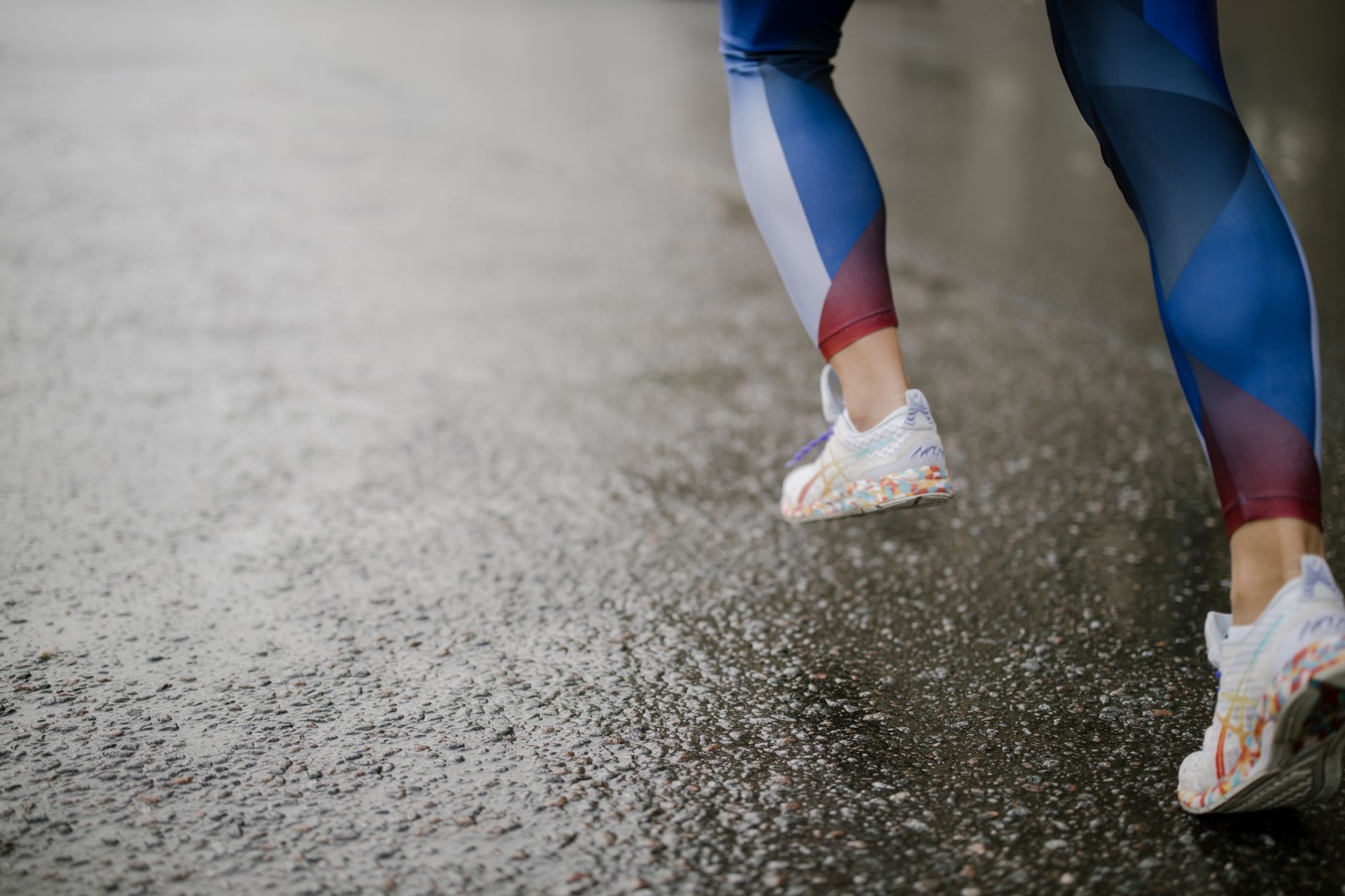
Photo by cottonbro studio
Making your race day choice
You cannot go wrong with either pair, as both are elite tools. The Nike Alphafly 3 vs Adidas Adios Pro 5 decision remains a matter of matching the shoe’s characteristics to your own biomechanics.
If you want maximum impact protection and a bouncy ride, choose the Nike model. If you crave a firm, responsive sensation that offers high control, the Adidas option will help you hit your goal.
Test both options during your long training runs to ensure they accommodate your foot shape and stride patterns. Your feet will swell during the marathon, so confirm that your choice provides enough space without causing friction. Once you commit to a pair, you can refine your marathon race strategy to complement the specific strengths of your gear. Trust your experience, pick the shoe that keeps your stride smooth, and focus on your effort until you cross the finish line.
Conclusion
The best marathon shoe is the one that disappears on your feet while you maintain your rhythm. Whether you favor the plush, bouncy ride of the Nike Alphafly 3 or the firm, precise connection of the Adidas Adios Pro 5, your choice should prioritize how you feel during those difficult final miles. You need a platform that keeps your legs protected and your stride efficient when fatigue sets in.
Focus on a pair that feels natural for your specific foot shape and stride pattern. A shoe that offers high energy return does little if it causes blisters or lacks the stability you need to navigate turns.
Always put your gear through a few long training efforts before race day. This ensures you have a clear plan for your marathon race strategy and builds confidence in your equipment. If you want to refine your preparation further, you can follow structured marathon training plans to build the fitness your chosen super shoe is designed to complement. Pick the tool that supports your goal, test it thoroughly, and trust your training when the starting gun fires.


