

Is the Newton Motion 13 Worth It? Comfort, Fit, and Value Review
Is Newton Motion 13 worth it for your runs, or is it one of those shoes that sounds better than it feels? The answer depends on what you want from a daily trainer, because this model gets judged on comfort, ride feel, fit, durability, and value, not hype.
If you’re looking for a practical buying guide, you’re in the right place. This post keeps things honest and simple, so you can see where the shoe delivers and where it may fall short, based on the details that matter most. For a closer look at the shoe itself, this Newton Motion 13 review helps set the stage.
We’ll also look at sizing, support, and who this shoe makes sense for, so you can decide whether it fits your training needs. If you’re comparing gear before you buy, these stack bundles may also help round out your setup.
What the Newton Motion 13 is designed to do
The Newton Motion 13 is built for runners who want a firmer, more structured ride than what most modern trainers deliver. It is not trying to feel soft and sink-in plush. Instead, it aims to keep your foot steady, encourage a quicker turnover, and give you a more connected feel on the road.
Build Your Complete Race-Day Setup
The right shoe helps, but faster racing comes from better training, pacing, recovery, fueling, and execution.
More Guides for This Shoe
That makes the shoe easier to understand once you know what you want from it. If you like a lively, guided ride and do not mind some firmness underfoot, the Motion 13 starts to make a lot more sense.
The running style it is built to support
The Motion 13 fits best with neutral runners who like a guided feel without heavy correction. It also works well for light speed work, short tempo runs, and daily training if you prefer a responsive shoe over a soft one.
For beginners, that means the shoe is designed to help you feel more in control during the run. It does not try to do all the work for you. Instead, it rewards a steady stride and a quicker step, which can feel great if you run with a higher cadence.
Runners who want a shoe for everything may want something softer for easy recovery days. But if your routine includes faster efforts, the Motion 13 has a clear job. It is meant to feel efficient, not lazy.
If you want a softer, more cushioned ride, this is probably not the shoe you reach for first.
How the design compares with more common trainers
Compared with mainstream cushioned trainers, the Motion 13 feels more direct underfoot. Many daily shoes aim for a smooth, padded landing that almost disappears beneath you. This model takes a different path, with a firmer platform and a more noticeable forefoot feel.
That difference matters. A softer shoe can feel like a couch cushion, while the Motion 13 feels more like a firm bench with spring in it. You stay closer to the ground, and the shoe asks for cleaner, more purposeful steps.
It is also more specialized in purpose. A lot of modern trainers are built to be one-shoe solutions for almost every run. The Motion 13 is more focused, so it makes a stronger case for runners who know they like a sharper ride.
If you want to compare that feel with another structured Newton option, the Newton Gravity 13 analysis helps show how this family of shoes approaches ride quality. For broader training gear, stack bundles from Nutrition Geeks can round out the rest of your setup.
Who is most likely to enjoy it
The Motion 13 is a strong match for runners who already know they prefer a firm and responsive ride. Experienced runners often notice the benefit first, because they usually know how much cushion they want and how much ground feel they like.
It can also work well for:
- Lighter runners, who may not want a max-cushion shoe
- Cadence-focused runners, who like a quick turnover
- Tempo-day runners, who want a faster feel without a race-only shoe
- Neutral runners, who want structure without a stiff stability post feel
Runners who dislike soft midsoles may appreciate the clear feedback. On the other hand, if your first priority is plush comfort for easy mileage, this shoe may feel a little demanding. That is why the Newton Motion 13 worth it question really comes down to your run style, not just the name on the box.
Newton Motion 13 worth it? The biggest strengths and tradeoffs
The Newton Motion 13 makes the most sense for runners who want a firmer, more guided ride with a quick feel underfoot. It has a clear personality, so the value question depends on whether that style fits your runs, your feet, and your weekly mileage.
Where the shoe shines on the run
The best part of the Motion 13 is the way it feels when you pick up the pace. It responds fast, especially if you run with a steady turnover and like a shoe that gets out of the way. The forefoot setup gives you a noticeable snap at toe-off, which can make workouts feel more efficient.
That ride also brings a strong sense of road feel. You stay connected to the surface, which many runners like during tempo runs, shorter daily runs, and form-focused sessions. If you want a more guided option, the Newton Motion 13 stability features can matter even more, especially if you want some support without a bulky feel.
A few strengths stand out clearly:
- Quick turnover that favors a lively stride
- Firm, responsive cushioning that avoids a mushy landing
- Good training versatility for moderate daily use and faster efforts
- A more connected feel for runners who like feedback from the road
The Motion 13 does its best work when you want efficiency more than softness.
Where some runners may feel let down
The same firmness that helps the shoe feel snappy can also limit its appeal. If you want a soft, sink-in ride for easy miles, the Motion 13 may feel harsh after a while. It asks your legs to do more work, so it can feel less forgiving on tired days.
Fit can also be a sticking point. Some runners will appreciate the secure feel, while others may want a little more room or a smoother upper. If sizing is a concern, the Newton Motion 13 sizing guide is a smart place to check before ordering.
Another tradeoff is that the shoe has a learning curve. The ride feels different from most modern trainers, so it may not click right away if you are used to softer midsoles. That does not make it bad, just more specialized.
How to tell if the value matches the price
The Motion 13 feels worth it when you will actually use its strengths. If you want one shoe for daily runs, light workouts, and days when you want a firmer, faster step, the cost makes more sense. If it sits in the closet because you only want plush comfort, the value drops fast.
Durability matters too. Newton notes that its shoes typically last 350 to 500 miles, depending on use and conditions, which gives you a decent window for training value. You can compare that lifespan against how often you plan to wear it, then judge the cost per run. The Newton Running help center gives a useful reference point on mileage expectations.
A simple way to judge it:
- If you want firm response and road feel, the value is stronger.
- If you need soft comfort for easy miles, it becomes harder to justify.
- If you will rotate it with another trainer, it makes more sense than using it alone.
If you are still comparing options, pairing it with broader training gear, like stack bundles from Nutrition Geeks, can help you build a setup that matches your running goals.
Fit, comfort, and sizing: what to expect before you buy
The Newton Motion 13 feels like a shoe with a clear personality. It gives you a snug, guided fit, a firmer ride, and enough structure to feel steady when your pace picks up.
That matters because fit affects more than comfort. It changes how secure the shoe feels, how well your foot stays in place, and how long you want to keep it on during a run.
How the upper feels on the foot
The upper feels light and close to the foot, with a secure wrap that helps the shoe stay planted while you move. The material has a technical mesh feel, so it gives you some airflow instead of trapping heat like a heavy, padded build.
Lockdown is one of the stronger parts of the fit. Once the laces are set, the heel and midfoot feel held in place, which helps on tempo runs and steady training days. That secure feel can also make the shoe feel more controlled over longer runs, as long as you like a firmer upper and do not need extra volume.
If you want a broader guide on fit, this running shoe sizing guide is a useful reference before you order. For runners who want to round out their training setup, stack bundles from Nutrition Geeks are another practical add-on.
Sizing advice for first-time buyers
Most runners should start with their regular running shoe size. The Motion 13 is not the kind of shoe that usually demands a dramatic sizing jump, but foot shape still matters.
If you have a wider forefoot, high insteps, or you prefer more room near the toes, a half-size up may feel better. If you like a snug, race-like fit, your normal size is the safer first try.
A simple way to think about it:
- Average-width feet usually do well in standard size
- Wide feet or swollen feet on long runs may want more room
- Runners who like a close fit may stay true to size
If you sit between sizes, the firmer feel of this shoe makes toe room more important than heel room.
Comfort on short runs versus longer runs
On short runs, the Motion 13 can feel quick and efficient right away. The firmer platform gives you clear feedback, so the shoe feels lively when your legs are fresh.
On longer runs, that same firmness can become more noticeable. If you are used to soft cushioning, the shoe may start to feel more demanding late in the workout, especially when your form gets sloppy or your feet begin to swell.
That does not make it uncomfortable for everyone. It just means the comfort is more about support and response than plush softness. If you want a shoe that disappears under you, this is probably not it. If you want a firm trainer that stays composed when the pace rises, the Motion 13 makes more sense and keeps the Newton Motion 13 worth it question very tied to your training style.
How the Motion 13 performs in real training use
The Newton Motion 13 makes a strong first impression once you run in it. It feels firm, direct, and quick to respond, which is great when you want a shoe that keeps pace with your legs instead of cushioning every step into softness. That same feel also shapes how it handles different workouts, so the best fit depends on how you train.
Easy miles and daily runs
For relaxed runs, the Motion 13 is comfortable if you like a firmer platform. It does not feel soft or pillow-like, but it stays steady and controlled, which can make easy miles feel smooth in a more grounded way. The shoe keeps your foot close to the road, so you get a direct feel that many runners enjoy on normal training days.
That said, comfort here is about structure more than plushness. If you want a shoe that fades into the background, this one may feel too present after a while. If you like a crisp ride and a bit of feedback underfoot, it can work well for steady aerobic runs and moderate weekly mileage.
It also pairs well with runners who use one shoe for multiple uses, then rotate in other gear for recovery work. If that sounds like your setup, stack bundles from Nutrition Geeks can be a practical add-on when you want to round out your training routine.
Tempo runs and faster efforts
The Motion 13 feels more at home when the pace picks up. It has enough snap to support tempo runs, progression workouts, and short intervals, especially for runners who stay light on their feet. The firmer ride helps you feel connected to each step, so it can make faster running feel focused instead of sloppy.
This is the part where the shoe makes the most sense for many runners. If you like a responsive trainer that encourages a quicker turnover, the Motion 13 gives you that without asking for a race-day price tag or an ultra-soft midsole. Runners who prefer a lively, guided feel will probably like it most.
The Motion 13 works best when you want pace and control, not a mushy bounce.
For a quick comparison point, the Newton Motion 13 long run suitability discussion helps show how this style of shoe holds up when effort changes. That matters if you want one shoe that can handle more than just easy jogging.
Long runs and recovery days
This is where the Motion 13 becomes more selective. It can handle long runs, but only if you like a firmer ride and already know your legs tolerate that kind of feel. If your stride stays efficient late in the run, the shoe can keep working well. If you want deeper cushion as fatigue builds, it may start to feel demanding.
Recovery days are the tougher match. After hard sessions, most runners want a softer, more forgiving shoe that reduces leg stress. The Motion 13 does not really chase that job, so it is better as a steady trainer or workout shoe than a pure recovery option. A softer daily trainer will usually make more sense if your main goal is taking pressure off tired legs.
In practical terms, the Motion 13 is best used like this:
- Great for steady runs, tempo work, and moderate mileage
- Usable for long runs if you like firm support
- Less ideal for easy recovery days and runners who want soft cushioning
The honest answer is simple. The Motion 13 performs well in training when you want efficiency and structure, but it is not the most forgiving choice for every day of the week. If you already enjoy firmer shoes, that tradeoff can feel right away.
How it stacks up against other running shoes in the same class
The Newton Motion 13 does not try to win the comfort contest. Instead, it competes on firmness, road feel, and quick turnover, which puts it in a different lane from many modern trainers. If you usually buy shoes for softness first, the Motion 13 will feel more focused and less forgiving.
That makes the comparison simple in one sense and tricky in another. Against other shoes in its class, it feels more specialized, more responsive, and less cushioned than the average daily trainer.
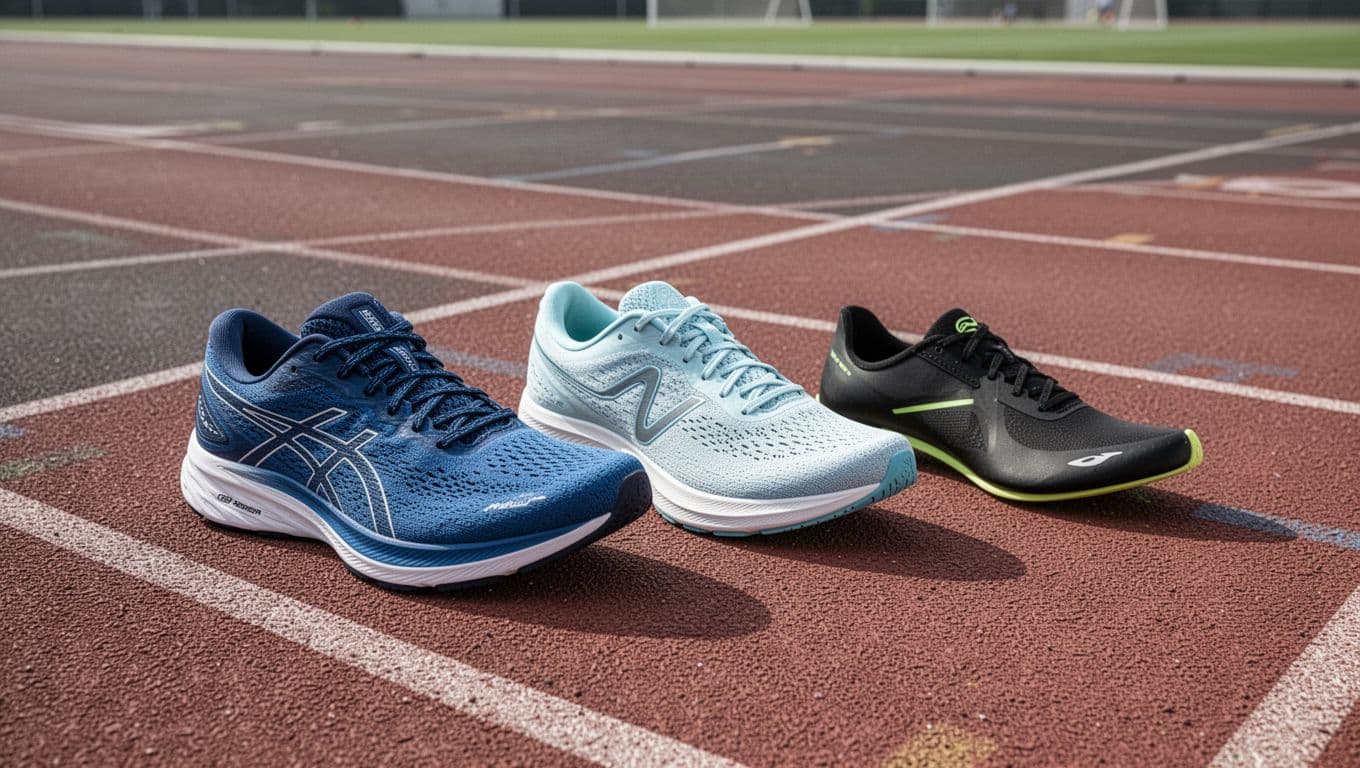
Compared with cushioned daily trainers
Compared with softer daily trainers, the Motion 13 feels much more direct underfoot. Many popular trainers are built to smooth out every step, with thick foam that takes the edge off impact. The Motion 13 does the opposite, so you notice the ground and your own mechanics more.
That difference changes the whole experience. A plush trainer is easy to wear on tired legs, while the Motion 13 asks for a cleaner stride and gives back more feedback. If you like a shoe that disappears under you, the Motion 13 will feel firmer than you expect.
This is where the Newton Motion 13 worth it question gets personal. Runners who want a cushioned cruiser may be happier with a softer daily trainer, especially for recovery runs and high-mileage weeks. Runners who want a steady, more structured ride may prefer the Motion 13 because it feels sharper and more purposeful.
For runners who want a mixed setup, pairing a firmer shoe like this with more relaxed gear can make sense. A simple way to balance your rotation is to keep one responsive trainer and one softer option, and stack bundles from Nutrition Geeks can help fill that gap without overbuying.
Compared with lightweight speed shoes
The Motion 13 can handle faster runs, but it does not fully replace a true tempo shoe. Lightweight speed shoes usually feel more stripped down, more aggressive, and ready for racing or hard intervals. The Motion 13 is firmer and quicker than many trainers, yet it still keeps more of a daily-training feel.
That means it works well as a bridge shoe. You can use it for tempo runs, progression efforts, and fast steady miles, then save a dedicated speed shoe for workouts that demand a lighter, snappier ride. In other words, it complements a tempo shoe more often than it replaces one.
If you only want one shoe for everything, the Motion 13 may cover a lot of ground. If you already own a proper speed shoe, this model fits better as the stable training partner. It gives you pace without feeling fragile.
The Motion 13 can run fast, but it still feels like a trainer first.
That matters if your week includes both easy mileage and workouts. A race-style shoe can feel better on hard days, but the Motion 13 brings more structure and durability into the mix. For many runners, that makes it the better everyday option.
Who should choose a different shoe instead
Some runners will probably be happier elsewhere, and that is fine. If you want a soft, forgiving shoe for long easy runs, the Motion 13 is not the best match. The same goes for runners who want a maximal cushion feel with very little ground feedback.
You may want a different shoe if you are:
- A recovery-run runner, because you want more softness after hard sessions
- A beginner who prefers cushion, because the firmer ride can feel harsh at first
- A high-mileage comfort shopper, because plush daily trainers are easier on tired legs
- A wide-footed runner, if you need more room than the secure fit provides
- A pure speed runner, if you want a lighter shoe built only for workouts and race pace
The Motion 13 also may not suit runners who dislike any learning curve. Its feel is specific, and it rewards runners who already know they like firm, responsive shoes. If that sounds like you, it can make sense fast. If not, another trainer will probably feel better from the first mile.
The simplest takeaway is this, the Motion 13 is a better fit for runners who want structure and response than for those chasing softness. If that sounds like your style, the shoe stacks up well in its class. If comfort is your top priority, look at something more cushioned instead.
Newton Motion 13 FAQ
The Newton Motion 13 has a clear feel, so most questions come back to the same themes: firmness, fit, and who will actually enjoy the ride. If you like a shoe that feels direct and steady, the answers below should help you decide whether it fits your training.
Is Newton Motion 13 good for beginners?
It can work for beginners, but only if you already like a firmer ride. The shoe is easy to put on and run in, yet the feel is different from the soft, forgiving trainers many new runners pick first.
A beginner who wants better ground feel and a more guided step may adapt quickly. A beginner who expects a plush, easygoing shoe may need a few runs to get used to it.
If you want your first shoe to feel gentle right away, this one may feel a little firm.
Does Newton Motion 13 run true to size?
For most runners, yes, it runs close to true to size. Start with your usual running shoe size if you like a secure fit and don’t need extra toe room.
Runners with wider feet, high arches, or swollen feet on longer runs may prefer a half-size up. The fit leans snug, so toe space matters more than a loose heel.
Is the ride firm or soft?
The ride is firm, with a responsive feel underfoot. It does not have the soft sink of a max-cushion trainer, and that’s the point.
You feel more of the road, which helps if you want quick turnover and steady control. If you want a shoe that disappears under you, this one will probably feel too present.
Can you use it for daily training?
Yes, but it works best as a focused daily trainer, not an all-day comfort shoe. It can handle regular mileage, steady runs, and some uptempo work, especially if you like a structured feel.
For easy recovery days, though, a softer shoe may be a better match. Many runners keep the Motion 13 for normal training and pair it with a plusher option like the stack bundles from Nutrition Geeks for the rest of the week.
Is it good for long runs?
It can be, but long-run comfort depends on what you like. If you enjoy firm support and stay efficient late in the run, the Motion 13 can hold up well.
Runners who want more cushion as fatigue builds may start to feel the firmness after a while. That makes it better for moderate long runs than for relaxed, comfort-first outings.
How durable is the Motion 13?
Durability is one of its better traits in normal training. The outsole is built to handle regular road use, and the upper should hold up well if you treat it like a daily trainer instead of a race shoe.
Over time, the firm platform can keep its shape better than softer foams that break down faster. The upper also feels secure enough for repeated use without much fuss.
Does it help with speed work?
Yes, it can handle tempo runs and intervals better than many everyday trainers. The firm forefoot and quick toe-off give it a lively feel when you pick up the pace.
It’s not a pure speed shoe, so don’t expect a feather-light racer feel. Still, for controlled workouts and faster steady miles, it has enough snap to keep things moving.
Is the price fair for what you get?
The price makes sense if you value structure, road feel, and a shoe that can do more than easy jogs. If you want soft comfort first, the value drops fast.
What you’re paying for is a more specialized ride, not a plush one. That can be a good deal if the fit and feel match your runs, because a shoe you actually reach for is always better value than a cheaper one you avoid.
Is it worth it for heavier runners?
It depends on the runner. Some heavier runners will like the stable, grounded feel because it offers good contact with the road and a steady base.
Others may want more cushioning for comfort over longer distances. If you carry more body weight and prefer softer landings, the Motion 13 may feel too firm for daily use.
Should you buy it over a softer trainer?
Buy the Motion 13 if you want response, structure, and a more connected ride. Choose a softer trainer if comfort, recovery, and easy mileage matter more to you.
That’s the real decision here. If you want one shoe that encourages a sharper, more deliberate stride, the Motion 13 makes sense. If you want a shoe that protects tired legs, a softer option is the better pick.
Conclusion
The Newton Motion 13 is a specialized trainer that rewards runners who appreciate a firm, responsive ride and a grounded feel. It is not designed for those seeking cloud-like softness or a shoe that fades away underfoot. If you enjoy feeling connected to the road and want a stable, structured partner for tempo runs or steady miles, this shoe is a great match.
You should skip this model if your primary goal is recovery-day plushness or if you prefer a maximalist cushion. It also may not suit runners who need extra room for their feet to spread out. The shoe works best when integrated into a varied rotation of footwear.
If you are looking for additional support for your daily training schedule, check out these stack bundles to round out your gear. Ultimately, the Motion 13 proves its worth when your training goals prioritize efficiency and control over pure softness.


