

Newton Motion 13 Daily Trainer Review: Comfort, Fit, and Ride Quality
If you want a daily trainer that feels different from a soft, max-cushion shoe, the Newton Motion 13 Daily Trainer deserves a close look. This review helps you decide whether it fits your training needs, without hype or guesswork.
You’ll get a practical look at fit, ride feel, daily mileage use, comfort, durability, and value, so you can see where it fits in your rotation. If you like comparing shoes across brands and categories, the running shoe reviews hub can also help put it in context.
That matters because the right trainer should match how you run, how often you train, and how your legs feel after the miles add up. For runners who care about recovery habits too, hydration for endurance plays a bigger role than many people think, and this shoe review will show whether the Motion 13 belongs in that bigger picture.
Newton Motion 13 Daily Trainer Review: The first impression matters
The Newton Motion 13 makes its case fast. You notice the build right away, and you notice the ride even faster. For runners used to soft, marshmallow-style trainers, this shoe feels more direct and more purposeful.
Build Your Complete Race-Day Setup
The right shoe helps, but faster racing comes from better training, pacing, recovery, fueling, and execution.
More Guides for This Shoe
That first impression matters because it shapes everything that follows. If you want a trainer that feels lively underfoot and stable through the stride, the Motion 13 gets your attention before the run even starts.
How the shoe looks and feels in hand
The upper looks straightforward and functional, with a finish that feels built for training, not for show. In hand, the Newton Motion 13 Daily Trainer feels lighter than its outsole suggests, yet it still carries a sturdy, old-school vibe. That balance gives it a more traditional feel than many modern trainers that lean hard into super-soft foam and oversized midsoles.
The outsole presence is obvious, and that matters. You can see and feel that this shoe is made to handle repeated road miles, with a design that looks durable rather than delicate. The materials do not feel flashy, but they do feel honest, and that often tells you more about a shoe than a polished first glance.
A few things stand out right away:
- Upper feel: secure, practical, and built to hold shape
- Outsole presence: noticeable and ready for mileage
- Overall build: firm in hand, with a stable, no-nonsense setup
That mix is useful if you prefer a shoe that feels like it has a job to do. It doesn’t try to disappear on foot like some ultra-soft trainers do, and that can be a good thing for runners who want structure and a more grounded ride. For comparison, the softer feel you get in shoes like the ASICS Gel Nimbus 26 review is aimed at a very different kind of first impression.
What makes it different from other daily trainers
The Motion 13 stands out because it doesn’t chase the same feel as most daily trainers. Instead of a plush, sinking ride, it gives you more feedback from the ground and a more assertive toe-off. That makes the shoe feel responsive without turning it into a speed shoe.
Its design also shapes how you move through the stride. The shoe has a more guided, almost rolling feel that encourages a smooth transition, so each step feels deliberate. If you like a trainer that adds a bit of rhythm to easy miles and steady runs, that can be a real plus.
What separates it from the pack is the way it balances firmness, structure, and movement. Many daily trainers blur together after a few steps, but this one leaves a clearer impression. It feels like a shoe for runners who want a stable platform and a ride with character, not just softness for the sake of softness.
Proper daily training still depends on the full picture, though, and recovery habits matter too. Good fueling and hydration for runners help keep those daily miles feeling smooth when the workload builds.
Fit, comfort, and sizing in the Newton Motion 13
The Newton Motion 13 Daily Trainer has a fit that feels secure without being sloppy. It is the kind of shoe that rewards runners who want a locked-in ride, but it can feel a little narrow if you prefer a roomy toe box. That makes sizing the first thing to get right, because the right length and width shape the whole experience.
True-to-size or size up?
For most runners, the Newton Motion 13 Daily Trainer works best true to size. The shape is on the snug side through the midfoot and forefoot, so a half-size up can make sense if you have wider feet, higher volume feet, or you like extra toe room on longer runs.
Newton also recommends a half-size up on the product page for a best fit, which lines up with the shoe’s more fitted shape.
If you usually sit between sizes, go with the larger option. That gives you a little more room for foot swell and helps avoid toe pressure when you pick up the pace.
For runners who need a fit check, this running shoe sizing guide is a useful reference before you order. The Motion 13 does not offer much forgiveness in the front of the shoe, so getting the starting size right matters more than it does with softer, roomier trainers.
If you want a relaxed fit, this is not the safest shoe to buy tight.
Upper comfort on longer runs
The upper feels structured and stable, and that helps the shoe hold its shape as the miles build. Breathability is decent for a daily trainer, though it is not the airy, barely-there kind of upper you get on lighter mesh racers. On warmer days, it still ventilates well enough for steady training runs.
The tongue has enough padding to keep lace pressure under control, and the collar feels supportive without digging in. That matters once your foot starts to swell, because a thin upper or stiff heel collar can turn a good shoe into a distraction after an hour out.
For longer runs, the Motion 13 stays comfortable if you like a secure fit. Runners who prefer a soft, disappearing upper may want more give, but those who want a firm hold through the midfoot will probably be happy.
Proper hydration also helps here, since swollen feet often show up when you are under-fueled or under-hydrated, and hydration for endurance plays a bigger role than many runners realize.
For most runners, the takeaway is simple: the Motion 13 fits best when you respect its shape. Buy for security, not extra volume, and the shoe feels much better once you start stacking miles.
How the Newton Motion 13 feels on the run
The Newton Motion 13 Daily Trainer has a very clear personality once you start moving. It feels controlled, springy, and a little more direct than most trainers in this class. That makes it easy to understand on day one, because the shoe tells you what it wants to do.
It does best when you want a ride with feedback. If you prefer a soft platform that fades into the background, this one will feel firmer and more focused. If you like a shoe that keeps your stride honest, the Motion 13 feels natural fast.
Cushioning that feels firm, soft, or just right
The cushioning lands in the firmer, more responsive part of the spectrum. There is enough underfoot protection for daily miles, but it never turns mushy or overly plush. That keeps the shoe lively on easy runs, and it helps steady pace work feel a bit more efficient.
On recovery runs, the ride can feel a touch firm if your legs are tired or you want a cloud-like landing. Still, the cushioning is not harsh. It gives you support without deadening the run, which is a better match for runners who like to stay connected to the road.
For steady efforts, the balance works well. The shoe rolls forward cleanly and gives a little pop at toe-off, so the pace feels easier to hold. If you want a shoe that feels more responsive than soft, the Motion 13 fits that lane well. For a different kind of versatile ride, the Saucony Endorphin Speed 6 review shows how a more snappy daily trainer compares.
If plush cushioning is your top priority, this shoe may feel firmer than you want.
Stability and support for daily miles
The platform feels stable through corners, landings, and longer efforts. You do not get much wobble, which helps when you change direction or settle into tired legs late in a run. That steady base gives the shoe a confident feel without making it feel stiff.
Neutral runners should feel right at home here. The Motion 13 does not push the foot around, and it keeps the stride centered well enough for daily training. At slower paces, that secure feel matters even more, because some firmer shoes get sloppy when the turnover drops. This one stays composed.
A few traits stand out on the run:
- Turns feel controlled, not loose
- Landings feel stable and predictable
- Longer runs keep a steady, grounded feel
- Slow paces still feel secure underfoot
That mix makes the shoe useful for runners who want support without a lot of extra structure. It feels planted, not bulky, which is a good sign for everyday mileage.
Ride feel for easy days versus faster efforts
The Motion 13 shines most on easy mileage and steady runs. It has enough response to keep the pace from feeling flat, yet it still feels calm enough for routine training. That makes it a good pick when you want one shoe to handle a lot of the week.
Moderate tempo work also suits it. The shoe picks up well enough for controlled efforts, especially if you like a firmer, more direct toe-off. It will not feel like a race shoe, but it can handle workouts that sit below all-out speed.
For mixed training, the ride feels practical and versatile. You can cruise through warm-ups, settle into a steady middle section, and finish with a little more snap than a soft trainer usually gives. That flexibility helps the Newton Motion 13 Daily Trainer earn a place in a regular rotation, especially if you care more about rhythm than max cushioning.
Hydration still matters on these runs, especially when your mileage builds and the legs start to feel flat. A good reminder lives in hydration for endurance, because even a responsive shoe feels better when your body is ready to work.
Outsole grip, durability, and real-world wear
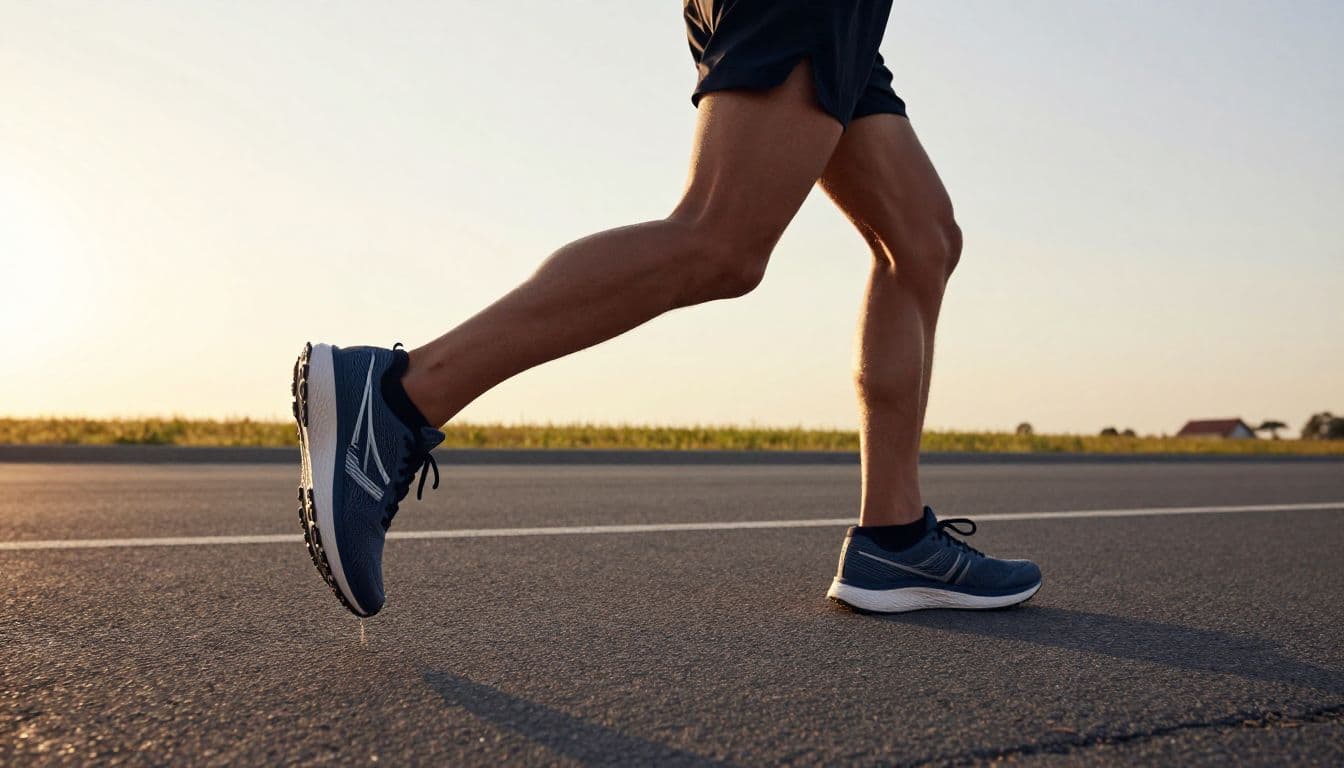
The Newton Motion 13 Daily Trainer does a lot of its work underfoot. The outsole is not there just for show, because it gives the shoe its planted feel and helps it stay composed on everyday routes. That matters more than flashy specs when you’re running in the real world, where pavement changes, corners tighten, and the ground is not always dry.
Traction on roads and everyday routes
On dry pavement, the shoe feels dependable and surefooted. The outsole grips cleanly on sidewalks, asphalt, and bike-path style surfaces, so you don’t get that skittish feeling some firmer trainers can create. It feels stable during quick direction changes too, which helps when you cut across curbs, park paths, or uneven driveway edges.
Damp roads are more of a mixed bag, but the Motion 13 still stays controlled. You won’t treat it like a trail shoe in wet weather, yet the outsole gives enough confidence for normal city running and light misty conditions. That matters on early mornings, when the ground is slick but not soaked.
For light mixed surfaces, the shoe keeps its grip well enough for brief transitions between pavement, packed dirt, and rough paths. It is still a road trainer first, so it doesn’t replace a true all-terrain option. Even so, the outsole pattern gives you enough bite to keep moving without second-guessing every step.
The grip feels most reassuring when the pace is steady and the route is familiar.
What should hold up over time
The outsole coverage looks like the part most likely to age well. Newton has put enough rubber in the high-wear zones to handle repeat road mileage, and that should help the shoe keep its shape longer than lighter, thinner-outsole trainers. A review of the Newton Fate 8 durability test shows the brand has a track record for building road shoes that can take a beating, and the Motion 13 follows that same practical mindset.
The first wear marks will probably show up in the usual spots:
- Forefoot lugs and contact points where the shoe pushes off most often
- Heel edges if you land heavily or drag the back of the shoe
- Flex zones where the outsole bends with each stride
That wear pattern makes sense for a daily trainer built for regular road use. The foam and upper should still look serviceable after the outsole starts to show scuffs, but the tread will tell you a lot about how the shoe is being used. If you rotate shoes and avoid grinding them into wet grit and hot pavement, you should get solid mileage before the tread looks tired.
Simple care helps too. A quick brush-off after runs, plus time to dry between sessions, goes a long way. Even runners on forums about shoe care point to the same basics: keep them clean, keep them dry, and give them rest between runs. For a quick reference on that idea, this discussion on extending running shoe life lines up with the common-sense approach.
The Motion 13 looks built to age in a predictable way, which is a good sign for a daily trainer. When a shoe wears down where you expect, it usually means the design is doing its job.
Where the Newton Motion 13 fits in a weekly training rotation
Integrating a shoe into your routine depends on its specific ride and how your legs respond to its design. The Newton Motion 13 Daily Trainer provides a firm, responsive base that helps you maintain a consistent rhythm.
It differs from plush recovery shoes, so its best role is handling your baseline mileage. You can place it in your rotation to provide structure on days where you want to stay engaged with the ground. By rotating this pair with softer options, you can give your feet varied sensory feedback throughout the week.
Best run types for this shoe
The Motion 13 excels during runs where you want a reliable, predictable platform. Its responsive nature makes it a great choice for steady-state efforts and moderate-paced miles. Because the shoe encourages a quicker cadence, it feels natural when you transition from an easy warm-up into a sustained, rhythmic pace.
You should consider this model for:
- Easy daily runs: Use it when you want a grounded, stable feel that helps you maintain form without feeling sluggish.
- Moderate steady-state training: The firm toe-off rewards a consistent effort and helps you hold your target pace.
- Short recovery jogs: If you prefer a firmer feel over a soft one, this shoe keeps you upright and moving efficiently.
If you find your legs feel dead in overly soft shoes, this firmer setup acts as a corrective tool. It keeps your stride active even on days when your energy levels are lower. Just remember that proper hydration for endurance is essential for keeping those daily miles feeling smooth, regardless of which shoe you choose.
Who should probably skip it
Not every runner benefits from a firm, lug-based trainer. If your preference leans heavily toward maximalist, sink-in comfort, you might find the Newton Motion 13 Daily Trainer too direct for your taste.
The ride is deliberate and provides significant ground feel, which some runners enjoy but others might find jarring over long distances.
You may want to skip this model if you gravitate toward these features:
- Ultra-soft, pillowy foam: If you prioritize a squishy landing that isolates your joints from every impact, this shoe will feel quite firm.
- High-energy return bounce: This shoe is efficient and snappy, but it lacks the bouncy, trampoline-like sensation found in modern super-foams.
- Minimalist racing feel: The structure and weight prioritize durability and support, which might feel cumbersome if you want an ultra-light shoe for speed workouts.
If you enjoy a traditional trainer that feels grounded and responsive, this shoe fits the bill well. However, if your joints demand maximum cushion or your fast-day needs require a feather-light weight, you will likely prefer a different category of running shoe.
Newton Motion 13 Daily Trainer review: Pros and cons at a glance
Understanding the strengths and weaknesses of the Newton Motion 13 Daily Trainer helps you decide if it fits your training style. Every shoe has a personality, and this model leans heavily into a firm, responsive ride that caters to runners who prioritize ground feel over soft cushioning.
The biggest reasons to like it
The most attractive part of the Newton Motion 13 Daily Trainer is its predictable, stable platform. You get a consistent ride that feels secure through corners and during longer training blocks. If you struggle with shoes that feel too mushy or unstable underfoot, this design provides a refreshing sense of control.
Several features stand out:
- Stable base: The construction keeps your foot centered throughout the gait cycle, which is helpful when your legs get tired late in a run.
- Durable build: The outsole rubber resists wear well, making it a reliable workhorse for those who put in high mileage every week.
- Responsive toe-off: The unique lug setup in the forefoot encourages a snappy, efficient transition. This makes the shoe feel faster than many other daily trainers.
- Secure fit: The upper locks your midfoot down, ensuring you don’t slide around during faster efforts or winding routes.
Because it offers a more grounded sensation, it is an excellent choice for runners who want to stay connected to the road. It doesn’t rely on gimmicks or massive stack heights to get the job done; instead, it relies on a tried-and-true geometry that favors rhythm and form. Maintaining proper hydration for endurance ensures your legs feel ready to capitalize on that responsive platform regardless of your weekly volume.
The main drawbacks to know before buying
While the firm ride is a major benefit for many, it can also act as a deal breaker. If your training strategy relies on maximum impact absorption or a plush, sink-in feeling, this shoe might feel harsh. It is intentionally built for feedback rather than pure comfort, which means you will feel more of the pavement through each landing.
Other considerations include:
- Weight: It isn’t a racing flat, so some runners might find it feels a bit substantial during track workouts or speed sessions.
- Fit sensitivity: The toe box is relatively snug. If you prefer a wide, splayed forefoot feel, you might find the fit constrictive unless you size up.
- Limited bounce: Runners looking for the trampoline-like energy return of modern super-foams may feel disappointed by the more traditional, direct cushion of this model.
- Aggressive sensation: The forefoot lug system is a signature Newton feature that takes time to adjust to. If you are used to a smooth, flat midsole, the sensation under your toes will feel different.
Choosing the right tool for your specific running goals is the key to a successful rotation. If you prioritize protection above all else, you may find other options in our running shoe reviews hub align better with your needs. The Newton Motion 13 is a specialist in providing a grounded, stable, and responsive experience for those who prefer function over fluff.
Frequently Asked Questions
Many runners have specific questions about how the Newton Motion 13 fits into their routine. This section covers the most common points so you can decide if it is the right match for your training.
Is the Newton Motion 13 true to size?
Yes, the Newton Motion 13 fits true to size for most people. Because the upper features a snug, locked-in design, you might feel some pressure if you have wider feet. If you sit between two sizes, choose the larger one. Also, runners who prefer extra room in the toe box for long-distance training often benefit from going up a half-size.
Is the Newton Motion 13 good for beginners?
Newer runners can certainly use this shoe, but they should know it feels different from many standard trainers. The signature lug system in the forefoot encourages a more active, rhythmic gait.
If you appreciate a shoe that provides gentle guidance toward a better stride, you will likely enjoy it. However, if you prefer a shoe that feels completely neutral and soft, you might need a few runs to adjust to the specific sensation under the toes.
Can the Newton Motion 13 handle long runs?
It handles long runs well for those who prefer a responsive ride. The cushioning stays consistent over high mileage without breaking down or turning mushy.
Still, the ride is firmer than what you find in max-cushion trainers. If your legs fatigue easily and you rely on soft foam to absorb impact during those final miles, this shoe might feel a bit demanding toward the end of a long effort.
Is it better for easy runs or workouts?
This shoe excels during easy daily runs and moderate-paced steady efforts. It is a fantastic option for training blocks where you want a reliable, stable platform that maintains your form.
While it manages tempo work effectively, it isn’t an out-and-out speed shoe. If you want something for track intervals or race day, you might want a lighter, more aggressive option.
Does the Newton Motion 13 feel soft or firm?
The ride is firm and responsive rather than soft. You will notice significant ground feedback, which helps you stay connected to the road with every step. It avoids the sensation of sinking into the foam, making it a great choice for runners who find “cloud-like” trainers to be unstable or unresponsive.
Is the shoe stable for neutral runners?
It offers excellent stability for neutral runners. The geometry of the sole keeps your foot centered throughout the gait cycle, which provides a sense of security. You won’t feel like you are rolling off the sides of the shoe, even when you encounter uneven pavement or navigate tight turns.
How breathable is the upper?
The mesh upper is quite breathable and handles warm weather well. You will find that it allows enough airflow to keep your feet comfortable during long summer sessions. While it isn’t as thin as a specialized racing upper, it strikes a great balance between structure and ventilation for everyday training.
How durable is the outsole?
The outsole is very durable and built for high-mileage users. The rubber placement targets high-wear zones to ensure the shoe lasts through hundreds of miles of road use. You should expect the tread to hold up well long after the midsole starts to lose its initial snap.
Is the Newton Motion 13 worth the price?
It is a great value if you want a reliable daily trainer that prioritizes longevity and form. Because the materials are built to withstand consistent pounding on the road, you get a lot of life out of each pair. If you value a responsive, stable ride over soft, disposable foam, the cost is justified by the performance it delivers.
Who is this shoe best for?
The Newton Motion 13 is best for runners who want a stable, responsive daily trainer that encourages a consistent rhythm.
It is a perfect fit for anyone who dislikes mushy shoes and prefers to stay connected to the ground. For those hitting the road often, staying on top of hydration for endurance is the best way to make sure your legs stay fresh enough to fully enjoy the responsive feel of this trainer.
Conclusion
The Newton Motion 13 Daily Trainer offers a firm, responsive ride for runners who prefer ground feel over excessive cushion.
Its stable platform and durable construction make it a reliable choice for steady, daily mileage. While the snug fit and direct sensation underfoot might not suit everyone, it excels for those who want a predictable shoe that encourages a consistent, rhythmic stride.
If you struggle with soft trainers that feel mushy or unstable, this shoe provides the control you need. It performs best for daily runs when paired with smart recovery habits, such as proper hydration for endurance. For a deeper look at how this model holds up against other trainers in your rotation, check out our running shoe reviews hub.
Choose this trainer if you prioritize structure and response over a pillowy landing. If the snug fit allows, it earns a spot as a workhorse that handles your routine miles with efficiency.


