

Newton Motion 13 Beginner Review: Fit, Stability, and Feel
The Newton Motion 13 Beginner gets attention for one simple reason, it looks like a stability shoe with a firmer, more structured feel than many new runners expect. If you’re wondering whether that helps or hurts comfort on easy runs, you’re in the right place.
Beginners usually want the same answers before they buy, does it fit well, does it feel stable, and is it worth the price for the ride it gives? If sizing is on your mind too, the Newton Motion 13 sizing guide can help narrow that down, while hydration and endurance tips matter once you start logging more miles.
This review keeps things simple and practical, so you can tell whether this shoe fits your needs before you spend the money.
What the Newton Motion 13 is built for, and why beginners care
The Newton Motion 13 is built for runners who want more structure underfoot than a soft daily trainer usually gives. It feels steady, a little firm, and more guided through the stride, which matters a lot when you are still learning what a normal run should feel like.
Build Your Complete Race-Day Setup
The right shoe helps, but faster racing comes from better training, pacing, recovery, fueling, and execution.
More Guides for This Shoe
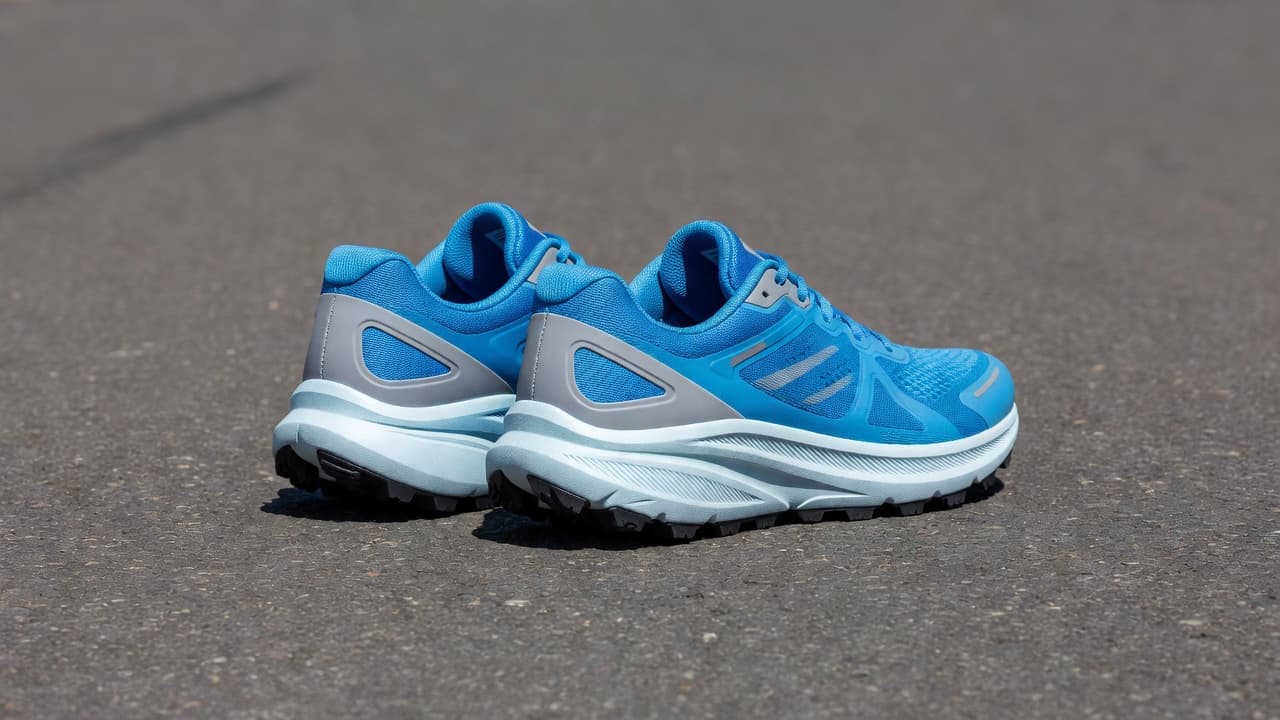
For a Newton Motion 13 beginner, that setup can be helpful because it takes some of the guesswork out of foot placement. Instead of sinking into a plush foam bed, you get a shoe that feels purposeful and controlled.
The ride style and support level in simple terms
The ride feels firm first, then responsive. That means the shoe does not collapse much when you land, and it gives you a clear platform to push off from. Some runners like that because it feels stable and surefooted, almost like standing on a firm trail rather than a couch cushion.
That firmness also means the Motion 13 is not trying to hide every part of your stride. It gives guidance through the middle of the foot and keeps the shoe from feeling loose or sloppy. For new runners, that can be a plus because it helps you feel where the shoe is taking you, instead of letting your foot sink and drift.
A softer shoe can feel nicer at first, but softness and support are not the same thing. Soft foam absorbs more impact, while a more responsive shoe gives back a quicker, snappier feel. If you are still building running form, that difference matters because a stable shoe can make the run feel more controlled without turning it into a heavy motion-control ride.
If you want a shoe that feels planted and predictable, the Motion 13 makes sense. If you want a pillow-like landing, it probably won’t be your favorite.
Who should consider Newton Motion 13 first
This shoe fits best if you are a beginner who wants a guided feel, or if you are coming back after time off and want something steady underfoot. It also works well for runners who like clear feedback from the shoe, because that firmer setup can make each step feel more defined.
It can be a smart pick if you tend to want a little structure during easy runs, long walks, or short run-walk sessions. For readers building habits, that kind of consistency can matter more than a soft first impression. The beginner running tips guide is a useful match if you are still figuring out how to keep runs simple and repeatable.
The Motion 13 is less appealing if you want max cushioning or a very plush ride. Runners who love a soft landing may feel like it is too firm for daily comfort. If your priority is a cushioned trainer that disappears under you, this is probably the wrong direction.
For runners comparing it with other stability options, Runner’s World’s stability shoe guide gives a helpful look at why firmer shoes often work well for support-focused needs.
How the Newton Motion 13 beginner review feels on the run
The Newton Motion 13 beginner experience is easy to describe once you lace it up. It feels firm, controlled, and very aware of the ground under you. That can be a good thing if you want a shoe that keeps your stride honest, especially on relaxed miles and short training runs.
The main question is not whether it feels cushioned in a soft, sink-in way. The better question is whether it feels stable enough to help you stay balanced while you learn what a steady running rhythm feels like. For many first-time buyers, that difference matters more than stack height or foam jargon.
Fit, lockdown, and first-step comfort
The fit feels secure right away, which is one of the first things beginners notice. The upper holds the foot in place without much extra movement, and the heel tends to stay settled instead of slipping around. That gives the shoe a more confident feel before you even reach the first mile.
The toe box offers enough room for natural toe spread, but it does not feel sloppy. You want a little space in front of the toes, not a cramped front end and not a boat-like fit. If the toes brush the front while standing still, the size is too short.
Heel hold matters just as much. A beginner can check it in the store by walking, jogging in place, and doing a few quick turns. If the heel stays planted and the midfoot feels snug without pressure points, the fit is probably close.
When you try them on, focus on three things:
- Toe room: You should have a thumb’s width of space in front of the longest toe.
- Heel hold: The back of the shoe should feel locked in, not loose or floaty.
- Upper comfort: The top of the foot should feel secure, but never pinched.
If the shoe feels good while standing, walking, and doing a short jog, it usually feels good on the run too.
If you want a second opinion on fit basics, REI’s running shoe fit guide explains the same checks in plain language. A good fit should feel calm and secure, not tight and fussy.
Cushioning and impact feel on short runs
The cushioning sits more on the firm side than the soft side. It does not give you that marshmallow-like drop-in feel, and that may surprise runners who expect a plush daily trainer. Instead, the shoe gives a more direct road feel, which can feel clean and controlled on easy runs.
On short road runs, that firmness helps the shoe stay stable when your pace changes a little. It also keeps the landing from feeling mushy, so each step feels clear. On a treadmill, the same setup can feel even more obvious because the belt reduces some outside noise and leaves you with the shoe’s natural ride.
For everyday training, the Motion 13 works best when you want a steady shoe for regular miles, walks, or run-walk sessions. It is not the kind of shoe that disappears under you, and that is fine if you like feedback from the ground. Beginners who want more cushion may find it a little harsh at first, especially if they are used to softer fitness shoes.
Short, easy runs also show why hydration and recovery matter. A firmer shoe can feel less forgiving when your legs are tired, so simple habits help. Hydration and endurance tips can support those early miles if you are building a routine.
Stability and smoothness for newer runners
The Motion 13 feels helpful if you are still working on steady form. It keeps the foot centered and gives a clear platform, so the shoe does a bit of the guiding for you. That can make your stride feel more organized, especially when fatigue starts to show up.
Transitions are fairly smooth for a stability shoe. The shoe does not feel loose or wobbly when you move from landing to push-off, and that helps the run feel predictable. It is not a bouncy ride, but it moves in a straight, confident line.
That predictability is useful for newer runners because it removes some guesswork. Instead of wondering whether the shoe will twist or collapse, you get a stable base that lets you focus on posture, cadence, and breathing. If you are still learning how your foot should land, that kind of feedback can help a lot.
For a closer look at how this model handles support, the Newton Motion 13 stability features section adds useful context. The bigger picture is simple, the shoe rewards a controlled stride and works best when you want your running form to feel grounded, not cushy.
Key features that matter before you buy
The Newton Motion 13 Beginner makes the most sense when you know what to check before adding it to your cart. A good fit, a steady ride, and durable grip matter more here than flashy details, especially if you plan to use the shoe for regular training miles.
The shoe has a firmer personality, so the best features are the ones that support comfort and control over time. If you are comparing it with other options, pay attention to the upper, the midsole, and the outsole, because those three parts shape almost everything you feel on the run. For a wider look at hydration and recovery habits that help new runners stay consistent, hydration and endurance tips are useful once the miles start stacking up.
Upper materials and breathability
The upper on the Motion 13 feels secure and structured, which helps the foot stay in place during easy runs. It does not have a loose, roomy feel, so beginners who like a locked-in fit will probably appreciate it right away. That close fit can also help reduce side-to-side movement when your pace changes.
Breathability matters more than many first-time buyers expect, especially in warm weather or on longer outings. The material lets air move through well enough for daily use, so your feet do not feel trapped after a few miles. Still, the shoe leans toward support and hold, not a feather-light, barely-there feel.
If you like a snug upper, this one works. If you prefer extra wiggle room in the forefoot, sizing and width choices matter more here than they would in a softer trainer. A secure upper is useful on daily runs because it helps the shoe feel stable without asking your foot to do extra work.
Midsole response and ground feel
The midsole is where the Motion 13 makes its point. It feels firmer than a plush cushioned shoe, and that gives you a clearer sense of the road underfoot. Beginners often notice this right away because each step feels direct, not buried in foam.
That firmness can be a benefit if you want a shoe that feels steady and predictable. The ride has some bounce, but it stays controlled, so the shoe gives back energy without feeling springy in a wild way. For new runners, that can make pacing easier because the shoe does not mask your landing or push-off.
The ground feel is also part of the appeal. You stay connected to the surface, which can build confidence on short runs and everyday training. If you are still learning what a comfortable stride feels like, that clearer feedback can be helpful, even if it takes a run or two to get used to it.
A firmer midsole can feel less soft at first, but it often feels more stable once you settle into your pace.
For readers who want a deeper look at how the shoe behaves over time, the Newton Motion 13 in-depth review adds more context on comfort and daily use.
Traction and outsole durability
The outsole gives the shoe another practical edge. On dry roads, grip feels dependable, so you can move through easy miles with confidence. Light wet surfaces are manageable too, although you still want to stay alert on painted lines, slick pavement, or polished crosswalks.
Durability matters just as much as grip, especially for beginners who want a shoe that lasts through many training miles. The outsole looks built to handle repeat use without wearing down too fast, which is important if this becomes your regular run shoe. A shoe that holds its structure longer can save you from replacing it sooner than expected.
If your runs include a mix of roads, sidewalks, and occasional damp patches, this outsole setup makes sense. It is not designed for rough trails, but it should cover most beginner training plans well. That balance of grip and wear resistance is one reason the Motion 13 feels like a serious daily trainer rather than a short-term experiment.
How it compares with other beginner running shoes
The Newton Motion 13 Beginner sits in a different lane than many shoes new runners try first. A lot of beginner models chase softness and instant comfort, while this one gives you more structure, more ground feel, and a firmer ride.
That difference can help if you want your shoe to feel steady and controlled. It can also feel a little less forgiving if you expect a plush, sink-in landing. For many new runners, that is the main tradeoff, comfort on first step versus control over the full run.
Compared with soft daily trainers
Soft daily trainers usually feel easy right away. They give you a cushioned landing, a relaxed upper, and a ride that fades into the background. The Motion 13 feels more noticeable underfoot, because the platform is firmer and the shoe keeps your foot more guided through each step.
That matters for beginners because soft shoes can hide a little too much. If the foam feels very squishy, your foot may sink and shift more than you want on tired legs. The Motion 13 gives a clearer line from landing to push-off, so the run feels more organized.
For runners building confidence, that firmness can be useful on short daily runs and walk-run sessions. It makes the shoe feel stable without feeling bulky. If you want a deeper look at how firmness affects easy training, REI’s running shoe guide explains how midsole feel changes the ride.
Soft shoes feel pleasant fast. Firmer shoes often feel better once you start moving.
Compared with stability shoes from other brands
Many stability shoes from other brands use softer foam with support features layered in. The Motion 13 takes a more direct approach. It feels guided, but the guidance comes through a firmer platform and a more connected ride, not a cushy base with extra correction hidden inside.
That changes the feel quite a bit for a new runner. Some stability shoes feel smooth and marshmallow-like, then add support only when your foot starts to roll. The Motion 13 feels more honest from the first step, so you notice the support sooner and the shoe stays more planted through the stride.
If you usually hear stability shoes described as soft, protective, and easy on the legs, this one may surprise you. It still gives support, but it does so with a firmer touch and a more grounded feel. For comparison, Newton Gravity 13 vs Motion 13 features shows how Newton’s lineup splits support and ride feel between models.
That can be a plus if you want a shoe that helps you stay centered without feeling mushy. It can be less appealing if you expect the cushioned, easygoing ride found in many mainstream stability trainers.
Compared with max-cushion shoes
Max-cushion shoes aim for a soft landing and lots of foam underfoot. They can feel great for some beginners, especially on recovery walks or very easy miles. The Motion 13 goes the other direction, so you get more control, more road feel, and a more connected step.
Some runners prefer that because a very soft shoe can feel unstable when form gets sloppy. The Motion 13 holds its shape better, so your foot feels supported instead of buried. That can make it easier to stay aware of your stride, especially if you are still learning how to run efficiently.
A max-cushion shoe may win on plush comfort, but the Motion 13 can win on feedback. You feel the surface more clearly, and that can help you develop a steadier rhythm. If you like a shoe that responds in a direct way, rather than a soft, floating one, this is the better fit.
For beginners who want more control and a bit less bounce, the Motion 13 makes a strong case. It is also the kind of shoe that pairs well with simple recovery habits, including hydration and endurance tips, because firm shoes tend to feel better when your legs stay fresh.
What beginners should know before choosing this shoe
The Newton Motion 13 Beginner is a smart choice only if you want a firmer, more guided ride than most first shoes offer. That makes it appealing for runners who value stability, but it also means the shoe has a clear personality. If you know what it does well before you buy, you can avoid the usual beginner mistake of picking a shoe that feels nice in the store but wrong on the road.
The best way to judge it is to match the shoe to your actual use, not to the idea of a perfect running shoe. Short runs, easy miles, and steady walking all tell a different story than fast workouts or long weekend efforts. If you are still comparing options, what to look for in beginner running shoes is a helpful place to frame your decision.
Best use cases for the Newton Motion 13
This shoe makes the most sense for easy runs, short daily runs, and run-walk sessions. Its firm platform helps keep your stride controlled, so it works well when you want a dependable shoe that does not feel sloppy.
It also fits beginners who are following structured training plans. If your week includes a few short runs and you want one shoe that feels steady every time, the Motion 13 can handle that routine without much drama. Walking is another good use case, especially if you like a supportive shoe that feels secure over longer periods on your feet.
A few situations where it shines:
- Easy runs on roads or treadmills, where steady support matters more than soft cushioning.
- Short daily runs, especially if you want a reliable shoe that feels the same every time.
- Walking and all-day wear, if you like a firmer underfoot feel.
- Beginner training plans, where consistency is more important than speed.
- Run-walk sessions, since the stable base helps keep each step controlled.
If your training is still simple, that is a good thing. The Motion 13 fits best when the goal is to build rhythm, not chase pace.
Signs this is not the right shoe for you
This shoe is a poor match if you want maximum softness. The ride feels firm and structured, so runners who expect a plush landing may find it unforgiving after a few miles.
A very wide foot can also be a problem if the upper feels too close through the forefoot. The shoe holds the foot securely, which is great for some runners, but it can feel restrictive if you need extra room. In that case, a roomier toe box may be a better starting point.
You should also skip it if you want a very light racing feel. The Motion 13 is built for control and daily use, not for disappearing underfoot when you pick up the pace. If your first instinct is to ask for a softer, springier shoe, you are probably looking in the wrong category.
Simple warning signs include:
- You want a max-cushion ride that feels soft from the first step.
- Your foot needs extra width across the toe box or midfoot.
- You prefer lightweight speed shoes over stable daily trainers.
- You dislike firm landings and want the shoe to feel almost unnoticeable.
If those points sound familiar, another beginner-friendly model may fit better.
How to size and test the fit at home
Start with toe room. You want about a thumb’s width in front of the longest toe, with enough space to wiggle without sliding forward. If your toes tap the front when you stand, the shoe is too short.
Next, check the heel. Walk around your home, then jog in place for a few seconds. The heel should stay secure without lifting or rubbing, because even mild slip can turn into irritation on longer runs.
After that, pay attention to pressure points. A beginner should notice whether the top of the foot feels tight, whether the sides of the shoe pinch, or whether one area starts to ache after a short wear test. Wear both shoes for a little while, because fit problems often show up only after a few minutes.
A few practical checks make this easier:
- Put the shoes on with the socks you plan to run in.
- Stand up and check toe space first.
- Walk, turn, and jog in place.
- Notice heel slip and midfoot pressure.
- Keep them on long enough to spot any hot spots.
For a simple fit reference, REI’s running shoe fit guide explains the same basics in clear terms. You can also think about your early training habits, because a firmer shoe feels better when you manage recovery well, including hydration and endurance habits that support those first miles.
If the Motion 13 feels secure, calm, and free of pressure during those first checks, that is a strong sign you have the right size.
Frequently asked questions about the Newton Motion 13
The Newton Motion 13 brings up a few practical questions for beginners, and that makes sense. It has a firmer feel than many new runners expect, so the details matter more than the brand name on the side.
Is the Newton Motion 13 good for beginners?
Yes, if you want a shoe that feels stable and controlled. The Motion 13 is a good fit for beginners who prefer structure over softness, especially on easy runs, short daily miles, and run-walk sessions.
It is less ideal if you want a plush, cushioned ride right away. The shoe gives clear feedback from the ground, so your stride feels more defined. That can help new runners stay balanced, but it may take a run or two to get used to the firmer feel.
Does the Newton Motion 13 run true to size?
For most runners, it should be close to true to size, but fit still depends on foot shape. The safest test is simple, make sure you have thumb-width space in front of the longest toe and enough room in the forefoot for natural toe spread.
The heel should stay locked down without rubbing. If the upper feels snug but not tight, you are likely in the right range. If you plan to use thicker socks, have a wider foot, or want more toe room, sizing up half a size can be worth trying.
What kind of runs is it best for?
The Motion 13 works best for steady, everyday training. It feels strongest on easy runs, treadmill miles, and short efforts where control matters more than speed.
It can also work well for walking and run-walk plans. The firmer platform keeps the shoe from feeling sloppy, which many beginners appreciate when they are still learning a consistent rhythm. For long tempo sessions or soft recovery days, though, you may want something with more cushion.
A simple way to support those early miles is to keep your recovery basic and consistent. Good sleep, easy pacing, and hydration and endurance habits can make a firm shoe feel much better over time.
Is it too firm for daily use?
Not if you already like structured shoes. The Motion 13 feels firmer than many mainstream trainers, but that firmness is part of what gives it its stable ride.
Daily use works well when your runs are short to moderate and you want a shoe that stays predictable. Still, if you expect a soft landing and a lot of foam underfoot, the firmness may feel harsh at first. The best test is a short wear session, then a short run, because the shoe’s ride becomes much clearer once you start moving.
Can the Newton Motion 13 work for wider feet?
It can, but this depends on how much width you need. The upper holds the foot in place, so runners with only a slightly wide foot may do fine, especially if they size carefully.
If you need a lot of toe room or extra space through the midfoot, the fit may feel too close. In that case, trying a wider option or a roomier daily trainer may be smarter. A good running shoe should feel secure, not squeezed, and that difference becomes obvious once you spend a few minutes walking and jogging in it.
Conclusion
The Newton Motion 13 Beginner is a reliable partner for anyone who prefers a firm, structured ride over a soft, squishy one.
Its greatest strength is the consistent, guided feel it provides, which helps keep your stride steady during everyday training runs. While it might feel too firm for runners seeking a plush, cloud-like experience, it rewards those who want clear ground feedback and a secure, locked-in fit.
This shoe is a solid choice if you value predictability and support for your daily miles. You should lean toward other, softer models if your primary goal is maximum cushioning for recovery days. If you decide this is the right fit, remember that consistent hydration and endurance tips will help you get the most out of your training as your weekly mileage increases.


