

Newton Gravity 14 Sizing Guide: Find Your Perfect Fit
The Newton Gravity 14 can feel great when the fit is right, but the wrong size can throw off comfort, stability, and that locked-in feel runners want. This Newton Gravity 14 sizing guide helps you compare your usual shoe size to the Gravity 14 fit, check width and toe room, and avoid the sizing mistakes that lead to rubbing or pressure points.
If you’ve ever had a shoe feel fine in the store and off on the run, you already know how much sizing matters. For a smoother fit, it also helps to look at the rest of your run setup, including simple energy-focused nutrition tips that support longer training days, and to compare your fit with how to choose running shoe size before you buy.
What makes the Newton Gravity 14 fit different from other running shoes?
The Newton Gravity 14 fit feels more performance-focused than many everyday trainers. It aims for a closer, more controlled ride, so the shoe should feel secure without feeling cramped. That means you should pay attention to shape, hold, and toe room, not just the number on the box.
A pair can match your usual size and still feel different once you lace it up. The Gravity 14 is built to stay put when you run, so the best fit gives you a stable midfoot and a heel that doesn’t slip. For a useful reference point, Newton’s own fit guidance from Newton Running recommends about a thumb’s width in front of the longest toe.
Build Your Complete Race-Day Setup
The right shoe helps, but faster racing comes from better training, pacing, recovery, fueling, and execution.
More Guides for This Shoe
A closer look at the toe box, midfoot, and heel hold
The toe box in a shoe like this should give your toes enough space to move, but not so much that your foot slides forward. You want a little room at the front, especially for longer runs when your feet swell. If your toes brush the end of the shoe when you stand, the fit is too short.
The midfoot is where the Gravity 14 can feel snugger than a soft daily trainer. That tighter wrap helps the shoe feel responsive, but it should still let your arch and instep settle naturally. If the laces create pressure across the top of your foot, the shoe may be too low-volume for your shape.
The heel should lock in cleanly with very little lift. A secure heel keeps the shoe feeling calm at faster paces and helps prevent rubbing. If your heel pops up with every step, the fit is off, even if the length looks right.
A good fit depends on more than length alone. It also depends on how the shoe matches the shape of your foot.
How the Gravity 14 compares to neutral daily trainers
Neutral daily trainers often feel softer and more relaxed right away. They usually give you a roomier, more forgiving fit, which works well if you want easy comfort on short runs or casual wear. The Gravity 14, by contrast, feels more tuned for running performance.
That difference matters if you usually buy the same size in a plush trainer. A shoe with a softer upper and broader platform can mask fit issues at first. The Gravity 14 tends to reveal them faster, since the hold is more exact.
If you prefer a loose, slipper-like feel, this shoe may seem firmer. If you like a closer wrap that keeps your foot steady, the fit can feel right almost immediately. For more background on choosing size and shape, the running shoe buying guides page is a helpful place to compare fit cues across different models.
A performance fit should feel secure, but it should never pinch, rub, or flatten your toes.
Why the shoe feel can change after a few runs
Some uppers relax a little after break-in. The tongue may settle, the material may soften, and the shoe can feel less stiff after a few outings. Even so, the fit should make sense on day one.
If a shoe feels overly tight before you’ve run in it, don’t assume it will fix itself. A little change is normal, but a bad fit usually stays a bad fit. That’s why it helps to stand, walk, and do a few test strides before deciding.
Keep one simple rule in mind: avoid sizing down just because the shoe feels secure in the store. A running shoe should feel snug, not restrictive. The Gravity 14 should support your foot, not squeeze it into place.
Newton Gravity 14 sizing guide: how to choose your size
The best Newton Gravity 14 fit starts with what already works for you. This shoe rewards a precise fit, so the goal is to keep your foot secure without crowding your toes or squeezing the midfoot. A small sizing mistake can change how the shoe feels on the run.
Use your usual running shoe size as the starting line, then adjust only if your foot shape or run habits call for it. That keeps the process simple and avoids guessing based on how the shoe looks in the box.
Start with your normal running shoe size
If you already own a running shoe that feels right, begin with that same size. Most runners get the best result when they compare the Gravity 14 to a trusted pair instead of starting from scratch.
That works because shoe size is only part of the fit story. Brand shape, toe box depth, and upper tension all affect how a shoe feels. A size that works in one model can feel tighter or looser in another, so your current running shoe is the most useful reference point.
Try the Gravity 14 on in the size you wear most often for running. If that pair gives you enough room in front of the toes and a secure heel, you are in the right range. REI’s fit advice for running shoes matches that approach, with a thumb’s width of toe room and a snug heel hold.
If you’re between sizes in other shoes, don’t overthink it too early. Start with the size that has worked best on recent runs, then test the fit in motion.
When a half size up makes sense
A half size up can make sense when your toes need more room or your feet tend to swell on longer runs. That extra space can stop the shoe from feeling crowded after a few miles.
Look for these signs before sizing up:
- Long toes: If your longest toe sits close to the front of the shoe, a little more length helps.
- Thick socks: Winter socks or cushioned run socks can make the fit feel tighter.
- Swelling on long runs: Feet often expand during longer efforts, especially in warm weather.
- Front pressure: If the toe box feels cramped when you stand, the shoe is probably too short.
A half size up can also help if you like a little extra room for downhill running or race-day effort. The key is to add space at the front without losing control in the heel.
How to tell if the fit is too tight or too loose
A good fit feels snug, balanced, and free of pressure points. A bad fit usually shows up fast once you start walking or jogging.
Use a few simple checks before you commit:
- Toe room: You should have about a thumb width between the longest toe and the front of the shoe.
- Heel hold: Your heel should stay in place with only a small amount of movement.
- Midfoot comfort: The shoe should not pinch across the top or sides of your foot.
- Forefoot space: Your toes should be able to spread a little, not press together.
If the shoe is too small, you may feel numbness, rubbing, black toenails, or pressure at the front. If it’s too big, your foot can slide around, which may cause blisters, unstable landings, and a sloppy feel on turns.
A shoe that feels secure in the heel and roomy in the toes is usually close to right.
If you want a quick reality check, stand up and tie the laces normally. Then walk a few steps and rock forward onto your toes. Any pinching, heel lift, or hot spots are warning signs.
Sizing tips for men, women, and unisex shoppers
Fit can vary a little by size run, foot shape, and the way the shoe is listed online. That makes the brand size chart important, especially if you’re ordering without trying the shoe on first.
Some runners compare both men’s and women’s conversions before buying. That can help if your foot shape sits between widths or if one sizing table gives you a better length match. The number on the tag matters less than how the shoe fits your foot.
A few quick checks can help you avoid mistakes:
- Compare your best-fitting running shoe to the Newton chart.
- Check both length and width, not just length.
- Read the model notes if the retailer gives fit comments.
- Re-check sizing if you use orthotics or thicker socks.
If your feet are narrow, wide, or one foot is slightly larger than the other, fit may change more than expected. In that case, choose the size that works for the larger foot and test the hold across the whole shoe.
For the cleanest result, treat the size chart as your map and your foot as the final test. That approach keeps the Gravity 14 close, secure, and ready for real running, not just the fitting room.
Width, arch shape, and foot type matter more than most people think
Sizing the Newton Gravity 14 is about more than length. A shoe can be the right number and still feel off if your forefoot is broad, your arch sits high, or your foot needs a different kind of hold. That’s why the best fit starts with shape, not just size.
The same pair can feel snug, loose, or unstable depending on how your foot fills the shoe. If you also notice your feet changing during longer runs, energy-focused fueling habits can help limit some of that late-run spread and discomfort. Still, the shoe has to match your foot first.
What a narrow foot should look for
A narrow foot often needs a closer fit through the forefoot and heel. If you feel extra space near the toes or your heel shifts side to side, the shoe may be too roomy even if the length is correct. That kind of gap can make the ride feel sloppy and reduce the locked-in feel the Gravity 14 is known for.
Watch for movement, not just comfort. If your foot slides forward on descents, the forefoot feels hollow, or the heel lifts when you jog, the shoe may be giving you too much room. A snugger size can help narrow feet feel more secure because it cuts down on that internal movement.
A better fit should feel like your foot is held in place, not squeezed. That difference matters most once you start running.
How to judge fit if you have a wider forefoot
Wider forefeet need space for toe splay. Your toes should spread a little when you stand and push off, especially during faster work or longer runs. If the sides of the shoe press inward, the fit is too narrow, even if the length looks right.
You may notice pressure along the base of the toes, a pinched feel near the pinky toe, or a tight upper that leaves red marks after the run. Those are signs the shoe is fighting your foot shape. In that case, sizing up can help more than trying to force the same size to work.
For a broader forefoot, a better fit usually gives you:
- enough room for the toes to spread
- light pressure across the sides
- a forefoot that feels stable, not crushed
If you are comparing options, this beginner shoe fit guide is useful because it breaks down the same fit checks in a simple way. A little extra space is better than repeated pressure on the outside of the foot.
Arch height and in-shoe comfort
Arch shape changes how a shoe feels once you add load. A high arch can make a shoe feel tighter through the midfoot, while a lower arch may want a touch more space and less top-down pressure. That difference shows up even more on longer runs, when your feet swell and the upper starts working harder.
On faster workouts, the Gravity 14 should still feel controlled without digging into the arch. If the midfoot feels hot, tense, or overly snug after a few miles, your foot shape may be fighting the shoe’s hold. The shoe should support the arch area, not press into it.
A good fit here feels steady under load. Bad arch match feels fine at first, then gets annoying as the run goes on. If your foot type has changed over time, or you are unsure where you land, a running shoe fit guide can help you compare shape, support, and size before you buy.
If the shoe feels right standing still but wrong at mile three, arch shape may be the missing piece.
The Gravity 14 works best when width, arch shape, and foot type all line up. Match the shoe to your foot first, then use the size label to fine-tune the fit.
Try-on checks that show if the Newton Gravity 14 is right for you
Once the size chart gets you close, the real test starts in motion. The Newton Gravity 14 should feel secure, but it still needs enough room for natural foot spread, toe splay, and a smooth stride. These quick try-on checks help you spot a fit that looks right on paper but fails on foot.
Use the same socks you run in, then test both shoes before you decide. Small fit issues show up fast when you stand, walk, and jog, so pay attention to what your foot does, not just how the shoe looks.
The standing test for toe room and heel security
Start by standing straight with your full weight on the shoe. You should have about a thumb’s width of space in front of your longest toe, enough room to prevent nail pressure without creating dead space. If your toes touch the front while standing, the shoe is too short.
Now check the heel. It should feel planted and calm, with only a tiny amount of movement. A little natural motion is fine, but any clear lift means the fit is off. The heel should feel like it is sitting in a pocket, not floating above the footbed.
A good standing fit feels balanced from back to front. If the forefoot feels cramped or the heel feels loose, the shoe is asking your foot to work too hard.
When you stand in the right size, the shoe feels held but not squeezed.
The short walk and jog test
Walk a few steps first, then add a short jog. This is where rubbing, slipping, and pressure points usually show up. The Gravity 14 should move with you, not fight your stride.
Pay attention to these signs as you go:
- Rubbing: Any hot spot around the heel, arch, or pinky toe is a red flag.
- Slipping: If the heel lifts or the foot shifts inside the shoe, the hold is too loose.
- Pressure points: Tightness across the midfoot or top of the foot means the shoe may be too low-volume.
- Forward slide: On quick stops or slight downhill motion, your toes should not crash into the front.
A clean fit stays steady when you speed up or slow down. If you feel your foot sliding forward, the shoe is not locking you in well enough. For a broader fit check, the beginner running shoe fit guide offers a useful baseline for how secure a running shoe should feel.
What to check after a few miles
The first mile can hide problems. A longer wear test reveals them. After a few miles, look for hot spots, toe bruising, numbness, or lace pressure across the top of the foot.
If your toes feel sore at the end of the run, the shoe may be too short or too narrow in the front. Numbness usually points to too much compression, while lace pressure can mean the midfoot is too tight. These issues rarely disappear on their own, so don’t brush them off.
A quick post-run check helps too. Take the shoes off and look for red marks, especially around the heel collar, tongue, and outer toe box. If you see any of those signs, the fit needs another look.
One useful habit is to compare the shoe with a trusted pair after the run. If the Gravity 14 feels tighter in the same size, that difference matters. A shoe that feels fine for five minutes but leaves your feet irritated later is not the right fit for real training.
Common Newton Gravity 14 sizing mistakes to avoid
The Newton Gravity 14 sizing guide gets easier once you know the mistakes that throw people off. Most fit problems come from rushing the process, assuming one size works across every brand, or ignoring how your feet change during a run.
A shoe can look right and still fit wrong once you start moving. That is why the safest approach is to test length, width, and hold together, then compare the feel against a pair you already trust. A quick read on common running shoe buying mistakes also shows how often looks and habit lead buyers in the wrong direction.
Buying the same size as every other shoe
One of the biggest mistakes is assuming your Newton Gravity 14 size should match every other shoe in your closet. Different brands shape their shoes differently, so the same number can feel shorter, tighter, or roomier from one model to the next.
That matters even more in a performance shoe. The Gravity 14 may feel more secure than a soft daily trainer, so a size that felt fine elsewhere can feel cramped here. On the other hand, sizing up just out of habit can leave your heel loose and your foot sliding.
Your best reference point is a running shoe that already fits well. Use that pair as the baseline, then judge the Gravity 14 by how it feels on your foot, not by the label alone.
Ignoring sock thickness and swelling
Socks change fit more than many runners expect. A thin everyday sock and a cushioned running sock can create a very different feel across the toe box and midfoot.
Foot swelling matters too, especially on longer runs and warm days. As your miles add up, your feet can spread a little, and a shoe that felt fine at first may start to feel tight.
Before you decide on size, wear the socks you actually run in and try the shoes later in the day if you can. That gives you a more realistic fit check.
A few things can make the Gravity 14 feel tighter than expected:
- thicker running socks
- warm weather
- longer training runs
- feet that swell after standing all day
If you already know your feet swell during workouts, a little extra space up front can help keep the fit comfortable.
Choosing a size based only on looks
A snug-looking shoe can seem faster, but appearance should never beat fit. If the shoe presses your toes, squeezes the forefoot, or lifts your heel, it is the wrong size no matter how sharp it looks.
Performance fit should feel controlled, not tight for the sake of looking race-ready. Your toes need space to move, and your foot needs room to settle as you run. Otherwise, you end up with blisters, hot spots, or a shoe you stop wanting to wear.
If you are torn between two sizes, choose the one that gives you better toe room and cleaner heel hold. A shoe that feels right in motion will always beat one that only looks sleek on the shelf.
Frequently Asked Questions about Newton Gravity 14 sizing
Finding the right fit for a performance shoe like the Gravity 14 often leads to a few common questions. Every runner has a unique foot shape, and the way these shoes interact with your stride can feel different from your daily trainers. Having clear answers helps you make a confident choice before you head out for your first run.
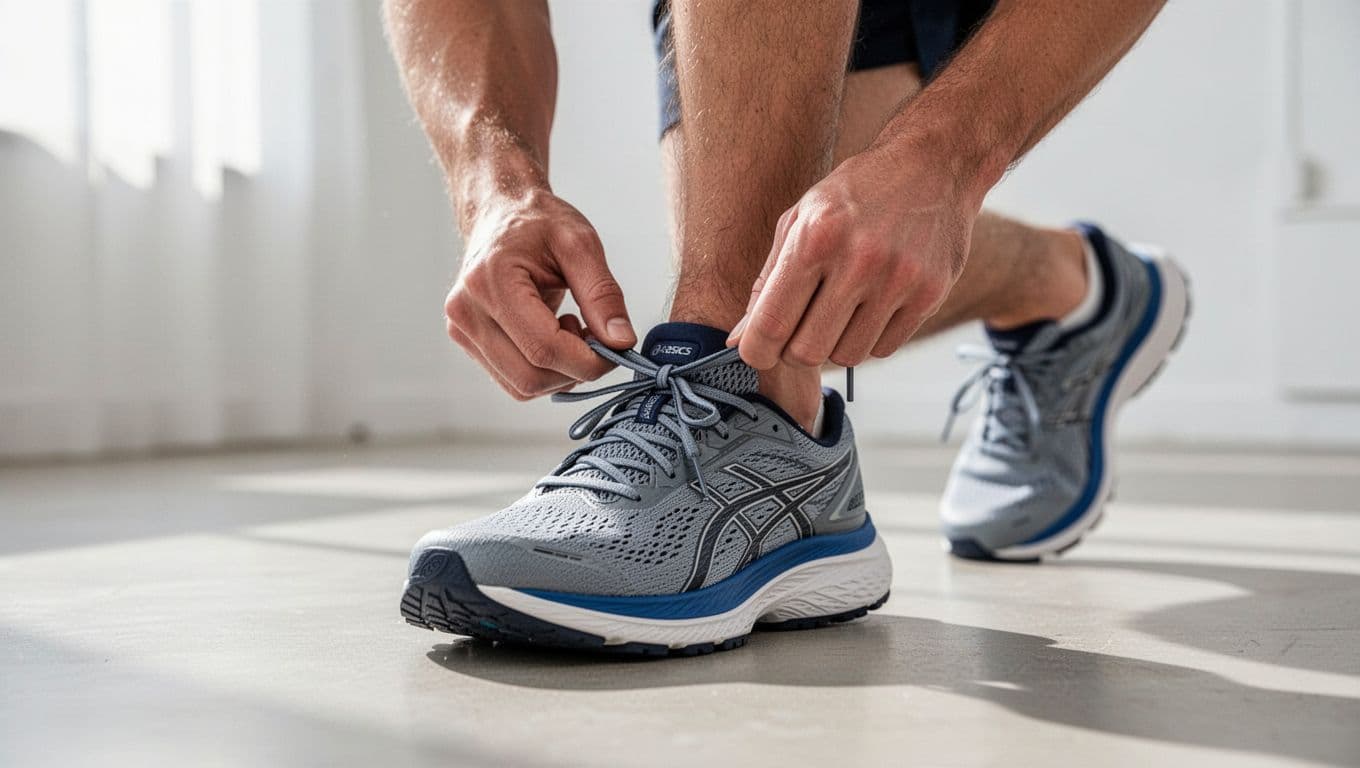
Do the Newton Gravity 14s run true to size?
Most runners find that the Newton Gravity 14 fits reliably according to their standard size. If you already have a pair of running shoes that fits perfectly, start with that same size. Newton provides helpful sizing and fit guidance that encourages using your current footwear as a baseline.
Keep in mind that brand-to-brand sizing can vary slightly. Because this model prioritizes a secure, performance-oriented hold, it may feel snugger than a relaxed daily trainer. If you are between sizes, prioritize the one that provides enough room for your toes to splay while keeping your heel locked in place.
Should I size up for longer runs?
Many runners choose a half-size larger for their marathon or long-distance shoes. Feet naturally expand and swell during long efforts or hot weather. This extra space prevents your toes from crowding against the front of the shoe, which reduces the chance of pressure or soreness.
If you notice your toes feeling cramped at the end of a long training day, a slightly larger size may be the right move. Using simple energy-focused nutrition tips can sometimes help manage overall fatigue, but your footwear needs to provide enough physical room for your feet to move comfortably as the miles increase.
How does the Gravity 14 fit compared to previous versions?
If you have worn earlier models, you will notice subtle updates in the upper material and construction. The Gravity 14 uses a refined mesh designed to balance breathability with a firm, locked-in feel.
While the overall fit remains consistent with the line’s heritage, the modern materials might feel slightly more supple around the midfoot.
If you want a deeper look at how the design has shifted over the years, you can check out our detailed look at Newton Gravity 13 features. Understanding those incremental changes often helps long-time fans feel more confident when they transition to the newest version.
What if I have a wide or narrow foot?
The Newton Gravity 14 is built on a performance last that tends to favor a standard width. Runners with wider feet may find that the upper’s secure wrap feels a bit tight, especially across the forefoot.
If you feel pressure along the outside of your foot or notice your toes are tightly bunched, you might need a wider fit or a half-size adjustment.
Those with narrow feet generally appreciate the snug, precise wrap of this model. It prevents sliding and ensures your foot stays stable during high-intensity training. Regardless of your foot width, the most important test is always a quick run or a walk around the house to confirm the shoe moves with you rather than against you.
Conclusion
Finding your ideal size in the Gravity 14 relies on balancing your personal foot shape with the performance-focused design of the shoe.
Your best approach is to start with a size that feels secure, yet provides enough room for natural toe splay and the minor swelling that happens on longer efforts.
If you struggle with fit, consider how energy-focused nutrition tips help manage your overall comfort during training. Always prioritize a locked-in heel and stable midfoot over the number on the box.
Trust your own experience during the initial try-on. If the shoe feels stable and pressure-free during a short jog, you have likely found the right match for your run.


