

Newton Gravity 14 Review: Is This Responsive Trainer Worth It?
The Newton Gravity 14 Review matters if you want a firm, lively road shoe that feels connected to the pavement. This model gets attention because it keeps Newton’s familiar underfoot feel while asking a simple question: does that ride still work for your training, or even for faster days?
If you’re comparing fit, ride feel, durability, and whether this shoe belongs in your rotation, you’re in the right place. For runners who care about energy and focus before a workout, this quick resource fits the same mindset, and the Newton Gravity 13 review gives useful context on where the line was heading before this update.
Let’s see how the Gravity 14 handles daily miles, steady training, and the kind of runner it’s built for.
Newton Gravity 14 Review
The Newton Gravity 14 is built for runners who want the road to feel close, quick, and honest. It puts performance first, so the ride feels firm, direct, and energetic instead of soft and cushioned.
Build Your Complete Race-Day Setup
The right shoe helps, but faster racing comes from better training, pacing, recovery, fueling, and execution.
More Guides for This Shoe
That approach gives the shoe a clear job. It is made for steady miles, quicker daily runs, and runners who like to feel each step stay connected to the ground. If you want a shoe that disappears underfoot, this is probably the wrong lane.
A quick look at the Gravity 14’s design goals
Newton has never chased the softest ride in the room. Instead, it builds shoes around a more natural, responsive feel, and the Gravity 14 follows that path with confidence. The goal is simple, keep the runner engaged, keep the stride lively, and avoid the sunk-in feeling that can dull a workout.
That makes the shoe feel more like a focused training partner than a couch for your feet. It wants you to stay alert on the run, which can be a plus if you like a firmer platform and a touch of snap when you pick up the pace. For a broader view of Newton’s philosophy, the brand’s official approach to natural running lines up with that same idea.
If you like a shoe that feels stable through effort and quick through toe-off, the Gravity 14 makes sense fast.
Who should consider this shoe
This shoe fits runners who want a responsive, firmer ride and prefer a lighter, more nimble trainer. It also works well for runners who enjoy a more natural underfoot sensation, since the shoe gives feedback instead of hiding the road.
It can be a strong choice if you usually reach for:
- Lighter daily trainers with a snappy feel
- Shoes that work well for steady runs and uptempo efforts
- Models that keep you aware of your footstrike
- Trainers that feel more energetic than plush
Runners who like a max-cushion setup may want to skip it. The same goes for anyone who wants a soft, marshmallow-like landing on easy days. If your ideal shoe feels thick, mellow, and deeply padded, the Gravity 14 will likely feel too firm and too direct.
For runners comparing older Newton models, the Newton Gravity 13 review gives useful context on how this line has kept its distinctive feel. That helps you see whether the 14 is a better match for your stride, or whether Newton’s style just doesn’t fit your taste.
First impressions from the upper to the outsole
The Newton Gravity 14 makes its case early. From the first step, it feels firm, direct, and ready to move, but the parts work together better than the initial feel might suggest.
The upper keeps the foot contained, the midsole stays lively, and the outsole gives the shoe a planted, road-ready finish. For runners who like a shoe that feels awake right away, that matters. A good pre-run setup helps too, and simple energy focus tips can make that first mile feel smoother.
Upper fit, breathability, and lockdown
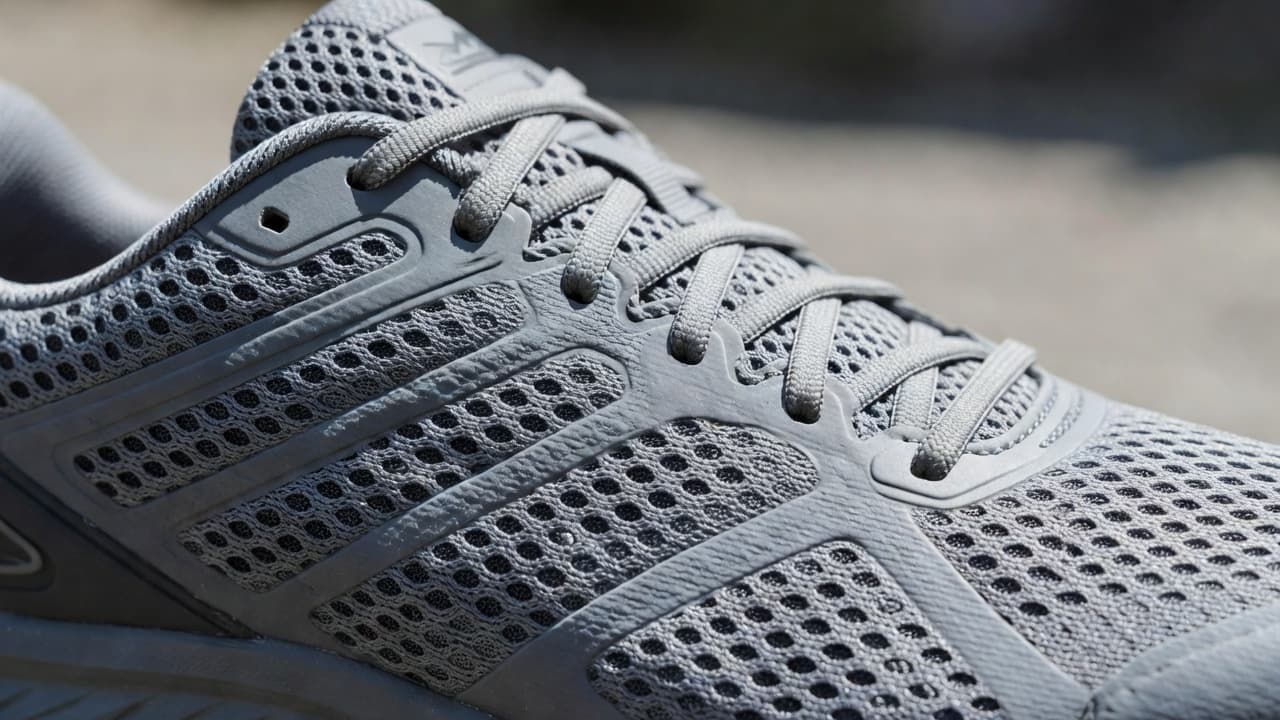
The upper feels light and structured, with breathable mesh that helps the shoe stay comfortable on warmer runs. It does a good job of holding the foot without feeling stiff, and the overall fit runs true to size for most runners. Compared with the Newton Gravity 13 review, the fit here keeps the same secure feel while cleaning up the comfort a bit.
Heel hold is solid, so the back of the shoe doesn’t slide around when you pick up pace. The tongue feels padded enough for daily training, and the lacing system helps lock the midfoot in place. Most runners should not run into major pressure points, although the firmer build can feel close-fitting if you prefer a wide, roomy upper.
The upper feels secure first, soft second, which fits the shoe’s quick, no-nonsense personality.
Midsole feel and the signature Newton ride
Underfoot, the first thing you notice is firmness. The Gravity 14 doesn’t try to sink or cushion every step, it gives you a clear platform with a little spring behind it. That makes the ride feel alert and snappy, especially when you settle into a steady rhythm.
The transition feels smooth and quick, with a firm push through toe-off that keeps the stride moving. You don’t get a mushy landing here, and that is the point. Instead, the shoe gives you a lively roll that feels efficient on everyday runs and better still when the pace starts to rise.
Outsole grip and everyday durability
The outsole looks built for regular miles, with enough rubber coverage to handle repeated use without feeling fragile. Traction is reliable on dry roads, bike paths, and other typical training surfaces, and the shoe feels stable when cornering or changing pace. It is not a trail-ready grip pattern, but for road running, it holds its ground well.
That durability also fits the rest of the shoe’s personality. The outsole and midsole work together like a firm training tool, made for consistent wear rather than short-lived speed-day flash. Over time, the rubber should wear in a practical way, and runners who use the shoe often will likely appreciate that it feels made to last through a normal rotation.
How the Newton Gravity 14 performs on the run
The Newton Gravity 14 feels most at home when you keep things honest. It likes steady miles, quicker training days, and runners who want the road to feel close underfoot. A little pre-run fuel can help you hit those paces with better focus, and simple energy focus tips fit that kind of training mindset.
Easy runs and daily training comfort
On easy days, the Gravity 14 feels smooth enough, but it never turns soft or sleepy. The firmer platform keeps the shoe controlled, so your stride stays purposeful even at relaxed paces. That can feel reassuring if you like a trainer that keeps you honest instead of disappearing under you.
For daily mileage, the ride feels stable and lively in a way that rewards clean form. It doesn’t have the sink of a plush cruiser, yet it also doesn’t feel harsh or flat. If you want a shoe that keeps some spark in ordinary training runs, this one does that well.
The best way to think about it is simple: the Gravity 14 makes easy miles feel active. That may sound small, but it matters over the course of a week.
Speed work, tempo runs, and short intervals
The Gravity 14 handles pace changes better than its firm look might suggest. When you press forward, it responds quickly and gives you a clear toe-off, which makes tempo runs feel natural. It also feels light enough for short intervals, especially when you want rhythm more than max cushioning.
If your workouts include steady tempo blocks, fartlek sessions, or short track repeats, the shoe has enough snap to keep up. It won’t feel as playful as the best do-it-all training shoes, but it has a clean, direct ride that suits runners who prefer firm feedback. That quick connection to the ground helps the shoe stay honest when the pace changes.
Faster sessions feel best when you want precision over softness.
For runners who like a shoe to wake up fast, the Gravity 14 does that. It likes controlled effort, smooth turnover, and repeated push-offs more than all-out sprinting.
Stability and road feel during longer miles
As the miles build, the Gravity 14 keeps its shape well. The platform feels balanced, and the shoe gives enough ground contact that you always know where you are landing.
That kind of road feel can be a real plus on longer runs, because it keeps the shoe from feeling vague or mushy late in the workout.
When your legs get tired, the ride stays consistent. The firmer base and direct transition help you hold form without fighting the shoe, which is useful on long steady efforts. It feels more like a focused trainer than a comfort-first cruiser, and that makes it dependable when you want the miles to stay neat and controlled.
For runners who like a firm, connected ride, that consistency is the point. The Gravity 14 keeps its character from the first mile to the last, and that makes it a strong option for runners who want the road to feel present every step of the way.
Where the Gravity 14 stands out, and where it falls short
The Newton Gravity 14 has a clear personality, and that helps more than it hurts. If you want a shoe that feels quick, firm, and connected to the road, it gives you that right away. If you expect soft landings and broad versatility, it will push back.
The biggest strengths runners will notice
The strongest part of the Gravity 14 is its responsive ride. The shoe gives back energy fast, so each step feels clean and intentional. That matters most when you pick up the pace, because the toe-off feels lively instead of flat.
It also feels light on foot, which helps the shoe stay nimble during daily miles and tempo work. The upper holds the foot well, so the shoe stays stable when you turn, accelerate, or settle into a rhythm. For runners who like a secure fit, that locked-in feel adds confidence without much fuss.
The road feel is another win. You stay aware of the surface under you, which can make steady runs feel more focused. If you like a trainer that wakes your legs up before a workout, pairing it with simple energy focus tips can help you get the most from that lively ride.
A few strengths stand out fast:
- Firm, snappy toe-off that suits quicker efforts
- Secure lockdown that keeps the foot from sliding around
- Lightweight feel that helps the shoe move fast
- Direct ground contact that keeps the run feeling honest
The trade-offs you should think about
The same firmness that gives the Gravity 14 its speed can also limit comfort. On easy recovery runs, the ride may feel a little harsh if you prefer a softer landing. Runners who want a plush daily trainer will likely notice the difference within the first few miles.
Fit can be another sticking point. The shoe feels secure, but that can also read as snug, especially if you have a wider foot or like extra room in the forefoot. For some runners, that close fit helps the shoe feel precise. For others, it may feel a bit restrictive over longer runs.
Versatility is also narrower than many modern trainers. The Gravity 14 works best when you want a firm road shoe for steady runs or uptempo sessions. It is less appealing if you need one shoe for everything, from recovery jogs to long, mellow weekend miles.
If your rotation already includes a soft cruiser, the Gravity 14 fills a different lane. It is built for snap, not cushion.
In short, the Gravity 14 shines when you want speed, structure, and a direct feel. It falls short when comfort and softness matter more than quick response.
How the Newton Gravity 14 compares to other running shoes
The Newton Gravity 14 stands apart because it refuses to smooth out the road. Compared with many modern trainers, it feels firmer, quicker, and more direct, which changes how the shoe works in training. That difference matters most if you care about ground feel, pace changes, and whether a shoe wakes up your legs or calms them down.
For runners who want to compare it with a wider range of options, the running shoe review hub is a useful place to start. A little pre-run fuel can help too, and these energy focus tips fit the same get-ready-to-run mindset.
Compared with softer daily trainers
Against softer daily trainers, the Gravity 14 feels much more direct underfoot. Plush shoes usually cushion the landing, mute road texture, and give you a floating kind of ride. The Gravity 14 does the opposite, it keeps you close to the ground and lets you feel each step with more clarity.
That firmer feel can change how comfortable the shoe is over a long run. If you like a cushioned cruiser for recovery days, the Gravity 14 may feel a little blunt at first. Still, the extra ground feel helps some runners stay more engaged, especially when their form starts to fade.
It also affects pace in a real way. Softer shoes can encourage an easy, relaxed rhythm, while the Gravity 14 feels more alert and ready to move. That makes it a stronger match for runners who want feedback, not a pillow.
Compared with faster performance shoes
Compared with dedicated race shoes, the Gravity 14 is less explosive but more usable across a full week.
Carbon-plated racers and super trainers often feel highly tuned for speed, with tall foam stacks and a more dramatic bounce. The Gravity 14 does not chase that same sensation, so it gives up some peak race-day pop.
What it gains is versatility. You can use it for steady training, uptempo runs, and shorter efforts without feeling like you are wearing a race-only tool. That makes it easier to live with day after day, especially if you do not want to save your faster shoes for special workouts.
The trade-off is clear, though. If you want the softest, springiest, most aggressive ride, a super shoe will beat it on pure speed. If you want a quicker trainer that still feels grounded and dependable, the Gravity 14 is the more practical pick. For many runners, that balance is exactly the point.
Is the Newton Gravity 14 worth the price?
For runners who want a firm, quick, and connected ride, the Newton Gravity 14 can justify its price. It feels different from the soft daily trainers that fill most shelves, and that difference is the point. If you want a shoe that keeps your stride sharp on regular training days, this one earns its place.
The value comes from its clear job. It is not trying to be everything at once, so you are paying for a focused ride, solid lockdown, and a lively feel that holds up well in steady rotation. That makes sense for runners who know what they want and use the same pair often.
Best use cases for the money
The Gravity 14 gives the most payoff when you use it for regular workouts, shorter daily runs, and uptempo sessions. It feels best when you want a shoe that stays alert and keeps your form engaged, rather than one that softens every landing.
That makes it a smart buy for runners who:
- Run steady miles a few times each week
- Like a firmer shoe for tempo work
- Prefer a more connected feel underfoot
- Want one trainer that can handle daily miles and faster efforts
Its value drops if you only want plush comfort. Recovery runs, long easy jogs, and high-mileage comfort-first training usually call for something softer. In that case, the Gravity 14 can feel too direct to justify the cost.
If you want a shoe that wakes up your legs, the price makes more sense. If you want a pillow, it does not.
Buying tips before you order
Sizing is the first thing to check. Most runners should start with their normal size, but the fit can feel secure and a little close in the forefoot. If you like extra room, try it on in-store or compare the brand’s return policy before buying online.
The break-in feel is also worth considering. The shoe feels firm right away, so it may take a few runs before it settles into your stride. A quick pre-run routine helps too, and simple energy focus tips can make those first outings feel smoother.
Before you buy, think about these points:
- Fit preference: choose it if you like a snug, precise hold
- Ride feel: pick it if you want firm and responsive, not soft
- Use case: it fits best in a rotation, not as your only shoe
- Return options: helpful if you are new to Newton’s feel
If that sounds like your kind of run, the Gravity 14 is priced like a specialty tool, and it performs like one too.
Frequently asked questions about the Newton Gravity 14
The Newton Gravity 14 brings up the same questions for most runners, and for good reason. It has a firm ride, a close fit, and a very specific feel, so it helps to know what you’re getting before you buy. These quick answers cover the main points people usually want cleared up.
Is the Newton Gravity 14 good for everyday running?
Yes, if you like a firmer trainer with a quick, connected feel. It handles daily miles well, but it shines most when your runs have purpose, like steady efforts, progression runs, or tempo work.
If you want a soft recovery shoe, this is probably not your best match. If you want a shoe that keeps your stride alert, the Gravity 14 fits that job well.
How does the Newton Gravity 14 fit?
The fit runs true to size for most runners, with a secure, close feel through the midfoot and heel. That locked-in shape helps the shoe stay stable, especially when you pick up the pace.
Runners with wider feet may want to be careful, since the upper can feel snug. If you prefer more toe room, trying it on first is a smart move.
Is the Newton Gravity 14 comfortable enough for long runs?
It can work for long runs, but comfort depends on what you want from a shoe. The ride stays consistent and controlled, which helps on longer efforts, yet it never turns plush.
That means the Gravity 14 is better for runners who enjoy road feel than for those who want deep cushioning. For some, that firmness keeps the legs more engaged late in the run. For others, it feels too direct after the first hour.
What kind of runner will like this shoe most?
The Gravity 14 fits runners who value responsiveness, ground feel, and a steady push through toe-off. It is a strong match for people who want one shoe for daily training and faster sessions.
It also suits runners who already know they prefer firmer shoes. If you usually want a soft landing and a thick midsole, you’ll likely notice the difference right away. For a more focused training setup, pairing the shoe with simple pre-run habits and energy and focus tips can help your workouts feel sharper.
How long does the Newton Gravity 14 last?
Durability is one of its stronger points. The outsole has enough rubber to handle regular road miles, and the shoe feels built for a normal training rotation rather than occasional use.
Newton shoes are often discussed in terms of lifespan, and the brand’s own FAQ page notes an average range of 350 to 500 miles, depending on use. That gives you a practical target for planning replacement, especially if you run often.
Conclusion
The Newton Gravity 14 is a sharp, firm, and precise training tool. It excels for runners who demand ground contact and responsiveness instead of soft, pillowy cushioning.
If your training rotation needs a dedicated shoe for steady efforts, tempo runs, or workouts that keep your legs engaged, this model earns its keep. It stands as a reliable choice for anyone who finds modern max-cushioned shoes too vague or uninspired for faster work.
However, skip this shoe if your primary goal is recovery comfort or if you prefer a wide, plush fit. The direct ride and snug lockdown are clear features for a specific type of runner, not drawbacks for the wrong one.
Evaluate whether you want your trainers to provide feedback or comfort before you commit to the purchase. For those aiming to sharpen their form and focus, consider these simple energy focus tips to pair with your new gear. If this firm, road-connected feel matches your stride, add it to your rotation today.


