

Newton Gravity 14 Marathon Review: Is It Ready for 26.2 Miles?
The Newton Gravity 14 Marathon gets one job right away in this review, it has to earn its place over 26.2 miles, not on a spec sheet. If you’re lining up for a marathon, you already know that fit, ride, and durability matter more than hype, because a shoe can feel fine for five miles and fall apart when fatigue sets in.
This review looks at how the Gravity 14 handles real race-day use for runners who want a responsive feel without giving up comfort late in the run.
It also speaks to the details that matter most during a marathon build, like lockdown, underfoot protection, and whether the shoe feels stable when your form starts to fade. Hydration and fueling matter too, especially when the miles get long, so if you’re refining your race plan, this guide on endurance hydration basics is worth a look.
If you’re wondering whether the Newton Gravity 14 is a smart marathon choice for your pace, your foot shape, and your training goals, this review will help you sort that out. The goal here is simple, give you a clear, honest read on how this shoe performs when the miles start to count.
Build Your Complete Race-Day Setup
The right shoe helps, but faster racing comes from better training, pacing, recovery, fueling, and execution.
More Guides for This Shoe
What the Newton Gravity 14 is designed to do for marathon runners
The Newton Gravity 14 is built for runners who want a firmer, more directed ride over long miles. That matters in a marathon, because the shoe is not trying to feel soft and plush all the time. Instead, it aims to give you a clear platform, a quick toe-off, and enough structure to stay controlled when fatigue starts to creep in.
That makes it a different choice from the max-cushion shoes many marathoners reach for. If you want a smoother long-run rhythm and a shoe that stays predictable at steady pace, the Gravity 14 has a clear purpose.
Pair that with smart race prep, including endurance hydration basics, and you get a better read on whether this shoe matches your marathon plan.
The ride feel runners can expect over long miles
Over marathon distance, the Newton Gravity 14 is designed to feel responsive first, soft second. The ride has a firmer character, so you notice the ground more, but that also helps the shoe feel stable and direct at steady pace. When your stride stays consistent, the shoe can feel efficient, almost like it is guiding you forward instead of sinking under you.
That firmer setup is not for everyone. Runners who prefer a marshmallow-soft landing may find it less forgiving than a max-cushion trainer, especially late in the race. Still, the payoff is a more precise toe-off and a ride that does not feel vague when your legs are tired.
For marathon pacing, that can be useful. You get a shoe that wants to stay engaged, not disappear under you. In other words, it suits runners who like feedback from the road and a little rebound on every step.
Where the Newton Gravity 14 fits in the marathon shoe category
In the marathon shoe lineup, the Newton Gravity 14 sits closer to a responsive long-run or tempo shoe than a soft recovery trainer. It can handle race day for the right runner, but it does not behave like a plush, max-cushion marathon option built mainly for comfort.
Compared with daily trainers, it feels more focused and less relaxed. Compared with lightweight racers, it usually offers more structure and a more grounded feel, which can help if you want support over the full 26.2 miles. That puts it in a useful middle spot for runners who want one shoe for steady long runs, marathon-pace workouts, and possibly race day itself.
The fit and purpose also line up with marathon training goals that reward consistency. If you want a second opinion on how this kind of shoe stacks up against other training-first options, the Adidas Boston 13 marathon training review gives a good comparison point.
A simple way to think about its place:
- Race shoe for runners who like firmness and a more direct toe-off
- Tempo shoe for marathon pace work and long progression runs
- All-around long-run shoe if you prefer a steadier, more controlled feel
For most runners, that makes the Gravity 14 more of a performance trainer than a pure racer. It works best when you value rhythm, stability, and a ride that stays honest over long miles.
Upper, fit, and lockdown: how the shoe feels on the foot
The Newton Gravity 14 Marathon gets a lot of its character from how it sits on the foot. Fit shapes comfort, but it also shapes trust. If the upper feels off, every mile asks a little more from you, and marathon miles already ask enough.
This shoe is built for runners who want a secure, performance-minded feel without a lot of extra bulk. That means the upper, toe box, and heel hold all matter more than they would in a short workout. A marathon exposes every small fit flaw, from a tight forefoot to a heel that shifts late in the race.
Toe box space and sizing notes for marathon comfort
The toe box in the Newton Gravity 14 feels more performance-oriented than roomy. Many runners will find it true to size, but the fit leans toward snug in the forefoot rather than generous. That works well if you prefer a close, controlled fit, yet it may feel tight if you want extra spread room for swelling during a marathon.
Marathon fit matters more than usual because feet change over time. They swell, they warm up, and they get less precise after hours of pounding pavement. A shoe that feels fine at mile 3 can feel punishing at mile 22 if the toe box is too tight.
If you have wider feet, or if you like a little extra toe room, start by considering a half-size up. That can help reduce pressure on the toes without making the shoe feel sloppy. For a deeper sizing reference, how to choose running shoe size is a useful place to compare length and width fit.
A few fit cues matter here:
- Longer races need space because foot swell is normal.
- Toe room should feel controlled, not cramped.
- Wide-foot runners should test width carefully, since a close forefoot can turn distracting over time.
- Runners who like a race-day fit may appreciate the snugger feel if heel slip stays low.
The bottom line is simple. If you want a locked-in, performance fit, the Gravity 14 makes sense. If you prefer more forefoot freedom, you may want to size up or test it before race day.
Breathability and hot-weather racing comfort
The upper has enough airflow for long runs, but it is not the kind of airy mesh that disappears on your foot. That means it should handle most marathon conditions well, yet warmer races can still bring out the limits of any shoe. When the temperature rises, trapped heat and sweat can make a snug upper feel even tighter.
Breathability affects more than comfort. It also changes how the shoe handles pressure points. A hotter upper can create more rubbing, especially across the top of the foot or near the toe joints, and that can get annoying fast during sustained efforts.
If you want a broader look at how upper airflow affects performance, this guide to breathability in running shoes explains the trade-offs well.
For marathon runners, practical comfort matters more than lab-style airflow claims. A shoe that dries a bit faster and vents enough heat will feel better when sweat builds up. That can help you stay focused on pace instead of fidgeting with your shoes or noticing hot spots.
In hot weather, watch for three things:
- Sweat buildup across the forefoot and tongue.
- Hot spots where the upper presses against the top of the foot.
- A locked but not squeezed feel, which keeps the shoe secure without turning harsh.
A breathable upper does not need to feel paper-thin to work well. It just needs to let enough heat out so the shoe stays comfortable when the miles get long and the pace starts to sting.
How the heel and midfoot lockdown affect confidence late in the race
Heel and midfoot lockdown are where the Newton Gravity 14 Marathon feels most race-ready. The shoe holds the foot in place well enough to feel steady through turns, pace changes, and that awkward late-race shuffle when form starts to fade. When a shoe stays put, your mind can stay on effort instead of fit.
That matters more in the final miles than many runners expect. A little heel slip can feel harmless early on, but after hours of running it can create blisters, hesitation, or a sloppy stride. Strong lockdown helps the shoe feel like part of your foot, which makes quick pace shifts feel cleaner and more controlled.
This is also where the Gravity 14’s firmer character helps. Because the platform feels more direct, the upper does not have to fight against extra movement inside the shoe. The result is a more connected ride, especially when you pick up the pace or navigate crowded sections of a race.
A secure midfoot can save more comfort than extra cushion when fatigue sets in.
If you want a marathon shoe that feels planted during late-race fatigue, this fit profile makes sense. It gives you the kind of foot security that keeps small problems small. For runners who value control, that steady hold can make the last 10K feel less messy and a lot more manageable.
Cushioning, plate system, and how the Gravity 14 handles marathon impact
The Newton Gravity 14 Marathon handles impact in a way that feels purposeful. It gives you enough cushioning for long miles, but it keeps the ride firm enough that you stay aware of the road under you. That balance matters in a marathon, because too much softness can feel great early and messy late.
This shoe also uses its plate system and forefoot design to guide the stride instead of smothering it. For runners who like a more connected feel, that can be a real advantage when the pace settles in and the miles stack up. Race-day comfort still depends on your wider plan, including fuel and fluids, so endurance hydration basics still belongs in the conversation.
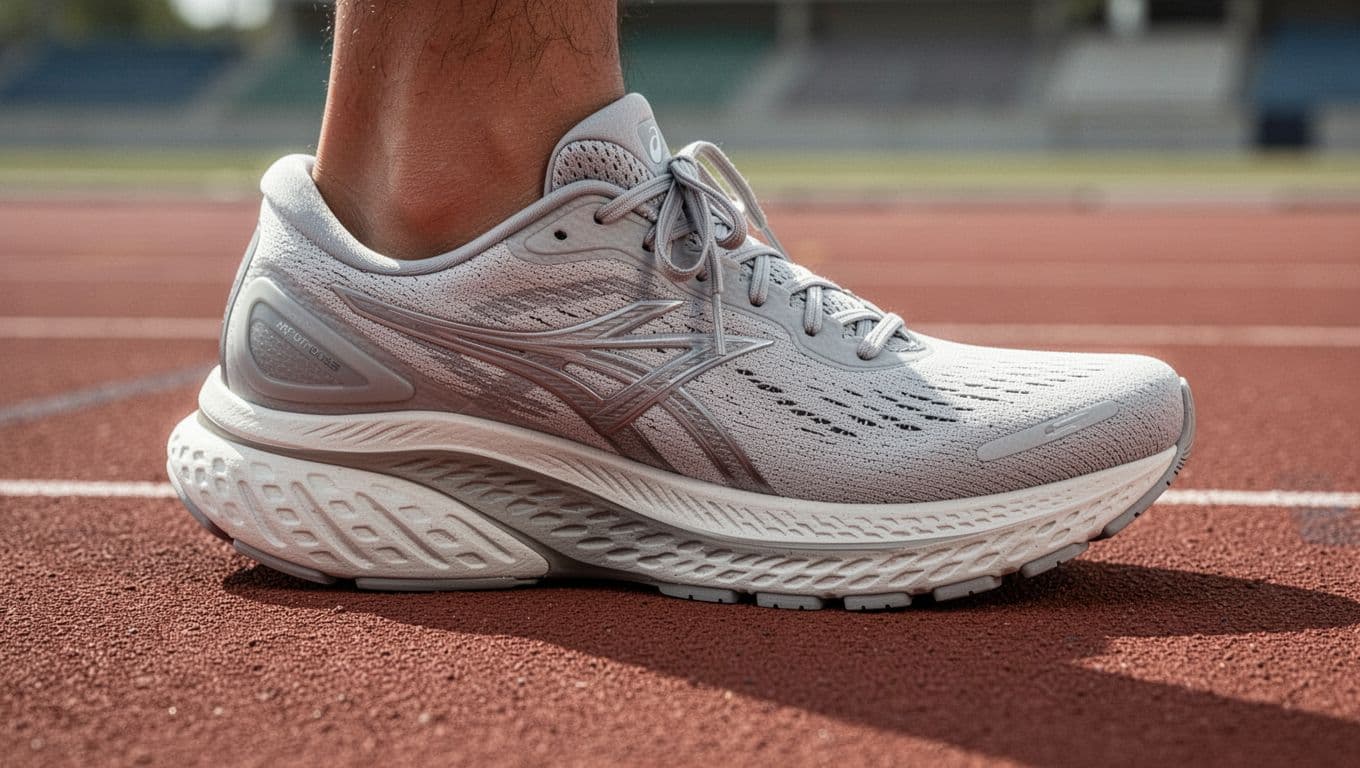
Midsole softness versus ground feel
The Gravity 14 does not hide the ground the way softer marathon shoes do. Modern super-soft models often feel like you are landing on a cushion first and the road second. By contrast, this shoe feels firmer and more direct, which can make each step feel cleaner and more controlled.
That firmer ride has a clear upside. Some runners stay more stable when they can feel the surface under them, especially at marathon pace. A connected midsole can also help you avoid that sinking sensation that sometimes makes softer shoes feel sluggish after hours of running.
Still, softer shoes have their place. If your legs want more shock protection, or if you tend to get beat up late in long races, a plusher midsole can feel kinder. The Gravity 14 asks for a little more from your legs, but it gives back a ride that feels steady instead of vague.
How the forefoot design changes your stride
The forefoot geometry is where the Gravity 14 starts to feel more efficient. It encourages a quicker rollover, so your foot does not linger on the ground longer than it needs to. That can help marathon runners keep rhythm without forcing a dramatic change in form.
A simple toe-off matters more than people think. When the forefoot helps you move forward with less drag, marathon pace can feel easier to hold, especially during the middle miles. The shoe does not push you into a sprint, but it can support a smooth, economical cadence.
That makes it a good fit for runners who like to settle into a repeatable stride. If your marathon plan includes steady pacing and controlled effort, the forefoot layout supports that style well. It rewards timing and consistency more than aggression.
Stability for tired legs in the final 10K
Late in a marathon, form usually gets sloppy before effort does. Hips drop, feet land wider, and small balance issues show up fast. The Gravity 14 handles that stage better than many softer shoes because the platform feels more secure underfoot.
The firmer base helps the shoe stay predictable when your mechanics start to fade. You may still feel the miles, but the shoe does not add extra wobble or a sinking sensation. That can make the final 10K feel more manageable, especially if you already have a stable stride.
At the same time, runners who want maximum softness may notice the trade-off more late in the race. Less cushion means less forgiveness if your legs are cooked. For marathoners building toward race day, a structured plan like this 20-week beginner marathon training schedule can help you arrive with better leg strength, which matters just as much as the shoe itself.
The Gravity 14 works best when you want:
- A stable platform that stays predictable under fatigue
- A firmer ride that keeps your foot connected to the road
- A forefoot that helps turnover without feeling forced
- Enough control late in the race to keep your stride from breaking down
If your marathon goal is to stay smooth, balanced, and efficient when the legs get tired, this shoe makes a strong case. If you want the softest landing possible, you may want more cushion.
Performance on training runs, tempo days, and race day
The Newton Gravity 14 Marathon performs differently depending on how you use it. Because it features a distinct lug system, your gait cycle feels a bit more directed than in standard foam-only shoes. Some runners find this helpful for keeping form, while others might need an adjustment period to get used to the unique sensation under the forefoot.
Easy miles and recovery runs
You might find the shoe a bit firm for true recovery days. If you prefer a soft, cloud-like ride for your slow, easy miles, this model may feel too lively or stiff. The responsiveness that makes it fun at faster speeds can occasionally feel like it’s pushing you to go quicker than your legs want to move when you’re tired.
However, runners who prefer a more ground-connected feel during relaxed runs often enjoy this shoe.
It provides a stable platform that doesn’t feel mushy, which is great if you deal with minor stability issues or simply dislike the instability of modern, high-stack foam. If your legs are accustomed to firmer daily trainers, you will likely feel comfortable using this for your routine base-building miles.
Marathon pace and threshold workouts
This is where the shoe truly shines. When you pick up the pace to marathon goal speed or start an interval workout, the forefoot lugs engage and provide a noticeable snap. The ride becomes efficient and snappy, rewarding a quick turnover and good posture.
Efficiency matters when you are working on threshold efforts. The Gravity 14 makes it easy to hold a steady, aggressive rhythm because the design encourages you to land midfoot and transition off the toes quickly.
It feels responsive rather than bouncy, which gives you confidence when checking your watch during tempo blocks. If you are looking for a reliable shoe for speed work and tempo sessions, this option handles the demands of faster training cycles without feeling heavy or bulky.
How it compares on race day over 26.2 miles
Whether the shoe holds up for the full 26.2 miles depends on your specific running style. It offers excellent consistency and protection for runners who prefer a firm, structured ride over the trend of massive, soft cushioning. You gain a sense of control and stability that helps if your form starts to wobble around mile 20.
It is particularly well-suited for steady runners who want to maintain a consistent pace from start to finish. If you prioritize protection against late-race fatigue but want to avoid the “sinking” feeling of some super shoes, this is a solid choice.
Just be sure you have properly tested it on your long runs. Proper nutrition and endurance hydration basics also play a large role in your success. Ultimately, if you value a firm, responsive, and predictable ride, this shoe provides the tools to get you across the finish line comfortably.
Durability, grip, and value for marathon training
The Newton Gravity 14 Marathon performs best when you trust the platform under your feet. While many runners obsess over foam density, the real test happens when you encounter slick roads, sharp turns, or the simple reality of high-mileage wear. Understanding how this shoe handles these variables helps you decide if it fits your specific training cycle.
Outsole traction on roads, turns, and changing weather
Reliable grip matters during a marathon, especially when you hit city streets or sharp course tangents. The outsole on the Newton Gravity 14 Marathon features a lugged pattern that bites into pavement effectively. This design is particularly useful when you deal with wet conditions or debris that often collects near the edge of the road.
When you navigate a tight turn or a quick change in direction, that traction provides a stable base. You do not have to hold back your pace just because the surface feels uncertain. The lugs help the shoe maintain contact with the ground, reducing the chance of a slip or a loss of energy during your push-off.
Road conditions rarely stay perfect over 26.2 miles. Whether you encounter damp patches from early morning dew or slick spots from a light drizzle, the rubber compound stays consistent. It is not just about avoiding slips, it is about keeping your rhythm smooth.
A shoe that offers dependable traction lets you focus on your fueling and effort instead of your footing. If you are refining your race-day strategy for various environments, reading up on endurance hydration basics helps ensure you stay prepared for changing conditions on the course.
How many miles can runners expect from it?
Durability often defines the true value of a training shoe. The Newton Gravity 14 Marathon generally holds up well for the typical marathon training cycle of 300 to 400 miles. You will notice the most wear on the high-impact zones, specifically under the forefoot lugs and the lateral heel.
The forefoot lugs are a central feature of the ride, so their condition matters most. As these wear down, the distinct snap of the shoe begins to fade. If you log most of your miles on abrasive asphalt, the lugs may show signs of rounding off sooner. However, the rubber compound is sturdy enough to maintain its function even after significant use.
Pay attention to how the midsole foam feels as you approach the 300-mile mark. If you feel less rebound or a flatter sensation under the forefoot, the shoe is likely near the end of its prime.
Replacing them before they go completely flat prevents unnecessary fatigue or potential aches during your longest training runs. Getting the most out of your gear requires monitoring these subtle changes in the ride.
Is the price worth it for marathon-focused runners?
Value is a personal equation based on your running goals. If you want a dedicated shoe for speed work, tempo runs, and marathon-paced training, the price is justifiable. You receive a structured, responsive tool that serves a clear purpose in your rotation.
Many runners find that a specialized trainer like this pays off by keeping their legs fresher for race day. By using it for your most demanding workouts, you save your lighter race-day shoes for the main event. It serves as a reliable workhorse rather than a delicate, one-time-use racer.
Consider how often you tackle high-intensity training. If your marathon plan relies on steady, rhythmic, and controlled efforts, the Gravity 14 is a strong investment.
It delivers a consistent ride that helps you build the necessary leg strength for a long race. If you prefer a do-it-all trainer that handles everything from slow recovery jogs to track intervals, you might find more versatility in other models. For the marathoner who prioritizes stability and a responsive feel during long, structured efforts, this shoe earns its spot in your kit.
Who should buy the Newton Gravity 14, and who should skip it
The decision to add the Newton Gravity 14 Marathon to your rotation is not just about the specs. It is about whether this shoe aligns with your personal biomechanics and the specific way you move during a long race. Because this model offers a distinct ride, it tends to polarize runners between those who love the feedback and those who prefer a different sensation.
Best for runners who like a firm, responsive feel
You should consider this model if you value ground feel and a snappy, quick transition at toe-off. Many marathon runners feel disconnected from the road when they use modern, oversized foam shoes.
If you find those squishy midsoles unstable or difficult to time, the Newton Gravity 14 provides a refreshing, direct alternative.
The shoe is ideal for runners who prioritize efficiency through a consistent, rhythmic stride. Since the forefoot lug system encourages a midfoot or forefoot strike, it rewards those who keep their cadence high and their foot contact brief. You gain a sense of precision that helps during technical parts of a course, like sharp corners or tight aid station lanes.
- You prefer stability: The firmer platform keeps your foot from sinking or wobbling, which is helpful if you struggle with ankle fatigue late in a race.
- You want a direct ride: You feel the road, which helps you adjust your effort and foot placement in real time.
- You enjoy a quick turnover: The design actively promotes a fast push-off, making it easier to maintain a steady tempo without extra effort.
Not the best choice if you want max cushioning
If your priority is pure impact protection, this shoe is likely not for you. The Gravity 14 sits on the firmer end of the spectrum, meaning it lacks the deep, plush sink-in feeling found in many contemporary max-cushion racers.
If your joints are sensitive to high-impact surfaces or if you are prone to fatigue-related soreness after 15 or 20 miles, you may find the ride too unforgiving.
The fit also plays a role in who should skip this model. The upper is built for a performance-oriented lockdown, which feels snug for many runners.
If you have wide feet or simply prefer a roomier toe box to accommodate natural foot swelling over the course of a marathon, the pressure may become distracting. If you are uncertain about the fit or the level of cushion, it is best to test the shoe on a long, slow run before deciding if it works for your feet.
How it stacks up for heel strikers, midfoot strikers, and forefoot strikers
Your striking pattern changes how the Newton Gravity 14 interacts with your foot. Because the shoe relies on its unique forefoot design, your experience depends heavily on where you land and how you roll through the stride.
- Forefoot strikers: You will likely notice the responsive snap of the lugs immediately. The shoe is designed to reward this exact landing, offering a high-energy return and a very quick transition through the toe-off.
- Midfoot strikers: This is the sweet spot for the shoe. You land squarely on the platform, allowing you to move through your gait cycle with a smooth, balanced feel. You get the most stability here, as the shoe stays predictable beneath your center of mass.
- Heel strikers: You may find the transition slightly less natural than runners who land further forward. While the heel offers decent protection, the main performance features are concentrated under the forefoot. If you land heavy on your heel, you might not get the intended benefits of the lug system, and the overall ride might feel firmer than you expect.
Knowing your strike pattern is part of the process, but your fueling strategy is just as critical for surviving the distance.
Before you head out for a long race, make sure you understand the essential endurance hydration basics to stay comfortable and fueled through the final miles. Regardless of how you strike the ground, the shoe remains a reliable, structured choice for those who value consistency over pure softness.
Frequently Asked Questions about the Newton Gravity 14 Marathon
Runners often have specific questions before committing to a new pair of shoes for long distances. Because the Newton Gravity 14 Marathon offers a ride that differs from standard foam trainers, it is natural to wonder how it performs under different conditions. These common questions address the most frequent concerns regarding fit, feel, and long-term use.
How does the Gravity 14 handle marathon distance?
The shoe is designed for steady, rhythmic running. Its firmer platform and distinct forefoot lugs encourage a consistent gait cycle, which helps you maintain your target pace over 26.2 miles.
While it lacks the extreme softness of many current super shoes, it provides excellent stability and ground feel. This makes it a dependable option for runners who want to stay connected to the surface and maintain a precise stride as they tire.
Should I size up for marathon races?
Many runners find that their feet swell significantly after several hours on the road. The Newton Gravity 14 fits true to size for most people, but the upper has a performance-oriented, snug feel.
If you prefer extra room in the toe box or if your feet typically swell during long efforts, a half-size increase is a smart move. Testing the shoes on a few long training runs will help you determine if your usual size provides enough space.
Can I use these for easy recovery runs?
These shoes lean toward responsiveness rather than plush comfort. If you enjoy a very soft, cushioned ride for slow recovery days, you might find the Gravity 14 a bit too firm or snappy.
The lugs provide a lot of energy return, which can sometimes feel like it pushes you to run faster than recovery pace requires. However, if you prefer a stable, grounded feel even on your easy days, the shoe performs well without feeling mushy.
How many miles will the outsoles last?
You can expect between 300 and 400 miles from a pair of these trainers. The lifespan depends heavily on your running surface and your specific strike pattern.
Since the forefoot lugs are a key part of the shoe design, watch for wear in that area as you approach the 300-mile mark. If the lugs begin to round off or the midsole loses its characteristic spring, it is time to replace them to avoid potential strain.
What should I focus on for race-day success?
A great pair of shoes is just one piece of the puzzle. Beyond finding the right fit, you must prioritize your fueling and hydration strategy well before you hit the starting line.
Staying consistent with your intake helps prevent the dreaded wall in the final stages of the race. If you are refining your plan, these endurance hydration basics offer a clear roadmap to keep your energy steady from the first mile to the finish.
Does the lug system work for heel strikers?
The design of the shoe is optimized for midfoot and forefoot strikers who want to engage those front lugs for a quick turnover.
While heel strikers can use the shoe, they may not experience the same snap and efficiency that the design intends. If you are a heavy heel striker, you might find the transition feel different than what you are used to. It is helpful to take the shoes for a few test runs to ensure the unique platform feels natural with your specific foot strike.
Conclusion
The Newton Gravity 14 Marathon is a specialized tool for runners who demand a firm, predictable platform. It excels when you need steady control and a quick turnover on race day.
If you want a soft or plush ride to dampen impact, this shoe will likely feel too stiff over the final miles. You should choose this model if you prefer feeling the road and want a responsive, snappy transition through your stride.
Because the fit is performance-oriented and snug, make sure you test your sizing on a long run before race day. This allows you to confirm that your feet have enough space during sustained effort.
Proper gear matters, but your success also relies on a solid nutrition plan, and you can learn more about endurance hydration basics to stay ready for the distance. If you prioritize stability and a consistent feel, this shoe is a reliable choice for your next marathon.


