

Newton Gravity 14 Durability Review: How Long It Lasts
The Newton Gravity 14 durability question matters most after the new-shoe glow wears off. You want a trainer that keeps its shape, keeps its feel, and keeps earning miles without turning flimsy after a few hard weeks. If you care about value, steady training, and fewer surprises on long runs, this review is for you.
This shoe is built for runners who expect more than day-one comfort, and that makes wear over time the real test. For a useful point of comparison, the Newton Gravity 13 durability analysis gives a sense of what Newton has done before, but the bigger question here is simple, does the Gravity 14 stay strong after repeated use?
What the Newton Gravity 14 is built to do
The Newton Gravity 14 is built for runners who want a firm, responsive trainer with a clear road feel. It does its best work when you want the shoe to feel steady underfoot, give quick feedback, and hold up through repeated daily mileage.
That design choice shapes everything about the ride. If you want a soft, sink-in feel, this probably is not your shoe. If you want a trainer that feels direct and controlled, the Gravity 14 makes a stronger case, especially for runners who stay consistent week after week.
Build Your Complete Race-Day Setup
The right shoe helps, but faster racing comes from better training, pacing, recovery, fueling, and execution.
More Guides for This Shoe
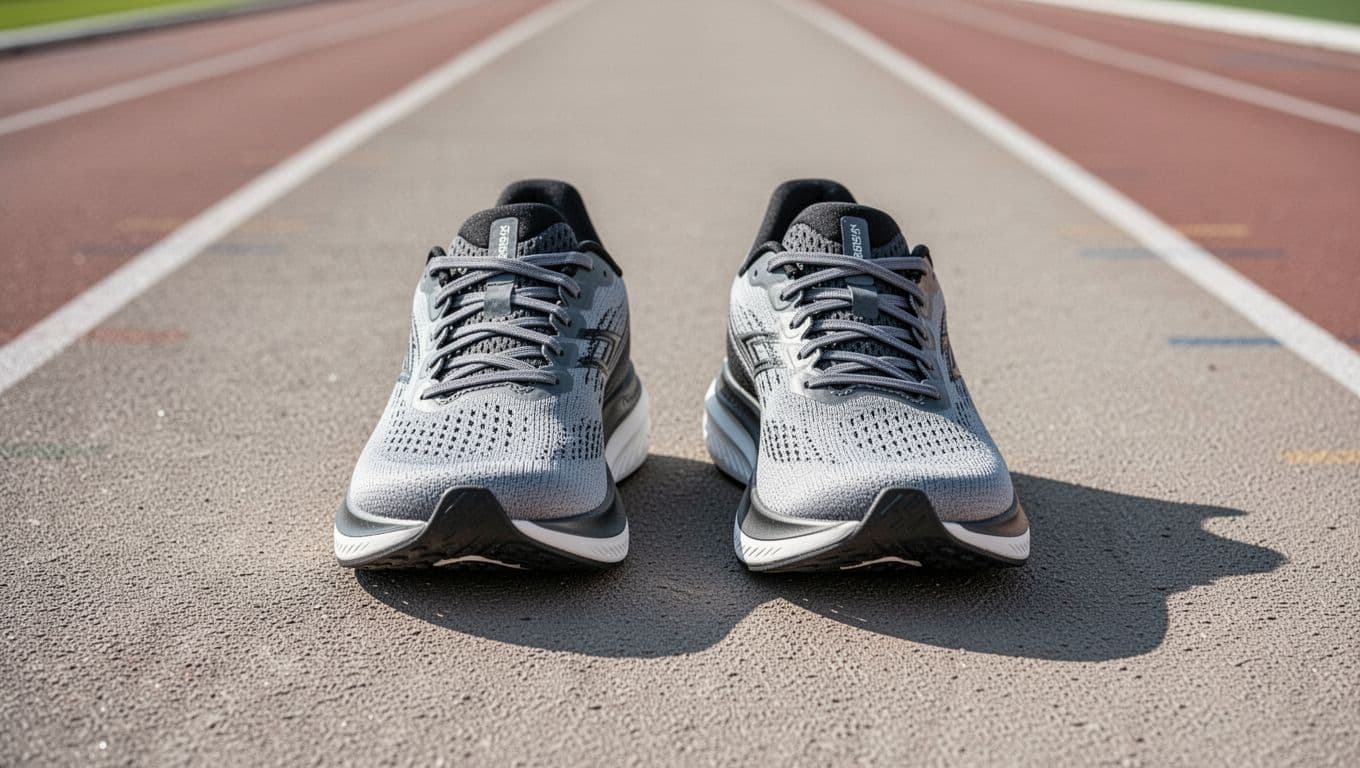
The runner profile it fits best
The Gravity 14 fits best with daily trainers who prefer a firmer platform and a more connected feel. It also suits form-focused runners who pay attention to stride, cadence, and how the shoe responds at toe-off. Runners who like a smooth, cushioned landing may find it less forgiving, but runners who want structure and feedback often feel right at home.
Runner weight and mileage matter here. A lighter runner may get more life out of the midsole and outsole, while a heavier runner can compress the foam faster and wear through the forefoot sooner. Training volume matters too, because a shoe used for short easy runs takes less abuse than one used for long runs, workouts, and daily grinding.
Stride makes a difference as well. Midfoot and forefoot runners often load the shoe in the spots Newton designs to handle well. Heavier heel strikers may see a different wear pattern, which can change both comfort and lifespan. For runners who use it as a steady daily option, the Gravity 14 works best when the pace is controlled and the miles stay honest.
If your routine includes lots of repeat miles, hydration, and longer efforts, your shoe choice and recovery habits matter together. A good place to start is this guide on hydration for endurance runners, because tired legs and poor recovery can change how hard each run feels on your shoes.
Early design cues that hint at longevity
The first signs of durability usually show up before the shoe even hits the road. With the Gravity 14, the outsole layout gives a useful clue, because the rubber coverage is placed where runners tend to strike and push off most often. That kind of setup usually helps the shoe hold its shape longer in high-wear zones.
The upper also matters. A more structured upper often resists stretching and sagging better than a thin, soft build. When a shoe keeps the foot locked in without bunching or collapsing, it usually handles repeated use with fewer comfort issues over time.
The midsole shape gives another hint. A firm, stable platform often keeps the shoe from feeling washed out too early, especially when the miles start stacking up. Newton’s own description of the Gravity line calls it its most versatile trainer, built for daily use and steady performance, which fits the shoe’s purpose well according to Newton’s product details.
That does not mean every part of the shoe wears equally well. The areas that flex most, usually around the forefoot and toe-off point, will still show the earliest signs of use. Still, the overall build points toward a trainer made to handle routine miles without feeling flimsy after a short stretch.
Newton Gravity 14 durability review, from upper to outsole
The Newton Gravity 14 holds up best when you use it as a steady trainer, not a rough-and-tumble beater. Its build feels made for repeat miles, but the real test comes after the first few weeks, when mesh softens, foam settles, and the outsole starts collecting scuffs.
A shoe can look clean and still be losing its edge. That’s why the Newton Gravity 14 durability picture matters across the full shoe, from the top layer down to the rubber underfoot. Small changes in fit, cushioning, and grip tell you more than a fresh-out-of-the-box glance ever could.
How the upper holds up with daily use
The upper uses mesh and supportive overlays in a way that should handle normal training well. The mesh gives the shoe room to breathe, while the overlays help keep the foot from sliding around too much. That mix usually ages better than a very thin, floppy upper, as long as you don’t drag the shoe through rough use.
The first wear usually shows up near the forefoot flex points and along the edge of the toe box. That is where rubbing, creasing, and light fraying tend to appear first. If you notice the mesh loosening or the stitching near the toes starting to look fuzzy, the shoe is telling you it’s getting a lot of repeated bend cycles.
The heel collar can also lose shape over time, especially if you pull the shoes on and off without care. A collapsed collar, or lining that starts to feel rough, can make the shoe feel older than it really is. Runners who log steady daily miles should keep an eye on the collar foam and the inside heel fabric, because that area often breaks down before the outsole looks worn.
The upper should be fine for repeated training, but the toe box and heel collar are the early warning spots.
For runners stacking lots of miles, good recovery habits matter too. Even a strong upper takes less abuse when your training load stays balanced, and basic habits like hydration help keep your legs from getting sloppy late in runs. A useful refresher is hydration for endurance runners.
Midsole foam and long-term cushioning feel
The midsole is where the ride changes first. After many runs, the foam can feel a little firmer and less lively, especially if you use the shoe on back-to-back days. That does not mean the shoe dies overnight, but the fresh pop fades, and the ride can start to feel more workmanlike.
What you notice most is a loss of bounce. Early on, the shoe gives a clear response at toe-off, but over time that spring can flatten out. Support may still feel stable, yet the platform can lose some of the smooth, energetic feel that made the shoe appealing in the first place.
That shift is normal in the Newton Gravity 14 durability conversation, because foam almost always changes before the rest of the shoe gives up. If the ride starts to feel stale, heavier underfoot, or less protective on longer runs, the midsole is usually the reason. Careful runners should judge it by feel, not just by how intact the upper still looks.
Outsole rubber and traction after many miles
The outsole rubber should hold up well on pavement, which is where this shoe makes the most sense. The traction pattern looks built for regular road use, with the kind of coverage that can take repeated contact without wearing through too fast. On treadmills, it should wear even more slowly, since the surface is kinder than concrete.
The fastest wear usually shows up in the forefoot strike zone and any spot where your gait loads the shoe unevenly. Heel strikers may see smoother rubber at the back, while midfoot runners may wear through the center and front of the outsole first. Once the lugs or contact points round off, grip can feel a little less sharp on wet pavement.
Mixed surfaces are a tougher test. Short stretches of packed dirt or rough sidewalk should be fine, but repeated use on abrasive paths will chew through the outsole sooner. Still, the rubber layout looks practical enough for lasting use, especially if you keep the shoe mostly on roads and treadmills.
Stitching, bonding, and stress points to watch
Durability often hides in the seams. The glued joins, stitched edges, and flex lines tell you more about the shoe’s future than the logo or colorway ever will. If a bond starts to separate where the upper meets the midsole, or if the sidewall begins to peel, that’s a sign the shoe is moving toward retirement.
The main stress points are the places that bend every stride. That means the forefoot, the toe crease, and the transition area where the shoe rolls off the ground. These are the same spots that fail first in many running shoes, because they take the most repeat load. The Gravity 14 looks reasonably well put together here, but no trainer escapes flex fatigue forever.
Keep an eye on these signs if you want the shoe to last:
- Lifting glue lines near the toe bumper or midsole edge
- Soft spots where the foam loses its shape
- Loose stitching around the collar or overlays
- Deep creases that stay visible after the run
The shoe should still be good for repeated training if those areas stay intact. Once two or three of them start to show clear wear at the same time, the ride usually changes fast.
How the Newton Gravity 14 feels after the first 50 to 200 miles
The Newton Gravity 14 usually changes in small, noticeable ways after the first stretch of real use. Early on, it can feel firm and a little blunt underfoot, then it settles into a smoother rhythm as the upper relaxes and the midsole breaks in. That shift matters, because a shoe that feels awkward at first is not the same as a shoe that is wearing out.
For runners who watch fit, cushioning, and traction closely, this mile range tells the truth. If you want a broader look at how training habits affect shoe life, hydration for endurance runners also matters, because tired legs can make a healthy shoe feel worse than it is.
Break-in period and first impressions that matter
At first, the Gravity 14 can feel stiff, especially if you are used to softer trainers. The ride is direct, the forefoot has a clear bend point, and the shoe may feel almost too honest in the first few runs. That is not a red flag by itself. It usually means the shoe needs a few outings before it settles into its best shape.
A shoe that needs break-in still feels structurally sound. It may soften, smooth out, and become more comfortable, but it does not start losing shape or support right away. A shoe that is wearing out feels different. The foam feels flat, the upper feels loose, and the ride loses its snap even when the miles are not that high.
That difference matters for Newton Gravity 14 durability because the early stiffness can be mistaken for early decline. In reality, the shoe may just need time on the road. If the fit improves after 20 or 30 miles and the platform still feels stable, that is normal break-in, not breakdown.
For a quick comparison with the earlier model, the Newton Gravity 13 performance analysis gives useful context on how this line tends to age.
Signs the shoe is aging well
By the time you reach the middle of this range, a healthy pair starts to feel more settled, not more tired. The cushioning should still feel consistent, the foot should stay planted, and the shoe should keep its shape when you pick it up after a run.
Look for these positive clues:
- Cushioning stays steady on easy runs and long runs.
- The upper still hugs the foot without stretching out.
- The heel stays secure instead of slipping or collapsing.
- The forefoot rolls cleanly without feeling mushy or vague.
- Outsole wear stays even, with no one spot taking all the abuse.
A shoe aging well usually feels familiar in a good way. The ride may lose a little freshness, but it still feels controlled. The Gravity 14 should not suddenly start feeling lopsided or sloppy if it is holding up the way it should.
Warning signs that wear is happening too fast
Early breakdown is easier to spot once you know what to feel for. The biggest clue is a flattened midsole, where the shoe stops feeling lively and starts feeling dead under the foot. If every run feels harsher than the last, the foam may be losing its shape sooner than expected.
The upper can also tell you a lot. If the foot starts sliding more, the lacing feels harder to dial in, or the collar looks limp, the shoe may be stretching out too fast. That is different from normal break-in, because the fit gets worse instead of better.
Outsole wear matters too. When one section smooths down faster than the rest, especially near the forefoot or heel strike point, the shoe is taking uneven punishment. That does not always kill the shoe right away, but it can change grip and stability.
If the shoe feels less stable, less cushioned, and less secure at the same time, it is past simple break-in.
A good pair of Gravity 14 shoes should feel older, not worn out, after 50 to 200 miles. If the ride still feels firm, the support stays true, and the outsole wear looks even, the shoe is aging the right way.
Who gets the most life out of the Gravity 14
The Gravity 14 lasts longest in the hands of runners who know how to use it well. It rewards steady mileage, clean form, and roads that are kind to the outsole. If you pile on hard workouts, rough surfaces, and extra body load, the shoe still works, but it wears faster.
That makes runner type a big part of the Newton Gravity 14 durability story. Two people can buy the same pair and get very different results. One runner may see months of solid use, while another notices early foam fatigue and forefoot wear much sooner.
Daily trainers vs. occasional runners
A shoe that goes out every day takes more punishment than one used a few times a week. That sounds obvious, but it matters more than most runners think. Each run adds flex, sweat, heat, and friction, and those small hits stack up fast.
Occasional runners usually get more calendar life because the shoe rests between runs. The foam has time to rebound, the upper stretches less often, and the outsole sees fewer miles each month. Daily trainers, on the other hand, compress the midsole more often, so they may notice a flatter ride sooner.
That said, daily use does not always mean fast failure. If your runs are moderate, your pace is controlled, and your roads are smooth, the Gravity 14 can handle a regular training rhythm well. The key is not just how often you run, but how hard each run is on the shoe.
For runners who want to stretch shoe life, the usual habits help:
- Rotate shoes when possible, so one pair does not absorb every run.
- Save the Gravity 14 for steady miles instead of rough, mixed sessions.
- Let the shoe dry fully between runs.
- Replace it when the ride feels flat, not just when it looks worn.
If you want a broader look at pacing your training load, how to begin your running training pairs well with this shoe because a smarter plan usually means slower shoe wear too.
Heavier runners and higher mileage plans
Heavier runners usually load the midsole and outsole more on every stride. That extra force does not ruin a shoe overnight, but it can shorten the useful life of the cushioning and traction. Higher weekly mileage does the same thing, because more miles mean more bend cycles and more compression.
What do heavier runners notice first? Usually the ride. The shoe may feel firmer sooner, especially in the forefoot and under the heel. After that, the upper can start to feel less snug as the material stretches with use.
Higher mileage plans create their own wear pattern too. A runner putting in long runs, tempo work, and daily volume will push the Gravity 14 harder than someone using it only for easy runs. The shoe can still be a good fit, but it will age on a faster schedule.
A stable shoe can still wear early if the runner asks too much from it every week.
Balanced training helps here. Easy days, rest days, and better recovery all reduce the strain on both your body and your shoes. Good fueling matters too, and hydration for endurance runners is part of that equation because tired, sloppy mechanics often lead to uneven wear.
Road runners, treadmill runners, and mixed surfaces
Surface choice changes how fast the Gravity 14 wears down. Smooth pavement is the most natural match, because it gives the outsole a consistent, predictable job. Indoor treadmills are even kinder in many cases, since the belt is smoother and usually less abrasive than broken concrete.
Rough roads tell a different story. Cracked pavement, gritty shoulders, and uneven patches can chew through rubber faster and leave the outsole looking tired before the foam is truly done. Mixed surfaces also add extra stress to the upper, because the shoe twists more when the ground is not stable.
For the longest life, keep the Gravity 14 on its preferred terrain. Smooth roads and treadmills are the easiest miles on the shoe, while rougher routes will show wear faster at the forefoot, heel, and sidewalls. If you split time between surfaces, expect the shoe to age by the roughest miles you put on it, not the easiest ones.
How it stacks up against other durable daily trainers
Comparing the Newton Gravity 14 durability to other shoes helps clarify its position in your rotation. Not every shoe targets the same goals, and these differences often dictate how long a pair stays functional. Understanding these distinctions helps you decide if this model meets your specific training needs.
Compared with softer cushioned shoes
Modern running trends often favor thick, soft foam that feels plush from the first step. These shoes provide immediate comfort, yet that softness sometimes comes at a cost.
Softer foams compress more easily under load, which can lead to a “bottoming out” feeling after only a few hundred miles. You might love the initial pillowy sensation, but that plushness can fade as the foam structure loses its rebound.
The Gravity 14 takes a different approach. Its platform is firmer and designed to offer a consistent, responsive feel from the first run to the last.
While you won’t get that “walking on clouds” sensation, you likely gain better structural longevity. The firmer foam resists pack-out better than high-stack soft alternatives. For runners who value a trainer that retains its original ride characteristics over time, this firmer build is often the better choice.
Compared with lightweight speed shoes
Racing-style shoes or lightweight trainers focus on shedding grams, often by trimming away outsole rubber or using thinner, more fragile upper materials.
Manufacturers build these for peak performance on race day or for short, fast workouts. They sacrifice durability to provide that extra snap and efficiency when speed matters most. You generally expect a shorter lifespan from these models because they are built for specialized intensity rather than daily volume.
The Gravity 14 serves a separate purpose. It prioritizes the daily mileage grind, meaning it features more durable rubber coverage and a sturdier upper construction.
It weighs more than a pure racer, but that extra weight translates into a longer-lasting trainer. If you want a shoe that survives a heavy training block without showing signs of premature fatigue, this model is the superior daily workhorse compared to its faster, more delicate cousins.
Compared with other Newton models
Newton maintains a distinct design philosophy across its lineup, emphasizing a firm, midfoot-centric ride. The Gravity 14 stays true to this legacy, acting as a balanced, reliable option for high-mileage training. When you compare it to other shoes in the brand’s catalog, you find it sits in a sweet spot of support and responsiveness.
Other Newton models might offer more specialized features, such as increased stability for overpronators or extra cushioning for long efforts. However, the Gravity 14 is the go-to for runners who want a straightforward, no-nonsense trainer. It doesn’t overcomplicate the ride with excessive bells and whistles.
Its durability reflects this focus on simplicity; it relies on time-tested construction that avoids the common pitfalls of over-engineered gear. Whether you are building base miles or training for a specific goal, the shoe provides a dependable platform.
For those new to the brand, this model is an excellent entry point into the Newton experience. Consistent training remains the secret to getting the most out of your gear, and maintaining good habits like proper hydration for endurance ensures your legs stay fresh enough to enjoy the ride for as long as the shoe lasts.
Is the Newton Gravity 14 worth the money over time?
Deciding if a shoe earns its keep requires a look past the price tag on the box. You aren’t just buying a piece of foam and mesh; you are paying for every mile, workout, and stride until the shoe reaches its natural end.
Cost per mile and real value
Calculating the cost per mile is a simple way to judge if a shoe is a bargain or a drain on your wallet. Take the total price of the shoe and divide it by the number of miles you expect to get before the cushioning flattens or the outsole wears smooth. A shoe that costs more upfront but lasts for 500 miles often beats a cheaper pair that turns thin and useless after 200 miles.
Think of this as an investment in your training consistency. A durable trainer keeps your legs feeling supported, which helps you maintain your routine without constant interruptions for new gear. If you spend extra for quality, you reduce the frequency of shopping trips and ensure your feet stay happy during high-volume weeks. You save cash in the long run by choosing a build that refuses to quit early.
When durability matters more than soft comfort
Softness feels great when you first slip a shoe on at the store. That initial plushness is a major selling point for many brands, yet it rarely tells the whole story of how the shoe will perform after two months of hard work.
Plush foam often compresses and loses its rebound properties quickly, leaving you with a bottomed-out feeling that forces you to retire the pair sooner than you planned.
Toughness becomes your best friend when you prioritize long-term training goals. A firmer, more structured trainer might feel less like a pillow, but it keeps its shape and energy return through hundreds of miles.
You should ask yourself if you need immediate comfort for a short walk or reliable performance for a full training block. For most serious runners, a shoe that maintains its integrity for months provides much more value than one that feels like a dream for just a few weeks.
Best use cases for getting your money’s worth
The Gravity 14 rewards runners who keep a steady, disciplined training rhythm. If you are a daily trainer who logs consistent miles, you will likely appreciate how the shoe handles the repeated stress of your routine. Form-minded runners also find great satisfaction in this model because it offers a responsive, connected ride that highlights your natural mechanics rather than masking them with excessive foam.
Runners who want a reliable pair for all-purpose work will get the most out of their purchase here. It works well as an everyday option for those who don’t want to rotate through multiple specialized pairs.
By sticking to its intended use on roads and treadmills, you maximize the lifespan of the outsole and midsole. Your own habits play a big part in this, as staying on top of proper hydration for endurance helps keep your stride controlled and your mechanics sound throughout every session. When you respect the design of the shoe, it stays with you for the long haul.
Frequently Asked Questions about Newton Gravity 14 durability
Runners often wonder about the specific limits of their trainers before they commit to a pair. The Newton Gravity 14 durability profile is straightforward, but common questions emerge as miles accumulate on the road. These answers clarify what you should expect regarding the shoe’s lifespan and performance changes.
Does the shoe lose its responsiveness quickly?
The responsive feel is a core part of the Newton design. Most runners find that the characteristic pop from the forefoot lugs remains consistent for several hundred miles.
While the midsole foam naturally softens and settles after the first fifty miles, this change is gradual rather than sudden. You will likely feel the shoe become more pliable, yet the energetic feedback that defines the model typically stays present until the outsole rubber eventually wears thin.
How does the upper handle repetitive friction?
The mesh upper uses a durable weave intended to resist fraying during high-mileage blocks. You might notice subtle creasing near the forefoot flex points after a few months of regular training, which is normal for high-performance trainers.
Keep the laces snug to avoid excessive foot movement inside the shoe, as this prevents premature wear on the internal fabric and heel collar. Staying mindful of your hydration for endurance also supports your form, which helps maintain the structural integrity of the upper by preventing dragging or uneven foot strikes.
Can I expect the outsole to survive winter road conditions?
Road grit and wet pavement accelerate wear on most outsoles, and the Gravity 14 is no exception. If you regularly run on abrasive, sandy, or icy surfaces, the rubber lugs will smooth down faster than they would on a clean track or treadmill.
Check the forefoot strike zone every few weeks to monitor the depth of the tread pattern. As long as you keep the shoe on paved surfaces, the outsole rubber provides reliable grip for its entire useful life.
What are the main signs it is time for a replacement?
Reliable gear should feel predictable. If you notice the following, the shoe has likely reached its mileage limit:
- The foam feels completely flat or dead underfoot during easy runs.
- You experience new aches in your calves or shins that suggest a loss of support.
- The outsole rubber is worn down to the midsole foam in the primary strike zones.
- The upper material shows significant tearing or no longer holds your foot securely in place.
Should I rotate my shoes to help them last longer?
Rotating your shoes is one of the most effective ways to extend the functional lifespan of any trainer. When you alternate between pairs, the midsole foam has time to fully decompress and recover between runs.
This simple habit keeps the cushioning feeling fresh and prevents the upper from permanently stretching out. Most importantly, shoe rotation gives your feet a slightly different stimulus every day, which helps prevent overuse injuries and keeps your training sessions feeling varied.
Conclusion
The Newton Gravity 14 durability profile shows a trainer designed for steady, consistent road miles. It avoids the soft, squishy feel of trendier options, favoring a firm platform that maintains its mechanical integrity well past the initial break-in phase.
You should expect this shoe to provide a reliable ride for several hundred miles, provided you stick to paved surfaces and monitor your gear for early signs of wear.
This model is a strong choice if you value a predictable, responsive trainer that doesn’t lose its character after a few hard weeks. It rewards runners who keep their form clean and their training volume steady.
For those logging heavy miles, remember that managing your hydration for endurance keeps your body strong and your stride efficient, which directly helps your shoes last longer. If you prioritize structural longevity and a direct connection to the road over cloud-like softness, this is a trainer that earns its place in your rotation.


