

Newton Fate 10 Review: What Runners Should Expect
The Newton Fate 10 Review comes down to one simple question: does this shoe still make sense for runners who want a light, responsive feel with a bit of structure? If you’re a daily trainer or a tempo runner looking for a snappy ride, this model deserves a close look.
This review breaks down the fit, ride, cushioning, stability, durability, and value so you can tell if it fits your training and budget. It also helps to think about the rest of your setup, like hydration habits for endurance runs, because the right shoe still works best inside a smart training routine.
Newton Fate 10 review: the big picture
The Newton Fate 10 keeps the brand’s familiar quick-step feel, but it does it in a way that is easier to live with than older, harsher versions. If you want a shoe that feels light on its feet, rolls fast, and gives you a bit more feedback underfoot, this one makes a strong case.
At the same time, it still has a clear personality. The Fate 10 is not trying to feel like a soft cruiser, and that matters if you prefer a cushioned daily trainer. For runners who like a firmer platform and a more active ride, the shape of this shoe starts to make sense fast.
Build Your Complete Race-Day Setup
The right shoe helps, but faster racing comes from better training, pacing, recovery, fueling, and execution.
More Guides for This Shoe
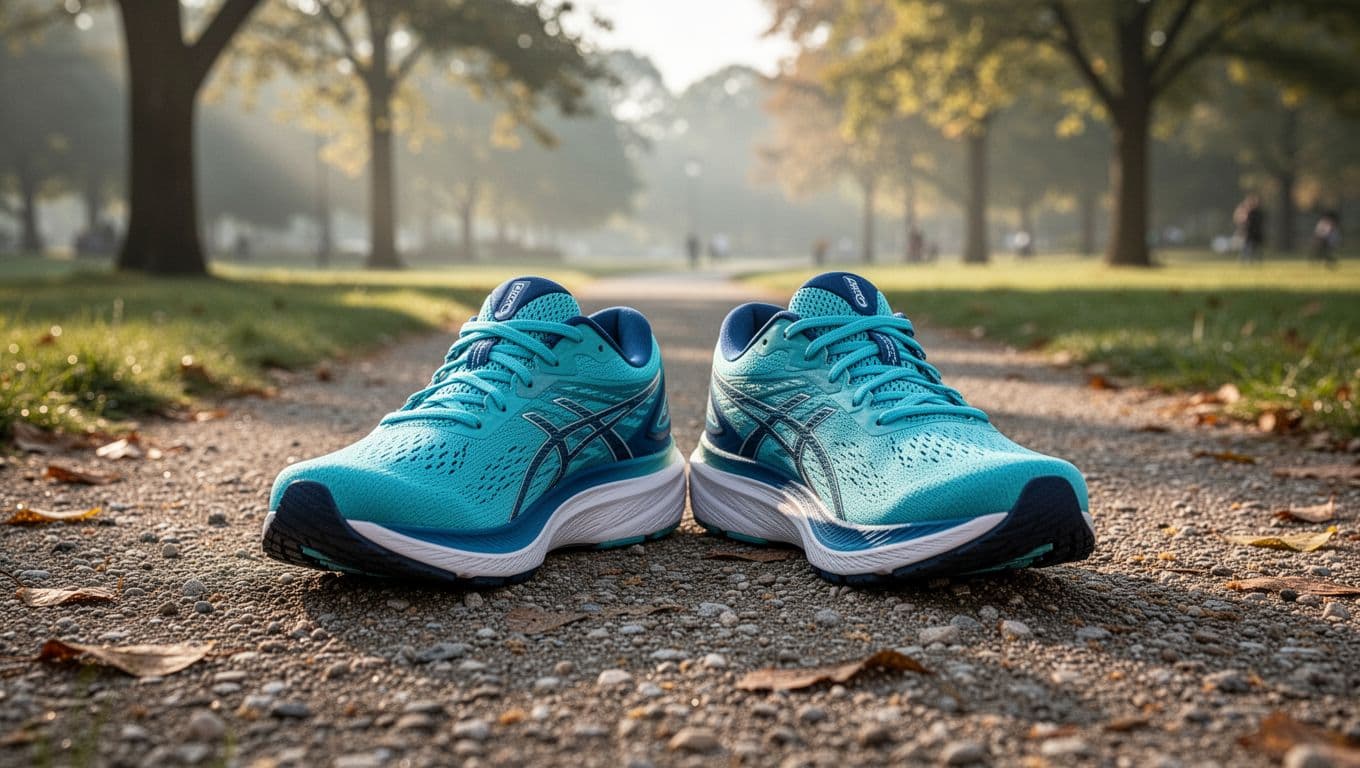
How the Fate 10 feels on the first run
The first run in the Fate 10 feels direct right away. The shoe moves smoothly through toe-off, but it does not hide the ground, so you feel connected to each step. That firmer ride can feel unusual if you are used to thick, plush midsoles.
Bounce is present, but it is controlled rather than springy in a soft, pillowy way. You get a bit of snap when you pick up the pace, and the transition feels clean once you settle into rhythm. Runners new to Newton often need a few miles to get comfortable with that forefoot-focused feel.
If you come from a soft trainer, the Fate 10 may feel firm at first. Give it a few runs before you judge it.
The learning curve is mostly about timing and trust. Once you stop expecting marshmallow cushioning, the shoe starts to feel natural, almost like it wants you to run with purpose.
What stands out most compared with other trainers
What separates the Fate 10 from typical cushioned trainers is its forefoot feel. The shoe encourages a quicker turnover, and the ride feels more active than passive. That can make easy miles feel less lazy and steady runs feel more engaged.
The propulsion is subtle, but it is there. Rather than launching you forward with a dramatic pop, the shoe gives you a firm, guided push through the front of the foot. That matters for runners who want a trainer that feels efficient, not mushy.
Compared with many daily shoes, the Fate 10 feels more like a tempo-leaning trainer with everyday range. For a closer look at Newton’s own description of the updated platform, see the official Fate 10 details. If you prefer soft shoes that disappear underfoot, a model like the ASICS Gel Nimbus 26 review will likely line up better with your taste.
Who will like it, and who probably will not
The Fate 10 fits runners who like a firmer, faster feel and want a shoe that stays lively at steady or moderate paces. It also makes sense if you enjoy a bit of structure in the forefoot and do not need a lot of plush cushioning to stay comfortable.
It will probably work well for:
- Runners who like responsive shoes with a firmer platform
- People who run at steady paces and enjoy a quicker toe-off
- Newton fans who want familiar mechanics in a more refined package
It will probably miss for:
- Runners who want a soft, padded ride for recovery days
- Anyone who prefers a smooth, sink-in feel underfoot
- Newer runners who want an easy, no-fuss transition shoe
If your weekly miles include a mix of easy runs and faster sessions, the Fate 10 can fit that role well. If you want a shoe that feels plush from the first step, you may be happier in a more cushioned trainer like the Nike Pegasus Premium review or another soft daily option.
Upper, fit, and comfort on the Newton Fate 10
The upper is one of the clearest clues about who the Newton Fate 10 is built for. It feels close and secure without turning tight or fussy, which helps the shoe keep its quick, connected ride. Comfort is decent for daily training too, as long as you like a firmer setup and a more dialed-in fit.
Sizing and true-to-size fit
The Fate 10 runs true to size in length for most runners. If you already wear a standard size in Newton or in similar performance trainers, you can usually stay with your usual size.
The fit feels a little more performance-oriented than roomy. Width is fairly average, but the toe box does not feel sloppy or extra generous. That gives the shoe a snug, controlled shape, which many runners will like for tempo work and steady miles. Runners with wide feet may want to pay close attention here, because the volume up front feels more moderate than expansive.
If you prefer a relaxed fit with lots of forefoot space, the Fate 10 may feel narrow after a few miles.
That said, the upper does not clamp down in a harsh way. It holds the foot in place with a tidy, race-ready feel that stays comfortable once you break it in. If you want a broader comparison with another recent Newton model, the Newton Gravity 13 review gives a good sense of how the brand handles fit across different shoes.
Lockdown, heel hold, and midfoot security
The Fate 10 does a good job keeping the foot centered when you turn, pick up pace, or stretch the run longer. Heel hold is solid, so the rear of the shoe stays planted without much movement. That helps the whole platform feel more stable than flashy.
Midfoot security is where the upper really earns its keep. The lacing system draws the shoe down cleanly, and the upper wraps in a way that feels confident without being stiff. During faster efforts, that locked-in feel helps the shoe respond more like part of your stride instead of a soft layer between you and the ground.
For longer runs, the fit remains dependable as long as you get the sizing right. The shoe does not loosen into slop, and it does not require constant adjustment. That kind of security matters when a shoe has a firmer ride, because a loose upper would make the whole experience feel less precise.
Breathability and all-day comfort
Airflow is good enough for most training conditions, but this is not the breeziest upper on the market. It handles regular runs well, yet it feels more purposeful than airy. On warmer days, it stays usable, but runners who want a highly ventilated upper may want more mesh and less structure.
The tongue feels comfortable and sits in a practical spot, which helps the top of the foot avoid hot spots. The lining is also soft enough that the shoe works for more than just short sessions. That matters if you plan to wear it for errands, travel, or long stretches on your feet.
For runners who build mileage in heat, comfort outside the shoe matters too. Small habits like staying ahead of fluids can make a firmer trainer feel better on long runs, and this guide to hydration for endurance is a useful place to start. With the Fate 10, the upper supports that effort well, because it stays calm and secure when the miles start to stack up.
Cushioning and ride feel: what the Fate 10 does well
The Newton Fate 10 keeps its ride focused and purposeful. It gives you enough cushion to handle regular mileage, but it never turns mushy or dull. That balance is what makes the shoe feel alive on the run, especially if you like a more connected underfoot feel.
Responsiveness during easy and moderate runs
At easy pace, the Fate 10 feels steady and alert. It doesn’t sink much under your weight, so each step comes off the ground with a clean, quick release. That makes relaxed runs feel less sluggish, which is a plus if you don’t enjoy shoes that turn lazy when the pace drops.
During moderate runs, the shoe comes to life even more. The forefoot feels ready to move, and the transition stays smooth enough to keep your stride moving forward without much effort. If you like a trainer that can handle daily miles without feeling flat, the Fate 10 has the right kind of energy.
The ride also feels more controlled than soft, so it rewards a runner who stays light on their feet. That can make it a good fit for steady training weeks, where you want one shoe to handle a range of paces without losing its snap. For runners who prefer a similar everyday feel in another reliable trainer, the New Balance 880 v15 review is a useful comparison point.
Stability and support without feeling bulky
The Fate 10 offers a platform that feels structured, but not heavy. It keeps you centered well, especially through the midfoot and forefoot, so the shoe feels balanced when you land and push off. That matters if you want a bit of guidance without the thick, bulky feel that can slow a shoe down.
Because the ride is firmer, the support feels more natural than corrective. The shoe does not force your foot into place, yet it helps keep movement tidy and aligned. That makes it easier to settle into a rhythm, especially on straight road miles or rolling routes.
The Fate 10 feels stable because of its shape and structure, not because it piles on extra material.
For runners who build mileage in a firm trainer, balance matters just as much as cushion. A well-timed hydration plan also helps keep that ride feeling consistent on longer outings, so hydration for endurance runs is worth keeping in mind when the miles stack up.
How it handles faster workouts
This is where the Fate 10 really makes sense. It handles tempo runs and uptempo miles better than many shoes in its class because the forefoot feels ready to respond when you ask for more. The shoe keeps its shape under pressure, so you don’t get that sloppy feeling that can show up in softer trainers.
Intervals are a little more mixed, though. The Fate 10 can handle them, but it feels best when the repeats are controlled rather than all-out fast. Short, sharp efforts may expose the fact that this is still a trainer with a firm ride, not a featherweight speed shoe.
If you’re running tempo miles, the shoe hits a sweet spot. It gives you enough cushion to stay comfortable, enough firmness to stay efficient, and enough guidance to keep turnover smooth. That makes it a strong option for workouts where you want pace without sacrificing everyday comfort.
The limit shows up when you want more softness or more pop. At faster paces, the shoe stays dependable, but it never turns bouncy in a dramatic way. If you want a more speed-focused feel for hard sessions, a lighter trainer like the Nike Pegasus Plus daily trainer review may fit better.
Outsole grip, durability, and how long it may last
The outsole is one of the quieter strengths in the Newton Fate 10 Review. It feels built for regular road use, with enough grip to keep the shoe steady in dry weather and enough rubber coverage to handle daily mileage without falling apart too fast.
That said, this is still a road-focused trainer, so the outsole makes the most sense on pavement, paths, and other predictable surfaces.
Traction on roads and in wet weather
On dry roads, the Fate 10 feels confident. The rubber grabs the ground well enough for easy runs, steady mileage, and quicker efforts, so you don’t get that slippery, unsure feeling that some lightweight trainers create. The ride stays predictable, which matters more than flashy grip for most runners.
Wet pavement is where caution helps. The outsole still holds up better than bare-bones race shoes, but painted lines, slick crosswalks, and smooth concrete can soften that secure feel. That is normal for a road shoe, yet you still want to shorten your stride and stay alert when the surface changes.
For runners who split time between roads and mixed surfaces, a more rugged trail shoe like the ASICS Gel Trabuco Terra 3 review shows how much grip changes once a shoe is built for dirt and loose ground. The Fate 10 is not trying to do that job, and it doesn’t need to.
Best grip comes on dry, clean roads. Wet paint, smooth tile, and polished concrete deserve more care.
Durability for daily mileage
The outsole looks like it should wear in a normal, even way. The first signs of wear will likely show at the forefoot, especially if you land there often or use the shoe for faster runs. Heel strikers may see more wear at the back, but the overall pattern should stay respectable for regular training.
This shoe feels realistic for a runner who wants one pair for steady weekly miles, not a shoe that gets abused on every surface.
If you rotate it with another pair and avoid rough sidewalks or abrasive gravel, it should last long enough to feel like a fair use of money. Keep in mind that the upper and midsole may start to feel tired before the outsole is completely worn down.
A practical mileage range for a shoe like this is usually tied to how often you run, your weight, and your stride pattern. Many runners will get solid service well past the break-in phase and into a reliable everyday window. For a general benchmark on shoe life, this running shoe replacement guide gives a helpful reference point for typical mileage expectations.
The outsole should hold up better than a lot of lightweight trainers, but it still rewards sensible use.
Is it a good value for the price?
Yes, if you want a road shoe that feels responsive, stable, and durable enough for frequent use. The Fate 10 is not the cheapest option out there, but it gives you a distinct ride and a outsole that seems ready for consistent training, which helps justify the cost.
Its value gets better if you like one shoe for more than one job. It can handle easy runs, moderate days, and some uptempo work without feeling out of place. If you want a soft, cushioned cruiser, the value may feel weaker. If you want a firmer trainer with a clear point of view, it makes a stronger case.
The best value comes from matching the shoe to the right runner. If that sounds like you, the Fate 10 offers a solid mix of grip, wear resistance, and everyday versatility.
How the Newton Fate 10 compares with similar running shoes
The Newton Fate 10 sits in a narrow lane, and that’s part of its appeal. It gives you a firmer, more connected ride than most daily trainers, while still feeling more usable than a pure speed shoe.
That makes the comparison simple in one sense and tricky in another. If you want softness, there are better picks. If you want pure pace, there are faster options. The Fate 10 makes the most sense when you want a shoe that feels light, stable, and ready for regular miles.
Compared with plush daily trainers
Compared with softer max-cushion shoes, the Fate 10 feels much more direct underfoot. Plush trainers usually win on first-step comfort, since they wrap the foot in a thicker, more forgiving layer of foam. The Fate 10 gives you less of that sink-in feel, so the ground stays closer and the ride feels more alive.
That difference shows up in bounce too. Soft daily trainers often feel bouncy in a slow, rolling way, while the Fate 10 feels firmer and quicker to respond. You don’t get the same pillow-soft landing, but you do get a cleaner push-off and better ground feedback.
For runners who want comfort first, a shoe like the Adidas Ultraboost 6 review will feel easier on relaxed days. The Fate 10 is better if you want your trainer to stay purposeful, especially when the pace picks up or the run gets longer.
The Fate 10 trades plush comfort for a sharper, more connected ride.
If your easy runs depend on heavy cushioning, the Fate 10 may feel too firm. If you like feeling the road and staying light on your feet, that same firmness is the point.
Compared with lightweight speed shoes
Against lightweight speed shoes, the Fate 10 holds its own better than you might expect. It won’t feel as aggressive or as quick as a true tempo shoe, but it can still handle faster running without falling apart. The ride stays stable, the upper stays secure, and the shoe gives you enough structure for repeatable training.
Where speed shoes usually win is in pure pop. They feel snappier at hard efforts and often save more weight. The Fate 10, on the other hand, gives you more everyday comfort and a steadier platform, which matters when you want one shoe for both workouts and regular miles.
That balance puts it closer to a versatile trainer than a race-day specialist. If you want a broader look at a well-known do-it-all model, the Saucony Endorphin Speed 6 review is a useful comparison point. The Fate 10 is less explosive, but it can feel more settled and less demanding on tired legs.
For runners who mix easy mileage with tempo work, that tradeoff makes sense. You give up some speed sharpness, and you gain a more stable, less picky ride. Hydration also matters more when you push these firmer trainers for longer sessions, so hydration for endurance runs is worth keeping in your routine.
Compared with other Newton shoes
Inside the Newton lineup, the Fate 10 feels like one of the easier shoes to live with. It keeps the brand’s signature forefoot feel, but it does so in a way that feels more wearable for daily training. If you’ve tried other Newton models and liked the quick toe-off but wanted a calmer ride, this is the shoe that makes the most sense.
Runners who want more support or a different feel may look elsewhere in the line. The Fate 10 is the better choice if you want a neutral trainer with a clear point of view and enough versatility for steady weekly mileage. It also feels less specialized than some Newton models, which helps if you don’t want a shoe that only works on certain days.
If you want a deeper comparison within the brand, the Running Shoe Reviews hub is a useful place to compare Newton models against other daily trainers. For many runners, the Fate 10 ends up as the sweet spot, since it keeps the Newton character without asking for a full commitment to a very firm ride.
Frequently asked questions about the Newton Fate 10
Many runners interested in this model often have specific questions about how it performs in daily training. The following answers address the most common points to help you decide if the shoe aligns with your needs.
Is the Newton Fate 10 true to size?
Most runners find the Newton Fate 10 true to size. You should choose the same size you wear in your other primary training shoes. It fits securely, which is typical for a performance-oriented trainer.
If you usually have extra room in your shoes, you might find the snug wrap of the Fate 10 a welcome change. However, if you often wear thick socks or prefer a very relaxed fit, you could consider going up by half a size.
Is the Newton Fate 10 good for daily running?
Yes, this shoe works well as a regular daily trainer, especially if you prefer a firm and responsive ride. It excels during steady-state runs where you want a consistent feel beneath your feet.
Because it lacks the extreme softness of some high-cushion trainers, it keeps your legs feeling engaged and alert. You will likely enjoy it most for your standard weekly miles rather than recovery jogs on very tired legs.
Does the Newton Fate 10 feel soft or firm?
The ride is definitely on the firmer side of the spectrum. It does not offer the sink-in sensation that many modern, max-cushioned shoes provide. Instead, you feel a distinct energy return from the forefoot lugs, which makes the platform feel snappy and quick. If you dislike squishy midsoles that feel unstable or lazy at slow speeds, you will appreciate this more rigid, purposeful design.
Is the Newton Fate 10 stable enough for long runs?
The shoe provides good stability for long runs because of its structured shape and firm platform. It keeps your foot centered during the gait cycle, which reduces the chance of feeling wobbly as fatigue sets in.
While it lacks heavy corrective features, the natural balance of the design supports efficient mechanics over distance. If you need a bit of extra support, this neutral model often does the trick without feeling bulky.
Can beginners wear the Newton Fate 10?
New runners can certainly wear the shoe, but it requires an adjustment period. The signature forefoot lug system changes how you land and push off compared to traditional trainers.
If you are used to a neutral, heel-to-toe drop, you might notice the difference in your calves during the first few sessions. Start with shorter, easy runs to allow your muscles to adapt to the active, forefoot-focused ride before taking on longer mileage.
How does the Newton Fate 10 fit wide feet?
The fit is average, meaning it is not specifically built for wide feet. The upper provides a locked-in, performance-oriented feel rather than a wide, voluminous one.
Runners with broader feet might notice pressure in the midfoot or a snug feeling in the toe box. If you require a generous fit, you may want to look for models that offer specific wide-width options or have a more accommodating, stretchy mesh construction.
Is the Newton Fate 10 good for speed work?
This shoe handles tempo runs and moderate intervals quite well. It offers enough responsiveness to pick up the pace, and the firm platform feels efficient when you are pushing harder.
While it is not a stripped-down racing flat, its snappy toe-off makes it much more capable than soft, heavy trainers. You will find it a dependable partner for workouts where you want to maintain a steady, fast rhythm without sacrificing all your comfort.
How durable is the Newton Fate 10?
The outsole and upper are quite durable for a trainer in this weight class. You can expect a standard lifespan, typically around 300 to 400 miles depending on your surface and running style. The high-wear rubber in the forefoot holds up well to frequent use on pavement. Keep in mind that the responsive nature of the midsole may begin to fade slightly before the outsole rubber wears through completely.
Is the Newton Fate 10 worth the price?
The value depends on your preference for a firm, responsive trainer. If you want a shoe that keeps you connected to the ground and promotes a quicker cadence, it is a great investment.
It offers quality materials and a distinct, repeatable ride that justifies the cost for many dedicated runners. However, if you are looking for maximum plushness for slow recovery days, you might find other, softer options provide a better return on your money.
What type of runner will like this shoe most?
The Fate 10 is the best fit for runners who prioritize a firm, responsive ride and want a versatile, everyday trainer that encourages efficient form.
It works best for those who enjoy feeling the ground and prefer a snappy, active toe-off for their daily mileage. As you increase your distance, remember that proper hydration habits are essential to keep your performance steady in any firm training shoe.
Conclusion
The Newton Fate 10 proves that a firm, responsive ride still has a home in daily training. Its standout strength is the forefoot lug system, which promotes a quick, efficient turnover that softer trainers simply cannot match. While it lacks the plush feel of high-cushion cruisers, it gains a level of ground connection and stability that benefits runners who prefer a more active experience.
If you want a trainer that stays lively during tempo sessions and remains dependable for steady mileage, this shoe is a solid pick. It is best to avoid this model if you strictly require a soft, sink-in sensation for your recovery days.
Staying ahead of your fluids during longer runs also helps you maintain the consistent form this shoe encourages, so check out these hydration tips for endurance to get the most from your training.
Go for this shoe if you prioritize performance and structure over maximum padding. It is a reliable tool for runners who want to feel their stride working with the road rather than hiding from it.


