

Is the Newton Distance Elite Worth Buying?
Yes, the Newton Distance Elite can be worth buying, but mainly if you want a lighter, faster shoe with Newton’s forefoot-focused feel. It’s not a typical daily trainer, so if you expect a soft, easy ride for every run, this probably won’t be the best fit.
The Distance Elite is built for runners who care about speed, quick turnover, and a more direct ride underfoot. If you already like Newton’s style, or you’re comparing it with other fast trainers like the Newton Distance S lightweight trainer breakdown, the details matter. Next, I’ll look at comfort, fit, performance, durability, and who should skip it.
What the Newton Distance Elite is built to do
The Newton Distance Elite is built for runners who want a light, quick, and direct feel underfoot. It does that job well because the shoe pushes you toward a more efficient stride, with a ride that feels alive instead of soft and sleepy.
That makes it a strong pick for runners who like a shoe that reacts fast when the pace picks up. If you want a deeper look at how Newton’s approach shows up in other models, the Newton Gravity 13 daily trainer overview gives good context for the brand’s fit and ride style.
Build Your Complete Race-Day Setup
The right shoe helps, but faster racing comes from better training, pacing, recovery, fueling, and execution.
More Guides for This Shoe
The Distance Elite is built for speed work first, not easy-day comfort.
The ride feel runners notice right away
The first thing you notice is the snappy forefoot feel. The shoe stays light on your feet, and the ride rolls forward with a quick, almost springy push that helps your stride move on its own.
That feel is different from most mainstream trainers, which often rely on soft foam and a smoother, flatter transition. Here, the shoe feels more active and more focused on turnover. Experienced runners may love that because it feels efficient and fast, while first-time Newton buyers may need a few runs to get used to it.
The forefoot-driven design also makes the shoe feel more connected to the ground. You get less mush and more response, which is exactly what many runners want in a faster shoe.
Where it fits in a training plan
The Distance Elite makes the most sense for speed sessions, tempo runs, and race day. It belongs in workouts where pace matters and where a quick, efficient ride helps more than extra cushion.
That means it fits best when you are running with purpose:
- Fast intervals on the track or road
- Tempo runs at steady hard effort
- Shorter races where turnover matters
- Workouts where you want a shoe that feels sharp and ready
For slow recovery runs, the shoe is less useful. Its firmer, more aggressive setup is not built for plodding miles or relaxed days. If you want a softer daily option, Newton has other models that fit that job better, but the Distance Elite is about speed first.
For runners who train hard and like a responsive shoe, the answer to Newton Distance Elite worth it often comes down to how much you value pace over comfort. A model like this pairs well with smart fueling and hydration habits, too, especially on longer workouts. If that matters to your training, endurance hydration basics is a helpful place to start.
Newton Distance Elite comfort and fit
Comfort and fit are where the Newton Distance Elite gets more interesting. The shoe feels light and efficient, but that speed-first setup changes how it sits on your foot. If you want a shoe that disappears under you, this one gets close. If you want a soft, roomy ride, it may feel more selective.
How the upper feels on foot
The upper feels light and fairly breathable, which fits the shoe’s racing lean. On warm days, that matters a lot because airflow can keep the foot from feeling trapped. The material also has a smooth, low-bulk feel that helps the shoe stay quick instead of bulky.
That said, the upper does not feel plush in the way a comfort-first trainer does. It feels more precise than soft, almost like it wants to hold the foot in place and get on with the run. For some runners, that is a plus. For others, it can create a little pressure across the forefoot if the fit is too tight.
If you want a shoe that feels broken in fast, the Distance Elite is usually easy to get used to.
There is some give as you wear it, but I would not call it a shoe that needs a long break-in period. Longer runs may reveal small fit issues sooner, especially if your feet swell or you lace it too tightly. In hot weather, the upper helps, but the more aggressive fit can still feel firm after miles add up.
Sizing and fit expectations before you buy
Most runners should start true to size in the Distance Elite, especially if they already know their Newton size.
The fit is more performance-oriented than roomy, so the safest move is to buy the size that matches your normal running shoe fit first. If you usually ride the line between sizes, foot shape matters a lot here.
A narrower or lower-volume foot will likely feel at home. A wider forefoot may want more room, especially if you like a bit of toe spread on longer runs. For a broader look at fit basics, this running shoe sizing guide is a useful reference before you order.
A few fit quirks stand out:
- The forefoot can feel snug if you prefer extra space.
- The heel hold is secure, so it may feel locked in right away.
- Runners with higher volume feet may notice the upper sooner than lighter-feeling runners.
For sizing confidence, a general fit guide like REI’s running shoe fit advice can also help you compare what you feel at home to what a race-ready shoe should feel like. If you want a snug, fast fit, the Distance Elite makes sense. If you want more wiggle room and all-day softness, it may feel a bit too exact.
How the Distance Elite performs in real running
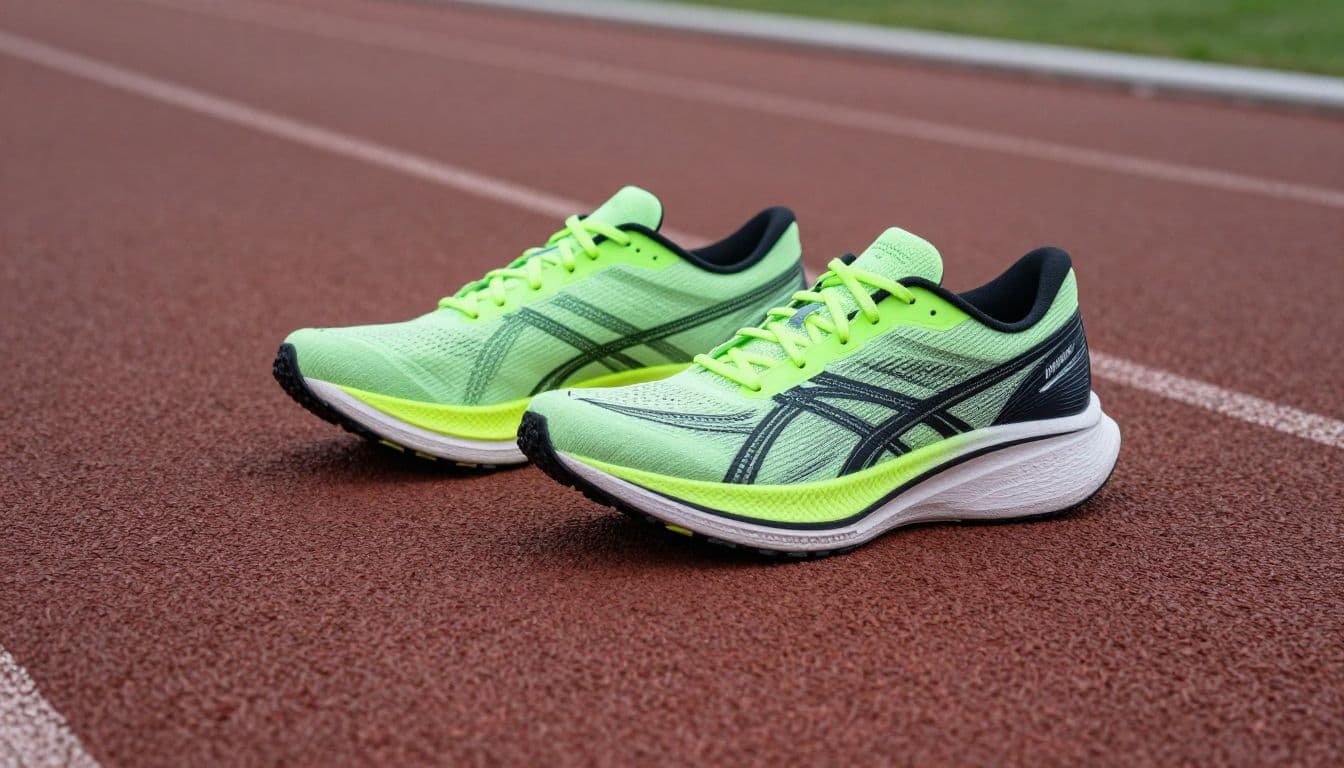
The Newton Distance Elite makes its case when the pace gets honest. It feels built for runners who want a quick, direct ride, not a soft cruise, and that shows up most when you start pressing the effort. If you care about sharp turnover and a shoe that stays out of the way, this one has a clear identity.
Does it feel fast enough for workouts and racing?
Yes, it does. The Distance Elite feels quick during tempos, interval sessions, and race efforts because it stays light and reacts fast when you pick up the rhythm. It does not hand you a big, bouncy foam bounce, but it gives you a cleaner push off the ground that can feel more efficient at faster paces.
During tempo runs, the shoe settles into a steady groove well. It feels best when you are holding a strong pace for several miles and want something that keeps your stride compact and moving forward. In intervals, the lower-bulk build helps it snap through quicker reps without feeling clunky between efforts.
For race day, the shoe makes the most sense for runners who like a firmer, more direct feel. If you want a trainer that can double as a speed shoe, it offers enough quickness to justify itself for the right runner. That said, the value depends on your goals. If you are chasing PRs and use a shoe like this often, the price makes more sense than if you only wear it a few times a year.
A good test is simple: if you want a shoe that feels ready the moment the pace rises, the Distance Elite belongs on your short list. For runners who build speed through repeat sessions, structured interval workouts to improve speed pair well with a shoe like this.
How stable it feels at pace and on tired legs
At pace, the shoe feels secure enough for most straight-line running and controlled race efforts. Corners and pace changes are where you notice its more focused setup. It stays light, but that light feel can come with a little less planted security than a heavier trainer.
On fresh legs, the ride feels crisp and efficient. Later in a workout, when your form starts to fade, you may want to stay a little more deliberate with foot placement, especially on turns or uneven pavement. The shoe does not feel shaky, but it also does not hide sloppy mechanics.
That tradeoff is part of the appeal. A lighter shoe can feel faster because it gives you less to move, yet that same stripped-down feel can demand better control from you. Runners with smooth form will usually get more out of it than runners who want extra structure when fatigue sets in.
If your workouts often end with tired legs and messy stride changes, this shoe will ask more from your form.
Hydration also matters more in fast sessions than many runners expect. A shoe that feels sharp can still feel flat if you are running depleted, so smart fueling helps the overall experience. For a simple starting point, endurance hydration basics is a solid reference.
What kind of runner will get the most out of the platform
The Distance Elite works best for runners who already know they like a fast, minimal-feeling platform. Lighter runners and forefoot strikers may enjoy it most because the shoe rewards a quick step and a clean toe-off. Experienced speed-focused athletes will probably also appreciate how little it gets in the way.
It also makes sense for runners who treat workout shoes as tools. If you want something for tempo days, fartlek sessions, and shorter races, the Distance Elite has a clear job. For those runners, the answer to “Newton Distance Elite worth it” is often yes, because the shoe matches the purpose.
Runners who want a softer, more protective ride may not enjoy it as much. The platform feels more assertive than cushy, so marathoners who prefer extra forgiveness underfoot may want something gentler for long efforts. Likewise, anyone who likes a roomy, highly cushioned trainer for everyday mileage may find this shoe too focused.
A simple way to judge the fit is this:
- Best for: lighter runners, forefoot strikers, and speed-first athletes
- Good for: tempo work, interval days, and shorter races
- Less ideal for: runners who want softness, heavy cushioning, or a relaxed daily trainer feel
If your running style matches the shoe’s strengths, it can feel fast and purposeful right away. If you want comfort to lead the experience, this is probably not the one that will win you over.
Newton Distance Elite price, value, and better alternatives
Price matters more with a shoe like this because the Newton Distance Elite is a specialized tool, not a do-everything trainer. If you use it for the right runs, the cost makes sense. If you want one shoe to cover every pace, the value drops fast.
When the shoe justifies the cost
The Newton Distance Elite is easier to justify if you want a dedicated fast-day shoe. That is where it earns its keep. A runner who uses it for tempos, intervals, and races will get far more value than someone who only pulls it out once in a while.
It also makes sense if you already like Newton’s forefoot feel. Some runners buy into that style because it keeps them honest and quick. If that’s you, the Distance Elite feels like a natural fit instead of a risky experiment.
Frequent racers can also get solid value here. A shoe that feels sharp on race day and still works for workouts can pay off over time, especially if you put real miles into your speed work. In other words, the more often you use it for its best job, the better the purchase looks.
If hydration and pacing are part of your race setup, the shoe fits even better with smart run-day prep, like the basics covered in this endurance hydration guide. A lighter, faster shoe works best when the rest of your system is ready too.
When you should probably skip it
If you want soft cushioning, this is probably the wrong shoe. The Distance Elite feels more direct than plush, so runners who like a smooth, gentle ride may feel beaten up by it.
Beginners may also want something easier to live with. A first running shoe should feel forgiving, and this model asks for a bit more from your form and mechanics. It can feel great later, but it is not the easiest place to start.
Heel strikers who want a smoother transition may want to look elsewhere too. The shoe has a more focused ride, and that can feel abrupt if you prefer a softer landing and a less aggressive roll forward. Runners who want one shoe for everything should also think twice, because this is more of a specialist than a daily all-rounder.
If you want more support instead of a faster, firmer ride, it makes sense to compare options like the Newton Motion 13 stability features before deciding. That kind of shoe gives you a very different feel underfoot.
Other shoes runners may want to compare first
Before you buy, it helps to compare the Distance Elite with a few other shoe types. That keeps you from paying race-shoe money for a model that doesn’t match how you actually run.
A smart short list would include:
- Light trainers if you want a quicker shoe with more everyday comfort.
- Tempo shoes if you want a smoother mix of speed and cushion.
- Racing flats or racers from other brands if you want a more traditional race-day feel.
- Lightweight daily trainers if you want one shoe that can handle both workouts and regular miles.
The main question is simple. Do you want a shoe that pushes your pace forward, or do you want one that disappears on easy miles? If you want a fast, focused tool, the Distance Elite still has a clear place. If you want more cushion or more versatility, compare first and buy with that in mind.
Final verdict: who should buy the Newton Distance Elite
The Newton Distance Elite is a smart buy for runners who want a light, quick, race-ready shoe with a firmer ride. It shines when you use it for speed work, tempo days, and shorter races, where direct ground feel matters more than plush comfort.
If you want one shoe that feels lively and efficient, this model makes sense. If you want a soft daily trainer, you should keep looking.
Buy it if you want a fast, focused shoe
This shoe fits runners who like a sharper toe-off and a more connected feel. It works well for people who already run with good mechanics and want a shoe that responds fast when the pace changes.
It also fits runners who train with purpose. If your week includes intervals, tempo runs, and races, the Distance Elite can earn its place in your rotation. For that runner, the answer to Newton Distance Elite worth it is often yes.
Skip it if you want comfort first
The Distance Elite is a poor match if softness is your top priority. It feels firmer and more selective than most daily trainers, so easy miles can feel harsher than they should.
Beginners may also want a more forgiving shoe. A first pair should be easy to trust, and this one asks for more from your stride. If that sounds like a stretch, a different Newton model may suit you better, like the Newton Fate 8 performance review for a more traditional Newton feel.
If you want a shoe that disappears on recovery runs, this probably isn’t it.
The best buyer profile in plain terms
The clearest fit is simple. The Newton Distance Elite works best for runners who:
- Want a fast, lightweight trainer
- Like a firmer, more direct ride
- Use one shoe for workouts and select races
- Prefer a snug, performance-focused fit
- Already know they handle lower-bulk shoes well
It is less appealing for runners who want extra cushion, wide comfort, or a relaxed daily feel.
Bottom line on value
The Newton Distance Elite is worth buying if you will use it for its best job, fast running. It feels sharp, efficient, and purpose-built, which gives it real value for the right runner.
If you only want one shoe for everything, it probably won’t justify the cost. If you want a shoe that helps you stay quick and focused, it does the job well. For race-day prep, that same logic applies to the rest of your routine too, and endurance hydration basics can help you show up ready.
Conclusion
The Newton Distance Elite is worth buying if you want a fast, distinct ride and you’re willing to pay for a shoe that does one job well. It feels sharp underfoot, rewards good form, and makes the most sense for workouts and shorter races.
If you want more cushion or a more versatile daily trainer, you’ll likely be happier elsewhere. That same logic also applies when you compare it with other Newton options, such as the Newton Fate 8 marathon review, which leans more toward steady distance use.
For runners who choose a shoe like this, the real payoff comes from matching it with smart training and race prep, including hydration basics like this endurance guide.


