

New York City Marathon Travel Guide: Plan Race Weekend Right
Seeking more New York City marathon travel guide tips? Arriving in New York for marathon weekend means city lights outside your hotel, packed sidewalks, and the roar of spectators waiting along the course. The excitement builds quickly, but the New York City Marathon requires more planning than a typical race because runners travel across all five boroughs, while race-day roads and transit lines change.
Whether you’re visiting New York for the first time or you’ve traveled for major marathons before, you’ll need a clear plan for entry, flights, hotels, transportation, the expo, race morning, post-race recovery, and sightseeing. Entry rules, start times, ferry schedules, and bag policies can change, so confirm final details on the official TCS New York City Marathon website before you travel.
Start with the key dates and entry requirements, then build the rest of your race-weekend plan around them.
Start Your New York City Marathon Trip With the Right Race Plan
Before you book a flight or reserve a hotel, confirm how you plan to enter the race. The New York City Marathon has several entry paths, and dates, fees, standards, and guaranteed-entry options can change each year. Check the current information on the official New York Road Runners and TCS New York City Marathon websites rather than relying on an old blog post.
Once your entry is confirmed, build your travel around the race. If you apply through the drawing, choose flexible reservations or add travel insurance before paying for nonrefundable plans.
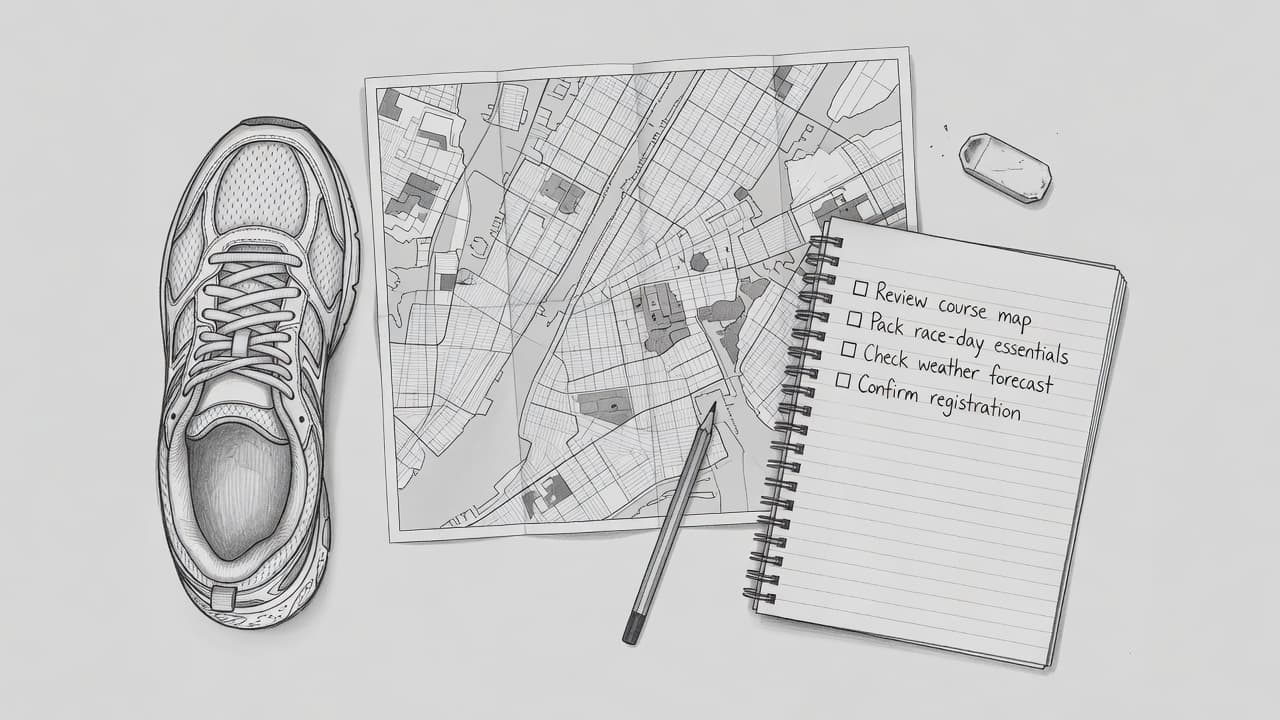
How to Enter the New York City Marathon
The drawing is the route many runners try first. You submit an application during the official application window, pay the applicable fee, and wait for the selection results. Applying does not guarantee a place, so don’t book expensive, nonrefundable travel based on a lottery entry alone.
Runners can also qualify through published time standards. These standards differ by age group and gender, and you must meet the requirements within the accepted qualifying period. NYRR can change the standards or qualifying rules, so review the current details directly before planning around a qualifying time.
Charity teams provide another option. You receive an entry through an approved organization, then agree to raise a stated amount by its deadline. In return, the charity may provide fundraising tools, coaching resources, race-week guidance, and other runner support. The fundraising goal can be substantial, so read the agreement before committing.
International runners may use an official international tour operator. These packages often combine guaranteed race entry with a hotel stay, airport transfers, sightseeing, or local race support. They can simplify logistics for visitors who live outside the United States, but the total cost is usually higher than arranging a trip independently. Review an international marathon tour package to see how bundled services can affect your budget.
Guaranteed entry may also be available through specific NYRR programs or other approved pathways in a given year. Before you accept any option, check the rules for:
- Entry transfers and name changes
- Cancellations and refunds
- Charity fundraising deadlines
- Required hotel or travel purchases
- Eligibility, age, and qualifying standards
A low-cost entry can become expensive if you misunderstand the conditions attached to it. Keep copies of confirmation emails and save the official rules for your race year.
Build a Race Weekend Budget Before You Book
Your New York City Marathon travel budget should include more than airfare and a room. List the race entry, airfare or train fare, hotel, local transportation, meals, expo purchases, sightseeing, travel insurance, and any charity fundraising commitment.
Manhattan hotels near Central Park often charge more during marathon weekend because runners want short access to the finish area, restaurants, and post-race recovery. You may find better value in Queens, Brooklyn, Long Island City, Jersey City, or another neighborhood near a major subway line. A longer ride can save money, but check the route to your start-area transportation before booking.
Set a daily allowance for food and transit, then add an emergency fund. Flight delays, a last-minute taxi, medical supplies, or an extra hotel night can quickly change the total. A written budget lets you protect race-day needs without cutting into recovery or sightseeing money.
Choose Flexible Flights and Arrival Dates
Arrive at least two days before the race when possible. International travelers and runners crossing time zones may need more time to sleep normally, collect race materials, and adjust to the city.
Arriving late Saturday creates several risks. A delay could interfere with expo deadlines, while fatigue and limited time may leave you rushing to collect your bib and prepare for race morning. JFK, LaGuardia, and Newark all serve the New York area, but Newark is in New Jersey. Compare the airport transfer, hotel location, and expected traffic before choosing a flight.
Book your return with recovery in mind. A flight the morning after the marathon may force you onto a long airport transfer while sore and tired. Give yourself enough time to eat, sleep, and reach the airport without rushing.
Where to Stay for the New York City Marathon
The best place to stay for the New York City Marathon depends on your race-day transportation, sleep needs, budget, and sightseeing plans. A hotel beside Central Park may look ideal, but a reliable subway route can matter more when you need to reach an early official bus or return to your room after 26.2 miles.
Before booking, check the hotel’s exact route to the official start transportation. Map the walk to the station, the transfer points, the expected early-morning travel time, and your return route from Central Park. Race-day service changes can turn a short trip into a tiring one.
Best Areas for Easy Race-Day Travel
Midtown and Upper Manhattan are practical choices for runners who want straightforward access to official marathon buses and the post-race area in Central Park. Midtown offers many hotels, restaurants, subway lines, and airport-transfer options. Upper Manhattan can place you closer to the finish and reduce the distance you travel after the race, although hotel prices vary widely.
The Upper West Side is especially convenient for runners who want to finish near home. You can reach nearby restaurants, Central Park, and your hotel with less effort after the race. That convenience often comes with higher weekend rates, so compare the price against the value of easier recovery.
For better value, look at Downtown Brooklyn and Long Island City. Both areas offer strong subway access, a wider range of room rates, and plenty of places to eat. The tradeoff is a longer trip to the official start transportation or back to your hotel after the finish. Review the first train times and any planned service changes before you commit.
Jersey City can work well for travelers who find a better hotel rate or prefer its waterfront setting. However, crossing the Hudson River adds another transit step. PATH service, subway connections, walking time, and possible weekend changes all matter on a morning when every extra transfer adds stress.
How to Pick a Runner-Friendly Hotel
A runner-friendly hotel supports sleep and recovery as much as location. Before you reserve, check whether the property can provide:
- A quiet room away from elevators, bars, busy streets, and ice machines.
- A comfortable bed, reliable temperature control, and elevator access.
- A refrigerator for drinks, snacks, and recovery food.
- A grocery store nearby, plus coffee and breakfast within easy walking distance.
- A bathtub or enough room to stretch and recover after the race.
- Luggage storage if you arrive before check-in or leave after checkout.
- A front desk that can help with an early departure or transportation question.
Contact the hotel before booking and ask about marathon-weekend breakfast hours. Many runners leave before normal breakfast service begins. Also confirm transportation restrictions, resort fees, security deposits, parking charges, and cancellation terms. Ask whether the hotel offers late checkout, but get the answer in writing because availability may change.
A short-term rental can offer a kitchen, laundry, and more living space. It can also bring extra rules, cleaning requirements, limited support, and uncertain luggage storage. Check local legality, host reviews, cancellation policies, building access, and the reliability of the listed amenities before paying.
Should You Stay Near the Start or the Finish?
Runners start in Staten Island and finish in Central Park, so no hotel removes all race-day travel. A room near the finish makes the post-race return easier, while a hotel near a major transportation hub may simplify the trip to official buses or other start-area transport.
Your choice should match your priorities. If recovery matters most, staying near Central Park may reduce walking after the race. If you want easier sightseeing and a simpler morning connection, choose a hotel near dependable subway service.
The official race transportation plan matters more than walking distance from your hotel. Check it first, then trace the route from your room to the departure point. That step often reveals whether a seemingly cheap hotel is practical or whether a slightly higher rate buys you better sleep and a calmer morning.
Getting Around New York Before and During Marathon Weekend
Transportation can shape your New York City Marathon weekend as much as your hotel or race plan. Use public transit when the route is simple, rely on official marathon transportation for race morning, and leave extra time for crowds, security checks, service changes, and road closures.
Download the MTA, airline, and race organizer apps before you leave home. Keep a backup payment method in a separate wallet, and avoid scheduling important plans soon after landing. A delayed flight or slow airport transfer can affect your entire first day.
Travel From the Airport to Your Hotel
Public transit is usually the least expensive airport option, but luggage can turn a simple trip into a tiring one. You may need to manage stairs, crowded platforms, transfers, and a long walk after an overnight flight. Check the full route before choosing this option, not just the final subway stop.
At JFK, the AirTrain connects the terminals with subway and Long Island Rail Road stations. The subway can cost less, while the LIRR may offer a quicker connection toward Manhattan during suitable operating hours. From LaGuardia, travelers can use the public bus connection to reach the subway, or choose a taxi, app-based ride, or private transfer. Newark offers AirTrain connections to NJ Transit or Amtrak at Newark Liberty International Airport Station, while taxis and car services provide direct hotel service.
A yellow taxi is often easier when you have multiple bags, sore legs, or a hotel far from a convenient station. App-based rides and prearranged private transfers offer similar comfort, with easier pickup instructions in some cases. However, cars face New York traffic, especially during marathon weekend. App-based fares can also rise with demand, and a private transfer may cost more than expected if your flight changes.
Before you travel, check current airport instructions, transit fares, and service alerts. New York’s OMNY system allows contactless payment on many subway and bus trips, while MetroCards may still apply depending on the service and publication date. Confirm the latest payment options with the MTA’s official rider information, and carry a physical card if your phone or bank card fails.
Reach the Marathon Expo Without Losing Energy
Most runners must attend the official marathon expo to collect their bib, shirt, and race materials. Another person usually can’t pick them up unless the race provides an approved procedure, so confirm the rules before making travel plans.
Check the expo location, opening hours, identification requirements, and bag policy on the official race website. These details can change, and arriving without the correct ID may create a stressful problem before the race has even started.
Visit early in your trip, preferably after you’ve settled into your hotel and eaten. Keep the visit focused, then return to rest. Browsing every booth can become hours of walking, and last-minute shopping may leave your feet tired before race morning.
Understand Race-Morning Transportation to Staten Island
The race organizers usually assign runners an official transportation choice and departure window. Options may include marathon buses from Manhattan or the Staten Island Ferry, but exact locations, security rules, wave schedules, and boarding times change each year.
Follow your assigned transportation time instead of improvising. Missing a bus or ferry window can create a stressful race morning, and road closures may prevent you from finding another route. Confirm the latest instructions through the official TCS New York City Marathon race-day information before leaving your hotel.
Lay out your clothes, bib, shoes, nutrition, and required layers the night before. Leave time for bathroom lines, security screening, and the walk from transportation to the start village. Bring only permitted items, since extra bags or prohibited gear can slow you down.
Plan Your Way Back After the Finish
The finish area in Central Park can feel crowded, and runners may walk a long distance through the post-finish system before reaching a public street. A short walk that seems easy on a map may feel much longer after 26.2 miles.
Arrange a simple meeting point away from the finish, such as your hotel lobby or a nearby restaurant. Share your live location with family, and avoid promising to meet at a specific barricade. Crowds, fencing, and limited phone service can make exact meeting spots difficult to reach.
For the trip back, choose the route with the fewest stairs and transfers. If possible, use an elevator-accessible station or arrange a car pickup on a nearby street outside the closure area. Your legs will appreciate a slightly longer vehicle ride when every staircase feels like a hill.
What to Expect at the Expo and on Race Day
Marathon weekend moves quickly once you arrive. Bib pickup, security, early transportation, changing weather, crowded streets, and a demanding course all require simple decisions made ahead of time. Treat each step as part of your race plan, so you can save your energy for the miles that matter.
Pack for Bib Pickup and the Race Expo
Bring a government-issued photo ID, your registration confirmation, and any travel insurance information you may need during the trip. A phone copy is helpful, but keep important details available offline in case your battery runs low or service becomes unreliable.
Wear comfortable shoes to the expo and pack layers for a long day of walking. Bring a small bag that follows the current expo rules, since security may restrict large luggage, outside food, or other items. Check the official requirements before leaving your hotel.
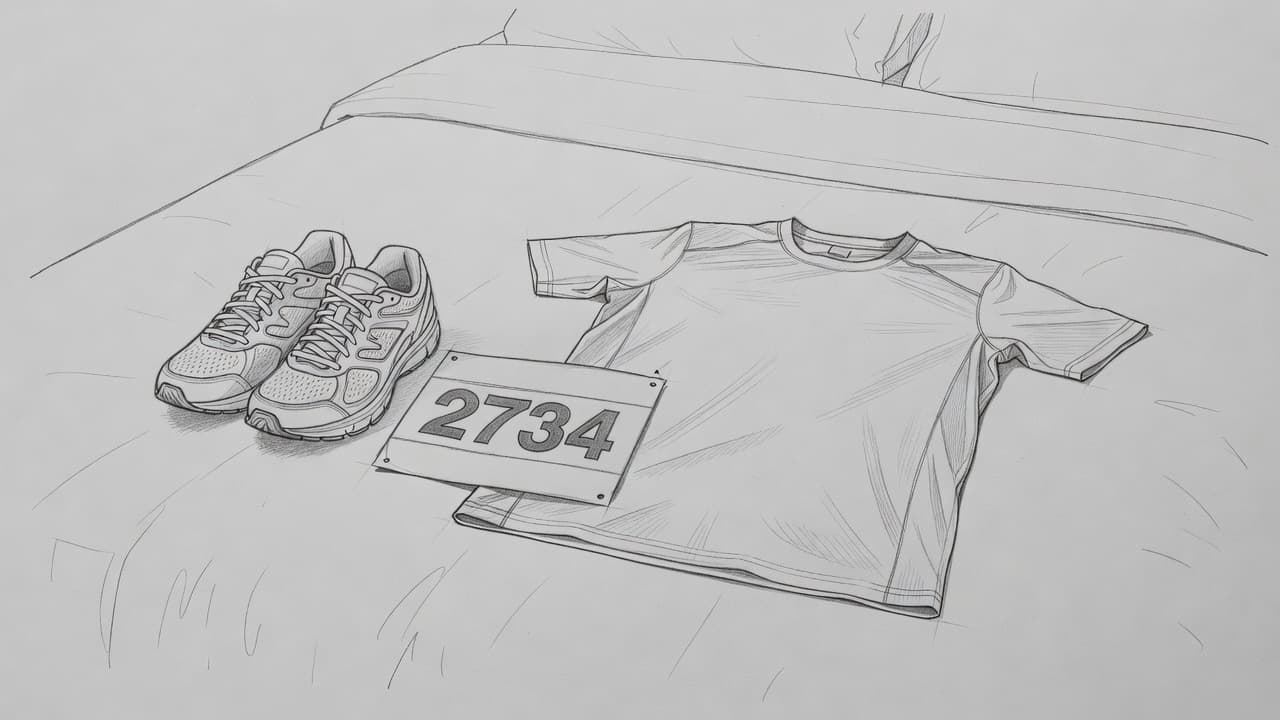 Before you leave, inspect your bib for the correct name and details. Confirm the race shirt size, review timing device instructions, and read the course information. Ask staff about anything that looks incorrect before you return to your hotel.
Avoid experimenting during race weekend. Unfamiliar shoes, nutrition products, socks, jackets, or compression gear can create problems that training never revealed.
Keep this short packing list ready:
- Race morning clothes, bib, pins, watch, and familiar shoes
- Tested gels or other nutrition, plus any permitted water bottle
- A warm disposable layer, gloves, and a weatherproof shell
- Dry clothes, recovery food, medication, and comfortable shoes for afterward
- A charged phone, portable battery, identification, and hotel information
Prepare for the Start in Staten Island
Runners may wait outdoors before their wave, often in cool temperatures, wind, or light rain. Pack a disposable sweatshirt or pants, along with a weatherproof layer that can handle changing conditions. If race rules permit it, carry a small breakfast you have already tested, such as a bagel, banana, or familiar bar.
Follow your assigned transportation, wave, and corral instructions. Arrive with enough time for security, bathroom lines, and the walk to your start area. Use the restroom early, then sit or stand when possible instead of spending the entire wait on your feet.
The Verrazzano-Narrows Bridge creates an immediate climb, and wind can make the opening miles feel harder than expected. Excitement will pull you forward, but don’t surge to match runners around you. A controlled effort protects your legs for Brooklyn, Queens, the Bronx, and Manhattan.
Know the Course Shape Before You Race It
The course begins in Staten Island, crosses into Brooklyn, continues through Queens, enters the Bronx, and then reaches Manhattan before finishing in Central Park. The opening bridge is steep and exposed, while the long Brooklyn stretch can encourage an early pace that feels too comfortable.
Later, runners face the Queensboro Bridge, a quieter section with another demanding climb. The Bronx transition brings sharp turns and a change in rhythm before Fifth Avenue leads toward Central Park. Late-course rises and the final park miles can feel much harder when the first half was too aggressive.
Use a conservative effort early, fuel on your planned schedule, and watch the clock before fatigue changes your judgment. Loud crowds can lift your mood, but they cannot replace your pacing plan. Save attention for the crowded final miles, where turns, hills, spectators, and tired legs compete for focus.
Check the latest official NYRR event information before race weekend because transportation, security, and course instructions can change.
Make a Smart Plan for Family and Spectators
Spectators shouldn’t try to chase you across several boroughs. Transit delays, security checks, road closures, and crowd barriers make fast movement difficult. Choose one or two accessible viewing locations instead, then check the official spectator guide for access details.
When tracking is available, share your bib information with family and agree on a rough timing plan. Carry portable phone power, since long waits and repeated location checks can drain a battery. Loud crowds, cold weather, and standing for hours also require comfortable shoes and extra layers.
Set your post-race meeting place outside the finish area, such as your hotel lobby or a nearby restaurant. The finish zone may restrict movement, and runners can take time to reach a public street after collecting their medal and recovery supplies.
Eat, Recover, and Sightsee Without Ruining Your Race
New York offers more restaurants, shows, museums, and neighborhoods than you can fit into one weekend. Marathon week calls for restraint, however. Protect your sleep, limit unnecessary walking, and treat food and recovery as part of your race plan.
Fuel Before the Marathon With Familiar Foods
Keep your meals close to what worked during training. Choose familiar carbohydrates, moderate protein, and enough fluids without forcing large portions. Oatmeal, bagels, rice, pasta, potatoes, bananas, and simple sandwiches are dependable choices for many runners.
Avoid heavy, greasy, spicy, or experimental meals before race day. A famous restaurant can wait if its menu might leave you uncomfortable at the start line. Eat dinner earlier than usual, especially if you have an early race-morning departure.
Restaurant meals require a little planning. Check menus before you arrive, choose a place near your hotel, and carry reliable snacks such as a tested energy bar, crackers, pretzels, or a banana. Drink steadily throughout the day, but don’t overdo fluids late at night and disrupt your sleep with repeated bathroom trips.
Runners with food allergies, diabetes, gastrointestinal conditions, or other medical needs should plan further ahead. Don’t assume every restaurant, airport, or hotel will have a safe option. Pack food you trust and confirm ingredients with staff before ordering.
Recover Well After 26.2 Miles
The first few hours after the New York City Marathon should feel calm and practical. Drink gradually, eat a balanced meal with carbohydrates and protein, and change out of damp clothing as soon as possible. A dry layer, comfortable shoes, and warmth can make the trip back to your hotel much easier.
Walk gently for a few minutes when practical, but don’t turn recovery into another sightseeing day. A massage may help some runners, yet book one only if you already know how your body responds. New pressure on sore muscles can make the evening worse.
Keep the next morning flexible. You may need extra sleep, a slow breakfast, and time to move carefully. Use stairs with a handrail, take elevators when available, and avoid carrying heavy luggage. Severe pain, confusion, fainting, chest symptoms, trouble breathing, or other alarming changes require medical attention.
Enjoy New York Attractions at the Right Time
Before the race, choose low-stress plans that keep you near your hotel. You might visit Central Park without crossing the entire city on foot, enjoy a relaxed meal, or attend a Broadway show only if it won’t cut into your sleep.
Save major museums, long shopping trips, observation decks, and full-day tours for after the marathon when possible. Your feet already have a demanding appointment with the course. A packed tourist schedule can quietly drain the energy you need for race day.
Travel companions can explore more freely while you rest. Afterward, plan shared activities around your energy, not an ambitious itinerary. If you’re staying several days after the race, schedule the longest walks and biggest attractions later in the trip.
Handle Weather and Seasonal Conditions
Early November in New York can bring mild sunshine, cold rain, strong wind, or quick shifts between them. Check the forecast several times, then pack layers, rain protection, and a backup plan for wet clothing.
Weather can change across the 26.2-mile course. Cold, heat, and rain affect clothing, hydration, and pacing, so adjust your plan rather than chasing ideal conditions. Follow official race alerts if organizers report unsafe weather, transportation changes, or course instructions.
A Practical New York City Marathon Itinerary and Checklist
A simple race-weekend plan protects your sleep, limits unnecessary decisions, and leaves space for delays. Use the schedule below as a flexible framework, not an official race timetable. Always follow the latest instructions assigned to your bib.
Two or Three Days Before the Marathon
Arrive early enough to check into your hotel, settle your bags, and collect your bib without rushing. Afterward, confirm your assigned wave, race transportation, start location, and required arrival time. Check current MTA service information before planning any extra subway trips.
Buy groceries near the hotel, including your usual breakfast, snacks, drinks, and post-race food. Take a short, easy walk to loosen up after travel, but skip long tours and unnecessary trips across the city. Your legs need a quiet runway, not another full day of sightseeing.
That evening, set out your race shoes, tested clothing, bib supplies, nutrition, and weather layers. Charge your watch, phone, and portable battery. Review the course shape, then send your family a simple plan with your transportation, expected finish window, and post-race meeting place. Keep the night predictable. Late nights, alcohol, and packed itineraries can wait until after the race.
The Day Before the Race
Keep Saturday calm and familiar. Eat meals you have used during training, drink normally, and spend most of the day sitting or resting. Check the forecast and adjust your clothing plan, but don’t keep changing gear because of every small weather update.
Confirm your wave and transportation one more time. Prepare breakfast for race morning, fill permitted bottles, pin your bib, and place everything beside the door. If you need to leave before hotel breakfast begins, pack food you know your stomach accepts.
Extra exercise cannot recover missed training, and a long walk may only add fatigue. An enormous dinner can also cause poor sleep or stomach trouble. Eat a comfortable portion with familiar carbohydrates instead.
Aim for an early bedtime, but don’t panic if nerves delay sleep. Pre-race anxiety is common, and one imperfect night won’t erase months of preparation. Rest quietly, breathe slowly, and trust the work already completed.
Race Day and the Morning After
Use a short sequence instead of making fresh choices:
- Wake early enough to eat your tested breakfast and use the bathroom.
- Dress in your planned layers, attach your bib, and carry only permitted items.
- Leave for your assigned bus, ferry, or other race transportation with extra time.
- Stay warm at the start, then race by controlled effort rather than crowd energy.
- Refuel according to your training plan and follow finish-area instructions.
- Meet family at the agreed location outside the finish zone.
The next morning, choose a relaxed breakfast, drink steadily, and take a gentle walk or do light mobility. Keep sightseeing flexible. If you’re departing that day, allow extra time for slow movement, luggage, airport security, and transit disruptions.
Final Packing Checklist for Runners and Travel Companions
Use this final check before leaving home:
- Passport or government-issued ID, confirmations, hotel details, and emergency contacts
- Phone, charger, portable battery, and offline copies of important documents
- Prescriptions and necessary medical supplies
- Race shoes, tested clothing, bib pins, watch, and familiar nutrition
- Water bottle or hydration items allowed by race rules
- Warm layers, gloves, hat, and rain gear
- Recovery clothes, comfortable shoes, snacks, and planned meeting details
Keep essential documents, medication, race materials, and one change of clothing in your carry-on. Photograph your passport, ID, confirmations, prescriptions, and bib information, then store the images securely. Official race rules control what can enter the start and finish areas, so check them before packing anything unusual.
Conclusion
A successful New York City Marathon trip begins well before race weekend. Confirm your entry, transportation assignments, and official race instructions early. Choose flexible travel plans and a hotel that supports sleep, simple transit, and an easy return after the finish.
Arrive with time to collect your bib, adjust to the city, and prepare without rushing. Protect your sleep, eat familiar foods, limit sightseeing before the race, and follow a simple race-day routine. Afterward, use a clear meeting plan outside the finish area so family and friends can find you without adding stress.
Before booking your trip, review the checklist and build your plans around the details that matter most. Good preparation gives you more freedom to enjoy the weekend, while smart pacing and recovery help you finish strong. Then you’ll have the energy to cross Central Park as New York celebrates around you.


