

New Balance More v3 Review
Shopping for a max-cushion road shoe can get confusing fast, especially when people still rave about the Fresh Foam More v3 years after it came out. This New Balance more v3 review breaks down why this older model keeps a loyal following, mostly because it’s known for soft, protective comfort on easy miles.
First, we’ll cover fit and sizing (including how roomy it feels up front), then the ride on the road and how stable it stays when your legs get tired. Next, we’ll look at durability and outsole wear, since a lot of runners buy the More v3 hoping it’ll last a long time.
Even though it launched around 2021, it can still be a smart buy if you find it at a good price. If you want a smooth, cushioned daily trainer for recovery runs, long slow miles, and low-stress training, this is the kind of shoe that belongs on your short list.
Back to RunDreamAchieve Training Plans
Build Your Complete Race-Day Setup
The right shoe helps, but faster racing comes from better training, pacing, recovery, fueling, and execution.
More Guides for This Shoe
What the Fresh Foam More v3 is built for, and what it is not
The Fresh Foam More v3 has a clear job: make easy miles feel easier. It’s a max-cushion road shoe that puts comfort first, with a tall stack of Fresh Foam X underfoot and a shape that helps you roll through each step.
That “max cushion” idea is simple. More foam means less impact and less road feel. For some runners, that feels like relief. For others, it can feel a bit tall and slow when the pace picks up.
The ride in one sentence: soft, smooth, and protective
On foot, the Fresh Foam More v3 feels like a thick, plush mattress under your feet. The Fresh Foam X cushioning softens landings right away, especially if you tend to feel pounding in your heels or forefoot.
It also has a noticeable rocker shape, meaning the sole curves so you roll forward instead of bending the shoe a lot. On easy runs, that can feel like a gentle nudge that keeps you moving without forcing your feet to work as hard.
Because the landing is soft and the transition is smooth, many runners say it takes some stress off their feet and lower legs. Think of it like adding suspension to a bike, you still feel the road, just not every bump.
Where it shines: recovery runs and long, tired-leg miles
This is the kind of shoe runners reach for when they want to protect their body, not test it. The More v3 shines on:
- Recovery runs the day after speedwork or a long run
- Long slow distance during base building when you want low stress
- High weekly mileage when small aches can pile up
- Heavier runners who want more cushion under load
- Anyone managing sore knees, tender feet, or beat-up calves
“Protective” is a simple idea here. It means the shoe reduces how much impact you feel, and it also reduces road feedback. You won’t feel every crack and pebble, which can be a big deal when your legs are tired.
That protection can help consistency. When easy days actually feel easy, you’re more likely to show up tomorrow and stack weeks together. The More v3 also works well for walking and even standing all day, since the plush platform keeps pressure off your feet.
If your goal is to finish runs feeling fresher, the More v3 fits that mission.
Where it struggles: speed days, tight corners, and loose surfaces
The tradeoff with a tall, soft, max-cushion shoe is that it’s not built to feel light and snappy. When you push the pace, some runners feel the More v3 gets a little mushy, like you’re pressing into foam instead of popping off the ground.
Speed sessions also ask more from the shoe’s shape and weight. A heavier build can feel fine at cruising pace, yet it may feel awkward when you’re trying to run fast with quick turnover.
It can also feel less confident in a few common situations:
- Speed days (intervals, hard tempos, track work): not as sharp or quick
- Tight corners: the tall stack can feel tippy if you cut hard
- Loose dirt or gravel: grip is best on pavement, and it can feel sketchy on dusty paths
In other words, this shoe wants smooth roads and steady effort. If you need a light trainer for fast workouts or unpredictable footing, this isn’t the best tool for the job.
Key specs that matter on the run (weight, stack height, drop, and price reality)
You can read specs on paper all day, but they hit different on the road. In this New Balance More v3 review, let’s break down the numbers that shape your runs. Weight slows turnover a bit. Stack height adds plush protection. Drop influences your stride. Price makes it a steal if you shop right. These details help you decide fast.
Weight: why it feels heavier than most daily trainers
Men’s US size 9 tips the scale at about 10.8 ounces, or roughly 10.4 ounces in some lab tests. Women’s US size 8 runs around 8.8 ounces. That puts it heavier than snappier daily trainers like the New Balance 1080.
On runs, extra ounces show up quick. You feel less nimble during pickups. Cadence stays steady at easy paces, but speeding up takes more effort. It’s like carrying a light backpack; fine for steady miles, yet noticeable when you push.
Some runners don’t mind at all. Easy days let you cruise without fighting the shoe. However, if you like light shoes that vanish on foot, look elsewhere. This one prioritizes cushion over speed.
Stack height and cushioning: lots of foam underfoot
Heel stack measures 37.5 to 38 mm, with a wide platform base for support. That’s tall for a road shoe. All that Fresh Foam X soaks up impacts like a thick pillow.
Runners love it on hard pavement. Landings feel softer, so knees and hips stay happier over long miles. Comfort builds as you go; no hot spots form.
Yet, the height can rock you side to side on uneven ground. Stability dips if trails mix in. Stick to smooth roads, and it shines. For reference, here’s how the stack and drop look up close.
4 mm drop: who tends to like it, who should be careful
Drop means heel-to-toe height difference: 4 mm here. It’s low compared to many trainers at 8-10 mm.
Midfoot strikers often prefer it. Your stride feels natural, like barefoot running with protection. Forefoot lands roll smooth.
Heel strikers, watch out. Calves and Achilles take more load at first. Some feel tight after long runs. If you’re used to higher-drop shoes, ease in. Start with short runs, then build. Most adapt in a week or two.
Price in 2026: how to shop a discontinued or older model smartly
Original price sat at $165. Now, as a discontinued road shoe, deals pop up. Fit2Run lists it at $59.95. DICK’S Sporting Goods starts at $94.99 to $103.99. Newer More v4 or v6 cost $160-plus, so this saves cash.
Shop smart with this checklist:
- Pick legit retailers like Fit2Run or DICK’S to dodge fakes.
- Confirm the road version, not Trail v3.
- Check return policy: 60 days at most spots, often free shipping over $50-100.
- Compare sale price to v4; grab v3 if cushion trumps updates.
- For secondhand, inspect outsole wear; aim for fresh tread.
Stock runs low, so act fast. Great value for easy-run protection.
Fit and comfort: roomy, wide-friendly, and made for swelling feet
The New Balance Fresh Foam More v3 stands out in this New Balance More v3 review for its generous fit. It uses stretchy breathable mesh that molds to your foot over time. Runners with wide feet or swelling during long runs often call it a lifesaver. Standard widths feel roomy already, yet wide options add even more space if needed. Let’s break it down.
Sizing: should you go true to size?
Most runners stick with true to size in the More v3. The upper stretches to fit average feet without excess wiggle. Lab tests show it measures wider than typical trainers, so you get built-in room upfront.
Size up a half size, however, in these cases:
- Very long runs where feet swell
- High-volume feet or thick socks
- Orthotics that take extra space
Narrow heels might slip if you go bigger, so skip upsizing there. Always try them indoors first. Walk around, jog in place, and check for pressure points. That quick test saves returns later.
Toe box and forefoot space: a big reason people love this shoe
Extra toe box space keeps your forefoot happy on long miles. Toes splay naturally, which cuts hot spots and blisters. It also leaves room for orthotics or tape if you need them
Wide feet thrive here because the box stays spacious without tapering too fast. Swelling feet adapt easily, too, since the mesh gives. Narrow feet might feel loose at first. Lace snug through the midfoot to fix that. In short, this design prioritizes all-day comfort over a locked race fit.
Heel and midfoot lockdown: getting a secure feel in a soft shoe
Roomy shoes risk heel slip, but the More v3 counters it well. A padded heel cup hugs your Achilles without rubbing. The midfoot stays secure thanks to that stretchy upper and thicker tongue padding over past versions.
For best lockdown, try these fixes:
- Use the runner’s loop lacing at the top eyelets to cinch the heel
- Pick thinner, fitted socks to cut bulk
- Choose wide width only if your whole foot needs it, not just toes
Runners report zero slip after tweaks. On long runs, it holds even as feet swell. You get soft cushion without slop.
Upper breathability and step-in comfort for daily wear
Step into the More v3, and the upper feels soft right away. Breathable mesh lets air flow on warm days, so feet stay cool during walks or stands. Flexibility lets it bend with your stride, unlike stiff racers.
It excels for daily life because comfort trumps speed here. Sore feet after work? Slip them on for relief. The plush feel suits recovery paces perfectly. Although not the lightest, that softness wins for easy efforts. Runners log hundreds of miles and still praise the cozy hug.
On-road performance: cushioning, stability, and how it handles different paces
In this New Balance More v3 review, the on-road ride stands out for its soft Fresh Foam X cushioning and rocker geometry. That combo delivers smooth transitions and solid protection on pavement. You get a plush feel that absorbs shocks, plus a wide base for balance. However, the shoe’s weight and softness limit it at quicker efforts. Let’s break it down by run type.
Easy pace cruising: the More v3’s comfort zone
You hit a relaxed 3-mile easy run, and the More v3 settles into a “set it and forget it” rhythm. The thick Fresh Foam X stack soaks up pavement jolts right away, so your joints stay quiet. Because the rocker shape guides your foot forward, strides flow without effort.
Runners grab this shoe for recovery days after hard sessions. It dulls fatigue from yesterday’s work, and the wide platform keeps everything steady. In short, easy cruising feels effortless here, which is why so many call it their go-to for chill miles.
Long runs: protection when your form gets sloppy
Picture a 10-mile long run; by mile 8, your posture slumps a bit. The More v3 steps up with max cushion that cuts pounding on tired legs. Less impact means reduced foot fatigue, so you finish stronger.
The roomy fit handles swelling feet well, too. Meanwhile, the wide base centers you even when form wavers. That rocker aids smooth roll-offs on mild hills, keeping energy up. For base-building weeks, this protection shines.
Can it go faster, or does it get mushy?
Some runners toss in short pickups or light tempo during a run. The forefoot flex helps here, letting you stride quicker without much drag. However, the soft foam and 10.8-ounce weight dull the snap at faster paces.
It works for strides after easy miles, thanks to some bounce from the Fresh Foam. Yet, true speed feels sluggish; the mush turns efforts labored. Stick to cruising, or pair it with a lighter shoe for workouts.
Stability without posting: how the wide platform helps
This shoe skips rigid posts found in motion-control models. Instead, the broad base and subtle sidewalls prevent tipping on straight roads. You land secure, and the rocker keeps transitions planted.
Most runners feel balanced, even late in runs. The flared heel adds grip during push-off. Still, strong overpronators or those on uneven pavement might want extra support. For neutral strides on smooth paths, it holds firm.
Durability and traction: what holds up, what to watch for
Runners often pick the New Balance More v3 for its long-lasting build, especially in this New Balance More v3 review. The thick outsole rubber and protective foam stand up to road miles better than many expect. However, soft cushioning has limits, and traction works best on clean pavement. You get solid value if you match it to easy runs. Watch for wear signs to know when to retire it.
Outsole rubber and expected lifespan for high-mileage runners
Full rubber coverage on the outsole boosts durability right away. It shields the foam from direct abrasion, so the shoe lasts longer on pavement. Many runners log 500 to 600 miles before major wear sets in. Lighter runners on smooth roads hit the high end. Heavier folks or those with sloppy gait see closer to 400 miles.
Wear starts in the forefoot first, where push-off grinds rubber down. Check for thin spots or exposed foam there. Uneven patterns signal gait issues, like heel dragging. Surfaces matter too; asphalt chews slower than rough concrete
In short, high-mileage runners get reliable life from this setup. Rotate pairs to stretch it further.
Traction: reliable on pavement, questionable on loose stuff
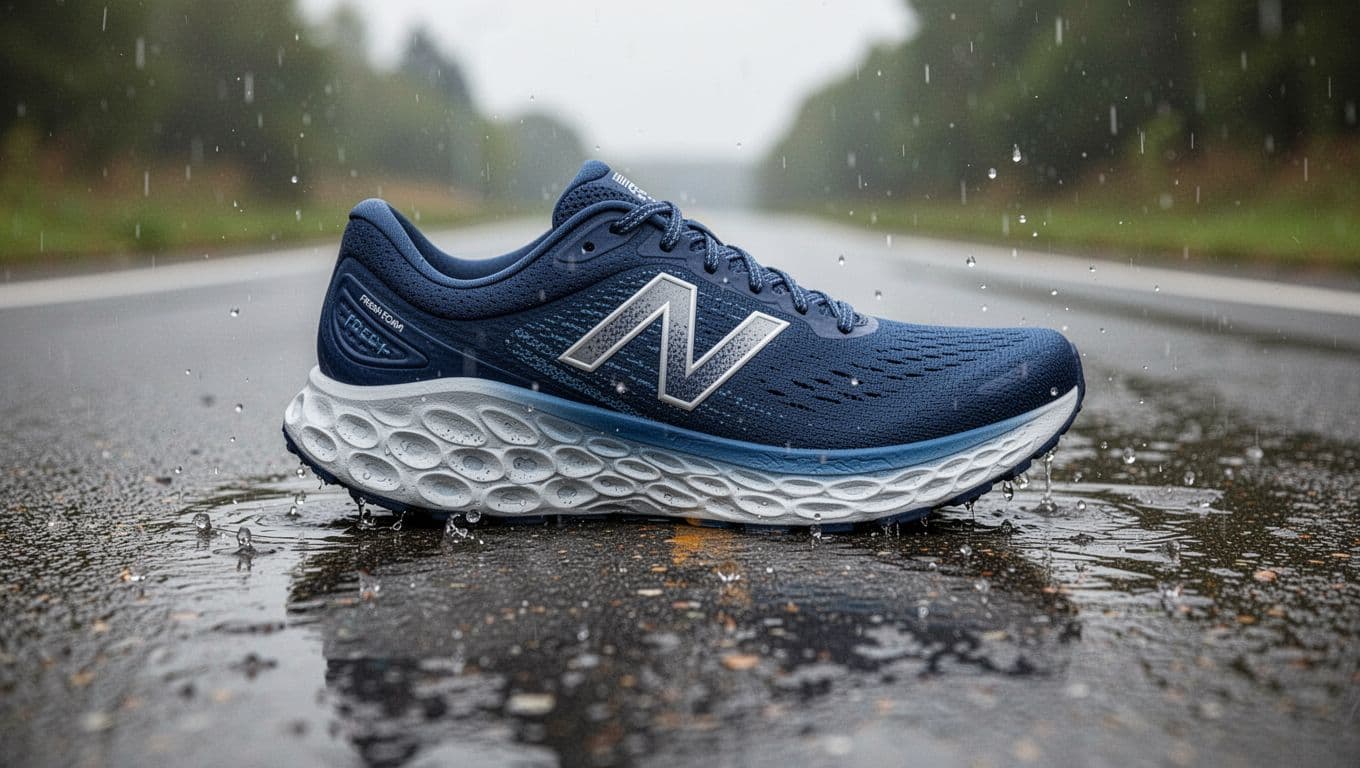
Grip shines on dry roads, where the rubber pattern bites firm. Wet pavement holds too; water beads off without much slip. You stay safe during rain or morning dew.
However, loose surfaces demand caution. Packed dirt with gravel feels sketchy because lugs lack deep bite. Sandy shoulders slide underfoot, raising twist risks. Stick to roads for confidence.
Test it yourself on a short run. If your strides feel planted on asphalt, you’re good. Avoid trails to prevent falls or ankle rolls. Safety comes first, so pick paths that match the shoe’s strengths.
Midsole longevity: does the softness fade over time?
Soft foams like Fresh Foam X start lively but soften more as miles build. After 100 to 200 miles, bounce drops, even if the shoe looks new. You press deeper into the midsole without that fresh snap.
Signs show it’s time to swap: new aches in knees or shins pop up because cushion compresses. Bottoming out happens on hard landings. Wrinkles form on the sides from compaction. Loss of energy return makes runs feel flat.
The outsole might still grip, yet the ride dulls. Heavier runners notice it sooner under load. Track your miles weekly. Replace around 400 if symptoms hit early.
Simple ways to get more miles out of the More v3
You can extend the shoe’s life with basic habits. Rotate two pairs so foam recovers between runs. That cuts stress and evens wear.
Here are practical steps to follow:
- Avoid toe dragging by focusing on midfoot landing.
- Limit use to roads; skip gravel or dirt.
- Air dry after wet runs, away from direct heat.
- Save it for easy days to spare the foam hard efforts.
These tweaks add 100 miles or more. Your body stays protected longer too.
Should you buy the New Balance More v3 in 2026? Best picks, better alternatives, and final verdict
You reach the end of this New Balance More v3 review, and the real question hits: does it deserve space in your rotation this year? It stacks up well for plush protection at easy paces, especially on sale. However, newer options tempt with refinements. Let’s sort who wins and who waits.
Best for: comfort-first runners, heavier runners, and wide feet
Comfort seekers grab the More v3 first. It solves sore legs after back-to-back runs because the thick Fresh Foam X absorbs jolts on pavement.
Heavier runners love the wide base that stays planted under load. You avoid that tippy feel from thinner shoes, so stability holds on long efforts.
Wide feet fit without squeeze. The roomy toe box lets toes spread, fixing pain from narrow trainers. Runners with swelling feet during 20-milers report no blisters or hot spots.
In short, it suits profiles like these:
- Recovery-focused folks nursing calf aches
- Folks over 180 pounds needing joint relief
- Anyone standing all day who walks for fitness
Skip it if: you want a light, fast daily trainer
Speed chasers pass on the More v3. At 10.8 ounces, it drags during pickups, so turnover feels labored.
You notice the weight on tempo runs. Firmer foam elsewhere gives snap that this soft stack lacks.
Look for trainers under 9 ounces with responsive bounce instead. They handle intervals without mush, keeping efforts sharp. Gravel runners skip it too; grip falters off pavement.
More v3 vs More v4: what changes matter most
The More v4 dropped in 2023 at $150 and refines the formula. It adds a wider base for better stability, plus softer foam that bounces more.
However, both share the 4mm drop and max stack. The v4 upper cuts rubbing, so it feels modern on long runs. Yet, v3 holds up if priced under $100.
Choose by feel and deal, not number. Test both; the v4 suits if you want smoother transitions. Note the Trail v3 (now like Hierro v8) swaps road rubber for lugs, so pick road for pavement.
Alternatives that feel similar, and why you might like them more
Other max-cushion shoes mimic the plush ride but tweak the formula. The Hoka Bondi offers lighter weight at similar stacks, so it rolls easier for everyday miles.
Nike Vomero adds snap with ZoomX foam. You get protection plus quicker feel, ideal for mixed paces.
Both cost $150-plus new, yet deliver less heft than the v3.
Budget hunters stick with v3 at $60 sales. It beats pricier picks for pure softness if speed sits low.
Buy the More v3 if: you prioritize recovery, comfort, wide fit, walking, or deals under $100. Heavier runners and pavement cruisers win big.
Pass if: you chase speed, light weight, or gravel paths. Grab v4, Bondi, or Vomero then.
Decision guide:
| Your runs | Pick | Why |
|---|---|---|
| Easy/recovery | More v3 | Cheapest plush protection |
| Mixed paces | Vomero | Lighter snap |
| All-day miles | Bondi | Less weight, smooth roll |
| Newer tech | More v4 | Refined stability |
At current prices, snag the v3 on sale. It delivers value that lasts 400-plus miles for easy efforts. Your legs thank you.
Conclusion
The New Balance More v3 shines in this review with its soft Fresh Foam X cushioning, smooth rocker geometry, roomy fit, wide stable base, and strong durability that lasts 400-plus miles on roads. Runners love how it protects legs during easy efforts and recovery runs.
However, the weight slows you down, the foam feels mushy at faster paces, and traction slips on loose surfaces. So, it fits best for steady pavement miles, not speedwork or trails.
Back to New Balance Running Shoe Reviews


