

New Balance More Trail V3 Review: Maximum Trail Cushioning For Ultra Distance Runs
So, you’re thinking about the New Balance More Trail V3 for your next big trail adventure? It’s a shoe that definitely makes a statement with its massive amount of cushioning, aiming to be your go-to for those really long runs where comfort is king. We’ve taken a close look at what this shoe brings to the table, especially for ultra-distance efforts, and whether all that foam actually translates to a better experience out on the trail. Let’s break down what you need to know about the New Balance More Trail V3.
Key Takeaways
- The New Balance More Trail V3 offers a super plush ride thanks to its abundant Fresh Foam X cushioning, making it ideal for absorbing impact on long trail runs.
- While it provides excellent comfort and stability on smoother terrain like fire roads, its high stack height can be a drawback on technical, uneven trails.
- The shoe’s roomy toe box and adaptable midfoot offer a comfortable fit for extended wear, though some might find the overall upper a bit less structured than desired.
- Concerns exist about the long-term durability of the midsole’s cushioning and the outsole’s wear, especially given the shoe’s positioning for high mileage.
- The New Balance More Trail V3 is best suited for runners prioritizing maximum cushioning for ultra-distance events on less technical courses or for very long training runs.
Maximal Cushioning and Ride Experience with the New Balance More Trail V3
Fresh Foam X Midsole Performance
The New Balance More Trail v3 is, without a doubt, a maximalist shoe. When you first step into these, it feels like you’re walking on clouds, or maybe a really plush mattress. The Fresh Foam X midsole is incredibly thick, and the lab tests back this up, showing significantly higher shock absorption numbers than the average trail shoe. This means your feet are pretty well protected from whatever the trail throws at them. It’s a different kind of ride than what you might be used to, especially if you prefer feeling the ground beneath you. This shoe prioritizes comfort and impact reduction above all else.
Impact Absorption on Long Runs
For ultra-distance running, impact absorption is key, and the More Trail v3 really shines here. Those long miles can beat up your legs, but the generous amount of Fresh Foam X works to soak up a lot of that repetitive stress. It feels like the shoe is designed to let you float over the terrain, rather than pound it. This can make a big difference when you’re many hours into a run and fatigue starts to set in. It’s a shoe that aims to keep your legs feeling fresher for longer, which is exactly what you want when you’re covering serious distance.
Energy Return and Ground Feel
Now, let’s talk about what you might miss with all that cushioning. The More Trail v3 doesn’t offer a ton of ground feel. You’re pretty isolated from what’s happening underfoot, which is great for comfort but not so great if you like to know exactly where your foot is landing. Energy return is also not its strongest suit. While the foam is soft and protective, it doesn’t have that super-bouncy, propulsive feel that some other shoes offer. The lab tests show decent energy return, but it’s not going to feel like a super-shoe. It’s more about a smooth, protected ride than a fast, responsive one. This is a trade-off you make for that extreme cushioning. If you’re looking for a shoe that feels like a comfortable alternative for long efforts, this is a strong contender, but don’t expect it to feel nimble or fast on technical terrain.
Fit and Comfort During Ultra Distance Runs
When you’re out for an ultra, the last thing you want is to be thinking about your feet. The New Balance More Trail V3 aims to keep your feet happy, mile after mile. The generous cushioning is the star here, but how the shoe actually fits and feels on your foot is just as important for those long hauls.
Toebox Dimensions and Volume
The More Trail V3 offers a decent amount of space up front. It’s not overly wide like some zero-drop shoes, but it’s also not constricting. You get enough room for your toes to splay naturally, which is a big plus when your feet start to swell on longer runs. I didn’t experience any jamming on downhills, which is always a good sign. It feels pretty standard, maybe a touch roomier than your average road shoe, but not so much that you feel like your foot is sliding around.
Heel and Midfoot Fit
Lockdown in the midfoot is pretty secure. The shoe wraps around your arch nicely without feeling like it’s squeezing too hard. The heel counter does a good job of keeping your heel in place, minimizing any unwanted movement or slippage. This is key for preventing blisters, especially when you’re logging serious mileage. It feels snug but not restrictive, which is a tough balance to strike.
Wide Platform for Stability
One thing that really stands out is the wide base of the shoe. This wider platform provides a stable foundation, especially when you’re tired and your form starts to break down. It helps counteract some of the softness of the Fresh Foam X, making you feel more planted on uneven terrain. This stability is a huge benefit when you’re deep into an ultra and just need a reliable shoe underfoot.
The combination of plush cushioning and a stable platform means you can focus on the trail ahead, not on your feet. This shoe is built to handle the demands of extended time on your feet, reducing fatigue and keeping you comfortable from start to finish.
Trail Performance and Terrain Suitability
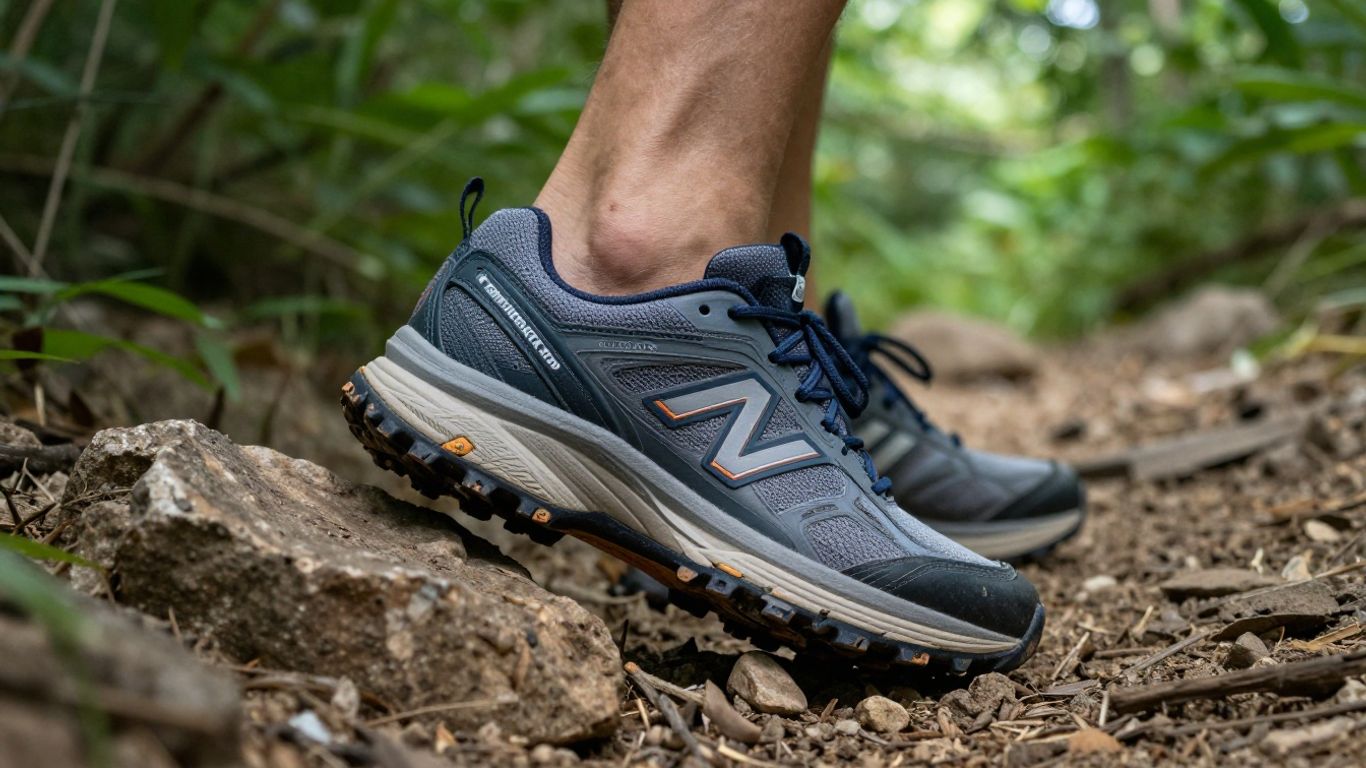
When you’re out there for hours on end, the ground beneath your feet really matters. The New Balance More Trail V3 is built with a generous amount of Fresh Foam X, which does a pretty good job of smoothing out the trail. It really shines on well-maintained paths and fire roads. The wide base of the shoe also contributes to a feeling of stability, which is a big plus when fatigue starts to set in.
Performance on Fire Roads and Mild Trails
For those long runs that stick to packed dirt, gravel, or even some smoother singletrack, the More Trail V3 feels right at home. The cushioning absorbs a lot of the repetitive impact, making it easier to keep going mile after mile. You get a good amount of protection from rocks and roots without feeling completely disconnected from the ground. It’s a shoe that lets you focus on your rhythm rather than worrying about every little stone.
Limitations on Technical Terrain
Now, if your idea of a trail run involves a lot of steep, rocky, or root-filled sections, you might find the More Trail V3 a bit less capable. The high stack height and the softness of the foam, while great for comfort, can make the shoe feel a little less precise on really uneven ground. It’s not that it can’t handle it, but you might feel less confident making quick adjustments or planting your foot on off-camber slopes. It’s definitely not designed for technical racing where every ounce of agility counts.
Shoe Stability for Extended Distances
Despite its plush cushioning, the More Trail V3 offers a surprisingly stable ride, especially for an ultra-distance shoe. The wider platform helps keep you upright, and the foam doesn’t feel overly mushy or unstable. This is important because as the miles add up, your form can break down, and a stable shoe can help mitigate that. It provides a solid foundation that supports your foot through long efforts on varied terrain, making it a reliable partner for those epic days out. The shoe is a good option for those looking for genuine trail performance.
The generous cushioning is the star here, making it a comfortable choice for covering long distances on less demanding trails. While it might not be the go-to for gnarly, technical descents, its stability and comfort make it a strong contender for ultra-runners prioritizing a smooth ride.
Upper Construction and Material Choices
Engineered Mesh and Flexibility
The New Balance More Trail v3 uses an engineered mesh for its upper, which is pretty standard these days. It’s lightweight and flexible, almost like you’d find on a road running shoe. This pliability is a bit of a mixed bag. On one hand, it allows for a snugger fit that can adapt to your foot. On the other hand, it sometimes feels like it doesn’t quite hold onto your foot as securely as you might want, especially when things get a bit rough out on the trail. It’s a trade-off, for sure.
Toe Protect Technology
There’s a thin TPU rand that wraps around the front of the shoe, part of what New Balance calls their “Toe Protect” technology. This is meant to guard your toes from rocks and roots, which is always a good thing. It runs along the shoe just above the midsole, all the way to the midfoot. While it adds a layer of protection, the overall upper material is still quite soft and flexible.
Support and Lockdown Considerations
One area where the More Trail v3 could use a bit more attention is in the support and lockdown department. The tongue and laces, while functional, feel a bit flimsy. I’ve had the tongue bunch up a couple of times, and the laces themselves have started to fray already, which is a bit disappointing. It makes you wonder if using recycled materials, while good for the environment, sometimes compromises durability and feel. The heel collar is also pretty minimal, with light cushioning. While the shoe’s rocker design helps reduce some strain, a more robust upper might inspire more confidence, especially given the shoe’s high stack height. It feels like New Balance took some risks with the cushioning and sole, but maybe played it a little too safe with the upper.
Here’s a quick look at how the upper materials stack up against some other shoes:
| Shoe Model | Upper Material | Key Features |
|---|---|---|
| New Balance More Trail v3 | Engineered Mesh | Lightweight, flexible, Toe Protect rand |
| Altra Olympus 5 | Knit Upper | Breathable, adaptive fit |
| Hoka Speedgoat 5 | Engineered Mesh | Durable, breathable, reinforced overlays |
While the environmental aspect of using recycled materials is commendable, it’s important that it doesn’t negatively impact the shoe’s performance or longevity. If a shoe wears out faster because of material choices, it can end up creating more waste in the long run. Finding that balance is key for sustainable running gear.
Durability and Longevity Concerns
When you’re looking at a shoe designed for maximum cushioning, especially for ultra distances, durability is a big question mark. The New Balance More Trail v3, with its massive stack of Fresh Foam X, definitely brings this concern to the forefront. While it feels great underfoot initially, how does that plushness hold up over many miles and varied terrain?
Midsole Compression Over Time
The big story with the More Trail v3’s midsole is the sheer amount of Fresh Foam X. This lightweight foam is fantastic for comfort, but it’s also known to compress over time. Early reports suggest that after just under 100 miles, some runners have noticed a decline in the midsole’s energy return. This means that the bouncy, responsive feel you get right out of the box might not last as long as you’d hope for a shoe intended for high mileage. It’s a trade-off: maximum comfort now versus sustained performance later.
Outsole Wear Patterns
New Balance has opted for a Vibram sole on the More Trail v3, which is generally a good sign for durability. However, the specific compound and the shoe’s design can still lead to wear. Some testers have noted that the outsole is starting to show signs of wear relatively quickly, even before hitting the 100-mile mark. This could be due to the softer nature of the foam it’s attached to, or perhaps the lug pattern isn’t as robust as some other trail shoes. Keep an eye on how the lugs hold up, especially if you tend to run on abrasive surfaces.
Upper Material Lifespan
The upper of the More Trail v3 is designed to be light and breathable, which is great for comfort on long runs. However, this often comes at the expense of ruggedness. Reports indicate that the mesh and overlays, while comfortable, might not be the most resilient. Some signs of wear have appeared on the upper even in the early stages of testing. While it has reinforcements in key areas, it’s probably wise to be mindful of sharp rocks or branches that could snag and tear the material. For a shoe meant to tackle the trails, a bit more toughness in the upper would have been welcome.
While the More Trail v3 is built with long runs in mind, its overall longevity might be a point of concern for some runners. The combination of a highly compressible midsole foam and potentially less robust upper materials means that while it offers exceptional comfort, it might not be the most durable option on the market for extreme mileage.
Here’s a quick look at what to expect:
- Midsole: Fresh Foam X is soft but prone to compression, potentially reducing energy return over time.
- Outsole: Vibram offers good grip, but wear patterns might appear sooner than expected on certain terrains.
- Upper: Lightweight and breathable mesh prioritizes comfort but may be less resistant to abrasion and tears.
It’s worth noting that the Vibram sole is generally a strong point for many trail shoes, offering good traction and durability. However, the overall lifespan of the More Trail v3 will likely depend on how these components work together and how the shoe is treated. If you’re looking for a shoe that can last for hundreds of miles of hard use, you might want to consider other options, though the More Trail v3 does offer a unique ride for its intended purpose.
Ideal Use Cases for the New Balance More Trail V3
Best Scenarios for Ultra-Distance Runners
The New Balance More Trail V3 really shines when you’re facing those seriously long efforts, think ultramarathons or just your longest training runs. This shoe is built to eat up miles and keep your feet feeling as fresh as possible. It’s designed for runners who are okay with a slower pace and prioritize comfort over speed when the distance gets daunting. If you’re aiming to just cover the ground and not necessarily set any speed records, especially if you anticipate walking or hiking sections, these are a solid choice. They work well for non-technical 100-mile races and up, or any long run exceeding 20 miles for experienced ultra runners. For those running less frequently, even 10-12 miles might feel like a good use case to experience the cushioning.
Suitability for Recovery Runs
While not their primary purpose, the More Trail V3 can certainly function as a recovery shoe. After a hard workout or a particularly brutal long run, slipping into these can provide a welcome break for your legs. The plush cushioning helps absorb impact and can aid in reducing fatigue. However, don’t expect them to feel nimble or quick for these shorter, easier efforts. They’re more like a comfortable lounge chair for your feet than a sports car.
Who Should Consider Other Options
If you’re a runner who prefers a more connected feel to the ground, or if you frequently tackle technical trails with lots of rocks and roots, you might want to look elsewhere. The high stack height, while great for cushioning, can reduce ground feel and potentially make the shoe feel less stable on very uneven terrain. Also, if speed is your main goal, even on longer runs, these might feel a bit clunky. For those seeking a more agile shoe for racing or faster training days, other options might be a better fit. It’s also worth noting that while they handle mild to moderate terrain well, they aren’t the best choice for scrambling or highly technical mountain running. You might find better options in a general trail shoe roundup if you need something more versatile.
The More Trail V3 is a shoe that embraces the maximalist trend, offering a substantial amount of cushioning designed to protect your feet over extreme distances. Its wide base and forgiving upper contribute to a comfortable experience, making it a strong contender for ultra-distance events where comfort is paramount. However, this focus on cushioning comes at the expense of ground feel and agility, making it less suitable for technical terrain or speed-focused running.
Comparison with Other Trail Running Shoes
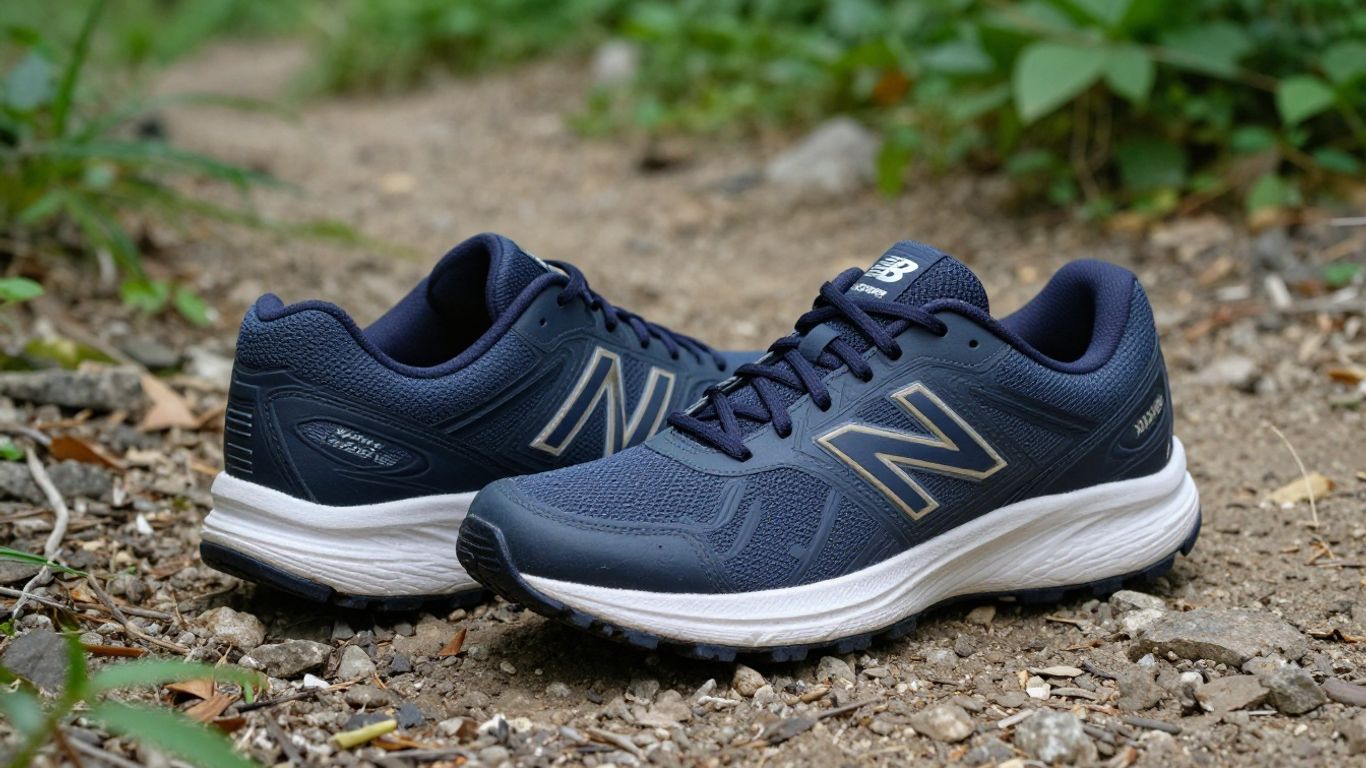
When you’re looking at the New Balance More Trail v3, it’s helpful to see how it stacks up against some other popular options out there, especially if you’re eyeing those ultra-distance runs. It’s definitely in the maximalist category, aiming for comfort and cushioning above all else.
Versus Altra Olympus and Hoka Speedgoat
The More Trail v3 goes head-to-head with shoes like the Altra Olympus and the Hoka Speedgoat. The Olympus is known for its zero-drop platform and wide foot shape, offering a very natural feel. If you prefer a zero-drop shoe and a roomy toe box, the Olympus might be your pick. The Hoka Speedgoat, on the other hand, is a long-time favorite for its balance of cushioning, aggressive traction, and versatility across different terrains. While the More Trail v3 offers a similar plush ride, the Speedgoat often feels a bit more nimble on varied trails. The More Trail v3 really shines when pure, unadulterated cushioning is the priority for long, steady efforts.
Comparison to New Balance Hierro V7
Compared to its sibling, the New Balance Hierro V7, the More Trail v3 is a different beast. The Hierro V7 is generally a more traditional trail shoe, offering a good blend of protection and responsiveness without going to the extreme in stack height. It’s a solid all-rounder for many trail scenarios. The More Trail v3, however, is all about that maximum Fresh Foam X. If you’re looking for a shoe that feels like running on clouds for hours on end, the More Trail v3 is the clear choice over the Hierro. The Hierro might be better if you need a bit more ground feel and agility on technical sections.
Pros and Cons for Ultra-Endurance
Here’s a quick breakdown of where the More Trail v3 fits in for ultra-endurance running:
- Pros:
- Unmatched cushioning for long-haul comfort.
- Wide platform provides good stability for a max-cushion shoe.
- Soft ride reduces fatigue on endless miles.
- Cons:
- Can feel less precise on highly technical terrain.
- Lace lockdown might require adjustments for some foot shapes.
- Weight might be a factor for those prioritizing speed.
When considering shoes for ultra-distance, comfort and protection are paramount. The More Trail V3 leans heavily into these aspects, making it a strong contender for runners who prioritize a soft landing and reduced impact over many hours on the trail. It’s a shoe designed to let you keep moving forward when your legs start to feel the strain.
Final Thoughts
So, the New Balance More Trail v3. It’s definitely a shoe with a lot going on, especially with all that cushioning. For those long, long runs where you just want to keep moving and forget about your feet, these could be a solid choice. They handle the miles well and offer a soft ride, which is great for ultra distances. However, they aren’t the best for super technical trails, and I do have some questions about how well they’ll hold up over a really long time. If you’re looking for a plush cruiser for mostly smooth trails and don’t mind the bulk, give them a look. Just maybe keep them away from the really gnarly stuff.
Frequently Asked Questions
Is the New Balance More Trail V3 good for very long runs?
Yes, this shoe is made for ultra-distance runs. It has a lot of soft cushioning to keep your feet comfy for many miles. It’s like having a soft mattress for your feet on the trail.
How does the cushioning feel on the trail?
The cushioning is super soft and absorbs a lot of impact, which is great for long runs. It might not give you a strong feel for the ground, but it protects your legs and feet really well.
Can I use this shoe on tricky trails with rocks and roots?
While it’s great for smooth paths and fire roads, this shoe might be a bit wobbly on very technical trails. The big, soft sole can make it harder to stay stable when the ground is uneven or rocky.
Does the shoe fit well for long runs?
The shoe has a roomy toe area that lets your feet spread out, which is good because feet swell on long runs. The middle part of the shoe can be adjusted to fit snugly, helping your foot feel secure.
Will these shoes last a long time?
Some runners have noticed that the soft cushioning can get compressed over time, meaning it might not feel as bouncy after many miles. The outer parts of the shoe might also show wear and tear faster than expected.
Who would benefit most from the More Trail V3?
This shoe is best for runners who prioritize comfort and cushioning on long trail runs, especially those who might walk or hike parts of the course. It’s also good for heavier runners or those with wider feet who need extra support.


