

Mount to Coast H1 Review: Built for Long-Distance Runners
The Mount To Coast H1 is built for runners who want distance comfort without carrying extra bulk. Its design leans on a simple idea, keep the shoe durable enough for daily miles while trimming weight where it matters.
That balance matters when your runs start stacking up, because a shoe can feel fine at mile two and fall apart by mile twelve. Runners looking for a dependable trainer for both steady workouts and race day efforts are paying attention to how the H1 handles that tradeoff, much like other models in the brand’s lineup, including the Mount To Coast S1 long-distance running review.
Below, we’ll look at how the H1 fits into a runner’s rotation and why its mix of comfort, structure, and lighter build is getting attention.
What Makes the Mount To Coast H1 Stand Out
The Mount To Coast H1 gets attention because it doesn’t chase one feature at the expense of another. It combines a cushioned ride, a stable platform, and a breathable upper in a way that feels built for real mileage, not just short test runs.
Build Your Complete Race-Day Setup
The right shoe helps, but faster racing comes from better training, pacing, recovery, fueling, and execution.
More Guides for This Shoe
That matters for long-distance runners. When the miles stack up, the shoe has to stay comfortable, keep your foot in place, and avoid that heavy, flat feeling that can drain your legs late in a run.
Innovative Midsole Cushioning Technology
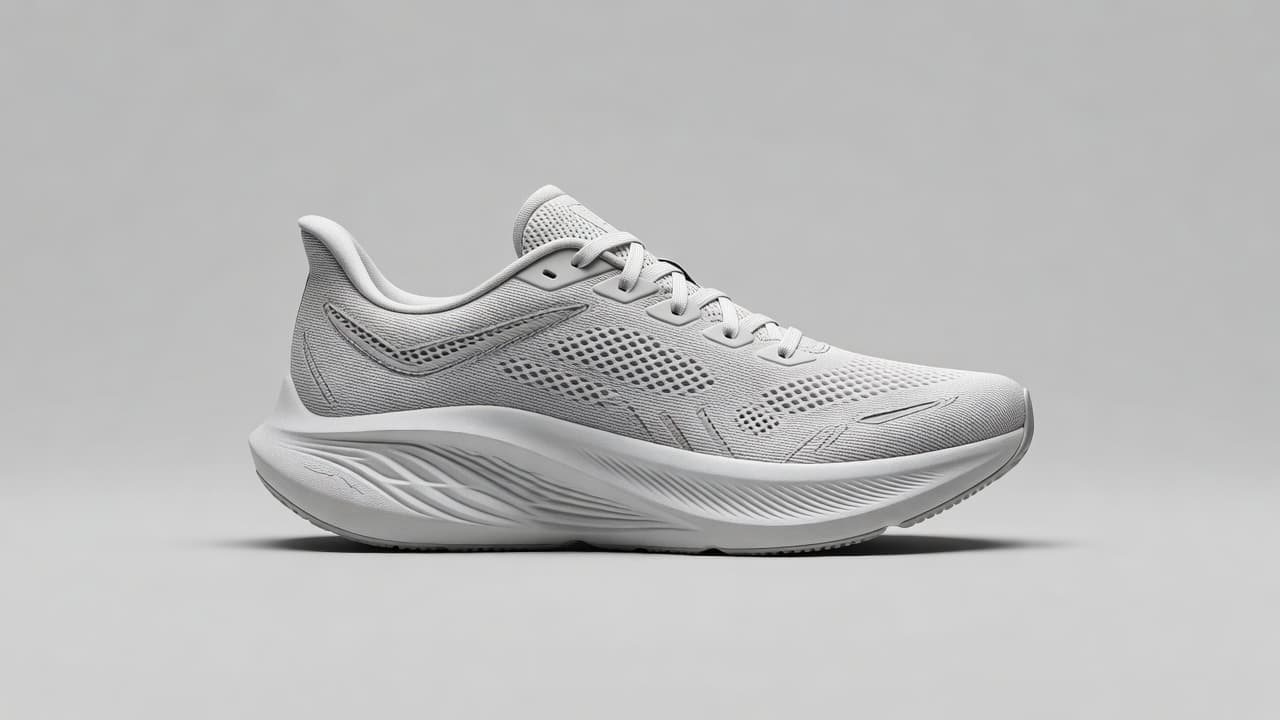
The H1 uses a foam setup that feels soft on landing but still responds well when you pick up the pace. The midsole is tuned to give you a bit of rebound without turning the ride unstable, which is a hard balance to get right in a distance shoe.
That balance is the key. Too soft, and the shoe can feel sloppy late in a run. Too firm, and your legs pay for it after hour two. The H1 aims for the middle ground, where the foam absorbs impact and then gives some of that force back as you move forward.
For runners comparing stability-focused distance shoes, that kind of ride matters. A model like the HOKA Gaviota 6 stability review shows how helpful a broad, controlled platform can be, and the H1 takes a similar long-haul approach with a lighter feel.
The real test of a midsole is how it feels at mile 1 and mile 16. The H1 is built to stay useful at both points.
Breathability and Fit of the Upper
The upper uses a lightweight mesh construction that helps move heat and moisture away from the foot. On warm summer runs, that airflow matters more than most runners expect, because trapped heat can make a shoe feel tighter and faster to fatigue your feet.
Just as important is the lockdown. A secure fit keeps your foot from sliding around inside the shoe, which helps reduce friction and hot spots. That matters on long runs, where even a little movement can turn into a blister by the end.
The H1’s upper feels made for runners who want dependable hold without a stiff, wrapped-up sensation. It gives you a close fit through the midfoot, while still leaving enough room for long-run comfort as your feet swell.
For more on the shoe’s road-to-trail identity and design details, the Mount to Coast H1 product page adds useful context.
In the end, the H1 stands out because it feels purposeful. The midsole protects your legs, the upper keeps the fit secure, and the full package works well for runners who want reliable gear for long-distance efforts.
Performance on Different Terrains
The Mount To Coast H1 handles varied surfaces with surprising consistency for a dedicated road shoe. While it is clearly designed for pavement and smooth asphalt, the architecture of the outsole allows it to transition onto light trails without feeling out of place. Most runners appreciate a shoe that doesn’t force a route change just because the sidewalk ends and a packed dirt path begins.
Road Surface Dynamics
On standard road surfaces, the Mount To Coast H1 performs exactly as expected for a high-mileage trainer. The midsole geometry promotes a smooth transition from heel to toe, which helps keep your rhythm steady during long efforts. Because the platform remains relatively broad, you get a stable base that feels reliable when you encounter uneven pavement or sudden changes in camber.
You will notice the foam remains responsive even after several miles of pounding. This is helpful when you hit stretches of concrete that usually feel unforgiving. The outsole rubber provides enough traction to handle wet roads, although you should always exercise caution on painted lines or metal grates during rainy conditions.
Transitioning to Light Trails
Taking this shoe onto light trails or crushed gravel paths is manageable, provided the terrain isn’t overly technical. The H1 lacks the aggressive lugs found on dedicated trail shoes, but the patterned outsole design grips well enough on dry, packed earth. If your route includes occasional jaunts through city parks or canal paths, this shoe serves as a capable partner.
The lack of a rock plate means you will feel sharper stones underfoot compared to a true trail model. For that reason, stick to smooth, groomed trails where the risk of debris or jagged obstacles is minimal. If you find yourself gravitating toward more rugged terrain, you might want to look into options like the best trail running shoes to provide the extra protection your feet need.
Outsole Grip and Long-Term Durability
The durability of the outsole is a standout feature, especially for runners who burn through rubber quickly. Mount To Coast uses a compound that balances grip with a high degree of wear resistance. This means you can expect a consistent ride even as the mileage on your pair climbs into the triple digits.
| Feature | Performance Level | Benefit |
|---|---|---|
| Road Traction | Excellent | Reliable on wet and dry asphalt |
| Trail Grip | Moderate | Capable on packed dirt and gravel |
| Rubber Density | High | Increases total shoe longevity |
| Surface Versatility | Flexible | Moves well between urban environments |
The strategic placement of the rubber in high-wear zones shows a thoughtful approach to construction. You get grip exactly where you push off and land, without adding unnecessary weight to the rest of the shoe. This keeps the total weight low while ensuring the Mount To Coast H1 remains a fixture in your training rotation for many months.
Who Should Consider the H1 for Their Training
Choosing the right shoe comes down to understanding your daily needs as a runner. The Mount To Coast H1 fits well for runners who prioritize consistent comfort over extreme responsiveness. If you spend most of your time on the road and want a reliable trainer that protects your legs during high-mileage weeks, this model is a strong candidate for your rotation.
It works best for those who prefer a neutral platform. It lacks the aggressive guidance features found in heavy stability shoes, which makes it an ideal match for runners with efficient mechanics who just need a bit of extra cushioning.
Matching Your Running Goals
Aligning this shoe with your specific training plan depends on the type of effort you have on the calendar. Because the foam offers a balance of protection and durability, it excels during steady recovery runs or long, slow mileage. You get enough impact absorption to keep your legs fresh for the next day, yet the shoe remains light enough to prevent that sluggish sensation on long efforts.
When it comes to tempo training or marathon-paced work, the H1 holds its own, though it isn’t a dedicated speed shoe. It handles faster efforts well because it stays secure on the foot and doesn’t feel overly soft or unstable during cornering. However, if your training plan focuses primarily on short track intervals or sprint work, you might prefer a lighter, more aggressive racing flat.
Training scenarios
- Recovery and easy runs: This is where the shoe shines, providing a forgiving ride that lets your muscles recover between hard efforts.
- Long-distance aerobic mileage: The durable midsole foam maintains its character for many miles, making it a reliable choice for your weekly long run.
- Marathon and tempo efforts: The shoe keeps your feet comfortable and secure when you need to maintain a steady pace for an hour or more.
If you are a marathoner building toward race day, you will appreciate how the H1 minimizes leg fatigue. It acts as a workhorse in your training closet. For runners who want to understand how this compares to other gear in their current rotation, checking out running shoe rotation tips can help you decide if it fills a gap in your existing setup.
Most runners will find that the H1 is the best choice when they need one pair of shoes to do the heavy lifting. It removes the guesswork from daily training by providing a consistent, protected ride on almost any road surface.
Maintaining Your Shoes for Maximum Longevity
Your running shoes represent a real investment in your training routine. Taking care of your Mount To Coast H1 pair ensures you get every bit of performance out of the materials. Proper maintenance also prevents premature foam breakdown and keeps the upper from losing its shape. When you treat your gear with respect, it rewards you with many more comfortable, reliable miles.
Best Practices for Cleaning Your Shoes
Mud and grit do more than make your shoes look tired. Over time, debris grinds into the mesh upper and breaks down the fibers. You should regularly wipe down the exterior with a soft brush or a damp cloth. If you run through thick mud, wait for it to dry before brushing it away. This approach prevents you from rubbing abrasive particles deeper into the fabric.
Avoid putting your shoes in the washing machine or the dryer. The high heat of a dryer ruins the glue bonds and ruins the integrity of the foam midsole. Instead, remove the sockliner and laces, then clean them separately in cool, soapy water. Use a mild detergent and scrub the shoes by hand. Rinse them thoroughly and let them air dry naturally in a cool, shaded area.
Drying and Storage Tips
Drying your shoes correctly is just as important as the cleaning process itself. You might be tempted to leave them on a radiator or in direct sunlight, but this causes the materials to warp. If your shoes get soaked during a rainy run, pull out the insoles immediately. Stuff the shoes with crumpled newspaper or a dedicated shoe dryer to absorb the moisture from the inside out.
Keep your H1 shoes in a climate-controlled environment when you are not using them. A dry, cool closet is better than a humid garage or a hot car trunk. Excessive heat softens the adhesives and accelerates the degradation of the cushioning. Giving your shoes a dedicated spot to breathe after a run helps the moisture evaporate, which keeps them fresh for the next day.
Giving your shoes a day of rest is the simplest way to extend their life. The foam in your midsole needs time to rebound and recover its shape after long runs. If you wear the exact same pair for back-to-back workouts, the foam stays compressed and loses its ability to protect your joints. Having two pairs in your rotation keeps the cushioning springy for much longer.
Rotating between different models also helps improve your running form by slightly shifting the load on your feet and legs. If you want to build a balanced setup, take a look at our running shoe rotation tips for advice on pairing your daily trainers with specialized gear. Alternating your shoes keeps each pair performing at its best and reduces the risk of excessive wear patterns.
Final Thoughts on the Mount To Coast H1
The Mount To Coast H1 earns its place as a reliable choice for runners who value consistency over gimmicks. You get a shoe that respects the demands of high-mileage training by focusing on core needs like impact protection and a secure, breathable fit. While many shoes try to do too much with complex plates or extreme foam stacks, this model succeeds by sticking to a straightforward design that works well on the road.
Why Quality Footwear Matters for Your Training
Investing in a high-quality daily trainer like the H1 is a simple way to protect your body against the inevitable stress of repetitive impact. High-mileage runners know that a shoe failing to support the foot properly can lead to fatigue or strain long before the run is finished. By choosing a shoe that maintains its structural integrity over time, you reduce the risk of common issues that keep you off the road.
Good gear provides the baseline support your muscles and joints need during those long weeks of training. It is not just about comfort during the run; it is about how you feel during the recovery hours that follow. When you wear a shoe that fits your mechanics and handles the terrain well, you lower the physical tax of every mile.
Final Verdict for Long-Distance Runners
If you want a dependable workhorse for your daily rotation, the Mount To Coast H1 is a smart addition to your closet. It strikes a balance between a cushioned landing and a responsive toe-off that keeps your legs feeling fresh during long, slow efforts. It avoids the heaviness of clunkier stability shoes while still providing enough base to keep you feeling secure on varied road surfaces.
Runners who should pick up the H1 include those who:
- Prioritize consistent foam performance across triple-digit mileage.
- Need a secure lockdown that prevents blisters during long, sweaty sessions.
- Want a versatile trainer that moves easily from road to light trail paths.
- Value a neutral platform that lets their natural gait cycle function without interference.
This shoe is a sensible choice for anyone who treats their training like a craft. You get a durable, predictable tool that performs whenever you lace up for a run. By keeping your feet happy and protected, you ensure that you can stay on your plan and continue working toward your long-term goals without interruption. Choosing the right gear is part of the process, and this model delivers the steady support you need to keep moving forward.
Conclusion
The Mount To Coast H1 succeeds because it prioritizes the practical needs of runners over unnecessary complications. It offers a protective ride that keeps your legs fresh during high-mileage weeks without adding weight. You get a consistent platform that holds up whether you are on the road or a light trail.
Every runner has a unique gait and specific set of preferences. Because of this, you should test the Mount To Coast H1 for yourself to see how the cushion and fit match your personal stride. Taking a pair for a few test runs on your regular routes is the best way to determine if it belongs in your training rotation.
If you find that your current footwear causes fatigue during long sessions, these shoes may provide the extra support you need. Grab a pair and see how they feel during your next long run.


