

Mizuno Wave Daichi 9 Review: Trail Grip and Cushion Test
The Mizuno Wave Daichi 9 is built for trail runners who want a steady mix of grip, comfort, and stability on mixed terrain. If your runs move between dirt, gravel, packed paths, and the occasional rough stretch, this shoe is aimed right at that use case.
What matters most in a trail shoe is how it feels when the ground changes under you, and that’s where this review focuses. You’ll get a clear look at the outsole traction, cushion feel, fit, and the way the shoe handles real trail miles, not just short test runs.
The Wave Daichi 9 sounds most appealing if you want a trail shoe that feels secure without going overly soft or heavy. It should suit runners who value control on uneven ground and want enough cushioning for longer outings, while still keeping a connected feel on the trail. Next, let’s break down how it handles grip and underfoot comfort.
What the Mizuno Wave Daichi 9 Is Built to Do
The Mizuno Wave Daichi 9 is made for runners who want one trail shoe that can handle a lot of ground without feeling sluggish. It fits best as a daily trail trainer, the kind of shoe you can wear on weekday dirt-road loops, weekend mixed-terrain runs, and longer outings where comfort still matters after the first few miles.
It is built for balance. You get enough protection for rocks, roots, and uneven paths, but the shoe still keeps a more connected feel underfoot. That matters if you don’t want a max-cushion trail shoe that feels tall and soft, or a race shoe that pushes speed ahead of comfort. The Daichi 9 sits in the middle, and that middle is exactly where many runners spend most of their time.
The kind of trail runner it suits best
This shoe makes the most sense for runners who want dependable grip, steady cushioning, and a ride that does not feel bulky. If you run moderate mileage and mix smooth paths with some light technical sections, the Mizuno Wave Daichi 9 should feel right at home.
It also suits comfort seekers who still want a firmer, more controlled trail feel. You can wear it for longer training runs, because it offers enough cushion for repeat efforts without turning mushy late in the run. Runners who prefer a shoe that feels stable on dirt roads, packed gravel, and mild climbs will likely get the most from it.
For a broader look at where trail shoes like this fit, beginner-friendly trail runners are a helpful starting point if you’re still building your kit.
How it compares to a typical trail trainer
Compared with a typical trail trainer, the Wave Daichi 9 feels more versatile than specialized. Max-stack shoes usually give more softness and more height underfoot, but they can lose some ground feel and stability. The Daichi 9 keeps things more direct, so you stay aware of the trail without giving up comfort.
At the other end, lighter speed-focused models often feel sharper and faster, but they can leave you wanting more protection on longer runs. The Daichi 9 avoids that tradeoff by aiming for steady performance instead of one narrow purpose.
The Daichi 9 is best for runners who want one shoe to handle most trail days, not just one type of run.
That balance is the point. It is a trail shoe built to handle real mileage, changing terrain, and a pace that can shift without forcing you into a single lane.
Trail Grip That Feels Secure on Mixed Ground
The Mizuno Wave Daichi 9 handles mixed trail surfaces with a calm, grounded feel. It does best when the route changes often, because the outsole keeps a steady hold without feeling overly sticky or awkward on firmer ground.
That balance matters on real runs. You want grip that bites when the trail gets loose, but you also want a shoe that rolls smoothly on packed dirt and gravel. The Daichi 9 hits that middle point well, which makes it a strong pick for everyday trail miles.
Outsole traction on dry and loose trails
On dry dirt, packed paths, and fire roads, the outsole feels dependable right away. The lugs give enough bite to keep your stride steady, but they do not feel so aggressive that they drag on hard ground. That makes the shoe easy to trust on rolling routes where the surface changes every few minutes.
Loose gravel is handled well too. The outsole settles into the surface without feeling nervous, so you get a secure base when corners tighten or the trail gets slightly washed out. For runners who spend most of their time on moderate trails, that kind of traction is often the sweet spot.
If you want a broader look at how trail gear choices affect performance, trail running tips can help you think through the rest of your setup.
How it handles wet and uneven surfaces
Wet rock, roots, and slick patches are where trail traction usually gets tested. The Wave Daichi 9 stays composed here, and it gives you enough grip to keep moving with confidence, especially when you stay alert with foot placement. Corners feel controlled, and braking on mild descents feels stable rather than sketchy.
Still, this is not the kind of outsole that turns every wet surface into a lock-in. It performs well for mixed conditions, but it is not class-leading in deep slime, polished rock, or long stretches of sloppy mud. That matters if your local trails stay soaked for weeks.
The grip is solid for mixed terrain, but extreme wet conditions can expose its limits.
On uneven ground, the shoe feels most secure when your steps stay clean and deliberate. If you run a lot of technical wet trails, a more aggressive wet-weather tread may be a better fit. For general use, though, the Daichi 9 keeps enough control to stay reassuring.
When the tread pattern matters most
The tread pattern shows its strength during uphill pushes and downhill control. On climbs, the forefoot lugs help the shoe hold the ground instead of sliding back under pressure. On descents, the heel area gives you a useful braking feel, so you can keep your speed in check without overthinking every step.
The lug spacing also helps when a run moves from hardpack to looser ground. The outsole does not feel clogged up or overly stiff, so the shoe can adapt as the trail gets more broken up. That makes it a good match for routes with:
- Dry singletrack that turns loose near the edges
- Gravel climbs where you need steady push-off
- Moderate descents that reward controlled braking
- Mixed forest trails with roots, dirt, and small rocks
The Mizuno Wave Daichi 9 feels most at home on everyday trail routes, not extreme terrain. If your runs mix firmness, light looseness, and occasional rough patches, the tread pattern gives you the kind of grip that feels confident without demanding perfect trail conditions.
Cushioning and Ride Feel on Long Runs
The Mizuno Wave Daichi 9 lands in a useful middle zone for cushioning. It has enough foam to soften rocky ground and repeated impacts, but it never feels like a thick pillow underfoot. That makes it easier to stay comfortable when the trail gets rough, while still keeping a clear sense of where your feet are landing.
How much cushioning you actually get
Underfoot, the ride feels moderately cushioned and slightly firm, which is a good fit for trail runners who want support without a mushy landing. You notice the foam most when you hit small rocks, packed dirt, and uneven roots, because it takes the edge off those sharp contacts.
That firmer feel helps on technical trails. Your feet stay more aware of the terrain, so the shoe does not disconnect you from the trail the way softer models sometimes do. For longer training runs, that balance matters, because the cushioning protects your legs without turning each step into a slow sink.
If you want a broader look at what cushion does for comfort, choosing the right cushioning for your runs is a useful comparison point.
Ride comfort over distance
After several miles, the Daichi 9 stays steady. The cushioning does a good job of reducing impact, so your legs do not get beat up as quickly on hard-packed sections or rocky stretches. Even when fatigue starts to show, the shoe keeps its shape and does not collapse into a flat, dead feeling.
That matters most late in the run. Instead of feeling bouncy in a distracting way, the ride stays controlled and predictable, which helps tired legs keep turning over cleanly. You still feel the trail under you, but the shoe takes enough sting out of the surface to make longer outings more manageable.
The ride stays stable late in the run, which matters more than plush softness on rough trail miles.
For runners who log regular long efforts, that kind of protection is usually more useful than a soft-first feel. If you want to compare how a more cushioned trail shoe handles endurance efforts, the Nike ACG Zegama 2 review gives a good reference point.
Responsiveness versus protection
The Daichi 9 leans more toward steady comfort and protection than quick, snappy turnover. It has enough rebound to keep the run from feeling dull, but it does not push you forward with a lively, race-day pop. Instead, it gives you a smooth, dependable ride that works well when the goal is to cover miles comfortably.
That tradeoff makes sense for this shoe. Faster trail shoes often feel sharper, but they can get harsh when the miles stack up. The Wave Daichi 9 keeps the pace calmer and the foot strike more protected, which is exactly what many runners want for daily trail use.
In practical terms, this is the kind of shoe that encourages a settled rhythm. It feels stable enough for tired legs, and it remains comfortable when the route gets longer than planned. If your trail runs are usually about getting the work done, not chasing speed at every step, this cushioning setup fits well.
Fit, Upper Comfort, and Trail-Ready Lockdown
The upper on the Mizuno Wave Daichi 9 feels built for steady trail use, not just short test runs. It gives you a secure hold without feeling harsh, and that matters once your run stretches past the first few miles.
The overall fit lands on the more traditional side of trail running shoes. If you like a precise feel, the Daichi 9 should feel natural. Runners who want a very roomy, foot-shaped fit may want to size up carefully or look at other options in a running shoe reviews hub before deciding.
Toe box space and overall fit
The toe box gives your forefoot enough space for normal swelling on longer runs, but it does not feel oversized. That balance works well if you want your toes to move a little without sliding around inside the shoe. On long climbs and warm days, that extra bit of room helps keep the forefoot from feeling pinched.
This fit should suit narrow to average feet best. Runners with wider feet may still get along with it if they prefer a more secure, performance-style fit, but the shoe does not feel especially wide. If your toes tend to spread a lot on descents, the front end may feel more snug than roomy.
For a general reference on fit expectations, trail shoe sizing tips line up with what this shoe is trying to do, a secure hold with enough space to avoid crowding.
Heel hold and midfoot security
Heel hold is one of the stronger points here. The rear of the shoe feels locked in, so you do not get much lift when cornering or climbing. That matters on uneven ground, where a loose heel can turn small trail changes into annoying movement inside the shoe.
The midfoot also feels stable and well-contained. The lacing works with the upper to keep the foot centered, so the shoe feels planted when you pick up the pace. Even on quick direction changes, there is very little side-to-side wobble.
That secure feel helps most on descents and off-camber sections. The shoe keeps your foot in place instead of letting it drift, which gives you more confidence when the trail gets choppy.
If you want a locked-in trail shoe that still feels comfortable, this upper gets the job done.
Breathability and trail debris protection
Airflow is solid for a trail shoe, especially for moderate temperatures and longer runs. The upper does a good job of keeping the foot comfortable without feeling overly warm, although it is not the lightest or most open mesh you will find. On hot summer runs, you will notice some heat buildup, but not enough to make the shoe feel stuffy.
Protection is just as important as airflow here. The upper keeps out dust, grit, and small trail debris better than many more open designs. That helps on dry, loose trails where tiny stones can sneak into softer uppers and distract you mid-run. In short, the Daichi 9 gives you a practical mix of comfort and defense, which is exactly what most trail runners need.
Stability, Protection, and Confidence on Technical Ground
The Mizuno Wave Daichi 9 feels at its best when the trail gets uneven and the footing starts to ask more of you. It gives you a grounded platform, enough side support to stay centered, and the kind of protection that keeps rough ground from beating up your feet too quickly.
That mix matters on real runs. When you hit roots, rocks, and cambered paths, you want the shoe to feel steady without feeling stiff or clumsy. The Daichi 9 stays in that useful middle zone, which makes it easier to trust when the terrain changes fast.
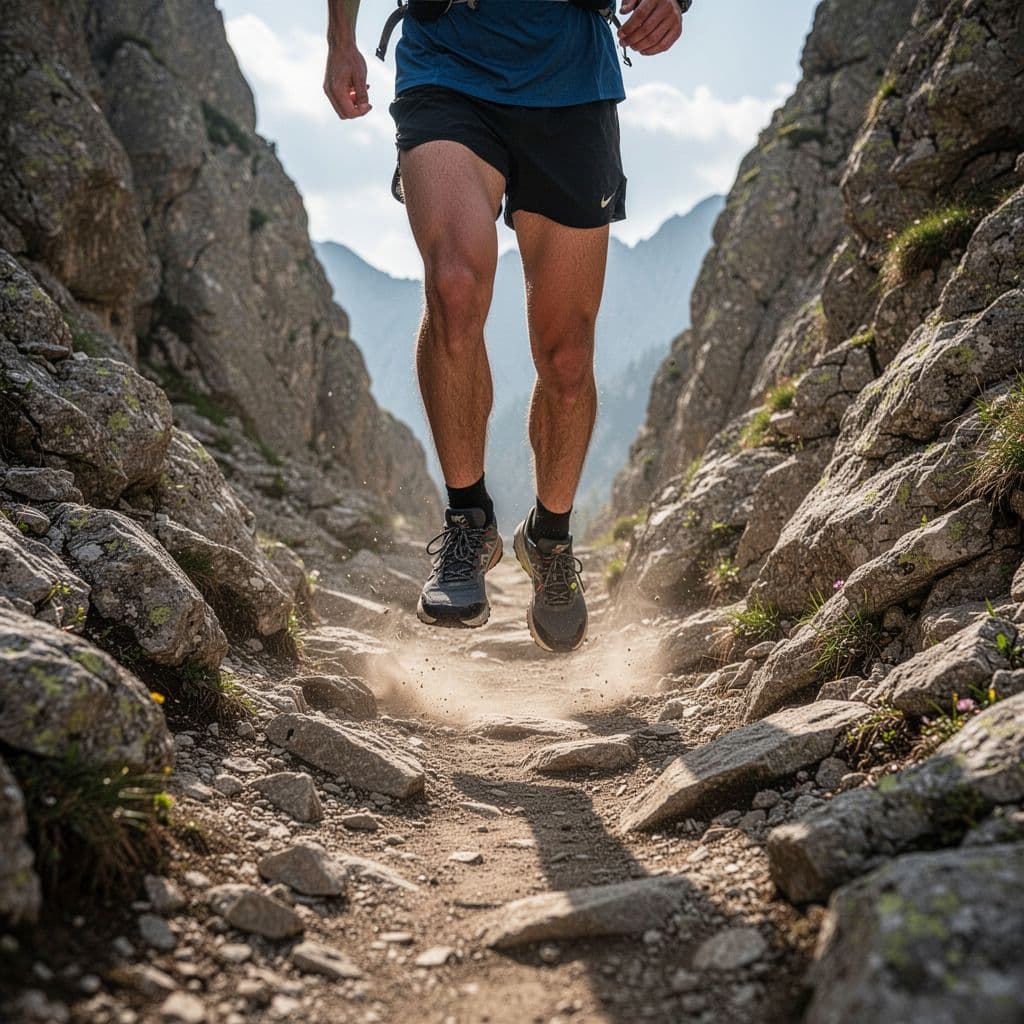
How stable it feels on uneven trails
The platform feels steady underfoot, especially when the trail tilts or gets broken up. You do not get that high, wobbly feeling that can make some trail shoes seem nervous on rocky ground. Instead, the shoe keeps your foot closer to the trail, which helps you settle into a more controlled stride.
On off-camber sections, the Daichi 9 gives you enough support to stay confident without forcing your steps into a rigid pattern. The base feels predictable, and that predictability helps when you are landing on uneven dirt or shifting from one surface to another. If you want a broader look at what makes a trail shoe feel balanced, this stability trail running guide is a helpful comparison point.
Rock protection and underfoot safety
Sharp rocks and hard trail hits are handled well here. The midsole does a good job of softening impact, while still keeping enough firmness to stop the ride from feeling sloppy. That balance matters because too much softness can leave you feeling exposed on rough terrain.
On rocky paths, the shoe gives you a reassuring layer between your foot and the ground. You still feel the trail, but you do not feel every pointy edge or sudden strike. If you want a quick benchmark for how trail shoes handle protection and support, REI’s trail-running shoe guide explains the main tradeoffs well.
The protection is strong enough for rough ground, but it doesn’t turn the shoe into a stiff plank.
Downhill control and side support
Downhills feel more controlled when the shoe keeps your foot from sliding around. The Wave Daichi 9 does that well, especially when you pick up speed on loose or rocky descents. The heel and midfoot feel secure, so you can brake with more confidence and less hesitation.
Side support also helps on cambered paths and quick corners. The shoe does not let your foot roll around inside the upper, which matters when the trail leans or shifts under pressure. That secure feel is especially useful if you run routes with roots, small rocks, and tight turns.
For runners who want one shoe to handle steady miles and rougher sections, that mix of balance and protection makes a real difference. It feels like a shoe that wants to stay composed, even when the trail does not.
What the Mizuno Wave Daichi 9 Does Well, and Where It Falls Short
The Mizuno Wave Daichi 9 is strongest when you want one trail shoe to handle a little bit of everything. It gives you reliable grip, steady cushioning, and a secure fit, which makes it easy to trust on mixed routes. At the same time, it keeps some clear limits, especially if you want a lighter ride, deep-mud traction, or a super-soft feel.
The biggest strengths worth noting
The best thing about the Daichi 9 is its balance. It grips well on dry dirt, packed trails, and loose gravel, while still feeling smooth enough for everyday training. That makes it a strong match for runners who want confidence without a harsh, overly aggressive ride.
Its cushioning also hits a practical sweet spot. You get enough protection for rocks and longer outings, but the shoe does not feel overly soft or vague. The ride stays stable, so your foot lands with more control on uneven ground.
A few strengths stand out right away:
- Reliable grip on mixed terrain
- Comfortable cushioning for daily trail miles
- Stable ride feel on uneven paths
- Versatile use across dirt, gravel, and light technical trails
For runners who want steady trail performance without drama, that combination works well. If you want a broader look at how to match shoes and routes, effective trail running training tips can help you think through the terrain you run most often.
The tradeoffs runners should know
The Daichi 9 does ask for some tradeoffs. It is not the lightest trail shoe, so runners chasing a quick, nimble feel may notice the extra structure. It also is not the best choice for deep mud, where a more aggressive outsole will usually do better.
The cushioning feels protective, but not plush. If you want a very soft, max-cushion trail shoe, this one may feel a little firm. The fit is also on the more secure side, so wider feet may want to try it on carefully before committing.
If your local trails stay wet and sloppy for long stretches, a mud-focused shoe may be the better pick.
Best use cases for this shoe
The Mizuno Wave Daichi 9 makes the most sense for daily trail training, moderate-distance runs, and mixed-terrain routes. It is a good choice for packed dirt, light rock sections, gravel roads, and rolling trails where you want comfort and control in the same shoe.
It also works well for runners who split time between smoother paths and mild technical ground. If your runs often include a little of everything, this shoe fits that pattern better than a highly specialized model.
For easier trail setups and first-time buyers, beginner-friendly trail running tips are worth a look before you choose.
Conclusion
The Mizuno Wave Daichi 9 makes a strong case for runners who want trail grip and cushion in the same shoe without extra bulk. It feels secure on mixed ground, stays comfortable over longer runs, and keeps enough firmness to handle uneven trail miles with control.
Its biggest strength is balance. If you run dry dirt, gravel, packed paths, and light technical sections, this shoe does the job well. Runners who want a softer, more plush ride or a shoe for deep mud will likely prefer something else.
For most everyday trail runners, though, the Wave Daichi 9 is worth buying. It fits best for people who want one dependable shoe for regular training, steady mileage, and varied terrain, and who care more about control than max softness.


