

Merrell Vapor Glove 7 Sizing Guide for Minimalist Runners
Getting the Merrell Vapor Glove 7 sizing right matters more than it does in most trainers, because a low-stack, close-to-barefoot shoe leaves little room for error. A fit that feels fine in a cushioned shoe can turn into hot spots, toe crowding, or heel slip once the padding disappears.
If you run minimalist, you already know that small changes in length, width, and volume can change how a shoe feels on the run. The right size can help you avoid returns, cut down on pressure points, and keep the shoe feeling natural on longer efforts, especially when you pair it with smart prep like hydration for endurance runs.
With minimalist shoes, fit problems show up fast, so a careful size check saves time and irritation.
Here’s how the Vapor Glove 7 fits, and how to choose the size that works for your feet.
Build Your Complete Race-Day Setup
The right shoe helps, but faster racing comes from better training, pacing, recovery, fueling, and execution.
More Guides for This Shoe
Why the Merrell Vapor Glove 7 fits differently than a regular running shoe
The Merrell Vapor Glove 7 does not fit like a typical running shoe because it is built to stay out of the way. There is very little cushioning, a low stack height, and a close-to-ground feel, so the shoe matches your foot more directly. That makes Merrell Vapor Glove 7 sizing more sensitive to small differences in length, width, and volume than most trainers.
Regular running shoes often give you extra foam and a bit of wiggle room. The Vapor Glove 7 asks for a cleaner match. If the shoe is too long, your foot can slide around. If it is too short or too narrow, you will feel it fast. That is why minimalist runners need a different approach when they pick a size.
What makes the Vapor Glove line so different
The Vapor Glove line is built around a minimalist shape, not a cushioned platform. The sole is thin and flexible, the upper sits close to the foot, and the toe box feels more anatomical than molded. That design gives you a sharper sense of the ground, but it also means the fit feels more exact.
Because the shoe is so stripped down, you cannot judge it the same way you would judge a standard trainer. Length matters, but so does width across the forefoot and volume over the top of the foot. A shoe that feels fine in a padded daily trainer may feel tight or loose in the Vapor Glove 7.
Minimalist shoes often feel more precise and less forgiving, so the fit needs to match your foot shape more closely.
That is why runners who wear the Vapor Glove line often pay attention to toe room, midfoot hold, and whether the upper wraps without pinching. For a deeper look at minimalist shoe mechanics, REI’s barefoot and minimalist running basics gives a helpful overview of how lower-stack shoes change contact with the ground.
If you have compared other models before, this one may feel more like a glove than a trainer. That is the point, and it is also why sizing can feel more personal. For another example of how runners talk about the fit, see this Merrell Vapor Glove 7 review.
How fit changes when you lose cushion and stack height
When foam disappears, your foot sits closer to the ground and moves less inside the shoe. That changes everything. You feel small gaps, small pressure points, and small slips much faster, because there is no thick midsole to soften the experience.
A little extra room in a cushioned shoe can feel harmless. In the Vapor Glove 7, the same room can let the foot shift during toe-off or downhill running. On the other hand, a snug fit that would feel fine in a standard shoe can create hot spots here, especially if your toes spread under load.
The lower stack also changes how you judge stability. You may notice the shoe feels more secure when the midfoot and heel are locked in properly, but less comfortable if the toe box is cramped. Toe control matters more too, because your forefoot does more of the work without a thick foam barrier between you and the ground.
A few fit cues matter most:
- Toe length: leave enough space for toes to splay and move.
- Forefoot width: make sure the shoe does not squeeze the outer toes.
- Upper volume: check for pressure across the top of the foot.
- Heel hold: watch for slipping, since a loose rearfoot feels bigger in a minimalist shoe.
That balance is why hydration, fatigue, and form can matter on longer runs too. When the foot gets tired, fit problems show up sooner, so staying comfortable helps you run with better control. If you want a practical reminder on that side of training, this guide to hydration for endurance runs fits the same kind of long-run planning.
Who this shoe is best suited for
The Vapor Glove 7 works best for runners who already know they like a minimalist feel. Experienced minimalist runners, forefoot strikers, and people who want natural toe splay usually adapt well to it because they expect a closer fit and less cushion.
Runners who prefer a more traditional trainer may need extra care with sizing. Beginners should pay close attention to transition time too, because the shoe rewards good form but gives less buffer if the fit is off. If you are new to barefoot-style shoes, a careful try-on matters more than usual.
This shoe also suits runners who like direct ground contact and a clean, uncluttered fit. If that sounds like you, the Vapor Glove 7 can feel natural fast. If you want a roomy, forgiving ride, this is probably not the right shape.
How to choose the right Merrell Vapor Glove 7 size
Getting the right fit starts before you ever open the box. With Merrell Vapor Glove 7 sizing, small differences matter, because this shoe gives you very little cushion to hide a poor match. A half-size too big can feel sloppy, while a shoe that is too tight can crowd your toes fast.
The safest approach is to check your feet, think about how you’ll use the shoe, and then decide whether you need your normal size or a slight adjustment. If you want a broader fit framework for running shoes in general, this running shoe sizing guide can help you compare the basics.
Measure your feet the right way before you order
Measure your feet later in the day, not first thing in the morning. Feet often swell a little after walking, running, or standing, and that extra size matters in a minimalist shoe. If one foot is larger, fit the shoe to that foot, because the larger foot should set the standard.
A simple home check works well. Place your foot on paper, trace around it, then mark the longest toe and the back of the heel. You can also use a ruler or tape measure to compare the length in centimeters or inches. Do both feet, then use the bigger measurement when you compare sizes.
If you want more comfort on longer runs, keep in mind that foot swell can increase as the miles stack up. A little planning now can save you from a tight forefoot later, especially if you pair the shoe with smart long-run habits like hydration for endurance runs.
Use toe space, not extra length, as your main check
The goal is not a lot of empty room. You want enough space in front of the toes so they can move naturally when you run, usually about a thumb’s width or a little less. That gives your foot room to spread without letting it slide around.
Too much space can hurt control in a minimalist shoe. Your foot may move forward on descents, or shift side to side during quicker efforts. In a shoe this light, that extra motion feels bigger than it would in a padded trainer.
A simple test helps:
- Stand up in the shoe with your running socks on.
- Press your foot forward until your toes nearly touch the front.
- Check for a small gap, then walk and jog in place.
- Make sure your toes can spread without the shoe feeling loose.
If the shoe feels long enough but still unstable, the size is probably too big. If your toes touch the front when you run, it’s too short. The sweet spot is a close fit with room to work.
Should you go true to size or size up?
For many runners, true to size is the best starting point. That usually works well if you have a medium-width foot, wear thin socks, and want the shoe for faster runs or short training sessions. The Vapor Glove 7 is meant to fit close, so starting with your normal size makes sense.
Size up if your forefoot is wide, your toes spread a lot, or you are between sizes. A half-size up can help if you want a little more room for swelling or prefer a touch more space for casual wear. However, too much size can soften the locked-in feel that makes this shoe work.
Here’s a simple way to decide:
| Fit factor | Better starting point |
|---|---|
| Narrow or medium foot | True to size |
| Wide toe area | Consider sizing up |
| Between sizes | Often size up |
| Thin socks only | True to size more often works |
| Thicker socks or daily wear | Size up may feel better |
If you plan to use the shoe mostly for speed work, a closer fit usually feels better. If you want it for walking, travel, or relaxed wear, a little more room can be more comfortable. The best size depends on how you’ll actually wear it.
How socks affect the fit and feel
Sock choice changes the fit more than many runners expect. Thin socks and no-show socks keep the shoe feeling close and nimble, which matches the minimalist feel of the Vapor Glove 7. Thicker socks take up more space, so they can make a good size feel snug.
Most minimalist runners use thin socks, and that works well for short runs and warm weather. Still, comfort matters on longer runs, and some runners prefer a slightly thicker sock for a softer feel against the upper. If that sounds like you, test the shoe with the socks you’ll actually wear, not just the thinnest pair you own.
A quick rule helps:
- Thin socks usually support a more precise fit.
- No-show socks can feel light, but they may shift more if they lack grip.
- Thicker socks can improve comfort, but they may reduce toe room.
If the shoe feels perfect barefoot or with ultralight socks, but tight with your usual running pair, the size may be too small for real use. Try the shoe in the same setup you’ll use on the run, then move around for a few minutes. That small test often tells you more than standing still ever will.
Fit problems minimalist runners run into and how to fix them
Minimalist shoes expose fit problems fast. A little extra space can feel sloppy, while a slight pinch can turn into a hot spot after a few miles. The trick is to read the problem correctly before you change sizes.
With Merrell Vapor Glove 7 sizing, the same symptom can come from different causes. Cramped toes might mean the shoe is too short, or it may mean the forefoot is too narrow. Heel slip can point to extra length, but it can also come from a mismatch in volume. Once you know which one you are dealing with, the fix gets much easier.
If your toes feel cramped in the forefoot
Toe crowding usually falls into two buckets. If your longest toe touches the front, the shoe is probably too short. If the front feels pinched side to side, the length may be fine, but the forefoot is too narrow or too low in volume.
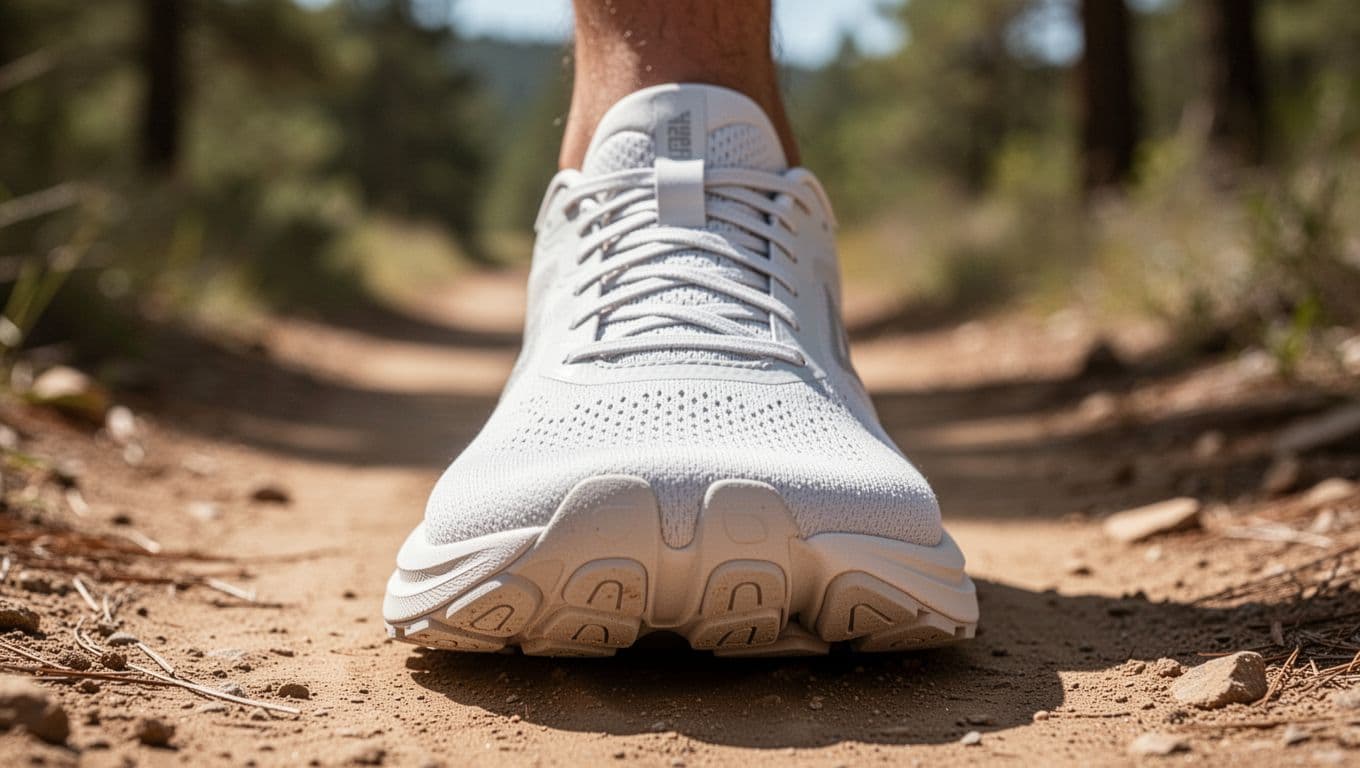
That difference matters because the fix is not always a bigger size. If the shoe is short, size up. If the shoe is long enough but still squeezes the toes, a different shape may work better, since more length will only add dead space. You can also try thinner socks or loosen the forefoot laces, but those only help if the problem is mild.
A good fit leaves room for toe splay without letting the foot slide. If your toes hit the front during push-off, the shoe is too small. If the upper feels fine but the sides press inward, the last may not match your foot.
For runners who want a broader comparison point, minimalist running shoe sizing advice can help you see how low-volume shoes behave across different models.
If the heel slips when you run
Heel movement often means the shoe has too much length, but not always. In some cases, the heel cup is fine and the problem is volume, especially if the rest of the shoe feels roomy. Minimalist shoes sit close to the foot, so even small gaps can feel obvious on the run.
If the length feels right, try a heel-lock lacing pattern first. It can pull the rearfoot down without tightening the whole shoe. That works well when you like the toe room but want a firmer hold through the back half.
A few quick checks help narrow it down:
- Heel lifts only at the back: try heel-lock lacing.
- Foot slides forward too: the shoe may be too long.
- Heel slips and the upper feels roomy: volume may be too high.
- Heel slips with a snug forefoot: the last may not match your foot shape.
Runner-friendly fitting tests like how a shoe fits properly can help you check movement before you commit to a pair.
If the upper feels tight across the top of the foot
Pressure over the instep usually points to low volume, not just small length. Many minimalist shoes feel snug at first because they wrap the foot closely. That can be normal during the first few wears, especially if the upper is stiff or your foot sits high over the arch.
Give the shoe a fair break-in period if the pressure is light and improves as you move. Sometimes the upper softens enough to feel better after a few runs. Lacing changes can also help, since skipping an eyelet or easing tension across the midfoot can take the edge off without changing size.
Still, a shoe should not feel like it is squeezing the top of your foot. If the pressure stays in the same spot after a few runs, the shape is probably wrong for your instep. A bigger size may add length without solving the height issue, so shape matters more than size in that case.
If the shoe feels perfect standing still but wrong on the run
Standing still can hide the real fit. When you run, your toes splay, your foot swells, and your body moves forward inside the shoe. Downhill running makes that even more obvious, because your foot wants to slide toward the front.
That is why minimalist runners should test shoes with movement, not just a mirror check in the living room. Jog in place, take a few quick strides, and if possible, try a short downhill stretch. If the shoe feels fine when you stand but cramped after a few steps, the size is probably off.
A simple rule helps here: fit the shoe for motion, not just for stillness. The Vapor Glove 7 should feel close, but it should not punish your toes once you start running. When the fit is right, the shoe disappears and your stride feels clean.
What minimalist runners should test before keeping the shoe
A minimalist shoe can feel fine in the box and still fail on the road. That is why Merrell Vapor Glove 7 sizing needs a real-world test, not just a quick glance in the mirror. The goal is simple, catch toe crowding, rubbing, and sloppy movement before you decide the shoe is a keeper.
The best checks happen in stages. Start with walking, then add a short run, then check again once your feet warm up. Each step reveals a different fit issue, and together they show whether the shoe supports your stride or fights it.
Do a short walk test first
Start with a few minutes of walking on a hard surface. Pay attention to whether your toes bump the front, whether the arch feels pressed, and whether any seam or edge creates a hot spot. Minimalist shoes reveal those problems quickly because there is so little foam to blur the sensation.
Walk at a normal pace, then take a few quicker steps. Notice if the shoe feels secure without gripping your foot too tightly. If you already feel rubbing or toe contact during a short walk, that issue usually gets worse on a run.
A quick walk works like a first filter. It catches obvious fit mistakes fast, so you do not waste time hoping the shoe will magically improve later. If the shoe already feels wrong at this stage, it probably is.
Try a few minutes of easy running
Standing fit can fool you, but running shows the truth. Once you jog, your forefoot spreads, your heel lifts more often, and your foot starts moving the way it will on real runs. That is the moment when a good minimalist fit should feel close and controlled, not tight or sloppy.
Watch how the shoe moves with your foot. The upper should flex with the stride, not twist around it. Your midfoot should feel stable, and your toes should have enough room to splay without sliding into the front of the shoe.
A short run also shows whether the shoe stays quiet under motion. If you hear or feel extra movement inside the shoe, the size may be too large. If your toes press into the front with each step, the fit is too short.
For a broader look at how foot movement and hydration affect longer efforts, hydration for endurance runs is worth keeping in mind. Fatigue and swelling can make a borderline fit feel worse as the run goes on.
Check fit after your feet warm up
Feet swell during exercise, and that small change can turn a decent fit into a bad one. This matters a lot in minimalist shoes, because the fit is more exact and there is less padding to hide pressure. A shoe that feels fine at the start can feel cramped once the miles build.
After a few minutes of walking or running, stop and check the same pressure points again. Look for new toe contact, rising arch pressure, or heat near the ball of the foot. Those are signs that the shoe is too snug for real training, even if it seemed fine at first.
Minimalist runners feel this most when they train in thin, precise shoes like the Vapor Glove 7. The margin for error is smaller, so the fit has to work when your feet are at their largest, not just at their calmest. If the shoe still feels balanced after warm-up, you are much closer to the right size.
For a second opinion on fit and shape, the Altra Escalante 5 sizing discussion is helpful because it shows how different low-profile shoes handle toe room and volume.
How to make the Vapor Glove 7 feel better if the size is close but not perfect
A near-miss fit does not always mean the shoe is wrong. With the Vapor Glove 7, small fixes can make a close size feel much better, especially if the issue is pressure, volume, or a little heel movement. The key is knowing what can be adjusted and what can’t.
If the length is close, you can often improve comfort with lacing, sock choice, and a short break-in period. If the shoe is too short or too narrow in a way that causes real toe contact, those tweaks will not save it. Merrell Vapor Glove 7 sizing still has to match your foot shape first.
Use lacing tweaks to fine-tune pressure
Heel lock lacing can help if the back of the shoe feels loose or your heel slips on easy runs. It pulls the heel in without crushing the forefoot, which is useful when the length feels right but the rearfoot needs more hold. For runners who feel pressure over the top of the foot, skipping an eyelet near the instep can also relieve that tight spot.
A few simple changes can make a real difference:
- Heel lock lacing helps if your heel lifts or slides.
- Skipping an eyelet can reduce pressure over the instep.
- Loosening the midfoot section can ease a cramped upper without changing the toe room.
Lacing works best when the shoe is already close to the right size. It can refine the fit, but it cannot turn a short shoe into a good one. If your toes hit the front or the sides stay pinched even after adjustment, the fit is off.
Choose socks that match the shoe’s fit
Sock thickness changes the whole feel of a minimalist shoe. Thin socks keep the Vapor Glove 7 light and close, while thicker socks take up more space and can make an already snug fit feel tighter. That matters more here than in a cushioned trainer, because there is less room to hide a mismatch.
Fabric matters too. Smooth, low-friction socks can reduce rubbing during quick runs or longer sessions, while bulky or cotton-heavy socks may trap moisture and add pressure.
For minimalist running, most runners do best with thin, technical socks that stay flat and move with the foot. If you need a little more comfort on longer efforts, a slightly cushioned merino or synthetic blend can work, as long as it does not steal toe room.
Hydration for endurance runs matters here too, because swollen feet plus thick socks can turn a borderline fit into a bad one.
Break them in on short runs first
If the size is close, start with short runs and easy pace. A few miles are enough to show whether the shoe settles in or keeps bothering you. This is especially smart if you’re returning to minimalist shoes after time off, because your feet, calves, and toes need time to adapt.
Keep the first runs simple:
- Wear the socks you plan to use most often.
- Start with a short walk, then a brief easy jog.
- Check for rubbing, toe crowding, or hot spots after the run.
- Add distance only if the shoe feels stable and comfortable.
The goal is adaptation, not forcing a bad fit to work. A shoe that feels slightly firm at first may soften enough to become a good match. A shoe that stays painful after a few short outings is telling you the size or shape is wrong.
Conclusion
Getting the Merrell Vapor Glove 7 sizing right comes down to two things, a close measurement and a honest movement test. If the shoe feels secure, lets your toes spread, and stays free of hot spots once you walk and run in it, you are on the right track.
That matters even more in a minimalist shoe, where small fit mistakes show up fast. If you want a wider look at Merrell’s minimalist lineup, Merrell minimalist trail shoe reviews can help put this model in context.
Trust the fit on your feet, not just the number on the box. The right size should feel natural from the first steps, then stay comfortable as the miles build, especially when you keep your training basics solid, like hydration for endurance runs.


