

Is the Merrell Vapor Glove 7 Good for Beginner Barefoot Runners?
The Merrell Vapor Glove 7 beginner question comes down to one simple truth, it can work, but only if your feet are ready for it. This shoe gives you a close-to-the-ground feel that many new barefoot runners want, yet that same feel can punish rushed habits.
If you’ve spent years in cushioned shoes, your calves, arches, and form need time to catch up. I also pay close attention to recovery basics like hydration for endurance runners, because a bare-bones shoe puts more stress on the whole system.
So before I call it a smart pick, I want to look at foot strength, running form, and how slowly you plan to adapt. That’s where the real answer lives.
What the Merrell Vapor Glove 7 actually feels like on a run
The Merrell Vapor Glove 7 feels honest in a way most running shoes don’t. Every footfall comes through clean, with very little between me and the ground, so I notice my posture, my cadence, and even small mistakes right away.
Build Your Complete Race-Day Setup
The right shoe helps, but faster racing comes from better training, pacing, recovery, fueling, and execution.
More Guides for This Shoe
For a Merrell Vapor Glove 7 beginner, that honesty can be exciting. It can also feel a little raw at first, because the shoe does not hide much. I feel close to the road, close to the trail, and close to my own movement in a way that can wake up better habits fast.
The zero-drop, ground-connected feel I notice first
The first thing I notice is the flat platform. My heel and forefoot sit at the same level, so my body settles into a more natural stance instead of tilting forward like it does in a shoe with a raised heel.
That changes my stride right away. I feel a little taller through the torso, a little more aware of my hips, and more likely to land softly instead of reaching out in front of myself. The shoe asks me to run with better shape, not more force.
That ground-connected feel is the real hook. On smooth pavement, it feels like I can read the surface through the shoe. On dirt or packed trail, I get the same effect, just with a touch more texture underfoot.
For someone new to barefoot-style running, that can feel thrilling and unsettling at the same time. It feels freeing because I move with less between me and the ground. It feels unsettling because every pebble, camber change, and rough patch gets my attention fast.
Why the thin sole changes every step
The thin sole is where this shoe gets serious. It gives me more feedback, less cushion, and very little room to drift into lazy form.
That feedback helps because I can tell when I slap the ground, overstride, or get sloppy with my landing. In that sense, the Vapor Glove 7 works like a mirror for my running form. It shows me what my feet are doing before my brain can ignore it.
Still, that same thinness can feel harsh if I rush the transition. Longer runs can stack up stress quickly, especially if I go out too fast or use the shoe on hard surfaces before my feet are ready. I keep hydration and recovery tight as well, because a minimalist shoe asks more from the whole chain, not just the feet. Hydration for endurance runners matters more when I am asking my calves and arches to do extra work.
The feedback is useful only when I treat it as information, not as a challenge to push through.
How the fit and upper affect comfort
Fit matters more here than it does in a cushioned trainer. With less foam and structure, the upper has to do more of the comfort work, and there is nowhere for a sloppy fit to hide.
I want enough toe space for my toes to spread, because cramped forefoot room makes the shoe feel tense fast. At the same time, I still want solid lockdown through the midfoot and heel, so my foot does not slide around when I turn, accelerate, or land on uneven ground.
For narrow feet, the Vapor Glove 7 can feel secure and almost glove-like. For wider feet, it may feel snug in the forefoot if the shape does not match well. That mismatch shows up fast in a minimalist shoe, because the shoe will not smooth it out with layers of foam or a padded frame.
When I get the fit right, the shoe disappears in a good way. When I get it wrong, every mile reminds me. That is why I pay close attention to toe room, heel hold, and how the upper wraps my foot before I judge the run itself.
Where beginner barefoot runners often struggle most
When I talk about the Merrell Vapor Glove 7 beginner experience, I always come back to the same point, the shoe exposes weak spots fast. That can be useful, but it also means the early miles can feel rougher than expected.
Most new barefoot runners do fine with the idea of less cushion. The harder part is what the shoe asks of the body. Lower-leg tissues, running form, and training habits all have to adapt at the same time.
Calf, Achilles, and foot soreness can show up fast
Minimalist running shifts more work to my calves, Achilles, and small foot muscles. In a cushioned shoe, some of that load gets softened. In a barefoot-style shoe, I feel it directly, especially when I run on hard ground or push off too hard.
That is why soreness is common at first. My calves may feel tight the next day, my arches may feel worked, and my feet may feel tired in a way they never did in a thicker shoe. I expect that kind of soreness when I start slow.
Sharp pain is different. Pain that changes my stride, lingers for days, or gets worse during a run is a warning sign. If I ignore that, I can turn a simple adjustment period into a real injury. For a clear overview of barefoot running risk and adaptation, I also like this review of the risks and benefits of running barefoot.
Soreness says my body is adapting. Sharp or lasting pain says I need to back off.
I keep that line in mind every time I try a new minimalist shoe. It helps me stay patient instead of trying to prove anything on the first few runs.
Form mistakes become easier to feel, and harder to hide
A barefoot shoe makes sloppy mechanics show up fast. If I overstride, my landing feels jarring. If I heel strike hard, I feel that slap travel up my leg. If I run with tense shoulders or stiff ankles, the whole stride feels choppy.
That feedback can help me fix form, but only if I change one thing at a time. Beginners often try to run “better” all at once, and that usually backfires. I get better results when I shorten my stride, keep my steps quick, and stay relaxed through my upper body.
A good minimalist shoe is honest. It does not smooth out poor habits the way a cushioned trainer can. That means I learn faster, but it also means I have less room to rush the process. If I want form changes to stick, I need repetition, not force.
Too much mileage too soon can backfire
One of the biggest mistakes I see is treating a minimalist shoe like a normal daily trainer. That is a quick path to sore calves, irritated feet, and overuse problems. The shoe may feel light and easy on day one, but the tissues underneath still need time.
I do better with short runs, rest days, and a gradual build. That usually means using minimalist shoes for small doses at first, then adding time only when my body stays calm after the run and the next day. If I feel beat up, I hold steady instead of chasing more mileage.
A simple approach works best:
- Start with short sessions on easy ground.
- Leave full rest days between early runs.
- Add distance only when soreness settles quickly.
- Pay attention to how my calves and arches feel the next morning.
That kind of patience matters more than enthusiasm. I can always run more later, but I only get one first adaptation phase. A safe transition plan for barefoot running injuries is worth following if I want the Vapor Glove 7 to help me build strength instead of forcing me into a layoff.
Who will get along with the Vapor Glove 7, and who should wait
The Vapor Glove 7 fits a specific kind of runner, and I think that matters more than hype. If my feet already handle low-drop shoes well, I usually adapt faster and get more out of the ride. If I still need a lot of support, patience matters more than the shoe itself.
I also pay attention to how well my body handles small stress. Minimalist shoes ask for stronger calves, steadier feet, and cleaner mechanics. That means the right match can feel smooth and natural, while the wrong match can feel like stepping onto a rough road without enough preparation.
A good match for curious runners who already have a solid base
I think the Vapor Glove 7 works best for runners who already have a decent base under them. Strong calves, healthy feet, and a history of staying injury-free make the transition much easier. If I already run in light, flexible shoes or do short barefoot drills, the shoe feels less like a shock and more like a small step forward.
That kind of runner usually knows how to keep things calm. They can start with short runs, notice form changes fast, and back off before soreness turns into a problem. A shoe like this rewards that kind of control.
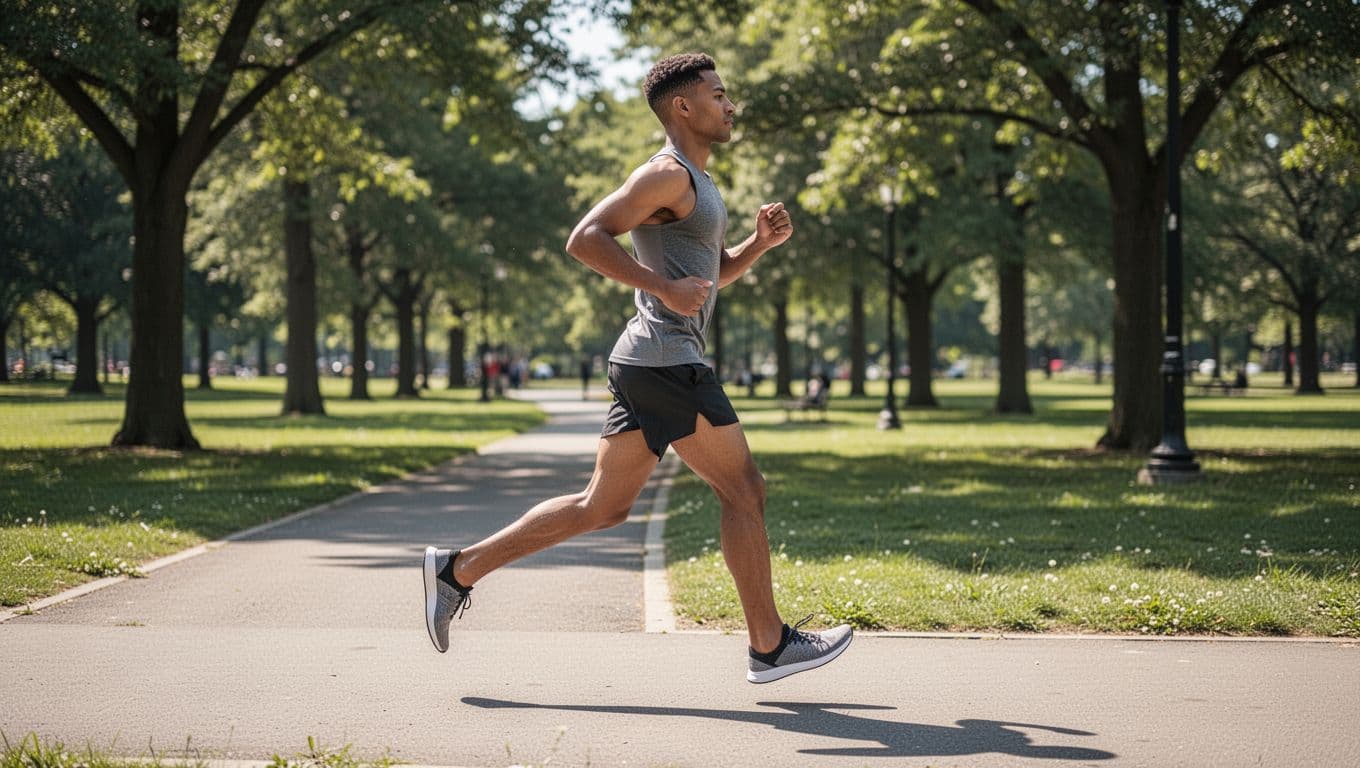
I also like it for runners who already know how to read their body. If my feet start talking to me after a run, I know the difference between normal work and a warning sign. That awareness makes the Vapor Glove 7 feel more useful than punishing.
For a wider look at other low-profile options, I also like my Altra Escalante 5 zero-drop review, since that shoe sits in a friendlier middle ground for some runners.
A poor match for injured runners or true first-timers
If I am coming back from Achilles issues, plantar fascia pain, or general weakness, I would not rush into this shoe. The thin platform can expose a problem before it has time to heal. In that case, I would use a slower bridge first, such as short walks, gentle drills, or a more forgiving shoe with a gradual drop.
True first-timers also need a softer entry point. No barefoot background means no built-up tolerance, so even a short run can feel like a big ask. I would rather start with brief exposure than turn the first week into a flare-up.
A minimalist shoe is a bad teacher when the student is already hurt.
That is why I keep hydration, recovery, and pacing in the picture too. When the lower legs are doing more work, small mistakes add up faster. Hydration for endurance runners matters even more when the body is already under extra load.
Foot shape, body weight, and running style matter more than people think
I’ve learned not to judge this shoe by one runner’s experience alone. Foot shape changes everything. A narrow foot may settle in well, while a wider forefoot may feel cramped if the fit doesn’t line up. Toe room, arch shape, and heel hold all affect comfort more than people expect.
Body weight and stride style also change the feel. A light, quick runner may find the shoe easy to manage, while someone who lands hard or pushes off aggressively may feel more strain through the feet and calves. That doesn’t make the shoe good or bad, it just means the match depends on how I move.
I also think surface choice matters. Smooth roads, packed paths, and short easy runs usually feel friendlier than long miles on rough pavement. In other words, the same shoe can feel fine in one setup and demanding in another. That’s why I judge it by my own movement first, not by a blanket rule.
How I would transition into barefoot running with the Vapor Glove 7
When I start a transition into barefoot running, I treat the Vapor Glove 7 as a teacher, not a test. My goal is to learn how my feet, calves, and stride respond, then build from there without forcing speed or distance too soon.
That mindset changes everything. I do not want to prove fitness in the first week. I want to give my body clean reps, room to adapt, and enough time to tell me whether it likes the load.
Start with short walks, strides, and very easy runs
I would begin with short walks on smooth ground, because that lets me feel the shoe without asking too much from my lower legs. A few easy minutes is enough at first, since the purpose is comfort, control, and familiar movement.
After that, I would add light run-walk sessions. A simple pattern like one minute of easy running, then one or two minutes of walking, gives me useful feedback without piling on stress.
If my calves stay calm and my feet feel normal the next day, I would try short easy runs. I would keep the pace relaxed, the stride short, and the effort low. The shoe should feel like a quiet nudge into better form, not a dare.
The first few sessions should feel almost too easy. That is usually the right speed for a Merrell Vapor Glove 7 beginner.
A smooth path helps here too. I would pick flat sidewalks, paved trails, or packed paths before I ever think about speedwork. The cleaner the surface, the easier it is to focus on form instead of fighting the ground.
Build foot and calf strength before adding distance
Before I add more miles, I want my feet and lower legs to earn the load. Barefoot-style running asks more from the small muscles, so a little prep work goes a long way.
I keep the basics simple and repeat them often:
- Calf raises to build strength through the ankles and lower legs.
- Toe control drills to improve how my toes spread and press into the ground.
- Single-leg balance work to train stability and body awareness.
- Foot-strengthening exercises like towel grabs or short barefoot standing drills.
I do not need a long routine. I need consistency. A few minutes most days can make the Vapor Glove 7 feel far more manageable when I start adding running time.
Recovery matters here as much as strength. If my hydration slips, my lower legs tend to feel tighter and less ready for the next session, so I keep that in check too. I use simple habits and keep an eye on hydration for endurance runners because minimalist shoes ask a lot from tired tissues.
A stronger foot is also a more responsive foot. That matters when the shoe has very little cushion to hide weak links.
Use recovery signals to decide when to progress
I let my body decide when I move forward. Mild muscle fatigue is normal, especially in the calves and arches, because those areas are doing work they may not be used to. That kind of soreness usually fades within a day or two.
Warning signs are different. Joint pain, sharp aches, or tightness that lingers through several days tells me I pushed too hard. If my stride changes to protect a sore spot, I back off right away.
I also pay attention to the next morning. If I wake up loose enough to walk normally, that is a good sign. If the first steps feel stiff or irritated, I hold my current level until things settle.
Progress does not have to be dramatic. I would rather repeat a short session three times than jump ahead once and pay for it later. That slower pace is what keeps a Merrell Vapor Glove 7 beginner on track.
Match the shoe to the right terrain and session type
The Vapor Glove 7 makes the most sense on smooth, predictable ground at first. I would use it for easy runs, short technique drills, and simple outings where I can focus on how my feet land.
Fast workouts are a different story. Sprints, intervals, and hard tempo runs pile on force, and that is not where I want to start with a minimalist shoe. Rough trails can also be too much early on, because uneven surfaces demand more from the feet and ankles.
I get the best early experience when the terrain feels calm and forgiving. A flat path or clean pavement helps me settle into the shoe and build trust with each step. That trust is what makes the transition feel smoother.
For me, the right session type matters just as much as the shoe itself. If I keep the first runs slow, short, and simple, the Vapor Glove 7 feels like a useful tool instead of a risky experiment.
The benefits and tradeoffs I would weigh before buying
When I look at the Vapor Glove 7, I see a shoe with a clear personality. It rewards control, light steps, and patience, but it also asks a lot back from my feet and calves.
That is why I would not buy it for the label alone. I would buy it only if I want the bare-bones feel, I understand the tradeoffs, and I am ready to transition with care.
What makes it appealing for barefoot-style training
The appeal starts with ground feel. I can sense the surface under me without a thick layer of foam getting in the way, and that makes each step feel direct and precise. For a runner who wants feedback, that matters a lot.
I also like the way it lets my foot move more naturally. The low, simple build gives my toes room to work, my arch room to flex, and my stride room to settle into a more natural rhythm. For some runners, that feels cleaner than a plush shoe that hides everything.
The weight is another big draw. A shoe this light disappears on my foot in a good way, so I feel less dragged down on short runs or technique sessions. Add the stripped-down design, and the whole shoe feels honest, almost spare.
That simplicity is the point. No bulky stack, no extra fluff, no distractions, just a close-to-the-ground ride that keeps me tuned into my movement. If I want a minimalist shoe that feels like a step toward barefoot-style running, this is the kind of setup that makes sense.
I can also see why runners who value clean mechanics are drawn to it. The shoe gives just enough structure to stay on, but not enough to mute the run. For anyone comparing minimal options, my zero-drop shoe guide can help frame where this kind of shoe fits.
What can make it frustrating for beginners
The same features that make this shoe appealing can also make it hard to live with at first. The lack of cushioning is the biggest one. Every landing feels more immediate, and that can be a shock if I have spent years in soft trainers.
Protection is limited too. Sharp gravel, rough pavement, and long runs on tired legs all feel more intense in a shoe like this. I notice the ground more, but I also notice mistakes faster, and beginners often find that uncomfortable before they find it useful.
The adaptation period is the part that catches many people off guard. My calves, feet, and Achilles have to do more work, so the first stretch can feel stiff and demanding. That is normal, but it still takes patience.
A beginner often expects a lighter shoe to feel easier right away. Instead, it can feel like a more direct workout for the lower legs. That is why hydration and recovery matter so much during the transition, because tired tissues react faster to small mistakes. Hydration for endurance runners becomes part of the buying decision, not just the training plan.
The shoe can feel freeing on day one and demanding by day three. Both reactions can be true.
How it compares with a more forgiving first minimalist shoe
I would not treat the Vapor Glove 7 as the only path into barefoot running. Some beginners do better with a slightly more forgiving shoe first, one that still feels light and flexible but gives a little more cushion during the transition.
That middle step can make the learning curve less steep. It gives my feet time to build tolerance without throwing me straight into a fully minimal ride. For a lot of runners, that stepping stone is the difference between staying consistent and backing off too early.
A more forgiving first shoe can also help me keep the focus on movement, not pain. If the goal is to improve foot strength and form, I want enough comfort to practice often. The Vapor Glove 7 may be the destination, but it is not always the best first stop.
I usually think about it this way:
- Go straight to the Vapor Glove 7 if I already handle low-drop shoes well and my lower legs are used to the load.
- Start with a softer minimalist option if I want to build tolerance before full ground feel.
- Choose the stepping stone if I need enough protection to stay consistent through the first few weeks.
That approach keeps me honest. The Vapour Glove 7 beginner choice only makes sense when my body is ready for direct feedback. If it is not, a gentler transition shoe can set me up for a much better long-term result.
My final verdict on the Merrell Vapor Glove 7 for beginners
I would call the Merrell Vapor Glove 7 a good but selective choice for beginner barefoot runners. It gives me the raw ground feel, low weight, and natural foot movement that make minimalist running appealing, but it also demands patience and a careful transition.
If I already have some strength in my calves, arches, and feet, this shoe can help me sharpen my form fast. If I am brand new to barefoot-style running, I would treat it as a later step, not a first step. That difference matters more than the shoe itself.
Why I would recommend it with caution
I like the Vapor Glove 7 because it gives clear feedback. My stride feels cleaner, my landing feels lighter, and I notice weak points before they turn into bad habits. That makes it a strong teacher for runners who want better mechanics.
Still, I would not hand it to every beginner without a warning. The shoe is thin, direct, and unforgiving on tired legs. If I rush the process, my calves and feet will let me know very quickly.
For runners who want a softer bridge into minimalist training, I would look at a more forgiving zero-drop option first, such as my zero drop shoe review. That route gives me room to adapt without forcing the issue.
My simple buying rule for new barefoot runners
I would buy the Vapor Glove 7 if all of these are true:
- I already handle low-drop or minimalist shoes well.
- My feet and calves stay healthy during short runs.
- I want direct ground feel more than cushion.
- I am willing to start slow and build gradually.
If those boxes are not checked, I would wait. A small delay is better than a setback.
The bottom line I trust
For me, the Merrell Vapor Glove 7 is a smart beginner shoe only for the right beginner. It works best for runners who respect the transition, keep early runs short, and pay attention to recovery. That includes simple habits like hydration for endurance runners, which matters even more when minimalist shoes ask my lower legs to do extra work.
When the timing is right, the shoe feels honest and useful. When the timing is wrong, it feels like too much, too soon.
Conclusion
I see the Merrell Vapor Glove 7 as a serious minimalist shoe that rewards patience more than hype. For a Merrell Vapor Glove 7 beginner, it can be a smart choice only when my calves, feet, and form are ready for the load.
If I want that sharp ground feel, I would start with short runs and keep the first sessions easy. If I still need a gentler bridge, a more forgiving option, like choosing zero-drop shoes for minimalist running, makes more sense.
The best move is simple. Test it carefully, respect the break-in period, and keep hydration for endurance runners in check while my body adjusts. That approach gives me the real benefit of the shoe without rushing the process.
Frequently Asked Questions
Is the Merrell Vapor Glove 7 good for beginner runners?
Yes, but only if they transition gradually. The shoe can help strengthen feet and improve running mechanics, but beginners should start with short sessions.
Can I run a marathon in the Vapor Glove 7?
Experienced minimalist runners may be able to, but most beginners should not attempt marathon training immediately in this shoe.
Does the Vapor Glove 7 have arch support?
No. The shoe is intentionally designed to allow the foot to function naturally without artificial support structures.
Is the Vapor Glove 7 true to size?
Most runners find it fits true to size, though those wanting extra toe room may prefer going up half a size.
Can I walk all day in the Vapor Glove 7?
Yes. Many users actually prefer it for daily walking and casual wear.
Is the Vapor Glove 7 better than the Trail Glove 8?
The Vapor Glove 7 offers a more authentic barefoot experience. The Trail Glove 8 provides more protection and may be easier for beginners.
How long does it take to adapt?
Most runners need anywhere from several weeks to a few months depending on their current footwear and training history.


