

Is the Merrell Trail Glove 8 Worth It for Barefoot Running?
If you are chasing a true barefoot feel on the trail, the Merrell Trail Glove 8 occupies a tricky middle ground. It can be worth it for runners who want a low profile shoe with some protection, but it may not satisfy you if you desire the most natural ground feel possible.
That matters because effective natural running is about more than just a thin sole. You want a zero-drop shoe, a wide toe box for natural splay, and enough flexibility to let your feet move the way they should. If you are also running longer sessions, hydration and pacing matter just as much, so this endurance hydration guide can help keep your effort steady on the trail.
So, is the Merrell Trail Glove 8 worth it for your training? For some runners, yes, especially if you want a transition shoe that feels lighter and more natural than most traditional trail trainers. For others, a more minimal option may fit your goals better.
This post breaks down who the Trail Glove 8 suits best, where it falls short, and how it compares with other barefoot style choices.
Build Your Complete Race-Day Setup
The right shoe helps, but faster racing comes from better training, pacing, recovery, fueling, and execution.
More Guides for This Shoe
Key Takeaways
- The Merrell Trail Glove 8 bridges the gap between pure minimalist footwear and traditional cushioned trail runners, offering a balanced experience.
- It features a zero-drop geometry and a flexible build, making it a strong choice for those transitioning toward natural running who still require protection from rocks and roots.
- While it provides excellent ground feedback, it is not a “true” barefoot shoe; runners seeking maximum sensory input may find the added protection excessive.
- The shoe is best suited for narrow-to-medium foot shapes, as the fit can feel restrictive for those requiring significant toe splay or extra volume.
- Success in this model depends on your adaptation; runners should gradually increase mileage to avoid calf strain and foot fatigue while ensuring proper hydration during long sessions.
What the Merrell Trail Glove 8 is designed to do
The Merrell Trail Glove 8 is designed for runners seeking minimalist shoes that offer a reliable experience on rugged terrain. As a prominent choice among trail running shoes, it aims to provide a low to the ground ride, dependable grip, and enough underfoot protection for challenging routes, all while feeling more nimble than a standard trail runner.
This balance is the core of the design. If you are looking for maximum ground feedback where every pebble and root is felt through the sole, this shoe might feel like it offers too much protection. However, if you want to navigate the trail with less bulk and a more direct connection to the path, it makes a lot of sense.
How the Trail Glove line has changed over time
The Trail Glove line originally leaned heavily into the barefoot experience. Early versions prioritized the classic minimalist philosophy, leaving very little material between the foot and the ground. Over time, Merrell evolved the line to better support natural running, catering to athletes who wanted the benefits of a minimalist build without a harsh or unforgiving ride.
Version 8 reflects this evolution perfectly. It retains the low profile that enthusiasts expect from the Trail Glove name, but it is built to be a more versatile, lightweight tool for actual trail use. By focusing on comfort and protection, it has moved slightly away from the ultra thin, every detail feel of the original models to accommodate a broader range of runners.
Modern minimalist shoes often trade a bit of extreme barefoot sensation to better handle rocks, dirt, and longer distances.
That tradeoff is standard across the category. Shoes like the Trail Glove 8 sit between true barefoot models and traditional trainers, which is precisely why so many runners prefer them. If you want to compare how these options stack up, the best minimalist running shoes guide is a helpful place to start.
Barefoot running and minimalist trail running are related, but they are not the same thing. True barefoot running attempts to remove almost every barrier between your foot and the ground. Minimalist trail shoes, by contrast, retain a thin layer of protection so you can move across uneven terrain with more confidence and less risk.
The Trail Glove 8 occupies that distinct minimalist camp. It is crafted for runners who want a thin, flexible shoe with a trail ready outsole rather than those who prioritize the most extreme natural foot feel. This makes it an ideal option for people who want structural support during trail miles while still adhering to a minimalist aesthetic.
A simple way to think about the differences is as follows:
- True barefoot shoes feel closest to running with almost nothing on your feet.
- Minimalist trail shoes keep the feel lightweight, but they add necessary protection and traction.
- Traditional trail shoes add more cushion, higher stack heights, and increased separation from the ground.
That distinction matters when you are deciding if the Merrell Trail Glove 8 is the right choice for your needs. If your primary goal is pure ground feel, it may fall short of your expectations. If your goal is a light, stable trail shoe with a geometry inspired by barefoot principles, it fits the job very well.
Merrell Trail Glove 8 features that matter to barefoot runners
The Trail Glove 8 gets attention because it tries to sit between a true barefoot shoe and a standard trail trainer. That middle ground is exactly why some runners like it and others pass on it. If you care about zero drop, flexibility, toe room, and trail grip, those are the details that matter most.
Zero drop means the heel and forefoot sit at the same height. As a zero-drop shoe, this position can support a more natural stride for some runners, since it removes the heel lift that often pushes you into a more upright, cushioned feel. When combined with the shoe’s inherent flexibility, the setup allows for a cleaner and more direct connection to the path.
Still, zero drop alone does not make a shoe truly barefoot. You can have a flat platform with plenty of padding, stiffness, or toe restriction, and it will still feel far from barefoot. For a better fit guide on this category, the benefits of zero drop running shoes are worth a look.
A zero-drop shoe can support form, but it does not replace the feel of a thin, flexible, wide platform.
That difference matters when you judge whether the Merrell Trail Glove 8 is worth it. It may help your stride feel more natural, but it still keeps enough shoe underfoot to act like a trail runner, not a pure minimalist tool.
Flexibility, ground feel, and protection balance
Barefoot runners often want two things at once: a better sense of the trail and enough protection to avoid getting beat up by it. The Trail Glove 8 tries to balance both. Its flex gives your foot room to move, but the sole still creates a barrier between you and sharp ground.
This creates an important trade-off. While some minimalist enthusiasts seek maximum ground feel, the added rock protection provided here helps guard against sharp stones and roots. This is the heart of the value question. The Trail Glove 8 leans toward a safer, more forgiving ride than a true barefoot shoe, which can be a massive advantage on technical routes.
If you are transitioning slowly, that extra layer can help. If you already want full sensory feedback, it may feel too buffered. In either case, the shoe makes its case through balance, not purity.
Toe box room and natural foot movement
Toebox width matters more than many runners expect. When your toes have the space required for proper toe splay, they help stabilize each step and give you a stronger base on uneven ground. A cramped front end can make a minimalist shoe feel far less natural, even if the sole is thin.
The Trail Glove 8 provides a shape that works better than many traditional trail shoes, but it still needs to fit your foot well. If the forefoot feels narrow, you lose part of the barefoot benefit right away. Comfort, balance, and foot strength all depend on how freely your toes can do their job.
That is why a roomy fit matters so much for barefoot-style running. It supports:
- Toe splay for better balance on uneven surfaces
- Natural push-off when your foot leaves the ground
- Less pressure across the front of the shoe during longer runs
If you want a deeper look at safer transition habits, safe barefoot running progression tips can help you avoid common mistakes.
Traction and trail grip in real conditions
Traction matters far more on trails than on roads. On pavement, a shoe can get by with basic grip. On dirt, loose gravel, wet rock, and technical terrain, outsole bite can change how confident you feel with every step.
The Trail Glove 8 features a reliable Vibram outsole. The specific lug pattern is designed to keep you planted when the surface gets messy, providing essential security on technical terrain. For barefoot runners, good traction also helps offset the lower stack and lighter build, since you rely more on foot placement and control.
Merrell’s own Trail Glove 8 product details highlight the shoe’s ground connection and outsole design, and those are the features that matter most once you leave smooth paths behind. On real trails, grip is not a bonus; it is part of the shoe’s core value.
When the trail gets unpredictable, traction often matters more than extra cushion. If a shoe cannot hold steady on loose or wet ground, the barefoot feel stops being fun very quickly.
How it feels on the run: comfort, fit, and ride
The Trail Glove 8 feels close to the ground and quick underfoot, which is the main reason runners keep it in the conversation. Comfort comes less from plush padding and more from a secure, natural-feeling platform that lets your foot work without much interference.
That makes the shoe appealing if you want a lightweight trail feel with enough structure to stay steady. It also means the ride can feel unforgiving if you expect heavy cushion to do most of the work.
Fit is where the Trail Glove 8 will make or break the run for many people. Runners with a narrow fit will usually get the best match, especially if they want a snug hold through the midfoot and heel.
Runners with wide feet may feel boxed in, particularly if they want more generous toebox width. The toe area is better than many traditional trail shoes, but it still may not feel open enough for feet that spread a lot when they run.
High arches can be a mixed bag. Some runners like the low-profile shape because it feels stable and direct, while others want more upper volume across the instep. If you need more forefoot space for swelling, toe splay, or natural expansion on longer runs, this barefoot running shoe may feel a little tight by mile two or three.
For a quick fit check, the Trail Glove 8 tends to work best for:
- Narrow feet that want a close, locked-in feel
- Medium-width feet that do not need extra toe room
- Runners used to minimalist shoes and a snug trail fit
If your feet like room to swell, spread, and move freely, try this shoe on before you commit.
What the ride feels like on easy runs
On easy runs, the Trail Glove 8 feels firm, low, and very connected to the trail. While it features FloatPro EVA foam, the low stack height means there is no soft landing to sink into, so each step feels direct and clear. That is a plus if you want feedback from the ground, but it can feel plain if you expect a maximalist cushioned trainer.
The shoe stays stable because it sits close to the ground. You do not get that tall, mushy feel that can make some trail shoes feel vague on smooth paths. Instead, it gives a clean ride that encourages short, light steps and easy control through turns.
If you run relaxed miles on dirt, gravel, or packed trails, that firmness can feel honest and efficient. On harder surfaces, though, the limited underfoot cushion may stand out more. For runners who care about low-drop and a natural foot position, zero drop shoe guidance can also help frame what that posture feels like over time.
How it handles longer miles
Over longer distances, the Trail Glove 8 starts to show whether you like minimalist running or just tolerate it. Some runners will enjoy the steady, stripped-back feel all the way through. Others may notice that the thin platform asks more from the feet, calves, and lower legs as the miles stack up.
That is the tradeoff with a lightweight shoe this close to the ground. You get excellent trail feel and less bulk, but you also give up some of the protection that keeps legs fresh late in a run. If you are used to max-cushion trail shoes, the Trail Glove 8 may feel tiring before your breathing does.
Hydration and pace matter more here than they do in cushier shoes, because tired legs make a minimalist ride feel harsher. On longer outings, runners who pair this shoe with a smart pacing plan and solid fluid intake usually handle the shoe better, especially on warm days and rougher ground.
If you already run in a barefoot running shoe, the Trail Glove 8 can work on longer efforts. If you are still adjusting, it may be best for shorter trail runs and gradual build-up first.
The longer the run, the more this shoe asks your feet to do their share of the work.
If you want a point of comparison, the Salomon Glide Max TR 2 review shows how a more cushioned trail shoe changes the feel over distance. That contrast makes the Trail Glove 8’s firmer ride easier to judge.
Is the Merrell Trail Glove 8 Worth It for barefoot running?
The Merrell Trail Glove 8 Worth It for your rotation if you want a minimal trail shoe that still provides real protection. It is an ideal fit for runners who want a lighter, flatter, more natural feel than a standard trail trainer, but it still stops short of the thinness found in pure barefoot footwear.
That distinction matters. If you want full ground feedback and almost no barrier underfoot, this shoe may feel like too much. However, if you are searching for a low-drop trail shoe that helps your feet move more naturally, it has a strong case.
 ### Best reasons to buy it
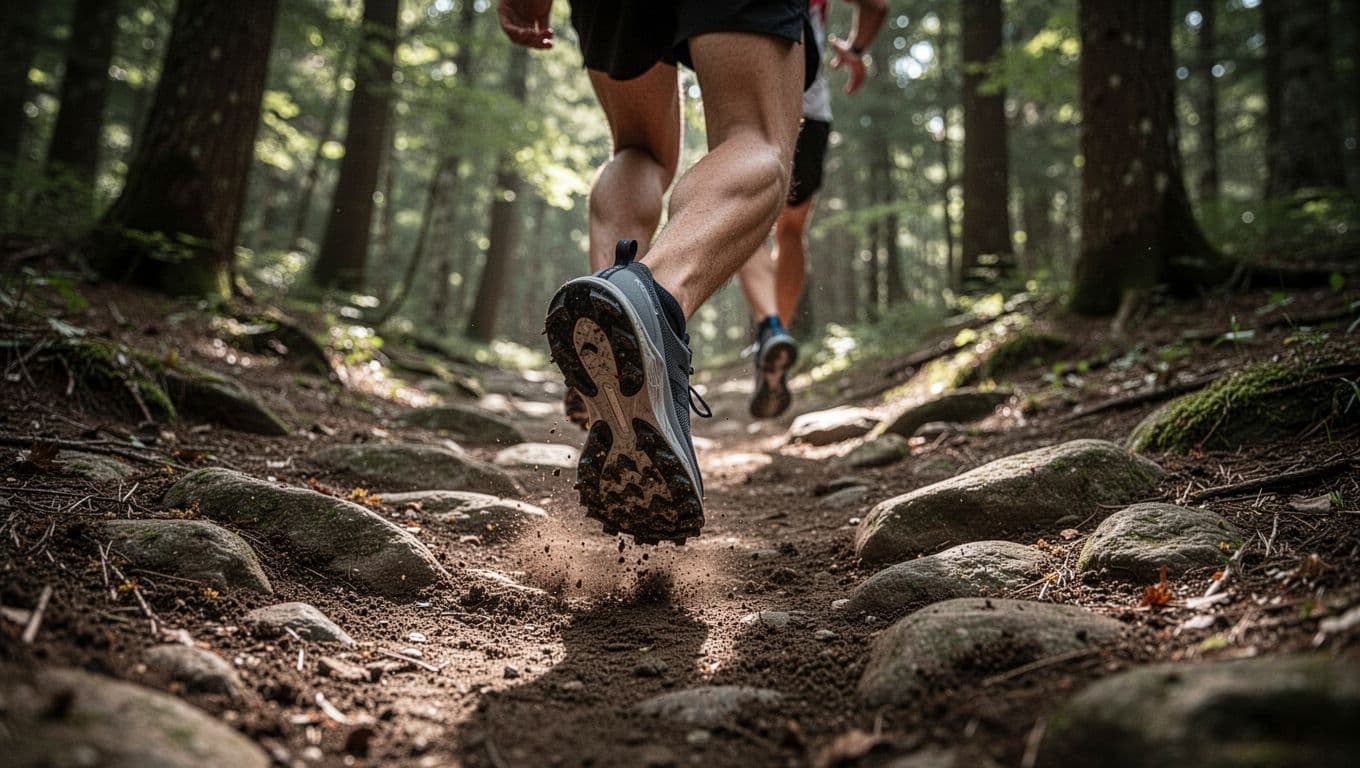
The biggest reason to choose the Trail Glove 8 is simple, as it provides a more natural run without leaving your feet exposed. Its design makes it easier to stay connected to the ground while handling rough terrain.
It also brings necessary trail protection. Rocks, roots, and uneven dirt can feel harsh in a true barefoot shoe, so this model offers a safer middle ground. If you want a shoe that feels lighter and less bulky than most trail runners, this one fits that lane well.
A few strengths stand out right away:
- Zero-drop shoe performance keeps your heel and forefoot level.
- Lightweight construction helps the shoe disappear on easier runs.
- Flexibility lets your foot move with less resistance.
- Rock protection makes technical, jagged routes much more manageable.
- A breathable upper keeps your feet cool during high-intensity efforts.
- Natural feel is stronger than what you get in most cushioned trail shoes.
For runners who are moving toward minimalist footwear, that mix is appealing. It gives you more freedom than a regular trail shoe, but it still prevents you from feeling every sharp edge on the path.
For a wider look at shoe choices that keep things low and natural, this Topo Athletic Pursuit 2 trail shoe review is a useful comparison point.
Reasons to skip it
The Trail Glove 8 is not the best pick if you want a true barefoot sensation. The sole still creates a clear buffer between you and the ground, so it will not provide the raw feedback that some dedicated barefoot runners desire.
Cushion is another sticking point. Some runners like the firm ride, but others expect a bit more comfort on longer outings. If you are used to soft trail shoes, this can feel thin and demanding rather quickly.
Fit can also be a challenge. The shoe works best for certain foot shapes, which means it may feel too snug if you have a wide forefoot or need extra space when your feet swell. A poor fit takes away most of the potential benefit.
If you want maximum ground feel, this shoe sits on the wrong side of that line.
You also need to think about pacing and recovery. Minimal shoes ask more from your feet, calves, and lower legs, so hydration and fatigue management matter more on longer trail days. This endurance hydration guide is helpful if you plan to run longer in lighter footwear.
Who should choose it over other minimalist shoes
The Trail Glove 8 makes the most sense for runners who want a transition shoe between traditional trail trainers and full barefoot models. For barefoot beginners who are just starting their minimalist journey, it provides a gentler entry point without requiring an immediate shift to an unforgivingly thin sole.
It also suits experienced barefoot runners who still want protection on rough trails. Technical routes, sharp gravel, and uneven dirt can make a true barefoot shoe feel too exposed. In those cases, the Trail Glove 8 gives you enough ground connection to stay close to the trail, plus enough guard rails to keep the run enjoyable.
This shoe is a good match if you:
- Are moving into minimalist trail running and want a safer step down.
- Prefer a zero-drop shoe but still want some protection underfoot.
- Run on rocky or mixed terrain where a true barefoot shoe feels too thin.
- Like a low, flexible shoe more than a cushioned one.
Runners who want the lightest, most stripped-back feel may prefer something more bare. Runners who want a balance of protection and natural movement will get more from the Merrell Trail Glove 8, and that is where it earns its place.
How it compares with other barefoot and minimalist trail shoes
The Trail Glove 8 sits in a narrow lane. It is more protective than a true barefoot running shoe, but lighter and more flexible than most traditional trail runners. That makes it appealing if you want a low-profile ride without going fully stripped down.
The real question is how much ground feel you want. If you want the trail to feel sharp and immediate underfoot, this shoe may feel a little muted. If you want some protection without losing that close-to-the-ground feel, it starts to make more sense.
True barefoot shoes go after maximum flexibility, wide toe splay, and the lightest possible barrier between your foot and the ground. They often feel almost slipper-like in how little they hold you back. The Trail Glove 8 still keeps a bit more structure than those minimalist shoes, so it feels safer on rough trails but less raw.
That difference matters on technical ground. A true barefoot running shoe gives you more sensory feedback, which can sharpen your foot placement on smooth dirt or packed paths. The Trail Glove 8 softens the ground feedback a little, so rocks and roots feel less harsh, but you also lose some of the instant trail contact that barefoot runners chase.
If your main goal is to train your feet and feel every change in the surface, a true barefoot shoe is the closer match. If you want a barefoot-inspired trail shoe with a touch more protection, the Trail Glove 8 is the easier shoe to live with on longer or rougher runs.
The Trail Glove 8 is closer to barefoot than most trail running shoes, but it still keeps a clear buffer underfoot.
That buffer can help on mixed terrain, yet it also means the shoe sits in the middle of the category instead of at the extreme end.
Compared with other minimalist trail runners
Against other minimalist trail runners, the Trail Glove 8 looks like a middleweight. It stays low, light, and flexible, but it does not push as hard toward a stripped-back feel as some competitors do. Runners who want a little more underfoot guard often like that balance.
Compared with shoes like the Nike Terra Kiger 10, the Trail Glove 8 feels simpler and closer to the ground. The Terra Kiger features a higher stack height, while the Trail Glove 8 keeps the ride more bare and direct. That can make Merrell feel better for runners who care about foot freedom first.
It also lines up well against faster trail options such as the Saucony Peregrine 16, but the Peregrine gives you more shoe overall. The Merrell is the better pick if you want less stack height and less bulk. The Saucony is the better pick if you want more grip support and a more cushioned ride on harder efforts.
A quick way to compare them:
| Shoe type | Feel | Protection | Best for |
|---|---|---|---|
| True barefoot shoe | Most natural and flexible | Very low | Short runs, foot strength work, smooth trails |
| Merrell Trail Glove 8 | Low-profile with moderate protection | Low to moderate | Mixed trails, transition runners, light protection |
| Other minimalist trail runners | More varied, often slightly plusher | Moderate | Runners who want some cushion without losing speed |
The Trail Glove 8 stands out when you want a shoe that stays honest about the ground but does not punish you for every sharp edge. It is a sensible choice if you like minimalist shoes but still want your experience with trail running shoes to feel manageable.
When a road barefoot shoe is the better choice
A road barefoot shoe is often the smarter pick if most of your runs happen on pavement, bike paths, or smooth packed ground. Those surfaces do not demand the same outsole grip or rock protection that trail running shoes do, so extra trail features can feel like dead weight.
On smoother routes, you usually get more benefit from a road-specific barefoot shoe with a softer landing and an outsole built for flat, even surfaces. That can help you stay relaxed and keep your stride natural without paying for trail tread you never use. If your weekly miles stay mostly on roads, the Trail Glove 8 may be more shoe than you need.
Longer paved runs also change the equation. As fatigue builds, hydration matters more, and a lighter, simpler shoe can feel easier to manage. A useful endurance hydration guide can help you keep that side of the run in order.
If you want a cleaner, simpler fit for road work, a road barefoot shoe often makes more sense than a trail model. The Trail Glove 8 shines when the route gets rough, but on smooth ground, a road-focused option usually feels more natural and less busy.
What to know before you switch to minimalist trail running
Switching to minimalist trail running changes more than your shoe choice. Your feet, calves, ankles, and even your pacing need time to catch up. If you rush the process, the shoe might feel fine for a week and then punish you on the next climb or rocky descent.
That is why the question is not only whether the Merrell Trail Glove 8 is worth it, but whether your body is truly ready for the transition. For barefoot beginners, a slower adjustment period gives you a better shot at enjoying the shoe instead of fighting it.
How to ease into lower-cushion shoes
The move to lower-cushion shoes matters because your legs have to absorb more impact. A cushioned trail shoe hides a lot of that stress, but a minimalist shoe asks your feet and calves to do more of the work. Because these shoes lack a traditional heel-to-toe drop, your lower legs are forced to handle a larger range of motion, which puts significant demand on the calf muscles.
Start with short walks, then short runs on easy ground. Keep the first few sessions simple, and build time before you build mileage. If you normally run 20 miles a week, do not switch all of your volume at once.
Keep hydration steady too, especially on longer trail sessions. Even a light shoe feels tougher when you are under-fueled or dehydrated, and this endurance hydration guide is a useful reference for that side of the plan.
Signs the shoe is not the right match
The wrong fit usually shows up fast if you pay attention. Foot soreness, calf strain, and hot spots are early warning signs, especially if they last more than a day or two.
Watch for these red flags:
- Persistent calf tightness after short runs
- Hot spots or blisters from the upper or toe box
- A shaky or unstable feel on loose trails
- Sharp foot soreness in the arch, heel, or forefoot
- Pain that gets worse as the run goes on
If the shoe makes you tense up on technical ground, that matters too. A good minimalist trail shoe should feel light and controlled, not like you are tiptoeing through every mile.
Simple care and use tips to get more life from the shoe
Rotate the Trail Glove 8 with another pair if you run often. That gives the foam, upper, and outsole time to recover between sessions.
After muddy runs, gently brush off dirt and be sure to clean the breathable upper to maintain its integrity and longevity. Let the shoes dry at room temperature. Skip direct heat, since it can wear materials out faster. If the inside gets wet, pull out the insole and let air move through it.
Clean the outsole when the tread packs with grit, because buildup hurts grip. Also, keep an eye on the midsole feel and outsole lugs. Retire the shoe when traction drops, the upper starts to tear, or the ride feels flat and uneven.
A minimalist shoe lasts longer when you treat it like professional trail gear, not gym gear.
Frequently Asked Questions
Is the Merrell Trail Glove 8 considered a true barefoot shoe?
No, it is classified as a minimalist trail shoe. It provides the essential zero-drop and flexible platform associated with barefoot running, but includes more cushioning and rock protection than a completely stripped-back shoe.
Is the Merrell Trail Glove 8 good for wide feet?
The shoe features a relatively snug fit that may feel restrictive for runners with very wide feet or those who need significant room for toe splay. If you require a generous toe box, you may find the fit tighter than expected compared to other brands known for wide, anatomical shapes.
How long should I take to transition into these shoes?
Transitioning to minimalist footwear should be done gradually to allow your calves and feet to adapt to the increased load. Start by wearing them for short walks or easy, low-mileage runs, and slowly increase your volume over several weeks to avoid injury.
Can I use the Trail Glove 8 for long-distance trail running?
You can, provided you are adapted to minimalist footwear and have a solid endurance base. Because the shoe lacks the plush padding of traditional trainers, your legs will do more work, so focusing on your pacing and fluid intake is critical for longer efforts.
Conclusion
The Merrell Trail Glove 8 is worth it if you want a low-drop trail shoe that feels light, stable, and close to the ground. It works best for runners who appreciate minimalist shoes that provide enough protection for rocks, roots, and mixed trail surfaces.
If you are a beginner interested in natural running, this shoe can be a smart transition pick. If you are an experienced barefoot runner who wants the most raw ground feel possible, it may feel a little too protective. Runners with wider feet may also want to consider the toebox width of other options, such as the Altra Escalante 5 review, especially if a roomy fit matters more than aggressive trail grip.
For trail-focused athletes, the answer is clear: this model is a solid investment when you want a balanced, minimalist feel rather than a pure barefoot ride. If you plan longer runs in lighter footwear, keep your pacing and hydration dialed in with these hydration tips for endurance runs.
Ultimately, is the Merrell Trail Glove 8 worth it? The answer is simple. It is an excellent buy for runners who want a blend of minimalism with protection, but it may not be the ideal choice for anyone chasing the most stripped-back barefoot sensation on the market.


