

Manitoba Marathon Review and Guide
A June race in Winnipeg offers a chance to test your training as summer begins, but is this event worth choosing for your next goal race? The answer depends on what you want from the course, race-day atmosphere, and event logistics.
This review weighs those details without assuming every runner wants the same experience. You’ll get a clear sense of the race’s strengths, potential drawbacks, and the runners most likely to enjoy it, so you can decide whether it fits your goals. Remember, make sure to book your Manitoba Marathon hotels early to save on higher prices later if you do not.
Key Takeaways
- The Manitoba Marathon offers multiple race distances, so you can choose an event that matches your training and race goals.
- For the half marathon, the official half-marathon route starts on Chancellor Matheson and crosses Pembina Highway and Abinojii Mikanah Bridge.
- Plan transportation ahead: the race-day FAQ recommends carpooling, checking parking availability, and confirming current shuttle arrangements.
- The event may suit runners who want a Winnipeg road race and are comfortable sorting out race-morning transportation in advance.
- Before registering, check the current course and logistics details, then weigh them against your distance goal and race-day preferences.
What Runners Can Expect in Winnipeg
The Manitoba Marathon is traditionally held around Father’s Day in June. That early-summer timing can bring changing weather, so plan your clothing and hydration around the forecast.
The event combines several race options with a community-focused mission. Its lineup and race-day setup can change from year to year, so check the official race-day events page for current offerings, then confirm registration, start times, and course details on the official race-day information page.
Race distances and event options for different runners
Depending on the year, options may include a full marathon, half marathon, 10km run, 5km run, fun run, or Marathon Relay. Confirm the current lineup on the official events page before choosing a training plan.
Each option suits a different goal. The longest distance fits experienced runners preparing for a serious test, while the half marathon offers a substantial challenge with less training volume. A shorter event can help runners build speed or take a first step into racing. Families should review age rules and event logistics before registering children.
If you’re targeting a personal best, match the event to your current training and recovery capacity, not just your ambition. A well-prepared shorter race can be a stronger choice than an undertrained marathon. Families should also review age rules and event logistics before registering children.
The community mission behind race weekend
The event connects a large public race with local community support. It partners with United Way Winnipeg to support people with intellectual disabilities, including efforts that help them become more independent and active in their communities. Volunteers also provide general support during race-day activities.
That mission gives race weekend a broader purpose, but runners should distinguish charitable fundraising from race registration. Entry fees don’t automatically go entirely to charity. For current partnership, fundraising, and event-day details, use the official race information rather than assuming every year’s program is identical.
Whether you come to race hard or join a shorter event with family, the community connection adds context to the day. Choose the distance that fits your goal, then check the year’s official schedule before making travel or training plans.
How the Manitoba Marathon Course Feels on Race Day
A marathon course can look friendly on paper and still ask a lot of you on race day. A flat course can help runners hold an even pace, but road conditions and late-race fatigue still shape the experience.
Pacing, terrain, and where the course can test you
A flatter route gives you fewer hills to manage, which can make steady pacing and personal-best attempts more practical. You can settle into a rhythm without repeatedly adjusting your effort for long climbs. Still, flat does not mean effortless. A consistent pace feels different after 20 miles, when tired legs have less strength to absorb each step.
Long stretches may also make it harder to stay mentally engaged, while turns can interrupt your rhythm. On open sections, wind can change how much effort it takes to maintain the same pace. Rather than chasing a fast split early, start under control and let effort guide you, especially if conditions feel warm or breezy.
The second half is where restraint pays off. If you spend too much energy banking time in the opening miles, fatigue can turn a manageable course into a difficult one. Check the official full-marathon course information and current map for the full marathon and half marathon, including aid stations. Course direction, landmarks, and road closures can change, so avoid building your pacing plan around an old route description.
Scenery and crowd support along the route
The race takes runners through Winnipeg streets and neighborhoods, with the view changing as the route moves through the city. You may pass residential blocks, broader roads, and stretches with fewer visual distractions. These surroundings can make the race feel like a city tour, but the course experience varies by section and year.
Support from volunteers and spectators can lift your mood when your pace starts to feel costly, yet it’s best treated as a bonus rather than a guarantee. Spectators may gather near accessible viewing points, while other stretches can feel quieter. If friends or family plan to cheer, the current Manitoba Marathon spectator guide can help them choose where to watch.
Before race weekend, study the current course map and note where turns or route changes could affect your rhythm. That preparation helps you focus on effort and execution instead of wondering what comes next.
Race-Day Logistics: Getting to the Start, Staying Comfortable, and Finishing
A smooth Manitoba Marathon morning starts before you pin on your bib. Confirm the year’s transportation, course access, and event procedures early, then build a simple routine that leaves room for delays. That preparation helps you reach the start calm and ready to run.
Plan transportation and the pre-race routine early
Check the official race-day transportation information before choosing how to get to the event. Parking may be limited, and road closures can affect drivers and anyone trying to reach the start or finish area. Review transit and shuttle options, including pickup and drop-off locations, and allow enough time to reach your event. If a shuttle is available, confirm its schedule before race morning. If friends or family are driving, agree on a meeting point that doesn’t depend on crossing a closed street.
Also confirm packet pickup dates and locations, bag-check rules, restroom access, and your event’s arrival and start times in the current race-day information. These details can change by year, so an old race plan may leave you waiting in the wrong place or unable to check a bag.
Keep race morning predictable. Eat a familiar breakfast at a time that suits your start, allow time for the restroom, and do a short, easy warm-up that matches your distance and usual routine. Then leave extra time for parking, walking to the start, and completing any required procedures. Rushing can raise stress before the race even begins; a written timeline gives you one less thing to manage.
Choose Your Distance, Duration and Goal Time
Make three quick selections and open the exact plan built for your race target.
Looking for a Fully Personalized Training Plan?
The training plans above are an excellent choice if they match your goal. However, if you’d rather train with a plan built specifically around your current fitness, goal race, preferred training days, weekly mileage, and target finish time, our RDA Custom Training Plans provide a personalized solution. We also have running courses available for runners seeking to run faster from the mile to the marathon.
Why Choose a Custom Training Plan?
| Standard Training Plan | RDA Custom Training Plan |
|---|---|
| Follows a fixed schedule | Built around your schedule |
| Standard weekly mileage | Peak mileage customized for you |
| Fixed workout days | Train on the days you choose |
| Same structure for everyone | Designed around your current fitness |
| Static plan | Updated as your fitness improves |
| One-time purchase | Ongoing personalized coaching and support |
What You’ll Receive
- A training plan built specifically for your goal
- Personalized training paces
- Long runs, tempo runs, threshold workouts, interval sessions, recovery runs, and easy runs
- Peak weekly mileage matched to your experience level
- Flexible training schedule that fits your life
- Ongoing plan adjustments as your fitness improves
Ready to Train Smarter?
Stop guessing and start following a plan built specifically for you, your schedule, and your racing goals.
Aid stations, hydration, and finish-line recovery
Before race weekend, review the official aid-station plan for your distance. Aid stations, available drinks or fuel, and support services can vary by event and year. Check what the volunteers will provide, and carry any gels or sports drinks you rely on rather than assuming they’ll be available. Plan hydration around your training and the weather, and avoid trying a new fueling strategy on race day.
Know where the finish area sits in relation to bag check, restrooms, and your transportation pickup. After you finish, keep moving gently for a few minutes instead of stopping abruptly, then drink and eat something you tolerate well. If your event includes a medal, check the current participant guide for collection details. A warm layer and comfortable shoes waiting with your checked bag can make the walk or ride afterward much easier.
Finally, arrange a clear post-race meeting point with anyone coming to watch. Finish areas can be busy, and tired runners may not want to search a crowd or walk far. Follow volunteers’ directions around the finish, and check the current participant guide for distance-specific services and medal information before you leave home. Keep your recovery plan simple: easy walking, fluids, food, and dry clothing.
The Best and Toughest Parts of Running This Winnipeg Marathon
The event can be a strong choice if you want a race with options for different goals and a course that may support steady pacing. Its appeal depends on what you value most: a welcoming community event and a straightforward route, or more varied scenery that breaks up the effort.
What the event does especially well
A range of distances makes it easier to choose a realistic challenge. Alongside the marathon and half marathon, the event has included a Marathon Relay, 10K, 5K Super Run, and youth races. Check the official event listings for the current lineup, since offerings can change.
That variety helps beginners take part without committing to a marathon training block. More experienced runners can choose a longer race or use a shorter event to target a personal best. The relay also lets teams share the day instead of running the full distance alone.
The race’s community purpose and the support of local volunteers add meaning for participants who want their entry to connect with local support. For charity-minded runners, that can make race weekend feel bigger than a finish time. Just confirm the current fundraising options and how donations work before making plans.
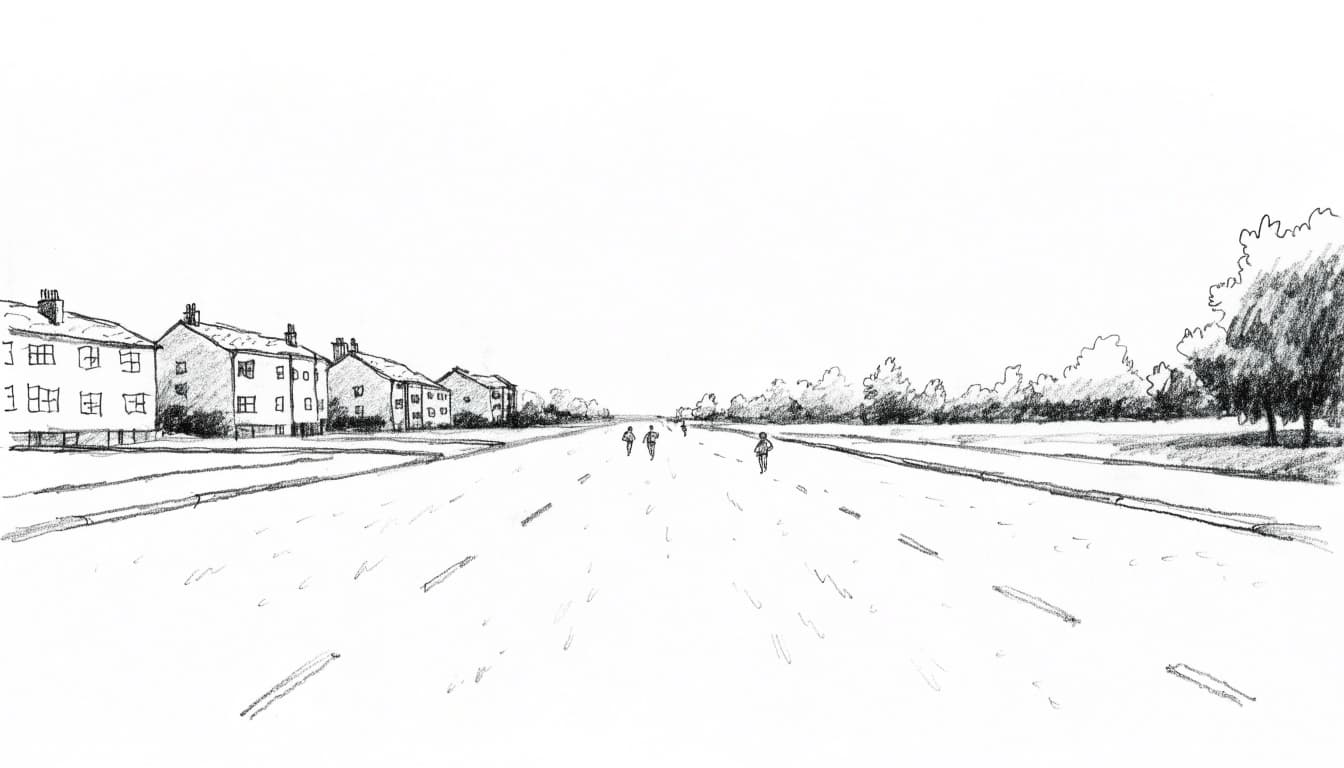
For runners chasing a time goal, the relatively flat course may be an advantage. With fewer major climbs to disrupt effort, you can focus on even pacing and controlled execution. However, a flatter route only helps if you prepare to hold effort over long, open stretches. Beginners benefit from the same straightforward layout, provided they pace conservatively and avoid treating the early miles as easy speed.
What may disappoint some runners
June weather is a real variable. Conditions can shift between cool mornings and warm race-day temperatures, so clothing and hydration plans should account for the forecast rather than rely on a typical year. Environment and Climate Change Canada’s Canadian climate normals offer historical averages, but the race-day forecast matters more when you pack.
Flat terrain can also make pace harder to sustain than it looks on a course map. Without hills to vary your stride, the same muscles absorb repeated effort, and exposed sections may feel tougher if wind or heat builds. Practice steady pacing in training, and let effort guide you when conditions make your target split costly.
The route may not satisfy runners who want dramatic scenery or a constant wall of spectators. Some sections can feel quieter or more open, while crowd density may vary with location and race-day access. Congestion is another possibility around busy start or finish areas, especially for runners who prefer plenty of space.
These are personal preferences, not guaranteed shortcomings. If you thrive on varied terrain and continuous crowd energy, compare the course map and spectator information with what you enjoy before registering.
Who Should Choose This Race, and How to Prepare
This community-centered event in Winnipeg can suit runners who want several distance options and a route that may reward steady pacing. The right choice still depends on your experience, goals, and appetite for June weather and race-day travel logistics.
A good fit for first-time marathoners, locals, and time-focused runners
For a first marathon, the event can offer a clear goal within a race weekend that welcomes runners at different levels. You can choose the half marathon while building confidence, or take on the full marathon when your training supports the jump. Locals may appreciate racing close to home, while travelers should weigh hotel costs, arrival time, and transportation plans before registering.
The course’s generally flat profile may appeal to runners who prefer consistent effort over repeated climbs. That can help with pacing, but it doesn’t guarantee a personal best. Wind, warmth, fatigue, and long stretches of similar terrain can all affect your time. Review the current Manitoba Marathon event lineup and registration details. Choose a distance that fits your preparation, not just your target finish time. If qualifying matters, verify through an official source whether the race is currently a Boston Qualifier.
Runners who want dramatic scenery, substantial hills, or a destination race built around sightseeing may prefer another event. Its appeal is more about taking part in a community race than touring a mountain or coastal landscape.
Train for the distance, weather, and steady effort
Build your plan gradually, with weekly runs that increase at a manageable pace and long runs that prepare you for the demands of your chosen distance. Include marathon-pace practice if you’re targeting a specific finish time, plus strength work and easy days that let your body recover. As race day approaches, reduce training volume with a planned taper; Mass General Brigham’s marathon training guidance explains how easing mileage helps runners arrive fresher.
Because the race takes place in June, prepare for more than one kind of morning. Check Winnipeg’s Canadian climate normals for historical context, then use the forecast closer to race day to choose layers and plan hydration. Practice your fueling during long runs, including the products and timing you expect to use. Race morning is a poor time to test new shoes, breakfast, or gels.
Finally, rehearse your race-day routine and travel plan. Confirm the current start time, transportation, and parking details, then leave enough time to reach the start without rushing. A realistic pace plan, familiar nutrition, and a calm arrival give you a stronger chance of enjoying the race, whatever the clock says.
Frequently Asked Questions
A few practical details can help you decide whether the event fits your plans. Check current race information before booking travel or setting your training schedule, since race weekend dates, events, and procedures can change.
When is the event held?
The event is traditionally held in June, around Father’s Day, but the date varies. The 2026 race is scheduled for June 21; for another year, confirm the date on the official full-marathon page before making travel plans.
Is the course flat?
Yes, the route is notably flat. Official information for the half marathon reports a maximum elevation change of 3 meters (10 feet), though that detail applies to that course, so check the current map for your event. A flatter course can make even pacing easier, but wind, heat, fatigue, and race-day conditions still affect your effort.
Can beginners take part without running the full marathon?
Yes. The race weekend commonly includes shorter events, such as a 10K and 5K, though the lineup can change. Check the current event options and each race’s eligibility rules before registering, especially if you are choosing a distance for a child or young runner.
What should runners know about June weather in Winnipeg?
Race morning can start cool, then turn warmer or windier as the day goes on. Check the forecast close to race day and adjust your clothing and hydration plan to match; Canadian Climate Normals provide historical context, but they can’t predict the conditions for a specific race.
Where can runners find the current course map and race rules?
Use the official race-day information page for updated maps, start times, road closures, and aid stations. Review the race guide for packet pickup, shuttle availability, volunteer guidance, and medal details, since procedures can change. Check official updates for race results.
How will runners know about race-day conditions?
The participant handbook says organizers communicate the Event Alert System status through public announcements and color-coded flags at the start and finish areas. Check the current participant handbook before race day, then follow on-site updates if conditions shift.
Conclusion
The event is a community-centered Winnipeg race with distance options for different goals and a generally flat course that can support steady pacing. It may suit runners who value a local race atmosphere or want to target an even effort, though the route and race-day experience may not fit everyone’s preferences.
June weather can shift, and wind, heat, or race-morning transportation can affect your plans. Before you register, review the current race guide, confirm the course and logistics, and choose a distance that matches your training. A thoughtful plan will help you get more from race day, whatever your finishing time.


