

Best Luxury Hotels Near the Denver Colfax Marathon
Before sunrise in Denver, the air feels cool, the streets are unusually quiet, and runners begin moving toward the Colfax Marathon start line. For marathoners, those early hours can shape the entire race, so your hotel choice deserves more thought than a polished lobby or impressive view.
The best luxury hotels near the Denver Colfax Marathon give you a calm place to sleep, quick access to the start or course, and enough space to prepare without rushing. Helpful details matter, too, including early breakfast options, reliable transportation, comfortable beds, recovery-friendly amenities, and a quiet room to return to after 26.2 miles. Supporters also benefit from a convenient location, since getting around Denver on race weekend can take planning.
This Denver Colfax Marathon hotels guide compares luxury stays near the marathon, along with the neighborhoods that make sense for runners and spectators. You’ll also find practical advice on transportation, runner-friendly amenities, expected pricing, and when to book so you can protect your race morning and enjoy the weekend. First, let’s look at the areas that put you closest to the action.
Key Takeaways
- Choose luxury hotels near the Denver Colfax Marathon for quiet rooms, comfortable beds, and easy access to race-day transportation.
- Downtown Denver, Union Station, and Capitol Hill can offer convenient locations for runners, supporters, restaurants, and post-race recovery.
- Confirm early breakfast, luggage storage, late checkout, fitness facilities, and nearby parking before booking.
- Plan around road closures and transit changes by checking the official Colfax Marathon details before race weekend.
- Book early, since the best rooms near the course can fill quickly and rates often rise as race day approaches.
Luxury Hotels Near the Denver Colfax Marathon: What Runners Should Know First
The best hotel depends on your race-weekend priorities. You may want a short trip to the start, quick access to the finish, a quiet room for uninterrupted sleep, or a comfortable base for family and friends. Luxury also means different things before 26.2 miles than it does during an ordinary city break.
Plan Your Complete Marathon Weekend
Choosing the right hotel can reduce race-day stress, shorten travel time, improve sleep, and make your entire marathon weekend smoother.
More Denver Colfax Marathon Hotel Guides
Denver’s Colfax Marathon moves through several distinct parts of the city, so a generic map pin can mislead you. A hotel near the wider course may still sit far from your start line, while a property near the start may require a longer trip after the finish. Check the current Denver Colfax Marathon course map before you reserve a room. Course details, start times, street closures, transportation plans, and official hotel guidance can change.
How the race location affects your hotel choice
City Park can appeal to runners who value a shorter trip to the start and a neighborhood atmosphere. Downtown may offer more luxury properties, restaurants, and transit options, but the correct side of downtown matters. A hotel west of the route can create a very different morning from one east of it, especially when streets close before sunrise.
Civic Center sits closer to central race activity, while Cherry Creek may offer quieter rooms, upscale dining, and a more relaxed setting for supporters. Union Station provides strong transportation access, yet its distance from your assigned start or finish can still require careful planning. Walking distance matters most when you can reach the correct location without crossing a closed street.
Rideshare access may change during staging and road closures. Drivers might need to drop you several blocks away, and a short route on a standard map may become a long detour on race morning. Review the official marathon course overview alongside your hotel’s address, then ask the property about shuttle access, pickup zones, parking exits, and pedestrian routes.
The luxury features that matter before and after a marathon
A high star rating won’t help if the room overlooks a busy street or checkout ends before you return. Ask about quiet-room locations, blackout curtains, elevator access, flexible checkout, early coffee, and room service hours. A bathtub or strong shower can also matter after a long race.
Look for a fitness center, spa services, ice, in-room refrigeration, and staff who will handle race-day requests without confusion. Confirm policies before booking, especially for:
- Early breakfast or coffee service.
- Late checkout and luggage storage.
- Ice delivery and refrigerator access.
- Parking, shuttle timing, and rideshare pickup.
- Spa availability on race weekend.
Practical comfort is the luxury that protects your sleep, preserves your energy, and makes recovery easier once the finish line is behind you.
The Best Luxury Hotels Near the Denver Colfax Marathon
Luxury hotels near the Denver Colfax Marathon differ in character, location, and race-morning practicality. Downtown properties make restaurants and sightseeing easy, while Cherry Creek offers a calmer base. Before booking, compare the hotel’s atmosphere with your start location, transportation plan, and recovery needs.
The Brown Palace Hotel and Spa for historic downtown luxury
The Brown Palace brings classic Denver character to a central downtown address. Its grand architecture, traditional service, and on-site spa create a memorable stay for runners who prefer old-world atmosphere over a modern, minimalist design.
After the race, supporters can reach downtown restaurants, shops, and city sights without building the entire weekend around the hotel. However, historic properties can have more varied room layouts, and street noise may differ from room to room. Ask for a quiet location, then confirm race-morning transportation rather than assuming downtown means easy access to the start.
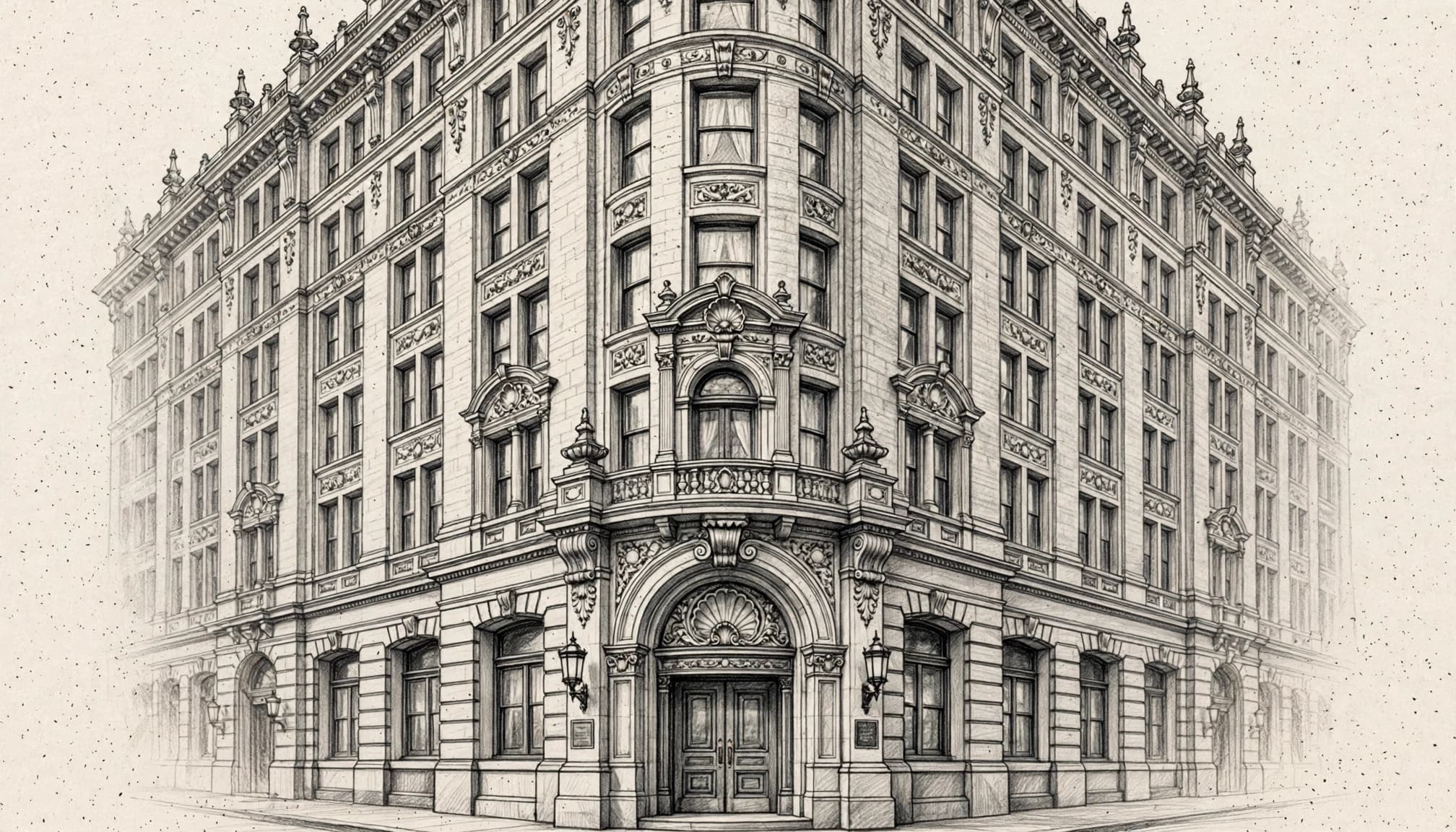
The Ritz-Carlton Denver for service and extra room to recover
The Ritz-Carlton Denver offers polished service, a downtown setting, and larger accommodations that can suit runners traveling with a partner or family. Extra space helps when you need to organize race gear, relax after the finish, or keep supporters comfortable during a longer stay.
Before reserving, ask about late checkout, room service timing, quiet-room placement, and access to fitness or wellness facilities. The hotel’s official overview lists spacious accommodations and spa amenities. Still, downtown convenience doesn’t guarantee proximity to your assigned start, so check the current course map and transportation plan.
Four Seasons Hotel Denver for a full-service recovery stay
Four Seasons Hotel Denver fits runners who want attentive service, upscale dining, and a comfortable post-race environment. Spa treatments, room service, fitness access, and a pool can make the hours after a marathon far easier.
The downtown location also gives supporters restaurants and attractions nearby. Check treatment availability, pool and fitness hours, early dining options, and late-checkout policies before race weekend. The hotel’s Denver property information is a useful starting point, but race-weekend schedules may differ.
The Crawford Hotel for Union Station convenience
The Crawford Hotel puts travelers beside Denver Union Station, with rail access, restaurants, and a lively downtown setting close by. That convenience can help supporters, families arriving by train, and runners who want dining options within the station district.
However, station activity may create more noise than a residential neighborhood. Review transit timing, the actual race-day route, and pedestrian access before assuming the location works for a pre-dawn start. A nearby hotel address still may require a detour around road closures.
Hotel Clio and Halcyon Cherry Creek for a quieter upscale base
Hotel Clio and Halcyon offer a calmer Cherry Creek alternative to downtown hotels, with upscale restaurants, shopping, and a comfortable setting for a longer race-weekend stay. Hotel Clio’s official site and Halcyon’s property details can help you compare current amenities.
The tradeoff is distance from central race activity. Arrange transportation early, since closures can affect rideshare and taxi routes. These hotels suit travelers who value neighborhood comfort, provided they confirm the pre-race route before booking.
Choose Your Distance, Duration and Goal Time
Make three quick selections and open the exact plan built for your race target.
Looking for a Fully Personalized Training Plan?
The training plans above are an excellent choice if they match your goal. However, if you’d rather train with a plan built specifically around your current fitness, goal race, preferred training days, weekly mileage, and target finish time, our RDA Custom Training Plans provide a personalized solution. We also have running courses available for runners seeking to run faster from the mile to the marathon.
Why Choose a Custom Training Plan?
| Standard Training Plan | RDA Custom Training Plan |
|---|---|
| Follows a fixed schedule | Built around your schedule |
| Standard weekly mileage | Peak mileage customized for you |
| Fixed workout days | Train on the days you choose |
| Same structure for everyone | Designed around your current fitness |
| Static plan | Updated as your fitness improves |
| One-time purchase | Ongoing personalized coaching and support |
What You’ll Receive
- A training plan built specifically for your goal
- Personalized training paces
- Long runs, tempo runs, threshold workouts, interval sessions, recovery runs, and easy runs
- Peak weekly mileage matched to your experience level
- Flexible training schedule that fits your life
- Ongoing plan adjustments as your fitness improves
Ready to Train Smarter?
Stop guessing and start following a plan built specifically for you, your schedule, and your racing goals.
Which Denver Neighborhood Works Best for Marathon Weekend?
The best neighborhood depends on what you want race weekend to feel like. Downtown makes sightseeing and post-race dining easy, City Park can simplify the start, and Cherry Creek offers a quieter place to recover. Before booking, compare your hotel address with the current start plan, transportation options, and expected road closures.
Downtown Denver for course access, restaurants, and finish-line energy
Downtown gives you the strongest balance of convenience and activity. Many luxury hotels sit near restaurants, attractions, light rail stations, and central race-day areas. After the marathon, you can return to your room without committing to another long trip across the city. Supporters can also reach museums, shopping, and restaurants while waiting for runners.
The tradeoff is noise and congestion. Race weekend may bring crowds, street closures, limited parking access, and early-morning activity near major roads. A hotel that looks close on a map may still require a long detour by car or rideshare. The Denver Colfax Marathon closure information can help you understand transportation changes before you arrive.
When possible, request a room away from elevators, hotel bars, loading areas, and busy streets. Also ask where taxis and rideshares can legally drop off during the race. Downtown works best for travelers who want attractions and dining within walking distance, even if race morning requires careful planning.
City Park and nearby areas for a simpler start routine
When the current race plan supports a City Park start, staying nearby can make the morning feel far more manageable. A shorter trip protects sleep and gives you more control over breakfast, bathroom timing, warm-up, and gear checks. You may be able to walk part of the route or take a brief, planned ride instead of crossing the city before sunrise.
Luxury hotel inventory is more limited around City Park than downtown or Cherry Creek. As a result, an upscale hotel may require a short taxi or rideshare trip. Schedule that ride in advance, confirm the pickup point, and leave extra time for road closures or pedestrian diversions.
This area suits runners who prioritize the fastest and simplest pre-race routine over a lively hotel district. It can also help families avoid unnecessary movement before the start. Confirm the official start location each year, since race logistics and access points can change.
Cherry Creek for a calmer stay with more space to unwind
Cherry Creek appeals to couples, families, and runners who want high-end shopping, polished restaurants, and a quieter neighborhood after the race. The area gives you more room to relax between events, and its dining options can make a longer weekend feel comfortable rather than crowded.
Transportation is the main compromise. Map the trip from your hotel to the start at the actual race time, not during a quiet afternoon. A route that normally takes 15 minutes may change when streets close or traffic moves around the course.
A hotel with dependable car service, a clear taxi plan, or a confirmed rideshare pickup area may justify the extra cost. Cherry Creek is a strong choice when quiet recovery and weekend comfort matter more than walking to race activity.
How to Choose a Marathon-Friendly Luxury Hotel
The most expensive hotel is not always the best marathon hotel. A beautiful property loses its appeal if you face a long, uncertain commute before sunrise or struggle to recover afterward. Before comparing room photos, rank sleep, start access, recovery, food, parking, and budget in the order that matters most to you.
A hotel near the Denver Colfax Marathon should support your race plan, not distract from it. Use this practical checklist while comparing properties:
- Can you reach your assigned start without relying on an uncertain rideshare trip?
- Will the room stay quiet and dark through the night?
- Can you eat, hydrate, shower, and recover comfortably after the race?
- Do breakfast, parking, transportation, and fees fit your budget?
- Can the hotel handle your bags and schedule if plans change?
Ask about breakfast, coffee, late checkout, and race-day flexibility
Contact the hotel before booking, then request important answers in writing. Ask whether the kitchen can provide an early breakfast or packaged food, whether coffee is available before normal service, and whether late checkout is possible. Confirm any late-checkout fee instead of assuming it comes with a luxury stay.
Also ask whether staff can store bags after checkout and help arrange a car before road closures begin. Race morning can change quickly, so written confirmation gives you something concrete to reference when different staff members are working.
Check the room for sleep quality and recovery comfort
Request a quiet room away from elevators, ice machines, nightlife, loading areas, and busy streets. Then confirm the room has blackout curtains, reliable temperature control, a comfortable mattress, and a shower or tub that works well for post-race recovery.
Room layout matters, too. You need space for shoes, clothing, nutrition, and a race bag without turning the floor into an obstacle course. Ask whether the room includes refrigerator access, especially if you plan to store familiar drinks or food.
Pack the recovery items you already trust, such as blister care, massage tools, snacks, and preferred pain-relief products. Hotel amenities can help, but they shouldn’t replace the routine you’ve tested in training.
Compare total cost, not just the nightly room rate
Compare the total stay for the entire race weekend, including taxes, destination or resort fees, parking, valet charges, breakfast, transportation, spa treatments, and other amenities. A lower room rate can become more expensive once essential services are added.
Cancellation rules matter as well. Choose a flexible booking when possible, particularly before the race schedule, road closures, and hotel inventory are fully confirmed. The right room protects your sleep and race morning, but the right price protects the rest of your weekend.
Race-Morning Logistics From a Denver Luxury Hotel
A luxury hotel can make race morning calmer, but only if you turn its location and services into a clear plan. Road closures, crowded sidewalks, changing pickup points, and different start waves can make a short Denver trip take much longer than expected.
Plan the route before downtown streets close
Start with the official race map and identify your assigned start, finish area, spectator points, and any restricted streets between the hotel and course. Save the hotel’s full address, your start location, designated taxi or rideshare zones, and one backup route on your phone. Take a screenshot as well, since crowded networks and low battery can make last-minute searches unreliable.
A route that takes 10 minutes on an ordinary morning may require a long detour during a major road race. Ask the concierge about hotel exits, taxi staging, public transit, pedestrian crossings, and the time the front drive may become difficult to access. If you plan to walk, confirm which sidewalks remain open. If you plan to ride, book early and expect a drop-off several blocks from the start.
Spectators need their own plan. A supporter traveling from the start to a halfway point or finish-area viewing spot may face different closures than the runner. Choose one meeting point away from the finish-line crowds, then share the location with everyone before leaving the hotel.
Build a calm pre-race routine inside the room
Lay out your bib, shoes, race clothing, nutrition, jacket, keys, and phone the night before. Keep everything together near the door, so you don’t search through luggage while your start window approaches. Use familiar foods and drinks that you have tested in training. Hotel room service, rich restaurant meals, and unfamiliar breakfast dishes can create problems when your stomach needs predictability.
Set two or three alarms, allow time for bathroom needs, and leave more margin than you would at home. A flexible example might look like this:
- The night before, inspect the route, charge your phone, prepare clothing and nutrition, and confirm transportation.
- After waking, use the bathroom, drink what you normally tolerate, and eat your familiar pre-race meal.
- Before leaving, check weather, road access, bib placement, and the latest official race instructions.
- Walk or ride to the assigned start with enough time for security, corrals, gear drop, and unexpected delays.
Adjust every step to your wave and the organizer’s instructions. After the finish, tired legs, dehydration, and dense crowds can make basic decisions harder. Carry the hotel’s address and confirm luggage storage or bag-check policies before race morning. A simple return route, working elevators, nearby food, and a comfortable shower may matter more than an impressive lobby once you have finished 26.2 miles.
What a Luxury Marathon Weekend in Denver May Cost
A luxury marathon weekend in Denver can cost far more than the advertised nightly rate. Prices change with the race date, room type, booking window, cancellation terms, taxes, fees, and demand. Before comparing hotels, confirm the current race schedule through the official Colfax Marathon site, then price the entire stay rather than one attractive rate.
A useful comparison includes three budget levels:
- Room-only stay: The room, required taxes, and unavoidable property charges, with meals, parking, and transportation handled separately.
- Comfortable full weekend: The room plus likely meals, parking or transit, one or two nights of race-weekend transportation, and enough flexibility for recovery.
- Premium recovery stay: A larger or upgraded room, extra night, valet parking, spa treatment, room service, and other conveniences.
Use clearly labeled estimates only when you have checked current hotel listings. Otherwise, record the exact total shown for each property and note what the rate includes. That approach gives you a more honest comparison than relying on a room rate that excludes taxes or mandatory fees.
When to book and how to protect your budget
Book as soon as your race dates and personal plans are firm, especially if you want a popular luxury property near the course. Availability can shrink quickly, and waiting may leave you choosing between a higher rate, an inconvenient location, or a room type that doesn’t support good sleep.
Compare refundable and prepaid rates before deciding. A prepaid booking may cost less, but the savings can disappear if your plans change or the race schedule creates a conflict. Read the cancellation deadline, no-show rule, deposit terms, and modification policy in full.
Also check whether the hotel allows you to rebook if the price drops. Some properties let you cancel and reserve again within the permitted window, while others keep prepaid reservations fixed. Before paying, review the full amount due, including taxes, destination fees, parking, valet service, and breakfast. The displayed base rate is only one piece of the bill.
Ways to save without sacrificing recovery
Choose a standard room if you only need a quiet, comfortable place to sleep. Sharing with a trusted travel partner can reduce the per-person cost, provided the arrangement won’t disrupt your sleep or morning routine.
Skip valet service when self-parking or public transit is reliable. Book one extra night only when it improves recovery, avoids a rushed departure, or makes transportation easier. Nearby restaurants can also cost less than in-room dining, particularly when you choose familiar food after the race.
Still, don’t chase savings that create a poor sleep environment, uncertain transportation, or a long pre-race commute. A cheaper room far from the start may cost you more in stress, rideshare delays, and lost recovery time.
Common Hotel Booking Mistakes Marathon Runners Should Avoid
Even a well-planned race weekend can unravel when your hotel creates small, avoidable problems. Before booking luxury hotels near the Denver Colfax Marathon, look beyond the lobby, star rating, and room photos. Your choice should support sleep, transportation, nutrition, and recovery across the entire weekend.
Booking by star rating instead of race-day location
A beautiful hotel can still be a poor race-weekend choice if it leaves you facing an uncertain pre-dawn trip. In Denver, rolling street closures can turn a short downtown drive into a long detour, while rideshare drop-offs may move several blocks from the start.
Compare the actual route from the hotel to your assigned start, not just the distance shown on a booking site. Review the official Colfax Marathon course map and ask the hotel about pedestrian access, parking exits, taxi staging, and alternate pickup points.
Room quality matters, too. A luxury label won’t compensate for street noise, a room beside an elevator, or a difficult return trip after the finish. Choose the property that gives you a reliable morning plan and a manageable route back.
Assuming the hotel will provide runner services
Never assume early breakfast, coffee, late checkout, race shuttles, ice, laundry, or an in-room refrigerator comes with your reservation. Spa appointments may also fill quickly, and race-weekend services can operate on different hours.
Contact the property directly before booking. Ask for clear answers about:
- Early food and beverage options.
- Shuttle schedules and pickup locations.
- Refrigerator access, ice delivery, and laundry.
- Bag storage, showers, and late checkout.
- Fitness center and spa hours.
Save the response with your reservation details. If staff confirm a service, written proof can prevent confusion when the overnight or morning team takes over.
Ignoring the night before and the morning after
Your hotel plan must cover more than getting to the start. Decide where you’ll eat dinner, how you’ll hydrate, when you’ll sleep, and what you’ll do with luggage after checkout. You may also need shower access, recovery food, and transportation home or to the airport.
A hotel near the course may work beautifully on race morning but offer limited food afterward. A Cherry Creek property may provide a calmer recovery setting but require more planning around closures. Choose the stay that supports the full weekend, not only one impressive evening.
Before confirming, check:
- Actual route and backup transportation.
- Quiet-room options and sleep conditions.
- Breakfast, hydration, and refrigerator access.
- Checkout, luggage, shower, and recovery plans.
- Total fees, cancellation terms, and race-weekend policies.
Frequently Asked Questions
Choosing among luxury hotels near the Denver Colfax Marathon depends on more than star ratings. Your start location, wave time, transportation plan, sleep needs, and post-race comfort should guide the final decision.
Which luxury hotel is closest to the Denver Colfax Marathon start?
The answer depends on the current start location and course setup, so check the official marathon course overview before booking. A genuinely short walk can simplify bathroom timing, warm-up, and early-morning transportation, while downtown hotels usually offer a wider choice of luxury rooms, restaurants, spas, and services.
Do Denver luxury hotels offer special marathon services?
Some properties may provide early breakfast, pre-dawn coffee, late checkout, transportation help, ice, or recovery treatments during race weekend. These services aren’t automatic, so ask the hotel about hours, fees, availability, and restrictions before you reserve.
Is it better to stay near the start or near the finish?
Runners usually benefit from staying near the start because a shorter trip reduces morning decisions and transportation risk. Supporters may prefer access to the finish, restaurants, and transit, so choose according to your wave time, viewing plan, and post-race needs.
How many nights should I book for the marathon?
Arriving the night before works for local runners with reliable transportation, familiar routines, and a backup plan. Two or more nights can reduce travel stress, allow better sleep before the race, and give you time to recover without rushing home immediately afterward.
Can I walk to the marathon from a downtown Denver hotel?
Walking may be possible for some hotels and race years, but the answer depends on the official start point, street closures, weather, distance, and your assigned wave. Test the route in advance and don’t rely on a normal-day walking estimate, since barriers and closed crossings can change the trip.
What should I ask a hotel before booking race weekend?
Ask about cancellation terms, breakfast timing, coffee, late checkout, luggage storage, parking, transportation, room quietness, refrigerator access, ice, and recovery amenities. If a detail affects your race plan, request written confirmation and save it with your reservation.
Conclusion
The best luxury hotels near the Denver Colfax Marathon do more than look impressive in photos. They protect your sleep, simplify race morning, and give your body a comfortable place to recover after 26.2 miles. Downtown hotels suit runners and supporters who want restaurants, attractions, and central access. Full-service properties are a strong fit for runners who value spa treatments, room service, and wellness amenities, while The Crawford Hotel works well for travelers who prioritize Union Station access. For a quieter weekend, Cherry Creek offers more space to unwind and recover.
Before booking, verify the current Denver Colfax Marathon course, start location, wave details, road closures, hotel rates, breakfast hours, late-checkout rules, parking costs, and cancellation policy. Those details can shape your race more than a polished lobby or impressive room view.
Choose the hotel that supports your performance from the night before through the finish. When you wake up calm, prepared, and confident in your race-day plan, you’re ready to run your best.


