

Long Run Fueling Calculator Guide
Okay, so you’re training for a marathon and those long runs are starting to feel, well, long. You’ve probably heard a lot about fueling, but it can get confusing fast. What do you actually need to eat and drink out there? This guide is going to break down how to figure out your personal fueling needs, especially when it comes to using a long run fueling calculator, so you can stop guessing and start performing. We’ll cover the basics, talk about what happens if you don’t fuel right, and give you a plan to practice.
Key Takeaways
- Your long run fueling plan is just as important as your running plan. Don’t just wing it.
- What you eat before and during your run directly impacts your energy levels and performance.
- Consistent carbohydrate intake during long runs helps prevent hitting the wall.
- Practice your fueling strategy during training runs to see what works best for your body.
- Listen to your body during runs and adjust your fueling as needed.
Understanding Long Run Fueling Essentials
What Is Long Run Fueling and Why It Matters
Long run fueling is basically about giving your body the energy it needs while you’re out there for extended periods, like those marathon training runs. Think of it as keeping the engine running smoothly. Our bodies use carbohydrates for energy, and during longer efforts, our stored carbs, called glycogen, start to run low after about an hour. If you don’t replenish them, you’re going to feel it. Intra-run fueling, or taking in carbs while you’re running, is key to keeping your energy levels up and preventing that dreaded
Calculating Your Carb Needs for Long Runs
Alright, let’s talk numbers. You’ve got your long run on the calendar, and now it’s time to figure out exactly what your body needs to keep going strong. It’s not just about grabbing a gel and hoping for the best; there’s a bit of science to it, and understanding this is key to avoiding that dreaded ‘wall’.
How Many Carbs Do You Actually Need?
This is where it gets interesting. Your carb needs aren’t a one-size-fits-all deal. They really depend on how long you’re planning to be out there. For runs under an hour, you’re probably okay without fueling during the run, as long as you’ve eaten well beforehand. But once you hit that 60-minute mark and beyond, it’s time to start thinking about refueling.
Build Your Running Performance System
Move from research to action with training, recovery, nutrition, pacing, and performance tools built for runners.
More Guides for This Runner Goal
Here’s a general guideline to get you started:
- Runs 1-2 hours: Aim for about 30-60 grams of carbohydrates per hour.
- Runs 2-3+ hours: Bump that up to 60-90 grams of carbohydrates per hour. If you’re aiming for a sub-3-hour marathon, you’ll likely want to be at the higher end of this range during your training runs.
Remember, these are starting points. Your body is unique, and what works for one runner might not be perfect for another. It’s also worth noting that a mix of carbohydrate types, like a blend of glucose and fructose in a 1:0.8 ratio, can sometimes be absorbed more efficiently and lead to less stomach upset.
Carbohydrate Intake During the Marathon
While this guide focuses on long runs in training, the principles directly apply to your marathon day. The goal during the race is to maintain the energy levels you’ve built up in training. You’ll want to have a plan that mirrors your successful long runs, aiming to keep your glycogen stores topped up so you don’t fade in the later miles. Think about what you practiced on those 18-20 milers – that’s your race day blueprint.
Long Run Fueling for Marathon Training
Your long runs are your laboratory. This is where you test out different fueling strategies, figure out what your stomach can handle, and dial in the timing. As your long runs get longer, you’ll want to gradually increase your carb intake to match the recommendations. If you’re consistently running for over two hours, start aiming for that 60 grams per hour mark. Don’t be afraid to experiment with taking fuel a little more often or trying products with slightly higher carb counts, but always do it gradually to avoid digestive issues. It takes practice to train your gut to handle the fuel you need, especially if you’re aiming for the higher end of the carb recommendations.
The biggest mistake people make is waiting until they feel completely drained to start fueling. By then, it’s often too late. Your body needs a steady supply of energy, not a last-minute rescue mission. Plan your fueling stops before you even start your run.
Optimizing Your Long Run Fueling Calculator Strategy
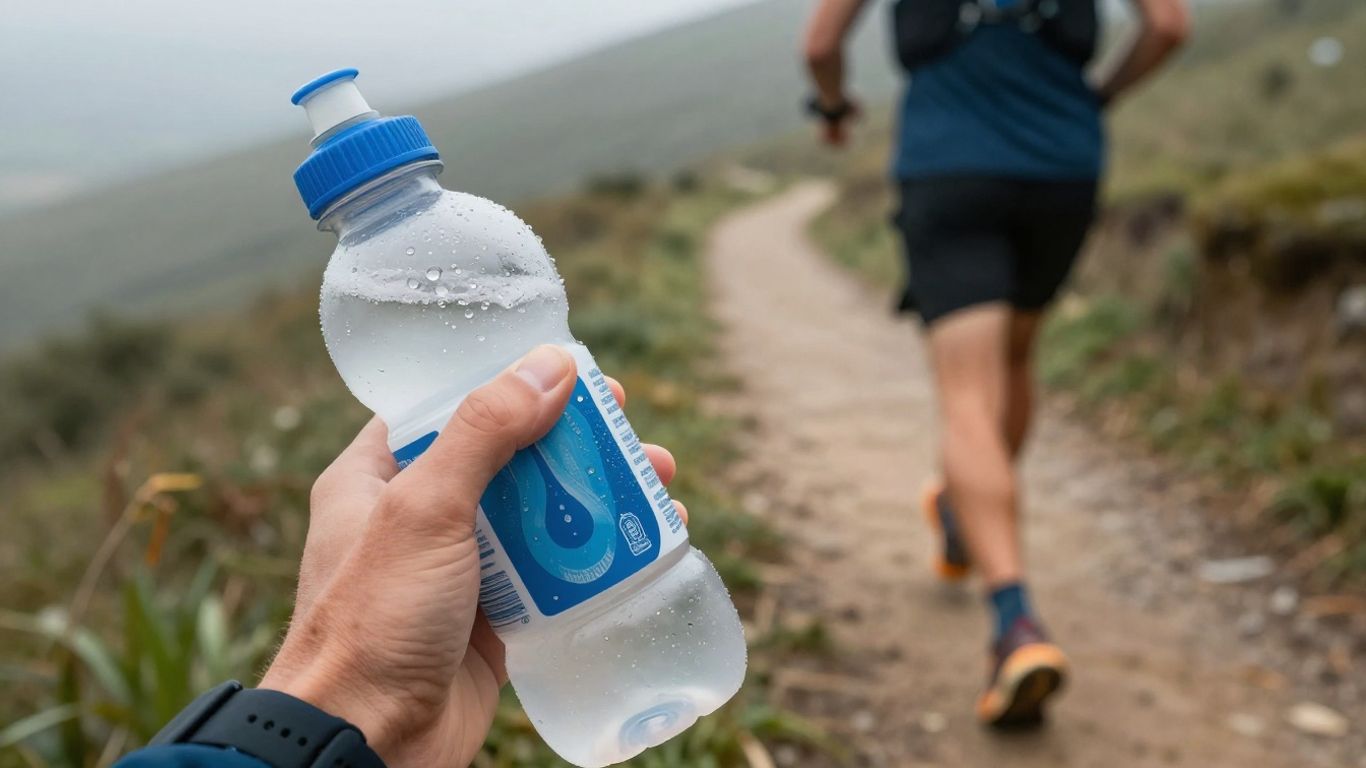
Alright, so you’ve got your carb numbers figured out, which is awesome. But knowing what to eat is only half the battle. The other half is knowing when and how to get that fuel into your system without causing a stomach revolt. This is where your fueling strategy really comes into play, and it’s something you absolutely need to practice.
When to Start Fueling on Long Runs
This is a big one, and it’s where a lot of runners mess up. You might feel pretty good for the first hour or so of a long run, and think, “I’ll just grab a gel later.” Don’t wait until you feel depleted to start fueling. Your body uses up its readily available energy stores pretty quickly. By the time you feel that “bonk” coming on, it’s often too late. The fuel you take then won’t have time to get processed and give you energy before you’re already running on fumes. A good rule of thumb is to start taking in some fuel within the first 45-60 minutes of your run. Set a timer if you have to. Seriously, just do it.
How Often to Take Carbs on Long Runs
This ties directly into your carb needs per hour. If you’re aiming for, say, 70 grams of carbs per hour, you can’t just chug a sports drink once and call it good. You need to break that down into smaller, more manageable doses. The type of fuel you’re using matters here too. A standard gel might have 20-25 grams of carbs, while some newer ones pack 40-50 grams. If you’re taking a higher-carb option, you can go a bit longer between doses. If you’re using lower-carb options, you’ll need to be more frequent.
Here’s a general idea, but remember to adjust based on your specific fuel:
- Higher Carb Fuels (40-50g per serving): Aim for every 60-75 minutes.
- Standard Carb Fuels (20-25g per serving): Aim for every 30-45 minutes.
- Liquid Fuels (Sports Drinks): Sip consistently throughout, aiming to finish a certain amount per hour.
It’s also worth noting that some research suggests a blend of carbohydrates, like a 1:0.8 ratio of glucose to fructose, might be absorbed better and cause less stomach upset than a 2:1 ratio. So, if you’re experimenting, keep an eye on the carb ratios in your chosen products.
Example Fueling Plan Breakdown
Let’s put this into practice. Imagine you have a 3-hour long run planned, and you’ve calculated you need about 80 grams of carbs per hour. That’s a total of 240 grams for the run.
Here’s how you might break it down:
- Start: Within the first 30-45 minutes, take your first fuel source. Maybe it’s a sports drink with 40g of carbs.
- Mid-Run: Every 45-60 minutes after that, take another fuel source. If you’re using gels with 25g of carbs each, you’d take one around the 75-minute mark, another around the 120-minute mark, and a final one around the 165-minute mark. This gets you to 40g (drink) + 25g + 25g + 25g = 115g. Hmm, not quite there. Let’s adjust.
Okay, let’s try again with a slightly different mix. We need 240g total.
- 0:30: Sports Drink (40g carbs)
- 1:15: Gel 1 (25g carbs)
- 1:45: Gel 2 (25g carbs)
- 2:15: Gel 3 (25g carbs)
- 2:45: Gel 4 (25g carbs)
That’s 40 + 25 + 25 + 25 + 25 = 140g. Still short. This shows why planning is key! Let’s rethink.
Maybe we need higher carb gels or more of them. Let’s say we use two types: a sports drink (40g total) and gels that have 50g each.
- 0:30: Sports Drink (40g carbs)
- 1:00: Gel 1 (50g carbs)
- 1:45: Gel 2 (50g carbs)
- 2:30: Gel 3 (50g carbs)
Total: 40 + 50 + 50 + 50 = 190g. Still not hitting 240g. This is why practice is so important! You’d adjust your plan based on what you’re carrying and what you need.
The goal isn’t just to stuff your face with carbs. It’s about finding a rhythm that works for your body, keeps your energy levels steady, and doesn’t leave you feeling sick. Think of your long runs as your personal fueling lab. What works for your buddy might not work for you, and that’s totally fine. Experimentation is your friend here.
Let’s try one more time, aiming for 240g over 3 hours (80g/hr):
- 0:30: Sports Drink (40g carbs)
- 1:15: Gel 1 (50g carbs)
- 2:00: Gel 2 (50g carbs)
- 2:45: Gel 3 (50g carbs)
Total: 40 + 50 + 50 + 50 = 190g. Okay, this is harder than it looks! The point is, you need to do the math with the specific products you plan to use. If you’re aiming for 80g/hr and running for 3 hours, you need 240g. If your sports drink has 40g and your gels have 25g, you’d need 40g (drink) + 160g (gels) = 200g from gels. That’s about 6-7 gels. You’d space those out. The key is to have a plan and stick to it, adjusting as needed based on how you feel and what you’re carrying.
Experimenting with Fuel Sources
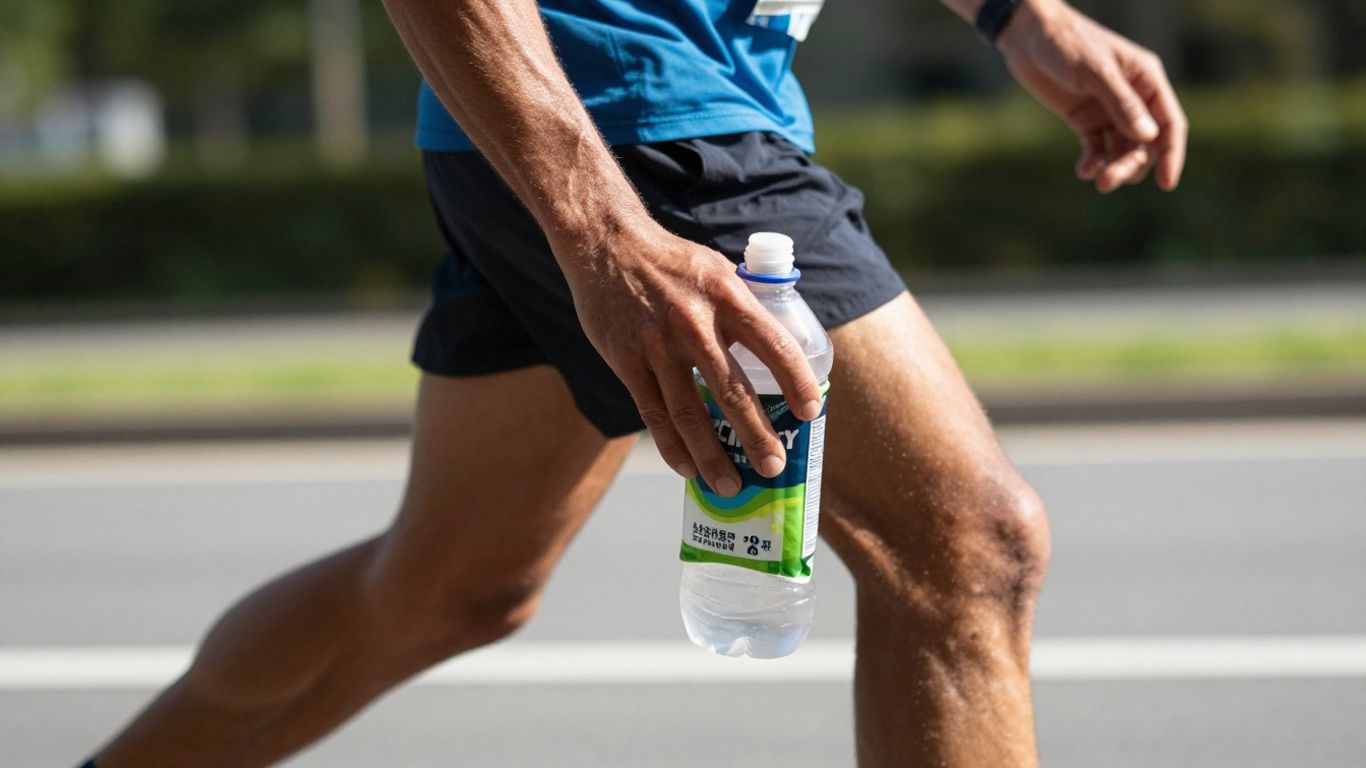
Okay, so you’ve got a handle on how many carbs you need and roughly when to take them. Now comes the fun part: figuring out what exactly you’re going to shove in your face. What works for your buddy might totally wreck your stomach, and that’s okay. This is your chance to play scientist with your nutrition. The goal is to find a few reliable fuel sources that you can count on when you’re deep into a long run.
Experimenting with Different Fuel Types
Think of your long runs as your personal lab. You wouldn’t try a brand new pair of shoes on race day, right? Same goes for your fuel. You need to test out different gels, chews, and even real food options to see what your stomach agrees with and what gives you that steady energy.
- Gels: These are super concentrated and easy to carry. They come in tons of flavors and carb counts. Some have a simple sugar mix, while others use a blend for better absorption. You might find some have a texture you love or hate.
- Chews/Gummies: If you can’t stand gels, chews are a great alternative. They’re like chewy candies, usually with a similar carb content to gels, but they take a bit longer to eat.
- Sports Drinks: These can be a good way to get carbs and electrolytes in one go, especially if you find it hard to stomach solid food while running. Just make sure the carb concentration isn’t too high, or it can cause stomach issues.
- Real Food: Yep, you can totally use things like dates, bananas, or even small energy bars. These can be great for sustained energy, but they can be trickier to carry and digest on the move.
Finding Your Go-To Fuel Options
As you experiment, keep a little log. Seriously, it helps. Jot down what you ate, how much, when you took it, and most importantly, how you felt. Did you get a nice energy boost? Or did your stomach start doing flip-flops?
Here’s a simple way to track it:
| Fuel Type | Brand/Flavor | Amount Taken | Time Interval (min) | Energy Level | Stomach Comfort | Notes |
|---|---|---|---|---|---|---|
| Gel | Brand X | 1 | 45 | Good | Slight Discomfort | Maybe too sweet? |
| Chews | Brand Y | 2 | 60 | Excellent | No Issues | Easy to chew and digest. |
| Real Food (Date) | Organic | 1 | 90 | Sustained | Great | Good alternative to gels. |
| Sports Drink | Brand Z | 16 oz | Throughout | Steady | Okay | Need to find a less sweet option. |
Real Food Alternatives for Sustained Energy
Don’t discount the power of good old-fashioned food. While gels and chews are convenient, sometimes a more natural source of carbs can feel better for longer efforts. Dates are a popular choice because they’re dense in carbs and easy to eat. Some runners even use small packets of maple syrup or honey. The trick with real food is making sure it’s easy to digest and that you can carry it without it turning into a mess. You might need to eat a bit more of it to get the same carb hit as a gel, so plan accordingly.
When you’re trying new foods on your runs, start with something simple and familiar. Don’t try to replicate a full meal. Think small, easily digestible snacks that provide quick and sustained energy without upsetting your stomach. Your long runs are the perfect place to figure this out before race day arrives.}
Hydration Strategies During Extended Efforts
Okay, so we’ve talked a lot about what to eat and when, but what about drinking? Hydration is just as important, maybe even more so, when you’re out there for hours on a long run. You can’t just chug a giant bottle of water and expect to be good for the whole time. It doesn’t quite work like that.
Hydration Strategies During Long Runs
Think of your long runs as a real-life test kitchen for your hydration plan. You need to figure out how much fluid you actually need to keep your body running smoothly without going overboard. Drinking too much water, especially without enough electrolytes, can actually be a problem. It’s called hyponatremia, and it’s not something you want to mess with. So, how do you get this right? Start by paying attention to the weather. If it’s a scorcher out there, you’re going to sweat more and need more fluids. On cooler days, maybe a little less. It’s about finding that sweet spot for you.
- Sip regularly: Don’t wait until you’re parched. Aim to take small sips of fluid every 10-15 minutes. This keeps your system consistently topped up.
- Carry your own: Relying solely on aid stations can be tricky. Practice carrying a handheld bottle or a hydration vest on your long runs. This gives you control.
- Electrolytes matter: For runs over 90 minutes, plain water might not be enough. You lose salts through sweat. Consider a sports drink or electrolyte tabs to replace what you’re losing. This helps prevent cramping and keeps your muscles firing.
Hydration and Electrolyte Intake Pre-Race
Before the gun even goes off, you want to be well-hydrated, but not waterlogged. The morning of the race, sip on water or an electrolyte drink. Don’t chug a whole bottle right before you head to the start line. You want to feel ready, not like you’re going to slosh with every step. Think of it as topping off your tank, not filling it to the brim.
Sipping Fluids Consistently
This is where the rubber meets the road, or rather, where your mouth meets the bottle. The key is consistency. Don’t just gulp down half your bottle at mile 10 and then forget about it. You need to be taking in fluids at regular intervals throughout your run. This helps your body absorb the fluid better and prevents those sudden urges to drink a ton all at once. For longer efforts, aiming for about 400-800ml of fluid per hour is a good starting point, but this really depends on how much you sweat and the conditions.
You’ll also want to make sure you’re getting enough sodium, aiming for around 300-700mg per hour, especially if it’s hot or you’re a heavy sweater. Combining your fluids with your carbohydrate intake can be a smart move, as many sports drinks and gels contain both. It’s all about finding what works for your stomach and keeps you feeling good mile after mile.
Don’t just drink when you feel thirsty. Thirst is often a sign that you’re already a little behind on your hydration. Aim to drink proactively throughout your run, taking small, consistent sips.
Practicing Your Fueling Plan
How to Practice Long Run Fueling in Training
Look, training for a marathon isn’t just about logging miles. It’s about teaching your body to perform when you’re pushing it hard, and that includes how it handles fuel. You can’t just wing it on race day. You’ve got to practice your fueling strategy during your long runs. This is where you figure out what works for you, not just what some article says is best. It’s about getting your gut used to taking in calories and fluids while you’re working hard.
Think of your long runs as dress rehearsals. You wouldn’t show up to a play without practicing your lines, right? Same goes for your marathon. During those longer efforts, aim to mimic your planned race day fueling. This means taking in gels, chews, or whatever you plan to use at similar intervals and amounts you’d expect on race day. For example, if you plan to take a gel every 45 minutes during the marathon, start doing that on your 16-mile runs and longer. This helps your digestive system adapt and prevents that “stomach rebellion” on race day.
Consistency is Key on Race Day
Don’t wait until you feel depleted to start fueling. Begin taking in fuel within the first hour of your long run. Stick to your schedule; try to take fuel at consistent intervals, just like you’ll do on race day. Hydrate consistently too – sip water or electrolyte drinks regularly, not just when you feel thirsty. This steady approach helps keep your energy levels stable and prevents those dreaded energy crashes.
Listen to Your Body During Training
Your long runs are the perfect place to dial in not just fueling, but hydration too. You need to figure out how much fluid you need to stay properly hydrated without overdoing it. Don’t just chug water at aid stations; practice carrying your own fluids or planning stops at water fountains. Pay attention to the weather too. On hotter days, you’ll likely need more fluids and electrolytes.
Listen to your body during these practice sessions. If you feel a twinge of stomach upset or a sudden energy crash, it’s a sign that your current fueling or hydration strategy needs tweaking. Don’t ignore these signals; they are valuable feedback for race day success. What you practice with in training is what you should rely on during the marathon. If a certain gel gives you stomach issues on a 20-mile training run, it’s definitely not going to magically work on race day.
Here’s a quick way to track your experiments:
| Fuel Type | Brand/Flavor | Amount Taken | Time Interval | How You Felt (Energy) | How You Felt (Stomach) | Notes |
|---|---|---|---|---|---|---|
| Gel | Brand X | 1 | 45 min | Good | Slight discomfort | Maybe too sweet? |
| Chews | Brand Y | 2 | 60 min | Excellent | No issues | Easy to chew and digest. |
| Real Food (Date) | Organic | 1 | 90 min | Sustained | Great | Good alternative to gels. |
Common Fueling Mistakes to Avoid
Alright, let’s talk about the stuff that can really mess up your long runs. It’s easy to get caught up in the training itself, but what you eat and drink out there on the road is just as important. Messing this up can lead to hitting a wall, feeling sluggish, or even dealing with a stomach that’s staging a rebellion. We’ve all been there, or at least seen someone else there. Let’s make sure it’s not you.
Don’t Wait Until You Feel Depleted
This is a big one. You feel good, the miles are ticking by, and you think, ‘I’ll just grab a gel in a bit.’ But then ‘a bit’ turns into ‘oh no, I’m already running on fumes.’ Your body needs a steady supply of energy, not a last-minute emergency refill. By the time you feel that deep fatigue, you’re already behind, and it takes a long time for any fuel you take to actually make a difference. Start fueling early and stick to your plan. Think of it like keeping a car’s gas tank topped up; you don’t wait until the warning light comes on to find a gas station.
Avoiding Digestive Distress
Your stomach is a sensitive thing, especially when you’re pushing your body hard. Trying new fuel sources or too much fuel at once can lead to cramps, nausea, or worse. This is why practicing your fueling strategy during training runs is so important. You need to figure out what works for your stomach. Some people do great with gels, others prefer chews, and some even use real food options. Also, the type of carbs matters. A mix of glucose and fructose, often in a 1:0.8 ratio, tends to be easier on the gut than a 2:1 ratio for many runners. Don’t experiment on race day!
The Pitfalls of Inadequate Carb Intake
This is the flip side of waiting too long – simply not taking enough fuel overall. You might be calculating your needs, but are you really hitting them? For longer runs, you’re looking at needing a good amount of carbohydrates per hour. If you’re only taking one gel when you should be taking two, or if your chosen fuel sources are lower in carbs than you thought, you’ll inevitably run out of steam. It’s about consistency and quantity.
Here’s a quick look at what can happen:
- Under-fueling: Leads to bonking, where your glycogen stores are depleted, and you feel like you can’t run another step.
- Inconsistent fueling: Creates energy spikes and crashes, making pacing difficult and the overall effort feel much harder.
- Ignoring hydration: Dehydration compounds fueling issues, making it harder for your body to use the carbs you do take in.
It’s not just about stuffing your face with anything. It’s about a planned, consistent intake of the right types of fuel at the right times. Your long runs are your laboratory for figuring this out, so treat them like the important practice sessions they are.
Putting It All Together
So, we’ve gone over how to figure out what and how much to eat on those long training runs. It’s not just about grabbing a gel when you feel tired; it’s about having a plan. Remember to start fueling early, keep it consistent, and really pay attention to how your body reacts. Use these long runs as your practice ground. What works for one person might not work for you, so don’t be afraid to experiment a little. Getting your fueling right will make those long miles feel a lot better and help you reach your race day goals. It takes a bit of effort to dial this in, but trust me, it’s worth it.
Frequently Asked Questions
Why is fueling important during long runs?
Fueling during long runs is super important because your body uses up its stored energy, called glycogen, pretty quickly. If you don’t refuel, you can hit a wall and feel really tired. Eating and drinking the right things keeps your energy up so you can keep running strong for longer.
How many carbs do I need per hour when running long distances?
For runs lasting over an hour, you generally want to aim for about 30 to 60 grams of carbohydrates every hour. For really long runs, like marathon training, some people go up to 90 grams per hour. It’s best to find what works for your stomach.
When should I start eating during a long run?
Don’t wait until you feel tired to start fueling! It’s best to begin taking in carbs about 30 to 45 minutes into your run. This gives your body time to start using the energy before your initial stores get too low.
What are good options for fueling on a long run?
You have lots of choices! Many runners use energy gels, chews, or sports drinks because they are easy to carry and digest. Some people also like using real foods like dates, bananas, or small energy bars. The key is to try different things during your training to see what your body likes best.
How often should I drink water or sports drinks on a long run?
You should sip fluids regularly throughout your long run, not just when you feel thirsty. Try to drink a little bit every 15-20 minutes. If you’re using sports drinks with electrolytes, this helps replace salts you lose through sweat and keeps you hydrated.
What happens if I don’t fuel properly on my long runs?
If you don’t fuel enough, your body will run out of its main energy source (glycogen). This can lead to ‘hitting the wall,’ where you suddenly feel exhausted and can’t keep up your pace. It can also make it harder for your muscles to recover after the run.


