

Lausanne Marathon Review: Is It Worth Running? Course, Costs & Difficulty
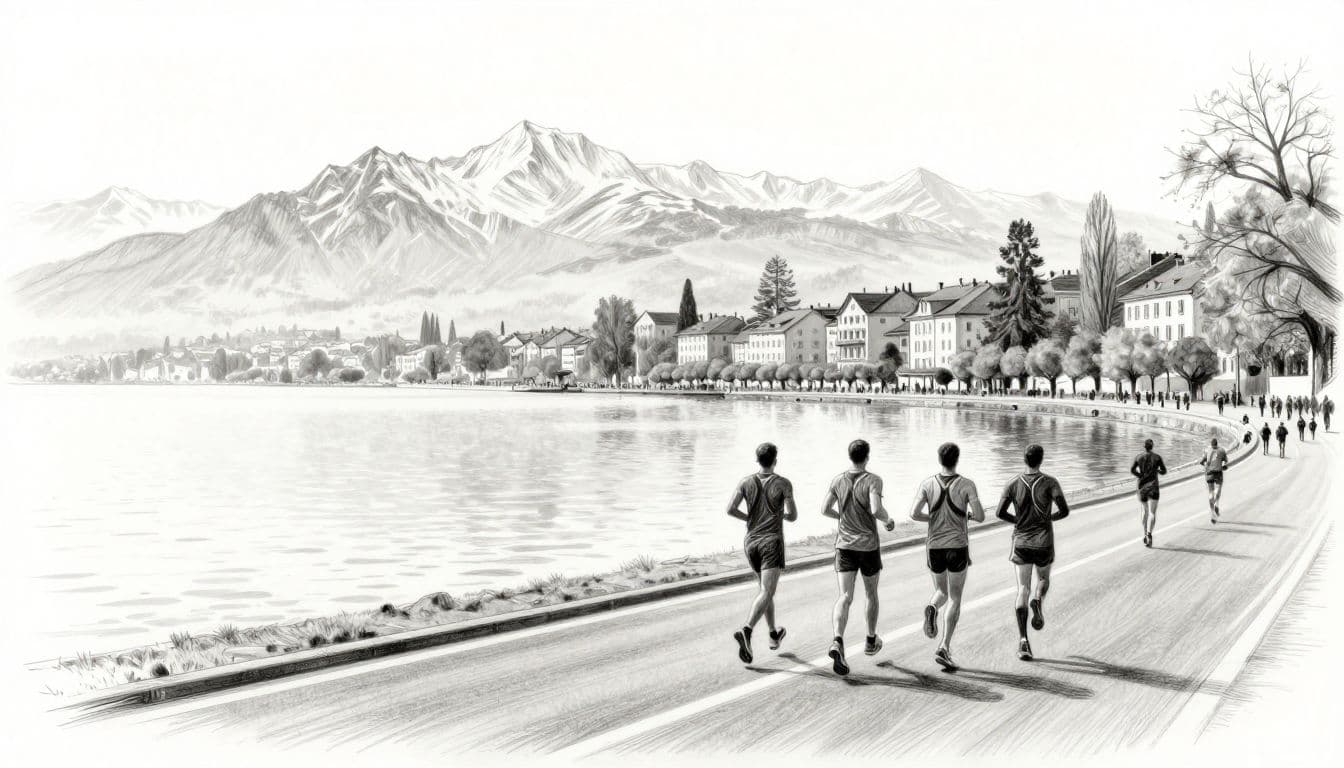
You’re running beside Lake Geneva, the water flashing in the morning light while the Alps rise beyond the far shore. With the sound of footsteps on the pavement and Lausanne’s streets close by, the Lausanne Marathon offers a race setting that can make the miles feel memorable, though scenery alone doesn’t determine whether an event suits your goals.
This review looks at the course, race atmosphere, organization, travel logistics, cost, and overall difficulty. It also considers who should enter, including runners chasing a personal best, first-time marathoners, and athletes who want a destination race with a strong visual backdrop.
Race details can change with each edition, including dates, entry fees, start times, and event distances, so confirm the latest information on the official Lausanne Marathon website before booking travel or building your race plan. Next, we’ll examine the course itself and what you can expect during the run. Remember, book your Lausanne Marathon hotels well in advance to save on costs.
Key Takeaways
- The Lausanne Marathon combines lakeside scenery, Alpine views, and city streets, creating a memorable destination-race setting.
- Expect a demanding course with rolling sections, so pacing and hill-specific preparation matter more than the scenery suggests.
- Entry fees vary by edition, with recent listings reporting 92 CHF for the marathon and lower prices for shorter races in the latest fee guide.
- October weather can be comfortable for racing, but cool mornings and changing conditions require flexible clothing choices.
- The race suits runners who value atmosphere and views, while personal-best hopefuls should study the course before committing.
Lausanne Marathon Review: Is This Swiss Race Worth Running?
Yes, the Lausanne Marathon is worth running if you want a scenic destination race with reliable organization and a demanding course. Its strongest appeal is the setting: runners follow Lake Geneva while Alpine peaks frame the horizon, then pass through Lausanne’s polished streets and waterfront areas.
That beauty comes with tradeoffs. Travel costs can rise quickly, October weather may shift during the morning, and the rolling terrain makes an aggressive personal-best attempt harder. First-time marathoners can still enjoy the event, but they should arrive prepared for more than a flat lakeside cruise.
What Makes the Race Stand Out
The course gives the Lausanne Marathon a memorable identity. Lake Geneva provides a wide, open backdrop, while the mountains add scale to long stretches of the run. City sections bring more visual variety than a race held entirely on a rural road.
Swiss organization is another major attraction. Runners can find current registration details, race information, and results through the official Lausanne Marathon website. Still, polished logistics cannot remove the physical demands of the route. You need disciplined pacing, especially when the road tilts upward or fatigue begins to affect your stride.
The race also benefits from a broader event program, with shorter distances that can suit traveling companions or runners who aren’t ready for the full marathon. That makes the weekend easier to share, although marathon participants should keep their own preparation and recovery needs first.
Quick Rating Framework
Use this framework to judge whether the race matches your priorities:
| Category | Review |
|---|---|
| Scenery | Excellent for runners who value lake and mountain views |
| Course challenge | Moderate to demanding because of rolling terrain |
| Organization | Strong, with official race information available online |
| Crowd support | Variable, with livelier sections near Lausanne and quieter stretches elsewhere |
| Travel experience | Appealing, but transportation and lodging can increase the budget |
| Value | Good for a destination race, less compelling if you only want a flat PB course |
The scenery is the clear winner. Course difficulty depends on your training, while crowd energy may change along the route rather than stay constant. Because the event generally takes place in October, pack for cool early conditions and prepare for possible changes in wind, cloud, or temperature.
The Lausanne Marathon rewards runners who treat the course as a scenic challenge, not as a guaranteed personal-best opportunity.
Who Should Enter?
Choose Lausanne if you want a race weekend with strong views, a distinct Swiss setting, and enough course difficulty to test your pacing. It fits experienced runners, destination-race seekers, and beginners who have trained on hills.
A flatter course may suit you better if your main goal is a first-marathon personal best. In that case, study the route before registering and build regular hill work into your training. Scenic miles are a bonus, but your preparation still decides how the final 10 kilometers feel.
What the Lausanne Marathon Course Is Really Like
The Lausanne Marathon feels more varied than a typical flat city race. You move through urban streets, open waterfront stretches, vineyard country, and lakeside communities while Lake Geneva and the Alps keep appearing beyond the road. That scenery makes the course memorable, but it can also distract you from the practical work of holding pace, fueling on schedule, and watching your footing.
Route details can change between editions, so check the current Lausanne Marathon course information before race day. A recent course listing describes roughly 492 feet of elevation, while other published profiles show different totals, which makes the official map and elevation profile the final reference.
The best views and most memorable parts of the route
The lakeside sections are the course’s visual highlight. When the road opens beside Lake Geneva, you’ll see broad water, distant Alpine peaks, and changing reflections depending on the cloud cover. The waterfront can feel spacious and fast, especially after tighter city streets, but exposed sections may bring wind directly off the lake.
As the route moves beyond Lausanne, vineyards and villages add a different rhythm. Terraced slopes, stone buildings, and quiet roads replace the denser urban setting. Earlier in the race, take in the views with brief glances rather than slowing to study them. Your effort, cadence, and aid-station timing still matter more than any photograph-worthy moment.
Lausanne’s historic surroundings also give the race character. Hillside buildings, older streets, and the contrast between the city and the water make the route feel connected to the region rather than built around a single straight road. However, uneven pavement, corners, painted lines, and changes in road surface deserve attention when fatigue affects your stride.
The most scenic miles can still be costly if you let relaxed sightseeing become relaxed pacing.
Keep your race routine simple:
- Look up on straight, safe sections, then return your attention to the road.
- Take fluids and carbohydrates according to your plan, not only when you feel hungry.
- Shorten your stride slightly on uneven surfaces and crowded turns.
How hills, turns, and weather affect race strategy
The Lausanne Marathon isn’t a course to approach as a flat city marathon. Rolling elevation changes may look modest on paper, yet repeated climbs can raise your effort and leave less energy for the final kilometers. Run climbs by controlled effort, keep your shoulders relaxed, and avoid chasing your planned pace uphill.
On descents, let your speed increase naturally without braking hard. A quick, compact stride protects your legs better than reaching forward. Because turns and surface changes interrupt rhythm, conservative pacing during the opening miles gives you room to respond later.
Weather adds another variable near the lake. October mornings can feel cool, while sunlight may become noticeable on exposed roads. Wind can make open stretches feel harder, and rain can reduce traction on pavement or painted markings. Check the current forecast, then adjust layers, fluids, and effort to match the conditions.
Shorter races may cover different portions of the event route, so don’t assume a half marathon or 10K preview reveals the full marathon’s demands. Use the official elevation profile and current weather forecast to make your final pacing decisions.
Race Day Experience, Organization, and Crowd Support
The Lausanne Marathon has the ingredients of a well-run destination race, but your experience depends on how much you prepare before arriving. Confirm the current race guide for bib pickup, start times, bag drop, toilets, aid stations, medical points, and finish procedures because these details can change between editions.
What feels smooth, and where runners may feel friction
Bib pickup and any expo activities usually happen before race morning, so collect your number early rather than adding another task to an already tense start. Check the official Lausanne Marathon information for the current pickup dates, location, required documents, and any registration instructions.
Public transportation can make arrival easier, especially when road closures affect central Lausanne. Still, allow extra time for the walk from the station or parking area to the start. Confirm whether your start line is at Place de Bellerive or another location, then plan your route the day before. Toilets may have lines near the start, and a crowded final visit can disrupt your warm-up routine.
Bag logistics deserve attention. The event’s published information has described runner bag drop and collection arrangements, but confirm the current process, labeling rules, opening times, and whether bags move directly from departure to arrival. Keep valuables out of the bag, and carry only what you need after the race.
On the course, markings should guide runners through city streets, waterfront roads, and lakeside communities. However, narrow turns and crowded early sections can slow your rhythm. Beginners may appreciate the shared energy, while time-focused runners should position themselves according to their expected pace and avoid weaving around slower groups.
Aid stations can also create brief congestion. Take fluids from the far end of a station when possible, keep moving after collecting a drink, and avoid stopping directly in front of tables. If you need medical help, follow volunteer directions and know that the current race guide is the best place to check medical-point details and emergency procedures.
Food, hydration, pacing, and support on the course
The atmosphere is strongest around Lausanne and the more populated lakeside areas. You may hear encouragement in French, German, English, or another language, so don’t expect every announcement to sound familiar. Compared with a major capital-city marathon, the crowd is likely to feel more local and intermittent, with quieter stretches between lively pockets of support.
Check the current event guide before relying on course nutrition. Verify which drinks, water points, food items, and gel arrangements the race provides. When allowed, carry familiar gels or drink mix instead of testing an unknown product during the marathon.
Practice your plan during long runs:
- Use the same carbohydrate timing you expect on race day.
- Test each gel or drink at marathon effort, not only during easy running.
- Pair fueling with regular fluid intake and adjust for temperature.
- Keep a backup gel if the course rules allow it.
Because the route rolls, pace by effort on climbs and regain speed gradually on descents. Start conservatively, protect your legs through the middle miles, and save any serious push for the closing kilometers. After finishing, follow the marked flow for medals, refreshments, bag collection, and results. Confirm whether live timing, certificates, and finish photos are available for your edition through the race website or registration portal.
Planning a Lausanne Marathon Trip Without Surprises
A Lausanne Marathon trip needs more planning than a race entry and a flight. Your arrival time, hotel location, breakfast options, and race-morning transport can shape the entire experience. Check the official event schedule before booking accommodation, because start and finish arrangements may change between editions.
Where to stay and how to get around race weekend
Staying near Lausanne’s city center gives you the best balance for most visitors. You’ll have restaurants, grocery stores, cafes, and sightseeing within reach, while Lausanne railway station connects you with Geneva, the airport, and nearby towns. The tradeoff is that the start may require a short train, bus, or walking journey.
A hotel near the start area can reduce race-morning stress. Walking a few minutes to the starting line means you can sleep longer, eat breakfast at your normal time, and avoid relying on a crowded service before the gun. However, a start-area hotel may sit farther from the finish or from Lausanne’s main restaurants and attractions.
A room near a railway connection is another practical choice, especially if you’re arriving through Geneva Airport or traveling onward after the race. Trains and local transit cover much of the Lake Geneva region, but check the first morning departures and any race-related service changes before depending on them. This Lake Geneva transportation guide provides useful regional context, though the official race instructions should control your final plan
If possible, avoid a long race-morning commute. The extra walking, connections, and uncertainty can drain focus before a demanding marathon. Arrive in Lausanne at least one day early, collect your bib according to the published schedule, and walk the route from your hotel to the start before race morning.
The total cost of running this Swiss marathon
Build your budget in separate categories instead of trusting a single advertised race price. Your checklist should include:
- Race entry, plus any processing or late-registration fees.
- Flights, airport transfers, or train tickets to Lausanne.
- Hotel nights, including the extra night that protects your recovery and return travel.
- Breakfast, race-day meals, coffee, snacks, and post-race food.
- Local trains, buses, boats, or occasional taxis.
- Travel insurance and medical coverage appropriate for Switzerland.
- Optional gear, such as a jacket, fuel, replacement shoes, or race-day storage.
Lausanne can cost more than a local marathon because you’re paying for international travel, Swiss accommodation, and meals in a popular lakeside region. Prices also rise when runners book close to race weekend. Reserve cancellable lodging early, compare hotels with shared apartments, and split a room if you’re traveling with a training partner.
Public transportation can reduce the need for a rental car, parking, and fuel. Add a day or two for Lausanne, Lavaux vineyards, or another Lake Geneva destination only after covering your race essentials. That extra time increases the budget, but it gives you room to enjoy the trip without rushing through recovery and sightseeing.
Who Should Run Lausanne, and How to Prepare for It
The Lausanne Marathon suits runners who want a scenic destination race and are ready for rolling terrain. First-time marathoners can enjoy it with consistent preparation, while experienced athletes should decide whether the course fits their time goal. Runners who dislike hills or face a tight travel budget may find a flatter, closer race more practical.
A training approach for the rolling Lausanne course
Build your preparation around a strong aerobic base before adding demanding marathon sessions. Gradually include hills in easy runs, then progress to controlled climbs that raise effort without forcing you to sprint. Practice downhill running as well, because repeated descents can fatigue your quads even when they feel easy early in the race.
Marathon-pace work should occasionally take place on changing terrain. Hold your planned effort on flatter sections, then let pace slow slightly on climbs. Trying to force one exact pace uphill wastes energy and can damage your race before halfway. Recover your rhythm over the crest and allow speed to return naturally on the descent.
Your long runs should include rolling roads and race fueling. Test the gels, fluids, timing, and carrying method you expect to use in Lausanne. Add recovery days after demanding sessions, and keep the final taper focused on freshness rather than last-minute fitness.
A gradual reduction in training load, while maintaining some familiar running frequency, is a common taper approach.
Is Lausanne a good choice for a marathon personal best?
A strong runner can race well in Lausanne with smart pacing, solid hill preparation, and favorable weather. However, elevation changes, turns, exposed lakeside sections, and travel fatigue can make a flat, certified course a safer choice for a qualifying time or personal record.
Review the current course map and elevation profile before registering. If your main purpose is a specific time, choose a backup race with flatter terrain and simpler logistics. That lets you enjoy Lausanne without forcing a result from a course that may not suit your goal.
A simple race-day plan for first-time participants
Keep race morning boring and predictable. Eat a familiar breakfast, arrive early enough for toilets and bag drop, and check the latest instructions, transport details, weather, and course information. Wear tested shoes and layers that match the forecast, then keep your bib and travel documents accessible.
Start easier than race-day excitement suggests. Use effort rather than pace on the first climbs, stay patient through the scenic lakeside sections, and fuel according to your practiced schedule. After halfway, protect your rhythm through the rolling terrain. With 10K remaining, assess your breathing, legs, hydration, and energy before increasing effort.
After the finish, walk slowly, replace fluids and carbohydrates, collect your belongings, and change into dry clothing. Follow medical guidance, and seek help for chest pain, dizziness, confusion, severe weakness, or any symptom that concerns you. Your race plan should support your health, not override it.
A short race-week checklist can prevent avoidable stress:
- Confirm your shoes, bib, layers, breakfast, and fueling supplies.
- Review travel documents, transport, bag-drop rules, and start access.
- Check the forecast and adjust clothing without testing new gear.
- Study the current course profile, aid stations, climbs, and finish route.
- Protect sleep and reduce unnecessary walking before race morning.
Lausanne Marathon Pros, Cons, and the Final Verdict
The Lausanne Marathon is strongest as a scenic destination race, not as the simplest route to a personal best. Lake Geneva, Alpine views, varied surroundings, and Swiss travel appeal create a memorable weekend, while rolling terrain, changing weather, and international costs demand more planning than a local event.
The main advantages
The scenery is the race’s biggest strength. Lakeside roads, vineyards, villages, and Lausanne’s urban sections keep the course visually interesting. You rarely feel trapped on one repetitive stretch of pavement, and the mountain views give the long miles a clear sense of place.
Course variety also helps the experience. A flat mass-participation city marathon may offer wider roads, larger crowds, and more predictable pacing, but Lausanne gives you more visual change. The quieter sections can feel peaceful, while busier areas provide enough encouragement to break up the distance.
Organization is another positive. The official Lausanne Marathon race information provides the details you need for registration, race instructions, results, and event logistics. The broader race weekend can also work well for traveling companions because shorter events may offer alternatives to the full marathon.
The main drawbacks
The hills are the clearest performance concern. Rolling elevation changes may not look extreme, yet repeated climbs and descents can steadily weaken your legs. Runners chasing a qualifying time should choose a flatter course unless they have trained well on similar terrain.
Weather can add another layer of difficulty. October may bring comfortable racing temperatures, but cool mornings, lake wind, cloud, or rain can alter how the course feels. Pack flexible layers and avoid treating the forecast as a minor detail.
Travel costs may also exceed expectations. Entry, lodging, transportation, meals, and extra recovery days can make Lausanne far more expensive than a smaller local race. A nearby event offers less dramatic scenery, but it usually reduces travel fatigue and keeps your budget focused on training and racing.
Final verdict: who should run Lausanne?
Choose the Lausanne Marathon if you value beautiful surroundings, course variety, and a memorable Swiss race weekend. It suits runners who can pace hills by effort and accept that scenery may matter more than a fast finishing time.
Choose another event if your priority is a flat personal best, low travel costs, or maximum crowd energy. Lausanne rewards preparation and curiosity, but runners seeking the most predictable performance conditions will find a flatter city marathon or smaller local race easier to control.
Choose Your Distance, Duration and Goal Time
Make three quick selections and open the exact plan built for your race target.
Looking for a Fully Personalized Training Plan?
The training plans above are an excellent choice if they match your goal. However, if you’d rather train with a plan built specifically around your current fitness, goal race, preferred training days, weekly mileage, and target finish time, our RDA Custom Training Plans provide a personalized solution. We also have running courses available for runners seeking to run faster from the mile to the marathon.
Why Choose a Custom Training Plan?
| Standard Training Plan | RDA Custom Training Plan |
|---|---|
| Follows a fixed schedule | Built around your schedule |
| Standard weekly mileage | Peak mileage customized for you |
| Fixed workout days | Train on the days you choose |
| Same structure for everyone | Designed around your current fitness |
| Static plan | Updated as your fitness improves |
| One-time purchase | Ongoing personalized coaching and support |
What You’ll Receive
- A training plan built specifically for your goal
- Personalized training paces
- Long runs, tempo runs, threshold workouts, interval sessions, recovery runs, and easy runs
- Peak weekly mileage matched to your experience level
- Flexible training schedule that fits your life
- Ongoing plan adjustments as your fitness improves
Ready to Train Smarter?
Stop guessing and start following a plan built specifically for you, your schedule, and your racing goals.
Frequently Asked Questions
The Lausanne Marathon combines destination-race appeal with practical challenges that deserve attention before you register. These answers cover preparation, course expectations, travel planning, and the experience for both runners and spectators.
Is the Lausanne Marathon suitable for beginners?
Yes, beginners can enter the Lausanne Marathon with steady preparation and a sensible race plan. However, the rolling course and international travel demands require more planning than a flat local marathon.
Build your training around consistent weekly mileage, long runs, hill work, and practiced fueling. If 26.2 miles feels too ambitious, choose the half marathon, 10K, or another shorter event offered during the weekend. The Lausanne Marathon event overview lists the available distances for the current edition.
Is the Lausanne Marathon a flat course?
You shouldn’t assume the Lausanne Marathon is flat. Published elevation figures vary, and even moderate rollers can affect your effort when they repeat across 26.2 miles.
Check the official route map and elevation profile for your edition before setting a target pace. Run uphill sections by effort, not by forcing your flat-road pace, then regain speed gradually on descents. Rolling terrain can raise energy use early, leaving less strength for the final miles.
When should runners register for the Lausanne Marathon?
Registering early is sensible because this is a destination event. Entry prices may rise through different tiers, while hotels, flights, and convenient train connections can become more expensive or scarce near race weekend.
Before paying, confirm the opening date, current fee, entry limit, transfer policy, and withdrawal deadline through the official race channels. A current race registration guide can help you compare practical details, but the organizer’s rules should control your decision.
What should runners pack for race weekend in Lausanne?
Pack the shoes, socks, and race clothing you’ve already tested during long runs. Bring weather layers, familiar gels or sports drink, identification, travel documents, and comfortable recovery clothes for after the finish.
A reusable bottle or soft flask may help if race rules permit it, but check the current regulations first. Temperatures can shift between a cool morning and a brighter lakeside afternoon, so use the forecast to finalize your packing list. Never test new shoes, nutrition, or technical clothing on race day.
Can spectators easily watch the Lausanne Marathon?
Lausanne’s city streets and Lake Geneva setting can give spectators several good viewing opportunities. However, road closures, course access, and transit changes can make spontaneous movement difficult.
Spectators should study the confirmed route, closure schedule, public transportation plan, and designated meeting points. Choosing one or two reliable spots is better than trying to follow the entire course. Agree on a backup meeting place in case crowds or blocked roads separate your group.
Is the Lausanne Marathon worth the cost of traveling to Switzerland?
It depends on what you want from race weekend. The trip is more likely to feel worthwhile if you value Alpine views, lakeside running, Swiss sightseeing, and a memorable vacation built around the marathon.
Budget-focused runners may prefer a closer event with lower lodging and transportation costs. Athletes chasing the fastest possible time may also find a flatter course easier to control. Lausanne makes the strongest choice when the race experience matters as much as the finishing time.
Conclusion
The Lausanne Marathon delivers what its opening view promises: a striking run beside Lake Geneva, Alpine scenery, and a distinctly Swiss race experience. The course rewards runners who train for rolling terrain, pace climbs by effort, and prepare for changing October conditions.
Sign up if you want a memorable destination marathon and feel ready for a demanding route. Reconsider it if your priority is a flat personal best, low travel costs, or the simpler logistics of a hometown race. Before booking, verify the current course map, elevation profile, entry fee, start and finish locations, race rules, transportation, and lodging options.
Lausanne is a strong choice for prepared runners who value the experience as much as the clock. The best race is the one that matches your goal, preparation, and appetite for adventure.


