

Lausanne Marathon Start Time: Wave Times & Race-Day Schedule
The Lausanne marathon start time depends on the race year and event, so don’t rely on a schedule from a previous edition. The marathon, half marathon, 10K, and other Lausanne race distances may each begin at a different time, with separate instructions for bib collection, starting areas, and wave access.
Check the official Lausanne Marathon schedule before making travel plans. Knowing your start time will help you choose the right arrival window, reach the correct location, account for road closures or public transportation changes, and avoid a rushed race morning. It also gives you a clear plan for breakfast, hydration, bathroom stops, warm-up, and final pacing preparation.
A calm start begins before you reach the start line. This guide will help you verify the official timetable, organize transportation, and build a practical morning routine that supports controlled early pacing and a strong finish. Next, we’ll look at the scheduled start times for each race and the key details to confirm before race day. Remember, be sure to book your Lausanne Marathon hotels well in advance to save on costs.
Key Takeaways
- The official Lausanne marathon start time is 10:05 a.m. on Sunday, October 25, 2026, with runners released in four blocks every three minutes.
- The half marathon starts earlier at 8:40 a.m., while the 10K begins at 2:00 p.m.
- Check the official start schedule before traveling, since block assignments and instructions can change.
- Arrive early enough to collect your bib, reach the correct start area, use the restroom, warm up, and settle your pacing plan.
- Expect transportation changes and road closures around Lausanne, so build extra time into your race-morning itinerary.
Lausanne Marathon Start Time: Find the Correct Schedule for Your Race
The correct Lausanne marathon start time depends on the event attached to your bib. Before planning breakfast, transportation, or your warm-up, confirm the race distance and the official 2026 timetable. The organizer’s officil race information should take priority over older search results, travel pages, or screenshots shared by other runners.
Which Lausanne race are you entering?
The full marathon is only one event on the Lausanne race weekend. The half marathon, 10K, relay or team race, walking events, and family or youth races can all appear in the same event schedule while using different start times.
For 2026, the published schedule lists the marathon at 10:05 a.m., the half marathon at 8:40 a.m., and the 10K at 2:00 p.m. Treat those times as a starting reference, then verify the latest organizer update before race day.
| Event | Published start time | Start area | Check-in or corral details | Time zone |
|---|---|---|---|---|
| Marathon | 10:05 a.m. | Confirm in the runner guide | Reach your assigned block before the gun | Swiss local time |
| Half marathon | 8:40 a.m. | Confirm in the runner guide | Follow the half marathon bib and corral instructions | Swiss local time |
| 10K | 2:00 p.m. | Confirm in the runner guide | Check the separate 10K access and check-in rules | Swiss local time |
A different distance may have its own bib color, start wave, meeting point, cutoff, and course instructions. Relay runners may also need to report to a handoff location rather than the main marathon corral. Family and youth events often use separate assembly areas and age-specific rules.
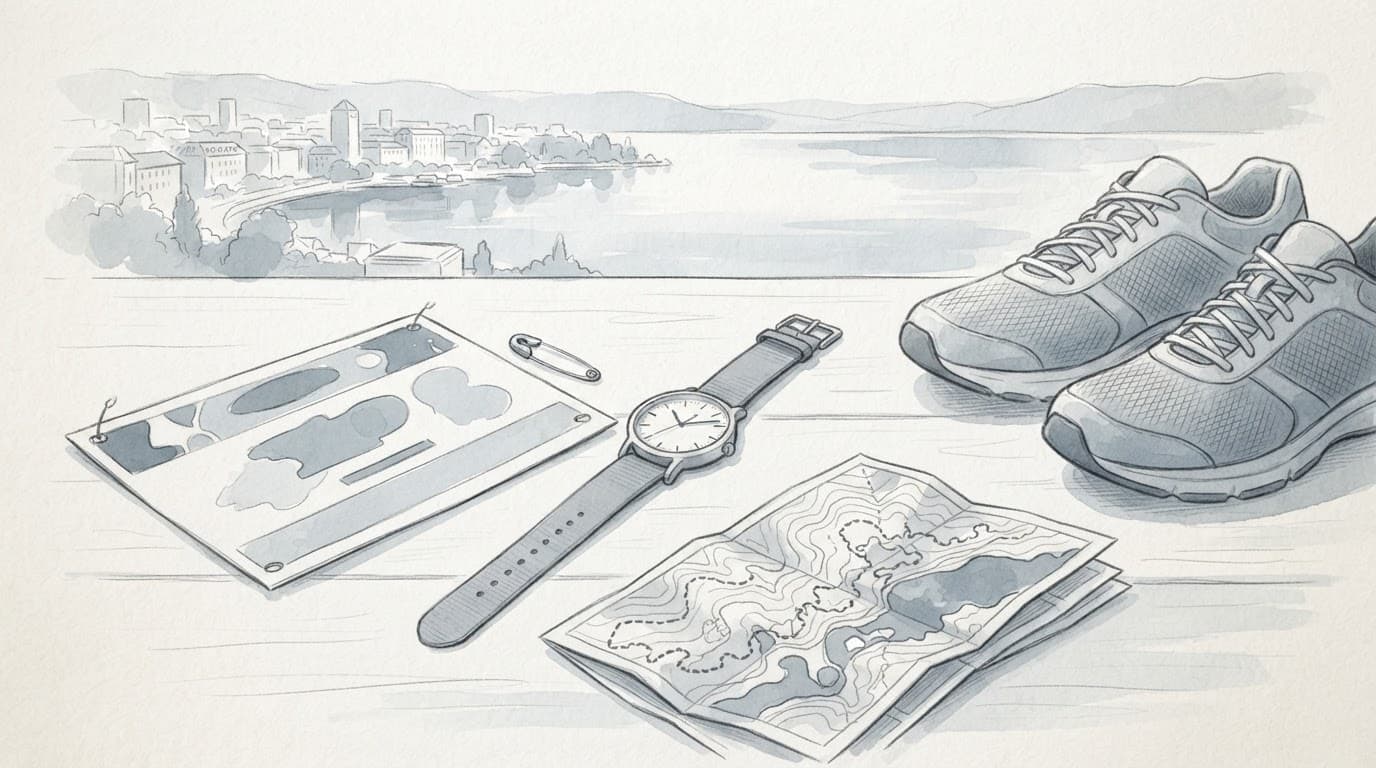
Check your registration email and bib information first. Then compare them with the official Lausanne Marathon website, the runner guide, the race app, and event-week announcements. Your published gun time is not the same as your arrival time. You may need to enter the corral before that time for bib checks, wave placement, or access control.
What time zone does Lausanne use on race day?
Lausanne follows Swiss local time. On October 25, 2026, Switzerland is scheduled to be on Central European Time, or CET, after the seasonal clock change. Travelers from the United States and other countries should still check the race date because daylight saving rules do not change on the same day everywhere.
Compare the official local start time with the time shown on your phone, hotel alarm, flight itinerary, and calendar. Your devices should update automatically, but don’t assume an old race page made the correct conversion.
Use the current year’s official local schedule as your source. A converted time from a previous edition can be wrong even when the race distance looks identical.
When you arrive, follow the clock used by the event staff and local transportation system. Save the current schedule offline before traveling, then check for a final update during event week.
How Early Should You Arrive Before the Lausanne Marathon Start?
Plan to reach the Lausanne Marathon start neighborhood about two hours before your assigned start time. That gives you room for transportation delays, road closures, crowds, and last-minute bathroom lines. Reaching the neighborhood is only the first step. You still need to become race-ready inside the official starting area.
A simple two-hour race morning countdown
Use your scheduled start as T, then work backward. Adjust breakfast and restroom timing to match your normal routine.
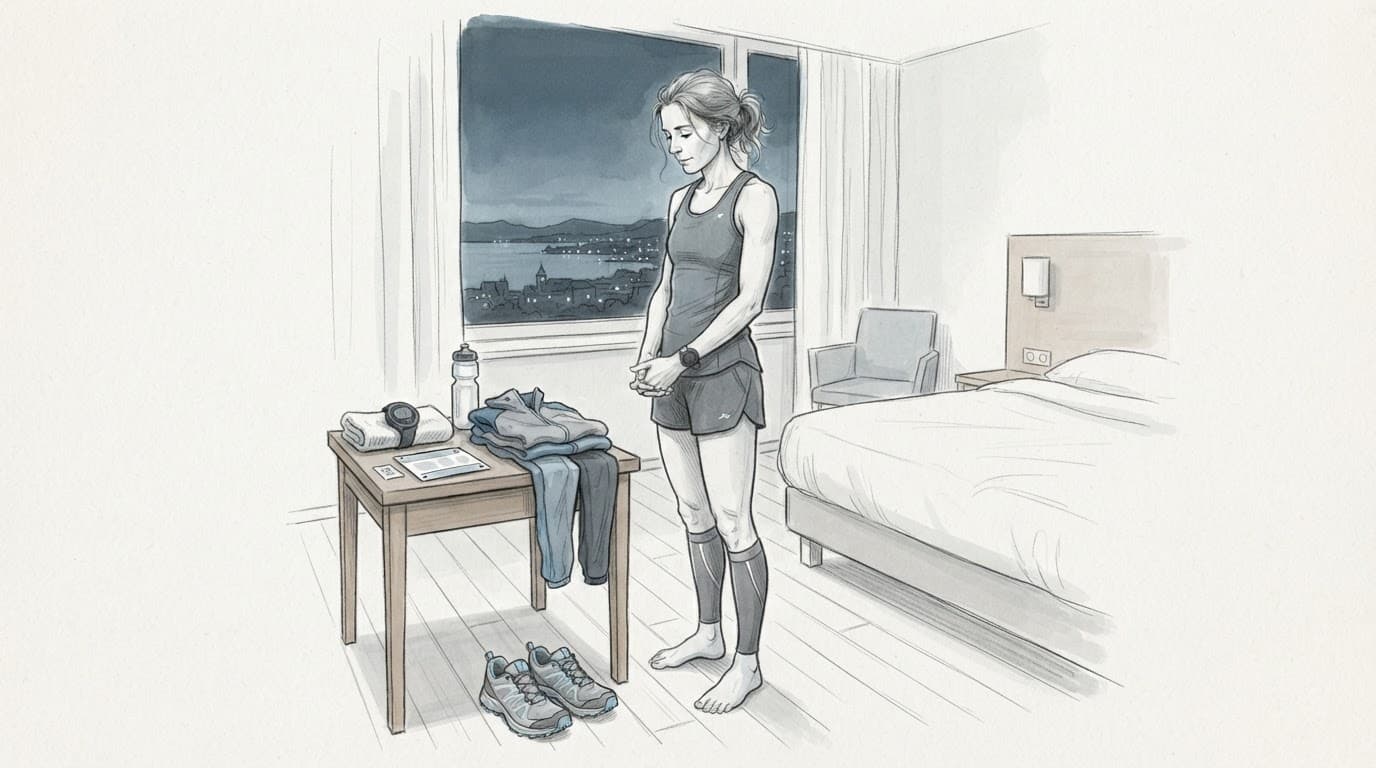
- T minus 120 minutes: Wake up, drink the amount of water you normally tolerate, and eat your familiar breakfast. Avoid testing new foods or taking extra fluids because race morning feels important.
- T minus 90 minutes: Use the restroom, dress in your race kit, and check your bib, timing chip, shoes, watch, and safety pins. If you need to collect a bag or resolve a registration issue, leave even more time.
- T minus 60 minutes: Reach the start neighborhood if you’re staying nearby. Runners traveling from another Lausanne neighborhood should aim to arrive around this point, or earlier if they don’t know the transit route.
- T minus 45 minutes: Walk to the official start area, locate your bib-color or pace-group entrance, and check your bag if the event provides that service. Keep a warm, dry layer on while you wait.
- T minus 30 minutes: Enter the correct corral, then complete a short dynamic warm-up if your training calls for one. Keep moving gently rather than standing still in damp or cold clothing.
- T minus 10 minutes: Take a final restroom break only if needed, shed your disposable layer, confirm your watch settings, and settle into your assigned block.
If you normally eat closer to the start, shift breakfast later while keeping the travel and corral times fixed. The goal is an early arrival with minimal idle time, not two hours spent shivering beside the barriers.
When should you enter your starting corral?
The published Lausanne marathon start time tells you when the race begins, not when you should arrive at the start line. Follow the organizer’s current instructions for your bib color, wave, pace group, and entry gate, since access rules can differ by event and start block.
Runners chasing a personal best should enter their corral early enough to stand near the correct pace group without rushing. Starting farther back requires the same discipline, even if you aren’t racing the clock, because late entry can create congestion and make it harder to settle into your pace.
Participants who need accessibility support should contact the organizer before race day and confirm the meeting point, permitted access route, and assistance procedures. Arrive with extra time for staff coordination. Once inside, check that your watch is ready, your clothing feels comfortable, and you can begin without searching for the right gate at the last minute.
Getting to the Lausanne Marathon Start Line Without Last-Minute Stress
Race morning feels very different from an ordinary Sunday in Lausanne. A familiar 15-minute trip can become a slow walk through barriers, a crowded train platform, or a detour around a closed street. Build your plan around the official race map and current transport notices, not your usual commute.
Where should runners meet, warm up, and leave bags?
Start by opening the event map and locating the exact start area for your distance. The bib pickup point, race corrals, toilets, medical stations, gear check, and warm-up space may sit in different parts of the neighborhood. A facility shown near the start zone may still require a 5- or 10-minute walk, so study the walking route before race morning.
Look for these details on the latest runner instructions:
- The bib pickup area and its opening hours.
- Your assigned start corral, entry gate, and block access.
- Toilets positioned near the assembly area.
- Medical points and the quickest route to race staff.
- The official gear-check or bag-drop location.
- A safe space for easy drills and gentle movement.
The actual start line may be separated from these facilities by barriers, streets, or controlled access points. Leave your hotel with enough time to walk between them without rushing. If the organizer offers bag drop, use only that official system. Confirm the accepted bag type, tagging process, closing time, and collection location before race morning. Never leave valuables in an unattended bag or place belongings beside the course.
A hotel near the finish area may look convenient, yet it might sit far from your start. Check both locations on the map, then plan the trip between them rather than assuming they are close.
Lausanne’s trains, metro, buses, and walking routes can all help, but event-day service may differ from a normal schedule. Check current updates through the transport operator and the latest Lausanne Marathon event information. Download the map, save the organizer’s instructions offline, and write down one backup route in case a station entrance or street is closed.
How road closures can change your travel time
Road closures can affect drivers, taxis, buses, cyclists, and pedestrians. A journey that takes 20 minutes on a normal day may take much longer when runners occupy major streets and traffic moves around the course.
Don’t assume you can drive directly to the start. Parking spaces may be limited, access roads may close early, and a driver may need to stop well outside the race zone. If you use a car, check local traffic notices and identify a legal parking area before leaving. Public transportation can reduce parking problems, but confirm service changes, station access, and any event shuttles for 2026.
Arrive by the organizer’s recommended deadline, with extra time beyond the simple travel estimate. Spectators need the same discipline. If you plan to cross the course, reach the finish, or move between viewing points, check designated crossing points and allow for waiting at barriers. A backup meeting place also helps when phone service becomes unreliable in a crowded area.
Match Breakfast, Caffeine, and Warm-Up to the Start Time
The published Lausanne marathon start time is 10:05 a.m., so your race morning does not need the predawn routine used for an early half marathon. Still, travel, bathroom lines, and corral access can shift your schedule. Work backward from the gun and practice that routine before race day.
What to eat before an early marathon start
Eat your main pre-race meal about two to three hours before the start. For a 10:05 a.m. marathon, a familiar breakfast around 7:00 to 7:45 a.m. may work well, depending on your appetite and travel plans. Choose carbohydrates you have already tested, such as toast with a small amount of honey, oatmeal, a banana, white rice, or a familiar sports drink.
Keep the meal low in fiber, moderate in size, and easy to digest. Large amounts of water can leave your stomach sloshing and create repeated bathroom stops. Heavy fats, excess protein, and unfamiliar foods can cause similar problems. The International Society of Sports Nutrition position stand supports using a familiar, easily digested pre-race meal rather than experimenting on race morning.
If you can’t tolerate a full meal, split it into two smaller portions. For example, eat toast and a banana after waking, then sip a tested sports drink or eat a few bites of rice closer to the start. Practice the same timing during long runs. Your training sessions should reveal how much food, fluid, and caffeine your stomach can handle.
Use caffeine only if you already tolerate it. Coffee, tea, or a tested caffeine gel may help some runners when taken about 45 to 60 minutes before the start, but race morning is the wrong time to try a new supplement or larger dose. Avoid unfamiliar Swiss pastries, rich hotel breakfasts, and untested gels until after the race.
How to warm up without wasting energy
Most marathoners need only light movement before the start. Walk briskly, jog easily for five to 10 minutes, and add a few gentle mobility drills for your ankles, hips, and shoulders. Faster runners or anyone racing in cold conditions can add three or four controlled strides of 15 to 20 seconds, with easy walking between them.
Keep the warm-up short enough that your breathing stays controlled. A marathon is a long effort, so spending 20 minutes jogging hard before the gun wastes energy you need later. Avoid a long static stretching session immediately before the race, especially if your muscles are cold.
Wear an unwanted sweatshirt, poncho, or disposable outer layer while you wait. Remove it shortly before entering the corral, and use the event’s collection system if one is provided. On a cold or wet morning, keep your legs and torso covered until the final minutes. A calm, warm routine helps you reach the Lausanne marathon start time ready to run rather than shivering and rushed.
Use the Lausanne Marathon Start Time to Plan Your Race Strategy
The 10:05 a.m. Lausanne marathon start time gives you more room than an early-morning race, but it still shapes your entire strategy. Plan your breakfast, warm-up, clothing, fueling, and mental cues around the clock. Lake views, exposed sections, crowds, downhill stretches, and changing weather can all alter how fast a sensible pace feels.
Before setting a goal, review the official course profile, aid-station locations, time limits, and the weather forecast. Then build a plan that uses pace, effort, heart rate, and course conditions together.
Should you change your pacing plan for a morning start?
Cool morning temperatures can make the opening miles feel easier than they are. Excitement, a downhill section, or a fast-moving crowd can push your pace beyond your marathon effort before you notice. Poor sleep, travel fatigue, wind, rain, or warm sun can create the opposite problem.
Run the first section conservatively. Let your breathing, stride, and effort guide you while the field settles. Avoid chasing every split, especially during the first kilometer. A controlled start protects your legs and gives you useful information about the course and your body.
For example, a runner targeting a 3:30 finish might set a goal pace near 8:00 per mile, but avoid forcing that number immediately. Running the first kilometer a few seconds slower, with relaxed breathing, can protect the personal-best attempt. The runner can then settle near goal pace once the crowds thin and reassess at halfway.
Use your watch as a reference, not a command. If wind rises along an exposed lakeside section, accept a slower split while holding steady effort. If conditions improve, regain time gradually rather than surging.
Build a hydration and gel plan around the clock
Start drinking and taking carbohydrates according to elapsed time or course landmarks, not when fatigue suddenly appears. Waiting until you feel depleted can leave you trying to repair a problem that began several miles earlier.
Practice your plan with the products you will race with. Check which sports-drink brands, gels, and flavors the event provides, then carry familiar options if the course products differ. The Korey Stringer Institute’s marathon fueling guidance offers practical background, but your training should determine what your stomach accepts.
A runner expecting a shorter finish may schedule a few small carbohydrate doses at consistent intervals and drink at selected aid stations. Someone expecting a longer day may need more planned opportunities, with extra attention to fluid access and changing weather. Neither runner should copy a universal formula.
Use this race-plan checklist:
- Opening 5K: Settle your effort, stay relaxed through crowds, and take the first planned fluid or carbohydrate dose if practiced.
- Middle miles: Hold controlled pace, adjust for wind or sun, and reassess your goal at halfway.
- Final 10K: Follow effort rather than chasing a pace that conditions no longer support, then increase only when your legs respond.
- Finish: Commit over the final kilometers, keep your form organized, and use the clock as feedback rather than pressure.
Your start time gives the plan its structure. Your response to the course decides how well you execute it.
Race-Day Details That Can Affect Your Lausanne Marathon Morning
Knowing the Lausanne marathon start time is only part of your race plan. Bib collection, corral access, timing rules, weather, toilets, medical support, and finish-area procedures can all affect your morning. Read the current runner guide before race weekend, since social media posts and previous year’s instructions may contain outdated times or locations.
What to do if you arrive late or miss your wave
Late starts and wave changes are controlled by the race organizer. Your bib may assign you to a particular wave, block, pace group, or access gate, so don’t join another corral because it looks less crowded. Speak with event staff first. They can tell you whether a later start is possible and whether you must wait for an authorized release.
Missing the official start may affect your recorded time, eligibility, or access to the course. Timing systems may record your crossing of a mat, but that doesn’t automatically give you permission to start after your assigned group. The event may also enforce course cutoff times, which can reduce the time available to finish.
If a flight, train connection, or other travel problem could make you late, contact the Lausanne Marathon organizer before race weekend. Keep your registration details, bib information, and travel itinerary available when you ask for help. On race morning, arrive at the information desk or a clearly identified staff point rather than moving through barriers on your own.
Your final-night preparation should include:
- Place your bib, identification, timing-chip instructions, safety pins, and any required race materials together.
- Set out your tested shoes, socks, race kit, warm layer, rain shell, and a dry post-race outfit.
- Pack familiar gels, fluids, and any personal nutrition in a waterproof bag.
- Confirm transportation, road-closure information, the start route, and a backup plan.
- Charge your phone and watch, then save the runner guide and key directions offline.
- Ask your hotel about breakfast hours or arrange food you can eat in your room.
How to prepare for weather and changing conditions
Check the Lausanne forecast close to race day, then check it again before leaving your hotel. Temperature affects clothing and pacing, while rain can make socks, shoes, gels, and bib materials uncomfortable. Wind may slow exposed sections of the course, and bright sun can raise your effort even when the air feels cool.
Dress for the conditions you will face while waiting, not only for the first mile. A light outer layer, cap, gloves, or disposable warm clothing can help you stay comfortable before entering the corral. Pack a dry shirt, socks, and jacket for the finish, because wet clothing can become unpleasant during the trip back to your hotel.
Protect personal nutrition from sweat and rain with small plastic bags or a waterproof pouch. Test any rain jacket, hat, or extra layer during training so you know how it affects movement and temperature. Adjust pace by effort when weather changes, rather than forcing your planned splits through strong wind, heavy rain, or unexpected warmth.
Also confirm where toilets, medical stations, spectator crossings, and the finish-area exit are located. Spectators may face restricted access around the start and finish, while runners may need to follow marked routes for medals, bags, refreshments, or reunions. Follow staff directions throughout the morning, especially when the course and finish area become crowded.
Choose Your Distance, Duration and Goal Time
Make three quick selections and open the exact plan built for your race target.
Looking for a Fully Personalized Training Plan?
The training plans above are an excellent choice if they match your goal. However, if you’d rather train with a plan built specifically around your current fitness, goal race, preferred training days, weekly mileage, and target finish time, our RDA Custom Training Plans provide a personalized solution. We also have running courses available for runners seeking to run faster from the mile to the marathon.
Why Choose a Custom Training Plan?
| Standard Training Plan | RDA Custom Training Plan |
|---|---|
| Follows a fixed schedule | Built around your schedule |
| Standard weekly mileage | Peak mileage customized for you |
| Fixed workout days | Train on the days you choose |
| Same structure for everyone | Designed around your current fitness |
| Static plan | Updated as your fitness improves |
| One-time purchase | Ongoing personalized coaching and support |
What You’ll Receive
- A training plan built specifically for your goal
- Personalized training paces
- Long runs, tempo runs, threshold workouts, interval sessions, recovery runs, and easy runs
- Peak weekly mileage matched to your experience level
- Flexible training schedule that fits your life
- Ongoing plan adjustments as your fitness improves
Ready to Train Smarter?
Stop guessing and start following a plan built specifically for you, your schedule, and your racing goals.
Frequently Asked Questions
A few practical questions often remain after you have planned your arrival, breakfast, transportation, and warm-up. These answers cover details that can still affect your Lausanne Marathon race morning.
Is the 2026 Lausanne Marathon start time confirmed?
The published 2026 marathon start time is 10:05 a.m. on Sunday, October 25. Runners leave in four blocks, with each block released three minutes apart, so your actual crossing time may fall after the listed gun time. Check the official Lausanne starting times during race week for any updates.
What is the Lausanne Marathon time limit?
The marathon has a published time limit of 6 hours and 30 minutes. That limit may include course-access rules at certain points, so a runner who falls behind could face instructions from race officials before reaching the finish. Review the event’s race categories and time limits before setting a finish goal.
Will I receive my race bib by mail?
The organizer’s website indicates that race bibs may be sent to runners’ homes. However, mailing rules can depend on registration timing, location, and the information attached to your entry. Check your registration confirmation, and contact the event team if your bib hasn’t arrived before the stated collection dates.
Can someone else collect my bib?
Don’t assume another person can collect your bib without authorization. The event may require a confirmation email, identification, a proxy document, or other registration details. Read the current participant instructions before sending someone else, because an unofficial pickup attempt could delay your race morning.
What happens if my watch shows a different start time?
Your watch may display the wrong local time if it hasn’t updated its time zone or daylight-saving setting. Set it to Swiss local time before race day, then compare it with a phone connected to a local network or the official event schedule. Avoid relying on a manually saved countdown from your home time zone.
Does the 10K start at the same time as the marathon?
No. The 10K has a separate published start at 2:00 p.m., several hours after the marathon. Its runners may follow different instructions for bib access, assembly, course entry, and transportation, so 10K participants should use the official Lausanne Marathon website rather than copying the marathon schedule.
Conclusion
The published Lausanne marathon start time for 2026 is 10:05 a.m. on Sunday, October 25, with runners released in four blocks. Confirm that schedule for the correct event and year, then review the runner guide, course map, corral instructions, and current transportation notices before race weekend. Of course, dates and times will change depending on what year you are reading this post.
Build your morning around a calm arrival. Prepare your tested breakfast and race gear the night before, plan your route with extra time, and reach the start area early enough to enter the correct corral without rushing. A smooth start protects energy for the later miles, when disciplined pacing matters most.
Lausanne’s scenery will give you plenty to remember, but preparation will shape your performance. When you control the details before the gun, you give yourself a stronger chance to turn a beautiful race morning into a strong marathon.


