

Lactate Threshold Calculator: Find Your Sustainable Pace
You are miles into your long run, and suddenly your legs turn to lead. You know the finish line is still ahead, but your body is begging you to slow down. This happens because you pushed past your sustainable limit, crossing the line where your body produces waste products faster than it can clear them.
The lactate threshold calculator solves this frustrating guesswork by identifying the exact intensity you can maintain before fatigue takes over. When you use this tool to define your zones, you move away from reckless training and toward a smarter, more targeted approach.
Understanding your threshold is the key to training at the threshold sweet spot. By dialing in your speed, you prepare your body to handle higher intensity for longer periods without the inevitable late-race blowup. If you want to refine your approach further, check out this comprehensive guide to lactate threshold training to see how these numbers fit into your weekly plan.
What lactate threshold really means for runners
Your body operates like a finely tuned engine while you run. During easy efforts, your muscles use oxygen to break down fuel, producing minimal waste. As you pick up the pace, your muscles demand more energy, which forces the body to rely on systems that produce lactate as a byproduct.
Build Your Running Performance System
Move from research to action with training, recovery, nutrition, pacing, and performance tools built for runners.
More Guides for This Runner Goal
Think of lactate as a byproduct of this high-intensity energy production rather than the villain that causes fatigue. Your blood naturally clears this substance as long as the production rate stays manageable. However, the threshold represents the exact point where that balance shifts.
The point where effort starts to feel harder to hold
At lower intensities, your body clears lactate about as fast as it produces it. You can hold these paces for long durations because your internal chemistry remains stable. Once you cross your threshold, the production of lactate begins to accumulate in your muscles and bloodstream faster than your body can process it.
This accumulation signals your brain to demand more air, which explains why your breathing becomes heavy and rapid. You feel this change as a distinct shift in perceived exertion.
If you push beyond this specific intensity, your legs start to feel heavy, and maintaining that pace becomes increasingly difficult. Using a lactate threshold calculator helps you identify this boundary so you can train at a level that builds stamina without forcing premature exhaustion. Training near this point teaches your body to become more efficient at clearing lactate, which effectively moves that wall further back.
Why threshold pace is not the same as race pace
Runners often confuse their threshold pace with their goal race pace. While they might overlap for some, they serve different functions in your overall training plan. Your threshold pace is a physiological marker of your current fitness, while race paces vary significantly based on the distance of your event.
You might hold a pace near your threshold for an hour during a hard training session, but you would likely struggle to maintain that same intensity for a full marathon. Conversely, a 5K race often happens at an intensity well above your threshold.
- Threshold pace: This is a steady, hard effort you can sustain for about 60 minutes.
- Half marathon pace: This usually sits slightly slower than your threshold, allowing for a longer duration of effort.
- Full marathon pace: This is significantly slower than your threshold to ensure you do not empty your fuel tanks too early.
If you are looking to sharpen your speed for shorter distances, you can read more about improving your 5K time to see how threshold sessions support your top-end speed. Treat your threshold as a tool for setting training zones rather than a rigid target for every race distance.
How a higher threshold changes your racing ceiling
Building a higher threshold raises your potential for almost every race distance. When you improve your body’s ability to clear lactate, you increase the speed you can maintain before you reach that uncomfortable, heavy-legged sensation. You essentially move your aerobic ceiling upward.
This change allows you to run faster for longer periods because you are not working as close to your limit. A runner who raises their threshold can hold a faster, more aggressive pace during the middle of a race while keeping their heart rate and breathing in a manageable state.
It turns a pace that previously felt like a sprint into one that feels sustainable. By dedicating time to proper threshold workouts, you build the engine capacity needed to race stronger and recover faster. Consistency here creates a massive advantage when the late stages of a race arrive and other runners start to fade.
How a lactate threshold calculator estimates your fastest sustainable pace
A lactate threshold calculator bridges the gap between your current training data and your true physiological ceiling. It takes raw numbers from your recent runs and converts them into a specific intensity range. This range represents the highest speed you can sustain for about an hour before your muscles begin to struggle with acidity. By predicting this point, the calculator helps you organize your training cycles so you gain fitness without overreaching.
Common inputs: recent race time, pace, heart rate, or test result
Most calculators rely on a few specific data points to generate an accurate estimate. Your most recent race times often provide the best baseline for these calculations. If you have run a recent 5K, 10K, or half marathon, the software uses your finishing time to work backward to your threshold pace. This approach assumes your recent performance reflects your current level of conditioning.
Some runners prefer using a dedicated time trial rather than a race result. A 20-minute maximum effort on a flat course provides a highly reliable number.
If you use a heart rate monitor, you can also input your average heart rate during that session. Many tools use this heart rate data to identify your training zones. Beyond these standard methods, lab-style tests like blood lactate sampling offer the gold standard, though they are rarely accessible to most athletes. You simply choose the input that feels most representative of your fitness today.
Why the result is an estimate, not a promise
It is important to remember that these results are mathematical projections rather than absolute biological facts. Many external factors influence your performance on any given day. Hot, humid weather or hilly terrain will force your heart rate higher even if your intensity remains steady. Similarly, poor sleep, high life stress, or general fatigue can shift your physiology significantly in the short term.
Treat your calculated pace as a smart starting point. If the calculator suggests a pace that feels entirely impossible during your workout, listen to your body first. You should adjust your effort based on how you feel during the session. Use the number to guide your training, but remain flexible enough to adapt when your body demands a slower recovery day or allows for a harder push.
What a good calculator should give you beyond one number
A quality tool does more than spit out a single pace per mile. It should provide a full spectrum of data to help you build a complete training plan. You want to see heart rate ranges that correspond to your different intensity zones. This helps you ensure your easy runs stay easy, while your harder sessions hit the right energy systems.
The best tools offer specific guidance on how to use your threshold pace across various workouts. They might suggest tempo run durations or recovery periods between intervals. By turning a static number into a actionable plan, these calculators help you understand how to improve your stamina and speed. You stop guessing about your fitness and start training with a clear purpose that connects your daily effort to your long-term goals.
The best ways to find your threshold without overthinking it
Finding your threshold doesn’t require a laboratory or expensive gear. You simply need a consistent, honest effort that pushes your aerobic system to the edge. Whether you use a past race result or a controlled field test, these methods provide a clear picture of your sustainable pace.
Use a recent race result if you already have one
Your most recent race provides an honest look at your current fitness. A 5K, 10K, or half marathon result reflects exactly what your body could handle under pressure. Since these efforts are typically sustained at a high intensity, they offer a reliable baseline for your training zones.
Avoid using results from races where you felt under-trained or faced extreme weather. Old data from months ago might not match the fitness you possess today. If you have a recent, well-paced event, plug that time into a lactate threshold calculator to derive a solid estimate. This keeps your training tethered to reality rather than hopeful guesses.
Try a 30 minute time trial when you need a fresh estimate
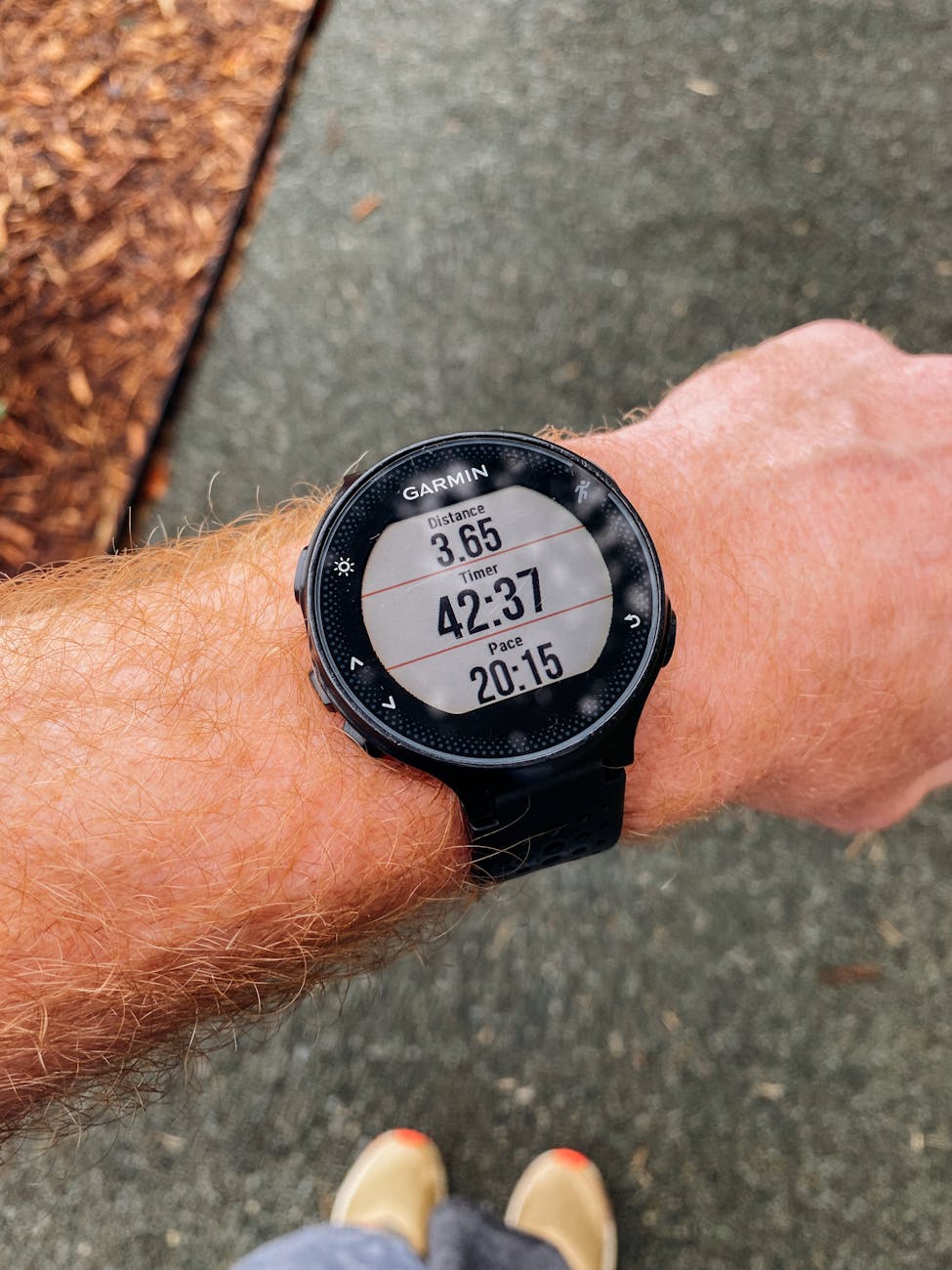
When your race history feels outdated, a 30-minute time trial serves as a better alternative. Pick a flat, quiet stretch of road or a track to minimize distractions. Start your run with a thorough warm-up, including some light jogging and dynamic stretches to prepare your muscles.
Run the trial at a steady, hard effort you can maintain for the full duration. Your goal is to find a pace that feels uncomfortable but sustainable for the entire half-hour. Avoid sprinting at the start; a fast opening often leads to a premature burnout that skews your data. Once you finish, record your average pace or heart rate. This number points directly to your current threshold, helping you organize your running stamina workouts with precision.
Watch for signs your threshold is being misread
Even the best calculators produce faulty numbers if the input data is flawed. Fatigue is the most common culprit. If you attempt a test on tired legs, your pace will appear slower than your actual ability. This leads to training zones that are too conservative, which prevents the fitness gains you want.
Bad weather and hilly routes also distort your results. Wind and steep climbs force your heart rate higher while your actual speed drops. Likewise, an all-out effort that lasted only ten minutes doesn’t capture the steady-state nature of your threshold. A very short, high-intensity sprint will lead to an estimate that is too high, making your tempo runs feel impossible. Stick to consistent conditions and focused, steady efforts to keep your threshold pace estimates accurate and actionable.
Turning your threshold pace into training zones that actually help
Your threshold pace acts as a compass for your entire training plan. It provides a fixed point of reference, which prevents you from training too hard on recovery days or too easy on quality sessions. By using a lactate threshold calculator, you gain the clarity needed to structure each run with purpose. This precision moves you away from the common habit of running every session at a medium-effort gray zone that builds fatigue without increasing speed.
Build workouts around tempo runs and cruise intervals
Tempo runs teach your body to maintain intensity when you feel uncomfortable. A classic session involves 20 to 40 minutes of steady running at your threshold pace. This duration pushes your body to improve its ability to process waste products. If a continuous block feels daunting, you can use cruise intervals to achieve the same result.
Cruise intervals involve breaking that total time into smaller, manageable pieces with short recovery jogs. For example, instead of running 20 minutes straight, you might run four sets of five minutes at threshold pace with one minute of easy jogging between them. This approach allows you to accumulate more time at the correct intensity because the brief rest keeps your form clean and your mind focused. You develop the mental strength to hold that pace even when your legs start to tire.
Set easy runs so they stay easy enough to recover
Many runners stall because every workout feels like a battle against the clock. They hit their hard days with tired legs, which prevents them from achieving the necessary intensity to build fitness. When you define your threshold zones, you gain the confidence to slow down on your recovery days.
Your easy runs should be truly easy, often 60 to 90 seconds per mile slower than your marathon pace. These miles allow your muscles to repair themselves and your energy stores to replenish. If you push your recovery runs too hard, you sabotage your ability to hit your actual threshold targets later in the week. By keeping your easy days slow, you ensure you have the freshness required to maximize your threshold sweet spot.
Use threshold pace to pace races with more control
Smart pacing in the early miles of a race often determines how you perform at the finish line. If you start a half marathon or marathon too fast, you exhaust your glycogen stores and cross your lactate threshold early. This mistake leads to the dreaded wall during the final miles.
Knowing your threshold pace helps you hold back when adrenaline makes you want to sprint. You can use this number as a cap for your effort during the first half of a race. This control saves your legs for the final stages, where you can then push your limits as others fade. You replace wild guessing with a tactical plan that leverages your current physiology to yield better results.
Adjust for heat, hills, and fatigue before chasing the number
Your threshold pace changes based on your environment and daily stress levels. Heat and humidity raise your heart rate and force your body to work harder to cool down, which effectively lowers your sustainable speed. Similarly, hilly routes naturally increase your effort, even if your watch shows a slower pace.
Never force a specific number if your body struggles to hit it on a difficult day. If the air is thick with humidity or your sleep was poor, you should add time to your target pace. Flexibility prevents burnout and injury. You want to train based on your actual capacity that day, not on a perfect number from a spreadsheet. Adjusting for these external pressures keeps your training honest and ensures every session contributes to your long-term progress.
How to tell if your threshold number is accurate
A calculated threshold is only as good as the effort you put into the test. Data points can hide behind flawed protocols or simple missteps in execution. You must step back and verify that your results align with your actual physical reality. If your calculated pace feels completely disconnected from your day-to-day training, your numbers need a closer look.
Look for steady effort, not a sprint in disguise
Your threshold pace should feel like a controlled burn. You are working hard, yet you are not racing for your life. If you find yourself gasping for air after only ten minutes at this pace, the calculation is likely too aggressive. A true threshold effort is one you can maintain for roughly an hour without your form falling apart or your heart rate spiking to near-maximum levels.
If the pace leaves you wrecked too soon, consider that your input data might be faulty. Perhaps you used a shorter race result that favored speed over stamina.
Remember that training at an intensity that is too high forces your body to recover for days, which kills your overall consistency. If you struggle to hold the pace for even a few miles, scale back your target by ten to fifteen seconds per mile. You will build more fitness by sustaining a manageable, hard effort than by forcing an unsustainable sprint.
Compare the result to workouts you have already done
Context is the best filter for any calculation. Look at your training log from the past few months. Do you have records of tempo runs that felt just right, or long intervals where you maintained a strong, rhythmic pace? A useful estimate should mirror the efforts you have successfully completed in the past.
If your calculator suggests a threshold pace that is significantly faster than your best recent tempo run, treat that number with skepticism. Your own history is the most reliable guide. You might find that your threshold sweet spot is actually a few seconds slower than the software suggests. Conversely, if the number feels suspiciously easy, you may have reached a new level of fitness that warrants a harder, more aggressive training block. Always let your past performance ground your future targets.
Update the number as your fitness changes
Fitness is never static. Your body responds to every mile, workout, and recovery day, meaning your threshold is constantly shifting. A number that was accurate three months ago may be far too slow today after a dedicated training cycle. Similarly, a long break due to injury or illness will require you to reset your expectations.
You should recalculate your numbers after every major training block or goal race. This keeps your training zones aligned with your current physiological status. If you keep training based on outdated data, you miss the chance to push yourself effectively. Use a fresh time trial or a recent race result to update your stats regularly.
When you stay current, you ensure that every workout serves its purpose in your long-term running improvement strategy. Keeping your data fresh turns your plan into a living, breathing guide for your best performance.
Choosing the right calculator for your running goals
Finding a calculator that works for you is about balancing the data you have with the results you want. You need a tool that speaks your language and fits your current stage of development. Not every runner benefits from the same level of complexity, so selecting the right fit is a personal choice based on how you prefer to process training information.
Pick tools that match your distance and experience level
Beginners often prefer a simple estimate that gives them a clear, single pace to follow. If you are new to the sport, you do not need an overwhelming amount of variables. A basic tool that uses your recent race time is plenty to establish a baseline. You can focus on consistency while your body adapts to the demands of training.
Advanced runners generally look for more detail. If you are training for a specific goal, you might need a tool that adjusts for altitude, specific terrain, or varying heart rate thresholds. A marathoner tracking long-term fatigue handles data differently than a 5K runner chasing pure speed.
Marathoners often prioritize sustainable pace ranges to avoid early burnout. Meanwhile, 5K runners might need sharper, high-intensity zone calculations to improve their top-end output. Choose a resource that offers the depth you actually use in your weekly schedule.
Look for clear pacing guidance, not confusing charts
Some tools overwhelm users with complex grids and endless metrics that do not translate to the road. The best calculator ignores the fluff and gives you an immediate plan for your next workout. It should bridge the gap between raw data and your actual running shoes.
If a tool forces you to spend twenty minutes interpreting charts before you can head out the door, it is a poor fit. You want a resource that suggests specific intervals or tempo paces clearly. When the next step in your training is obvious, you save mental energy for the actual work. A high-quality tool essentially does the heavy lifting so you can focus on executing your session with purpose.
Use the result with a plan, not on its own
Your calculated pace is only a starting point for your growth. It works best when you integrate it into a structured training routine that includes intentional rest and recovery. Relying solely on a number without a broader plan leads to inconsistent progress. You need to align these paces with your specific structured training plans to ensure you build fitness safely.
A calculator does not track your sleep, your stress levels, or your recovery needs. You are responsible for adjusting your daily effort based on how you feel. A rigid reliance on the data ignores the reality of your changing physiology. Use the number to guide your intent, but stay flexible so you can adapt your training to the signals your body provides.
Conclusion
You now hold the keys to identifying your fastest sustainable pace. The true power of a lactate threshold calculator lies in its ability to strip away guesswork. When you know your specific intensity zones, you stop training by feel alone and start building actual physiological capacity. You move away from the dreaded gray zone where fatigue accumulates without meaningful fitness gains.
Use these numbers to anchor your training, but stay tuned to your body. If a session feels harder than it should, trust your fatigue levels over the math. Consistency matters more than hitting a perfect number every single day. A well-placed threshold run teaches your brain and muscles to endure pressure. Over time, you shift your limit higher and find that your previous race pace now feels like a comfortable cruise.
Your next step is to run a controlled time trial or use a recent race result to generate your first set of zones. Update these markers as you get stronger, and use them to guide every tempo session and long run. Test your limits, learn how your body responds to the strain, and adjust your plan as your fitness grows. Stay patient with the process, and you will see your race times drop.


