

Koln Marathon Race Review
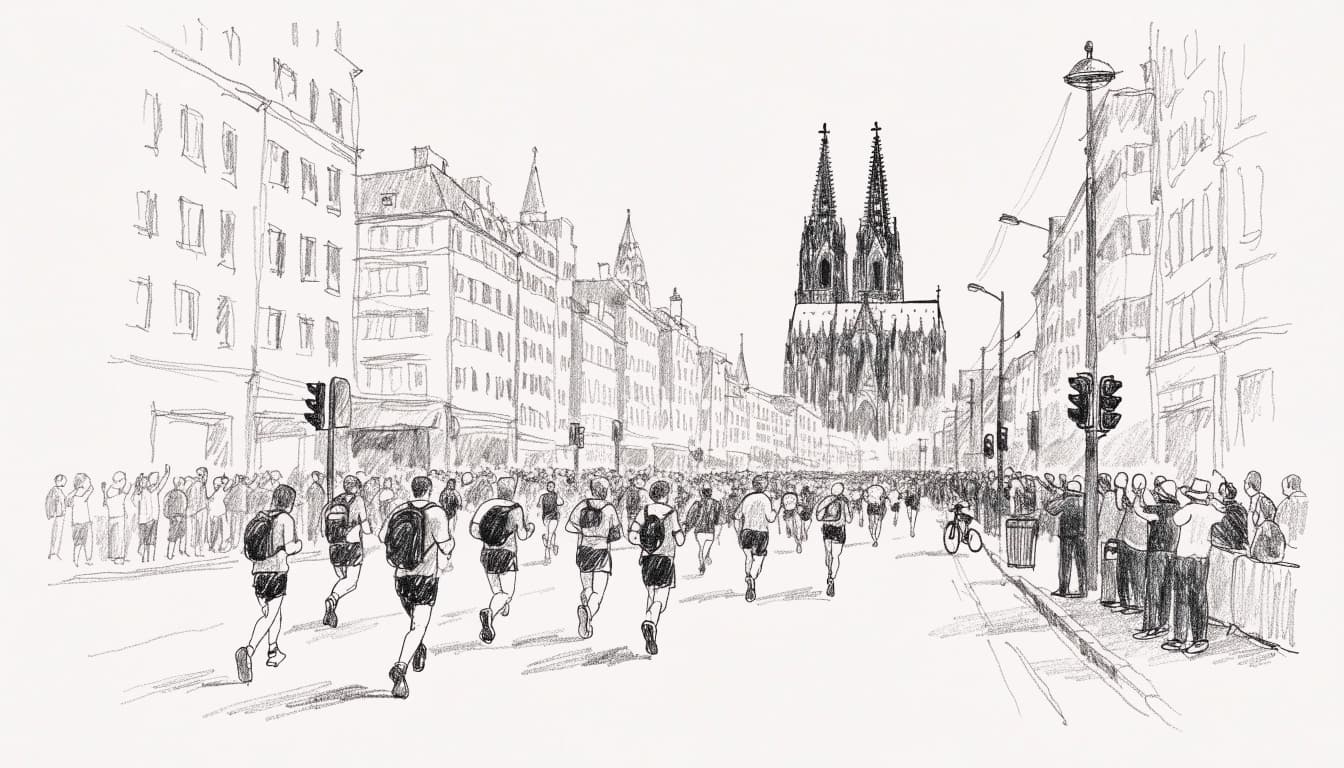
As race morning begins, the streets of Cologne, Germany, shift from quiet city blocks to a course lined with runners, music, and cheering spectators. The event puts you close to the city’s energy, but the experience also depends on practical details such as the route, crowd support, and race-weekend organization.
The race is typically held in October, but check the official event information for that year’s date before booking or building your training schedule.
This review looks at the course, spectator atmosphere, race-weekend logistics, and the runners most likely to enjoy the event. A lively race and memorable setting don’t automatically make every part of race day easy, so check current event details and services before making plans.
Remember, make sure to book your Cologne Marathon hotels early to save on high prices later.
Key Takeaways
- The Koln Marathon pairs a city-centered course with a lively spectator atmosphere, giving runners plenty to take in beyond the mile markers.
- Crowd support can make the course feel energetic, but plan your pacing around your own effort rather than the noise at the curb.
- Event logistics matter: review the current official race information for transport guidance, schedules, and participant instructions.
- Check event details before booking travel, since services and race arrangements can change each year.
Koln Marathon Review: Is This Cologne Race Worth It?
The Cologne Marathon is a strong choice if you want a social city race with more going on than the marathon alone. Its main appeal is running through the city as part of a larger event weekend. The tradeoff is that a busy urban course may feel less peaceful than a smaller race, and crowd energy can vary by year and location.
What stands out about the race experience
The city setting gives the event a distinct sense of place. You’re part of a large starting field that brings runners and spectators into the streets, which can make the miles more engaging if you draw energy from people along the course.
The race is part of a wider running festival. The organizer lists a half marathon and a relay marathon, giving participants different ways to take part with friends or family. Check the official half-marathon details and relay-marathon information for current formats and requirements.
Crowd size, music, and support can change from one section of the course to another, and from one year to the next. Treat a lively atmosphere as a likely appeal, not a promise that every mile will be packed with spectators. Keep your pace tied to effort and your plan, rather than speeding up whenever the noise rises.
Organization is another part of the experience, but practical details can change between editions. Review the official event information before booking travel, then confirm current instructions for schedules, transport, and participant services. A well-planned weekend can make a big city event feel manageable, while last-minute assumptions can add stress.
Who is likely to love it, and who may want another race
First-time marathoners may enjoy the shared energy and wider event weekend, particularly if they’re traveling with supporters or running friends. Beginners should still choose based on training readiness, course demands, and logistics, not atmosphere alone.
Time-focused runners may enjoy a large event if they can stay disciplined amid outside stimulation. Check the current course information and verified course records before setting a time goal. A fast day isn’t guaranteed by a big-city setting.
International visitors may appreciate combining the race with a trip to Cologne. Build extra time into your plans, and check current travel and event guidance before choosing accommodation or transport.
If you prefer quiet roads, sparse crowds, or a small field, this may not be your ideal marathon. A busy urban event brings more sensory activity and shared movement than a low-key race. Overall, it’s worth considering if you want a spirited city race and a full weekend experience; choose another event if calm conditions are central to your plan.
What the Cologne Marathon Course and Crowd Support Feel Like
The Koln Marathon combines city streets with crowd support that can vary from one section to the next. Course details can change by edition, so check the organizer’s current course maps before setting your pace plan.
Route layout, turns, and places to settle into a rhythm
The course map is the best guide to how your edition unfolds. Use it to confirm the start and finish locations, the full marathon course, and the elevation profile. Don’t assume a past year’s layout still applies. The map can also help you spot turns and long stretches where you can settle into a steady effort.
During the event, focus on the basics: follow the marked course, watch for turns, and avoid spending energy weaving through other runners. A city course brings changing scenery, which can break up the miles but also distract you from your pace. Check the surface and any exposed sections on the current map or race information rather than relying on assumptions about the streets.
The organizer describes the half marathon course as flat and fast, but that description shouldn’t be assumed to apply to the full marathon. Use the full course’s current elevation profile and train to effort. A steady start gives you more room to respond if the course or crowd density makes your pace harder to manage.
Spectators, landmarks, and the feel of running through Cologne
The city setting gives the race a strong sense of place. The official half marathon description highlights a Deutz start and a course through Sülz, Lindenthal, Ehrenfeld, and the city center, with Cologne Cathedral among the landmarks. Consult the full-marathon map to confirm which neighborhoods and landmarks appear in your event.
The starting field and spectators can add a noticeable lift, especially in busy urban sections. Cheers, music, and the sight of friends near the course can make the miles feel shorter. Still, support may not be equally loud along every block, so keep your effort tied to your plan instead of surging when the crowd gets louder.
If you’re meeting supporters, choose a confirmed spot along the route and agree on a simple signal or clothing color before the event. That makes it easier to spot one another in a busy crowd. For runners, the best approach is to enjoy the atmosphere without letting it dictate your pacing. The city provides the backdrop; your training and judgment should set the rhythm.
Choose Your Distance, Duration and Goal Time
Make three quick selections and open the exact plan built for your race target.
Looking for a Fully Personalized Training Plan?
The training plans above are an excellent choice if they match your goal. However, if you’d rather train with a plan built specifically around your current fitness, goal race, preferred training days, weekly mileage, and target finish time, our RDA Custom Training Plans provide a personalized solution. We also have running courses available for runners seeking to run faster from the mile to the marathon.
Why Choose a Custom Training Plan?
| Standard Training Plan | RDA Custom Training Plan |
|---|---|
| Follows a fixed schedule | Built around your schedule |
| Standard weekly mileage | Peak mileage customized for you |
| Fixed workout days | Train on the days you choose |
| Same structure for everyone | Designed around your current fitness |
| Static plan | Updated as your fitness improves |
| One-time purchase | Ongoing personalized coaching and support |
What You’ll Receive
- A training plan built specifically for your goal
- Personalized training paces
- Long runs, tempo runs, threshold workouts, interval sessions, recovery runs, and easy runs
- Peak weekly mileage matched to your experience level
- Flexible training schedule that fits your life
- Ongoing plan adjustments as your fitness improves
Ready to Train Smarter?
Stop guessing and start following a plan built specifically for you, your schedule, and your racing goals.
How to Plan Your Koln Marathon Weekend, From Entry to Race Morning
For the Generali Cologne Marathon, a smooth weekend starts well before the starting gun. Complete registration through the event’s official website, confirm the current race-weekend instructions, and build your travel plans around the official schedule. That gives you time to handle bib pickup, learn how to reach the start, and protect your sleep before race morning.
Registration, race expo, and bib pickup
Check the current race page before paying. Confirm that you selected the right event and distance, reviewed the participation rules, and entered your personal details correctly. Review the current registration terms, including cancellation, transfer, and payment policies, since they can change by year.
The organizer says participants must collect their race packets in person at the Running.EXPO. The official expo page lists current venue and opening information, while the marathon weekend schedule helps you plan around pickup hours and other event activities. Don’t assume race-morning pickup is available. If you arrive late, you could lose time or face a difficult scramble.
Bring your registration confirmation and a valid photo ID, then check the current instructions for any required documents or pickup authorization. If someone else will collect your bib, confirm whether the organizer allows it and what they need to show. Local runners can pick a convenient expo visit; visitors should plan the journey from their hotel and avoid leaving pickup until the final available window.
Getting to the start, finding a place to stay, and reaching the finish
Use the event’s current guidance to confirm the start and finish locations, recommended transit stops, road closures, and any shuttle service. Then map your route and check local public transit updates close to race day. Marathon closures can affect normal journeys, so a familiar trip may take longer than usual.
For lodging, prioritize reliable access to the start and a straightforward journey back from the finish. A hotel near a transit connection can be more practical than choosing a central address with a complicated race-morning trip. If you stay close enough to walk, map the journey and allow extra time for crowds, closed streets, and entry procedures.
Before race day, decide how you’ll get to the start and where you’ll reunite with your group afterward. Confirm the organizer’s bag-drop rules, including which items are accepted and where bags must be delivered. Lay out your kit the night before, set multiple alarms, and leave time for breakfast, the restroom, and your walk or transit ride. A calm arrival protects your warm-up and keeps logistics from consuming your focus.
Entry costs and other expenses to budget for
Build your budget using current prices rather than figures from an older race edition. Entry fees and other charges can change, so confirm the amount and any add-on costs before completing payment. Next, estimate travel, lodging, local transit, meals, and any extra nights you may need.
For a realistic plan, account for costs such as:
- Round-trip transportation, plus transit between your lodging, expo, start, and finish.
- Hotel rates for race weekend, which may differ from ordinary dates.
- Meals, snacks, and drinks that fit your usual pre-race routine.
- Optional expenses such as luggage storage, a race shirt, or sightseeing.
Visitors should compare hotel cancellation terms and book transportation with enough flexibility for schedule changes. Local runners may spend less on lodging, but should still budget for transit and meals away from home. Check every current fee and policy before you commit; the race’s entry price is only one part of the weekend total.
How to Prepare for the Course and Run a Smarter Race
A strong race plan starts with current course details, then adapts to the conditions you actually face. For the Cologne Marathon, use official route information to shape your training and pacing, and check event instructions again before the weekend. A smart plan gives you structure without forcing you to hold a pace that no longer fits the day.
Training, pacing, and choosing a realistic goal
Study the current full-marathon course map and elevation profile before setting a time goal. Look for changes in elevation, turns, and sections that may make it harder to hold a steady rhythm. The course can change between editions, so don’t rely on an old map or assume the half-marathon course has the same characteristics.
Then compare the map with your training plan. If your long runs and workouts support a specific goal, practice that pace in controlled segments rather than trying to prove it early in a run. For newer marathoners, aiming to complete the distance at a sustainable effort may be more useful than setting an aggressive time target.
On race day, begin conservatively and let the opening miles settle. Crowding in the starting field, turns, and excited spectators can tempt you to surge or weave around runners. Instead, protect your energy, take the cleanest available line, and adjust your pace to effort if the pack slows. A steady start leaves you room to respond later, whether the course feels easier or tougher than expected.
Weather, clothing, fueling, and hydration
Check the forecast in the days before the race, then again close to race morning. Temperature, wind, and rain can change what feels comfortable at marathon effort, so choose clothing for the likely conditions and what you’ve already tested. Don’t debut new shoes, socks, or layers on race day.
Use training runs to rehearse your fueling schedule and practice carrying or accessing what you plan to use. If you rely on a particular product, bring enough for your plan rather than assuming it will be available on course. Check the organizer’s current information on refreshment stations, including locations and available drinks or nutrition. Offerings can change, so don’t count on an unconfirmed product.
Hydration also needs to match your effort and conditions. Practice drinking in a way that feels manageable while running, and avoid making major changes to your routine on race morning. A simple plan you’ve tested is more reliable than reacting to every station or copying another runner.
Race-day support, recovery, and common mistakes
Before traveling, read the current participant instructions for aid stations, medical support, baggage procedures, finish-area services, and the time limit. Confirm what the event provides, where each service is located, and any rules for bags or collection. The organizer requires in-person race-packet pickup at the Running.EXPO, so include that stop in your schedule and follow the latest instructions for timing and required identification.
Arrive early enough to manage transit, restroom lines, bag drop if available, and the walk to your start area without rushing. Keep your plan simple: know how you’ll reach the start, what you’ll carry, and where you’ll meet your group afterward. Last-minute changes to breakfast, gear, or pacing add stress without improving your preparation.
After crossing the finish line, follow event directions through the finish area and arrange a clear meeting point with supporters. Check current event information for finish-area services and whether a finisher medal is offered. Eat and drink what you tolerate, change into dry clothes if needed, and give yourself time to walk and recover before heading back into the city. Avoid sprinting the opening miles, skipping planned fueling, or relying on unverified event services. Those small decisions can shape how well you manage the final stretch.
Frequently Asked Questions
A few questions depend on the edition you enter, so confirm the latest participant instructions before traveling to Cologne. These answers cover details that can affect your plans beyond the course, crowd support, and basic weekend logistics.
What time does the marathon start?
Start times can change by event year and distance, so use the current race-weekend schedule rather than an older blog or race recap. Check when your start group is called, then work backward to plan breakfast, transit, and your arrival at the start area. Arriving early gives you a buffer for entry procedures and restroom lines without forcing a rushed warm-up.
Can friends and family track my progress?
The event may offer live tracking or a timing ticker, but availability and setup instructions can vary. Ask your supporters to check the organizer’s current participant and spectator FAQs before the event. Agree on a meeting point too, since tracking updates can lag and crowded streets make last-minute plans difficult.
Can I transfer my entry or switch distances?
Don’t assume you can transfer a bib, defer your place, or move to another distance after registering. These options depend on the current participation terms and any deadlines the organizer sets. Check the rules before paying, and contact the event team directly if your plans change; running under another athlete’s bib can create safety and results problems.
Is there a time limit for the marathon?
Confirm the current cutoff and any intermediate cutoffs in the participant instructions before setting your goal. If you expect to finish near a cutoff, plan conservatively and account for crowding at the start, aid stations, and turns. A past edition’s rules may not apply, so get the information for your specific race year.
Are official pacers or pace runners available?
The current official participant information doesn’t confirm whether official pacers or pace runners will be available. Check the latest instructions for your edition before relying on pacing support.
Are headphones allowed during the race?
Check the current rules for headphones and other personal audio devices before the event. Even where an event allows them, keep the volume low enough to hear instructions, approaching vehicles, and other runners. On a busy city course, awareness helps you respond quickly when the pack shifts or the route turns.
What should I do if I need medical help or can’t continue?
If you feel seriously unwell or injured, stop in a safe place and alert an event marshal or medical staff member. Follow their instructions rather than trying to reach the finish or a private meeting point on your own. Before the start, review the official guidance for medical support and what to do if you withdraw, since pickup and course-exit procedures can vary by edition.


