

Kansas City Marathon Review and Guide
Before sunrise, Kansas City’s streets fill with reflective gear, nervous energy, and the steady shuffle of runners heading toward the starting line. The event quickly puts every decision under scrutiny, from your opening pace to how well you manage the hills and late-race demands.
This review examines the course, race-day atmosphere, organization, pacing demands, logistics, and overall value. You’ll also see which runners are most likely to enjoy it, whether you’re chasing a personal best, preparing for your first full marathon, or looking for a well-supported race weekend. Because dates, entry fees, time limits, and course layouts can change, confirm current details on the official event website before registering or making travel plans.
I will start with the course and race-day experience, then look at the practical details that can shape your performance and your weekend. Make sure to book your Kansas City Marathon hotels early to save on higher prices later.
Key Takeaways
- The Kansas City Marathon offers a demanding urban course, where rolling terrain makes pacing and hill management important.
- Race day success depends on arriving early, planning transportation, and allowing time for packet pickup and gear check.
- For the kansas city marathon, registration fees, course details, the six-hour time limit, and deadlines can change, so check the official Kansas City Marathon information before booking travel.
- Race-day registration isn’t available, and entry fees are nonrefundable under the event’s official FAQ.
- Marathon and half marathon runners benefit from strong support, including aid stations, a lively city atmosphere, and a serious test of endurance.
Kansas City Marathon Review: What the Race Is Really Like
The Garmin Kansas City Marathon feels like a city race without the scale and pressure of a major destination marathon. Expect an urban Midwest setting, several race distances, an autumn schedule, and a field that includes serious competitors and runners chasing a first finish. The current event page lists the full marathon, half marathon, 10K, and 5K, with the 2026 race scheduled for October 17 at Frank A. Theis Park. Check the current Kansas City Marathon details before making travel plans.
Build Your Complete Race-Day Setup
The right shoe helps, but faster racing comes from better training, pacing, recovery, fueling, and execution.
More Guides for This Shoe
A welcoming Midwest race with a serious marathon challenge
Local runners give the race its strongest identity. You may line up beside a first-time marathoner running for charity, an experienced competitor testing a training cycle, or a Kansas City resident who knows every turn. Spectators and volunteers add warmth without creating the constant noise found at a massive international event.
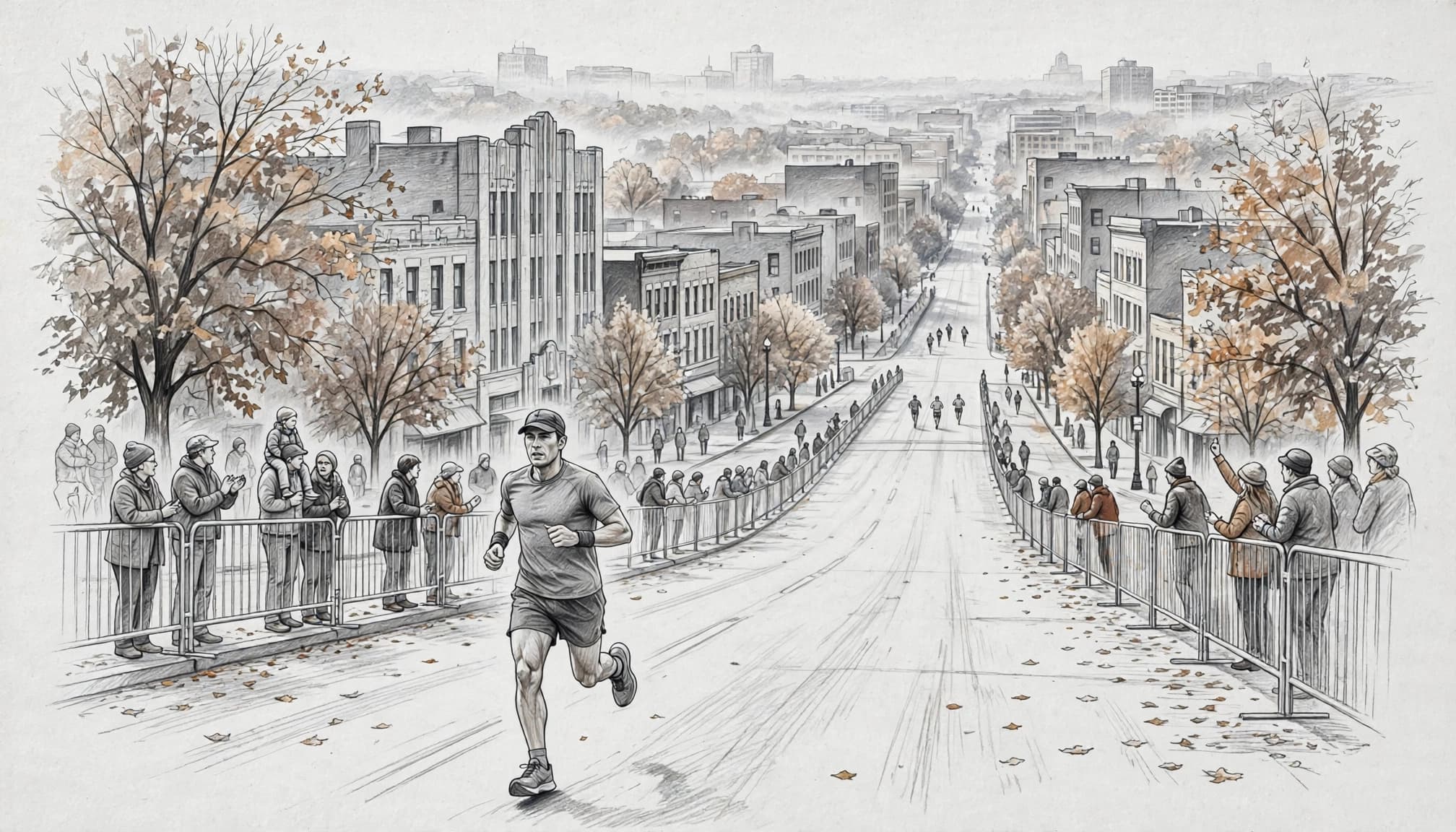
That smaller community feel can help reduce race-day stress. You still get cheering sections, aid stations, pacing goals, and the shared tension of a marathon start, but the event feels easier to read. You can find your pace group, settle into your rhythm, and stay connected to the runners around you.
The course itself deserves respect. Kansas City’s rolling terrain can punish an aggressive opening pace, especially when fatigue arrives during the later miles. First-time marathoners should treat the hills as part of the race plan, while experienced runners may appreciate the course as a legitimate test rather than a flat time trial.
The supportive atmosphere may feel approachable, but the marathon still demands disciplined pacing and hill management.
What to verify before registering
Race details can change between editions, so confirm these items on the official pages before paying:
- Review online registration, current race dates, start times, distances, age requirement, and registration tiers.
- Confirm whether the course is currently USATF certified and could support a Boston qualifier if you’re pursuing a qualifying time.
- Review the time limit. The official FAQ currently lists a six-hour marathon limit for participant safety.
- Read the packet pickup window carefully. The event currently states that there is no race-day packet pickup, and runners without race packet mailing must collect materials during the scheduled pickup period at the health & fitness expo. See the official packet pickup instructions.
- Review deferral, cancellation, refund, and transfer policies before registering. Ask whether changes are prohibited on race day, since many events require updates before race weekend.
- Check the number and placement of aid stations, plus the fluids, nutrition, and gear check options provided.
- Confirm whether a virtual race option currently exists and whether qualifying standards apply to any special division or entry category.
These details affect your budget, travel schedule, and race strategy. A quick review of the Kansas City Marathon FAQ can prevent an avoidable problem at packet pickup or on race morning.
The Kansas City Marathon Course: Scenery, Hills, and Pacing
The Kansas City Marathon course gives runners a changing urban backdrop, but the route may differ between editions. Streets, turns, parks, bridges, and aid-station locations can move, so review the current official course map before race weekend. Landmarks such as Country Club Plaza can add visual interest, while the larger pacing lesson remains consistent: Kansas City’s rolling terrain rewards control more than early speed.
How the elevation and rolling sections affect your pace
Repeated climbs can take more from you than one obvious hill. A single long ascent gives you one clear effort to manage, while rolling terrain repeatedly interrupts your rhythm. Each short climb raises your breathing rate, and each recovery section tempts you to accelerate before your body has fully settled.
That effect becomes more important over the 26.2-mile distance of a full marathon. Small elevation changes can compound, especially when your legs are already tired late in the race.
Downhills create a different problem. Although your pace may improve, braking forces increase stress on the quadriceps. By the later miles, that damage can make a modest incline feel much steeper than it looked on the map.
For that reason, pace the race by effort, especially on changing grades. On race day, let your pace slow slightly uphill, maintain control over the crest, and avoid sprinting downhill to recover lost seconds. Chasing an exact split on every mile can turn normal elevation changes into unnecessary fatigue.
Review the official elevation map and mark the longer climbs, exposed stretches, and likely late-race trouble spots. During training, include hill repetitions and steady rolling runs rather than preparing only on flat roads. Your goal is to make hills familiar enough that they don’t disrupt your form or concentration.
Where the course feels fast, exposed, or mentally demanding
Urban courses often change character several times. Early miles may feel crowded and energetic as runners settle into pace. Later, long straightaways can expose you to wind, sun, or an uninterrupted view of the road ahead. Quieter neighborhood sections may offer fewer spectators, so your own pacing plan becomes more important.
Parks and landmark areas can provide welcome visual breaks, while bridges and sharp turns may interrupt your rhythm. A turn itself rarely costs much time, but repeated changes in direction can make the course feel slower when fatigue has already narrowed your focus.
Break the route into manageable sections instead of carrying the full distance in your head. Use aid stations, major turns, bridges, or planned mileage checkpoints as short targets. At each one, check your effort, posture, hydration, and fueling before moving to the next marker.
The quietest miles often require the strongest mental discipline because the course gives you fewer distractions.
Choose Your Distance, Duration and Goal Time
Make three quick selections and open the exact plan built for your race target.
Looking for a Fully Personalized Training Plan?
The training plans above are an excellent choice if they match your goal. However, if you’d rather train with a plan built specifically around your current fitness, goal race, preferred training days, weekly mileage, and target finish time, our RDA Custom Training Plans provide a personalized solution. We also have running courses available for runners seeking to run faster from the mile to the marathon.
Why Choose a Custom Training Plan?
| Standard Training Plan | RDA Custom Training Plan |
|---|---|
| Follows a fixed schedule | Built around your schedule |
| Standard weekly mileage | Peak mileage customized for you |
| Fixed workout days | Train on the days you choose |
| Same structure for everyone | Designed around your current fitness |
| Static plan | Updated as your fitness improves |
| One-time purchase | Ongoing personalized coaching and support |
What You’ll Receive
- A training plan built specifically for your goal
- Personalized training paces
- Long runs, tempo runs, threshold workouts, interval sessions, recovery runs, and easy runs
- Peak weekly mileage matched to your experience level
- Flexible training schedule that fits your life
- Ongoing plan adjustments as your fitness improves
Ready to Train Smarter?
Stop guessing and start following a plan built specifically for you, your schedule, and your racing goals.
How the route compares with flatter marathon courses
Compared with a flatter city marathon, this rolling course places more emphasis on effort control and leg strength. Runners who enjoy varied terrain may prefer that rhythm because small climbs and descents keep the race from feeling repetitive. Experienced marathoners can also use the changes in grade to practice patience and efficient form.
A flatter course may suit a first personal-best attempt, particularly if you have trained mostly on level roads. Flat routes make pace easier to monitor, although they still demand discipline and can create their own fatigue through repetitive loading.
Elevation is only one part of the equation. A cool, calm morning can make rolling terrain manageable, while heat, humidity, or strong wind can affect performance as much as the hills. Choose your race strategy around the course profile and the forecast, then adjust your pace before conditions force the decision for you.
Race-Day Experience, Organization, and Runner Support
Preparing for the kansas city marathon starts before race morning. Whether you’re running the half marathon or 26.2 miles, transportation, packet pickup, course support, and recovery plans matter. These details can shape your experience as much as the hills do.
Getting to the start and finding your way around Kansas City
Plan to arrive earlier than you think you need to on race day. Road closures can slow cars, rideshare drop-offs may stop several blocks from the start, and parking can require a long walk through unfamiliar streets. That distance matters when you’re saving your legs for 26.2 miles.
Before the event, confirm the official start location, recommended parking areas, transit options, and rideshare instructions. The event’s Kansas City travel and parking information is the best place to check current arrangements. Union Station may also help with navigation if it’s relevant to the current visitor guidance. Staying near the start can simplify the morning, but verify the location before booking nearby lodging.
Check the packet pickup venue, hours, and identification requirements before traveling. Packet pickup may take place at the health & fitness expo, with limited collection hours. The event may not offer packet pickup on race day, so don’t leave this task until the morning.
Out-of-town runners should allow time to collect their bib, participant shirt, and other race materials before the start. Also confirm whether a gear check is available and where participants can leave their belongings. If offered, gear check usually requires a labeled bag and specific drop-off location.
Corral placement and start-line access deserve attention too. Look for your assigned wave or pace area, then allow time for restrooms, warm-up drills, and the walk from parking or transit. A rushed arrival raises stress before the race even begins.
Aid stations, course support, and spectator energy
Organized road races commonly provide water, sports drink, portable toilets, course marshals, medical support, and volunteers at key turns. Still, the event’s current plan should confirm the spacing and exact contents of each aid stations area. Check whether the course provides gels or other nutrition, and learn where medical tents are located.
Carry fuel you’ve tested during training, even if the event supplies gels. Your stomach may tolerate one brand and reject another, while an unexpected gap between aid stations can disrupt your plan. Keep your nutrition schedule based on time or mileage rather than waiting until hunger appears.
Volunteers can make a difficult section feel manageable. Clear directions at turns, steady cups, and encouragement from course marshals reduce the mental load when fatigue builds. Spectators may cluster near accessible streets and major landmarks, while quieter stretches demand more self-discipline.
The final 10K often reveals the value of that support. By then, familiar cheers and a volunteer calling your name can help you hold form and protect your pace. Timing mats also provide official split data and support accurate race results, but confirm their locations if you use them for pacing decisions.
The finish line and recovery after 26.2 miles
Crossing the finish line can bring relief, disbelief, and a sudden drop in focus. Keep moving through the finish chute, collect your finisher medal, and follow instructions for fluids, food, medical evaluation, and recovery space. Confirm whether the current event program includes a finish line festival, finisher food, changing areas, and a designated meeting zone.
After race day, drink gradually and eat carbohydrates with some protein. A recovery meal, snack, or drink helps replace energy and supports muscle repair. Gentle walking can reduce stiffness, but avoid turning the afternoon into an aggressive sightseeing schedule.
Arrange a simple meeting point before the start because phone service and navigation can become difficult near the finish. After changing into dry clothes, retrieve belongings from gear check if you used it, spend time off your feet, and keep hydrating. Follow an easy recovery plan for the next several days. The medal is the keepsake, but sensible post-race care determines how well you feel afterward.
Is the Kansas City Marathon Worth the Cost and Travel?
The Kansas City Marathon is worth the expense when you want a supported fall race and a memorable weekend, not simply another finisher time. Your real budget includes more than registration, especially if you travel. Review the latest Kansas City Marathon registration details before committing. The Garmin Kansas City Marathon’s online registration tiers, registration fees, and deadlines can change.
What you are paying for beyond a race bib
A marathon entry pays for the systems that make 26.2 miles possible on public roads. You receive a measured course, official timing, volunteers, medical coverage, traffic control, and road closures. Depending on the current package, you may also receive race photography, a participant shirt, a medal, post-race refreshments, and access to a lively event atmosphere. Confirm the current inclusions before registering.
Those details have practical value. Road closures let you race without watching every car, while timing mats provide official splits and a verified finish. Medical stations and trained volunteers add another layer of security when fatigue, heat, or an injury changes your plan. A medal and photographs matter less for performance, but they preserve the memory of the work.
Your total cost can rise quickly if you travel. Add lodging, parking, meals, gas or airfare, travel for required event activities, race shoes, nutrition, and weather gear. A nearby local marathon may offer similar support without a hotel bill. A larger city marathon may provide more spectators and entertainment, but it often brings higher entry fees, expensive lodging, crowded transportation, and a more complicated race morning.
The event sits between those options. You get a substantial city race without committing to the scale of a major destination event. Still, check the current refund, age requirement, and registration policies. The official race FAQ states that fees are nonrefundable. If the current registration page offers a virtual race, review its separate terms before choosing that option.
Who gets the most value from this event
The race makes the most sense for Midwest runners seeking an autumn marathon within a manageable travel distance. First-time marathoners may also value the community feel, visible support, and range of race distances. A returning marathoner can use the rolling course to test pacing, strength, and patience under realistic conditions.
Travelers have another reason to choose the event. You can build the weekend around local barbecue, restaurants, the country club plaza, Union Station, museums, and live sports. The race becomes the centerpiece rather than the entire trip. That approach makes lodging and meals feel more worthwhile, provided your budget allows for extra days.
A half marathon may offer better value if you want the race atmosphere without the training load, recovery time, or full marathon expense. Meanwhile, runners chasing a personal best on a flat route may prefer fewer elevation changes. Those seeking massive crowds, extensive entertainment, or a highly competitive field may also prefer a larger city marathon.
For everyone else, the decision comes down to priorities. If you value community, course character, and a supported race weekend, the event can justify the cost. If minimizing expenses or maximizing speed matters most, a local or flatter race may serve you better. Also consider the broader race day experience, not only the entry price.
How to Prepare for Kansas City Marathon Race Day
Kansas City’s rolling course rewards preparation more than bravado. Build your training around controlled hills, practiced fueling, flexible pacing, and weather-aware decisions. Your goal is to arrive confident enough to adjust, not so attached to a target pace that one difficult mile ruins the race.
Build hill strength without overtraining
Add hills gradually rather than turning every workout into a test. Begin with short, steady uphill efforts at a controlled intensity, then recover easily on the way down. As your strength improves, extend the uphill portions or add a few repetitions, but keep the total workload manageable.
Controlled downhill running matters just as much. Stay tall, shorten your stride slightly, and avoid braking hard with your heels. This approach reduces unnecessary quadriceps fatigue, which can become costly late in the event.
Include long runs on rolling terrain every few weeks. You don’t need dramatic climbs. A route with repeated gentle rises teaches your legs to change rhythm while maintaining effort. Beginners should prioritize consistency over impressive hill workouts because regular training builds fitness more reliably than one exhausting session.
Place only one demanding hill or speed session in a training week, and separate it from your long run with easy days. Strength work can support that schedule. Use calf raises, glute bridges, hamstring exercises, and controlled squats or split squats for the quads. If soreness changes your stride, reduce the workload before it affects the rest of your plan.
Practice marathon fueling and hydration before the start
Long runs are your rehearsal space for nutrition. Test gels, chews, sports drinks, and water during progressively longer efforts, then record what you used, when you took it, and how your stomach responded. The Korey Stringer Institute’s fueling guide offers practical guidance for first-time marathoners.
A full marathon demands a fueling plan that has been tested under fatigue. Even when aid stations are available, carry nutrition you know your stomach can handle. Try event-supplied products only after checking their ingredients and testing them in training.
Build a simple plan around your own experience rather than copying an elite athlete’s routine. Warmer temperatures, wind, sweat rate, and slower course sections may change how much fluid you need, so adjust carefully and avoid forcing excessive intake.
Set a smart pace for a rolling course
Separate three pacing ideas before the start. Goal pace is the result you hope to achieve, realistic pace reflects your current training, and effort-based pacing helps you respond to hills and weather. On a rolling route, effort should control the decision when those numbers conflict.
Use this simple plan:
- Opening section: Start conservatively and run the early hills by effort. Let your pace slow slightly uphill, then stay relaxed over each crest instead of accelerating sharply.
- Middle section: Settle into realistic marathon effort. Check your posture, fueling, and breathing, then protect your energy on descents and exposed stretches.
- Final 10K: Race the course in front of you. If your legs and breathing remain controlled, gradually increase effort. Otherwise, hold steady and focus on efficient form.
Saving energy early gives you options later. For additional hydration guidance, review UCSF Health’s marathon advice, and adapt it to your medical needs and training experience.
Pack for changing Kansas City weather
Fall mornings can begin cool and become warmer by midday. Wind may make an exposed section feel colder, while rain, sunshine, or humidity can change comfort and fluid needs without warning. Check the forecast close to the event, then prepare for both a warmer and colder scenario.
Choose shoes you’ve already tested on long runs, not a fresh pair from packet pickup. Pack removable layers, sunscreen, anti-chafing balm, and a hat or visor. If you plan to use a gear check, confirm its drop-off location and closing time before the start.
If temperatures drop, use gloves and a light outer layer you can discard or tie around your waist. If conditions warm, plan where you can remove a layer without disrupting your pace. Review the gear check instructions so you know what can be retrieved after the finish.
Weather changes the correct effort. A smart plan protects your finish rather than forcing goal pace through heat, wind, or uncomfortable conditions.
Pros, Cons, and the Runners Who Should Choose It
The Kansas City Marathon is a strong choice for runners who want a supported city race with local character, but it isn’t the easiest course for chasing a fast time. Its appeal comes from community energy, recognizable surroundings, and a weekend that can include much more than race morning.
The strongest reasons to run
Kansas City gives the race a clear sense of place. Runners pass through parks, neighborhoods, and familiar city landmarks instead of an anonymous loop of roads. The course also changes rhythm throughout the day, with rolling sections that reward patience and keep the marathon mentally engaging.
The community atmosphere is another major advantage. Local runners, volunteers, and spectators create encouragement without the overwhelming crowds found at the largest destination marathons. Aid stations, course marshals, timing support, and multiple race distances give the event a well-supported feel. Its smaller scale can also make race morning easier to understand.
A Kansas City race weekend offers room to build an experience around the event. You can plan meals, museums, neighborhoods, or sports around the marathon, provided you leave enough time for rest and recovery. A finisher medal adds a lasting reminder of the weekend. Review the official course maps and race information before traveling, since the route and spectator details can change.
The tradeoffs to consider honestly
The hills are the clearest drawback. Rolling terrain makes effort-based pacing essential, and repeated climbs can cost more energy than expected. Personal-best seekers who trained mostly on flat roads may struggle to hold even splits, especially if they attack the early miles.
Weather adds another variable. An October morning may start cool and become warmer, windier, or wetter by the finish. Travel costs, hotel rates, meals, parking, and packet logistics can also push the total price well beyond the entry fee. Road closures may complicate transportation, while a gear check can require extra planning. Confirm current logistics rather than relying on last year’s plan before race day.
Crowd support is present, but it won’t match a major destination race with packed streets for much of the route. That matters if you depend on constant noise for motivation. Verify the latest start location, course closures, support details, and event policies before the weekend.
Final verdict by runner type
- First-time marathoner: A good fit if you prepare for hills and value support over a flat course.
- Personal-best seeker: Choose it only after checking the elevation profile, weather, and your flat-course alternatives.
- Half marathon participant: A strong option for experiencing the atmosphere with less training and recovery demand.
- Local runner: One of the best ways to race through your own city and build a memorable weekend.
- Out-of-town runner: Worth the trip if you want a race paired with Kansas City food, culture, and sightseeing.
- Spectator or supporter: Enjoyable when you plan viewing points around closures and official event information.
The simple verdict is clear: first-timers and experienced runners seeking a character-rich race should consider Kansas City, while strict personal-best chasers may prefer a flatter course. Spectators get the most value when they treat the event as a city weekend, not only a finish-line visit.
Frequently Asked Questions
Race details can shape your Kansas City Marathon experience as much as training does. These answers cover preparation, pacing, travel, recovery, and current event information.
Is the race beginner-friendly?
Yes, the event can suit first-time marathoners who follow a consistent training plan. However, the full marathon covers 26.2 miles and requires long runs, hill preparation, practiced fueling, and realistic pacing.
Before registering, check the current six-hour time limit and decide whether it matches your expected pace. If the training demand feels too high, the half marathon offers a strong introduction without the same recovery burden.
Is the race a good choice for a personal best?
A personal best is possible, especially for runners who train on rolling roads, pace by effort, and race in cool, calm weather. Your preparation matters as much as the course, since hill training can make the route feel manageable.
Still, a flatter marathon usually offers more predictable splits and fewer variables. If your main goal is a qualifying time or major personal best, compare the elevation profile, forecast, and recent workouts before committing to an aggressive pace.
What should I do the weekend before the race?
Check the latest updates, confirm packet pickup hours, and collect your bib within the required window. Review the route, transportation plan, start location, road closures, and weather forecast before Saturday night.
Prepare your shoes, race clothes, nutrition, identification, and medication in advance. Limit unnecessary walking during the expo or sightseeing, eat familiar foods, and protect your normal sleep schedule. Race day isn’t the time to test new shoes, supplements, workouts, or breakfast choices.
Where should visitors stay for the event?
Choose lodging only after confirming the current start and finish locations. A hotel near the start may simplify race morning, while another location could offer better parking, restaurants, or public transportation.
Compare cancellation policies before booking, especially if final logistics aren’t available. Confirm packet pickup details, ask whether a gear check is offered, and check how road closures may affect your route. A short drive on a normal day can require an earlier departure during the marathon.
What should I eat after finishing?
Start with fluids, carbohydrates, and some protein soon after finishing. Familiar options such as a recovery drink, banana, yogurt, sandwich, or oatmeal can work well when your appetite is limited.
Once your stomach settles, eat a balanced meal with carbohydrates, protein, and enough sodium to replace what you lost. Follow the event’s aid stations and fueling guidance during the course. Kansas City barbecue can be part of the celebration, but immediate recovery needs come first.
Where can I find the latest event information?
Use the official Kansas City Marathon website and the current runner guide for dates, course details, limits, pickup rules, weather updates, closures, and aid-station information. Check the registration portal for entry details, deadlines, online registration, and the age requirement.
For race results, use the official timing and results page linked through event communications. Check the official registration page to see whether a virtual race is currently available. Keep email updates and the event’s official social channels available during race week.
Third-party reviews can describe a previous edition, so confirm every time-sensitive detail through official race communications.
Conclusion
The Kansas City Marathon is a strong choice for runners who want a well-supported city race with local character, a welcoming atmosphere, and a course that demands thoughtful pacing. Its rolling terrain, changing weather, travel costs, and race-day logistics create real tradeoffs, especially for runners chasing a personal best on a flatter route.
The best experience comes from choosing a realistic goal, training on rolling roads, practicing your fueling plan, and arranging transportation and packet pickup early. Verify the current course, time limit, entry fees, policies, and race-week instructions before registering, since those details can change between editions.
For first-time marathoners, local runners, and experienced athletes who enjoy a challenging course, Kansas City offers a memorable test of preparation and patience. When your training has prepared you for the hills and your plan accounts for the unexpected, the final miles can feel electric as you crest the last rise, find the finish ahead, and run into Kansas City with your medal waiting.


