

Does the Icebug Zeal Provide Enough Stability?
The Icebug Zeal is a specialized trail running shoe known for its aggressive grip on muddy and technical terrain. Many runners choose this model because its outsole provides confidence when the path becomes slippery or steep.
You might wonder if the Icebug Zeal stability is sufficient for your specific needs on unpredictable ground. While the shoe focuses on traction, its platform must also support your foot during long efforts, especially when you need to focus on proper hydration and endurance instead of worrying about a potential ankle roll.
This article examines whether the design of the Zeal offers the secure feel necessary for runners who require extra support. You will find out if its construction meets your expectations for stability on the trail.
Understanding the Role of Icebug Zeal Stability in Technical Terrain
The Icebug Zeal focuses primarily on extreme traction, which often leads runners to question how it handles uneven surfaces. While a shoe might grip the ground perfectly, it still needs to provide enough structural integrity to keep your foot from rolling on rocks or roots. Icebug Zeal stability relies on a low-profile midsole and a firm construction that keeps your foot close to the earth.
Build Your Complete Race-Day Setup
The right shoe helps, but faster racing comes from better training, pacing, recovery, fueling, and execution.
More Guides for This Shoe
Midsole Geometry and Ground Feel
The midsole design creates a direct connection between your foot and the trail. Because the stack height is relatively low, you gain a better sense of where you are placing your feet.
This responsiveness acts as a natural stabilizer. When your brain receives clear feedback from the surface, you adjust your stride almost instantly. This process is far more effective at preventing twists than a bulky, cushioned platform that isolates you from the ground.
You will notice the lack of excessive foam immediately. This rigidity serves a purpose, as it prevents the shoe from collapsing under pressure on off-camber sections. If you frequently run on technical slopes, this connection is a clear benefit. You remain in control of your movement rather than reacting to the soft instability of a high-stack shoe.
Heel Lockdown and Lateral Support
A shoe is only as stable as the fit around your heel and midfoot. The Zeal uses a specialized lacing system that pulls the upper tight against your foot. This secure wrap ensures that your heel does not slide around when you navigate steep, jagged sections. If your foot slides inside the shoe, even the best outsole grip won’t save you from a stumble.
- Snug fit: The upper materials resist stretching, maintaining a consistent lockdown throughout your entire run.
- Supportive frame: The integrated structure keeps your midfoot centered, which is vital when crossing uneven terrain.
- Reliable construction: The materials are built to withstand abrasions from rocks, maintaining their shape over many miles.
Proper lockdown also helps when you are out for long days on the trails. Staying on top of your hydration and endurance is hard enough without fighting a loose shoe on every climb. When your foot feels like an extension of the shoe, your confidence increases. You can then focus on your pace and the technical challenges ahead.
When to Rely on the Zeal
This shoe is a tool for specific conditions rather than a daily driver for every trail. Its stability shines when the mud is deep or the terrain is rugged enough to require aggressive lugs.
If you are running on smooth, manicured gravel paths, the low-profile build might feel too firm or restrictive for some. However, on technical trails, this firmness transforms into a reliable platform that encourages precise foot placement.
The Zeal is a great choice if you prioritize trail awareness over soft cushioning. It does not try to correct your gait with heavy posts or wide platforms. Instead, it provides a stable, predictable base that allows your natural mechanics to manage the terrain. If you prefer a shoe that disappears on your foot while keeping you upright in difficult conditions, the balance here is effective.
Why Trail Runners Care About Support
Stability in a trail running shoe is not just about keeping you upright. It is about confidence when the terrain tries to dictate your path. Most trail runners want a shoe that acts as an extension of their body.
When you feel secure, you move faster and with more intent. Poor support often leads to early fatigue because your stabilizer muscles work overtime to compensate for a platform that lacks structural integrity.
Protecting Your Stride on Uneven Surfaces
The primary reason runners prioritize stability is to minimize the risk of rolling an ankle. Rocks, roots, and loose dirt create a constantly shifting floor beneath your feet. A shoe designed with adequate lateral support prevents your foot from sliding off the side of the midsole. This is vital when you are navigating long descents where speed and fatigue often combine to reduce your reaction time.
If you are currently focusing on your hydration and endurance to get through long efforts, the last thing you want is a shoe that works against your mechanics. A supportive shoe keeps your foot centered over the center of gravity, which helps you maintain an efficient gait even after several hours on the trail.
Muscle Engagement and Long-Term Fatigue
When a shoe lacks sufficient stability, your body must recruit extra muscle groups to maintain balance. Small muscles around your ankles and knees often bear this burden.
Over a long race or training run, this extra load adds up quickly. This is why many runners prefer a firmer, lower-profile shoe like the Zeal. It forces your own mechanics to engage with the ground, reducing the reliance on soft, unstable foam that can actually increase the risk of a misstep.
Consistent support also means your feet remain fresher for longer. When you don’t have to constantly correct your foot placement due to internal slippage or platform collapse, you save energy.
This efficiency is the difference between feeling strong during the final miles and struggling to maintain form. If you want to perform your best, you need gear that allows you to trust your footing completely.
- Energy efficiency: A stable platform allows for cleaner transitions through your stride.
- Reduced injury risk: Strong midfoot containment prevents micro-tears and strain on your ligaments.
- Confidence: You can attack technical sections without hesitation when you know your shoe will hold its shape.
Comparing the Zeal to Other Trail Shoes
The market for trail footwear is crowded with options that prioritize different aspects of performance. Some brands lean toward massive foam stacks for shock absorption, while others focus on minimalist ground feel.
When evaluating the Icebug Zeal stability against these alternatives, the differences become clear. Most traditional trail shoes use thick midsoles that might hide the terrain under your feet. The Zeal chooses a different path by keeping you low and connected to the ground.
Minimalist Versus Maximalist Designs
Many modern trail shoes feature high-stack foam to protect your joints from impact. These shoes offer comfort on long runs but often compromise lateral stability because your foot sits far above the ground. If you pivot quickly or land on an uneven rock, the foam may compress unevenly and force your ankle to compensate.
In contrast, the Zeal design prioritizes a firm, thin midsole. This platform keeps your foot close to the dirt, which minimizes the leverage points that lead to ankle rolls.
If you value feeling every rock and root beneath your feet, this setup is often superior to the squishy feel of maximalist shoes. It forces your stabilizer muscles to stay active, which improves your overall balance on technical paths.
Outsole Performance and Lug Geometry
Traction is another area where the Zeal stands out. Many all-terrain shoes feature smaller, more uniform lugs designed to handle both road and trail. While this makes them versatile, they often lose their edge in deep mud or on slick, slanted rock. The Zeal uses deep, aggressive rubber lugs that bite into soft surfaces with ease.
If you struggle with traction on technical climbs, consider these differences:
- Aggressive lug depth: The Zeal lugs are spaced to shed mud efficiently, maintaining grip where other shoes would clog.
- Rubber compound: Icebug uses specialized rubber that stays sticky on wet surfaces, a feature missing from many standard trail options.
- Platform rigidity: The firm sole keeps the lugs engaged with the surface, whereas softer shoes might flex too much to maintain a consistent bite.
Finding the Right Balance
You might find that no single shoe works for every type of trail. When your focus is hydration and endurance on a groomed forest path, you probably want the cushion of a traditional trainer. However, when the route requires technical precision, the low profile and stiff construction of the Zeal provide the confidence you need to move quickly.
Ultimately, comparing the Zeal to other options comes down to what you prioritize in the moment. If stability is your primary concern on rugged, unpredictable terrain, a shoe that connects you to the ground is an excellent choice.
It provides a reliable base that lets you focus on your movement instead of worrying about your footing. You should choose your gear based on the specific demands of the day, ensuring you stay upright and efficient regardless of the conditions.
Who Should Choose This Shoe for Technical Trails
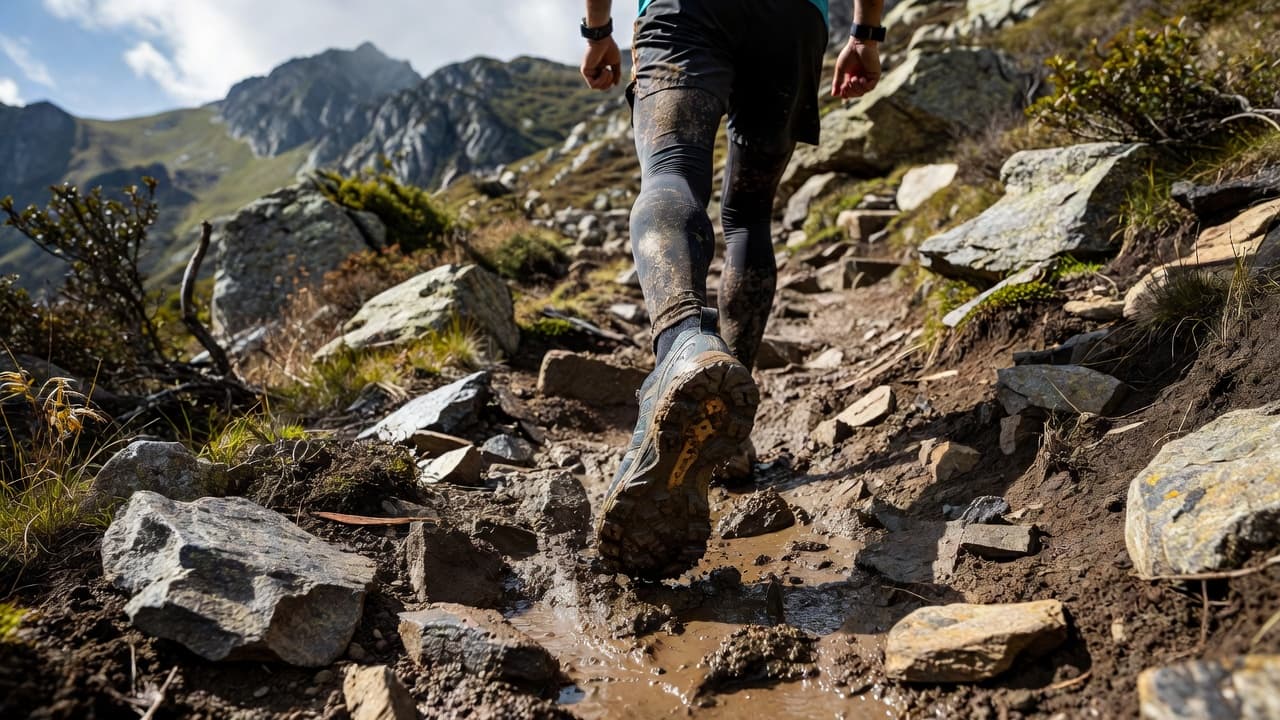
The Icebug Zeal is a strong fit for runners who spend more time fighting the trail than cruising it. If your routes are steep, wet, rocky, or packed with loose footing, the shoe’s low stance and aggressive grip make sense right away. It feels built for precision, not comfort-first padding.
Runners Who Need Secure Foot Placement
This shoe fits runners who want their feet to stay centered on uneven ground. That includes people who run steep descents, side-hill traverses, and routes where roots and rocks keep shifting underfoot.
If you want a broader look at what makes a trail shoe feel steady, this guide to supportive trail running gear gives a helpful comparison point. The Zeal is a better match when you want direct ground contact and a firm, predictable ride.
Best for Mud, Wet Rock, and Rough Climbs
The Zeal makes the most sense when traction matters more than soft cushioning. Muddy climbs, slick stone, and technical switchbacks are the kinds of places where its grip and stable base matter most.
It is also a smart option if you dislike shoes that feel high off the ground. That lower platform helps you react faster when the trail changes shape under you. For runners who care about hydration and endurance during long efforts, a shoe that stays planted can reduce wasted energy on every step.
Who May Want Something Else
Runners who spend most of their time on smooth dirt, groomed paths, or mixed road-to-trail routes may want a softer shoe. The Zeal is not trying to be all things at once. It is focused, firm, and narrow in purpose.
You may also prefer another model if you want more cushioning for long, easy miles. The Zeal rewards control and confidence, but it asks you to accept a stiffer feel in return.
If your first concern is traction on unstable ground, the Zeal makes a lot of sense. If your first concern is plush comfort, it probably is not your best match.
For runners comparing options, a shoe like the Saucony Peregrine 16 trail stability review can help show where a more balanced trail shoe fits. Still, for technical trails that demand sharp footing, the Zeal belongs near the top of the list.
Frequently Asked Questions About the Icebug Zeal
When you start looking into specialized footwear for technical terrain, questions often come up regarding how specific models handle the rigors of the trail.
The Icebug Zeal is a unique piece of equipment designed for a distinct purpose, which naturally leads to curiosity about its limits and capabilities. Use this list of common inquiries to see if this shoe aligns with your specific needs on the trail.
Common Inquiries Regarding Trail Performance
- Is the grip good on wet rocks? Yes, the rubber compound is specifically designed to stick to slick surfaces, making it a reliable choice for technical, damp conditions.
- How does the fit compare to standard running shoes? The Zeal offers a more precise, snug fit to prevent internal movement, so it may feel tighter than a casual daily trainer.
- Is it durable enough for rocky paths? It features reinforced materials meant to withstand abrasions, helping it hold up well against jagged rocks and roots over many miles.
- Does it handle mud well? The aggressive lug pattern is highly effective at shedding mud, ensuring your traction remains consistent even when the trail is soft or sloped.
- Is there enough heel lock? The lacing system pulls the upper securely against the foot, providing a locked-in feel that keeps your heel stable during steep climbs.
- How is the cushioning for long runs? This model favors ground feel over plush padding, so it may feel firm during ultra-distance efforts compared to maximalist alternatives.
- Is the shoe heavy? It is built with a focus on agility, keeping the weight low so it doesn’t feel clunky or burdensome when you need to move quickly.
- What is the ideal distance for this model? Most runners find it excels on shorter to medium-length technical runs where responsiveness matters more than heavy shock absorption.
- Does the lacing system stay secure? The design is meant for high-intensity use, meaning the laces stay tight and provide consistent midfoot support throughout your run.
- Can you use this for road running? While it functions on hard surfaces, the aggressive lugs will wear down quickly and feel stiff, so it is best reserved for dirt and technical trails.
Understanding these details helps you decide if the Icebug Zeal stability features meet your goals for your next outing. Remember that your choice of gear also depends on how you maintain your own hydration and endurance during those challenging miles.
When you match your footwear to the specific demands of your terrain, you gain more confidence in every step you take.
Conclusion
The Icebug Zeal provides stability through a low-profile platform and direct ground contact. This design forces your feet to adapt naturally to uneven terrain.
You get a firm, predictable base instead of relying on thick foam that might collapse under pressure. Because you feel the trail beneath you, you can place your feet with precision during technical climbs or descents.
This shoe is a specialized tool for rugged environments where traction is your top priority. You should choose it if you want to avoid rolling your ankles on roots or slick rocks. It works well for runners who need their gear to stay out of the way so they can focus on their hydration and endurance during long efforts.
Test the Zeal on a short, technical route to see how it matches your natural stride. If you prefer a shoe that prioritizes grip and ground feel over plush comfort, this model is a strong candidate for your rotation. See how your feet respond to the firmer platform as you tackle your next challenging trail.


