

Can You Use the Icebug Metro for Half Marathon Training?
Yes, you can use the Icebug Metro for half marathon training, but it depends on how you run. If your weekly mileage is modest, your routes are mostly road or hard-packed paths, and you value grip and comfort over a super-light racing feel, it can work well for plenty of training runs.
Still, the shoe’s fit, cushioning, and intended use matter if you’re logging longer miles or doing faster workouts. Fueling and recovery matter too, so if you’re building a bigger training block, it helps to think about your energy needs as well, like the advice in this nutrition guide, while you compare the shoe against your training goals.
Before you decide, it helps to look at what the Icebug Metro does well, where it falls short, and whether it fits the way you train for 13.1.
What the Icebug Metro is designed to do
The Icebug Metro is built for runners who want steady comfort, secure footing, and a shoe that feels useful beyond a short loop around the block. It leans toward everyday miles, easy pacing, and mixed conditions, which makes it appealing if your half marathon training includes wet streets, packed paths, and low-key recovery runs.
Build Your Complete Race-Day Setup
The right shoe helps, but faster racing comes from better training, pacing, recovery, fueling, and execution.
More Guides for This Shoe
For a race build, that matters more than flashy speed features. When your legs are tired, a shoe that feels stable and trustworthy can keep an easy day easy. If you’re comparing options, a running shoe reviews hub can also help you see how the Metro stacks up against more traditional trainers.
Comfort-first features that stand out
The Metro is made to feel easy on the foot from the first step. Its cushioning aims for a soft, protective ride rather than a sharp, snappy one, and that makes it a sensible choice for recovery days or relaxed aerobic runs.
Fit matters just as much. A secure upper, decent hold around the midfoot, and a shape that does not fight your stride can reduce distractions when you’re out for longer training sessions. That kind of comfort is useful when you want your shoes to disappear a little and let your legs do the work.
In practice, this means the Metro can fit into a half marathon plan like a dependable training partner. It may not feel explosive, but it can feel pleasant when you just need to get the miles done.
Why the outsole matters for training runs
The outsole is one of the Metro’s biggest selling points. Good traction gives you confidence when roads are slick, paths are damp, or a training run moves onto light trail sections after rain.
That confidence changes how you run. You spend less energy worrying about every corner or painted crosswalk, and more energy keeping a smooth rhythm. On half marathon training days, that matters because weather does not always cooperate, and many runners still need to train before sunrise or after work.
Grip also supports consistency. A shoe that handles wet pavement better can keep you running when other pairs feel sketchy, and that can make a real difference during a long training block. If your routes often include changing surfaces, the Metro’s outsole gives it a practical edge.
Secure traction is not just about safety, it also helps you stay relaxed when conditions get messy.
Where the Icebug Metro sits compared with a true running shoe
Compared with a standard daily trainer, the Metro feels more purpose-built for comfort and grip than for speed. A true running shoe usually gives you a more flexible forefoot, a livelier toe-off, and a ride that responds better when pace changes.
The Metro is less about quick turnover and more about steady protection. It can handle repeated impact from regular mileage, but it does not try to feel fast or aggressive. For a runner building toward 13.1 miles, that means it works better for easy days than for tempo runs or intervals.
Here is the simplest way to think about it:
- Ride: The Metro feels more grounded and protective.
- Flexibility: A standard trainer usually bends more naturally through the stride.
- Responsiveness: Daily trainers often feel quicker when you pick up the pace.
- Impact feel: The Metro is built to soften the landing, not sharpen the push-off.
For half marathon training, that tradeoff can be fine if your priority is steady mileage over race-like speed. If you want a shoe that helps you move faster and recover faster between reps, a more traditional trainer may fit better. If you want to compare that kind of option, best affordable running shoes under $150 can be a useful place to start, especially if you are balancing performance with price.
The Metro is also a better match for runners who value comfort during long weeks and need a shoe that feels dependable in bad weather. If you want a more race-ready feel, it will probably feel a little reserved. That is the tradeoff, and it is clear from the first few runs.
For runners who also pay attention to training fuel, that same practical mindset helps with race prep. A shoe can only do so much if you are under-fueled, so pairing smart footwear choices with a plan like this energy-focused nutrition guide can make your half marathon block feel more manageable.
Can the Icebug Metro handle half marathon training miles?
Yes, but only in the right context. The Icebug Metro can work for half marathon training when your runs are easy, your mileage is moderate, and you care more about comfort and grip than pace. If your plan is built around steady aerobic work, it fits that job better than most shoes in its class.
The key is to treat it like a steady training companion, not a race-day tool. For a training block with lots of relaxed miles, that can be enough. For a block packed with workouts, long runs, and pace changes, you may want a more traditional trainer alongside it.
Best use cases for easy runs and recovery days
The Metro makes the most sense when the pace stays calm. Short easy runs, recovery jogs, walking warmups, and cooldowns are all places where its comfort and secure footing can shine.
That matters because easy days should feel easy. A shoe that stays stable on tired legs can help you move without fighting the ground, especially if your routes include damp pavement, rough sidewalks, or packed paths. For runners who split time between running and walking during a build, the Metro can feel especially practical.
It also works well on days when you want low pressure mileage. If your half marathon plan includes a 20- to 30-minute recovery run, the Metro can do that job without asking much from your legs. That kind of use keeps the shoe in its lane and plays to its strengths.
A smart recovery run shoe should take stress off your legs, not add more. The Metro gets closer to that goal than a fast, stiff shoe would.
When the Metro may feel limited
The limits show up when the workout asks for more speed or more structure. Tempo runs, longer progression runs, and faster intervals usually feel better in a shoe that has more bounce and a more classic running platform.
The Metro is not built to feel lively under effort. If you want a snappy toe-off or a more propulsive ride, it can feel flat next to a more standard daily trainer. Runners who like a firmer guide underfoot may also miss that familiar, traditional setup during key sessions.
That is where a shoe like the Nike Quest 6 budget trainer review can help as a comparison point. A conventional trainer often gives you more of the cushioning shape and forefoot roll that runners want for longer, harder work.
If your workout needs pop, the Metro is more likely to feel steady than exciting.
For runners who use specific race-prep sessions, that difference matters. A half marathon training plan is not just about logging miles. It also asks your shoes to support pace changes, long efforts, and tired-leg turnover. The Metro can do some of that, but it is not the shoe most runners will reach for on workout day.
Mileage, pace, and runner type all matter
Your body and your training style change the answer. A lighter runner doing modest weekly mileage may find the Metro feels fine on more of their runs. A higher-mileage runner, or someone pushing harder paces, may notice its limits much sooner.
Foot shape matters too. If you prefer a snug, stable feel and do well in shoes that stay controlled, the Metro may fit your stride nicely. If you like a roomier forefoot, a more flexible forefoot, or a softer and bouncier platform, another shoe may feel better over time.
Pace also plays a big role. Easy runners can get away with less shoe sophistication because their effort stays low. Faster runners usually need a shoe that helps them hold rhythm when fatigue builds.
That is why the same shoe can feel perfect to one runner and underwhelming to another. Training volume, speed, and body mechanics all change how the shoe behaves on the road.
For a half marathon block, pairing your shoe choice with smart fueling helps too. If your runs are getting longer, this energy-focused nutrition guide is a useful reminder that the right fuel supports the miles just as much as the right shoe does.
In short, the Icebug Metro can handle half marathon training miles if those miles are mostly easy and controlled. It is a solid fit for runners who want comfort, grip, and simple daily use. For speed work, long runs, or a more traditional ride, most runners will be happier with another shoe in rotation.
How the Icebug Metro compares with other half marathon shoe options
The Icebug Metro sits in a narrow lane. It does a good job for runners who want grip, comfort, and steady miles, but it is not built like most half marathon trainers. Once you compare it against a standard daily trainer, a cushioned long-run shoe, and a faster race-day model, its strengths and limits get much clearer.
That comparison matters because half marathon training asks different things from your shoes. Some days call for easy comfort. Other days call for protection on long runs or a quicker feel when the pace picks up.
Versus a daily road trainer
A daily road trainer is usually the closest match for most half marathon training plans. It is made for repeated miles, regular wear, and enough cushioning to handle weekly training without feeling harsh. The Metro can cover some of that same ground, but it feels more specialized.
The biggest difference is the ride. A typical daily trainer often has a smoother heel-to-toe transition and a more familiar running feel over time. The Metro feels more grounded and protective, which is nice on wet or uneven surfaces, but it can feel less fluid when you stack miles day after day.
Durability also matters here. A daily trainer is built to handle repetitive running and keep its shape through a full training block. The Metro can handle training, yet its fit and platform may feel a little more fixed as the miles add up, especially if you prefer a softer, more forgiving flex.
For many runners, that means the Metro works better as a good-weather-and-bad-weather trainer, while a classic road shoe is better as a true everyday workhorse. If you want a deeper look at a versatile trainer in that category, the Nike Pegasus Plus daily trainer review is a useful comparison point.
Over a full training cycle, the Metro tends to feel best when you use it for easier mileage. A daily trainer usually feels more balanced if you want one shoe to handle warmups, recovery runs, and regular aerobic work. In other words, the Metro is dependable, but a road trainer is more likely to stay comfortable when your weekly miles start to pile up.
Versus a cushioned long-run shoe
Some runners want more softness for half marathon prep, and that makes sense. Long runs put more stress on your legs than easy runs do, so a cushioned shoe can help reduce that beaten-up feeling late in a training block. The Metro offers comfort, but it does not give you the same plush protection you get from a more cushioned long-run model.
That difference is easy to feel. A cushioned long-run shoe usually has a thicker midsole, a softer landing, and a calmer ride when fatigue starts to show. The Metro feels more compact and practical by comparison, so it may not take as much pressure off your legs during runs that stretch past an hour.
For beginners, the easiest way to think about it is this:
- Metro: Comfortable and stable, with a firmer, more direct feel.
- Cushioned long-run shoe: Softer underfoot, with more protection for tired legs.
- Best use: The Metro fits shorter easy runs better, while a plush trainer fits longer half marathon-specific sessions.
That extra cushion can matter if you are new to half marathon training or if your body gets sore after long outings. A softer shoe can help you finish long runs with less wear and tear, even if it feels a little bulkier. For a broader look at that kind of ride, Runner’s World’s cushioned shoe guide is a helpful place to see how cushioned shoes are often chosen for longer efforts.
The Metro is still useful if you want a shoe that feels stable and simple. It just is not the best choice if your main goal is maximum softness on long-run day. For runners who want a more relaxed, protective feel during bigger mileage weeks, a cushioned trainer will usually be the better fit.
Versus a speed shoe or plated racer
A speed shoe or plated racer lives in a different category. Those shoes are built to help you turn your feet over faster, save energy at race pace, and feel more efficient when you push hard. The Metro does not try to do that job.
Instead, the Metro focuses on comfort and practicality. It feels more useful for steady training runs, mixed conditions, and everyday wear. It does not have the quick snap or aggressive push-off that runners usually want on race day, and it will not make intervals or tempo runs feel as light and fast as a plated shoe would.
That difference shows up most in the way the shoe responds under effort. A racer wants to roll quickly and help you hold pace with less drag. The Metro gives you traction and comfort first, then asks you to create the speed yourself. For half marathon training, that can be fine on easy days, but it is not the same thing as a race-day tool.
If you want a shoe built more for pace and efficiency, a model like the Nike Vaporfly 4 performance review gives you a better example of what a faster race shoe is meant to do. A shoe like that is designed for speed on race day, while the Metro is designed to feel dependable when the run is plain and practical.
The Metro can support training, but it does not replace a true race shoe when seconds matter.
That is the cleanest way to judge the Icebug Metro half marathon question. It works well as a comfort-first training shoe, especially for easy miles and rough weather. If you want more bounce, more cushion, or more race-day speed, another option will fit the job better.
What to look for before you commit to training in the Metro
Before you put the Icebug Metro into a half marathon plan, check how it fits your body and your routes, not just how it feels in the store. A shoe can look right on paper and still miss the mark after 10 miles, a wet hill, or a long training block.
The best test is simple. You want a shoe that feels secure, matches the ground you run on, and supports the way your body moves. If any of those pieces are off, the miles will tell you fast.
Fit, toe room, and heel hold
A proper fit can save you from the small problems that become big ones later. Tight toe boxes cause hot spots and blisters. Loose heels let the shoe slip, which can rub your skin raw over time.
For half marathon training, the shoe has to feel right from the first mile to the last. You do not want to spend week after week adjusting your socks or thinking about your feet. If the fit is off early, it usually gets worse as fatigue builds.
That is why toe room and heel hold matter so much. Your toes need space to spread on landing, but your heel should stay locked down without pinching. If you want a clearer checklist for sizing, this running shoe fit guide is a practical place to compare your fit.
A good test is to walk, jog, and turn in the shoe before you commit. Pay attention to:
- Toe space at the front
- Heel slip at the back
- Pressure across the midfoot
- Any rubbing around the collar
If the fit feels uncertain in the store, it usually feels worse at mile nine.
Surface choice, road, path, or mixed terrain
Where you run most often should shape your decision. If your half marathon training stays on dry roads, you may not need aggressive traction. If your routes include wet pavement, packed dirt, or changing ground, outsole design matters a lot more.
The Metro makes more sense when the surface is unpredictable. A grippy outsole can help you stay relaxed on slick corners, damp sidewalks, and mixed routes. That can make a real difference when the weather turns or your loop changes mid-run.
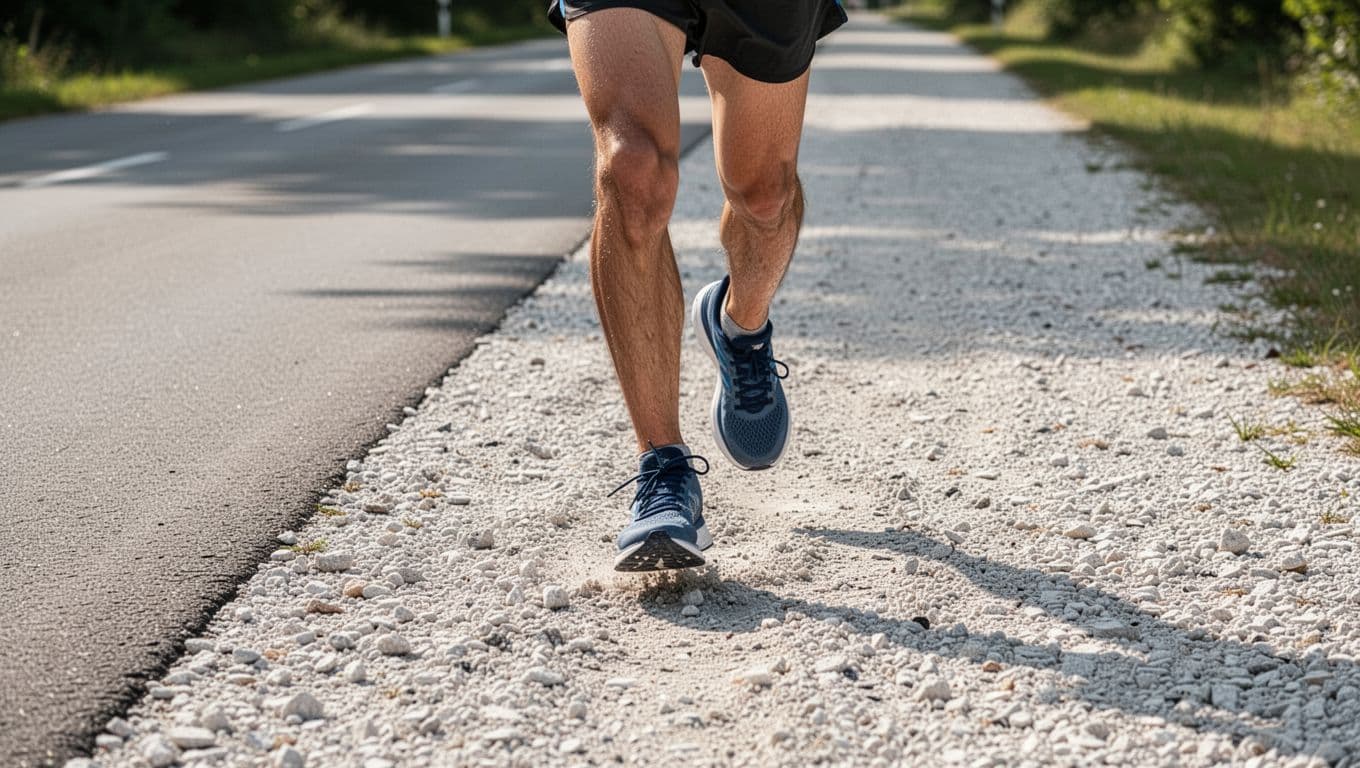
For runners who split time between roads and trails, it helps to compare the Metro with other road-to-trail options. A roundup like iRunFar’s road-to-trail shoe guide can give you a better sense of what traction looks like in this category.
Think about your real weekly routes, not your ideal ones. A shoe that grips well on the surfaces you actually use is often more valuable than one that looks better on a treadmill.
Support needs and injury history
Your injury history should guide this choice too. Old ankle issues, arch discomfort, or recurring knee pain can all change how a shoe feels after a few runs. What feels fine for one easy jog can become a problem during a longer training cycle.
Notice how your body responds to different shoes. Some runners feel better with a little structure under the arch. Others want a more open, flexible ride. The Metro may suit runners who like a stable, grounded feel, but it still needs to match your own movement pattern.
Pay attention to old warning signs. If a shoe makes you tense up, change your stride, or shift pressure to one side, that is useful feedback. Half marathon training puts enough stress on the body without adding extra strain from the wrong pair.
Fuel matters here too, because tired legs expose weak spots faster. A smart training plan includes recovery and energy support, and this energy-focused nutrition guide is a useful companion when your mileage starts to build.
The best fit is the one that supports your history, not someone else’s. If your body has specific needs, the right shoe should calm things down, not create new problems.
How to test the Icebug Metro in a half marathon training plan
The best way to judge the Icebug Metro for half marathon training is to test it in the same way you plan to use it. Start small, then watch how it behaves as the miles build. That gives you a clear answer without guessing.
A shoe can feel fine for a quick jog and still fall apart once fatigue sets in. So, pay attention to comfort, stability, and recovery after each run. Fuel also matters during a training block, especially as your long runs get longer, so keep your energy plan steady too with this practical nutrition guide.
Start with short easy runs
Begin with short, low-pressure runs of 20 to 30 minutes. Keep the pace conversational and choose a route you know well. That makes it easier to tell whether the shoe feels good, or whether something feels off.
During the run, notice three things right away, the fit, the ground feel, and whether your stride feels natural. If the shoe rubs, shifts, or feels awkward on turns, that matters more than how it looks on the shelf.
After the run, check for hot spots, heel slip, or pressure across the forefoot. A good test shoe should leave your feet feeling normal, not worked over. If the Icebug Metro feels smooth on these easy outings, that is a strong first sign.
Watch how it feels after several miles
The first mile can hide a lot. A shoe often feels fine when your legs are fresh, then changes once your form loosens and your feet start to swell a little. That is why the real test begins after several miles, not at the start.
Look for foot fatigue, dull pressure points, and any spots that feel tighter as the run goes on. If the Icebug Metro stays comfortable at mile four or five, it has a better chance of fitting into your half marathon plan.
Also pay attention to ride consistency. Some shoes feel steady early, then turn stiff or flat later. A solid training shoe should feel mostly the same from start to finish, even when your legs are not fresh.
If the shoe only feels good for the first mile, it probably isn’t the right one for longer training runs.
Use training logs to spot patterns
A simple log makes the decision much easier. Write down how your feet felt, how the traction handled the surface, and how your legs recovered later that day or the next morning. Over time, the pattern matters more than any single run.
Use a quick format after each run:
- Soreness: Were your calves, arches, or knees more tired than usual?
- Comfort: Did the shoe stay pleasant, or did any pressure build?
- Traction: Did it feel secure on wet roads, turns, or packed paths?
- Recovery: Did your feet feel normal again within a few hours?
If the same issues show up two or three times, trust that signal. You do not need a complicated system, just enough detail to answer yes or no with confidence. If the Metro keeps your easy runs smooth, your feet calm, and your recovery clean, it can earn a spot in your half marathon rotation.
Frequently asked questions about using the Icebug Metro for half marathon training
A lot of runners want a simple answer before they buy a shoe. The Icebug Metro half marathon question comes down to fit, pace, and the type of runs in your plan. If your training stays mostly easy and your routes include wet or uneven surfaces, the Metro can make sense. If you want more bounce for workouts, it may feel too plain.
Is the Icebug Metro good enough for a half marathon training block?
Yes, for the right runner. The Metro works best when your plan includes steady mileage, recovery runs, and a few longer easy efforts. It is less convincing if you need a shoe for tempo runs, pace work, or a very cushioned long-run feel.
That means the Metro is a fit for runners who value grip and comfort more than speed. If your half marathon build is simple and your weekly mileage is moderate, it can do the job. For a more structured plan, these half marathon training tips can help you decide whether the Metro covers your needs or leaves gaps.
Can I use the Metro for long runs?
You can, but only if the long run stays controlled. The Metro feels better on steady aerobic miles than on hard, race-specific efforts late in a run. It gives you enough protection for relaxed distance, yet it does not feel plush enough for everyone once fatigue stacks up.
If your long runs are the main focus of the week, pay attention to how your legs feel after mile six or seven. A shoe that feels fine early can start to feel flat later. Fuel also matters on those days, so keep your energy plan steady with this practical nutrition guide.
Will the Icebug Metro work for speed sessions?
Not well for most runners. The Metro is built for comfort and traction, not for quick turnover or a lively toe-off. Intervals, tempo runs, and progression workouts usually feel better in a lighter, more responsive trainer.
If you only do speed work once in a while, you can still wear the Metro for warmups, cooldowns, or easy mileage around those sessions. For the main workout, though, most runners will want a shoe that feels sharper and faster. That keeps your training closer to race pace and makes hard days feel more natural.
Is the traction worth it for road-only training?
For dry roads, maybe not. The Metro’s grip matters most when the ground gets slick, the weather turns, or your route changes from pavement to packed paths. If you always run on clean, dry roads, that feature may not change your training much.
Still, traction can be a nice safety net. It helps on rainy mornings, painted crosswalks, and sharp turns. Runners who train year-round often appreciate that extra security more than they expect.
What kind of runner gets the most from the Metro?
Runners who want a stable, comfortable shoe for easy miles get the most out of it. It also fits people who run in mixed weather or on surfaces that can get sloppy. If your easy runs are the backbone of your half marathon training, the Metro can play a useful role.
By contrast, runners chasing a faster finish, a springier ride, or a softer long-run shoe may prefer something else. The Metro is practical, not flashy. That can be a strength if you like simple, dependable gear and your plan stays grounded in easy training.
Conclusion
The Icebug Metro is a capable companion for your training if you value comfort, grip, and consistency over speed. It shines on easy recovery days and damp, unpredictable routes where secure footing keeps your mind at ease. If your training plan requires a faster, snappier ride for intervals or tempo runs, you will likely find better success with a traditional road-specific trainer.
Before you commit to this shoe, take a hard look at your weekly surface types and your specific pace goals. If your routes involve mostly clear, dry asphalt, the traction features may offer less value than they would for someone tackling mixed conditions. A 12 week half marathon training plan can also provide the structure you need to see how well these shoes handle your specific mileage volume over time.
Your gear is only one part of the equation, so ensure you pair your footwear with proper fueling to keep your energy high through your long runs. You can check out this energy-focused nutrition guide for practical tips to support your performance. Take a few test runs on your regular paths to see if the fit and feel match your needs, and trust your body’s feedback above all else.


