

Is the Icebug Metro a Good Choice for Beginner Runners?
Yes, the Icebug Metro beginner can work for some new runners, but it won’t suit everyone. Its grip, comfort, and everyday wear potential make it worth a closer look if you want one shoe that can handle more than a short run.
If you’re trying to figure out whether it fits your feet, feels good on the run, and makes sense for the roads or paths you use most, this review will help. It also helps to think about the basics before you buy, like size, support, and how your training habits affect shoe choice, as covered in this beginner running shoe guide.
Good hydration matters too, since comfort and effort can change fast when you’re under-fueled or dry, so this endurance hydration guide is a useful extra read.
What the Icebug Metro is built to do
The Icebug Metro beginner makes the most sense when your runs leave the pavement behind just enough to matter. It is built for traction first, then comfort, then everyday use. That balance can help a new runner feel less exposed on bad-weather routes, especially when sidewalks shine with rain or packed dirt turns slick underfoot.
Build Your Complete Race-Day Setup
The right shoe helps, but faster racing comes from better training, pacing, recovery, fueling, and execution.
More Guides for This Shoe
How the outsole grip changes the run
The outsole is the headline here. Icebug puts real attention into grip, so the shoe feels planted when the ground gets messy. Wet pavement, cold sidewalks, slushy edges, and hard-packed dirt can all feel less sketchy because the tread has more bite than a standard road shoe.
That kind of grip changes your mood as much as your footing. A beginner often tightens up on slippery routes, shortens the stride, and starts second-guessing every step. With stronger traction, you can relax a little more and focus on rhythm instead of bracing for a slip.
The difference shows up most in places where normal road shoes can feel vague. City crossings after rain, leaf-covered paths, and compact gravel all become more manageable. For runners who split time between errands and easy mileage, that extra hold can make the run feel safer and more natural.
For a broader look at winter-ready shoe traits, Runner’s World notes that full-coverage rubber outsoles help on wet, slippery surfaces. That is the same idea at work here, just in a more daily-use package.
Why the upper and fit matter for new runners
Fit can make or break a first running shoe, and beginners notice it fast. If the upper feels stiff, rubs in the wrong place, or squeezes the toes, you feel it right away on a short run. The Icebug Metro beginner is built to feel easy to live with, so it matters that the shoe offers a secure hold without turning the forefoot into a vise.
A good fit should let your heel stay put while still leaving room up front. That matters more than flashy foam or extra features when you are just starting out. You want the shoe to disappear after the first mile, not remind you of every seam and pressure point.
It also helps that this kind of shoe can work beyond running. If you wear it for walks, errands, and short training sessions, you notice comfort in a practical way. A beginner usually wants one pair that feels simple, stable, and ready when you are. That is where the Metro has real appeal.
Where the Metro fits in a beginner’s shoe rotation
This shoe can work as a first running shoe if your routes are often wet, cold, or rough. It also makes sense as a bad-weather backup, especially if your main trainer feels too soft or too smooth for slippery ground. For someone who walks a lot and runs a little, it can fill both roles without feeling out of place.
If your usual routes are dry roads and you want a plush, forgiving ride, a softer everyday trainer may be the better pick. The Metro is more about control and confidence than marshmallow-like cushioning. That tradeoff matters. A beginner who wants security on mixed surfaces may prefer it, while someone chasing pure comfort on smooth pavement may want something gentler.
In practice, the Icebug Metro beginner fits best for runners who want one shoe to handle rough weather and short miles. It is less about speed and more about dependable footing, so it rewards practical use over performance chasing. For route planning and shoe shopping, the running shoe comparison hub can help narrow down what fits your needs next.
Icebug Metro beginner: who will like it most
The Icebug Metro beginner fits runners who care more about steady footing than a soft, floaty ride. If your routes often turn wet, gritty, or uneven, this shoe gives you a calmer step and less second-guessing.
That makes it a strong option for new runners who want confidence first. Speed can wait. Sure footing matters more when you are still building rhythm and learning how your body reacts to the road.
Best for runners on wet streets and mixed surfaces
Rain changes everything underfoot. Painted crosswalks get slick, slush piles up at the curb, and uneven pavement can catch you off guard. The Metro handles those moments well because its grip helps you stay composed when the ground feels uncertain.
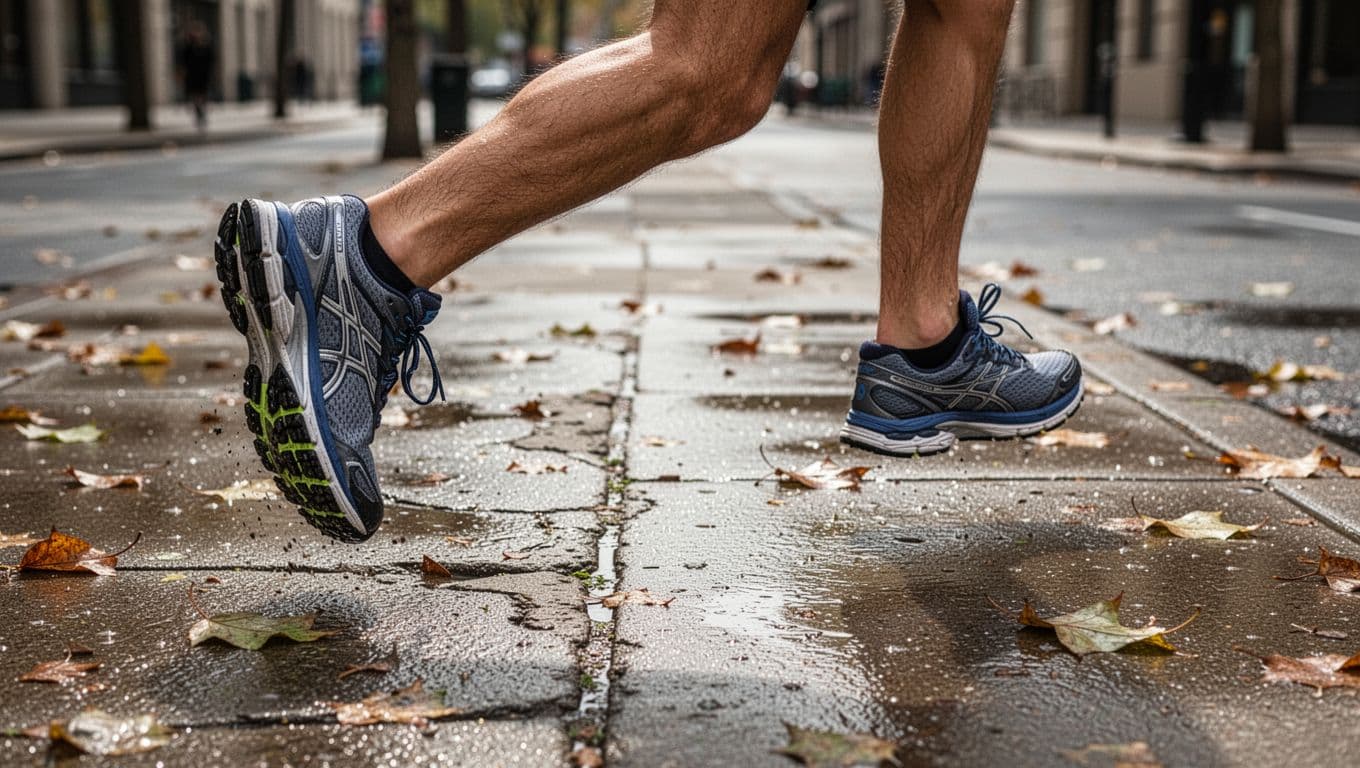
That matters even more for beginners, because a small slip can ruin the whole run. A shoe with stronger traction can calm your stride, and that often helps you relax into a better pace. For a clear look at why outsole grip matters on wet ground, RunRepeat’s outsole guide explains how rubber and tread change traction.
This is also a smart pick if your run mixes sidewalks, packed dirt, and hard city paths. The shoe feels more at home in the messy middle than on a spotless track. In other words, it works best where regular road shoes start to feel a little too smooth.
When the weather turns sloppy, confidence in the ground can matter more than extra softness.
A good match for short, easy miles
New runners often start small. Walk-run sessions, short recovery runs, and a few low-mileage outings each week are common at the beginning. The Metro fits that kind of routine well, especially if you want comfort and grip more than a race-day feel.
It can also work for mixed use. You might wear it for a short jog, then keep it on for errands or a long walk. That makes it practical for beginners who want one shoe that does not feel out of place off the run.
A simple weekly pattern often looks like this:
- Walk-run intervals on flat neighborhood streets
- Short easy runs after a rest day
- Recovery walks when your legs feel tired
- Light runs in damp or cold conditions
The Metro makes sense in that setting because it stays stable and easy to trust. You do not need a big, lively bounce for a 20-minute run. You need a shoe that feels secure from the first step to the last.
Who may want a softer or more cushioned shoe instead
Some beginners want a gentler ride right away. If your main goal is road mileage on dry pavement, a softer daily trainer may feel better underfoot. Plush foam can take more sting out of repeated foot strikes, especially when your legs are not used to running yet.
The Metro is less about sink-in cushioning and more about control. That can feel firm if you expect a pillowy ride or a springy toe-off. Beginners who love a smooth, cushioned feel may do better in shoes like the ASICS Gel Pulse 15 for beginners or other road trainers with more underfoot softness.
A softer shoe may suit you better if you:
- Run mostly on dry roads
- Want a bouncier feel
- Put comfort above traction
- Prefer a more traditional daily trainer shape
The right choice depends on your surface and your habits. If your runs are short, wet, or a little rough, the Metro makes a lot of sense. If your miles are mostly smooth pavement, a plusher shoe may feel easier from day one.
Comfort, cushioning, and stability on real beginner runs
For new runners, comfort matters more than flashy specs. The Icebug Metro beginner feels built for steady, practical miles, with a ride that favors control and grip over a soft, floating feel. That makes it easier to judge whether the shoe fits your body, your pace, and the surfaces you actually run on.
What the cushioning feels like on the road
The cushioning feels moderate, with a firmer edge than a plush road trainer. That matters because beginners usually start with shorter runs, walk-run sessions, and easy mileage that does not need a super-soft platform. You get enough underfoot comfort to keep the run pleasant, but not so much that the shoe feels mushy or detached from the ground.
On short runs, that firmer feel can actually help. Your steps feel clear and easy to read, so you notice your landing and rhythm without fighting the shoe. As your weekly mileage grows, that kind of balance can be useful because it keeps the shoe predictable instead of overly squishy.
If you want to compare it with a more traditional daily trainer, the Nike Pegasus Plus daily trainer review gives a good reference point for a smoother, more familiar road feel.
Moderate cushioning works well when your runs are still short enough to keep form fresh.
Does it help you feel steady and secure
Yes, and that may be its biggest strength for beginners. When you are still learning how to move efficiently, a shoe that feels steady can calm the run from the first step. You are less likely to feel wobbly on uneven pavement, and that can make a big difference when confidence is still building.
Stability matters because beginner form is often a work in progress. Some runners overstride. Others land awkwardly when they get tired. A stable shoe gives you a more grounded feel, so you can focus on posture, cadence, and breathing instead of worrying about every step.
That sense of security also helps on turns, curb cuts, and mixed surfaces. The shoe feels like it wants to stay under you, which is a simple but valuable trait for newer runners. A smooth, controlled ride often matters more than a flashy one when you are just trying to finish your run feeling good.
How it handles longer beginner sessions
The Metro can handle a few miles without falling apart on comfort, but it still feels best on shorter to moderate outings. After a while, the firmer ride may feel more noticeable, especially if you prefer a soft, cushioned landing. For some runners, that is fine. For others, it makes the shoe better for easy neighborhood runs than for longer weekend efforts.
That said, it can grow with you if your training stays modest. If you are building toward 3 to 5 mile runs, or using it as a steady shoe for mixed weather, it still makes sense. Just keep an eye on how your legs feel once fatigue sets in.
Longer beginner sessions also ask more from your body, so comfort outside the shoe matters too. Good hydration and pacing help a lot, and this endurance hydration guide is useful if you are starting to stretch your runs a little farther.
In short, the Metro is comfortable enough to support a beginner, stable enough to inspire trust, and firm enough to stay controlled. If your runs are short, careful, and mostly practical, it fits that job well.
Pros and cons of the Icebug Metro for beginners
The Icebug Metro beginner is a smart pick if you want more grip and more confidence than a typical road shoe offers. It feels built for runners who deal with slick sidewalks, damp paths, and mixed surfaces, but that same focus brings a few tradeoffs.
If you are new to running, those tradeoffs matter. A shoe can look great on paper and still feel wrong the first time your feet hit the ground, so it helps to weigh the good and the bad before you buy. Hydration, route choice, and pace matter too, especially when you are still learning how your body handles longer efforts, and this endurance hydration guide is a useful read if your runs are starting to stretch out.
The biggest reasons beginners may like it
The biggest draw is traction. New runners often feel tense on wet pavement or rough ground, and the Metro helps take that edge off. When your shoes bite into the surface better, you spend less energy worrying about slipping and more energy on form, breathing, and simply getting through the run.
That confidence carries over into everyday use too. You can wear the Metro for a walk, a short jog, or a trip across a wet parking lot, and it still feels at home. For a beginner who wants one pair that pulls double duty, that versatility is a real advantage.
It also makes sense in bad weather. Snowy slush, cold sidewalks, and leaf-covered paths can turn a simple run into a cautious shuffle. The Metro handles those conditions better than many standard trainers, which is why it may suit runners who do not want to skip training every time the forecast changes. For a closer look at how it performs in a broader training role, see this Icebug Metro daily trainer review.
A few reasons beginners may like it most:
- Strong traction on wet, gritty, or uneven surfaces
- More confidence on tricky routes and bad-weather days
- Useful for walking and running, which adds value if you want one pair for both
- All-season potential for runners who stay outside in cold, damp months
If your routes are messy more often than clean, grip can matter more than extra softness.
The main drawbacks to think about first
The Metro is not the softest shoe in the room. Its ride feels firmer than many entry-level trainers, so if you want a cushioned, bouncy step, it may feel a little plain at first. Some beginners like that grounded feel, but others want more give underfoot right away.
Price can also be a sticking point. Shoes built around traction and specialty use often cost more than basic road trainers, and that can make the decision harder if you are still testing out running as a habit. If you are unsure how often you will run, paying extra for grip may feel like too much.
Fit is the other big issue. A secure shoe is good, but not every foot shape will love the same lockdown. If you have a wide forefoot, sensitive arches, or heels that slip easily, you need to try it on carefully. A shoe with strong traction means little if it rubs or presses in the wrong place.
The main downsides are simple:
- Firmer cushioning than many beginners expect
- Less bounce for runners who like a lively ride
- Higher price than some standard first shoes
- Fit may be picky for certain foot shapes
How it compares to a typical first running shoe
A typical first running shoe usually aims for comfort, softness, and easy road feel. The Icebug Metro beginner takes a different path. It puts grip and control first, then builds comfort around that idea. That makes it feel more grounded and practical, while a classic trainer often feels smoother and more forgiving on dry pavement.
If your runs happen mostly on clean roads or treadmill belts, a standard entry-level trainer may feel better. You get softer landings, more familiar cushioning, and a ride that asks less of your legs. That can be a good fit if you are easing into running and want the least resistance possible.
The Metro makes more sense if your routes are less predictable. It gives you traction that many road shoes simply do not match, so you can move through wet corners, packed dirt, and slushy patches with more trust. In short, the choice is between grip and versatility on one side and soft, traditional comfort on the other.
If you want a quick comparison, here is the easiest way to think about it:
| Shoe type | Best for | Main feel |
|---|---|---|
| Icebug Metro | Wet, mixed, or cold surfaces | Firm, secure, stable |
| Typical beginner road shoe | Dry pavement and easy mileage | Softer, smoother, more cushioned |
For beginners, that difference matters more than brand names or flashy specs. If your runs are practical and weather-proof, the Metro fits well. If you want a plush first shoe for calm road miles, a more standard trainer may suit you better.
How to know if the Icebug Metro matches your running goals
The Icebug Metro beginner works best when your running goals are practical. If you care more about staying upright on wet streets than chasing a plush, bouncy ride, it fits the job well. The shoe feels most useful when the weather gets ugly, your routes are mixed, and you want a pair that can handle more than a straight-ahead road run
If your goals are still taking shape, start with the basics. Fit, surface, and weekly mileage matter more than brand names. A running shoe buying guide can help you sort out what matters most before you commit to a pair.
If you run mostly in bad weather, it may be a strong fit
Weather and surface conditions change the whole feel of a run. Slick crosswalks, wet leaves, packed dirt, and slushy curb edges can turn an easy outing into a tense one. The Icebug Metro beginner handles those conditions better than many standard road shoes because its grip gives you more confidence underfoot.
That matters most when the ground is not clean and dry. A shoe like this can help you keep a smoother stride when other shoes make you feel cautious. For runners who stay outside through rain, cold, or early winter mess, that extra traction is more than a nice detail.
The fit also makes more sense if your runs are short and practical. You may not need race-day speed or ultra-soft foam. You need a shoe that stays steady when the pavement gets sloppy.
If bad weather changes your route choices, the Metro may match your goals better than a soft everyday trainer.
If you want one shoe for walking and running, it has appeal
Beginners often want less clutter in the shoe closet. One pair for errands, walks, and short runs feels simple, especially if you are just getting into the habit. The Metro works well in that role because it is easy to wear outside the run, not just during it.
That kind of versatility helps when your week is unpredictable. You might walk to the store in the morning, then squeeze in a 20-minute run later. A shoe that feels stable in both settings saves you from switching pairs all day.
It also helps if you value consistency. The same shoe on a grocery run and a neighborhood jog can make your routine feel easier to repeat. If you are still building a running habit, that simplicity can matter more than flashy performance features.
For runners who want their first pair to do double duty, the Metro has a clear place. It feels less like a special-occasion shoe and more like a reliable tool you keep by the door.
If you want soft, easy miles above all else, keep looking
Some beginners want one thing first, comfort. They want a shoe that feels soft the moment it hits the pavement and stays that way through every easy mile. If that sounds like you, the Metro may feel a little firmer than you want.
Its ride is controlled, not pillowy. That can feel good on slippery ground, but it may leave cushion-first runners wanting more forgiveness. A more traditional road trainer often feels better if your runs are mostly dry pavement and your main goal is a gentle landing.
That choice becomes more important as your runs get longer. When your legs are tired, soft foam can take the edge off each step. If you prefer that feeling, a different model may suit you better, even if it gives up some traction.
Hydration and recovery also shape how those longer efforts feel, especially when you start stretching your runs. This endurance hydration guide is useful if you want to keep easy miles from turning into a grind.
So, the Metro matches your goals if you want:
- Better grip on wet or messy routes
- One shoe for walking and short runs
- A steady, grounded ride
- Practical use over soft cushioning
It misses the mark if you want:
- A plush, cloudlike feel
- A pure road running shoe
- A softer option for long, easy mileage
The best way to think about the Icebug Metro beginner is simple. If your goals lean toward confidence, grip, and everyday usefulness, it fits well. If your goals center on softness and smooth pavement comfort, keep shopping for a more cushioned trainer.
How to choose the right size and break them in
A good fit matters even more with the Icebug Metro beginner because the shoe feels secure and structured. If the size is off, that firm build can go from supportive to distracting fast. Take a few minutes to test the fit before your first run, and you can save yourself a return later.
Sizing tips that can save you a return
Start with length. Stand in the shoes, then press your toes forward until they almost touch the front. You want a little space, about a thumb’s width, so your toes have room when your feet swell on a run.
Next, check width. Your foot should feel held, not pinched. If the sides press hard or your little toe feels trapped, the shoe is too narrow for you.
Heel hold matters just as much. Walk around and lift your heels a few times. A small amount of movement is fine, but your heel should not slide up and down like it’s on a loose step.
If you can, try the shoes later in the day when your feet are a bit larger. That gives you a more realistic fit check. For a simple fit checklist, this running shoe size guide covers the key signs to watch for.
What to expect during the first few runs
The first few outings may feel a little firm. That is normal if the shoe feels snug in the heel and stable underfoot, because the materials need a short adjustment period. A new pair often feels more like a firm handshake than a soft hug at first.
You may also notice light pressure across the upper or around the arch. If that feeling fades after a couple of short runs, the fit is probably fine. However, sharp rubbing, toe jam, or numbness are warning signs, not things to “work through.”
Keep the first runs short, easy, and low-stakes. A 10 to 20 minute run gives you enough time to notice hot spots without overdoing it. Brooks has a helpful break-in overview for new running shoes that matches this slow-start approach.
A shoe should settle in, not punish you for wearing it.
If the pressure stays in one spot after a few wears, the fit is probably wrong. The same goes for heel lift that keeps showing up, because that usually means the size or shape doesn’t match your foot.
Simple care habits that help the shoe last longer
Wet and dirty conditions can wear down running shoes faster, so a little care goes a long way. After a run, knock off loose dirt, wipe the upper with a damp cloth, and let the shoes air-dry at room temperature. Avoid direct heat, since it can damage glue and materials.
If the shoes get soaked, remove the insoles and loosen the laces so air can move through them. Stuffing them with dry paper can help pull out moisture. Just replace the paper once if it gets damp.
Storage matters too. Keep them in a cool, dry place, not in a trunk or by a heater. If you use them for both walking and running, let them dry fully before the next outing so the inside doesn’t stay damp.
A few simple habits help a lot:
- Brush off mud before it dries hard
- Air-dry the shoes after wet runs
- Rotate them with another pair if you can
- Store them away from heat and direct sun
Those small steps keep the Icebug Metro beginner feeling fresher for longer, especially when your routes are wet, gritty, or full of street debris.
Frequently asked questions about the Icebug Metro for beginner runners
New runners often have clear questions about gear because they want the right start. You might wonder if this specific shoe fits your routine or if it tries to do too much. Here are the answers to common questions about how the Icebug Metro beginner model performs in the real world.
Is the Icebug Metro comfortable for new runners?
Comfort is personal, but most beginners find the shoe approachable right away. It provides a secure, structured fit that keeps your foot from sliding around. You will likely notice that it feels slightly firmer than a plush distance shoe. This firmness helps you stay stable when your legs are still getting used to the impact of running. The material inside is soft enough to prevent friction on short runs, which is a major win for anyone starting out.
Is it good for road running only, or can it handle trails too?
Think of this shoe as a bridge between the road and light trail environments. It excels on wet asphalt, slushy neighborhood sidewalks, and packed dirt paths.
The deep tread provides excellent bite where standard road shoes feel slick. However, it is not a technical trail shoe. You will notice its limits on deep mud, loose rocks, or steep mountain terrain. It stays in its lane on city streets and local park trails.
Can beginners use it for walking as well as running?
The design makes it a top choice for people who want one shoe for everything. It looks neutral enough for daily errands, school runs, or commutes. Because it prioritizes stability, you will find it stays comfortable during long walks on pavement. You do not need to switch shoes after your jog, which simplifies your day significantly. It is a workhorse that fits into a casual lifestyle as much as a workout routine.
How does the grip help in wet weather?
Wet surfaces are where this shoe earns its reputation. The outsole pattern bites into slick concrete and damp pavement, preventing the slipping that often makes new runners nervous. You will feel more planted when you step onto a painted crosswalk or a slushy patch of sidewalk. This physical security leads to mental calm. When you aren’t fighting to keep your footing, you can focus on your breathing and form.
Is the cushioning enough for a first running shoe?
It offers moderate, reliable cushioning that works well for low-mileage training. You won’t find a sink-in, marshmallow-soft feel here, but that is by design.
The slightly firm platform provides a stable foundation for learning your running gait. If you need extreme softness for joint pain or heavy impact, you might prefer a max-cushion road trainer. For general beginner use, though, it balances impact protection with a responsive ride.
Does the Icebug Metro run true to size?
Most runners find the sizing follows standard street shoe patterns. You should have enough room to wiggle your toes comfortably. When you try them on, aim for a thumb’s width of space at the front. Ensure your heel feels locked in place when you walk around. If you wear thicker winter socks for cold-weather runs, consider whether you need a half-size bump, but usually, your normal size works.
How far can a beginner run in them?
This shoe is a perfect match for short to moderate runs. It shines in the three-to-five-mile range where you are building your aerobic base. Because the ride is stable rather than bouncy, it stays predictable as you log your daily miles.
If you eventually move toward longer distance goals, you might want a softer ride, but for starting out, it supports your progress perfectly. Consistent hydration remains a key part of your success, and this endurance hydration guide is a great resource as you push your limits.
Are they worth the price for a new runner?
Value depends on how you use your gear. If you only run on dry days, a cheaper road shoe might suffice. However, if you live where winters are cold or streets stay wet, the cost covers a significant upgrade in safety and utility. You are paying for the outsole technology that keeps you moving when others stay indoors. Durability is also a factor, as the rugged build often outlasts lighter, thinner training shoes.
Do they work well in winter?
Winter is the natural home for this shoe. It stays flexible in the cold, meaning the rubber doesn’t harden or lose its grip when the temperature drops.
The upper is generally more resistant to the elements than a standard mesh trainer. While you should still watch for ice, the tread performs well on packed snow and frozen ground. It is an excellent choice for keeping your training consistent throughout the darker months.
Should a beginner buy the Icebug Metro or a softer trainer instead?
The choice rests on your environment and your personal preference for underfoot feel. Choose the Icebug Metro if you want grip on wet surfaces and a stable platform for mixed-use.
It is the better tool for unpredictable weather and urban routes. Pick a softer, more traditional trainer if you run mostly on dry roads and prioritize a cushioned, bouncy sensation. Beginners who value stability over softness will find the Metro is a reliable, long-term companion for their new hobby.
Conclusion
The Icebug Metro beginner model is a reliable partner if you value footing and stability over a soft, cloudlike ride. It excels when the weather turns messy because the outsole grip keeps your stride steady on wet pavement and grit. You get a shoe that works for both short runs and daily errands, which helps keep your gear simple and your routine predictable.
This shoe may not be the right first pick if you chase a plush, bouncy sensation. If your miles are almost always on clean, dry roads, a standard road trainer often feels more forgiving on your legs.
You should choose the Metro if you want total confidence in your ground contact during cold or wet months. Alternatively, look for a softer, more cushioned trainer if your primary goal is maximizing comfort on smooth pavement.
Your success as a runner relies on more than just the right gear. Proper fuel and fluids help you maintain your form as you increase your distance, so check this guide on endurance hydration to stay ready for every outing. Take your time to test the fit, and focus on the feeling of security each step brings. Happy running.


