

Icebug Arcus Tempo Review: Comfort, Grip, and Daily Miles
If you want a road shoe that feels soft without turning sloppy, the Icebug Arcus Tempo is worth a close look. Icebug is known for shoes built with grip and purpose, and this model brings that same focus to daily road miles with a bigger, cushioned feel.
That mix makes it stand out for runners who want comfort first, but still care about how the shoe rides, fits, and holds up when the pace changes. In this review, you’ll get a clear look at comfort, fit, ride, traction, and value, plus an honest verdict on who it suits best, along with a few useful running basics like endurance hydration habits.
What the Icebug Arcus Tempo promises for daily training
The Icebug Arcus Tempo is built for runners who want comfort they can count on day after day. It sounds like a shoe made for the miles that fill most training weeks, not just the fastest workout on the calendar.
That matters because daily training shoes need to do a lot at once. They have to feel soft, stay steady, and keep your legs fresh enough to show up again tomorrow.
Build Your Complete Race-Day Setup
The right shoe helps, but faster racing comes from better training, pacing, recovery, fueling, and execution.
More Guides for This Shoe
A max-cushion road shoe with a steady feel
The Arcus Tempo points toward max cushioning without chasing a mushy ride. Underfoot, that usually means plenty of foam, a smoother landing, and enough structure to keep the shoe from feeling loose when the miles add up. If you want a shoe that takes the edge off pavement, that kind of setup makes sense.
For easy miles and recovery runs, this profile is easy to like. The extra cushioning helps blunt impact, while the steadier platform gives you a more controlled feel than a super-soft cruiser. On longer steady efforts, that balance can matter even more, because the shoe should stay comfortable after the first few miles, not just during them.
It does not sound like a pure speed shoe, and that is fine. The Arcus Tempo seems aimed at a mix of comfort and manageable pace, which is exactly what many runners want in a daily trainer. If your goal is to stack miles without beating up your legs, that blend is the selling point.
A daily trainer should disappear underfoot, not demand attention every step.
Who will like the Arcus Tempo most
This shoe should fit best with runners who value comfort and consistency over quick turnover. Daily trainers, heavier runners, and anyone who likes a stable ride will probably get the most from it. If you often want a shoe that feels dependable on tired legs, the Arcus Tempo sounds well matched to that job.
It also makes sense for runners who prefer more protection underfoot. Extra cushioning can feel especially useful on long weeks, hard surfaces, or days when your legs are already carrying fatigue from earlier sessions.
Here’s the type of runner most likely to enjoy it:
- Comfort-first runners who want a soft landing and a calm ride
- Heavier runners who benefit from more underfoot support
- Daily mileage runners who need one shoe for regular training
- Stable-ride seekers who do better in a shoe that feels planted
Runners who want a lighter, snappier shoe may look elsewhere. The same goes for people who want a more aggressive tempo option for hard workouts. If you want a firmer, faster-feeling trainer, the Arcus Tempo may feel too relaxed for that role.
For runners still narrowing down their training shoe style, choosing the right running shoes as a beginner can help frame what kind of ride fits your needs best.
Where it fits in a running shoe rotation
In a rotation, the Arcus Tempo looks like a daily trainer and easy-day workhorse first. It can also make a strong long-run option when you want comfort more than pace. That puts it in a useful middle ground for runners who want one shoe to handle a lot of their weekly miles.
It may pair well with a faster shoe if you already use separate models for workouts. A tempo shoe can cover intervals, hills, and hard efforts, while the Arcus Tempo handles the slower, longer, and more forgiving days. That split helps you save the more responsive shoe for when you actually need it.
If you prefer one shoe to do nearly everything, this model could still work. It just sounds best when you treat it as the steady anchor in your rotation, the pair you grab when comfort and repeatability matter most. For runners building mileage, that kind of role is often the one that gets the most wear.
Fit, sizing, and first-step comfort
Fit can make or break a cushioned trainer. With the Icebug Arcus tempo, the first impression is less about speed and more about how the shoe settles around your foot, how stable it feels, and whether it stays comfortable after the first mile. That matters because a shoe can look soft on paper and still feel awkward once you start moving.
Upper feel and lockdown
The upper feels built for comfort first, and that shows in the way it wraps the foot. The material has enough structure to hold shape, yet it still looks and feels softer than a racing-style upper. That tradeoff makes sense for a daily trainer, because most runners want a secure fit without a stiff, hot shell.
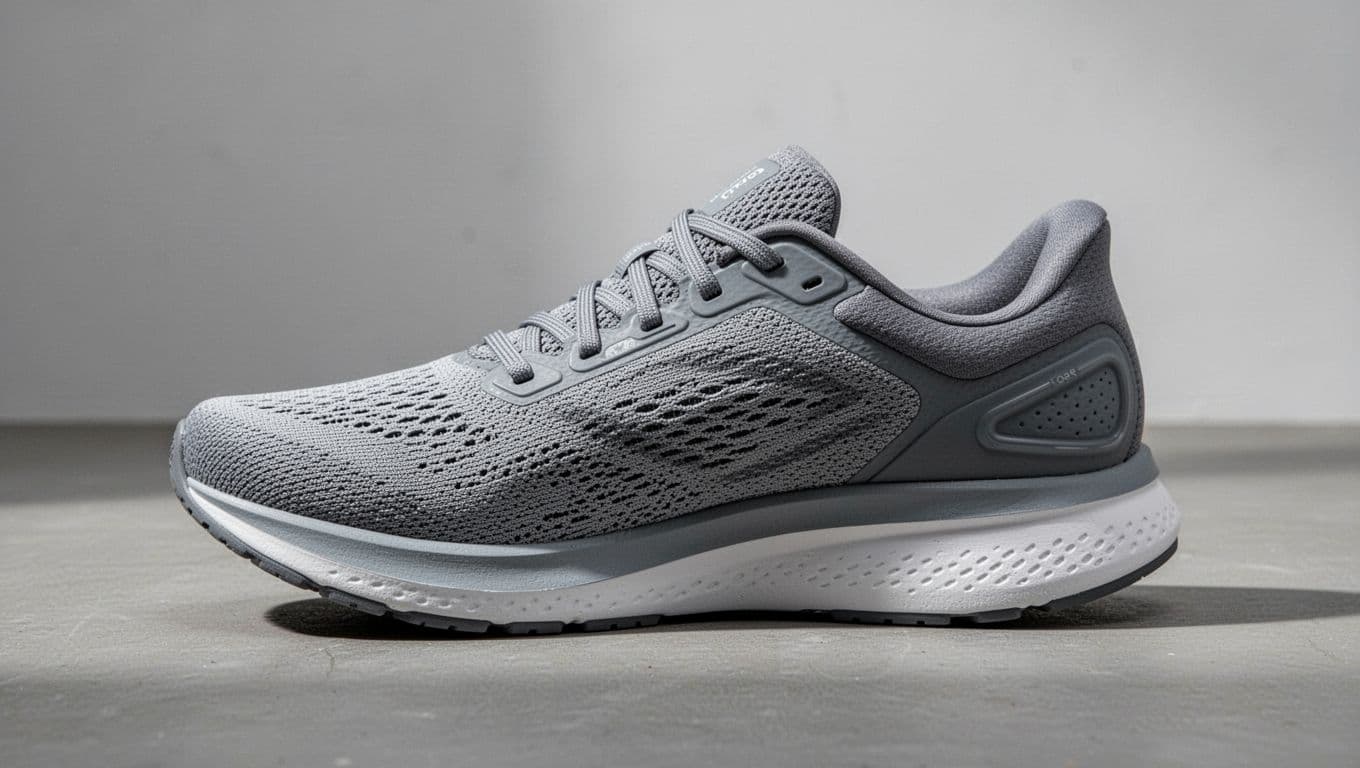
Breathability should be solid for regular road miles, though the upper does not read like a stripped-down speed shoe. That usually means a little more material around the foot, which helps with comfort and hold, even if it adds a slightly more planted, everyday feel.
Lockdown is the key question here, and the Arcus Tempo seems designed to keep the midfoot and heel seated well during normal training. You want that calm, stable hug when you land and push off, not a loose, floppy upper that shifts around.
The upper looks like it favors steady comfort over racing sharpness, and that is a good thing for easy and long runs.
Sizing notes and width considerations
Sizing sounds most predictable in a normal running-shoe range, so most runners should start with their usual size. If you like a little extra room for toe splay or long-run swelling, a half-size up could make sense, especially if you run in warm weather or use thicker socks.
Width matters too. The Arcus Tempo should work best for normal to slightly wider feet because comfort-focused shoes often give a little more room up front. Runners with narrow feet may still get a good fit, but they may need to cinch the laces more carefully to avoid side-to-side movement.
A simple fit check helps before you commit:
- Leave thumb-width room at the toe.
- Make sure the heel does not slide when you walk.
- Check that the midfoot feels secure without pressure points.
If you want a second opinion on fit basics, REI’s running shoe fit guide offers a clear standard to compare against.
Comfort straight out of the box
Right away, the shoe should feel friendly on foot. The collar padding, tongue, and step-in feel all point toward a shoe you can wear without a long break-in period. That is a big plus for runners who want to use it for daily miles instead of waiting for it to soften up.
The collar should give you a cushioned hold rather than a stiff edge, while the tongue should help spread pressure from the laces. If the midsole feels as soft as expected, the first run may feel smooth from the start, with no need to spend a week figuring it out.
For runners who care about how the shoe feels over longer outings, hydration also plays a role in comfort, especially when feet swell a bit on hot runs. A useful primer on that is hydration habits for endurance runners.
The short version is simple: the Arcus Tempo should feel ready to run fast enough for daily training, but comfortable enough to wear when your legs want a break.
How the Icebug Arcus Tempo runs on the road
On the road, the Icebug Arcus Tempo feels built for control first and speed second. It gives you a cushioned ride that suits daily mileage, yet it does not collapse into a soft blur when the pavement starts to pile up beneath you.
That balance matters. A good road shoe should take impact off your legs, but still let you stay steady, move cleanly, and finish with some pop left in the tank.
Cushioning that feels soft without getting sloppy
The foam feel is likely to land in the sweet spot for many runners. It should feel protective and smooth, with enough softness to dull the bite of asphalt, but not so much that you sink and lose rhythm.
That kind of ride works well for everyday miles. You get a forgiving landing on tired legs, and the shoe still keeps a defined platform underfoot, which helps the run feel composed instead of mushy.
The best cushioned trainers do two things at once, they soften the impact and keep the foot centered. The Icebug Arcus tempo appears to aim for that mix, so the shoe should feel comfortable without making each step feel heavy or slow.
For runners who want a softer road feel, the question is not just whether the foam is plush. It is whether the shoe keeps its shape late in the run, when your form starts to fade. This one sounds better suited to that job than to a pure marshmallow ride.
If you want a broader look at how hydration affects comfort on longer road runs, this guide to endurance hydration is a useful companion read.
Is it good for tempo runs or mostly easy miles
The word tempo matters here, because this shoe sounds more like a steady trainer than a true workout weapon. It can likely handle quicker stretches in a controlled way, but it does not read as the kind of shoe that begs for hard intervals or sharp surges.
That does not make it slow. It just means the Arcus Tempo seems best when the pace is firm but not frantic. If you like progression runs, steady-state efforts, or marathon-paced miles, it should make more sense than a full-on speed shoe.
For runners who want one shoe for most training days, that versatility is useful. It can cover easy runs, moderate efforts, and long runs without feeling out of place. Still, if you want a shoe that feels lively the moment you press the gas, this probably sits one step below that category.
A simple way to think about it:
- Easy miles: strong fit, likely the best use case
- Tempo efforts: workable, especially if you value comfort over snap
- Fast intervals: usable, but probably not the shoe’s main job
- Recovery runs: very likely a good match
The Arcus Tempo looks like a shoe that keeps things honest. It will help you move well, but it won’t fake a racer’s personality.
Stability and confidence on longer runs
Long runs expose a shoe fast. If the platform feels wobbly or the foam gets vague, fatigue shows up even sooner. The Icebug Arcus tempo seems better prepared for those miles because it should keep a stable, planted feel as the run stretches out.
That confidence matters on straight roads, where you want the shoe to track smoothly and stay out of the way. It also matters in corners and turns, where a broad, steady base can help you feel secure without overthinking your foot placement.
As pace changes, the shoe should stay calm rather than twitchy. A stable daily trainer like this works best when you speed up a little, back off, then settle again without feeling like the shoe is fighting you.
A long-run shoe should feel predictable when you are tired, because tired legs make every flaw louder.
For runners who want a road shoe they can trust late in the week, that kind of steadiness is a big plus. It should inspire more confidence than a soft, unstable cruiser, especially when your form gets a little loose near the end of a run.
The Arcus Tempo looks like a smart choice if you want cushioning, control, and enough road feel to stay connected to the ground.
Grip, traction, and weather-ready details
The Icebug Arcus Tempo brings a different kind of confidence to road running. It feels aimed at runners who do not stop when the pavement gets slick, the air gets cold, or the weather turns sloppy halfway through the week.
That focus changes the shoe’s value fast. A cushioned daily trainer is nice, but a cushioned daily trainer with dependable grip is more useful for real-world running. If your schedule keeps you outside in more than just perfect conditions, that matters a lot.
How the outsole handles wet pavement
Wet pavement is where many road shoes start to feel vague, but the Arcus Tempo is built to do better than that. The outsole should give you a more secure bite on damp asphalt, so corners, crosswalks, and painted surfaces feel less sketchy in rain.
That extra security changes the whole feel of the run. Instead of tiptoeing through wet patches, you can keep a normal stride and trust the shoe to stay planted. For year-round runners, that kind of grip turns a good training shoe into a much more practical one.
For anyone who lives with wet mornings or frequent showers, this becomes a real selling point. A shoe that holds steady in bad weather gets worn more often, which improves its value over time. If you want a broader look at what to expect from the line, the Icebug running shoe guide helps show how grip-focused design fits into the brand’s approach.
A shoe that feels safe on wet pavement often earns more miles than one that only shines in dry weather.
Built for more than just dry summer roads
The Arcus Tempo looks useful well beyond warm-weather runs. In fall, it should make sense for damp leaves, cooler mornings, and the kind of gray days when roads stay slick longer. In winter, it feels even more appealing if your routes include slush, light snow, or frozen patches that make traction more important than speed.
That seasonal range broadens the shoe’s appeal. You are not buying a pair that sits in the closet once the weather turns. Instead, you get a trainer that can keep working when conditions get messy, which is exactly when many runners start skipping miles.
It also makes the shoe easier to justify as a daily option. If one pair can cover spring rain, summer showers, and shoulder-season runs, you get more use out of it without changing your rotation too often. That matters for runners who want one dependable shoe for most of the year.
A quick fit for seasonal use looks like this:
- Fall runs feel safer when roads stay damp and leaf-covered.
- Winter miles benefit from a grip-first outsole on cold, slick surfaces.
- Spring training gets easier when rain no longer ruins the route.
- Shoulder seasons are where the shoe’s versatility really shows.
For runners trying to match shoe choice with training needs, a running shoe selection walkthrough can help narrow down what matters most in a daily trainer.
Durability signs to watch over time
Long-term value comes down to wear, and the Arcus Tempo should be judged in the usual places. Watch the outsole first, especially near the forefoot and heel, where road shoes usually lose material fastest. If the rubber coverage stays intact there, the shoe should keep its grip longer.
The upper also deserves attention. A comfort-first build can still wear well, but repeated use will show up around the toe box, lace area, and heel collar. Those spots tell you whether the shoe is holding up to daily miles or starting to break down early.
For buyers, the realistic question is mileage, not hype. A well-built daily trainer like this should handle regular training use for a solid stretch, especially if you rotate it with another pair and avoid using it for every single run. For many runners, that means the shoe can make sense as a long-haul training option rather than a short-term pick.
Hydration and shoe comfort can even affect how you notice wear over time, since hot, swollen feet put more pressure on the fit. A useful refresher on that is hydration for endurance runners.
The best signs that the Arcus Tempo is aging well are simple:
- The outsole still grips wet pavement without feeling slick.
- The midsole keeps its shape instead of packing out early.
- The upper stays secure without stretching too much.
- The heel and toe areas show even wear, not quick breakdown.
If those signs stay in check, the Arcus Tempo should be a strong value for runners who want comfort, grip, and a shoe that keeps showing up when the weather does not cooperate.
Comfort, support, and everyday run protection
The Icebug Arcus tempo leans hard into comfort, but it does not stop there. It also tries to give you a calm, protected ride that works on easy days, tired legs, and long stretches of routine mileage. That mix matters when you want one shoe to feel good at the start and still feel helpful near the end.
Why it may work well for recovery runs
Recovery runs call for a shoe that keeps the effort low and the ride easy. The Arcus Tempo seems built for that job because the cushioning should feel plush without turning the run into a wobble. You get a forgiving landing, then a steady push-off that lets you relax into the pace.
That kind of feel helps when your main goal is just to move. After a hard workout or long run, a softer platform can take some sting out of the road, while the structured feel keeps your stride from drifting too much. If you like recovery runs that stay smooth and controlled, this shoe fits that pattern well.
The best recovery shoes usually protect tired legs without asking much back, and that is where this model makes sense. For a wider look at that idea, see best cushioned shoes for recovery runs.
Research on highly cushioned shoes also points to meaningful comfort gains during running, which helps explain why many runners reach for max-cushion models on slower days, as noted in this review of cushioned shoes.
Recovery-day comfort works best when the shoe feels calm, stable, and easy to forget.
Support for runners who want a steadier platform
The Arcus Tempo should appeal to runners who like a more planted ride. It sounds like the kind of shoe that keeps your foot centered instead of letting you sink too far into the foam. That can make the shoe feel more controlled, especially when your form gets a little loose late in a run.
Support here is about comfort and control, not correction. The shoe appears to offer enough structure to feel dependable, which is useful if you prefer a steady base underfoot.
Runners who dislike overly soft shoes often want that sense of guidance, because it helps the run feel cleaner and more predictable.
If you are comparing easy-day options, how to know if you are recovered from a run can help you decide when a shoe like this makes the most sense. In practical terms, the Arcus Tempo looks best for runners who want a cushioned shoe that still behaves like it knows where the ground is.
Breathability and all-day wear comfort
Comfort does not stop when the run ends. The Arcus Tempo should also make sense for walking, standing, and general daily wear, especially if you like shoes that feel good during errands or long stretches on your feet. A cushioned trainer with a soft upper and roomy feel can be a lot easier to live in than a narrow, race-style shoe.
Airflow matters here too. The upper looks suited to regular road use, so it should breathe well enough for most conditions, though it may not feel as airy as a stripped-back speed shoe. That tradeoff is normal, because more structure often brings more comfort and a better hold.
In hot weather, breathability becomes even more important. If you run or walk for long periods in the heat, a shoe that lets air move around the foot can help it feel less sticky and cramped. The Arcus Tempo sounds like a solid option for all-day use, especially when you want one pair that can handle both training and everyday comfort without much fuss.
Verdict on the Icebug Arcus Tempo: where it shines and where it asks for compromise
The Icebug Arcus Tempo makes a strong case for runners who want comfort, grip, and a calm daily ride. It feels best when the goal is simple, steady mileage, not a flashy workout shoe that begs for speed.
That said, it does ask you to accept a few tradeoffs. The shoe looks more interested in protection and control than quick snap, so runners who want a lighter, more aggressive feel may need to look elsewhere. For the right runner, though, that focus is exactly what makes it useful.
The biggest strengths that stand out
The biggest win here is the way the shoe blends cushioning with stability. You get a soft landing that still feels organized, which is a great combo for easy runs, recovery days, and long efforts on tired legs.
Grip is another major plus. If your routes include wet roads, cold mornings, or messy shoulder-season conditions, that traction can make the shoe feel more trustworthy than many road trainers.
It is the kind of detail you notice more as the weeks go by, especially when other shoes start to feel slippery or too exposed.
A few strengths rise to the top:
- Comfort first: The ride should feel smooth and forgiving.
- Stable platform: The shoe stays more controlled than a pure soft-cushion model.
- Wet-weather grip: Traction looks like a real advantage on slick pavement.
- Daily-use versatility: It fits easy runs, long runs, and steady mileage well.
The tradeoffs you should expect
The main tradeoff is speed feel. The Arcus Tempo sounds capable enough for moderate efforts, but it does not read like a shoe built to fire off fast repeats or sharp race-day turns. If you want a more lively toe-off, this may feel a little calm.
Weight and bulk may also matter. A shoe with this much cushioning often feels a bit more substantial underfoot, and that can be a good thing on recovery days. Still, runners who prefer a light, stripped-back trainer may notice the difference right away.
The other tradeoff is simple: this is a comfort-led shoe, so it rewards runners who value support and consistency more than raw pace. If you want one pair that behaves well across many miles, that is a fair exchange.
The Arcus Tempo looks strongest when you want one shoe to handle the work, not steal the spotlight.
Best uses for the Arcus Tempo
This shoe fits a few clear jobs better than others. It makes the most sense for runners who want one dependable option for daily training and weather-proof road miles. It also fits well into a rotation if you already own a faster shoe for workouts.
The best use cases are:
- Easy runs when you want soft, steady comfort.
- Recovery runs when your legs need protection more than pace.
- Long runs when you want grip and a stable ride.
- Wet or cold conditions when traction matters more than a lively feel.
For runners who care about staying comfortable across longer outings, hydration still plays a role. A useful refresher is this endurance hydration guide, especially if you run in heat or log long road sessions.
Final take on who should buy it
Choose the Icebug Arcus Tempo if you want a cushioned road shoe that feels secure, steady, and ready for regular mileage. It is a smart pick for runners who value comfort and traction more than speed cues.
Skip it if you want a quick tempo shoe or a lighter daily trainer with more pop. For everyone else, this is a practical, well-rounded option that should handle a lot of training without much drama.
Conclusion
The Icebug Arcus Tempo makes the strongest case for runners who want comfort they can trust on everyday miles. It gives you a cushioned ride, steady support, and grip that matters when the roads are wet or messy.
That combination makes it a smart pick for easy runs, recovery days, and long training sessions where control matters more than snap. If you want a shoe that feels calm underfoot and stays useful across more of the year, this one fits that job well.
For runners who log steady mileage, hydration still matters just as much as the shoe choice. Buy the Arcus Tempo if you want a dependable daily trainer with comfort-first performance and traction you can count on.


