

Icebug Arcus Stability Review: Cushioning and Support Tested
Some shoes feel soft the moment you step in, but fall apart when the pace changes. The Icebug Arcus stability question matters because runners and walkers want comfort that doesn’t turn sloppy.
In a shoe review, cushioning is the feel underfoot that softens impact, while stability is how well the shoe keeps your foot steady through each stride. That balance matters here, since too much softness can feel loose, and too much support can feel stiff.
This analysis looks at the midsole, platform, support feel, and real-world use so you can tell how the Arcus handles everyday miles. It also shows where the shoe feels secure, where it feels plush, and whether both traits work together in practice.
What makes the Icebug Arcus different from other max-cushion shoes?
The Icebug Arcus takes a different path from many max-cushion shoes. It uses a tall, soft platform, but it does not feel loose or overly squishy underfoot. That balance is the main reason the Icebug Arcus stability story stands out.
Build Your Complete Race-Day Setup
The right shoe helps, but faster racing comes from better training, pacing, recovery, fueling, and execution.
More Guides for This Shoe
Many max-cushion shoes chase softness first. The Arcus adds structure through its shape, wider base, and steadier landing. So even with a lot of foam, it still gives you a planted feel when you stand, walk, or roll into the first few steps.
The shoe shape, stack height, and first impression
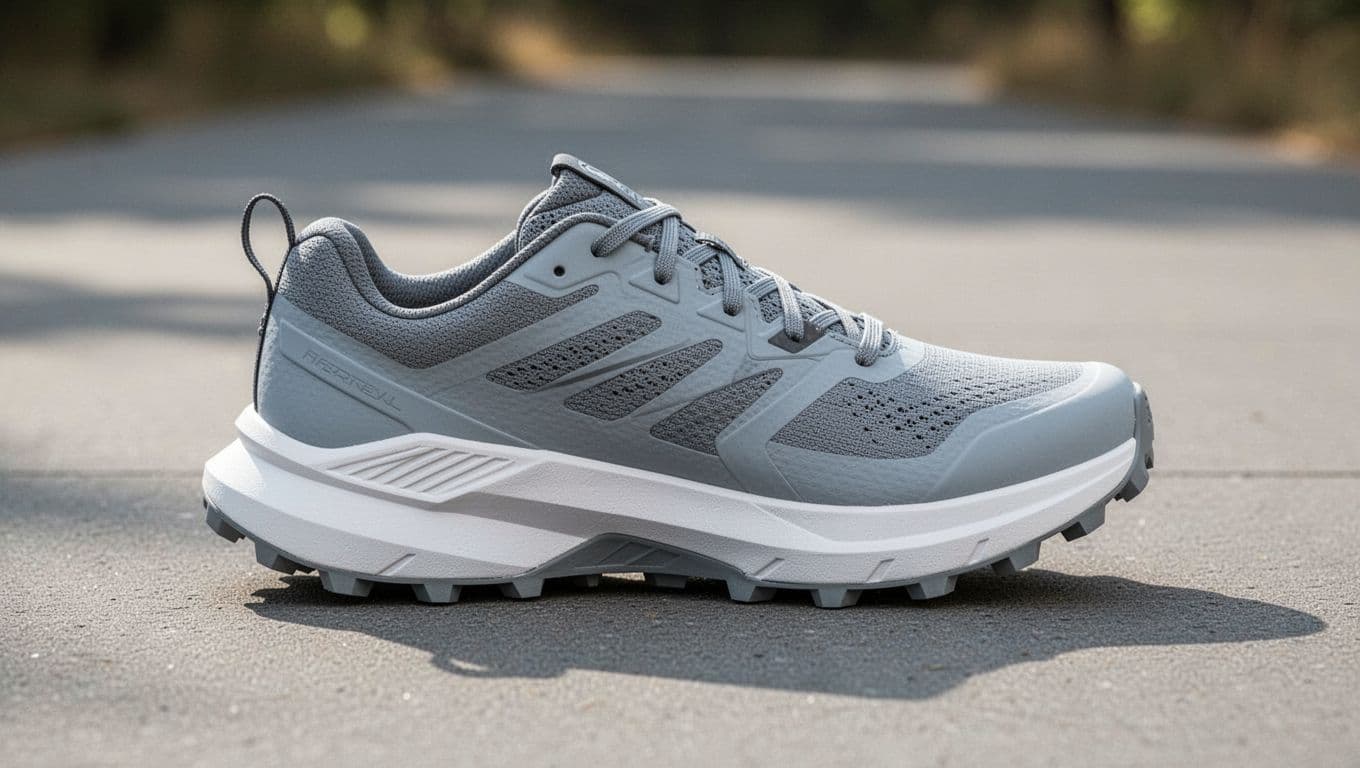
The first thing you notice is the height. The midsole rises high under the foot, so the Arcus looks like a true max-cushion shoe right away. Still, the platform does not look narrow or top-heavy. The base spreads out enough to give the shoe a grounded look, which helps explain why it feels calmer than many tall trainers.
Pick it up, and it feels substantial without being clunky. That matters because a shoe can look soft but feel unstable in hand. The Arcus has enough bulk to signal comfort, yet the shape keeps that bulk from feeling sloppy.
On the first step, the shoe feels smooth and controlled. The foam compresses, but the wide platform keeps the foot from feeling perched on a tall stack. If you have tried other max-cushion models that feel tippy or too marshy, this one feels more reassuring.
The Arcus feels tall, but it does not feel uncertain.
That first impression is a big part of its appeal. It gives you the plushness you want for easy miles, but the base keeps the ride from wandering.
Who is the Arcus built for?
The Arcus makes the most sense for easy-day runners, long-distance walkers, and people who want softness without a wobbly ride. It fits best when comfort matters more than pace. If you spend time on relaxed runs, recovery miles, or all-day walking, the shoe gives you a soft landing and a steady platform.
It also suits runners who like a roomy, forgiving underfoot feel. If you enjoy max-cushion shoes but dislike the floaty sensation some of them create, the Arcus offers a more controlled version of that experience.
For comparison, shoes like the Hoka Arahi 8 stability features show a more traditional support approach, while the Arcus keeps the support feel simpler and more natural.
That said, some runners will want something else. If you prefer a low shoe, a quick turnover, or a close-to-the-ground road feel, the Arcus will feel too tall and too soft. Speed-focused runners may also find it less sharp than lighter trainers. For a broader look at how other shoes handle support and foam, see Icebug Arcus 2 GTX review.
In short, the Arcus is built for comfort-first miles with a stable edge. It is a good fit when you want cushion that stays composed, not cushion that gets in the way.
Icebug Arcus cushioning: how soft does it really feel?
The Arcus gives you a cushioned ride, but it does not feel like a deep marshmallow sink. The foam has a soft landing, then firms up enough to keep the shoe moving in a straight line. That balance is why the Icebug Arcus stability feel works so well for relaxed miles and steady wear.
You notice the softness right away, yet the shoe still feels organized underfoot. It has enough give to reduce shock, but it avoids the loose, bottomless feel some max-cushion shoes create. That makes it a better fit for runners who want comfort with a clear sense of control.
Midsole foam feel underfoot
The midsole feels soft first, then steady. On initial contact, the foam compresses enough to take the edge off impact, but it does not collapse in a sloppy way. Each step has a smooth, cushioned start, followed by a more controlled finish.
That matters on repeated steps. Some soft shoes keep sinking lower the longer you run, which can make your legs work harder. The Arcus holds its shape better, so the ride stays more consistent over time.
The easiest way to describe it is this:
- Soft enough for comfort: The foam cushions landing without feeling harsh.
- Springy enough to keep moving: The rebound is there, even if it is not lively.
- Controlled enough for stability: The platform stays supportive when you stack steps.
For a better sense of how the brand describes its own cushioning setup, Icebug’s Arcus 2 RB9X GTX page notes its full-cushion design and Super C Foam midsole.
The foam feels soft, but it doesn’t disappear under you.
That is the key point. The Arcus wants to comfort your foot, not swallow it.
Comfort on long runs and all-day wear
Cushioning starts to matter most after the first few miles. A shoe can feel fine for ten minutes and still beat you up later. The Arcus does a better job over time because the foam keeps the foot protected without turning unstable or overly compressed.
That makes it a good pick for long easy runs, recovery days, and long walks. It also suits people who spend hours on their feet, since the soft landing helps reduce that flat, tired feeling you get from firmer shoes. If you want a similar comfort-first approach in another stability model, the Saucony Hurricane 24 review shows how plush cushioning can still stay supportive.
The comfort here feels practical, not flashy. You can stand in them, walk in them, and keep moving without feeling the midsole disappear under pressure. That kind of lasting softness matters more than a first-step wow factor.
How the cushioning affects ground feel and protection
There is always a tradeoff with high cushioning. More foam can mean less road feel, and the Arcus does soften contact enough that you lose some direct ground feedback. You will not feel every small change underfoot the way you would in a lower, firmer shoe.
Still, the shoe keeps enough connection to the surface to feel usable and secure. The protection is the bigger win here. It shields your legs from repeated impact while still giving you a stable base to land on, which is what most runners want in a daily comfort shoe.
If you like a close, nimble feel, this will seem soft and tall. If you want protection first, the Arcus hits a strong middle point. It cushions the stride well, but it never feels like you are floating above the ground.
Icebug Arcus stability: why it feels secure despite the soft ride
The Arcus feels steady because its support comes from shape and contact, not from a stiff correction system. That matters when the foam is soft, since cushioning alone can make a shoe feel vague. Here, the platform, upper, and overall geometry work together, so the ride stays calm instead of wobbly.
Wide base and platform support
A wide landing platform gives the foot more room to settle. When the base is broad, each step feels less like balancing on a narrow ledge and more like standing on a flat bench. That wider contact area helps reduce side-to-side wobble, especially when you land a little off-center.
This matters even more in a soft shoe. Plush foam can compress and spread, which feels great at first, but it can also make a shoe feel loose if the base is too narrow. The Arcus avoids that problem by pairing cushioning with a platform that feels planted.
You can see the effect most clearly during relaxed jogging or long walking strides. The foot lands, the foam gives, and the shoe still stays under you. For runners comparing support styles, a guide to choosing stability shoes can help show how a wide base fits into the bigger stability picture.
Heel hold, midfoot security, and upper lockdown
The upper does a lot of the quiet work here. A secure heel collar keeps the back of the foot from sliding, while the midfoot lacing helps wrap the shoe around the foot instead of letting it float over the foam. That locked-in feel is a big part of why the Arcus feels secure on easy miles.
The fit matters most when you move in a straight line and when you make simple turns. If the heel shifts or the midfoot drifts, the shoe starts to feel unstable fast. In the Arcus, the foot sits in place well enough that you notice the cushion first, not the movement inside the shoe.
That kind of hold also helps when you change direction at a casual pace. Think of walking around a corner, crossing a parking lot, or adjusting your stride on a path. The shoe does not feel rigid, but it keeps your foot from sliding around when the terrain or pace changes.
The Arcus 2 also gets attention for this blend of comfort and hold in the Icebug Arcus 2 review, where the broader stability design is discussed in more detail. The big takeaway is simple: a soft shoe feels far better when the upper keeps the foot centered.
Stability without a hard correction post
Some stability shoes rely on a firm medial post or a very obvious block of support. That can work, but it often feels blunt. The Arcus takes a softer route. It gives you guidance through shape and platform design, not through a hard piece of foam that forces the foot into place.
That difference changes the ride. Instead of feeling pushed, you feel guided. The shoe stays smooth underfoot, so the support blends into the stride instead of announcing itself every time you land. That makes the Arcus easier to wear for long stretches because it does not fight your natural motion.
The support feels calm, not corrective.
That calmer feel is what many runners want in a daily trainer. A shoe should help steady the stride, but it should not feel like a brace. The Arcus keeps the foot moving in a clean line while still leaving room for normal flex and flow.
How the Arcus handles uneven ground and tired legs
Stability gets tested most when your form slips. As your legs get tired, landings get less precise, and a softer shoe can start to wander. The Arcus holds up better than many plush trainers because its base and upper keep the foot from sinking into an unstable mess.
Small surface changes also matter. A cracked sidewalk, a slight camber in the road, or a lumpy path can expose a weak platform fast. The Arcus handles those everyday changes with a steady, reassuring feel. It does not feel like a technical trail shoe, but it does give enough control for ordinary surfaces that are not perfectly flat.
That is where the shoe makes sense for real use. Late in a walk or run, when your ankles feel less sharp and your steps get heavier, the Arcus still feels organized. The foam softens the blow, and the geometry keeps the shoe from twisting away from you.
A runner who wants a firmer, more traditional stability ride may prefer a different model. But if you want a soft shoe that stays composed when your legs are tired, the Arcus does a good job of keeping things predictable.
How cushioning and stability work together in real runs
Cushioning and stability only matter if they work at the same time. The Arcus shows that balance well, because the foam softens impact while the platform keeps the foot centered. That mix feels simple on paper, but on the road it changes how the shoe handles easy miles, long outings, and tired legs.
The best part is how natural it feels. You don’t get a soft ride that wanders around, and you don’t get a firm shoe that feels harsh.
Instead, the Arcus gives you a cushioned landing with a steady finish, which is exactly what many runners want for daily use. For a broader look at how support shoes guide the foot, this stability running shoes guide gives a clear overview of the category.
Easy pace performance and recovery-day comfort
At an easy pace, the Arcus feels at its best. The soft foam takes the edge off each landing, and the stable base keeps the motion from feeling loose or messy. That matters on recovery days, when you want your shoes to support effort without asking much in return.
The ride feels calm rather than exciting. That is a good thing here, because easy runs usually call for comfort and consistency, not speed tricks. The shoe lets you settle into a relaxed rhythm, and the geometry keeps that rhythm steady when your stride gets a little lazy.
It also works well for long walks and all-day wear. The cushioning reduces pressure, while the stable shape helps your foot stay comfortable over time. If you like shoes that feel gentle but not flimsy, the Arcus fits that need well.
Long-distance stability when form starts to fade
As a run goes on, your form usually gets less tidy. Your feet may land heavier, your knees may drift, and your hips may stop holding position as cleanly. This is where the Arcus earns trust, because the shoe helps keep the stride from falling apart.
The wide base and steady upper make a difference late in the run. Even when your legs feel tired, the shoe still feels composed underfoot, so each step stays more controlled. It does not force your foot into place, but it gives enough guidance to keep the motion smooth.
That kind of support matters most on longer easy runs and long walks. You want the shoe to absorb fatigue, not add to it. The Arcus does a good job of that because the cushion remains friendly while the platform stays organized. If your legs start to fade, the shoe helps you keep your mechanics cleaner for longer.
Late in a run, stability matters more than flash. A steady shoe saves energy when your form starts to slip.
Transitions from heel to toe
The heel-to-toe roll in the Arcus feels guided and smooth, with a slight bias toward control. The shoe does not snap you forward, but it also does not trap you in place. Instead, it moves through the step in a calm, predictable way that suits everyday mileage.
That kind of transition works well in a high-cushion shoe. A soft midsole can sometimes feel mushy if the shape is poor, yet the Arcus keeps the ride organized. The heel lands with cushion, the midfoot settles, and the toe-off stays easy enough for a relaxed pace.
The result is a ride that feels more steady than lively. Some runners will want more pop, but many daily users will prefer the smooth, guided feel. It makes the shoe easy to trust on repeat runs, because the transition never feels abrupt or unstable.
For runners who want more balance between support and flexibility, the Nike Structure 27 review shows another way a stability shoe can keep transitions smooth without feeling heavy.
In real use, that means the Arcus is easy to wear when you want a shoe that disappears into the run. It cushions contact, keeps the foot aligned, and rolls forward without drama. That combination is what makes the Arcus more than just a soft shoe, because the stability and cushioning work together instead of competing for attention.
What to know before you buy the Icebug Arcus
The Icebug Arcus makes the most sense when you want a soft trainer with a steady feel. Before you buy, pay close attention to the fit, the type of use you have in mind, and how it stacks up against other cushioned shoes. Those details shape whether the Arcus feels like a perfect match or simply a good shoe that is better for someone else.
Fit, upper comfort, and lockdown
The Arcus gives you a comfortable amount of toe room, which helps on longer runs and walks. Up front, the shoe feels forgiving rather than tight, so your toes have space to move without feeling pinched. That extra room adds comfort, but it also means the fit needs to be right through the midfoot if you want the shoe to feel secure.
Midfoot hold is the real test here. When the lacing locks in well, the shoe feels calm and planted, but a loose fit can make the soft platform seem less stable. In other words, the fit shapes the ride as much as the foam does. A snug upper keeps the cushioning feeling supportive, while a sloppy fit can let the shoe feel a little too roomy.
The upper feels comfortable for extended wear, especially if you like shoes that do not press hard across the top of the foot. If you want a better sense of how a support shoe should hold the foot, the guide to stability running shoes is a useful reference point.
Best uses and who should skip it
The Arcus works best for walking, easy runs, recovery miles, and long efforts at relaxed paces. It is the kind of shoe you reach for when comfort matters more than pace. If your week includes a lot of time on your feet, the soft cushioning and steady base make the shoe easy to live with.
It also fits runners who want support without a stiff or corrective feel. The Arcus keeps things smooth, so it suits people who prefer a natural ride with a little extra guidance. For steady mileage, it feels reliable and unforced.
Some runners should pass, though. Speed-focused runners will likely want something lighter and more responsive. People who prefer a firmer road feel may also find the Arcus too soft for daily training. If you like a more traditional stability setup, it helps to compare it with other supportive models, such as the Hoka Arahi 8 stability features.
For a broader take on how the shoe feels in use, this Icebug Arcus RB9X GTX review lines up with the same comfort-first character. The main idea is simple, the Arcus is a strong fit for easy miles, but it is not built to be a quick or firm trainer.
How it compares to other cushioned trainers
Compared with other max-cushion shoes, the Arcus feels more grounded. Some plush trainers give you a soft landing, then leave you floating a little too much. The Arcus keeps the comfort, but the platform feels steadier and more organized.
Against other stability-leaning trainers, it feels less mechanical. You do not get a hard correction or a firm block under the arch. Instead, the shoe relies on shape, width, and upper hold to keep the stride centered. That gives it a calmer personality than many traditional support shoes.
If you want a quick way to place it in your head, use this rough frame:
- More stable than many soft trainers because the base feels broad and controlled.
- Less firm than classic stability shoes because the cushioning stays soft.
- Less snappy than lightweight daily trainers because comfort is the priority.
That middle ground is what makes the Arcus easy to recommend for the right person. It offers enough structure to feel secure, enough foam to feel pleasant, and enough room to stay comfortable over time.


